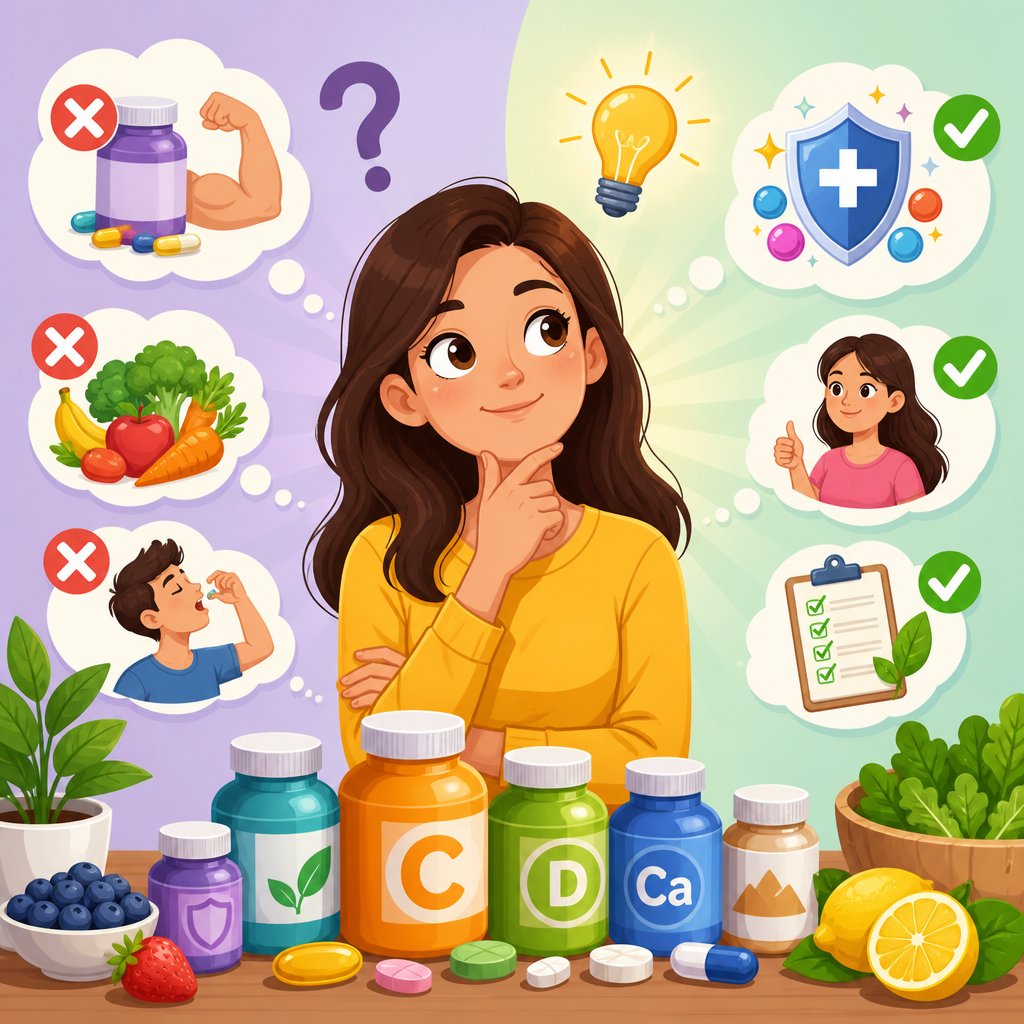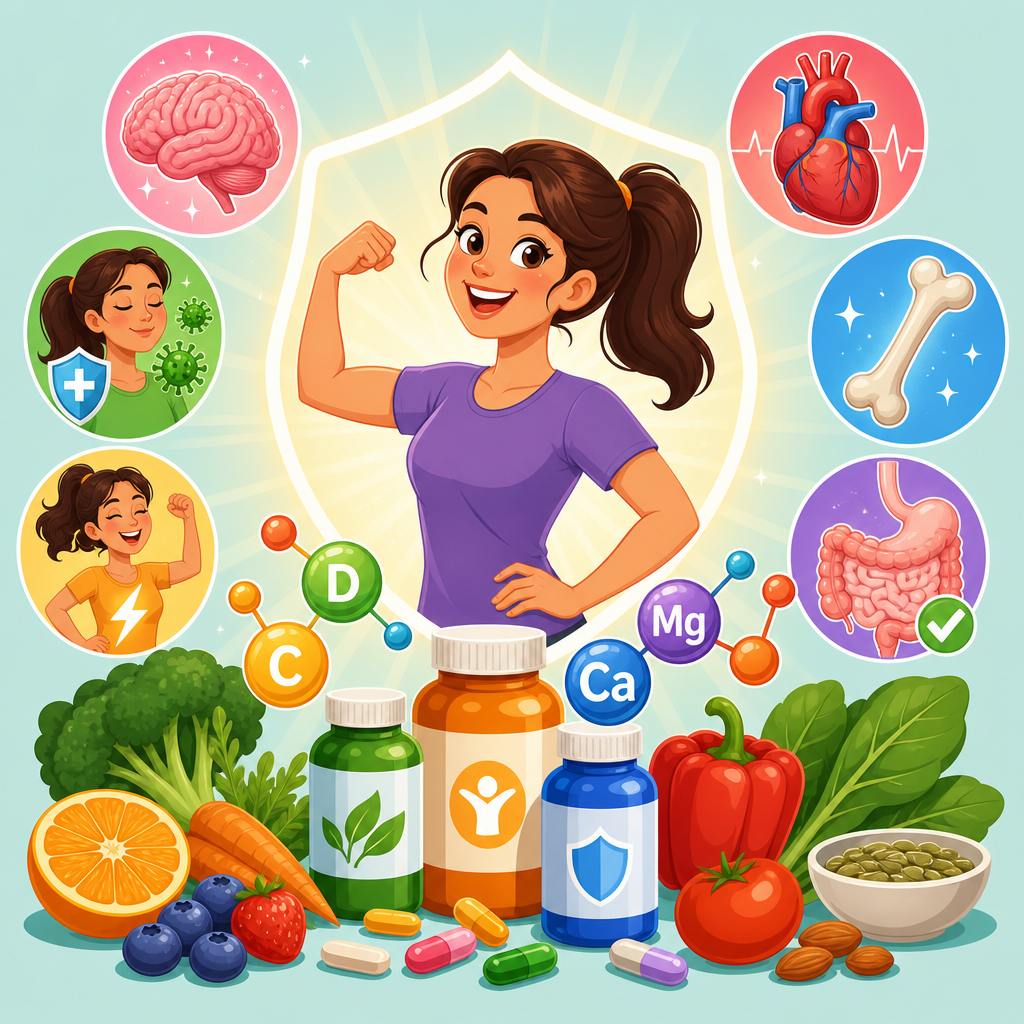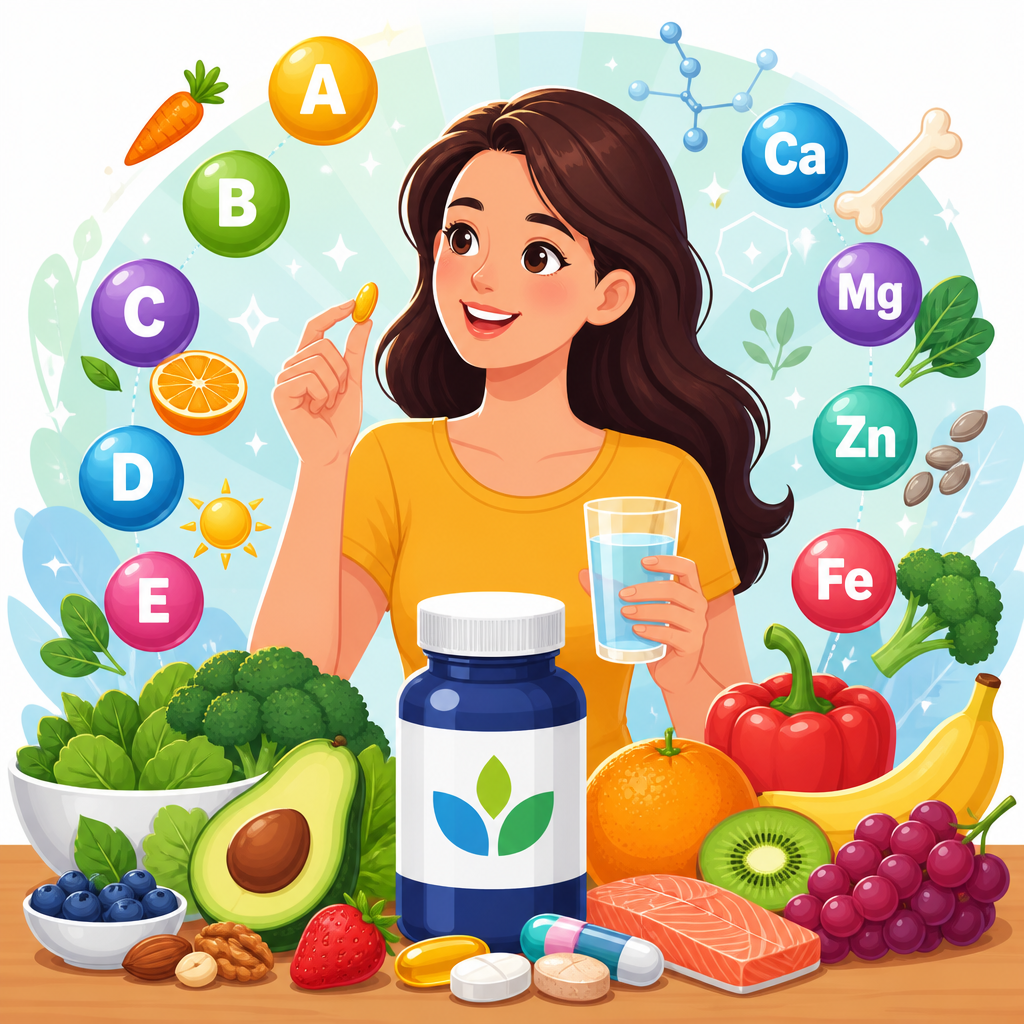
Essential vitamins and mineral supplements can help close nutritional gaps, support normal body functions, and complement a balanced eating pattern when food intake, absorption, or health status makes meeting needs difficult. Vitamins are organic compounds your body requires in small amounts for processes such as energy metabolism, immune defense, vision, blood formation, and tissue repair. Minerals are inorganic elements, including calcium, magnesium, iron, zinc, iodine, potassium, and selenium, that regulate bone structure, fluid balance, nerve signaling, muscle contraction, thyroid activity, and hundreds of enzyme reactions. Supplements provide these nutrients in measured forms such as tablets, capsules, powders, gummies, liquids, and fortified drinks.
This topic matters because modern diets are often inconsistent, highly processed, or shaped by medical, ethical, and practical constraints. I have worked with clients who ate enough calories yet still fell short on vitamin D, magnesium, iron, or B12 because of shift work, limited sun exposure, heavy training, digestive conditions, or plant-based diets. National surveys have repeatedly shown that many adults do not meet recommended intakes for nutrients including vitamin D, calcium, potassium, and magnesium from food alone. At the same time, more is not always better. The right strategy is not random stacking but targeted use based on diet quality, life stage, lab work, and risk factors.
As a hub within Supplements and Nutraceuticals, this guide explains what essential vitamins and mineral supplements are, who may benefit, how to choose forms and doses, how to combine them with meals, and how to avoid common mistakes. It is designed to answer practical questions clearly: Which nutrients are most often low? Should you take a multivitamin or single nutrient? What forms absorb best? How do you fit supplements into breakfast, lunch, dinner, and snacks without upsetting your stomach or interfering with medications? Used correctly, supplements are not a substitute for food; they are a structured tool for nutritional adequacy.
What Counts as an Essential Vitamin or Mineral Supplement
An essential nutrient is one the body cannot make in sufficient amounts, so it must come from diet or supplementation. The essential vitamins are A, C, D, E, K, and the eight B vitamins: thiamin, riboflavin, niacin, pantothenic acid, B6, biotin, folate, and B12. Essential minerals include major minerals such as calcium, phosphorus, magnesium, sodium, potassium, and chloride, plus trace minerals such as iron, zinc, copper, selenium, iodine, manganese, molybdenum, chromium, and fluoride. A supplement may contain one nutrient, a blend, or a full-spectrum multivitamin-mineral formula.
The most useful way to incorporate supplements is to treat them as precision support. For example, vitamin D3 is often chosen when blood levels of 25-hydroxyvitamin D are low or sun exposure is limited. Vitamin B12 is commonly used by vegans, older adults with reduced stomach acid, or people taking metformin or acid-suppressing drugs. Iron may be appropriate for menstruating women, pregnant women, endurance athletes, and people with diagnosed deficiency, but it should not be taken casually because excess iron can be harmful. Calcium citrate may suit people with low dietary calcium or reduced stomach acid, while magnesium glycinate or citrate can help those who do not reach intake targets from nuts, legumes, whole grains, and leafy greens.
Different forms matter. Magnesium oxide is inexpensive but generally less bioavailable than citrate or glycinate. Cyanocobalamin is stable and effective for many people, while methylcobalamin is also widely used. Folic acid is the supplemental form used in fortified foods and prenatal vitamins, whereas folate refers to naturally occurring food forms. Vitamin D3 generally raises blood vitamin D more effectively than D2. These distinctions do not make one product universally superior, but they do affect tolerance, cost, and absorption in real-world use.
Who Benefits Most and Which Nutrients Commonly Need Attention
The people most likely to benefit from essential vitamins and mineral supplements are those with increased needs, lower intake, or impaired absorption. Pregnancy raises demands for folate, iron, iodine, choline, and often vitamin D. Older adults may need more B12, vitamin D, and calcium support because of lower gastric acid, less sun exposure, and changes in appetite. Vegans often require B12 and may need iodine, iron, zinc, calcium, and vitamin D depending on food choices. Individuals with celiac disease, inflammatory bowel disease, prior bariatric surgery, chronic diarrhea, or pancreatic insufficiency frequently need targeted supplementation under clinical guidance. Athletes, especially endurance athletes, can run low on iron, magnesium, or sodium depending on training load and sweat loss.
The most commonly discussed shortfall nutrients include vitamin D, calcium, magnesium, potassium, iron, iodine, folate, and B12. Potassium deserves special mention because food should be the first-line source through potatoes, beans, yogurt, fruit, and vegetables; over-the-counter potassium supplements are intentionally limited in dose in many markets. Iron is another nutrient where context matters. Fatigue, shortness of breath, brittle nails, restless legs, or poor exercise recovery may suggest deficiency, but only testing can distinguish iron deficiency from other causes. Ferritin, hemoglobin, and transferrin saturation are useful markers. In practice, the best supplement plan begins by identifying the likely gap rather than buying the biggest bottle.
| Nutrient | Common reasons intake runs low | Typical food anchors | Common supplement use case |
|---|---|---|---|
| Vitamin D | Low sun exposure, indoor work, darker skin, winter latitude | Fatty fish, fortified dairy, fortified plant milks | Low blood level or limited sunlight |
| Vitamin B12 | Vegan diet, aging, metformin, acid reducers | Meat, dairy, eggs, fortified foods | Routine support for vegans or confirmed low status |
| Iron | Menstruation, pregnancy, endurance training, low intake | Red meat, legumes, fortified cereals | Documented deficiency or increased need |
| Calcium | Low dairy intake, low fortified alternatives, aging | Dairy, calcium-set tofu, fortified beverages | Gap filling when diet is consistently low |
| Magnesium | Low whole-food intake, GI loss, some medications | Nuts, seeds, beans, whole grains | Dietary shortfall or clinician-directed support |
| Iodine | Nonuse of iodized salt, vegan diet, pregnancy | Iodized salt, dairy, seafood | Targeted support when intake is unreliable |
How to Add Supplements to Meals Without Guesswork
The easiest way to incorporate more essential vitamins and mineral supplements into your diet is to pair them with routines you already follow. Most people stay consistent when supplements live beside a meal rather than in a separate health ritual. Fat-soluble vitamins A, D, E, and K absorb better when taken with a meal containing fat, such as eggs, yogurt, salmon, olive oil, avocado, or nuts. A multivitamin often works well with breakfast or lunch because B vitamins can feel stimulating for some users if taken late in the day. Iron is best absorbed on a relatively empty stomach with water or vitamin C, but many people tolerate it better with a light meal. Calcium can reduce iron absorption when taken together, so it is usually smarter to separate them.
I often recommend a simple meal map. Breakfast can carry a multivitamin, vitamin D, omega-3 if used, and B12 for those who need it. Lunch is a good backup time for multivitamins if breakfast is rushed. Dinner can be ideal for magnesium, calcium, or zinc because those are often easier on the stomach with food. If iron is prescribed, place it between meals or at a different time from calcium, coffee, tea, high-fiber bran cereal, or dairy. That structure reduces missed doses and minimizes nutrient competition.
Food pairing improves tolerance and effectiveness. Take iron with citrus fruit, kiwi, strawberries, or a small glass of orange juice to enhance non-heme iron absorption. Avoid taking thyroid medication with calcium, iron, or magnesium because these can impair absorption; most clinicians advise separating them by several hours. Antibiotics such as tetracyclines and fluoroquinolones can also interact with minerals. For magnesium, glycinate is often well tolerated, while citrate may be preferred when mild constipation is also an issue. For calcium, divide larger doses because absorption is saturable; many adults do better with 500 milligrams or less at one time.
Choosing Quality Products, Safe Doses, and the Right Format
Not all supplements are made to the same standard, and label reading is a practical skill. Start by checking the Supplement Facts panel, the serving size, and the exact nutrient forms. Then compare those amounts with the Recommended Dietary Allowance or Adequate Intake for your age and sex rather than assuming a higher number is better. Watch for products that deliver megadoses without a clear reason. Excess vitamin A as retinol can be risky in pregnancy and harmful to bone at high chronic intakes. Too much zinc can lower copper status. Excess selenium can cause hair loss, nail changes, and gastrointestinal symptoms. High-dose vitamin B6 taken long term has been associated with neuropathy.
Quality markers add confidence. In the United States, third-party testing from USP, NSF, or ConsumerLab is useful because it helps verify identity, purity, and label accuracy. For athletes, NSF Certified for Sport or Informed Sport can reduce the risk of contamination with banned substances. Product format should match your needs. Capsules are convenient, chewables and gummies improve adherence for some people, but gummies often contain less of key minerals and may add sugar. Powders can be effective for magnesium or electrolyte blends. Liquids may help children, older adults, or people with swallowing difficulties. The best format is the one you will take consistently, provided the formula is evidence-based and appropriately dosed.
When in doubt, use the lowest effective dose that closes the gap. A basic multivitamin-mineral can be a sensible foundation for people with variable diets, but it should not replace targeted supplements where a specific deficiency exists. Prenatal formulas are a clear example of specialized design: they emphasize folic acid or methylfolate, iron, iodine, and other nutrients relevant to fetal development, while avoiding inappropriate excesses. Personalization beats trend-following every time.
Common Mistakes, Interactions, and When to Seek Testing
The biggest mistake is using supplements to compensate for a consistently poor diet. Essential vitamins and mineral supplements work best when the diet already includes protein, fiber, fruits, vegetables, legumes, whole grains, and healthy fats. Another common mistake is layering a multivitamin, a greens powder, fortified shakes, and multiple single nutrients without totaling the combined amounts. That is how people unintentionally exceed tolerable upper intake levels. I have seen zinc overuse create nausea and copper imbalance, and vitamin D overuse push blood calcium too high in people who assumed more was safer.
Testing is worth considering when symptoms persist, risk is high, or dose decisions matter. Vitamin D can be assessed with serum 25-hydroxyvitamin D. Iron status may require ferritin, complete blood count, and iron studies. B12 can be clarified with serum B12 and, in some cases, methylmalonic acid. Magnesium is harder because serum magnesium does not always reflect total-body status, which is one reason dietary assessment remains important. A clinician should also review medications, kidney function, liver disease, pregnancy status, and any history of kidney stones, hemochromatosis, thyroid disease, or malabsorption before aggressive supplementation.
Consistency, documentation, and reevaluation are what make supplementation effective. Keep a short list of what you take, why you take it, the dose, and the time of day. Reassess after eight to twelve weeks for adherence, symptom change, diet improvement, and lab response if testing was part of the plan. Supplements should solve a defined problem, not become permanent clutter in the cabinet.
Incorporating more essential vitamins and mineral supplements into your diet is not about taking everything; it is about identifying genuine needs, choosing reliable products, and fitting them into meals and routines in ways your body can use. Vitamins and minerals are foundational to immunity, bone health, red blood cell production, nerve signaling, muscle function, and energy metabolism, but supplements deliver the best results only when they are matched to diet quality, life stage, medical history, and medication use.
The clearest path is simple. Start with food first, then look for likely gaps such as vitamin D, B12, iron, calcium, magnesium, or iodine based on your eating pattern and health context. Use meal timing to improve absorption, separate nutrients that compete, avoid unnecessary megadoses, and favor third-party tested products with transparent labels. If you have symptoms, a restrictive diet, digestive disease, pregnancy, or long-term medication use, ask for targeted testing instead of guessing.
As the central resource in this supplements and nutraceuticals subtopic, this guide gives you the framework to make informed choices and connect each supplement to a real purpose. Review your current diet, list the nutrients you may be missing, and build a practical plan with your clinician or dietitian so every supplement you take earns its place.
Frequently Asked Questions
What are the easiest ways to add more essential vitamins and mineral supplements to my daily routine?
The simplest approach is to pair supplements with habits you already follow consistently. Many people find it easiest to take a daily multivitamin, vitamin D, magnesium, calcium, iron, zinc, or other targeted nutrients with breakfast or dinner so it becomes part of an established routine. Using a pill organizer, setting a phone reminder, or keeping supplements in a visible place can also improve consistency. If you already prepare smoothies, yogurt bowls, or protein shakes, that can be another convenient time to include certain powdered supplements, depending on the product instructions.
It also helps to think of supplements as a complement to food rather than a replacement for healthy eating. Start by identifying likely gaps in your diet. For example, if you rarely eat dairy or fortified alternatives, calcium and vitamin D may deserve attention. If you eat little seafood, iodine or omega-related nutrient concerns may come up, depending on your overall diet. If your intake of leafy greens, legumes, nuts, seeds, and whole grains is low, magnesium and other minerals may be worth discussing with a healthcare professional. A practical strategy is to focus on one or two priorities instead of buying many products at once. That makes it easier to stay consistent, monitor how you feel, and avoid unnecessary overlap between supplements.
How do I know which vitamins and minerals I may need more of?
The best starting point is your overall eating pattern, life stage, and health history. Nutrient needs vary based on age, sex, activity level, pregnancy status, medical conditions, medications, digestive health, and whether you follow a vegetarian, vegan, or otherwise restricted diet. For example, iron may be a key concern for some women of childbearing age, while vitamin B12 may be especially important for older adults or people who eat little or no animal-derived food. Calcium and vitamin D often deserve attention for bone health, and magnesium, zinc, selenium, iodine, and potassium may be relevant depending on what your typical diet includes.
Symptoms alone are not always a reliable way to identify deficiencies, because signs such as fatigue, low energy, brittle nails, trouble concentrating, or muscle cramps can have many causes. That is why a more accurate approach includes reviewing your diet, looking at your supplement use, and, when appropriate, getting lab work through a qualified healthcare provider. A doctor or registered dietitian can help you determine whether you truly need a targeted supplement, whether the dose is appropriate, and whether there are any interactions with medications. This is especially important with iron, vitamin A, iodine, selenium, and fat-soluble vitamins such as A, D, E, and K, because more is not always better and excess intake can sometimes be harmful.
Is it better to get vitamins and minerals from food or from supplements?
In most cases, food should be the foundation of your nutrition plan because whole foods provide a broader package of benefits beyond isolated nutrients. Fruits, vegetables, legumes, whole grains, dairy or fortified alternatives, nuts, seeds, eggs, seafood, and lean proteins deliver vitamins and minerals alongside fiber, protein, healthy fats, and plant compounds that work together to support health. A balanced eating pattern can help cover needs for nutrients involved in immune function, vision, red blood cell production, nerve signaling, fluid balance, and tissue maintenance.
That said, supplements can play an important role when food alone is not enough. They can help fill nutritional gaps created by limited intake, food intolerances, absorption issues, medical conditions, certain medications, or increased needs during life stages such as pregnancy or aging. Supplements can also be useful when a lab-confirmed deficiency exists or when a clinician recommends a specific nutrient for a defined reason. The key is to use them strategically. Supplements are most effective when they support, rather than replace, healthy eating habits. In other words, aim to improve your diet first when possible, then use vitamins and mineral supplements to address the gaps that remain.
Are there important tips for taking vitamin and mineral supplements safely and effectively?
Yes, timing, dosage, and product quality all matter. Always read the label for serving size, dosage, and whether the product should be taken with food. Some nutrients are often better tolerated with meals, and certain vitamins, such as A, D, E, and K, are fat-soluble and may absorb better when taken with a meal that contains some fat. Minerals can also interact with each other. For instance, calcium, iron, magnesium, and zinc may compete for absorption when taken in large amounts at the same time, so spacing them out may be helpful in some cases. Iron often has specific guidance and may be best taken separately from calcium, depending on the recommendation from your healthcare provider.
It is also wise to avoid stacking multiple products that contain the same ingredients unless you have checked the total amounts carefully. A multivitamin plus an individual mineral supplement plus a fortified drink can add up quickly. Choose reputable brands that provide clear labeling and preferably use third-party testing for quality and purity. If you are pregnant, breastfeeding, managing thyroid disease, kidney disease, anemia, gastrointestinal conditions, or taking prescription medications, personalized medical guidance is especially important. Safe supplementation is not just about choosing the right nutrient. It is about choosing the right dose, the right form, and the right routine for your body and your health situation.
Can supplements really improve my health if I already eat fairly well?
They can, but the benefit depends on whether there is an actual gap, increased need, or difficulty absorbing certain nutrients. If your diet is already varied and well-balanced, a supplement may provide only a small additional benefit unless there is a specific reason you need more of a particular vitamin or mineral. For example, someone who gets little sun exposure may still benefit from vitamin D support, even with a strong diet. A person who eats well but has heavy menstrual losses might still need iron evaluation. An older adult with reduced stomach acid or absorption changes may still need B12 support. In these cases, supplements can help maintain normal body functions and support overall nutritional adequacy.
At the same time, it is important to keep expectations realistic. Supplements are not a shortcut for poor eating habits, inadequate sleep, high stress, or lack of physical activity. They are tools that help support health, not instant fixes. The biggest improvements usually come from combining a nutrient-dense diet with thoughtful supplementation when needed, along with sustainable lifestyle habits. If you want the best results, consider a targeted approach based on your personal diet and health profile instead of assuming more products automatically mean better health. A focused plan is usually safer, simpler, and more effective over time.