CBD and hemp-based supplements now sit at the center of a fast-growing conversation about wellness, chronic disease risk, and evidence-based prevention. As someone who has reviewed supplement formulations, compliance documents, and clinical literature for years, I have seen this category evolve from a niche botanical market into a complex field shaped by nutrition science, pharmacology, agriculture, and regulation. For readers exploring supplements and nutraceuticals, this hub explains what CBD and hemp-based supplements are, how they may relate to disease prevention, where the evidence is strongest, and where caution is still necessary.
CBD, short for cannabidiol, is a non-intoxicating cannabinoid found in Cannabis sativa L. Hemp is the legal term generally used for cannabis varieties containing very low concentrations of delta-9 tetrahydrocannabinol, or THC, typically no more than 0.3 percent on a dry-weight basis in the United States. Hemp-based supplements may include CBD oils, broad-spectrum cannabinoid blends, hemp seed oil, hemp protein, hemp seed hearts, fiber-rich powders, and products containing terpenes or minor cannabinoids. These are not interchangeable. Hemp seed foods contain virtually no CBD but provide essential fatty acids, protein, minerals, and bioactive compounds. CBD extracts, by contrast, are used primarily for their interaction with the endocannabinoid system.
Disease prevention is also a term that needs precision. Supplements rarely prevent disease in the way vaccines or smoking cessation do. Instead, they may support biological processes tied to lower long-term risk, such as inflammation control, sleep quality, metabolic balance, stress regulation, or nutrient adequacy. That distinction matters because the strongest case for CBD and hemp-based supplements is indirect. Current evidence suggests they may influence several pathways associated with chronic illness, but they should be viewed as supportive tools within a broader prevention strategy that includes diet, physical activity, sleep, and medical care. Understanding this nuance helps consumers make better decisions and helps clinicians evaluate product claims critically.
This article serves as the central guide to CBD and hemp-based supplements. It covers mechanisms, specific product categories, possible roles in cardiovascular, metabolic, neurological, and inflammatory health, safety concerns, quality standards, and practical selection criteria. If you want a clear answer to whether CBD or hemp supplements belong in a prevention-focused routine, the short answer is this: some hemp-derived products have meaningful nutritional or physiological value, but benefits depend heavily on the compound, dose, formulation, and individual context.
What CBD and hemp-based supplements actually include
The category is broader than many labels suggest. In practice, I group hemp-based supplements into three main classes. First are hemp seed nutrition products, such as hemp seed oil, shelled hemp seeds, and hemp protein. These products deliver alpha-linolenic acid, linoleic acid, gamma-linolenic acid, arginine, magnesium, and plant protein. Second are cannabinoid extracts, including CBD isolate, broad-spectrum products with multiple non-THC cannabinoids, and full-spectrum extracts that may contain trace THC within legal limits. Third are hybrid formulas combining cannabinoids with adaptogens, melatonin, curcumin, magnesium, or other nutraceutical ingredients.
That distinction matters because the disease-prevention rationale differs for each type. Hemp seed products resemble functional foods. Their preventive potential comes from established nutritional mechanisms, including improved fat quality in the diet and support for cardiometabolic health. CBD extracts work differently. Cannabidiol does not function as an essential nutrient. Instead, it modulates signaling pathways involving serotonin receptors, transient receptor potential channels, adenosine signaling, inflammatory mediators, and the endocannabinoid system. Full-spectrum products may also create an additive effect through terpenes and minor cannabinoids, although this remains harder to standardize in research.
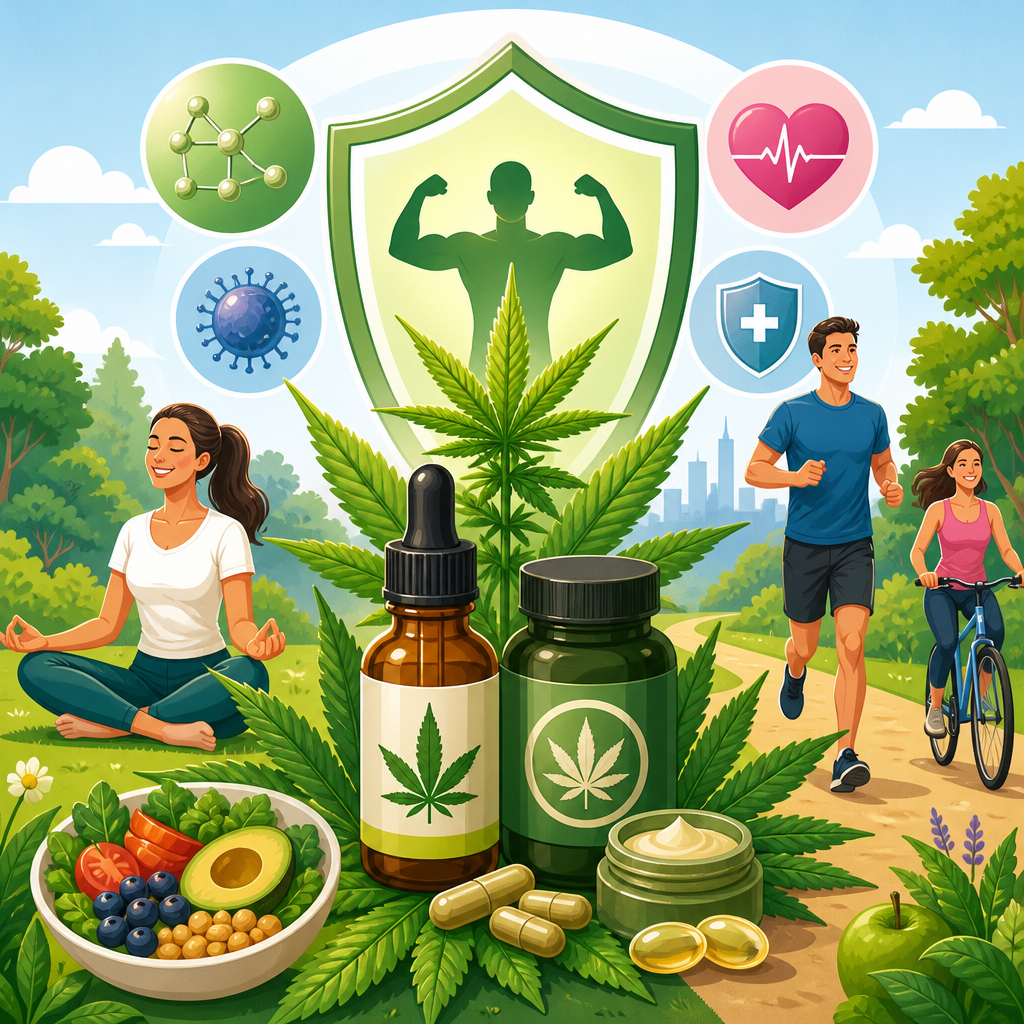
Consumers often ask whether hemp oil and CBD oil are the same. They are not. Hemp seed oil is pressed from seeds and usually contains negligible cannabinoids. CBD oil is produced from flowers, leaves, or aerial parts rich in cannabidiol, then diluted into a carrier such as MCT oil or hemp seed oil. This confusion drives many weak purchasing decisions. A bottle marketed with green leaves and the word hemp may be nutritionally useful, but it may not provide meaningful CBD at all.
How CBD may influence pathways linked to disease prevention
CBD is most relevant to disease prevention through systems biology rather than direct disease claims. Chronic illnesses such as cardiovascular disease, type 2 diabetes, neurodegenerative conditions, and some autoimmune disorders share overlapping mechanisms: persistent low-grade inflammation, oxidative stress, impaired sleep, elevated sympathetic tone, and dysregulated glucose or lipid metabolism. Cannabidiol appears to affect several of these pathways in preclinical and limited human research.
One of the most studied mechanisms is inflammatory signaling. CBD has been shown in laboratory models to influence cytokines, oxidative stress markers, and immune-cell activity. Researchers have examined effects on tumor necrosis factor alpha, interleukins, NF-kappaB signaling, and reactive oxygen species. This does not mean CBD prevents inflammatory disease outright, but it helps explain why investigators continue studying it in conditions where inflammation drives long-term tissue damage. Another mechanism involves stress response. In real-world use, many adults report taking CBD to support calm, recovery, and sleep quality. Better sleep and lower chronic stress can plausibly contribute to disease-risk reduction because poor sleep is linked with insulin resistance, hypertension, depression, and immune dysfunction.
There is also interest in pain management. Prevention is not just about avoiding pathology; it is also about sustaining healthy behavior. People dealing with chronic discomfort often move less, sleep worse, and rely more heavily on alcohol or high-risk pain strategies. When CBD helps some users manage mild pain or improve recovery, it may indirectly support healthier routines. That said, response is highly variable, and oral bioavailability is limited. Effects depend on formulation, dose, timing, and whether the product has been third-party tested.
Hemp nutrition and cardiometabolic health
Hemp seed foods have a clearer prevention profile than many cannabinoid products because they supply measurable nutrients associated with long-term health. Hemp seeds contain polyunsaturated fats, including omega-6 linoleic acid and omega-3 alpha-linolenic acid, usually in a favorable ratio compared with many modern diets. They also provide gamma-linolenic acid, a less common omega-6 fat studied for its role in inflammatory balance. In food-formulation work, I have often viewed hemp seeds less as a trendy ingredient and more as a practical replacement for lower-quality calorie sources.
For cardiovascular prevention, the combination of unsaturated fats, arginine, and fiber support matters. Arginine is a precursor to nitric oxide, which helps regulate vascular tone. Replacing saturated fat-heavy snacks with hemp seeds or using hemp protein in place of more refined options can improve overall diet quality. Hemp seed oil is not a miracle oil, but it can fit into a Mediterranean-style pattern that supports blood lipid management and vascular health. Mineral content adds further value. Hemp foods can contribute magnesium, iron, zinc, and manganese, all relevant to energy metabolism and antioxidant defenses.
For metabolic health, hemp protein powders can help increase protein intake in plant-forward diets, potentially improving satiety and supporting weight management. The caveat is that not all powders are equivalent. Some are heavily flavored, sweetened, or diluted with fillers. A simple, minimally processed hemp protein with transparent macronutrient labeling is usually the better preventive option. Consumers seeking disease prevention should think in dietary patterns, not single superfoods.
What the current evidence says by health area
The evidence base is uneven, and a hub article should say that plainly. Strongest human evidence for purified CBD exists in seizure disorders, particularly specific pediatric epilepsies, but that is treatment, not prevention. For broader prevention-oriented outcomes, the literature is more preliminary. Still, several health areas deserve close attention because they intersect with chronic disease risk.
| Health area | Potential role of CBD or hemp supplements | Current evidence level |
|---|---|---|
| Sleep and stress | CBD may help some adults with relaxation and sleep quality; hemp foods support balanced nutrition | Moderate but mixed human evidence for CBD; stronger observational support for sleep as a risk modifier |
| Inflammation and recovery | CBD may modulate inflammatory pathways and post-exercise discomfort | Promising preclinical evidence, limited standardized human trials |
| Cardiovascular and metabolic health | Hemp seeds and hemp protein improve diet quality; CBD research is early | Moderate nutritional evidence for hemp foods; limited direct prevention evidence for CBD |
| Neurological aging | CBD is being studied for oxidative stress, neuroinflammation, and resilience | Early-stage evidence, mostly preclinical and exploratory |
For sleep and stress, the mechanism is plausible and clinically relevant. Adults with persistent insomnia, elevated anxiety, or irregular recovery patterns often show downstream risk markers affecting blood pressure, glucose control, and mood. Some small studies and real-world surveys suggest CBD may improve subjective sleep or calmness, especially at tailored doses, but results vary widely. For inflammation and recovery, evidence is stronger in mechanism than in definitive outcomes. For neurological aging, CBD remains investigational. Interest is high because oxidative stress and neuroinflammation contribute to cognitive decline, yet no responsible reviewer should claim established prevention benefits at this stage.
Safety, interactions, quality control, and smart product selection
The most important practical issue in this category is not hype but product quality. I have reviewed certificates of analysis that looked clean on the front page yet failed to match label potency or omitted terpene and residual-solvent detail. Consumers should look for third-party testing from ISO-accredited laboratories, batch-specific certificates of analysis, clear cannabinoid content per serving, and contaminant screening for heavy metals, pesticides, residual solvents, and microbial load. Because hemp is a bioaccumulator, sourcing and agricultural practices matter.
Safety is equally important. CBD can interact with medications through cytochrome P450 enzymes, especially CYP3A4 and CYP2C19. That matters for anticoagulants, antiepileptics, some antidepressants, and other drugs with narrow therapeutic windows. Liver enzyme elevations have been reported, particularly at higher doses. Common side effects can include drowsiness, gastrointestinal upset, dry mouth, and appetite changes. Full-spectrum products may also create concerns for people sensitive to THC or subject to drug testing. Pregnant or breastfeeding individuals should avoid cannabinoid supplements unless specifically advised by a qualified clinician.
For choosing products, start with the intended goal. If the aim is basic preventive nutrition, hemp seeds, hemp protein, or hemp seed oil may be enough. If the goal is sleep support or stress regulation, a CBD product with precise milligram labeling, a consistent carrier oil, and transparent testing is more relevant. Softgels generally improve dosing consistency; tinctures offer flexible titration; gummies are convenient but often add sugar and can vary in absorption. The best approach is to begin low, assess response over at least several days, and document effects alongside sleep, stress, pain, and medication use.
How this hub fits a prevention-focused supplement strategy
CBD and hemp-based supplements make the most sense when placed within a larger prevention framework. In practice, I advise readers to rank priorities in this order: foundational diet quality, physical activity, sleep hygiene, stress management, clinical screening, then targeted supplementation. Within that model, hemp foods can play a direct daily role by improving nutrient density and fat quality. CBD may serve a more selective role by supporting behaviors and physiological states that influence long-term risk, especially restorative sleep, recovery, and stress control.
This hub is the starting point for deeper exploration across the subtopic. Individual articles can examine CBD dosing, broad-spectrum versus isolate formulas, hemp seed nutrition, sleep support, inflammation, medication interactions, and regulatory compliance in more detail. That structure reflects the reality of the market: no single article can answer every question because “hemp supplement” covers everything from salad toppers to pharmacologically active extracts. The key is to match the product to the preventive objective and to demand evidence proportional to the claim. When used carefully, some CBD and hemp-based supplements can be reasonable additions to a health-conscious routine. When marketed irresponsibly, they can distract from proven prevention basics.
The main takeaway is simple. Hemp-based supplements are not one category with one answer. Hemp seeds and related foods offer straightforward nutritional benefits that can support cardiovascular and metabolic health. CBD is more complex: promising for sleep, stress, recovery, and inflammation-related pathways, but still limited by variable study quality, dosing inconsistency, and interaction risks. Disease prevention claims should therefore be framed conservatively and evaluated product by product.
If you are building a smarter supplement routine, start with the evidence-rich options, verify quality, and involve a clinician when medications or chronic conditions are in the picture. Use this hub as your foundation, then explore the linked topics in the CBD and hemp-based supplements cluster to make decisions that are practical, safe, and grounded in real science.
Frequently Asked Questions
Can CBD or hemp-based supplements prevent disease?
CBD and hemp-based supplements should not be viewed as proven tools for preventing disease in the same way that vaccines, blood pressure control, smoking cessation, balanced nutrition, exercise, and medically supervised screening are established prevention strategies. What these products may do, in certain contexts, is support biological functions connected to overall wellness, such as stress response, sleep quality, inflammatory signaling, and recovery. Those areas matter because poor sleep, chronic stress, metabolic dysfunction, and persistent inflammation can all influence long-term health risk. However, that is very different from saying a supplement can directly prevent cancer, heart disease, diabetes, or neurodegenerative disorders.
The current evidence is still developing. Some early preclinical and limited human research suggests cannabinoids and other hemp-derived compounds may interact with the endocannabinoid system, a regulatory network involved in mood, appetite, immune activity, pain signaling, and homeostasis. Hemp seed ingredients may also contribute useful nutrients, including essential fatty acids, protein, and certain minerals, which can support a healthy diet. Even so, the strength of evidence depends heavily on the specific ingredient, dose, formulation, and health outcome being discussed. A broad “hemp prevents disease” claim is not supported by high-quality clinical evidence.
For most readers, the most accurate takeaway is that CBD and hemp-based supplements may play a supportive role in a broader wellness plan, but they are not substitutes for primary prevention measures or medical care. Any product that promises to “stop disease before it starts” should be approached with caution, especially if it relies on vague marketing language rather than transparent ingredient data, third-party testing, and realistic claims.
What is the difference between CBD, hemp extract, and hemp seed supplements when discussing health benefits?
This distinction is essential because these categories are often grouped together in marketing, even though they are not nutritionally or pharmacologically identical. CBD, or cannabidiol, is a specific cannabinoid usually extracted from the aerial parts of the hemp plant. It is most often discussed for its interaction with the endocannabinoid system and its potential effects on stress, sleep, discomfort, and inflammatory pathways. Hemp extract is a broader term that may include CBD along with other cannabinoids, terpenes, flavonoids, and plant compounds, depending on how the product is made. The exact profile can vary widely from one brand to another.
Hemp seed supplements are different. Hemp seeds and hemp seed oil generally contain little to no meaningful CBD. Their value comes primarily from nutrition rather than cannabinoid content. They can provide polyunsaturated fats, including omega-3 and omega-6 fatty acids, protein, fiber in some forms, and micronutrients that support cardiovascular and metabolic health as part of an overall diet. When people talk about hemp and disease prevention, hemp seed products fit more naturally into conversations about nutritional adequacy, while CBD products fit more into discussions about signaling pathways, symptom support, and regulatory complexity.
That is why label reading matters. A product called “hemp oil” may be hemp seed oil with no significant cannabinoids, or it may be a cannabinoid-containing extract. Readers trying to evaluate evidence should always ask: Which hemp ingredient is being used? How much of it is present? Is the intended benefit nutritional, functional, or therapeutic? Without that level of specificity, it is almost impossible to connect a product to the research in a meaningful or evidence-based way.
How might CBD and hemp-based supplements support long-term wellness if they do not directly prevent disease?
One of the most reasonable ways to think about these products is through risk support rather than disease prevention claims. Long-term wellness is influenced by many overlapping factors, including sleep quality, stress resilience, physical activity, diet quality, body composition, recovery capacity, and inflammation balance. If a hemp-based supplement helps a person sleep more consistently, feel less overwhelmed, or maintain better adherence to healthy routines, it may indirectly support healthier aging and lower-risk behaviors. That supportive role is where much of the practical consumer interest lies.
CBD, in particular, is often explored for its potential to help moderate stress-related symptoms, tension, and sleep disruption. Those effects are not guaranteed, and they are not universal, but they are relevant because chronically poor sleep and unmanaged stress can negatively affect blood sugar control, cardiovascular health, immune function, and mental well-being over time. Meanwhile, hemp seed foods and oils may support long-term wellness by improving dietary fat quality and contributing to nutrient intake, especially when they replace less favorable processed ingredients in the diet.
Still, these supplements work best when they are part of a larger strategy. No supplement can overcome the effects of smoking, excess alcohol use, severe sleep deprivation, or a consistently poor diet. The most evidence-aligned approach is to view CBD and hemp-based products as potentially useful adjuncts, not primary interventions. Their real value, when present, usually comes from helping support the systems and habits that contribute to better health over time.
Are CBD and hemp-based supplements safe for everyone?
No supplement is universally safe, and CBD is a good example of why individualized review matters. Although many people tolerate CBD reasonably well, it can cause side effects such as drowsiness, gastrointestinal discomfort, changes in appetite, or fatigue. More importantly, CBD may interact with certain medications because it can affect how the body processes drugs through liver enzyme pathways. That makes it particularly important for people taking blood thinners, seizure medications, heart medications, sedatives, antidepressants, immunosuppressants, or other prescription drugs to speak with a qualified healthcare professional before using it.
Safety also depends on product quality. Hemp is a bioaccumulator, which means it can absorb compounds from soil, including heavy metals or contaminants if sourcing is poor. Inconsistent manufacturing can also lead to inaccurate potency, unexpected THC exposure, solvent residues, pesticides, or microbial contamination. That is why reputable products should come with current third-party certificates of analysis showing cannabinoid content and contaminant screening. A supplement without transparent testing should be treated cautiously, especially when used regularly.
Certain groups should be even more careful, including pregnant or breastfeeding individuals, children unless under medical supervision, people with liver conditions, and anyone managing complex chronic illness. Hemp seed foods are generally more straightforward from a safety standpoint because they function more like conventional nutrition ingredients, but allergies and digestive tolerance still matter. In short, safety is not just about whether an ingredient is “natural.” It is about dose, purity, interactions, individual health status, and whether the intended use is realistic and informed by evidence.
What should consumers look for when choosing a CBD or hemp-based supplement for wellness support?
Start with clarity of purpose. Consumers should know whether they are looking for nutritional support from hemp seeds or functional support from a cannabinoid-containing product. Once that is clear, the next step is evaluating label transparency. A strong product should identify the exact ingredient used, the amount per serving, the form of delivery, and whether the formula contains full-spectrum, broad-spectrum, or isolate CBD if relevant. Vague terms like “proprietary hemp blend” without real dosing information are not helpful for informed decision-making.
Third-party testing is one of the most important quality markers. A credible brand should provide a certificate of analysis from an independent laboratory confirming cannabinoid potency and screening for contaminants such as heavy metals, pesticides, residual solvents, and microbes. Consumers should also assess whether the company makes exaggerated disease claims. Brands that promise to cure, treat, or prevent serious illnesses are raising a major red flag, both scientifically and from a compliance perspective.
It is also wise to consider formulation quality and practical fit. For hemp seed products, look for freshness, stable packaging, and minimal unnecessary additives. For CBD products, consider dose consistency, ingredient simplicity, and whether the serving size matches how the product is intended to be used. Finally, readers should remember that the best supplement is not the one with the boldest marketing, but the one with transparent sourcing, realistic positioning, good manufacturing practices, and a role that makes sense within a broader health plan grounded in nutrition, lifestyle, and medical guidance when needed.