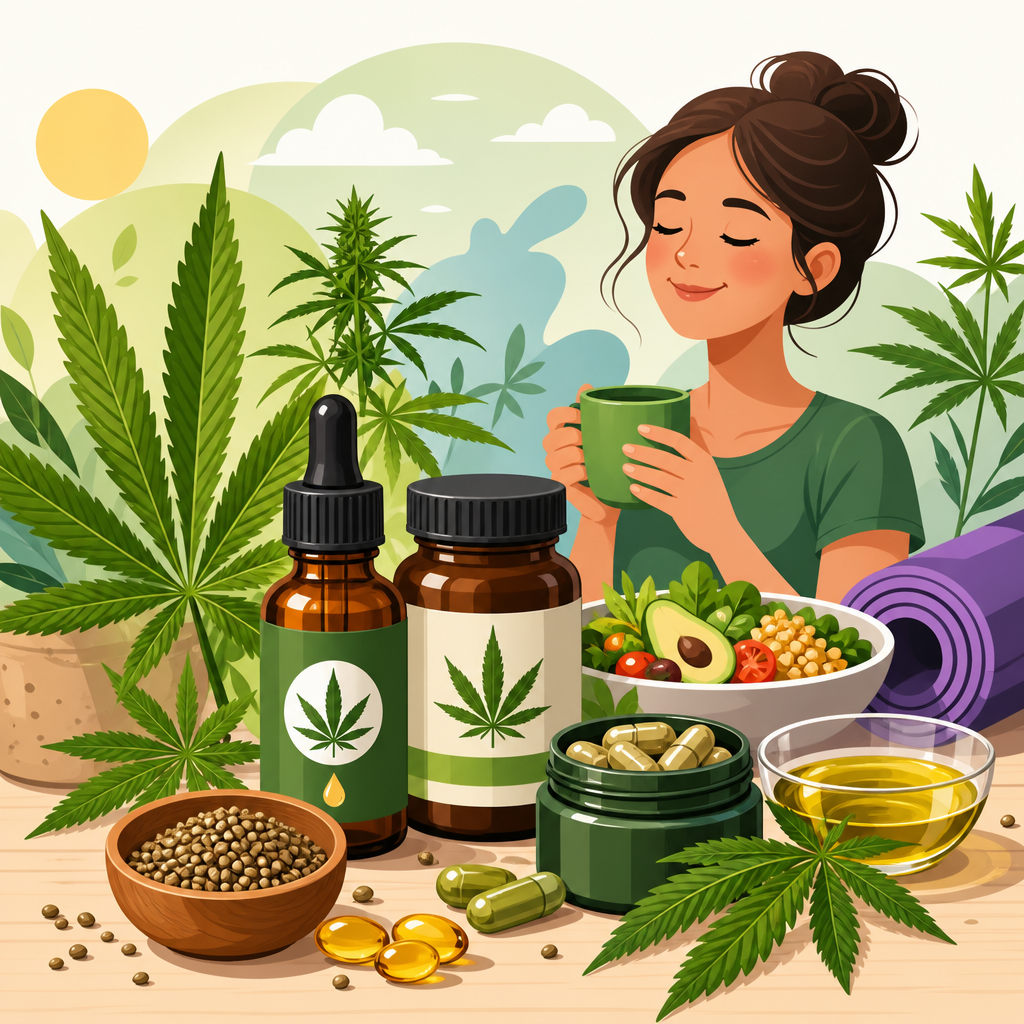
CBD and hemp-based supplements have moved from niche wellness shelves into mainstream nutrition, yet many buyers still struggle to separate evidence, marketing, and regulation. In practical terms, hemp-based supplements are products made from parts of the Cannabis sativa plant that contain little or no intoxicating tetrahydrocannabinol, while CBD, short for cannabidiol, is one of the best-known nonintoxicating cannabinoids extracted from hemp. This distinction matters because hemp seed oil, hemp protein, broad-spectrum hemp extract, full-spectrum CBD, and isolate powders are not interchangeable. I have reviewed labels, supplier documents, and third-party lab reports for years, and the same confusion appears repeatedly: people assume all hemp products contain CBD, all CBD products work the same way, or all forms support nutrition equally. None of those assumptions is accurate.
Understanding CBD and hemp-based supplements is important because these products sit at the intersection of nutrition, pharmacology, agriculture, and consumer safety. Hemp seeds provide measurable amounts of protein, fiber, magnesium, and polyunsaturated fats, especially linoleic acid and alpha-linolenic acid. CBD extracts, by contrast, are typically used for their interaction with the endocannabinoid system rather than for calories, vitamins, or macronutrients. That means a nutrition-focused buying decision starts by defining the intended benefit: better fatty acid intake, added plant protein, general wellness support, or a targeted cannabinoid formula. It also requires attention to legal status, dose accuracy, contaminants, and potential drug interactions. A strong foundation helps consumers compare products intelligently and avoid paying premium prices for formulas that do not match their goals or that make unsupported claims.
What CBD and hemp-based supplements actually are
Hemp is generally defined in the United States as Cannabis sativa containing no more than 0.3 percent delta-9 THC on a dry weight basis under the 2018 Farm Bill framework, although state rules and international definitions vary. From a supplement perspective, hemp ingredients fall into two broad categories. The first includes foods derived from seeds, such as hemp hearts, hemp seed oil, hemp flour, and hemp protein powder. These are conventional nutrition ingredients. The second includes cannabinoid-rich extracts made from flowers, leaves, and aerial parts, such as CBD oils, softgels, gummies, tinctures, and powdered concentrates. These extracts may contain cannabinoids, terpenes, and flavonoids depending on processing.
CBD itself is a phytocannabinoid. It does not produce the classic intoxication associated with THC, but it is biologically active and should not be treated like a simple food additive. Common supplement forms include CBD isolate, which contains cannabidiol with little else; broad-spectrum extract, which aims to remove THC while retaining other plant compounds; and full-spectrum extract, which keeps a wider range of cannabinoids and terpenes, including trace THC within legal limits where permitted. I advise readers to separate hemp seed oil from CBD oil immediately, because labels often place both under the umbrella of hemp wellness. Hemp seed oil is pressed from seeds and usually contains negligible CBD. CBD oil is an extract dissolved into a carrier such as MCT oil, olive oil, or hemp seed oil.
Nutritional value of hemp foods
If the goal is better nutrition, hemp foods deserve attention on their own merits. Hemp seeds typically provide complete protein, meaning they contain all nine essential amino acids, though digestibility can differ from animal protein. They also supply unsaturated fats, with a favorable balance of omega-6 and omega-3 fatty acids compared with many other seeds. A typical serving of shelled hemp seeds offers meaningful amounts of magnesium, phosphorus, manganese, and iron, plus some zinc and potassium. Hemp protein powders add convenience for smoothies and fortified foods, although processing can affect texture and amino acid availability.
Hemp seed oil contributes mostly fat-soluble energy rather than protein or fiber. It is valued for polyunsaturated fatty acids, especially linoleic acid and alpha-linolenic acid. Because these fats are prone to oxidation, fresh handling and storage matter. I recommend refrigerated storage after opening and avoiding high-heat cooking with unrefined hemp seed oil. From a nutrition planning standpoint, hemp seeds fit well into vegetarian, vegan, and Mediterranean-style eating patterns. They can enrich oatmeal, yogurt, salads, or baked goods without relying on highly processed bars or drinks. This is an important distinction in the CBD and hemp-based supplements conversation: not every useful hemp product is a cannabinoid product, and many people seeking better everyday nutrition may benefit most from hemp foods before considering CBD extracts.
How CBD works and what benefits have evidence
CBD interacts indirectly with the endocannabinoid system, a signaling network involved in homeostasis, but it also affects non-cannabinoid targets including serotonin receptors, TRPV channels, and enzymes involved in endocannabinoid tone. That complexity explains both the interest and the uncertainty around benefits. The strongest high-quality evidence for purified prescription cannabidiol is in specific seizure disorders, not general wellness. Consumer supplements are different products, different doses, and often different quality standards, so it is not valid to assume the same outcomes.
For common supplement use, consumers usually ask whether CBD helps stress, sleep, exercise recovery, pain, or inflammation. Current research is mixed. Some small studies and user reports suggest CBD may support calm or sleep in certain settings, but effects vary widely by dose, formulation, timing, and individual response. Evidence for athletic recovery and routine musculoskeletal discomfort is still emerging and not definitive. In my experience reviewing formulas, products often promise broad benefits while providing doses too low to match studied amounts. That is one reason results feel inconsistent. The practical takeaway is simple: CBD is not a cure-all, it may help some people more than others, and benefit claims should be judged against the actual milligrams delivered per serving and the quality of the extract.
Comparing common hemp supplement formats
The best format depends on the goal, preferred routine, and need for dosing precision. Oils and tinctures allow flexible serving sizes and relatively fast absorption when held briefly under the tongue. Softgels offer convenience and consistent dosing but slower onset because they move through digestion. Gummies improve adherence for some people yet often contain added sugar and can be less precise if heat or storage affects cannabinoid stability. Powders may blend into drinks, though CBD’s fat solubility means dispersion quality matters. Topicals are common in the broader hemp category, but they are not nutrition supplements and should be evaluated separately.
| Format | Best use case | Main advantage | Main limitation |
|---|---|---|---|
| Hemp seeds | Daily nutrition | Protein, minerals, healthy fats | No meaningful CBD |
| Hemp seed oil | Fatty acid intake | Easy food use | Low heat stability |
| CBD oil tincture | Flexible serving size | Adjustable dose | Taste varies |
| CBD softgel | Routine convenience | Premeasured intake | Slower onset |
| CBD gummy | Adherence | Palatable | Added sugars, variable stability |
| Hemp protein | Protein supplementation | Plant-based, versatile | Earthy texture |
When comparing options, check whether the label states milligrams of CBD per serving, the extract type, the carrier oil, and the number of servings per package. Serious brands also provide a batch-specific certificate of analysis from an accredited third-party laboratory. Without that document, there is no reliable way to confirm potency, THC compliance, or screening for pesticides, heavy metals, residual solvents, and microbial contaminants.
Quality, safety, and regulation
Quality control is the biggest issue in CBD and hemp-based supplements. Hemp is a bioaccumulator, meaning it can absorb compounds from soil, including heavy metals. Extraction adds another layer of risk if solvents are not handled properly. Reputable manufacturers address this with documented sourcing, current good manufacturing practices, validated testing methods, and transparent labeling. In the United States, dietary supplement oversight and cannabinoid regulation remain fragmented. The Food and Drug Administration has taken the position that CBD cannot be freely marketed in the same manner as conventional dietary supplement ingredients, and it has issued warning letters over disease claims and misbranding. Rules also differ across countries and states, especially for THC thresholds and product categories.
For buyers, the practical safety checklist is clear. Look for identity and potency testing, contaminant panels, and a clear ingredient list. Verify whether the product uses CO2 extraction or another method with appropriate purification. Avoid products that hide behind proprietary blends or promise to diagnose, treat, cure, or prevent disease. People who are pregnant, breastfeeding, managing liver conditions, or taking medications with grapefruit-style interaction concerns should discuss CBD with a clinician or pharmacist first. CBD can affect enzymes such as CYP3A4 and CYP2C19, which means it may alter levels of certain drugs. That is not theoretical; it is a real screening step that responsible supplement use requires.
How to choose a product for better nutrition
Start with the outcome you want. If you need a nutrient-dense plant food, hemp seeds or hemp protein usually make more sense than CBD gummies. If you want a cannabinoid supplement, decide whether you need THC-free broad-spectrum or prefer full-spectrum extract with trace cannabinoids and terpenes. Then evaluate dose. A bottle that advertises 1,000 milligrams sounds strong, but if it contains 60 servings, each serving delivers only about 16.7 milligrams. That may be appropriate for some users and negligible for others. Always calculate per-serving intake instead of relying on front-label totals.
Next, review the evidence of quality. The certificate of analysis should match the batch number on the package and show cannabinoid potency, THC level, and contaminant results. Ingredient simplicity is usually a plus: carrier oil, extract, flavor if needed, and not much else. For hemp foods, compare added sugars, sodium, and protein content just as you would with any nutrition product. Finally, integrate the supplement into the wider diet. No hemp product can offset poor sleep, chronic under-eating of whole foods, or a pattern dominated by ultra-processed snacks. The best outcomes come when hemp ingredients support an already solid nutrition plan rather than replace it.
CBD and hemp-based supplements can play useful but very different roles in a modern nutrition strategy. Hemp foods such as seeds, protein, and seed oil offer straightforward nutritional value through protein, essential fats, minerals, and culinary flexibility. CBD products are not nutritional equivalents; they are specialized hemp extracts used for targeted wellness goals and require a higher standard of label reading, dosing awareness, and safety screening. That distinction is the single most important takeaway for anyone exploring this category.
For better decisions, match the product to the purpose, verify third-party testing, and weigh evidence instead of marketing language. Choose hemp seeds or hemp protein when the objective is nutrient intake. Choose a well-tested CBD format only when the intended benefit is cannabinoid support and after checking interactions, legal status, and realistic dosing. As this hub expands across the Supplements and Nutraceuticals section, use it as your starting point for deeper guides on forms, safety, quality markers, and practical nutrition use. Before your next purchase, read the label, find the lab report, and make sure the product solves the right problem.
Frequently Asked Questions
What is the difference between CBD, hemp, hemp seed oil, and hemp-based supplements?
The terms are often used interchangeably in marketing, but they do not mean the same thing. Hemp is a variety of the Cannabis sativa plant that is legally defined in many places by its very low THC content, typically no more than 0.3% on a dry-weight basis in the United States. Hemp-based supplements is the broad category. It can include hemp seed oil, hemp protein, hemp hearts, fiber products, and cannabinoid-containing extracts such as CBD oil. CBD, or cannabidiol, is one specific nonintoxicating compound found in hemp. A CBD supplement contains cannabidiol, while a hemp supplement may or may not contain meaningful amounts of CBD.
Hemp seed oil is another major source of confusion. It is pressed from hemp seeds and is valued mostly for its nutritional fat profile, including omega-6 and omega-3 fatty acids. However, hemp seeds naturally contain little to no CBD. That means a bottle labeled hemp seed oil should not be assumed to provide the same effects or purpose as a CBD product. By contrast, CBD oil is typically made by extracting cannabinoids from the flowers, leaves, and aerial parts of the hemp plant, then blending that extract into a carrier oil such as MCT oil or hemp seed oil. In short, hemp seed oil is mainly a nutrition ingredient, CBD is a plant compound, and hemp-based supplements can refer to either food-based hemp products or cannabinoid formulas depending on what part of the plant is used.
Does CBD get you high, and how is it different from THC?
CBD does not produce the intoxicating “high” associated with THC. THC, or tetrahydrocannabinol, is the cannabinoid most responsible for marijuana’s psychoactive effects. CBD interacts with the body differently and is generally considered nonintoxicating. That is one reason CBD has become popular among people interested in wellness support without impairment. Even so, it is important to understand that “nonintoxicating” does not mean “effect-free.” Some people report feeling calmer, more relaxed, or sleepy depending on the product, dose, timing, and their own sensitivity.
The distinction also matters because not all hemp-derived products are identical. Full-spectrum CBD products may contain trace amounts of THC within legal limits, broad-spectrum products are usually processed to remove THC while keeping multiple plant compounds, and CBD isolate contains only cannabidiol. Although legal hemp products are intended to contain only very small amounts of THC, repeated use of full-spectrum products may still matter for people who are highly sensitive to THC or subject to drug testing. That is why reading third-party lab reports and ingredient details is more important than relying on front-label claims alone. For everyday consumers, the key takeaway is simple: CBD is not the same as THC, but product format and composition still affect how a supplement may feel and how appropriate it is for a given situation.
Are hemp-based supplements actually nutritious, or is the value mostly marketing?
Some hemp-based supplements offer real nutritional benefits, especially those made from hemp seeds. Hemp hearts, hemp protein powder, and hemp seed oil can contribute useful nutrients to the diet. Hemp seeds provide plant-based protein, fiber in less-refined forms, and unsaturated fats. They are particularly known for their fatty acid content, including linoleic acid and alpha-linolenic acid, which support overall dietary balance when used as part of a well-rounded eating pattern. Hemp protein can also be a practical option for people looking to diversify protein sources, especially in vegetarian or vegan diets.
CBD products are different because they are usually not taken for calories, protein, vitamins, or essential fats. Their value is discussed more in terms of wellness use than classical nutrition. That is where marketing can sometimes run ahead of evidence. While interest in CBD is high, not every claim made online or on product packaging is well supported. Consumers should be cautious of supplements promoted as cure-alls or miracle solutions. From a nutrition standpoint, food-form hemp products often have the clearest role because their nutrient contribution is easier to define. CBD supplements may still have a place for some adults, but they should be evaluated based on quality, transparency, dosing, and realistic expectations rather than hype. In practical terms, hemp foods are usually best viewed as nutrient sources, while CBD is better understood as a separate hemp-derived ingredient with a different purpose.
How can you tell whether a CBD or hemp supplement is high quality and accurately labeled?
Quality starts with the label but should not end there. A trustworthy product clearly states what it contains, including the type of hemp ingredient used, the amount of CBD per serving if applicable, the serving size, other active ingredients, and the carrier oil or delivery format. Reputable brands also provide a current third-party certificate of analysis, often called a COA, from an independent laboratory. This report should confirm cannabinoid content and show that the product has been screened for contaminants such as pesticides, heavy metals, residual solvents, and microbial impurities. If a company does not make lab results easy to find or the results do not match the label, that is a red flag.
It also helps to pay attention to wording. “Hemp extract,” “hemp oil,” and “CBD” are not interchangeable terms, and vague language can be used to make a product seem stronger or more specialized than it really is. The source of the hemp, manufacturing standards, and extraction method can also matter. Look for brands that explain whether they follow good manufacturing practices and whether their hemp is grown under regulated conditions. Finally, avoid products that promise dramatic medical results or hide basic information behind marketing buzzwords. A high-quality supplement should make it easy for you to answer a few basic questions: What exactly is in it, how much are you getting, is it independently tested, and does the company communicate clearly and consistently? If the answer to any of those is no, it is wise to keep shopping.
Are CBD and hemp-based supplements safe, and what should buyers know before using them?
Safety depends on the type of product, the person using it, and the quality of the supplement. Hemp foods such as hemp seeds, hemp hearts, and hemp protein are generally used like other plant foods and fit easily into many diets, though anyone with specific allergies or digestive sensitivities should still introduce new products carefully. CBD requires more caution because it can affect people differently and may interact with certain medications. For example, CBD may influence how the body processes some prescription drugs, which is why people who take medications, have liver concerns, are pregnant or breastfeeding, or are managing chronic health conditions should speak with a qualified healthcare professional before trying it.
Buyers should also remember that more is not always better. Start with the product’s labeled serving guidance and give your body time to respond rather than increasing quickly. Watch for issues such as drowsiness, digestive discomfort, or changes in how you feel when combining CBD with other supplements or medications. In addition, legal status and product standards can vary by region, so it is smart to buy from companies that are transparent and compliant with local rules. The most balanced approach is to treat hemp-based supplements the way you would any serious wellness purchase: understand what you are taking, choose verified products, use realistic expectations, and ask for professional guidance when your health history makes the decision less straightforward.