CBD and hemp-based supplements have moved from niche wellness shelves into mainstream conversations because many people now look beyond basic vitamins and ask how plant compounds can support a balanced diet, recovery, stress management, and long-term health. In practice, I have seen this category confuse readers more than almost any other area of supplements, largely because the words hemp, CBD, cannabis, full-spectrum, and seed oil are often used as if they mean the same thing. They do not. CBD, or cannabidiol, is a non-intoxicating cannabinoid commonly extracted from hemp. Hemp-based supplements also include hemp seed oil, hemp protein, and whole-hemp formulations that deliver fatty acids, fiber, minerals, and bioactive plant compounds. A balanced diet is not just about calories and macronutrients; it is about consistently supplying the body with essential fats, adequate protein, micronutrients, and compounds that help maintain normal physiological balance.
That broader definition matters because modern diets are often high in ultra-processed foods and disproportionately rich in omega-6 fats while being low in fiber, magnesium, and omega-3 intake. Hemp-derived products can help fill some of those gaps, though they should be viewed as complements to sound eating patterns rather than shortcuts. The strongest nutritional case is usually for hemp seeds, hemp seed oil, and hemp protein, which offer measurable contributions to daily nutrient intake. CBD occupies a different space. It is not an essential nutrient in the classical sense, yet it has become relevant to diet quality because stress, poor sleep, exercise recovery, and discomfort influence food choices, metabolic regulation, and consistency with healthy habits. When people sleep badly or feel chronically tense, they often eat worse, move less, and struggle to maintain routines. That is where the conversation becomes practical rather than trendy.
This hub article explains what CBD and hemp-based supplements are, how they differ, why they matter nutritionally, where they fit in a balanced diet, and how to evaluate quality and safety. It also clarifies the limits: hemp products are useful tools, not miracle ingredients, and the evidence varies by product type and intended use. If you want one page that connects nutrition, formulation, labeling, dosing logic, and real-world use, this is the foundation.
What CBD and Hemp-Based Supplements Actually Include
CBD and hemp-based supplements fall into several distinct categories, and understanding them prevents expensive mistakes. Hemp seeds are the edible seeds of Cannabis sativa varieties bred for very low tetrahydrocannabinol, or THC. They contain protein, unsaturated fats, minerals, and small amounts of fiber when sold with hull material. Hemp seed oil is pressed from those seeds and is valued mainly for its fatty acid profile, especially linoleic acid and alpha-linolenic acid. Hemp protein powder is typically made from defatted hemp seed meal and can increase protein intake in smoothies, oats, or baked foods. These foods are fundamentally different from cannabinoid extracts.
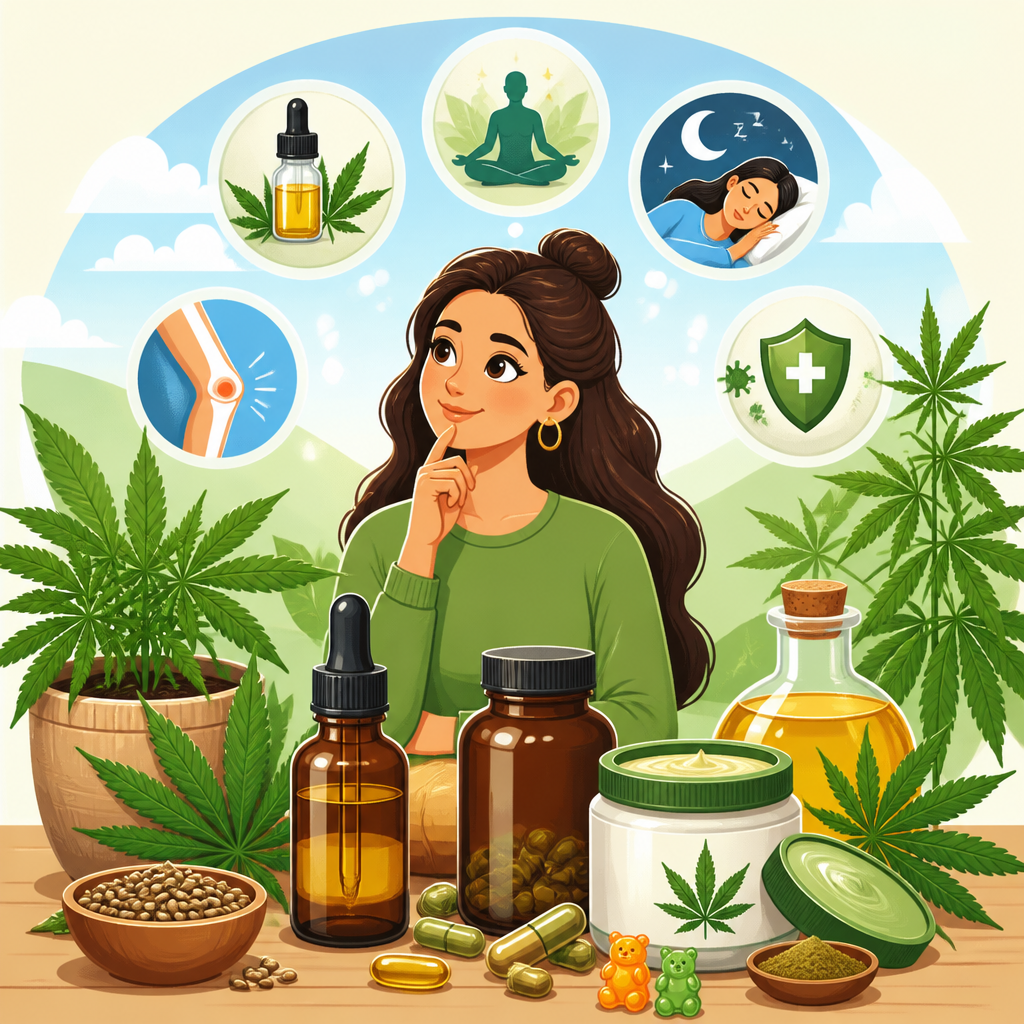
CBD supplements are usually made from aerial parts of the hemp plant, not the seeds. Common formats include tinctures, capsules, gummies, powders, and beverages. Full-spectrum products contain CBD plus other cannabinoids, terpenes, and trace THC within legal limits in many markets. Broad-spectrum products retain multiple hemp compounds but remove detectable THC. CBD isolate contains only cannabidiol. From a formulation standpoint, these distinctions matter because they affect taste, testing requirements, legal status, and user experience. In my work reviewing labels, the biggest recurring problem is consumers buying hemp seed oil expecting CBD effects, or purchasing a low-dose gummy without realizing it delivers only a token amount per serving.
The category also includes newer compounds such as CBG, CBN, and blends marketed for calm, sleep, or focus. Those may have a place, but a solid hub page should start with the basics: food-form hemp contributes nutrients, while cannabinoid-focused supplements aim to support physiological regulation through the endocannabinoid system. They overlap in branding, yet they are not nutritionally interchangeable.
Why Hemp Foods Support a Balanced Diet
The strongest argument for hemp in a balanced diet begins with hemp foods because their nutritional value is direct, measurable, and easy to integrate into meals. Hulled hemp seeds provide a useful mix of protein and unsaturated fat, making them practical for breakfast bowls, salads, yogurt, and grain dishes. They are especially helpful for people trying to increase plant protein without relying exclusively on soy or heavily processed meat alternatives. Hemp protein is not as leucine-rich as whey, but it can still contribute meaningfully to total daily protein intake, particularly when paired with legumes, dairy, or mixed plant sources.
Hemp seed oil contributes essential fatty acids. The body cannot make linoleic acid, an omega-6 fat, or alpha-linolenic acid, an omega-3 fat, so both must come from food. While hemp oil should not replace oily fish as a source of EPA and DHA, it can diversify fat intake and support better balance than diets dominated by refined seed oils in processed snacks and fried foods. Hemp foods also provide minerals such as magnesium, iron, phosphorus, zinc, and manganese, depending on processing and serving size. Magnesium is especially relevant because inadequate intake is common and can affect muscle function, sleep quality, and energy metabolism.
Balanced diets also benefit from foods that improve adherence. Hemp seeds have a mild, nutty flavor and require no preparation, which matters more than many nutrition plans admit. When a nutrient-dense food is easy to sprinkle onto everyday meals, people use it consistently. In practical meal design, consistency usually beats perfection. A tablespoon added daily to breakfast is often more valuable than an idealized plan followed once a week.
| Supplement type | Main nutritional or functional role | Best use in a balanced diet | Key limitation |
|---|---|---|---|
| Hemp seeds | Protein, unsaturated fats, minerals | Topping for oats, salads, yogurt, vegetables | Lower fiber if hulled |
| Hemp seed oil | Essential fatty acids | Cold use in dressings and finishing oils | Not a meaningful CBD source |
| Hemp protein | Plant protein support | Smoothies, baking, recovery meals | Texture can be earthy or gritty |
| CBD tincture or capsule | Non-nutrient wellness support | Stress, sleep, routine support | Quality and dose vary widely |
| Full-spectrum hemp extract | CBD plus additional hemp compounds | Users seeking broader extract profile | May contain trace THC |
Where CBD Fits Into Diet and Daily Balance
CBD is not essential in the way protein, vitamins, or essential fats are essential, yet it can still be important to a balanced diet because diet quality depends on behavior, recovery, and resilience. The body’s endocannabinoid system helps regulate homeostasis across functions including appetite signaling, stress response, sleep-wake rhythms, pain perception, and immune activity. CBD does not simply “fix” those systems, and marketing often exaggerates what the evidence proves. However, there is a reasonable practical argument that when a supplement helps someone maintain calmer evenings, better sleep habits, or more consistent post-exercise recovery, it indirectly supports healthier eating patterns.
Consider a common real-world scenario. Someone trains after work, eats too late, sleeps poorly, then grabs convenience foods the next day because fatigue blunts planning and appetite control. In those cases, a well-selected nighttime routine that may include CBD, magnesium glycinate, reduced alcohol intake, and regular sleep timing can improve the entire dietary pattern. The supplement is not replacing food; it is supporting the conditions under which better food choices become sustainable. That distinction is critical.
Bioavailability also matters. CBD taken with dietary fat is generally absorbed better than CBD taken on an empty stomach, which is one reason softgels in oil carriers and tinctures used alongside meals often perform more consistently than low-dose drinks. Delivery format, total dose, and individual response all influence outcomes. This category requires realistic expectations: some users notice clear benefits, others experience little, and effects often depend on timing, formulation, and the underlying issue being addressed.
Choosing Between Full-Spectrum, Broad-Spectrum, and Isolate
Full-spectrum, broad-spectrum, and isolate products exist for valid reasons, and the best choice depends on sensitivity, goals, and compliance requirements. Full-spectrum extracts preserve the widest range of native hemp compounds, including minor cannabinoids and terpenes such as myrcene, beta-caryophyllene, or limonene, plus legally limited trace THC in many jurisdictions. Some users prefer these formulas because they want the most complete plant profile. Broad-spectrum products aim for a similar multi-compound profile while removing detectable THC, which can be useful for those who want to avoid it entirely. CBD isolate offers precise single-ingredient simplicity and neutral flavor but lacks the broader matrix of other hemp constituents.
In product evaluations, I usually tell readers to start with the question of constraints before the question of preference. If you undergo workplace drug testing, full-spectrum products may carry risk because even compliant trace THC can accumulate or trigger concern. If you are extremely sensitive to taste, isolate capsules may be easier to use consistently. If you want a more comprehensive hemp extract and have no THC concerns, broad-spectrum or full-spectrum often becomes the practical shortlist. No category is automatically superior in every context.
Quality control should drive the decision as much as chemistry. Reputable brands provide batch-specific certificates of analysis from independent laboratories showing cannabinoid potency, THC compliance, and screening for contaminants such as pesticides, residual solvents, heavy metals, and microbial burden. Without that documentation, the label is a marketing claim, not a verified standard.
Safety, Interactions, and Regulatory Reality
CBD and hemp-based supplements deserve the same caution applied to any active supplement category. Safety depends on product type, dose, medication use, liver function, and manufacturing quality. Hemp foods are generally straightforward for most people, though calorie intake and individual digestive tolerance still matter. CBD extracts require more care because cannabidiol can interact with medications metabolized by cytochrome P450 enzymes. That can affect blood levels of certain drugs, including some anticonvulsants, anticoagulants, and sedatives. Anyone taking prescription medications, pregnant or breastfeeding, or managing chronic medical conditions should speak with a qualified clinician or pharmacist before use.
Regulation remains uneven. In many markets, hemp products are widely sold while oversight of labeling accuracy still varies. Independent investigations have repeatedly found mislabeling in cannabinoid products, with some containing substantially more or less CBD than stated, and others showing unexpected THC. That is why third-party testing is not optional for serious buyers. Look for clear serving sizes, extraction method disclosure, lot numbers, and contaminant results. Carbon dioxide extraction is commonly favored for clean processing, though ethanol extraction can also be effective when well executed.
Side effects are usually dose-dependent and may include drowsiness, gastrointestinal upset, dry mouth, or appetite changes. More is not always better. A sensible approach starts low, tracks response, and adjusts gradually while monitoring timing and other lifestyle variables. The goal is a stable routine, not chasing a dramatic effect from an oversized dose.
How to Use CBD and Hemp Supplements Strategically
The best use of CBD and hemp-based supplements is strategic integration, not random stacking. Start with diet fundamentals: adequate protein, fruits and vegetables, fiber, hydration, and a healthy fat pattern. Then choose hemp products based on the gap you are actually trying to fill. If your breakfast is low in protein and healthy fats, hemp seeds or hemp protein make sense. If you need a culinary oil for cold applications, hemp seed oil can diversify essential fat intake. If your challenge is evening stress, post-training tension, or sleep consistency, a tested CBD product may be worth exploring.
Practical implementation is simple. Add hemp seeds to oats with berries and Greek yogurt. Blend hemp protein with banana, kefir, and cocoa after training. Use hemp seed oil in a vinaigrette with olive oil rather than heating it at high temperatures. For CBD, choose a format that matches your routine, such as a capsule for convenience or a tincture for flexible dosing. Keep a two-week log covering dose, timing, sleep quality, stress level, and any side effects. That kind of tracking reveals whether the supplement is delivering a tangible benefit or just adding cost.
For a broader supplements and nutraceuticals plan, this hub should connect naturally to related topics such as magnesium, omega-3 fatty acids, adaptogens, sports recovery formulas, plant protein, sleep support, and supplement quality testing. Hemp sits at the intersection of nutrition and wellness support, which is exactly why it deserves a dedicated place within a balanced diet conversation.
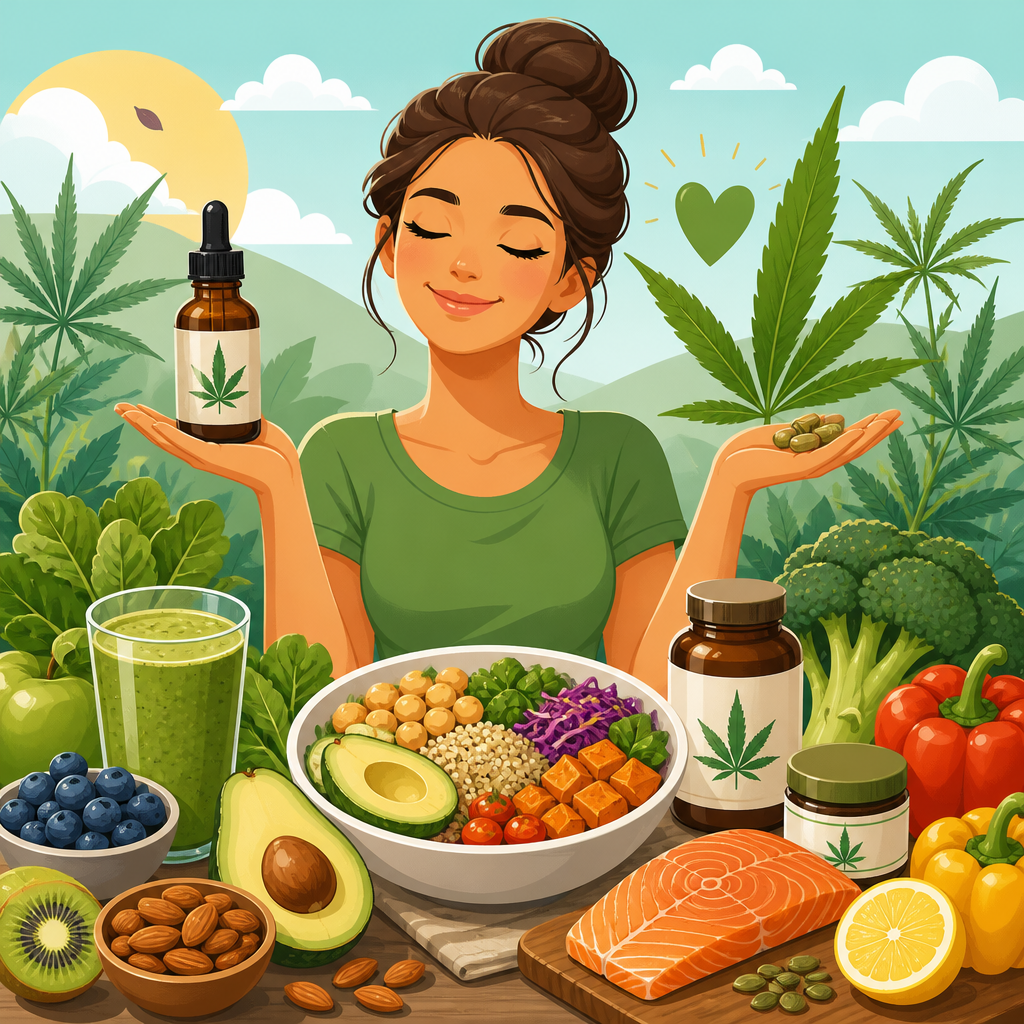
CBD and hemp-based supplements are essential to understand within a balanced diet because they address two different but connected needs: nutrient intake and daily physiological balance. Hemp foods contribute tangible nutrition through protein, essential fats, and minerals, while CBD may help support the routines that make healthy eating sustainable, especially where stress, recovery, and sleep interfere with consistency. The most important lesson is that not all hemp products do the same job. Hemp seeds, hemp protein, hemp seed oil, CBD isolate, broad-spectrum extracts, and full-spectrum formulas each belong to a different decision tree.
If you remember only a few points, remember these. First, food-form hemp offers the clearest nutritional value. Second, CBD is best viewed as a supportive wellness tool rather than a replacement for sound diet habits. Third, quality verification matters because this category still suffers from inconsistent labeling and variable oversight. And fourth, the best product is the one that matches your actual goal, whether that is more plant protein, better fat quality, or a more consistent evening routine.
Used intelligently, CBD and hemp-based supplements can strengthen a modern diet by filling practical gaps without overcomplicating your plan. Build from basics, buy tested products, and evaluate results honestly. If you are developing your supplements and nutraceuticals strategy, start here, then explore the related guides on dosage, quality standards, sleep support, and plant-based nutrition to create a routine that is both effective and sustainable.
Frequently Asked Questions
1. What is the difference between hemp, CBD, cannabis, hemp seed oil, and full-spectrum products?
This is one of the most important questions for anyone trying to understand why CBD and hemp-based supplements can fit into a balanced diet. Although these terms are often used interchangeably in marketing, they refer to very different things. Hemp is a variety of the cannabis plant that is typically cultivated to contain only trace amounts of THC, the compound most associated with intoxication. Cannabis is the broader plant family, while hemp is a specific type within that family. CBD, or cannabidiol, is one of many naturally occurring plant compounds called cannabinoids found in hemp. It is not the same thing as hemp itself, and it is not the same thing as hemp seed oil.
Hemp seed oil is made by pressing the seeds of the hemp plant. It is valued primarily for its nutritional profile, especially its healthy fats, including omega-3 and omega-6 fatty acids. However, hemp seeds contain little to no CBD, so hemp seed oil should be thought of more like a nutritious culinary or supplemental oil than a meaningful source of cannabinoids. By contrast, CBD oil is usually extracted from the flowers, leaves, and aerial parts of the hemp plant where cannabinoids are concentrated.
Full-spectrum products add another layer of complexity. A full-spectrum hemp extract generally contains CBD along with other naturally occurring cannabinoids, terpenes, flavonoids, and trace amounts of THC within legal limits. Broad-spectrum products usually contain multiple hemp compounds but remove THC. CBD isolate contains only purified CBD and nothing else. Understanding these distinctions matters because the nutritional role, expected effects, and supplement value of each product are different. If your goal is dietary support through healthy fats, hemp seed oil may be attractive. If your goal is support related to stress response, recovery, or overall wellness through cannabinoids, a CBD-containing product may be more relevant.
2. How can CBD and hemp-based supplements support a balanced diet rather than replace one?
CBD and hemp-based supplements should be viewed as supportive tools, not substitutes for sound nutrition. A balanced diet is still built on fundamentals: adequate protein, fiber-rich carbohydrates, healthy fats, hydration, micronutrient sufficiency, and consistent eating patterns. What hemp-based supplements may offer is an additional layer of support that works alongside those basics. Hemp seed products, for example, contribute beneficial fats and can complement dietary patterns that aim to support heart health, brain health, and inflammation balance. Hemp seeds also contain some protein, minerals, and other nutrients that can round out an overall healthy eating approach.
CBD enters the conversation differently. Rather than serving as a traditional nutrient like vitamin D or magnesium, CBD is more often discussed in relation to the body’s endocannabinoid system, a network involved in maintaining internal balance across functions such as mood, sleep, appetite, stress response, and recovery. That does not mean CBD is a magic fix, but it helps explain why some people include it as part of a broader wellness routine. When stress, poor sleep, or post-exercise discomfort interfere with healthy habits, a well-chosen CBD product may help some individuals stay more consistent with the behaviors that actually define a balanced lifestyle.
In practical terms, people often find these supplements most useful when they fit into a bigger routine that already includes good food choices, movement, and recovery. Someone who eats well but struggles with occasional tension or inconsistent sleep may be exploring CBD for support in areas that indirectly affect diet quality and overall health. The key is not to overstate the role of the supplement. It is best understood as a complementary addition, not the foundation of health. The best outcomes generally come when hemp and CBD products are used thoughtfully, with realistic expectations and attention to overall nutrition.
3. Are hemp and CBD supplements actually nutritious, and what should people look for on the label?
Some hemp-based supplements are distinctly nutritional, while others are more functional. Hemp seeds, hemp protein, and hemp seed oil have straightforward dietary value. Hemp seeds are a source of healthy polyunsaturated fats and can contribute to a favorable omega-6 to omega-3 balance in the diet. They also provide plant-based protein, along with minerals such as magnesium, iron, and zinc. Hemp protein powders can be useful for people seeking alternative protein sources, especially in plant-forward eating patterns. Hemp seed oil is mostly valued for fatty acid composition rather than cannabinoids, so it belongs in the same conversation as other beneficial oils used to support overall diet quality.
CBD oils, capsules, gummies, and tinctures are somewhat different because their primary purpose is not usually to deliver macronutrients or essential vitamins. Their value lies more in the presence of cannabinoids and other plant compounds. That is why reading the label carefully matters. Start by identifying the exact type of product: hemp seed oil, full-spectrum hemp extract, broad-spectrum hemp extract, or CBD isolate. A product labeled simply as “hemp extract” without clarity can be confusing. The amount of CBD should be listed in milligrams per serving, not just per bottle, and reputable brands should provide third-party laboratory testing to confirm potency and screen for contaminants such as heavy metals, pesticides, residual solvents, and microbial impurities.
It is also wise to look at the ingredient list for carrier oils, sweeteners, flavoring agents, and unnecessary additives. In a balanced diet context, simpler formulas are often preferable. If a gummy contains substantial added sugar, for example, that may matter for someone trying to make careful dietary choices. If an oil uses MCT oil or hemp seed oil as a carrier, that should be stated clearly. Quality, transparency, and intended use are what separate a thoughtful supplement from a vague wellness product. The best labels help consumers understand exactly what they are taking and why.
4. Is CBD essential for everyone, and who may benefit most from hemp-based supplements?
CBD is not essential in the same sense as protein, essential fatty acids, vitamins, or minerals. A person can absolutely maintain a healthy, balanced diet without taking CBD. That said, the word “essential” in many wellness discussions is often used more broadly to mean highly valuable or especially helpful in modern lifestyles. In that practical sense, CBD and hemp-based supplements may feel essential to some individuals because of the support they believe these products offer in areas that affect daily well-being, such as stress management, exercise recovery, relaxation, and sleep quality.
The people who may benefit most are often those looking for support beyond standard nutrition basics. For example, someone who already eats well and exercises regularly but feels that stress disrupts appetite, recovery, or consistency may be interested in CBD as part of a more complete routine. Others may be drawn to hemp seeds or hemp protein because they want a plant-based source of healthy fats and protein that is easy to add to smoothies, yogurt, salads, or oatmeal. In those cases, hemp foods can directly enhance nutrient intake, while CBD products may support lifestyle factors that indirectly influence health behaviors.
At the same time, not every person will respond the same way, and not every product category is equally relevant. Some people are better served by focusing on omega-3 intake, magnesium, sleep hygiene, and whole-food improvements before adding specialty supplements. Others may prefer broad-spectrum or THC-free formulations due to personal sensitivity or workplace requirements. The most balanced perspective is this: hemp and CBD products can be useful, but their importance depends on individual goals, habits, health status, and product quality. They are best treated as personalized tools rather than universal necessities.
5. What should consumers know about safety, dosage, and choosing a high-quality CBD or hemp supplement?
Safety and quality are critical because the hemp and CBD market has grown faster than consumer education. The first step is to match the product to the goal. If the goal is nutritional support, products like hemp seeds, hemp hearts, hemp protein, or hemp seed oil are generally the most direct choices. If the goal is support related to stress, recovery, or overall wellness, a CBD-containing product may be the category under consideration. Once that is clear, quality control becomes the deciding factor. Reputable companies provide current third-party certificates of analysis showing cannabinoid content and verifying that the product is free from harmful levels of contaminants. Without that documentation, it is difficult to know whether the label matches what is inside.
Dosage should be approached carefully and individually. There is no single ideal amount for every person because body size, product type, concentration, metabolism, and reason for use all vary. Many people start with a low amount and increase gradually while paying attention to how they feel. This measured approach is more sensible than assuming more is always better. It is also important to remember that tinctures, capsules, beverages, and gummies can differ in absorption and onset time. Consistency, product strength, and formulation all influence the user experience.
Consumers should also be aware that CBD can interact with certain medications, and some individuals should speak with a healthcare professional before use, especially if they are pregnant, breastfeeding, managing a medical condition, or taking prescription drugs. In addition, even legal full-spectrum products may contain trace THC, which may matter for people subject to drug testing. Choosing broad-spectrum or isolate products may be more appropriate in those cases. Ultimately, the safest path is to prioritize transparency, start conservatively, and choose supplements that fit a clearly defined purpose within an already balanced lifestyle. That is how hemp and CBD products move from confusing trend items to well-informed wellness