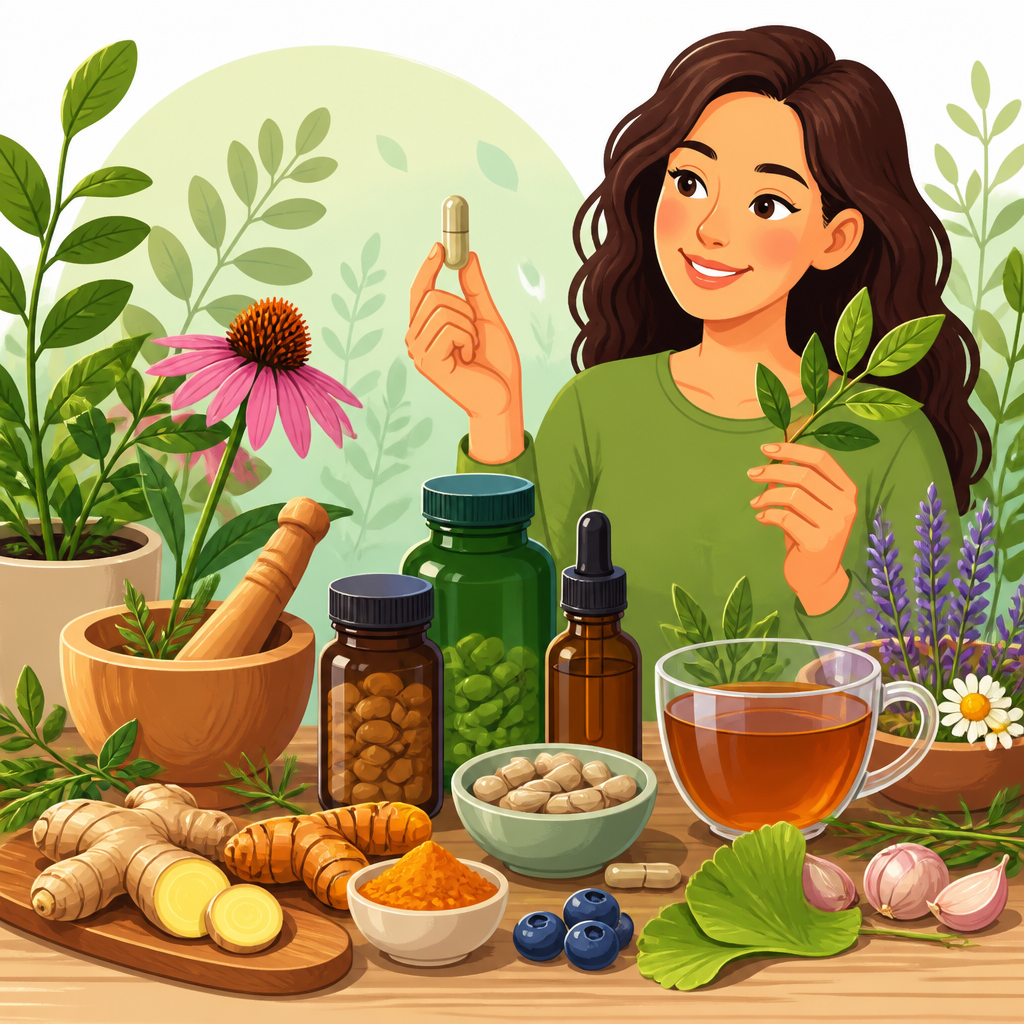
Herbal supplements and natural remedies sit at the intersection of nutrition, traditional medicine, and modern self-care, which is why they attract so much attention from people trying to improve energy, digestion, sleep, immunity, and overall health. In practical terms, herbal supplements are concentrated products made from leaves, roots, bark, flowers, seeds, or extracts of plants, while natural remedies is a broader category that can include herbs, teas, spices, topical botanicals, and food-based therapeutic practices. As a hub topic within supplements and nutraceuticals, this subject matters because millions of consumers use botanicals alongside multivitamins, protein powders, probiotics, and prescription medicines, often without understanding dosage, standardization, evidence quality, or interactions. I have worked with supplement labels, product formulations, and clinical nutrition questions long enough to see the same pattern repeatedly: people assume natural means safe, traditional means proven, and more is better. None of those assumptions is reliable.
A clear explanation starts with how these products are regulated and used. In the United States, most herbal supplements are sold under the Dietary Supplement Health and Education Act of 1994, which means manufacturers are responsible for safety and labeling, but products are not approved by the Food and Drug Administration before sale in the way prescription drugs are. That difference affects consistency, claims, and quality control. It also explains why one turmeric capsule may contain standardized curcuminoids with third-party testing, while another contains unverified powdered root with very different potency. Consumers are usually trying to answer practical questions: Which herbs have evidence? What benefits are realistic? How should products be selected? Are there side effects or interactions? This hub article answers those questions directly, defines the core categories, and explains how to think critically about herbal supplements and natural remedies so better nutrition decisions are based on evidence rather than marketing.
What Herbal Supplements Include and How They Work
Herbal supplements include single-herb products such as echinacea, ginger, ashwagandha, peppermint, elderberry, and milk thistle, as well as blends marketed for sleep, stress, immune support, menopause, or cognitive health. They come as capsules, tablets, teas, tinctures, powders, softgels, standardized extracts, and topical preparations. The form matters because it influences concentration, absorption, and expected effect. A cup of chamomile tea is not equivalent to a concentrated chamomile extract, and powdered garlic is not the same as aged garlic extract studied for cardiovascular markers. In practice, active compounds drive most measurable effects: curcuminoids in turmeric, ginsenosides in ginseng, withanolides in ashwagandha, allicin-related compounds in garlic, and silymarin flavonolignans in milk thistle. If a label does not identify standardized actives, it becomes harder to compare one product with another or map the product to clinical research.
Mechanistically, herbs influence the body in different ways. Some support digestion through carminative or antispasmodic actions, such as peppermint and fennel. Some affect inflammatory pathways, such as turmeric and boswellia. Some alter neurotransmitter signaling or stress response, such as valerian, lemon balm, and ashwagandha. Others may influence glucose handling, lipid metabolism, urinary symptoms, or perceived immune resilience. These effects can be meaningful, but they are rarely universal and almost never instant. One lesson from real-world use is that expectations should match the evidence. Ginger can help nausea, but it is not a cure-all for every digestive complaint. Saw palmetto may modestly help some lower urinary tract symptoms, but not every trial shows benefit. Herbal medicine is best understood as a targeted tool, not a blanket solution.
Evidence-Based Uses: Which Natural Remedies Have the Strongest Support
The most useful way to approach natural remedies is by condition, because evidence varies sharply by outcome. Ginger has solid support for nausea, including pregnancy-related nausea and motion sickness in some settings. Psyllium, while not an herb in the traditional sense, is one of the most evidence-backed natural agents for improving stool consistency and supporting cholesterol reduction when used consistently with adequate fluid intake. Peppermint oil has meaningful evidence for irritable bowel syndrome symptom relief, especially abdominal pain and bloating, when enteric-coated products are used. Turmeric extracts standardized for curcuminoids have supportive evidence for osteoarthritis symptom reduction, particularly joint pain, though formulation quality matters because curcumin has poor natural bioavailability.
Other well-known examples require a more balanced read. Echinacea is widely used for colds, but study results are mixed because species, preparation methods, doses, and trial design differ substantially. Elderberry is popular for upper respiratory symptoms, yet the evidence base is still smaller than marketing suggests. St. John’s wort has evidence for mild to moderate depression in some trials, but it also has some of the most important drug interactions in the supplement world and should never be used casually. Cranberry products may help reduce recurrent urinary tract infection risk in some populations, especially women with recurrent infections, but product form and proanthocyanidin content matter. When people ask me which herbs truly work, the honest answer is that several do for specific uses, but few justify broad health claims.
| Herb or Remedy | Common Use | What the Evidence Best Supports | Key Caution |
|---|---|---|---|
| Ginger | Nausea, digestion | Helps reduce nausea in several settings | May increase bleeding risk with anticoagulants |
| Peppermint oil | IBS symptoms | Supports relief of abdominal pain and bloating | Can worsen reflux in some users |
| Turmeric extract | Joint comfort, inflammation support | May reduce osteoarthritis pain modestly | Bioavailability varies widely by formula |
| Ashwagandha | Stress, sleep | May improve perceived stress and sleep quality | Not appropriate for everyone with thyroid concerns |
| St. John’s wort | Mood support | Can help mild to moderate depressive symptoms | Major interactions with many medicines |
Quality, Standardization, and Label Reading
Choosing an herbal supplement starts with the label, but reading it well requires a few technical checks. First, identify the exact plant name when possible, ideally including the Latin binomial, because related species can differ materially. Second, look for the plant part used. Root, leaf, berry, bark, and flower do not have interchangeable chemistry. Third, determine whether the product is whole herb powder or an extract, and whether it is standardized to active or marker compounds. A label stating “ashwagandha root extract standardized to 5% withanolides” gives a clearer indication of what is inside than one saying only “proprietary herbal blend.” Fourth, review serving size, suggested daily amount, and any other active ingredients added for absorption, such as piperine in curcumin formulas.
Third-party testing is one of the strongest trust signals because it addresses contamination, identity, and potency problems that have affected the supplement market for years. Reputable verification programs include USP, NSF, and ConsumerLab, while many serious manufacturers also provide certificates of analysis or publish heavy metal and microbiological testing standards. This matters especially for botanicals vulnerable to adulteration, including saffron, ginseng, turmeric, and products imported through complex supply chains. I advise consumers to be skeptical of dramatic claims such as detox, cleanse, fat burning, or guaranteed immune boosting, because those categories often hide weak formulations behind aggressive branding. Better products are specific, transparent, and restrained. If the label cannot tell you what compound level you are taking, the chances of predictable results drop immediately.
Safety, Side Effects, and Drug Interactions
The most important fact about herbal supplements and natural remedies is that safety depends on the person, the dose, the product, and the combination with other therapies. Natural products can cause allergic reactions, liver injury, gastrointestinal upset, changes in heart rate, blood pressure effects, sedation, or altered drug metabolism. Some risks are predictable. Kava has been linked with liver toxicity concerns. Licorice root can raise blood pressure and lower potassium when used in significant amounts unless deglycyrrhizinated forms are specifically selected for digestive use. Ginkgo, garlic, and ginseng may affect bleeding risk in certain contexts. Valerian and other calming herbs can add to sedative effects from alcohol, antihistamines, or sleep medicines.
Drug interactions deserve special attention because many clinically significant problems happen there. St. John’s wort induces enzymes and transporters that can reduce the effectiveness of oral contraceptives, immunosuppressants, anticoagulants, HIV medications, and other prescriptions. Grapefruit is not an herbal supplement, but it remains a classic example of a natural product changing drug metabolism. People managing diabetes, hypertension, thyroid disorders, autoimmune disease, depression, cancer, kidney disease, or pregnancy should not start herbs casually. The safest process is to cross-check with a pharmacist or physician, especially when medications have narrow therapeutic windows. Adverse events are often underreported, so caution should be higher than the average marketing message suggests. Herbal supplements can be beneficial, but they should be treated with the same seriousness as any bioactive intervention.
Using Herbal Remedies for Better Nutrition and Everyday Health
Herbal supplements are most useful when they complement, rather than replace, good nutrition habits. Better nutrition still begins with dietary pattern quality, adequate protein, fiber intake, micronutrient sufficiency, sleep, hydration, and physical activity. In real counseling situations, herbal products work best after those foundations are assessed. For example, someone with low energy may buy stimulating adaptogen blends, but the real issue may be inadequate iron intake, poor sleep, excessive alcohol, or insufficient calories. Someone using digestive bitters may actually need more fiber, more regular meals, or evaluation for reflux or gallbladder problems. The best role for natural remedies is often targeted support layered onto a strong nutrition base.
There are practical ways this looks in daily life. Ginger tea or capsules may help a person prone to nausea during travel. Peppermint oil may support someone with IBS symptoms after trigger foods and meal timing have been reviewed. Turmeric extract can be considered by adults with osteoarthritis who also benefit from weight management, strength training, and anti-inflammatory dietary choices such as extra virgin olive oil, legumes, fatty fish, berries, and leafy greens. Chamomile or lemon balm may fit into a sleep hygiene plan that also addresses late caffeine, screen exposure, and irregular bedtimes. Used this way, herbs are part of a broader nutrition strategy. They are not shortcuts, but they can be effective adjuncts when chosen carefully and monitored honestly.
How to Evaluate Claims and Build a Smarter Supplement Routine
A smarter supplement routine starts with a clear goal, a short list of products, and a plan to measure results. Ask a basic question first: what problem am I trying to solve, and has it been defined well enough to choose the right tool? Then look for human clinical evidence, not only cell studies or animal models. Check whether the dose in published research matches the dose on the label and whether the preparation is comparable. This is where many supplement decisions fail. Consumers read about curcumin, but purchase non-standardized turmeric powder. They hear about magnesium for sleep, but buy a product with an underdosed proprietary blend. The same mismatch happens constantly in the herbal category.
Good practice also includes one-change-at-a-time testing. Introduce one product, use the recommended dose, track symptoms for two to eight weeks depending on the intended outcome, and stop if side effects appear. Keep a written list of every supplement, tea, tincture, and medication being used. Buy from companies that disclose sourcing, extraction methods, allergen status, and testing. Finally, know when not to self-treat. Persistent pain, unexplained weight loss, blood in stool, severe insomnia, depressed mood, recurrent infections, or major hormonal symptoms need clinical evaluation, not just a bottle from the supplement aisle. Herbal supplements and natural remedies can support better nutrition, but the strongest results come from disciplined selection, realistic expectations, and professional guidance when risk is elevated.
Herbal supplements and natural remedies can play a valuable role in better nutrition when they are chosen for specific goals, matched to credible evidence, and used with the same care people give to medications and functional foods. The key facts are straightforward: products differ widely in quality, standardized extracts are easier to evaluate than vague blends, and natural does not guarantee safety. Some options, such as ginger for nausea, peppermint oil for IBS symptoms, and certain turmeric extracts for joint discomfort, have practical evidence behind them. Others are promising but inconsistent, while a few carry major interaction risks that make unsupervised use unwise. The smartest approach is to view herbs as targeted tools within a larger nutrition framework built on diet quality, sleep, activity, and appropriate medical care.
As the hub page for herbal supplements and natural remedies, this guide gives you the framework needed to explore individual ingredients and condition-specific uses with much better judgment. Start by defining your goal, reviewing the evidence, reading labels carefully, and checking for interactions before buying anything. If you are building a broader supplements and nutraceuticals plan, use this topic as a decision filter: efficacy first, quality second, safety always. That method saves money, reduces risk, and leads to more reliable outcomes. Use these principles to review the herbal products you already own, remove the ones that do not fit a real purpose, and choose future supplements with confidence.
Frequently Asked Questions
What is the difference between herbal supplements and natural remedies?
Herbal supplements and natural remedies are closely related, but they are not exactly the same thing. Herbal supplements usually refer to concentrated products made from plants, including capsules, tablets, powders, tinctures, extracts, and softgels. These products are typically designed to deliver a more standardized amount of a specific herb or plant compound, such as turmeric extract, echinacea, ginger, valerian, or ashwagandha. In contrast, natural remedies is a broader term that can include herbal supplements as well as teas, culinary spices, infused oils, salves, compresses, and food-based practices that support wellness in a less concentrated form.
From a nutrition perspective, this distinction matters because the form of a product affects strength, absorption, convenience, and safety. A cup of chamomile tea, for example, is very different from a highly concentrated chamomile extract. Both may be considered natural approaches, but they can act differently in the body. Natural remedies are often used as part of daily self-care and may overlap with healthy eating habits, while herbal supplements are more often chosen for targeted support, such as digestion, stress response, immune health, or sleep.
It is also important to understand that “natural” does not automatically mean harmless or appropriate for everyone. Herbs can contain active compounds that influence the nervous system, blood pressure, digestion, hormone activity, or blood clotting. That is why the best approach is to think of herbal supplements and natural remedies as tools that may support better nutrition and wellness when they are selected carefully, used correctly, and matched to a person’s health needs, medications, and overall diet.
Can herbal supplements improve nutrition, or do they just support specific health goals?
Herbal supplements can play a supportive role in a nutrition-focused lifestyle, but they should not be viewed as replacements for balanced meals, hydration, sleep, movement, and core nutrient intake. Most herbs are not major sources of calories, protein, or essential vitamins and minerals in the same way whole foods are. Instead, they are more often used to complement healthy eating by supporting body systems related to digestion, appetite, stress management, recovery, or metabolic balance. In that sense, they can indirectly contribute to better nutrition by helping the body function in a way that makes healthy habits easier to maintain.
For example, digestive herbs such as ginger, peppermint, or fennel may help some people feel more comfortable after meals, which can support a more consistent eating pattern. Bitter herbs are sometimes used to stimulate digestive processes before eating. Adaptogenic herbs such as ashwagandha or rhodiola are commonly discussed for stress support, and since stress can affect appetite, cravings, and sleep, some people use them as part of a wider wellness routine. Herbs like turmeric are often explored for their role in managing inflammation, which may be relevant for overall health when combined with an anti-inflammatory eating pattern rich in fruits, vegetables, legumes, healthy fats, and fiber.
The key point is that supplements should supplement. They are most useful when they fill a practical gap in a broader self-care plan rather than when they are expected to solve poor nutrition on their own. If someone is relying on herbs while skipping meals, eating very little variety, or ignoring a diagnosed nutrient deficiency, they are likely missing the bigger picture. Better nutrition starts with food quality, consistency, and adequacy. Herbal products may add support around the edges, but they work best when the foundation is already strong.
How can you tell whether an herbal supplement is high quality and worth buying?
Choosing a quality herbal supplement requires more than reading the front label. Start by looking for a clear supplement facts panel that identifies the exact herb, the plant part used, and the amount per serving. This is important because different parts of the same plant can have different effects. A quality label should also tell you whether the product contains whole herb powder, an extract, or a standardized extract. Standardization can be helpful in some cases because it indicates a consistent level of certain active compounds, but it is not the only marker of quality.
Reputable brands often provide third-party testing for identity, purity, potency, and contamination. Since herbs can be affected by heavy metals, microbes, pesticides, or adulteration, independent verification adds another layer of confidence. It is also wise to check whether the company follows good manufacturing practices and whether it shares sourcing information, extraction methods, and batch testing details. If a product makes exaggerated claims such as “cures disease,” “works instantly,” or “safe for everyone,” that is a red flag. Trustworthy companies usually describe benefits more carefully and avoid overpromising.
You should also review the ingredient list for fillers, stimulants, sweeteners, or blends that make it hard to know what you are actually taking. Some combination formulas are useful, but others hide very small doses or unnecessary extras. Price alone does not guarantee quality, yet extremely cheap products can be a concern when they contain rare or labor-intensive herbs. Reading reviews may help with practical issues like taste or capsule size, but manufacturing transparency and evidence-based labeling matter more. When in doubt, a pharmacist, registered dietitian, or qualified healthcare professional can help you evaluate whether a product is both high quality and appropriate for your goals.
Are herbal supplements and natural remedies safe for everyone?
No, herbal supplements and natural remedies are not universally safe, even though many are widely available without a prescription. Safety depends on the specific herb, the dose, the form used, the length of use, a person’s age, pregnancy or breastfeeding status, medical conditions, and whether they take medications or other supplements. Some herbs are gentle in food-like amounts but become more potent when concentrated into extracts. Others may be inappropriate for people with liver disease, kidney issues, autoimmune conditions, bleeding disorders, hormone-sensitive conditions, or blood pressure concerns.
Drug-herb interactions are one of the most important reasons to be cautious. Certain herbs may affect blood clotting, sedation, blood sugar, stomach acid, or how the liver processes medications. That means a product that seems simple can still interfere with prescriptions, over-the-counter medicines, or even surgery preparation. In addition, some people assume that if a tea or tincture helped a friend, it will automatically be right for them, but individual health histories matter. Children, older adults, and people taking multiple medications should be especially careful.
Another safety issue is product quality. A poorly made supplement can create risks even if the herb itself has a good reputation. Contamination, mislabeling, and inconsistent potency can change how a product behaves. The safest strategy is to treat herbs with the same respect you would give any active health product: use a trustworthy brand, follow serving directions, start conservatively when appropriate, and seek professional guidance if you have a medical condition, use medications, or want to take an herb regularly. Natural options can be helpful, but informed use is what makes them safer.
What is the best way to start using herbal supplements or natural remedies as part of a healthy routine?
The best starting point is to define your goal clearly. Instead of taking multiple products because they are popular, identify what you actually want to support, such as better digestion, improved sleep, stress resilience, or seasonal immune support. Once your goal is specific, it becomes much easier to choose a targeted herb or remedy and to evaluate whether it is helping. This also reduces the common mistake of taking several products at once and then not knowing which one is effective or which one may be causing side effects.
Next, build around basics rather than skipping them. If sleep is poor, review caffeine habits, evening screen use, meal timing, and stress levels before relying entirely on an herb. If digestion feels off, look at fiber intake, hydration, eating speed, and trigger foods. Herbal supplements tend to work best when they reinforce healthy routines, not when they are expected to compensate for chronic lifestyle strain. In many cases, gentle food-based remedies such as ginger tea, peppermint tea, or the strategic use of culinary herbs and spices can be a practical first step before moving to stronger formulas.
When you do choose a supplement, select one product at a time, use the recommended serving, and give it enough time to assess the response unless a healthcare professional advises otherwise. Keep notes on benefits, timing, side effects, and changes in sleep, digestion, energy, or mood. This simple tracking approach can make your routine much more effective and safer. Most importantly, use supplements as part of a broader nutrition strategy that includes balanced meals, adequate protein, colorful plant foods, healthy fats, and consistent self-care. Herbal support is often most valuable when it is thoughtful, measured, and integrated into a realistic long-term wellness plan.