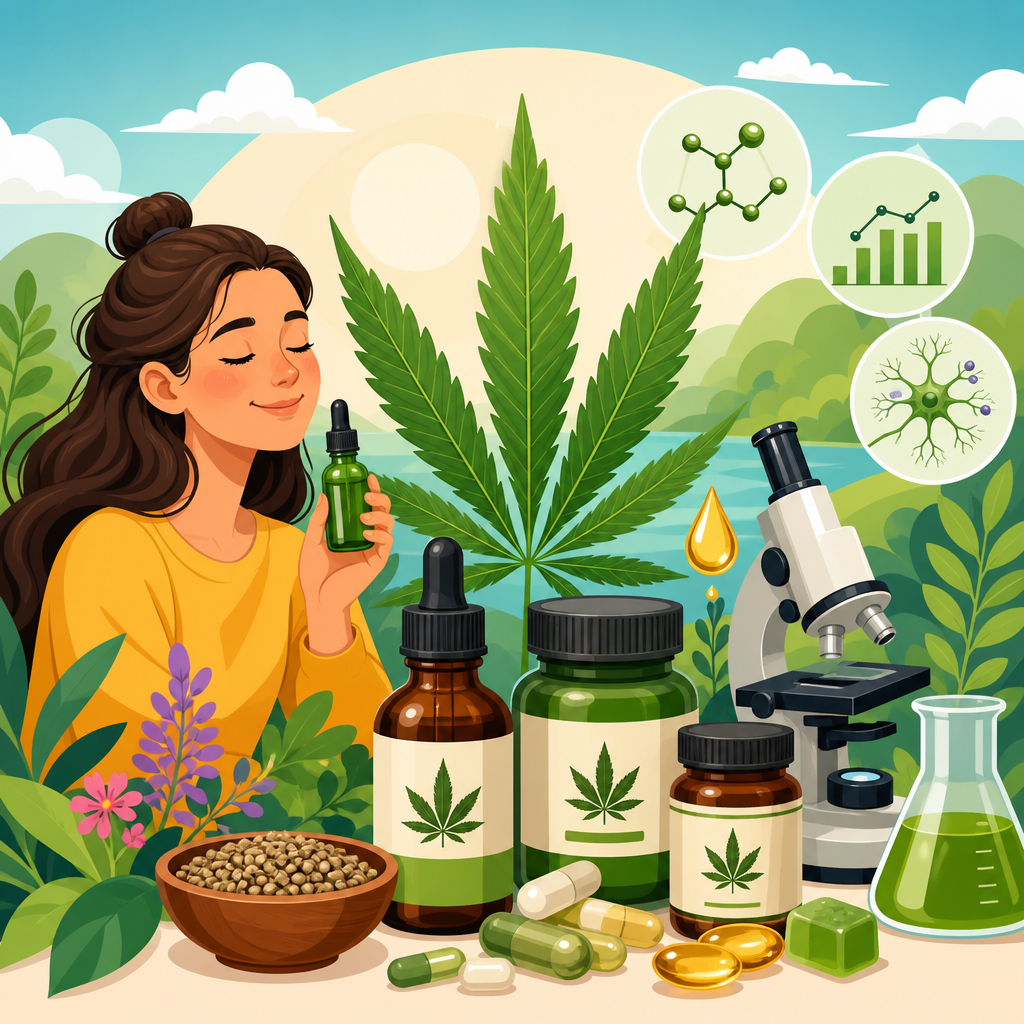
CBD and hemp-based supplements have moved from niche wellness shelves to mainstream retail, yet the science behind their benefits is more nuanced than most labels suggest. Cannabidiol, usually shortened to CBD, is a non-intoxicating compound found in Cannabis sativa, while hemp-based supplements can also include hemp seed oil, protein, fiber, and extracts containing multiple cannabinoids and terpenes. In practice, I have seen consumers treat these products as interchangeable, but they are not: hemp seed oil contains nutritious fats yet little to no CBD, broad-spectrum extracts remove detectable THC while preserving other plant compounds, and full-spectrum products retain trace cannabinoids that may alter effects and drug testing risk. This distinction matters because benefits, safety, dosing, and legal status depend on the exact preparation. Interest is high for good reason. People use CBD and hemp products for anxiety, sleep, pain, inflammation, recovery, skin health, and general wellness, and the market has responded with oils, capsules, gummies, beverages, topicals, and powders. However, strong evidence exists for only a few uses, moderate evidence exists for some symptoms, and many popular claims remain preliminary. Understanding what science actually says helps buyers choose better products, avoid unrealistic expectations, and use these supplements more safely alongside medications and other therapies.
What CBD and hemp-based supplements include
CBD is one of more than one hundred cannabinoids identified in cannabis. Unlike delta-9-tetrahydrocannabinol, or THC, CBD does not produce the classic intoxicating “high” at typical doses. Hemp is legally defined in many jurisdictions as cannabis containing no more than 0.3 percent delta-9 THC by dry weight, but that legal threshold says little about quality or effectiveness. The category includes purified CBD isolate, broad-spectrum hemp extract, full-spectrum hemp extract, hemp seed oil, hemp hearts, hemp protein, and topical formulas. Each serves a different purpose. Purified CBD isolate delivers cannabidiol alone. Broad-spectrum products aim to keep additional cannabinoids and terpenes while removing THC. Full-spectrum extracts keep a wider range of native compounds, including trace THC. Hemp seed ingredients, by contrast, are valued mainly for nutrition, particularly linoleic acid, alpha-linolenic acid, protein, and minerals.
The way these products are made affects outcomes. Supercritical CO2 extraction, ethanol extraction, winterization, and distillation all influence cannabinoid profile, terpene preservation, residual solvents, and contaminants. In formulation work, I have found that labels often emphasize milligrams of “hemp extract” without clearly stating CBD content, which confuses consumers and complicates dosing. Oral oils and capsules usually produce slower onset but longer duration than inhaled forms. Gummies can be convenient, though absorption may vary with food intake and first-pass liver metabolism. Topicals are useful for localized application, but they are not equivalent to oral CBD because skin penetration and systemic absorption differ. A science-based evaluation always starts by identifying the exact ingredient, dose in milligrams, route of administration, and whether an independent laboratory verified cannabinoid content and purity.
How CBD works in the body
CBD’s mechanisms are broad and still being mapped, which is one reason public claims often outrun evidence. It does not simply “bind one receptor and fix everything.” Instead, CBD influences the endocannabinoid system indirectly and interacts with multiple signaling pathways, including serotonin 5-HT1A receptors, TRPV1 channels, adenosine signaling, GPR55, and enzymes involved in endocannabinoid tone. Researchers also study its effects on inflammation, oxidative stress, neuronal excitability, and pain signaling. This multi-target activity helps explain why CBD is being investigated across conditions as different as epilepsy, anxiety, neuropathic pain, and substance use disorders. It also explains why responses vary among individuals, because genetics, metabolism, body composition, concurrent medications, and product composition all shape real-world effects.
Hemp seed foods work through different mechanisms. Their value comes from nutrient density rather than cannabinoid pharmacology. Hemp seed oil provides polyunsaturated fats, especially omega-6 linoleic acid and omega-3 alpha-linolenic acid, while hemp protein contributes arginine and other amino acids. These ingredients can support general nutrition and may fit heart-healthy eating patterns, but they should not be marketed as if they deliver the same effects as CBD extracts. Keeping that distinction clear prevents a common mistake: assuming every hemp product affects stress, sleep, or pain pathways. The best interpretation of current science is that CBD is a pharmacologically active compound with targeted potential and meaningful safety considerations, whereas many other hemp-based supplements are conventional nutritional products with a different evidence base.
What the strongest evidence supports
The clearest clinical support for CBD is in certain seizure disorders. A prescription form of purified cannabidiol has been approved for Dravet syndrome, Lennox-Gastaut syndrome, and tuberous sclerosis complex after randomized controlled trials showed meaningful reductions in seizure frequency. That matters because it demonstrates CBD is not just a wellness trend; under controlled conditions, at standardized doses, it can produce medically important effects. It also establishes a benchmark for evidence quality. In those studies, doses were much higher than what many over-the-counter users take, and treatment occurred under medical supervision with monitoring for liver enzymes, sedation, appetite changes, and drug interactions.
For anxiety, the evidence is promising but not definitive. Small human studies suggest CBD may reduce anxiety in specific settings, such as simulated public speaking, and some observational data show improvements in sleep or stress-related symptoms. Still, most trials are short, sample sizes are limited, and products vary widely. In plain terms, CBD may help some people feel calmer, but it is not proven as a first-line treatment for generalized anxiety disorder, panic disorder, or depression. Pain is similar. Preclinical evidence and some human studies support anti-inflammatory and analgesic potential, especially when CBD is combined with THC in regulated medical products, yet isolated over-the-counter CBD has less consistent support for chronic musculoskeletal pain, arthritis, or neuropathy. Users often report benefit, but personal testimonials are weaker than controlled trials.
| Use | What science supports | Important limitations |
|---|---|---|
| Seizure disorders | Strong evidence for specific rare epilepsies with prescription cannabidiol | High medical doses, clinician monitoring, not interchangeable with retail products |
| Anxiety symptoms | Promising early human data for situational anxiety | Small trials, inconsistent products, limited long-term evidence |
| Sleep complaints | Possible indirect benefit when stress or discomfort improves | Mixed outcomes; may not help primary insomnia consistently |
| Pain and inflammation | Biologic plausibility and some supportive studies | Retail CBD evidence remains variable and often modest |
| Hemp seed nutrition | Useful source of fats and protein | Not a source of meaningful CBD effects |
Potential benefits for sleep, recovery, and everyday wellness
Many people buy CBD for sleep, post-exercise recovery, and general wellness rather than for diagnosed disease. Here, the science requires careful interpretation. CBD is not a sedative in the same way as antihistamines or prescription hypnotics. Some people feel relaxed and sleep better, especially if pain or stress is the main barrier. Others notice little change, or even mild alertness depending on dose and timing. Studies on insomnia are mixed, and results may differ between acute use and repeated use. From a practical standpoint, CBD appears more likely to help sleep indirectly by reducing arousal or discomfort than by acting as a universal sleep aid.
For recovery and soreness, the rationale centers on inflammation, pain signaling, and perceived exertion. Athletes and active adults often use topical balms or oral tinctures after training. Anecdotally, some report less soreness and easier relaxation, but rigorous sports nutrition evidence remains limited. That does not mean there is no effect; it means the effect size, ideal dosing, and best candidates are not yet established. Hemp seed protein and hemp hearts have a separate wellness role. They can support overall diet quality with fiber, healthy fats, and plant protein, making them useful in smoothies, yogurt bowls, and higher-protein snack formulations. When clients ask whether hemp foods and CBD oils belong in the same routine, my answer is yes if the goal is broad wellness, but they should be chosen for different reasons and judged by different evidence standards.
Safety, side effects, and drug interactions
CBD is often marketed as natural and therefore assumed to be harmless. That is not an evidence-based conclusion. Common side effects reported in studies include drowsiness, diarrhea, reduced appetite, dry mouth, and fatigue. At higher doses, liver enzyme elevations can occur, particularly when CBD is used with other medications that stress hepatic metabolism. CBD is metabolized partly through cytochrome P450 pathways, notably CYP3A4 and CYP2C19, which means it can alter levels of drugs such as clobazam, certain antidepressants, anticoagulants, anti-seizure medications, and immunosuppressants. Grapefruit warnings offer a useful analogy because some of the same metabolic pathways are involved. In clinical settings, this interaction potential is one of the first issues I screen for.
Product quality is another safety issue. Surveys of retail CBD products have repeatedly found inaccurate labeling, with some containing far less CBD than claimed and others containing more THC than expected. Contamination with pesticides, residual solvents, heavy metals, or microbes is also possible when sourcing and manufacturing controls are weak. This is especially relevant for vulnerable groups, including children, pregnant or breastfeeding women, older adults on multiple medications, and people with liver disease. For these users, unsupervised supplementation is not a minor decision. Even in healthy adults, it is prudent to start with low doses, avoid mixing with alcohol when testing tolerance, and choose products with current certificates of analysis from accredited laboratories.
How to choose a high-quality CBD or hemp supplement
Choosing well matters as much as choosing whether to use CBD at all. First, match the product to the goal. For nutritional support, hemp seeds, hemp protein, or culinary hemp seed oil may be the right fit. For cannabinoid effects, look for a supplement that states CBD content clearly in milligrams per serving and per container. Second, verify testing. A trustworthy brand provides a batch-specific certificate of analysis showing CBD and THC levels and screening results for heavy metals, pesticides, residual solvents, and microbes. Third, check the ingredient list. Many gummies and flavored tinctures contain added sugars, melatonin, botanicals, or stimulants that can confound the experience and make it hard to know what is working.
Delivery form also matters. Oils allow flexible titration, capsules simplify consistent dosing, gummies improve convenience, and topicals target localized use. Full-spectrum extracts may suit users seeking the broadest plant profile, but anyone subject to workplace drug testing should understand that even legal trace THC can accumulate or trigger a positive test in some circumstances. Broad-spectrum and isolate products reduce that risk but do not eliminate quality concerns. Finally, evaluate claims with discipline. Reputable companies do not promise to cure cancer, eliminate anxiety overnight, or replace prescription therapy. The best products are transparent, measured, and supported by manufacturing standards such as current Good Manufacturing Practices and accessible lab documentation.
Where CBD and hemp fit in a smarter supplement strategy
CBD and hemp-based supplements can play a useful role, but they work best when integrated into a broader health plan rather than treated as stand-alone solutions. If the main problem is chronic pain, the foundation still includes diagnosis, physical therapy, sleep optimization, weight management when appropriate, and evidence-based medications or procedures. If the goal is stress relief, cognitive behavioral strategies, exercise, sleep hygiene, and adequate magnesium or omega-3 intake may matter as much as any hemp extract. In product reviews and client discussions, the people who do best with CBD tend to be those who define a narrow goal, track response carefully, and reassess after several weeks instead of chasing every new format on the market.
As a hub topic within supplements and nutraceuticals, CBD connects to broader questions readers often ask: how botanical extracts compare with pharmaceuticals, how bioavailability changes by delivery system, how third-party testing protects consumers, and when a nutrient-like hemp food differs from a pharmacologically active cannabis derivative. The science says CBD has real potential, especially in specific seizure disorders and possibly for selected anxiety, pain, and sleep-related complaints, but it is not a universal remedy. Hemp foods add nutritional value, not interchangeable cannabinoid effects. The practical takeaway is simple: identify the exact product, verify quality, use realistic expectations, and involve a clinician when medications or chronic conditions are in the picture. If you are building a smarter supplement routine, start with evidence, not marketing, and use that standard for every CBD or hemp product you consider.
Frequently Asked Questions
What is the difference between CBD and hemp-based supplements?
CBD and hemp-based supplements are often grouped together, but they are not the same thing. CBD, or cannabidiol, is one specific compound found in the Cannabis sativa plant. It is usually extracted from hemp and used in oils, capsules, gummies, tinctures, and topical products. Hemp-based supplements, by contrast, is a broader category that can include hemp seed oil, hemp protein powder, hemp fiber, and full-spectrum or broad-spectrum hemp extracts. Hemp seed-derived products are nutritionally useful because they contain healthy fats, protein, vitamins, and minerals, but they naturally contain little to no CBD unless CBD has been added separately.
This distinction matters because the scientific evidence depends on the ingredient being studied. Research on CBD cannot automatically be applied to hemp seed oil, and the benefits of hemp protein or hemp hearts do not prove anything about cannabinoid extracts. Full-spectrum hemp products may also contain other cannabinoids and plant compounds such as terpenes, which can affect how the product works and how a person responds to it. In short, when science discusses benefits, safety, or dosing, the exact product type matters a great deal. Consumers should look closely at labels and not assume that every hemp product offers the same effects.
What benefits of CBD are best supported by scientific evidence?
The strongest scientific support for CBD is in a fairly narrow area: certain forms of epilepsy. A prescription CBD product has been studied and approved for specific seizure disorders, which gives it a level of evidence that most over-the-counter CBD products do not have. Beyond epilepsy, research is still developing. There is growing interest in CBD for anxiety, sleep problems, pain, and inflammation, but the quality of evidence is mixed. Some small studies and early clinical trials suggest potential benefits, especially for anxiety in certain situations and for pain when CBD is used alongside other cannabinoids, but the findings are not yet strong enough to support broad, one-size-fits-all claims.
That nuance is important. A lot of marketing suggests CBD is a cure-all, but the science does not support that view. Some people report feeling calmer or sleeping better, while others notice little effect. Outcomes may depend on dose, product quality, how the CBD is delivered, whether other cannabinoids are present, and the specific health issue being addressed. Hemp seed supplements have a different evidence profile altogether, with more support for general nutritional value than for the kinds of symptom relief often associated with CBD. The most accurate scientific takeaway is that CBD shows promise in several areas, but outside a few well-studied medical uses, more rigorous human research is still needed.
Can CBD help with pain, stress, or sleep?
Possibly, but the answer is more complicated than many product labels imply. For pain, some studies suggest cannabinoids may help certain types of chronic pain, but the clearest evidence often involves products that contain both CBD and THC rather than CBD alone. Since many hemp-derived retail products contain little or no THC, their effects may not match the results seen in those studies. For stress and anxiety, early findings are encouraging, particularly in short-term situations such as public speaking or performance-related stress. However, researchers still need better long-term studies using standardized doses and consistent product formulations.
Sleep is another area where people commonly try CBD, but the evidence remains inconsistent. Some users report that CBD helps them unwind, especially if stress is interfering with sleep, while others do not notice meaningful changes. Higher doses may act differently from lower doses, and the timing of use may also matter. It is also easy to overlook the fact that sleep problems can have many causes, including medications, mental health conditions, sleep apnea, caffeine, and poor sleep habits. As a result, CBD may be helpful for some individuals, but science does not yet support it as a universally reliable treatment for pain, stress, or insomnia. It is best viewed as a product with potential, not a guaranteed solution.
Are CBD and hemp supplements safe, and are there any side effects or medication interactions?
CBD is often described as natural, but natural does not automatically mean risk-free. Research suggests CBD is generally tolerated by many adults, yet side effects can occur. These may include fatigue, diarrhea, dry mouth, appetite changes, dizziness, and drowsiness. One of the more important scientific concerns is that CBD can affect the way the body processes certain medications, particularly those broken down by liver enzymes. That means it may interact with blood thinners, seizure medications, some antidepressants, sedatives, and other prescription drugs. In some cases, CBD can also affect liver-related lab values, especially at higher doses.
Hemp seed foods and basic nutritional hemp supplements are typically considered lower risk for most people, but even then, product quality matters. With cannabinoid products, safety concerns also include inaccurate labeling, inconsistent CBD content, contamination with pesticides or heavy metals, and unintended THC exposure. That is especially important for people who are pregnant or breastfeeding, older adults, anyone taking multiple medications, and individuals who may be subject to drug testing. The most sensible approach is to treat CBD like an active supplement with real biological effects, not just a casual wellness add-on. A healthcare professional or pharmacist can help review possible interactions before use.
How can consumers choose a high-quality CBD or hemp supplement?
Start by identifying exactly what you want the product to do. If your goal is general nutrition, a hemp seed oil or hemp protein product may make more sense than a CBD extract. If you are specifically looking for cannabidiol, confirm that the label clearly lists the amount of CBD per serving and the total amount in the package. It is also important to know whether the product is full-spectrum, broad-spectrum, or CBD isolate. Full-spectrum products may include trace amounts of THC and other cannabinoids, broad-spectrum products usually remove THC while keeping multiple plant compounds, and isolates contain only CBD. These differences can affect both the experience and the risk of THC exposure.
Quality verification is essential. Look for third-party laboratory testing, often called a certificate of analysis, that confirms cannabinoid content and screens for contaminants such as heavy metals, solvents, pesticides, and microbes. Reputable companies make these reports easy to access. Consumers should also be cautious of products making dramatic medical claims, because that is often a red flag. Clear labeling, transparent sourcing, realistic marketing, and sensible dosing instructions are signs of a more trustworthy product. In practical terms, the best way to shop is to match the supplement to the intended benefit, verify what is actually inside it, and remember that the science behind CBD is still evolving, so expectations should stay grounded in evidence rather than hype.