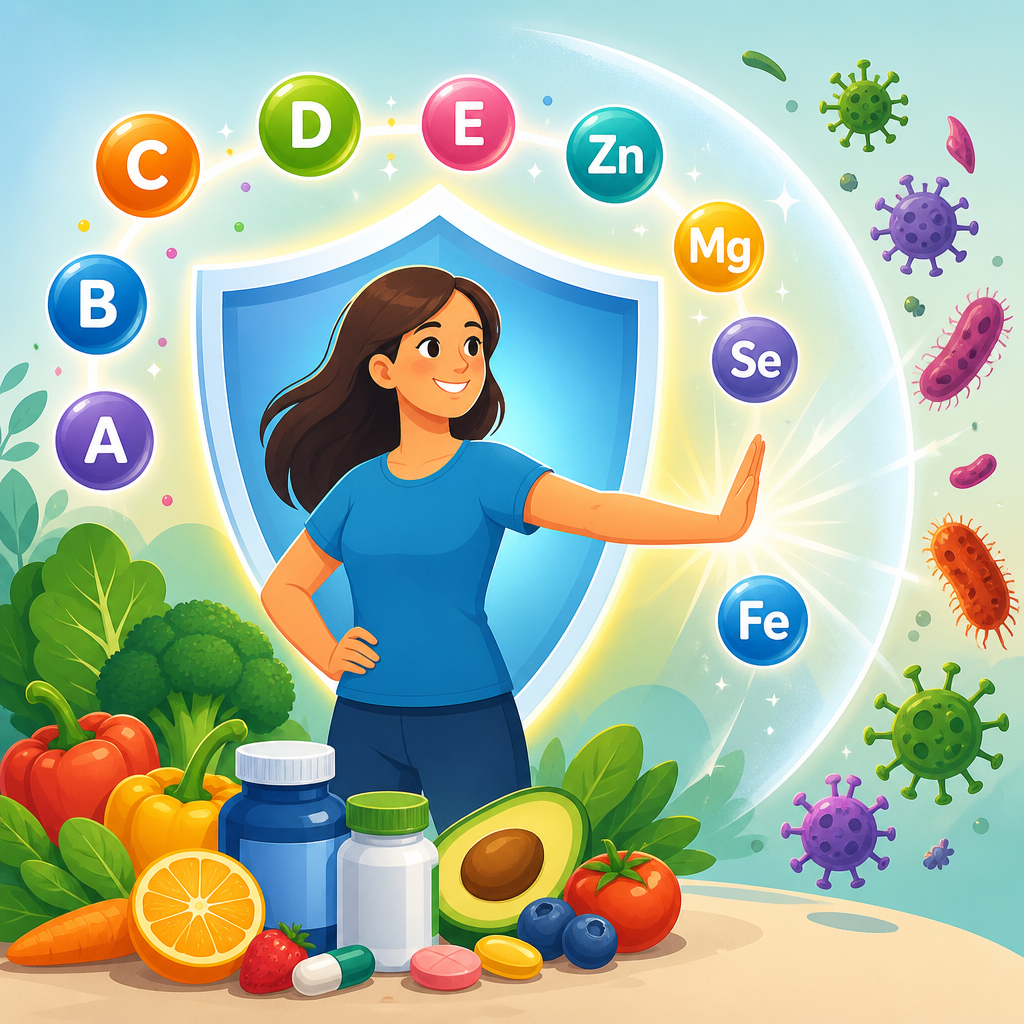
Choosing the best sources of essential vitamins and mineral supplements for optimal health starts with one practical truth: supplements work best when they close a defined gap, not when they replace a sound diet. Essential vitamins are organic compounds the body needs in small amounts for energy production, immunity, cell signaling, blood formation, and tissue repair. Minerals are inorganic elements such as calcium, magnesium, iron, zinc, iodine, and selenium that support bone structure, nerve transmission, fluid balance, thyroid function, and hundreds of enzyme reactions. Because the body cannot make enough of many of these nutrients on its own, they must come from food, fortified products, or well-selected supplements.
This topic matters because nutrient insufficiency is common even in people who believe they eat well. In practice, I see the same patterns repeatedly: low vitamin D in indoor workers, inadequate iron in menstruating women, poor magnesium intake in people eating highly processed diets, and low vitamin B12 in older adults or strict vegans. Deficiencies can be overt, but more often they are marginal and show up as fatigue, impaired immunity, poor recovery, muscle cramps, brittle nails, or low mood. The goal of a hub page on essential vitamins and mineral supplements is to help readers understand what to take, when to take it, what form is best, and how to avoid wasting money or creating harmful imbalances.
Not all supplements are equal. The source, dosage form, chemical form, accompanying ingredients, manufacturing quality, and fit for your age, diet, medications, and lab values all influence results. A calcium carbonate tablet behaves differently from calcium citrate. Cyanocobalamin and methylcobalamin both provide vitamin B12, but one may fit a product formula better than another. Iron bisglycinate is usually gentler on the stomach than ferrous sulfate. These details matter because absorption, tolerance, and adherence determine whether a product helps in real life.
Optimal health also requires perspective. More is not always better, and “natural” does not automatically mean superior. Good supplementation is targeted, evidence-based, and reviewed periodically. The best approach is to begin with dietary intake, identify personal risk factors, use laboratory testing where appropriate, then choose supplements with verified quality and a dose that matches the need. This article serves as the central guide to essential vitamins and mineral supplements, so you can compare options, understand the major categories, and make decisions grounded in physiology rather than marketing.
What Counts as an Essential Vitamin or Mineral
Essential nutrients are those the body requires for normal function but cannot synthesize in adequate amounts. Vitamins include A, C, D, E, K, and the B-complex group: thiamin, riboflavin, niacin, pantothenic acid, biotin, vitamin B6, folate, and vitamin B12. Key minerals include calcium, phosphorus, magnesium, sodium, potassium, chloride, iron, zinc, copper, manganese, selenium, iodine, molybdenum, and chromium. Each has defined biological roles and, in many cases, established Recommended Dietary Allowances or Adequate Intakes from the National Academies.
Understanding these categories helps you avoid random shopping. Fat-soluble vitamins A, D, E, and K can accumulate, so chronic high dosing carries greater risk. Water-soluble vitamins such as vitamin C and most B vitamins are less likely to build up, although that does not make megadoses harmless. Minerals require even more caution because they compete with each other for absorption. High zinc intake can reduce copper status. Large calcium doses may interfere with iron absorption when taken together. Selenium is essential in trace amounts but toxic when chronically excessive.
For most adults, food should remain the primary source. Leafy greens provide folate and vitamin K. Dairy and fortified plant milks can provide calcium and vitamin D. Seafood supplies iodine and selenium. Red meat and legumes contribute iron and zinc. Nuts, seeds, whole grains, and dark chocolate help with magnesium. Supplements become useful when intake is low, needs are elevated, absorption is impaired, or a clinician is correcting a documented deficiency. That distinction is central to choosing wisely.
Best Food-First Sources and When Supplements Make Sense
The best sources of essential vitamins and mineral supplements are often a combination of nutrient-dense foods and strategically chosen products. Food offers a matrix of cofactors, fiber, protein, fats, and phytonutrients that pills cannot fully replicate. For example, citrus gives vitamin C plus flavonoids, and dairy offers calcium with protein and phosphorus. Yet supplements have clear value in specific situations: pregnancy, aging, restrictive diets, gastrointestinal disorders, heavy athletic training, medication-related depletion, and limited sun exposure.
Pregnancy is a classic example. Folic acid before conception and in early pregnancy reduces neural tube defects, and most prenatal formulas also include iron, iodine, vitamin D, and vitamin B12. Older adults often benefit from vitamin B12 due to reduced stomach acid, and vitamin D because skin synthesis declines with age. Vegans frequently need reliable vitamin B12 and may also need iodine, iron, calcium, zinc, and vitamin D depending on food choices. People with inflammatory bowel disease, celiac disease, bariatric surgery history, or long-term acid suppression commonly require personalized supplementation because absorption changes significantly.
Timing also matters. A multivitamin can serve as a safety net for inconsistent diets, but it is not ideal for correcting meaningful deficiencies. Single-nutrient products are usually better when the need is specific, such as iron deficiency anemia or low 25-hydroxyvitamin D. In clinical practice, the best outcomes come from matching the intervention to the problem, then reassessing symptoms, intake, and labs rather than taking a generic stack indefinitely.
How to Evaluate Supplement Quality, Form, and Label Accuracy
When choosing vitamins and mineral supplements, quality control is nonnegotiable. In the United States, supplements are regulated under the Dietary Supplement Health and Education Act, but products are not preapproved for effectiveness before sale. That makes third-party testing especially important. I routinely look for seals or verification programs from USP, NSF, or ConsumerLab because they help confirm identity, potency, purity, and basic manufacturing quality. Good Manufacturing Practices also matter, especially for consistency between batches.
The supplement facts panel tells you more than the front label. Check the nutrient form, dose, serving size, and any added herbs, stimulants, sweeteners, or unnecessary blends. A label promising “immune support” may contain modest vitamin C but also proprietary ingredients that complicate tolerability or drug interactions. Short, transparent formulas are usually easier to evaluate. I also advise comparing dose to the RDA and to the Tolerable Upper Intake Level where one exists. A product containing 400 percent of the daily value is not automatically better.
| Nutrient | Often Preferred Form | Why It Is Chosen | Common Caution |
|---|---|---|---|
| Calcium | Citrate | Absorbs well with or without food; useful with low stomach acid | Large doses can cause constipation and reduce iron absorption |
| Magnesium | Glycinate or citrate | Good bioavailability; glycinate is often gentler | Oxide is common but less absorbable |
| Iron | Bisglycinate or ferrous sulfate | Effective repletion; bisglycinate often better tolerated | Can cause nausea, constipation, and dangerous overdose in children |
| Vitamin B12 | Cyanocobalamin or methylcobalamin | Both are effective in most people | Needs vary with cause of deficiency |
| Vitamin D | D3 | Raises blood levels efficiently | Should be dosed to lab values and risk factors |
Dosage form matters as well. Capsules often have fewer excipients than tablets. Liquids can help children or older adults who have trouble swallowing. Softgels may improve convenience for fat-soluble vitamins. Powders work when larger mineral doses are needed, though flavoring agents and sweeteners should be checked carefully. No form is universally best; the right one is the version a person can absorb, tolerate, and take consistently.
Key Nutrients People Most Often Need to Consider
Vitamin D, magnesium, iron, calcium, vitamin B12, folate, zinc, iodine, and selenium are among the nutrients most commonly discussed because gaps are frequent and the consequences are meaningful. Vitamin D supports calcium regulation, muscle function, and immune signaling. Blood testing for 25-hydroxyvitamin D is the standard way to assess status. Magnesium participates in more than 300 enzymatic reactions, yet intake is often low because modern diets rely heavily on refined grains and packaged foods. Symptoms of low intake can be nonspecific, which is why diet review is useful.
Iron deserves careful handling. Low iron can impair exercise capacity, cognition, thermoregulation, and mood before anemia becomes severe. Menstruation, endurance training, blood donation, pregnancy, and low-meat diets all raise risk. However, iron should not be taken blindly because excess iron can be harmful, and normal ferritin ranges need clinical interpretation. Vitamin B12 and folate are critical for red blood cell formation and neurologic function. Low B12 is common in vegans and older adults, while folate intake is often improved by fortified grains but may still fall short in restrictive eating patterns.
Iodine and selenium are especially relevant for thyroid health. Too little iodine impairs thyroid hormone production, but too much can also aggravate dysfunction, particularly in susceptible individuals. Selenium supports antioxidant enzymes such as glutathione peroxidase, yet the range between adequacy and excess is narrow. Zinc supports immunity, wound healing, taste, and reproductive health, but long-term high-dose zinc can induce copper deficiency. These examples show why the best vitamin and mineral supplement plan is rarely a one-size-fits-all formula.
How to Match Supplements to Age, Diet, and Health Status
Life stage changes nutrient needs. Infants may need vitamin D; adolescents need adequate iron and calcium during rapid growth; women of reproductive age need attention to iron and folate; older adults often require vitamin D, calcium, and vitamin B12 monitoring. Athletes may need higher intake of iron, magnesium, or sodium depending on training load and sweat losses, but performance products should not replace a structured nutrition assessment.
Diet pattern is equally important. A vegan diet can be healthful, but vitamin B12 supplementation is essential because reliable plant sources do not naturally provide enough active B12. People avoiding dairy need an alternative plan for calcium, iodine, and vitamin D. Low-carbohydrate or highly restrictive diets sometimes reduce intake of folate, magnesium, potassium, and vitamin C if vegetable variety is poor. Gluten-free diets can be lower in B vitamins and iron unless built carefully around legumes, seeds, fortified products, and diverse whole foods.
Medical context can change everything. Metformin is associated with lower vitamin B12 status in some users. Proton pump inhibitors can reduce absorption of B12, magnesium, and possibly iron over time. Cholestyramine can affect fat-soluble vitamin absorption. Kidney disease alters safe ranges for minerals such as potassium, phosphorus, magnesium, and calcium. Anticoagulant therapy requires special consistency with vitamin K intake. This is why a supplement plan should always be reviewed against medications, diagnoses, and recent lab work.
Common Mistakes, Safety Risks, and a Smart Buying Strategy
The most common mistake is taking a large stack without a clear reason. People combine a multivitamin, electrolyte mix, greens powder, hair supplement, protein shake, and fortified snack bars, then unintentionally exceed safe intakes for niacin, zinc, selenium, vitamin A, or vitamin B6. Another mistake is assuming fatigue always means low iron or B12 when causes may include sleep debt, thyroid disease, depression, infection, or under-fueling. Supplements should support diagnosis, not replace it.
Safety depends on dose, duration, and context. Vitamin A in retinol form can be teratogenic in excess during pregnancy. High-dose vitamin D can raise calcium levels. Excess calcium supplements have been debated for kidney stone risk in susceptible individuals, especially when fluid intake is poor and dosing is excessive. Iron overdose is a medical emergency in children. Even magnesium, usually safe, can accumulate in advanced kidney disease. Reputable brands, appropriate dosing, and clinician guidance reduce these risks significantly.
A smart buying strategy is simple. Start with diet quality and recent labs. Choose the fewest products needed to solve the identified problem. Prefer brands with third-party verification. Select forms with a rationale, such as calcium citrate for low stomach acid or magnesium glycinate when gastrointestinal tolerance matters. Reassess after eight to twelve weeks when that makes sense for the nutrient involved. Keep a list of all supplements and fortified products, and bring it to medical appointments. Good supplementation is organized, measurable, and conservative.
Choosing the best sources of essential vitamins and mineral supplements for optimal health ultimately means using supplements as precision tools. The strongest foundation is still a varied diet built from vegetables, fruit, legumes, whole grains, nuts, seeds, dairy or fortified alternatives, eggs, seafood, and other minimally processed foods. Supplements add value when needs rise, intake falls short, or absorption is compromised. The best products are those matched to your biology, backed by quality testing, and dosed with a clear purpose.
The key lessons are straightforward. Know the difference between vitamins and minerals, and respect that each has specific roles, interactions, and upper limits. Focus on the nutrients most likely to matter for your age, diet, and health history, including vitamin D, magnesium, iron, calcium, folate, vitamin B12, zinc, iodine, and selenium. Read labels carefully, prioritize third-party tested brands, and choose forms known to be effective and tolerable. Avoid megadoses unless there is a documented reason and a monitoring plan.
If you want better results from supplements, make your next step practical: review your diet, list your current products, check recent lab work, and identify one or two priority gaps to address first. That process will help you build a safer, more effective supplement routine and give you a clear foundation for exploring each nutrient category in greater depth across the rest of this Supplements and Nutraceuticals hub.
Frequently Asked Questions
1. How do I choose the best vitamin and mineral supplements for my individual health needs?
The best way to choose vitamin and mineral supplements is to start by identifying a real need rather than buying products based on trends, broad marketing claims, or the assumption that more is always better. Supplements are most useful when they help close a defined nutritional gap created by diet, life stage, health conditions, medication use, or increased physiological demands. For example, someone following a vegan diet may need reliable sources of vitamin B12, iodine, iron, zinc, and possibly omega-3s, while an older adult may need extra vitamin D, calcium, magnesium, or B12 because absorption and dietary intake can change with age.
A practical first step is to look closely at your eating pattern. If your meals regularly include vegetables, fruits, legumes, whole grains, dairy or fortified alternatives, nuts, seeds, eggs, fish, or lean proteins, you may already be meeting many basic needs. If your diet is limited, highly processed, or restricted because of allergies, medical conditions, or weight-loss plans, supplementation may be more appropriate. Blood testing and professional evaluation can also help guide decisions, especially for nutrients commonly associated with deficiency or imbalance, such as vitamin D, iron, B12, folate, and sometimes magnesium or thyroid-related minerals like iodine.
It is also important to match the supplement to the goal. If the goal is bone support, calcium alone is not the whole answer; vitamin D, magnesium, protein intake, weight-bearing exercise, and overall mineral balance matter too. If the goal is energy, taking high-dose supplements without understanding the cause of fatigue may not help if the true issue is low iron, poor sleep, low calorie intake, thyroid dysfunction, or another medical concern. A targeted approach is almost always more effective and safer than using a large collection of overlapping formulas.
Finally, choose products from reputable manufacturers that provide transparent labeling, appropriate dosages, and independent quality testing. Look for brands that follow good manufacturing practices and avoid “megadose” formulas unless specifically recommended by a qualified clinician. The best supplement is not necessarily the one with the longest ingredient list. It is the one that fits your actual needs, is absorbable, is appropriately dosed, and complements a nutrient-dense diet rather than trying to replace it.
2. Is it better to get vitamins and minerals from food or from supplements?
In most cases, it is better to get vitamins and minerals from food first, then use supplements strategically when intake or absorption falls short. Whole foods deliver much more than isolated nutrients. They provide fiber, protein, healthy fats, antioxidants, phytonutrients, enzymes, and naturally balanced combinations of vitamins and minerals that work together in the body. For example, leafy greens offer folate, magnesium, potassium, and vitamin K along with beneficial plant compounds, while dairy products or fortified alternatives can provide calcium, phosphorus, protein, and often vitamin D in one serving.
Food also tends to support steadier intake patterns and may reduce the risk of oversupplementation. When nutrients come from meals, they are usually consumed in amounts the body is designed to handle, and many are paired with compounds that aid absorption. Vitamin C in fruits and vegetables can help improve non-heme iron absorption from plant foods. Fat in a meal can support the uptake of fat-soluble vitamins such as A, D, E, and K. This is one reason experts generally recommend building nutrition around consistent eating habits first.
That said, supplements absolutely have a place. Some nutrients are difficult to obtain in sufficient amounts from food alone for certain people. Vitamin D is a common example, especially in those with limited sun exposure, darker skin, older age, or geographic and seasonal limitations. Vitamin B12 supplementation is often important for vegans and may also help older adults with reduced stomach acid or absorption challenges. Iron may be necessary in pregnancy or in people with diagnosed deficiency. Calcium, magnesium, zinc, iodine, and selenium may also warrant attention when diet patterns are narrow or restrictive.
The most balanced view is this: food should be the foundation, and supplements should be used as tools. They are not a shortcut around a poor diet, but they can be highly valuable when chosen for a specific reason. If you use both wisely, you can create a nutrition plan that is realistic, evidence-based, and supportive of long-term health.
3. What should I look for on a supplement label to make sure a product is high quality and effective?
A high-quality supplement label should tell you exactly what you are getting, how much you are getting, and how the product fits into safe daily intake. Start with the Supplement Facts panel. Check the form and amount of each nutrient rather than focusing only on the product name on the front. For example, magnesium can appear as citrate, glycinate, oxide, or other forms, and these can differ in absorption and digestive tolerance. The same is true for minerals like zinc and iron, and for vitamins such as B12, folate, and vitamin D.
Dosage matters just as much as ingredient form. A product that delivers several hundred percent of the daily value is not automatically better. In some cases, high doses are unnecessary or even harmful when used long term. Fat-soluble vitamins such as A, D, E, and K can accumulate, and excessive intake of minerals like iron or selenium can create real health problems. It is also important to watch for duplication if you take a multivitamin plus separate bone, immune, or energy formulas, since many products contain overlapping nutrients.
Quality markers are another important consideration. Reputable products often undergo third-party testing or verification for purity, potency, and contaminants. Independent certifications can help confirm that the supplement contains what the label claims and is less likely to be contaminated with heavy metals, microbes, or undeclared substances. This is especially important for minerals, herbal blends, and products marketed for performance or rapid health benefits.
Also read the “other ingredients” section. Fillers, binders, sweeteners, dyes, allergens, and coating agents may matter if you have sensitivities or specific dietary preferences. A cleaner label is not automatically superior, but transparency is essential. Finally, be cautious with labels that promise dramatic results such as “instant energy,” “total detox,” or “complete immunity.” Trustworthy supplements usually make more measured, evidence-based claims. A good product is defined by appropriate dosage, bioavailable forms, quality testing, and a label that is clear enough for an informed consumer to evaluate.
4. Can taking too many vitamins or minerals be harmful?
Yes, taking too many vitamins or minerals can be harmful, and this is one of the most important reasons to approach supplementation thoughtfully. Many people assume that because vitamins and minerals are essential, more must be better. In reality, nutrients work within optimal ranges. Too little can impair health, but too much can also disrupt normal physiology, interfere with other nutrients, or place stress on organs involved in storage, metabolism, and excretion.
Fat-soluble vitamins deserve special caution because they can accumulate in the body. Excessive vitamin A intake, for example, can contribute to toxicity symptoms and may affect liver health, bone health, and pregnancy safety. Vitamin D is essential for calcium balance and immune function, but chronic overuse can raise calcium levels too much and lead to kidney and cardiovascular complications. Minerals can also become problematic. Too much iron can be dangerous, especially if deficiency has not been confirmed. Excess zinc may interfere with copper balance and immune function over time. High selenium intake can cause hair and nail changes, gastrointestinal issues, and neurological symptoms.
There is also the issue of nutrient interactions. Large doses of one supplement can reduce absorption or utilization of another. Calcium may compete with iron in some situations. Zinc and copper influence each other. Magnesium, potassium, and sodium affect fluid balance, muscle function, and nerve signaling in interconnected ways. This is why “stacking” multiple products without reviewing total intake can create unintended consequences, even when each product looks reasonable on its own.
The safest strategy is to avoid self-prescribing high doses unless a deficiency, medical condition, or clinician recommendation clearly justifies it. Pay attention to serving size, total daily intake from all supplements, and whether you are using a product for maintenance or for short-term correction of a known issue. If you are pregnant, have kidney disease, liver disease, gastrointestinal disorders, or take prescription medications, careful guidance is even more important. Supplements can be extremely beneficial, but they should be treated with the same respect you would give any health intervention.
5. Which vitamins and minerals are most important to pay attention to for overall health and common nutrient gaps?
Several vitamins and minerals deserve special attention because they play broad roles in health and are commonly underconsumed or poorly absorbed in certain groups. Vitamin D is one of the most frequently discussed because it supports bone health, immune function, muscle function, and calcium regulation, yet many people do not get enough from sun exposure, food, or fortified products alone. Vitamin B12 is another key nutrient, particularly for red blood cell formation, nerve health, and energy metabolism. It is especially important for vegans, vegetarians with limited animal food intake, and older adults who may have reduced absorption.
Iron is a major area of concern for menstruating women, pregnant individuals, endurance athletes, people with low intake of iron-rich foods