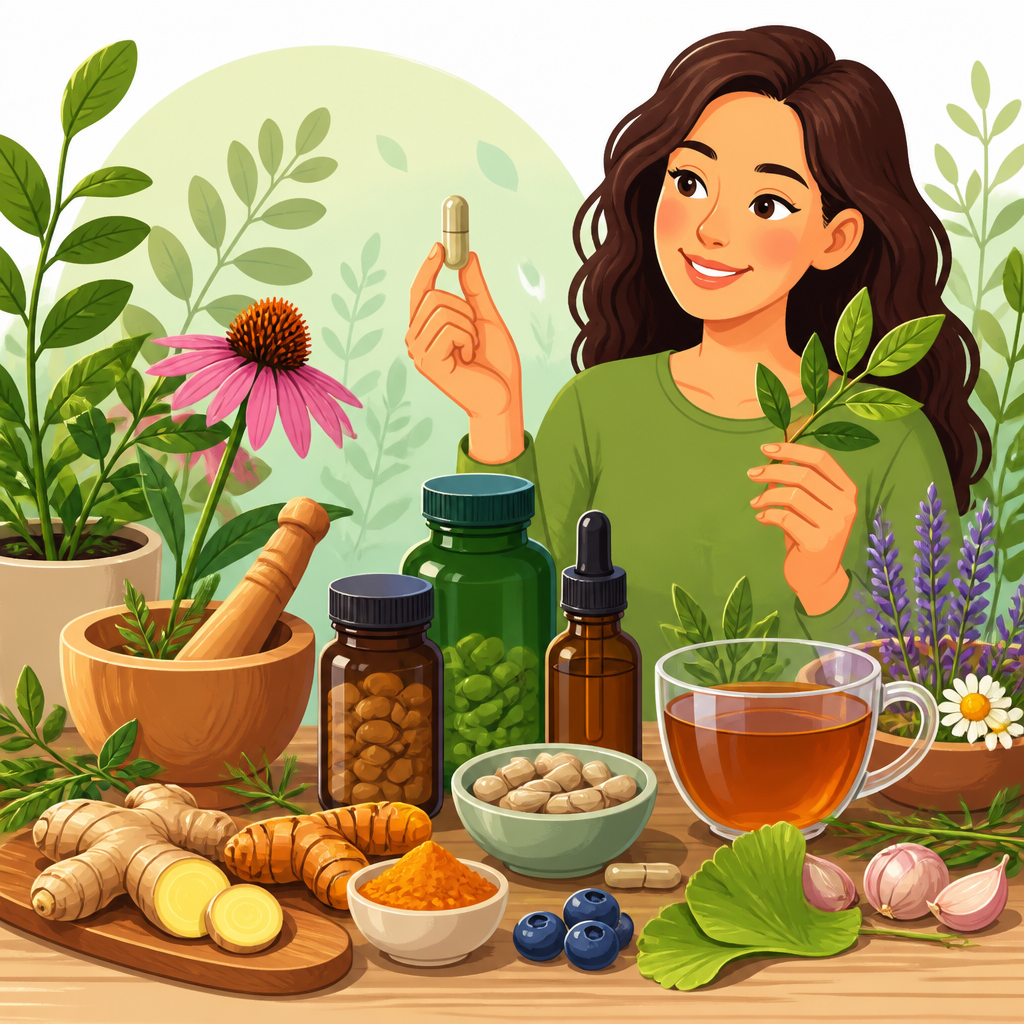
Herbal supplements and natural remedies occupy a growing space between conventional medicine and daily self-care, offering plant-based options that many people use to support sleep, digestion, immunity, stress resilience, joint comfort, and overall wellness. In practical terms, herbal supplements are concentrated preparations made from leaves, roots, flowers, seeds, bark, or whole plants, while natural remedies include broader approaches such as teas, tinctures, poultices, essential oils, mineral salts, and food-based therapeutic traditions. This distinction matters because the form affects potency, absorption, safety, and evidence. A cup of ginger tea, for example, acts differently from a standardized ginger capsule containing quantified gingerols.
I have worked with supplement protocols, product labels, and patient education materials long enough to see the same pattern repeatedly: people are often enthusiastic about herbs, but they underestimate dosage differences, quality standards, interactions, and realistic expectations. Used intelligently, herbal supplements can complement a health plan. Used casually, they can duplicate active compounds, interfere with prescription drugs, or waste money on products that are poorly made. That is why a clear hub on herbal supplements and natural remedies is useful. It gives readers a practical framework for understanding what herbs do, where evidence is strongest, how to choose products, and when to involve a clinician.
The appeal of herbal medicine is not mysterious. Plants contain biologically active compounds such as alkaloids, flavonoids, terpenes, polyphenols, glycosides, and mucilages. Many modern drugs trace their origins to botanical compounds, and many traditional systems, including Ayurveda, Traditional Chinese Medicine, and Western herbalism, developed structured ways to match herbs to symptoms and constitutions. At the same time, natural does not automatically mean safe, and traditional use does not replace modern testing. The best approach combines respect for historical use with current evidence, manufacturing standards, and individual risk assessment.
This article serves as a comprehensive starting point for the herbal supplements and natural remedies category within supplements and nutraceuticals. It explains major types of herbs, the health goals they are commonly used for, the evidence behind popular options, and the practical steps that improve outcomes. If you want to maximize your health with herbal supplements and natural remedies, the central principle is simple: match the right herb, in the right form, at the right dose, for the right person, with the right expectations.
How Herbal Supplements Work in the Body
Herbal supplements influence the body through identifiable physiological mechanisms. Adaptogens such as ashwagandha are studied for stress-related pathways involving cortisol regulation and perceived stress reduction. Carminative herbs such as peppermint and fennel help relax gastrointestinal smooth muscle and reduce bloating. Bitter herbs, including gentian and artichoke leaf, stimulate digestive secretions. Demulcent herbs such as slippery elm and marshmallow root coat irritated mucous membranes. Anti-inflammatory botanicals like turmeric provide curcuminoids that modulate signaling pathways linked to inflammatory response. Understanding these categories is more useful than thinking of all herbs as doing the same vague thing.
Bioavailability is one of the most overlooked issues. Curcumin from turmeric has poor absorption on its own, which is why many products include piperine from black pepper or use phospholipid complexes. Milk thistle products are often standardized for silymarin content because the active flavonolignans are the point of therapeutic interest. Elderberry syrup may be easier for some users than capsules, but sugar content matters for those tracking glucose. Teas can be ideal for mild daily support yet too weak for conditions that require standardized dosing. In other words, preparation is not a cosmetic detail; it changes how the herb behaves.
Herbs also tend to work on a spectrum rather than like an on-off switch. Some, such as senna, have strong short-term effects. Others, such as saw palmetto or boswellia, may require consistent use over weeks before benefits are noticeable. This delayed timeline causes many people to abandon potentially helpful products too early or, just as often, stack multiple herbs at once and then have no idea which one is helping. In practice, a measured trial with one focused product and a symptom log produces far better decisions than using five new remedies in the same week.
Popular Herbal Supplements by Health Goal
The most effective way to organize herbal supplements and natural remedies is by the problem people are trying to solve. For stress and sleep, ashwagandha, lemon balm, passionflower, valerian, and chamomile are among the most common choices. Ashwagandha is typically used for stress support and may help with sleep quality in some adults, but it is not appropriate for everyone, especially those with certain thyroid conditions or autoimmune considerations. Valerian can shorten sleep latency for some users, though effects vary and morning grogginess is possible. Chamomile tea is milder and often best viewed as a bedtime ritual plus modest calming support.
For digestion, peppermint oil, ginger, fennel, and artichoke leaf stand out. Enteric-coated peppermint oil is widely used for irritable bowel syndrome symptoms because it can reduce intestinal spasm when delivered past the stomach. Ginger is one of the better supported natural remedies for nausea, including motion-related nausea and some pregnancy-related nausea, though dosing and clinician guidance matter during pregnancy. Fennel is often used after meals for gas and discomfort. Artichoke leaf extract may support bile flow and post-meal digestive ease, especially with fatty meals.
For immune support and upper respiratory complaints, echinacea, elderberry, zinc-containing lozenges, and honey-based remedies are frequently discussed together, though they are not interchangeable. Elderberry is usually used at the onset of cold-like symptoms, not as an all-purpose year-round immune cure. Echinacea may modestly shorten symptom duration for some people, but study quality is mixed and species differences matter. Honey can soothe coughs, especially at night, but should never be given to infants under one year because of botulism risk. For joint comfort and inflammation support, turmeric, boswellia, devil’s claw, and topical arnica are common options.
| Health Goal | Common Herbs | Typical Form | Key Consideration |
|---|---|---|---|
| Stress and sleep | Ashwagandha, valerian, chamomile | Capsules, tea, tincture | Check for sedation, thyroid issues, and timing of use |
| Digestive support | Peppermint, ginger, fennel | Enteric capsules, tea, softgels | Match the form to the symptom and monitor reflux |
| Immune and respiratory support | Elderberry, echinacea, honey | Syrup, lozenges, tea | Use early, not indefinitely, and note age restrictions |
| Joint comfort | Turmeric, boswellia, arnica | Capsules, topical gel | Look for standardized extracts and interaction risks |
Evidence, Standards, and What “Effective” Really Means
Evidence for herbal supplements ranges from strong to preliminary, and serious buyers should know the difference. A single small study is not the same as multiple randomized controlled trials or a systematic review. Standardized extracts matter because they help align products with the research. For example, many clinical studies on ashwagandha use root extract with specified withanolide content, while turmeric studies often use defined curcuminoid percentages or enhanced-absorption formulations. If a label does not identify plant part, extraction ratio, or standardization marker, it becomes much harder to compare with published evidence.
Independent quality verification is equally important. In the United States, dietary supplements are regulated under the Dietary Supplement Health and Education Act, which places responsibility on manufacturers for safety and labeling, but products are not preapproved like prescription drugs. That makes third-party testing especially valuable. Programs and organizations such as USP, NSF, and ConsumerLab are useful reference points because they assess identity, purity, potency, or contaminant risk. Good manufacturing practices, lot numbers, expiration dating, and transparent allergen statements are all signs that a brand takes quality seriously.
It is also essential to define success correctly. A natural remedy may not eliminate a condition, but it can still be clinically worthwhile if it reduces symptom frequency, lowers rescue medication use, improves sleep continuity, or supports quality of life with acceptable tolerability. I have seen people dismiss a digestive herb because it did not create a dramatic overnight change, even though their bloating episodes had dropped by half over three weeks. Outcomes should be measured against the actual goal, not against a vague hope that an herb will “fix everything.”
Safety, Interactions, and Who Should Be Cautious
Safety is where herbal supplements and natural remedies demand the most discipline. Many herbs have pharmacological activity strong enough to create interactions. St. John’s wort is the classic example because it can alter the metabolism of many medications through enzyme induction, affecting oral contraceptives, antidepressants, anticoagulants, transplant drugs, and more. Ginkgo, garlic, and ginseng may increase bleeding risk in certain contexts, particularly around surgery or when combined with anticoagulant or antiplatelet therapy. Licorice root can raise blood pressure and lower potassium when used in glycyrrhizin-containing forms.
Pregnancy, breastfeeding, childhood, older age, liver disease, kidney disease, seizure disorders, and autoimmune conditions all require extra care. Kava, for instance, has been linked to liver safety concerns and is not a casual choice for anxiety. Comfrey should not be taken internally because of pyrrolizidine alkaloids associated with liver toxicity. Essential oils deserve special caution as well; concentrated oils are not harmless just because they smell pleasant. Oral use of essential oils should be guided by qualified professionals, and even topical use should account for dilution, skin sensitivity, and phototoxicity with oils such as bergamot.
One practical rule I recommend is to pause and ask three questions before starting any herb: What exactly am I trying to improve? What medicines or conditions could this interact with? How will I know if it is working or causing problems? If the answers are unclear, the purchase is premature. A pharmacist, physician, or qualified dietitian familiar with supplements can review interactions, especially when multiple prescriptions are involved. That consultation often prevents the most common mistakes: duplication, poor timing, excessive dosing, and use despite a clear contraindication.
Choosing High-Quality Products and Building a Smart Routine
Choosing a good product starts with the supplement facts panel and the ingredient list. Look for the common and Latin name, the plant part used, the amount per serving, any standardization marker, and unnecessary fillers or proprietary blends that obscure dosage. Standardization is particularly useful for herbs with well-studied active constituents, such as curcuminoids in turmeric or silymarin in milk thistle. Tinctures should identify the herb-to-solvent ratio when possible. Teas should state whether they contain cut herb, powders, or flavor-heavy blends with minimal active material.
Dosing strategy matters as much as brand quality. Start with one targeted herb, use the lowest effective dose range supported by evidence or the label, and give it a fair trial based on the expected timeline. A sleep tea can be judged within days, while a joint formula may deserve four to eight weeks. Keep a simple log of timing, dose, symptoms, side effects, sleep, digestion, or pain scores. In my experience, people who track outcomes make faster, better decisions and spend less on supplements that are not earning their place.
Herbs work best when they are part of a broader routine instead of substitutes for basics. Magnesium may pair well with calming herbs for sleep support; soluble fiber and hydration improve the odds that digestive remedies will help; anti-inflammatory herbs make more sense when paired with strength training, weight management, and an overall nutrient-dense diet. The most successful protocols are boring in the best way: consistent, specific, and realistic. Herbal supplements can be valuable tools, but they perform best inside a system built on sleep, food quality, movement, and medical follow-up where needed.
How This Herbal Supplements and Natural Remedies Hub Helps You
As a subtopic within supplements and nutraceuticals, herbal supplements and natural remedies cover a broad territory, and no single article should pretend otherwise. The practical value of a hub page is that it gives you a decision framework. First, identify the health goal. Second, narrow to herbs with relevant evidence and appropriate safety for your situation. Third, choose a form and brand that align with studied use. Fourth, track the result and reassess. This process turns a crowded marketplace into a manageable set of choices.
The main takeaway is clear: maximizing your health with herbal supplements and natural remedies is not about buying the trendiest bottle on the shelf. It is about using plant-based tools with precision, quality standards, and respect for interactions and limitations. When you do that, herbs can support stress management, digestion, sleep, immunity, and comfort in a meaningful way. Use this hub as your starting point, then explore individual herb guides, compare products carefully, and involve a qualified clinician whenever your symptoms, medications, or medical history raise the stakes.
Frequently Asked Questions
What are herbal supplements and natural remedies, and how are they different?
Herbal supplements are concentrated products made from plants or plant parts such as roots, leaves, flowers, bark, seeds, or the whole herb. They are commonly available as capsules, tablets, powders, teas, extracts, and tinctures. Natural remedies is a broader term that can include herbal products as well as practices and materials such as herbal teas, topical salves, poultices, essential oils, mineral-based products, and food-based wellness strategies. In other words, all herbal supplements can be considered part of the natural remedies category, but not all natural remedies are standardized supplements.
The biggest practical difference is often strength, consistency, and intended use. A cup of chamomile tea, for example, may be used as a gentle natural remedy for relaxation, while a concentrated valerian or passionflower extract may be used in supplement form for more targeted support. Herbal supplements are often chosen when people want measurable doses and convenience, while natural remedies may be used for everyday self-care rituals, topical comfort, or mild symptom support. Understanding this distinction helps people choose the right approach based on their goals, whether they want daily wellness support, occasional relief, or a more structured supplement routine.
What health goals can herbal supplements and natural remedies support?
Herbal supplements and natural remedies are commonly used to support a wide range of wellness goals, especially in areas where lifestyle habits, stress, and everyday discomfort play a major role. Popular categories include sleep support, stress management, digestive comfort, immune resilience, joint and muscle comfort, focus, energy, skin health, and women’s health. For instance, ginger and peppermint are often used for digestive ease, elderberry and echinacea are commonly associated with seasonal immune support, turmeric is widely used for joint comfort, and adaptogenic herbs such as ashwagandha and rhodiola are often chosen to help the body adapt to stress.
That said, herbal products work best when they are matched thoughtfully to a specific goal and used as part of a broader healthy lifestyle. They are not magic fixes, and results can vary depending on the herb, the quality of the product, the dose, the person’s overall health, and how consistently the product is used. A person who wants better sleep, for example, may benefit more from combining calming herbs with reduced evening screen time, a consistent bedtime, and lower caffeine intake than from relying on supplements alone. Used wisely, these plant-based tools can be a valuable part of a wellness plan, but they tend to be most effective when they complement nutrition, movement, rest, and medical care rather than replace them.
How can I choose high-quality herbal supplements safely?
Choosing a quality herbal supplement starts with looking closely at the label and the reputation of the manufacturer. A trustworthy product should clearly list the common and botanical name of the herb, the plant part used, the dose per serving, and whether the formula is standardized to key active compounds when appropriate. It is also helpful to choose brands that follow Good Manufacturing Practices, provide lot numbers and expiration dates, and offer third-party testing for identity, purity, potency, and contaminants such as heavy metals, microbes, or pesticides. These details matter because plant-based products can vary significantly depending on how the herb was grown, harvested, processed, and stored.
It is also important to avoid assuming that “natural” automatically means safe or effective. Some formulas combine many ingredients, which can make it harder to understand what is helping, what may be causing side effects, or how the product might interact with medications. Start with one well-selected product rather than several at once, follow the dosing instructions carefully, and give it enough time to evaluate results. If you are pregnant, nursing, managing a chronic condition, scheduled for surgery, or taking prescription medicines such as blood thinners, antidepressants, diabetes medications, or blood pressure drugs, consult a qualified healthcare professional before starting any supplement. Safe selection is not just about picking a popular herb; it is about choosing a product with transparency, quality controls, and a good fit for your health needs.
Are herbal supplements and natural remedies safe to use with prescription medications?
They can be, but not always, which is why medication interactions are one of the most important safety considerations. Some herbs may increase or decrease the effects of prescription drugs, affect how medicines are absorbed or metabolized, or raise the risk of side effects such as drowsiness, bleeding, blood pressure changes, or blood sugar fluctuations. St. John’s wort is a well-known example because it can interfere with many medications, including antidepressants, birth control pills, and certain heart or immune-related drugs. Herbs and natural products that seem gentle, such as garlic, ginkgo, turmeric, licorice, or even some calming blends, may also present concerns in specific situations.
The safest approach is to treat herbal supplements with the same seriousness as medications. Keep a full list of everything you take, including teas, tinctures, powders, oils, and over-the-counter products, and share that list with your doctor, pharmacist, or integrative healthcare practitioner. This is especially important if you take medications for heart disease, mood disorders, seizures, blood clotting, autoimmune conditions, diabetes, or high blood pressure. It is also wise to stop certain supplements before surgery if advised by your healthcare team. With proper guidance, many people can use herbs safely, but informed use is essential. The goal is not to avoid natural remedies entirely, but to make sure they support your health without unintentionally complicating your treatment plan.
What is the best way to start using herbal supplements and natural remedies for overall wellness?
The best way to begin is with a clear goal, a simple plan, and realistic expectations. Decide what you want support with first, such as improving sleep quality, easing occasional digestive discomfort, managing everyday stress, or supporting immune health during busy seasons. Then choose one remedy that fits that goal and has a well-established traditional use or research profile. Starting with one product or practice at a time makes it easier to observe benefits, notice side effects, and avoid confusion. Many people do well beginning with gentle options such as herbal teas, single-herb capsules, or a simple topical remedy before moving on to more concentrated or complex formulas.
Consistency and observation matter as much as product choice. Follow the instructions on the label, track how you feel, and give the remedy an appropriate trial period unless side effects occur. Pay attention to changes in sleep, digestion, energy, mood, or comfort levels, and note any reactions such as headaches, stomach upset, rashes, or unusual fatigue. It is also smart to build your routine around foundational habits: balanced meals, hydration, regular movement, stress reduction, and adequate sleep. Herbal supplements and natural remedies tend to work best as part of a larger wellness strategy, not as stand-alone solutions. If your symptoms are persistent, worsening, or unexplained, use that as a signal to seek medical advice rather than continuing to self-treat indefinitely.