CBD and hemp-based supplements have moved from niche wellness shelves into mainstream retail, yet many buyers still struggle to separate useful facts from marketing noise. In practical terms, hemp-based supplements are products derived from Cannabis sativa plants bred to contain very low levels of tetrahydrocannabinol, or THC, the compound associated with intoxication. CBD, short for cannabidiol, is one of more than a hundred cannabinoids found in cannabis and hemp, and it is the ingredient most commonly featured in oils, capsules, gummies, beverages, topicals, and functional blends. When people ask what CBD and hemp-based supplements are, they usually mean three categories: purified CBD products, broad-spectrum hemp extracts with multiple cannabinoids but no meaningful THC, and full-spectrum hemp extracts that retain trace THC within legal limits.
This topic matters because the category sits at the intersection of nutrition, regulation, pharmacology, agriculture, and consumer safety. I have reviewed labels, supplier certificates, and manufacturing claims across dozens of supplement lines, and the same problems appear repeatedly: unclear terminology, inconsistent dosing language, unrealistic benefit claims, and limited understanding of quality control. A shopper may assume “hemp extract” and “CBD” are interchangeable when they are not. Another may choose a high-dose gummy without realizing cannabinoids can interact with medications metabolized through CYP450 enzyme pathways. At the same time, there are legitimate reasons consumers explore these products, including support for stress management, sleep routines, and general wellness. A clear guide helps buyers ask the right questions, compare formulations intelligently, and understand where current evidence is strong, limited, or still developing.
What CBD and hemp-based supplements include
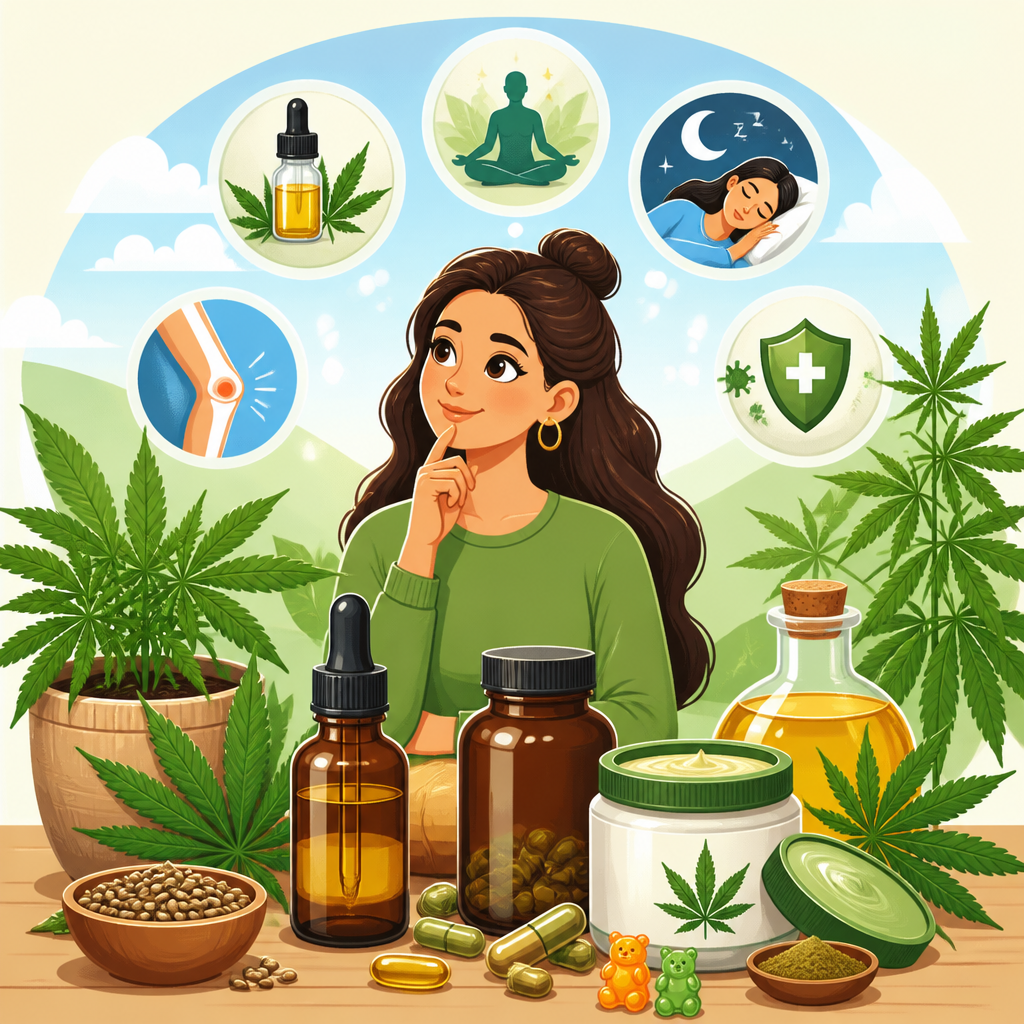
CBD and hemp-based supplements span a wider range than most people expect. The base ingredient may be hemp seed oil, hemp extract, isolated cannabidiol, or a broad botanical blend that combines cannabinoids with terpenes, adaptogens, melatonin, magnesium, or L-theanine. Hemp seed oil comes from the seeds and is nutritionally valuable for fatty acids, especially linoleic acid and alpha-linolenic acid, but it contains little to no CBD. Hemp extract usually comes from the flower and aerial parts of the plant and can contain cannabinoids and terpenes. That distinction matters because labels often emphasize the word “hemp” even when cannabinoid content is negligible.
In supplement manufacturing, the three most common extract types are CBD isolate, broad-spectrum extract, and full-spectrum extract. CBD isolate contains cannabidiol without other meaningful cannabinoids. Broad-spectrum products remove or minimize THC while retaining additional hemp compounds such as cannabigerol, or CBG, and terpenes like myrcene or limonene. Full-spectrum extracts preserve the widest profile from the source plant, including trace THC below the federal threshold of 0.3 percent by dry weight for hemp. Advocates often discuss an “entourage effect,” meaning multiple plant compounds may work differently together than in isolation, but this remains a developing area rather than a settled rule for every product or outcome.
Delivery formats also shape the consumer experience. Tinctures allow flexible serving sizes and faster absorption than capsules because some portion can be absorbed sublingually. Gummies and softgels offer convenience and accurate premeasured servings but pass through digestion, which generally slows onset. Powders, drink enhancers, and functional beverages target daily-use routines, while topical balms and creams are positioned for localized use rather than systemic supplementation. The best choice depends less on trend and more on the intended use case, ingredient tolerance, and the amount of CBD or hemp extract delivered per serving.
How these supplements are made and why extraction matters
Extraction is one of the most important quality variables because it determines the chemical profile, purity, and consistency of the final supplement. Reputable manufacturers commonly use supercritical carbon dioxide extraction or carefully controlled ethanol extraction. Supercritical CO2 can selectively pull cannabinoids and terpenes while limiting residual solvents, and it is often promoted for precision. Ethanol extraction is widely used at scale and can be highly effective when followed by winterization and purification steps that remove waxes, chlorophyll, and unwanted residues. Hydrocarbon extraction, which may use butane or propane, is more common in some cannabis sectors than in mainstream dietary supplements and requires especially rigorous purification.
After extraction, the oil may go through decarboxylation, distillation, or isolation. Decarboxylation converts cannabinoid acids such as CBDA into CBD through heat. Distillation concentrates target compounds, while isolation can produce crystalline CBD with very high purity. Each step changes the ingredient profile. For example, a distilled broad-spectrum oil may remove much of the original terpene signature unless terpenes are later reintroduced. That means two products with the same CBD milligram count can perform differently in taste, aroma, and user experience because they are not chemically identical.
Source material matters as much as processing. Hemp is a bioaccumulator, meaning it can absorb heavy metals and contaminants from soil. In practice, this is why strong brands publish third-party certificates of analysis for potency, pesticides, heavy metals, microbial contamination, and residual solvents. A serious manufacturer should be able to tell you the hemp origin, extraction method, lot number, and testing standards. In the United States, many better operators align with current Good Manufacturing Practices, and some use ISO-accredited laboratories for testing. Without those controls, label claims are difficult to trust.
What the evidence says about benefits, limits, and expectations
Most consumer interest centers on stress, sleep, mood, recovery, and occasional discomfort. The strongest pharmaceutical evidence for cannabidiol is not in general wellness supplements but in a prescription setting for certain seizure disorders, which shows that CBD is biologically active and clinically relevant. That does not automatically validate every supplement claim. It does, however, confirm that cannabidiol is not an inert lifestyle ingredient. For everyday supplement use, evidence is more mixed. Some studies and consumer reports suggest CBD may support calmness or sleep quality in certain contexts, especially when dosing is consistent and formulations are not overloaded with marketing ingredients. The response is individualized, and effects are often modest rather than dramatic.
The biggest practical limitation is that many retail products underdose the active ingredient relative to the outcomes they imply. A gummy with 5 milligrams of CBD may fit a low-dose introductory routine, but it is unlikely to mirror study conditions using substantially higher amounts. Conversely, taking more is not always better. Higher doses can increase the chance of drowsiness, digestive upset, or drug interactions. Formulation context also matters. A sleep blend that combines CBD with melatonin and botanicals may help some users, but the result cannot be attributed to CBD alone. Consumers should evaluate what each ingredient is doing rather than crediting the headline cannabinoid for the entire effect.
It is also important to distinguish systemic supplements from topicals. A hemp cream marketed for post-exercise comfort may be useful as part of a recovery routine, but topical products work through a different route and should not be compared directly with oral tinctures or capsules. The cleanest expectation is this: CBD and hemp-based supplements may support specific wellness goals for some people, but they are not cure-alls, and product quality influences outcomes as much as dose.
How to read labels, compare formulas, and choose a quality product
Buying well starts with reading the Supplement Facts panel and the certificate of analysis together. The front label may spotlight “1,500 mg hemp extract,” yet that total sometimes refers to the entire bottle, not a serving. It may also describe total plant extract rather than actual CBD content. I advise looking for four basics immediately: milligrams per serving, extract type, THC statement, and independent lab verification. If the package does not clearly state CBD milligrams per serving, comparison becomes guesswork.
| What to check | Why it matters | What good looks like |
|---|---|---|
| CBD or hemp extract amount | Determines actual serving strength | Clearly listed per serving and per container |
| Extract type | Indicates isolate, broad-spectrum, or full-spectrum profile | Specific terminology, not just “hemp oil” |
| Third-party testing | Confirms potency and screens contaminants | Current COA matched to lot number |
| THC disclosure | Important for legal, personal, and workplace reasons | Explicit THC-free or trace-THC statement |
| Added ingredients | Affects purpose, tolerance, and interactions | Transparent doses of melatonin, botanicals, or minerals |
Beyond the table, assess manufacturing discipline. Reliable brands usually provide batch-specific testing by accredited labs, avoid inflated medical claims, and identify whether they use CO2 or ethanol extraction. Flavoring and carrier oils matter too. MCT oil is common in tinctures because it improves dispersion and shelf stability, but some users prefer olive oil or allergen-conscious alternatives. Gummies should disclose sugar content, pectin or gelatin source, and whether colorants are natural. Softgels should state capsule materials and storage conditions. These details sound small, yet they separate a serious nutraceutical product from a loosely assembled commodity.
Price should be evaluated by cost per serving and cost per milligram, not by bottle size alone. A 30-milliliter tincture priced lower than a competitor may actually be more expensive if it contains far less CBD per dose. Brand reputation helps, but documentation matters more than influencer endorsements. The best products make verification easy.
Safety, legality, and who should use extra caution
Safety begins with the understanding that “natural” does not mean risk-free. CBD can cause fatigue, dry mouth, diarrhea, appetite changes, and sedation in some users. More importantly, it can interact with medications, including blood thinners, some antidepressants, antiseizure drugs, and other compounds metabolized by liver enzymes such as CYP3A4 and CYP2C19. Anyone taking prescription medication, pregnant or breastfeeding, or managing liver disease should consult a qualified clinician before using CBD supplements. This is not a formality; it is a meaningful precaution grounded in pharmacology.
Legality is more nuanced than many labels suggest. In the United States, hemp with no more than 0.3 percent delta-9 THC by dry weight is federally legal under the 2018 Farm Bill, but state laws vary, especially around ingestible cannabinoids, labeling, and novel hemp derivatives. Internationally, rules differ even more. A product that is lawful in one jurisdiction may be restricted in another. Workplace drug testing adds another layer. Full-spectrum products can contain trace THC, and repeated use may create a testing risk for sensitive screening programs. People in regulated professions often choose broad-spectrum or verified THC-free products for that reason, though no product can promise zero risk without robust testing controls.
Consumers should also be careful with vulnerable populations and exaggerated claims. CBD for children, older adults on multiple medications, or people with complex medical conditions requires individualized oversight. If a product claims to treat anxiety disorders, chronic pain, or insomnia definitively, that is a red flag. Responsible supplement brands discuss support, not disease treatment, and they make room for uncertainty where evidence is still emerging.
Where CBD and hemp supplements fit within a broader wellness routine
The most useful way to view CBD and hemp-based supplements is as one tool within a broader routine, not a substitute for fundamentals. In practice, the best outcomes usually come when the supplement matches a clear goal and sits alongside sleep hygiene, stress management, training recovery, or nutritional support. Someone using a nighttime tincture may also need consistent bedtimes, less evening alcohol, and better light management. Someone trying a post-workout topical may still need mobility work, protein intake, and rest. Supplements work best when the surrounding system makes sense.
As a sub-pillar within Supplements and Nutraceuticals, this topic also connects naturally to adjacent categories. Readers comparing CBD with adaptogens should understand that ashwagandha acts through different mechanisms and evidence pathways. Those considering sleep formulas should compare CBD with melatonin, magnesium glycinate, and L-theanine rather than assuming one ingredient is universally superior. Shoppers focused on recovery may also want to review omega-3s, curcumin, and electrolyte strategies. This hub works best when it helps people navigate those related decisions from a grounded starting point.
The key takeaway is straightforward: CBD and hemp-based supplements can be useful, but only when buyers understand the source ingredient, extract type, dose, testing, and safety context. Learn to distinguish hemp seed oil from cannabinoid-rich extract, compare products by verified milligrams per serving, and treat third-party testing as nonnegotiable. Keep expectations realistic, especially for stress and sleep support, and involve a clinician when medications or health conditions are part of the picture. If you are building your supplement strategy, use this hub to evaluate products carefully, then explore related guides on sleep, stress, recovery, and label literacy before you buy.
Frequently Asked Questions
What is the difference between hemp-based supplements and CBD products?
Hemp-based supplements is a broad category that can include many different products made from the hemp plant, while CBD products are a more specific subset within that category. Hemp supplements may contain ingredients such as hemp seed oil, hemp protein, hemp fiber, or hemp extracts. Some of these products contain no meaningful amount of cannabinoids at all. For example, hemp seed oil is valued for its fatty acids and nutritional profile, but it does not naturally provide significant CBD. By contrast, a CBD product is designed specifically to deliver cannabidiol, one of the best-known cannabinoids found in hemp.
This distinction matters because labels often use words like “hemp,” “full-spectrum,” or “plant-based” in ways that can confuse shoppers. A product marketed as a hemp supplement is not automatically a CBD supplement, and a CBD product is not automatically identical to every other hemp-derived product on the shelf. Reading the supplement facts panel, ingredient list, and any third-party testing information is the best way to understand what you are actually buying. If your goal is nutritional support from hemp seeds, that is different from shopping for a product formulated around cannabinoids such as CBD.
Will CBD or hemp-based supplements make you feel high?
In general, hemp-based supplements and most CBD products are not intended to produce intoxication. The main reason is that hemp used for legal commercial products is bred to contain very low levels of THC, the cannabinoid most closely associated with the “high” linked to marijuana. CBD itself is non-intoxicating, which is one reason it has drawn so much attention in the wellness market. Most people who use CBD do not report the euphoric or impairing effects associated with high-THC cannabis products.
That said, the exact experience depends on the type of product. Broad-spectrum CBD products are typically formulated to remove THC, while CBD isolate contains only cannabidiol. Full-spectrum hemp extracts may contain trace amounts of THC within legal limits, which usually is not enough to cause intoxication for most users when taken as directed. However, sensitivity varies, and extremely high intake or repeated use of full-spectrum products could affect some individuals differently. This is why it is important to check the label carefully and verify the cannabinoid profile through a certificate of analysis from an independent lab.
How can you tell whether a CBD or hemp supplement is high quality?
A high-quality CBD or hemp-based supplement usually provides clear, specific, and verifiable information rather than relying on vague wellness claims. Start by looking for the exact amount of CBD or hemp extract per serving, the type of extract used, and a full ingredient list. Reputable brands also provide third-party lab testing, often called a certificate of analysis, which confirms cannabinoid content and screens for contaminants such as pesticides, heavy metals, residual solvents, and microbial impurities. If a brand makes it difficult to find this information, that is a reason to be cautious.
It also helps to evaluate how the product is made. Look for companies that disclose the source of their hemp, explain their extraction methods, and follow good manufacturing practices. Packaging and marketing can be polished, but what matters more is transparency and consistency. Be careful with products that promise dramatic medical outcomes, because trustworthy supplement companies tend to describe their products in measured, compliant language. Price alone is not a perfect quality indicator, but unusually cheap products may cut corners on sourcing, formulation, or testing. In a crowded market, transparency is one of the strongest signs of quality.
What should buyers know about full-spectrum, broad-spectrum, and CBD isolate?
These terms describe how much of the original plant profile remains in the finished product. Full-spectrum CBD contains cannabidiol along with other naturally occurring compounds from hemp, including minor cannabinoids, terpenes, flavonoids, and legally limited trace amounts of THC. Some consumers prefer full-spectrum products because they want a more complete hemp extract. Broad-spectrum CBD is similar, but it is typically processed to remove THC while retaining other plant compounds. CBD isolate is the most refined form and contains only cannabidiol, with no other cannabinoids or terpenes intentionally included.
Choosing among these options depends on your priorities. If you want the simplest formula with only one active cannabinoid, isolate may appeal to you. If you prefer a product that includes multiple hemp compounds but want to avoid THC, broad-spectrum is often the middle ground. If you are comfortable with trace THC within legal limits and want the most complete extract, full-spectrum may be your preference. None of these categories is automatically “best” for everyone. The smarter approach is to match the product type to your comfort level, label-reading habits, and any practical considerations such as workplace drug testing concerns.
Are CBD and hemp-based supplements regulated and safe to use?
CBD and hemp-based supplements exist in a complicated regulatory environment, so consumers should not assume all products are reviewed equally or held to identical standards. In many markets, hemp-derived products are widely sold, but oversight can vary by country, state, and product category. That means safety and quality often depend heavily on the manufacturer’s testing, sourcing, and quality-control practices. A product being available online or in a retail store does not automatically guarantee that it has been rigorously evaluated for purity, potency, or long-term use.
As for safety, many people use CBD and hemp supplements without major issues, but that does not mean they are risk-free for everyone. Some users may experience side effects such as drowsiness, digestive upset, or changes in appetite, and CBD can interact with certain medications. That is especially important for people who take prescription drugs, are pregnant or breastfeeding, or have underlying health conditions. The safest approach is to choose a tested product from a reputable brand, follow serving guidance conservatively, and speak with a qualified healthcare professional if you have questions about drug interactions or whether a hemp-derived supplement fits your overall health routine.