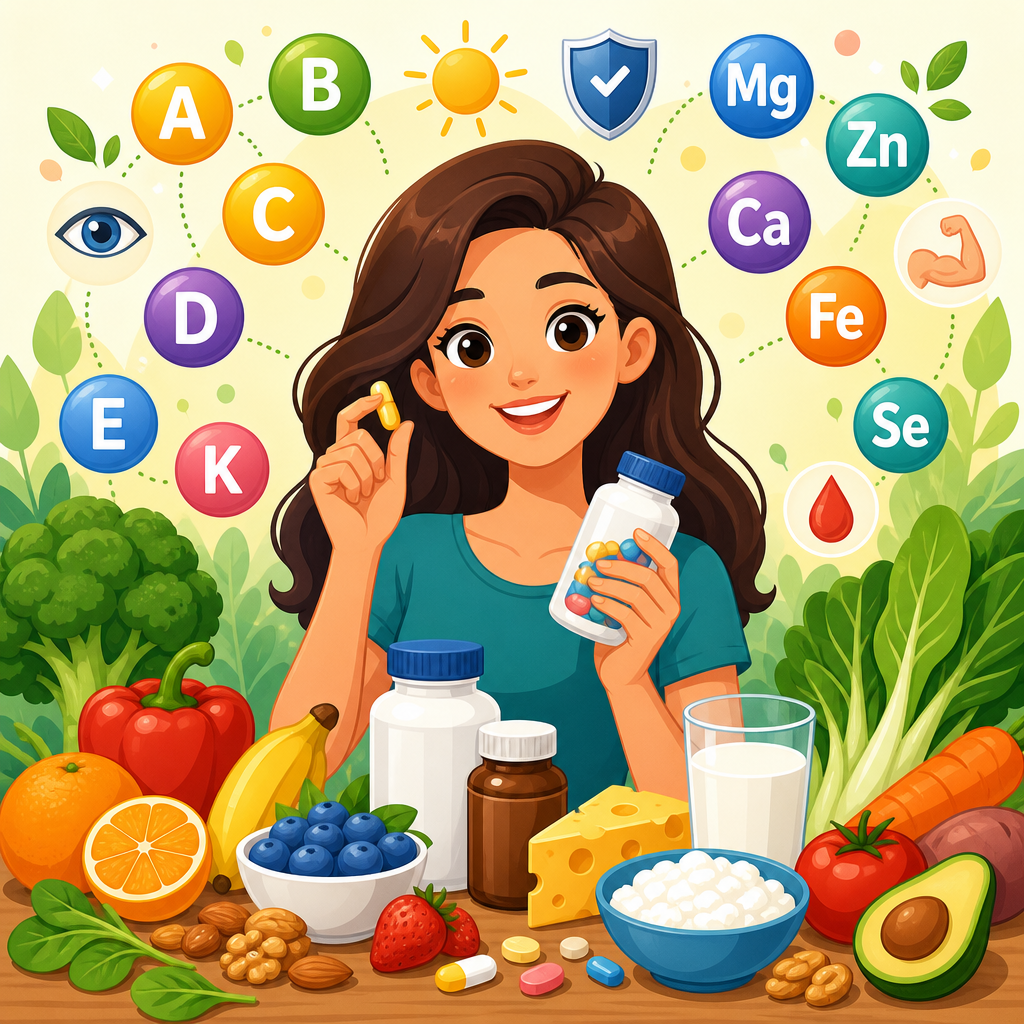
Essential vitamins and mineral supplements fill nutrient gaps when diet, health status, age, or lifestyle make it difficult to meet daily needs from food alone. Vitamins are organic compounds needed in small amounts for metabolism, immunity, cell repair, and growth, while minerals are inorganic elements that support fluid balance, nerve signaling, bone structure, oxygen transport, and hundreds of enzyme reactions. I have worked with supplement programs for general wellness, sports nutrition, and clinical education, and the same lesson appears repeatedly: the right supplement can be useful, but only when it matches a clearly defined need. That is why understanding essential vitamins and mineral supplements matters. Many people buy products based on marketing claims, yet the real decisions should be guided by nutrient function, evidence for deficiency correction, dose, form, interactions, and quality testing. This guide explains what these supplements do, who may benefit, how to evaluate labels, and where supplementation fits into a broader nutrition plan. It also serves as a hub topic because every major question people ask about multivitamins, vitamin D, iron, magnesium, calcium, B vitamins, zinc, or prenatal support starts with the same foundation: what nutrients are essential, what happens when intake is low, and how can supplementation improve health safely and effectively.
What essential vitamins and minerals do in the body
Essential nutrients are called essential because the body cannot make enough of them, or cannot make them at all, so they must come from food or supplements. The major vitamins include A, C, D, E, and K, plus the eight B vitamins: thiamin, riboflavin, niacin, pantothenic acid, vitamin B6, biotin, folate, and vitamin B12. Important minerals include calcium, phosphorus, magnesium, sodium, potassium, chloride, iron, zinc, iodine, selenium, copper, manganese, chromium, molybdenum, and fluoride. Each has a distinct biochemical role. Vitamin D regulates calcium absorption and bone remodeling. Vitamin B12 and folate are central to red blood cell formation and DNA synthesis. Vitamin C supports collagen production and improves nonheme iron absorption. Iron carries oxygen as part of hemoglobin. Magnesium acts as a cofactor in more than 300 enzymatic reactions, including ATP production and muscle contraction. Zinc supports immunity, wound healing, and protein synthesis. Iodine is required for thyroid hormone production. Calcium provides skeletal structure and participates in nerve transmission and blood clotting. Potassium helps regulate blood pressure and fluid balance.
Deficiency signs often overlap, which is why guessing is risky. Fatigue may reflect low iron, low B12, inadequate folate, poor sleep, under-eating, or an unrelated medical condition. Muscle cramps may involve magnesium, calcium, potassium, dehydration, or medication effects. Brittle bones may relate to low calcium, low vitamin D, endocrine disorders, or low energy availability. In practice, supplement decisions work best when tied to symptoms, diet patterns, laboratory results, medication use, and life stage. That practical framework prevents both under-treatment and unnecessary overuse.
Who benefits most from vitamin and mineral supplements
Not everyone needs the same product. People most likely to benefit from essential vitamins and mineral supplements include pregnant women, older adults, vegans, people with restrictive diets, individuals with gastrointestinal disorders that impair absorption, and those using medications that affect nutrient status. Prenatal supplementation is one of the clearest examples because folic acid before conception and in early pregnancy reduces neural tube defect risk. Iron needs also rise during pregnancy, while iodine and choline deserve attention for fetal development. Older adults often need more vitamin D, vitamin B12, and sometimes calcium because of reduced skin synthesis, lower gastric acid, appetite changes, and lower dietary intake. Vegans frequently need vitamin B12 and may need iodine, iron, zinc, calcium, or vitamin D depending on food choices and fortification.
Absorption problems create another major use case. People with celiac disease, Crohn’s disease, ulcerative colitis, bariatric surgery history, chronic pancreatitis, or long-term diarrhea may struggle to absorb fat-soluble vitamins, iron, calcium, magnesium, or B12. Medication use matters too. Metformin is associated with lower B12 in some long-term users. Proton pump inhibitors can reduce absorption of B12, magnesium, and certain minerals in susceptible people. Certain diuretics affect magnesium or potassium balance. Anticonvulsants can alter vitamin D metabolism. These are not theoretical concerns; they appear often in real clinical discussions, and they explain why supplement advice should be personalized rather than generic.
Key supplements and when they make sense
The most common and useful products are not always the trendiest ones. A basic multivitamin can be helpful for people with inconsistent eating patterns, low appetite, or broad dietary restrictions, but it should not be expected to fix a poor diet. Vitamin D is widely used because low status is common in people with limited sun exposure, darker skin living at northern latitudes, indoor work schedules, obesity, or older age. Iron supplementation makes sense when iron deficiency or iron-deficiency anemia is confirmed, especially in menstruating women, pregnant women, endurance athletes, blood donors, and people with gastrointestinal blood loss. Magnesium may help people with low intake, certain medication use, or documented deficiency, though the specific form matters. Calcium can support those who fall short through food, especially when bone health risk is elevated. Vitamin B12 is strongly indicated for vegans and for some older adults or people with absorption issues.
| Nutrient | Main role | Who commonly needs extra support | Common supplement form |
|---|---|---|---|
| Vitamin D | Bone health, calcium absorption, immune regulation | Older adults, people with low sun exposure, darker skin at northern latitudes | Vitamin D3 |
| Iron | Oxygen transport, energy metabolism | Menstruating women, pregnancy, diagnosed deficiency, endurance athletes | Ferrous bisglycinate or ferrous sulfate |
| Vitamin B12 | Red blood cells, nerve function, DNA synthesis | Vegans, older adults, metformin users, low stomach acid | Cyanocobalamin or methylcobalamin |
| Calcium | Bone structure, muscle and nerve function | Low dairy intake, osteoporosis risk, postmenopausal adults | Calcium citrate or calcium carbonate |
| Magnesium | Muscle contraction, ATP production, nerve signaling | Low intake, some medication users, gastrointestinal losses | Magnesium glycinate or citrate |
| Zinc | Immune function, wound healing, enzyme activity | Restrictive diets, malabsorption, some older adults | Zinc gluconate or picolinate |
Choosing among forms matters. Calcium carbonate contains more elemental calcium and is cost-effective, but it absorbs best with food. Calcium citrate is often better tolerated and less dependent on stomach acid. Magnesium oxide provides a lot of elemental magnesium but is poorly absorbed and more likely to cause diarrhea; glycinate and citrate are often better practical choices. For iron, bisglycinate may be gentler on the stomach than ferrous sulfate, though sulfate remains widely used and effective. These distinctions explain why two labels with the same nutrient name can produce very different results.
How to assess quality, dosage, and safety
A good supplement starts with the Supplement Facts panel, but label reading goes beyond the front-of-bottle claim. Check the dose per serving, the serving size itself, and the percentage of the Daily Value. Very high percentages are not automatically better. Some nutrients have established Tolerable Upper Intake Levels, and chronic excess can cause harm. Too much vitamin A in retinol form may be toxic and is especially important to manage during pregnancy. Excess vitamin D can raise calcium to dangerous levels. Too much iron can cause gastrointestinal side effects and, in severe cases, toxicity. High supplemental zinc over time can impair copper status. Vitamin B6 in high chronic doses has been linked with neuropathy. More is not smarter.
Third-party testing adds confidence because supplement regulation does not require premarket approval in the same way as prescription drugs. In practice, I look for independent verification from organizations such as USP, NSF, or ConsumerLab. These programs assess identity, purity, potency, and, in some cases, contamination risks such as heavy metals or banned substances. Athletes should be especially careful and may prefer NSF Certified for Sport because inadvertent contamination has real eligibility consequences. Quality also includes excipients and dosage form. Softgels may suit fat-soluble vitamins. Capsules may be easier to swallow than large tablets. Gummies can improve adherence but often supply lower doses and may include added sugars. Powders and liquids can help when swallowing is difficult or when flexible dosing is needed.
Timing and interactions matter. Iron is generally absorbed better away from calcium and may be enhanced by vitamin C. Levothyroxine should be separated from calcium, iron, and magnesium because they can reduce absorption. Zinc and copper compete at high supplemental intakes. Warfarin users need consistent vitamin K intake and should not start supplements casually. These are routine counseling points because safety depends not only on what you take, but also on when and with what.
Food first, targeted supplementation second
Even the best vitamin and mineral supplement cannot fully replace a nutrient-dense diet. Foods provide fiber, protein, healthy fats, and thousands of bioactive compounds that supplements do not replicate well. Spinach offers folate, magnesium, and carotenoids. Dairy foods provide calcium, phosphorus, and protein. Beans contribute iron, magnesium, potassium, and fiber. Seafood supplies iodine and selenium, while fortified foods can meaningfully contribute vitamin D, calcium, folate, or B12. In real nutrition planning, supplements work best as insurance or as a targeted correction tool, not as the foundation.
That said, food-first does not mean supplement-never. There are situations where diet alone is unrealistic or insufficient. A vegan may eat an excellent diet and still need B12 because reliable plant sources are limited. A pregnant woman may eat well and still need folic acid and iron support. Someone with osteoporosis risk may need calcium and vitamin D if food intake remains low despite counseling. This balance is the key message for the entire supplements and nutraceuticals category: use the least intervention that solves the problem, but do not ignore predictable gaps.
Common mistakes consumers make with vitamins and minerals
The biggest mistake is supplement stacking without a plan. A multivitamin, hydration mix, protein powder, greens powder, sleep formula, and separate mineral capsules can push intake far above intended levels, especially for niacin, zinc, magnesium, or vitamin A. Another common mistake is using symptoms alone as proof of deficiency. Tiredness does not automatically mean low iron, and taking iron without testing can mask other issues or worsen constipation. Consumers also underestimate interactions with medications and overestimate the value of trendy forms. Methylated B vitamins, liposomal products, or trace mineral blends are not automatically superior for everyone.
Storage is overlooked too. Heat, moisture, and light can degrade some products, which is why bathroom cabinets are often poor locations. Expiration dates matter because potency may decline. Finally, many people judge a supplement by how noticeable it feels. Some nutrients correct a deficiency quietly over weeks or months. The right marker is improved status, symptom resolution where relevant, and tolerability, not an immediate stimulant effect.
How to build a practical supplement plan
Start with three questions: what am I likely missing, what evidence supports supplementation, and how will I monitor results? Review your diet honestly for food groups you consistently avoid. Consider life stage, training load, medical conditions, and medications. If symptoms suggest deficiency, ask a clinician which labs are appropriate rather than guessing. For example, ferritin and a complete blood count can clarify iron status, while serum B12, methylmalonic acid, or vitamin D testing may be appropriate in selected cases. Then choose one or two targeted products, use evidence-based doses, and reassess. This simple approach works better than buying a dozen formulas at once.
As a hub topic, essential vitamins and mineral supplements connect to deeper subjects such as multivitamins, prenatal nutrition, bone health supplements, immune support, sports recovery, and healthy aging. The foundation remains the same across all of them: identify need, choose the right nutrient form, verify quality, respect dose limits, and track outcomes. If you are building your own plan, begin with diet, review your risk factors, and select supplements that solve a real nutritional gap rather than chasing broad promises.
Frequently Asked Questions
What is the difference between vitamins and minerals, and why do both matter?
Vitamins and minerals are both essential nutrients, but they play different roles in the body. Vitamins are organic compounds, which means they are made by living organisms and can be broken down by heat, light, or storage conditions. They support many core functions, including energy metabolism, immune defense, tissue repair, vision, skin health, and normal growth and development. Minerals, by contrast, are inorganic elements that come from soil and water and are absorbed by plants or eaten indirectly through animal foods. They are needed for bone strength, fluid balance, muscle contraction, nerve transmission, oxygen transport, and enzyme activity.
Both are critical because the body depends on them in small but consistent amounts every day. For example, vitamin D helps the body absorb calcium, calcium supports bones and muscle function, magnesium contributes to nerve signaling and hundreds of enzymatic reactions, iron helps carry oxygen in the blood, and B vitamins help convert food into usable energy. These nutrients often work together rather than in isolation, so having enough of one but not another can limit overall benefit. That is one reason balanced nutrition matters so much.
When diet, digestion, age, training demands, medications, or health conditions make it difficult to meet needs through food alone, supplements can help fill those gaps. The goal is not to replace a healthy diet, but to support it in a practical and targeted way.
Who is most likely to benefit from vitamin and mineral supplements?
Not everyone needs the same supplement routine, but many people can benefit from targeted support. Individuals with restrictive eating patterns, low calorie intake, food allergies, digestive disorders, or limited food variety are often at higher risk for nutrient gaps. Older adults may absorb certain nutrients less efficiently, especially vitamin B12, and may also need more support for vitamin D, calcium, or magnesium depending on bone health, mobility, and sun exposure. Pregnant individuals or those trying to conceive typically have increased needs for folate, iron, iodine, and other key nutrients that support maternal health and fetal development.
Active people and athletes can also benefit when training volume increases nutrient turnover or when performance goals limit food intake. For example, iron status is especially important for endurance, oxygen delivery, and energy, while magnesium, vitamin D, and electrolytes may matter more when sweat losses, recovery demands, or muscle function are concerns. People under chronic stress, those with poor sleep, and individuals recovering from illness may also need extra attention to nutrient sufficiency, even if they are not clinically deficient.
In general wellness settings, supplements are most useful when they are chosen for a reason rather than taken at random. A simple multivitamin, vitamin D, omega-3s, magnesium, iron, calcium, zinc, or B12 may be appropriate in some cases, but the right plan depends on personal diet, labs, symptoms, medical history, and lifestyle. The most effective approach is to identify what is missing and supplement with purpose.
Can supplements replace a healthy diet?
Supplements should be viewed as support, not as a substitute for nutritious eating. Whole foods provide a wide matrix of benefits that pills and powders cannot fully replicate, including fiber, protein, healthy fats, phytonutrients, antioxidants, and naturally balanced combinations of vitamins and minerals. For instance, leafy greens supply folate, magnesium, potassium, and plant compounds; dairy or fortified alternatives can provide calcium and vitamin D; lean meats and legumes offer iron, zinc, and protein; fruits contribute vitamin C and a broad range of protective plant nutrients.
Supplements are valuable because they can help close predictable gaps, improve consistency, and address increased needs in a convenient way. That is especially helpful when appetite is low, schedules are busy, training loads are high, or dietary patterns are limited. However, relying on supplements alone can create a false sense of security if overall eating habits remain poor. A multivitamin cannot make up for chronically inadequate protein, low fiber intake, excessive ultra-processed foods, or insufficient calories.
The best strategy is to build a strong food foundation first and then use supplements to fine-tune the plan. Think of food as the base and supplements as tools. When used properly, they can improve nutrient adequacy and support long-term health, but they work best alongside a balanced, consistent diet.
How do I choose high-quality vitamin and mineral supplements?
Choosing a supplement starts with clarity about your goal. Are you trying to support general wellness, bone health, immune function, energy metabolism, athletic recovery, or a documented deficiency? Once you know the purpose, look carefully at the label for dosage, ingredient form, serving size, and whether the product contains unnecessary fillers or megadoses. The form of a nutrient can matter. For example, magnesium glycinate and citrate are commonly used forms with different digestive effects, methylcobalamin and cyanocobalamin are both forms of vitamin B12, and iron bisglycinate may be gentler for some people than other forms.
Quality also matters. Reputable brands typically use good manufacturing practices and may offer third-party testing or certification to verify purity, potency, and label accuracy. This is especially important because the supplement industry can vary in consistency across products. Looking for independent testing seals can add confidence that what is on the label is actually in the bottle and that contamination risks are lower.
It is also wise to avoid assuming that more is better. Very high doses can be unnecessary or even harmful, particularly with fat-soluble vitamins such as A, D, E, and K, or minerals such as iron and selenium. A thoughtful supplement plan should fit your diet and health profile rather than duplicate everything you already get from food or fortified products. When possible, pairing supplement choices with professional guidance and, if needed, lab testing is the most reliable way to get safe and meaningful results.
Are there risks to taking too many vitamins or minerals?
Yes. Even though vitamins and minerals are essential, taking too much can cause problems. The biggest mistake people make is assuming that if a little is good, a lot must be better. In reality, excess intake can create side effects, interfere with absorption of other nutrients, or lead to toxicity over time. Fat-soluble vitamins are a common concern because they are stored in the body. Too much vitamin A may affect the liver or bone health, and excessive vitamin D can raise calcium levels to an unhealthy range. Iron is another nutrient that should not be supplemented casually unless there is a clear reason, because excess iron can be harmful.
Minerals can also compete with each other. Large amounts of zinc, for example, may interfere with copper status. High-dose calcium may affect absorption of iron or magnesium when timing and intake are not managed well. Some supplements can also interact with medications. Vitamin K may affect blood-thinning medications, magnesium can interfere with certain antibiotics if taken together, and calcium or iron may reduce absorption of some thyroid medications. These interactions are one reason individualized guidance matters.
The safest approach is to match the supplement to the need, stay within evidence-based dosage ranges, and reassess over time. Supplements are most beneficial when they are used strategically, not indefinitely or in excess. Reading labels, watching for overlap across multiple products, and checking with a qualified healthcare professional can help you avoid unnecessary risk while still getting the support you need.