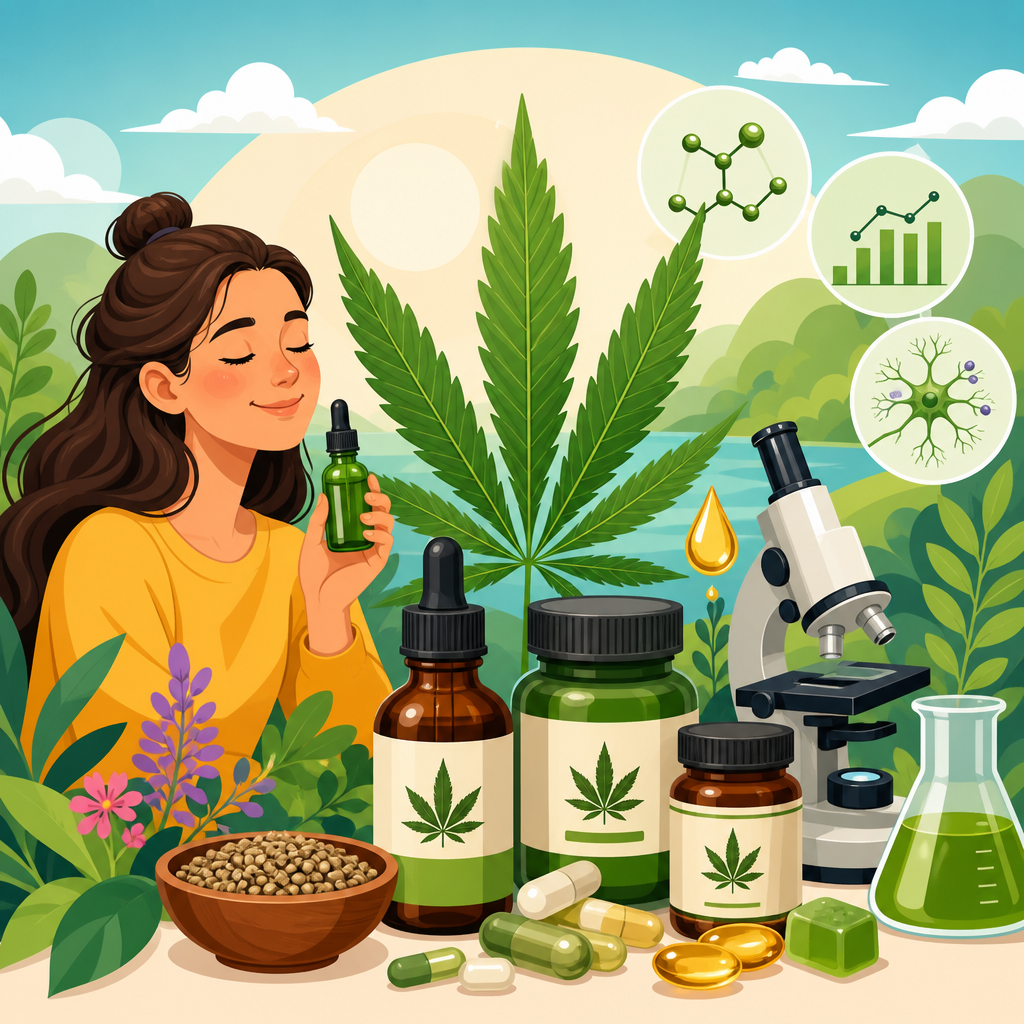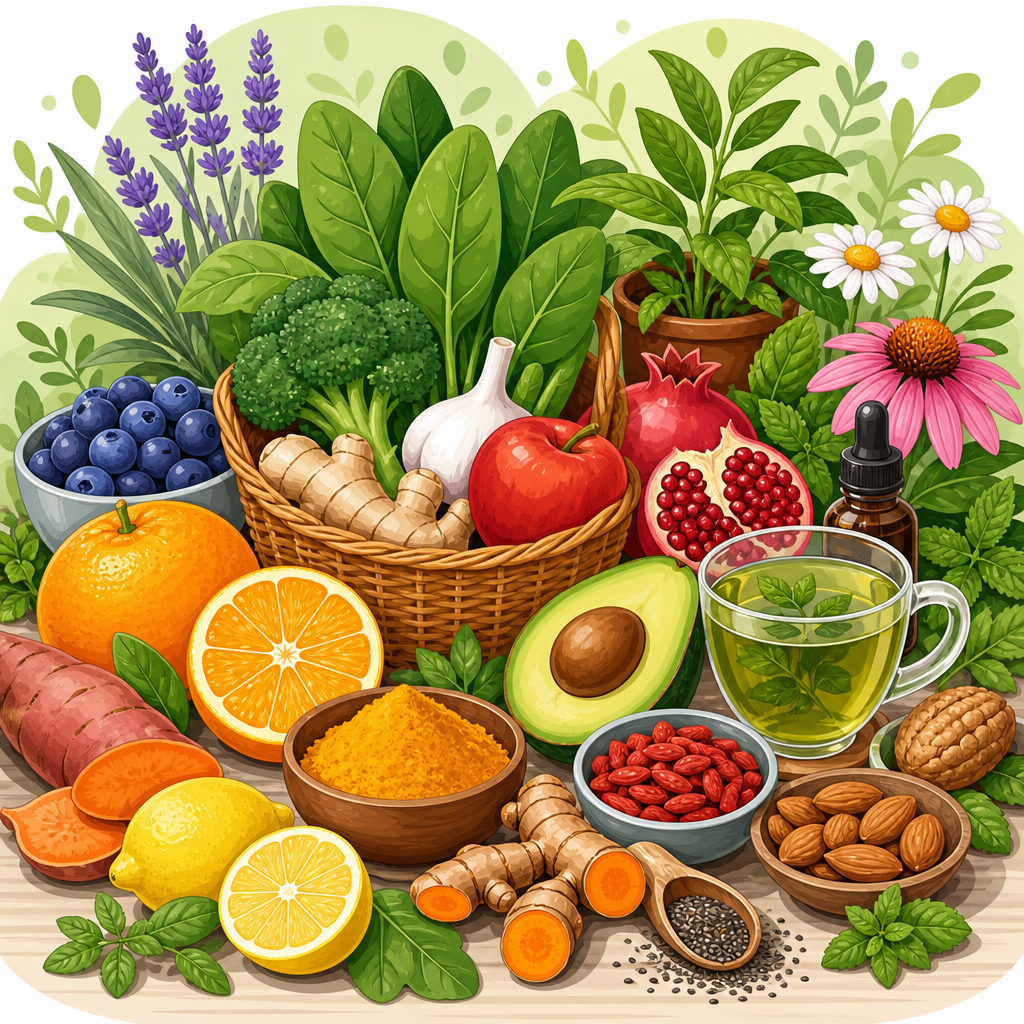

Herbal supplements and natural remedies occupy a growing place in modern nutrition because many people want practical ways to support health beyond basic meals, yet they also need clear guidance on what these products are, how they work, and where they fit within a healthy diet. In practice, this category includes concentrated plant products such as capsules, teas, tinctures, powders, standardized extracts, and traditional preparations made from roots, leaves, seeds, flowers, bark, or fungi. Natural remedies is a broader term that can include botanicals, spices, medicinal foods, fermented preparations, and time-tested household approaches such as ginger tea for nausea or psyllium for bowel regularity. A healthy diet, by contrast, is the full pattern of eating that delivers adequate energy, protein, fiber, essential fats, vitamins, minerals, and protective phytochemicals through mostly whole foods. The key point is simple: herbal products may complement a sound diet, but they cannot compensate for poor food quality, chronic sleep deprivation, unmanaged stress, or untreated medical conditions. I have worked with supplement protocols long enough to see both outcomes: targeted herbs can be genuinely useful when chosen carefully, while random self-prescribing often creates expense, false confidence, or avoidable interactions. That is why this topic matters. The market for supplements is large, consumer interest is rising, and labels often make traditional claims that sound reassuring without fully explaining dosage, evidence, safety, or realistic expectations.
Understanding the role of herbal supplements in a healthy diet starts with separating support from substitution. Foods provide macronutrients and a complex matrix of compounds that no capsule fully replicates. Herbs, however, may offer standardized levels of active constituents such as curcuminoids in turmeric, ginsenosides in ginseng, or sennosides in senna. Some herbs are used for symptom relief, some for nutritional support, and some for specific physiologic effects, including modulation of digestion, sleep, stress response, blood lipids, or inflammation pathways. Their usefulness depends on the person, the preparation, the dose, the duration, and the quality of the evidence. The best approach is to evaluate herbal supplements the same way you would evaluate any other health tool: what is the goal, what outcome is expected, what data supports it, what are the tradeoffs, and how will success be measured.
What Herbal Supplements and Natural Remedies Actually Include
Herbal supplements are products derived primarily from plants and formulated to deliver compounds associated with a health effect. They may be sold as dried whole herb, tea bags, bulk powders, tinctures extracted in alcohol or glycerin, softgels containing oils, or capsules holding standardized extracts. Natural remedies include these products but also extend to culinary herbs and functional foods used with therapeutic intent, such as peppermint for bloating, garlic as part of a heart-conscious diet, or chamomile before sleep. Standardized extracts matter because they specify the amount of a target compound, which improves consistency. For example, a milk thistle product may list silymarin content, and a turmeric formula may quantify curcuminoids. Whole-herb products can still be valuable, but batch variation is usually higher.
Traditional systems have long used herbs in context rather than as isolated miracle agents. Ayurvedic, Traditional Chinese, and European herbal practices typically pair botanicals with diet, routines, and symptom patterns. Modern users often skip that context and buy a single product based on a headline benefit. That shortcut can work for simple issues like ginger for occasional nausea, but it is less reliable for broad goals such as “immune boosting” or “detox.” In a healthy diet, herbal supplements are best viewed as targeted adjuncts. They sit below sleep, balanced meals, physical activity, and medical care in importance, but above trend-driven wellness purchases that lack a clear purpose.
How Herbs Support a Healthy Diet Without Replacing Real Food
The main nutritional role of herbal supplements is supportive, not foundational. A balanced diet built around vegetables, fruit, legumes, whole grains, nuts, seeds, quality proteins, and healthy fats already supplies fiber, minerals, essential fatty acids, and thousands of phytochemicals. Herbs may add concentrated bioactive compounds that influence body systems in useful ways. Psyllium husk, for instance, is technically a plant-derived supplement rather than a classic culinary herb, yet it illustrates the point well: it can improve stool consistency and help lower LDL cholesterol when used with adequate fluids and an already fiber-aware eating pattern. It does not replace vegetables, but it can help close a gap.
Similarly, peppermint oil may reduce symptoms in some people with irritable bowel syndrome, ginger can ease nausea and support digestion, and cinnamon may modestly help glycemic management in certain contexts, though not as a substitute for carbohydrate control or medication. Turmeric is another instructive example. Using turmeric in cooking contributes flavor and small amounts of beneficial compounds, while a concentrated curcumin extract may be chosen for a specific inflammatory concern. Those are different uses with different expectations. When people understand this distinction, they make better choices and avoid overestimating what a supplement can do.
Diet quality also shapes whether an herb is likely to help. If someone eats little protein, few plants, and excessive ultra-processed food, adding ashwagandha for stress or berberine for metabolic support may have a limited effect because the underlying pattern is still working against them. In contrast, when the diet is already solid, a well-selected herb can produce meaningful incremental benefit. That is how experienced practitioners usually frame these products: not as shortcuts, but as leverage points inside a larger nutrition plan.
Evidence-Based Herbs Commonly Used in Nutrition and Wellness
Some herbal supplements have stronger practical support than others, although evidence quality still varies by indication and product standardization. Ginger is one of the easiest to recommend for occasional nausea, motion sickness, and digestive discomfort because its traditional use aligns with clinical evidence and food-level use is familiar. Peppermint, especially enteric-coated oil, is commonly used for IBS-related symptoms. Psyllium has robust support for bowel regularity and cholesterol improvement. Garlic, consumed as food or supplement, has been studied for cardiovascular effects, though outcomes depend on preparation and dose. Turmeric and curcumin are widely used for inflammation-related goals, but bioavailability differs dramatically between products, which affects real-world results.
Ashwagandha is often used for stress, sleep, and perceived resilience. I have seen it help people who are overstimulated and sleeping poorly, but it is not universally calming, and it is not appropriate for every thyroid or autoimmune context without review. Milk thistle is used for liver support, though “liver cleanse” marketing usually overstates what any herb can do. Cranberry, while not an herb in the strictest sense, remains relevant as a natural remedy for urinary tract support because certain products may reduce bacterial adhesion. Berberine, derived from several plants, is frequently discussed for metabolic health because it can influence glucose regulation, though it behaves more like a potent active compound than a gentle wellness herb and deserves the same caution as any pharmacologically active agent.
| Herb or Remedy | Common Use | Best Dietary Role | Important Caution |
|---|---|---|---|
| Ginger | Nausea, digestive discomfort | Tea, capsules, food ingredient | May increase bleeding risk with some medications |
| Psyllium | Constipation, LDL support | Fiber gap support with meals | Needs plenty of water; can affect medication timing |
| Peppermint oil | IBS symptoms, bloating | Targeted symptom support | May worsen reflux in some people |
| Turmeric/curcumin | Inflammation support | Food use or standardized extract | Absorption varies; interactions are possible |
| Ashwagandha | Stress, sleep support | Adjunct to recovery habits | Use caution with thyroid conditions and pregnancy |
| Garlic | Cardiovascular support | Regular food-first inclusion | Can interact with anticoagulants |
Quality, Label Reading, and Why Formulation Matters
The most overlooked issue in herbal supplements is quality control. Two bottles with the same herb on the front label may perform very differently because species, plant part, extraction method, standardization, freshness, fillers, and testing standards all matter. A root extract is not the same as a leaf powder, and a 10:1 extract is not automatically stronger if the active constituent is unknown. Reliable labels identify the botanical name, plant part, amount per serving, extraction details when relevant, and any standardization marker. Third-party testing from groups such as USP, NSF, or independent contaminant screening programs adds confidence, especially for products vulnerable to adulteration.
Contamination is a real concern. Herbs can be affected by heavy metals, pesticide residues, microbes, or substitution with cheaper plant material. I advise looking for companies that publish certificates of analysis, source transparently, and manufacture under current good manufacturing practices. Delivery format also changes outcomes. Curcumin often requires a bioavailability strategy such as phospholipid complexes or piperine, while peppermint oil for IBS should generally be enteric-coated so it reaches the intestine. Teas can be ideal for mild, repeated use, whereas tinctures and capsules may be better for precise dosing. Good formulation is not marketing polish; it determines whether a product is likely to match the evidence.
Safety, Interactions, and Who Should Be Careful
Natural does not mean risk-free. Many herbs have pharmacologic activity strong enough to interact with medications, alter lab values, or worsen specific conditions. St. John’s wort, for example, is famous for interacting with numerous drugs through liver enzyme induction, including oral contraceptives, antidepressants, transplant medications, and anticoagulants. Ginkgo, garlic, and ginger may affect bleeding risk in susceptible individuals. Licorice root can raise blood pressure and lower potassium when used inappropriately. Senna may help occasional constipation but is not a long-term bowel strategy. Even soothing herbs such as chamomile can trigger allergy concerns in people sensitive to related plants.
Pregnant or breastfeeding individuals, children, older adults taking multiple medications, and anyone preparing for surgery should be especially cautious. People with liver disease, kidney disease, seizure disorders, hormone-sensitive conditions, or autoimmune diagnoses also need individualized review. One practical rule works well: if a product is potent enough to help, it is potent enough to deserve screening. Keep a current list of supplements, including doses and brands, and share it with a pharmacist or clinician. That habit prevents many avoidable problems.
How to Use Herbal Remedies Wisely in Daily Life
The smartest way to use herbal supplements in a healthy diet is to start with a defined goal and the lowest-complexity intervention likely to work. If the issue is mild nausea, try ginger tea or capsules from a reputable brand before buying a multi-ingredient blend. If bowel regularity is the goal, assess hydration, fiber intake, meal timing, and activity, then consider psyllium if needed. If stress and poor sleep are driving cravings and inconsistent eating, fix caffeine timing, light exposure, and sleep schedule before adding an adaptogen. This sequence respects biology and saves money.
Track one variable at a time for two to eight weeks, depending on the herb and the outcome being measured. Use symptom notes, bowel patterns, blood pressure readings, sleep data, or lab markers where appropriate. Avoid taking five new products at once because you will not know what is helping or causing side effects. Rotate off products that no longer serve a purpose, and revisit whether food can do the job just as well. For many people, the best long-term natural remedies are not exotic capsules but consistent habits paired with a few evidence-based tools used intentionally.
Building a Practical Herbal Supplements Hub Within a Healthy Diet
As a hub topic within supplements and nutraceuticals, herbal supplements and natural remedies connect to digestive health, immune support, stress management, heart health, sleep, women’s health, and healthy aging. The unifying principle is integration. Choose herbs that match a specific need, fit the diet you already follow, and come from manufacturers that take testing seriously. Favor food-first options when they are sufficient, use standardized extracts when precision matters, and treat safety screening as nonnegotiable. This balanced approach preserves the best of traditional wisdom while applying modern standards for formulation, dosage, and evidence.
The central takeaway is straightforward: herbal supplements can play a meaningful role in a healthy diet when they are used as targeted complements to whole foods, not replacements for them. Ginger, psyllium, peppermint, turmeric, garlic, and selected adaptogens all have legitimate uses, but benefits depend on preparation, dose, consistency, and individual context. Quality labels, credible testing, and awareness of interactions are what separate smart use from guesswork. If you want better results from herbal remedies, begin with your health goal, strengthen your diet first, and then add one well-chosen product with a clear reason. Use this hub as your starting point, and build your supplement strategy with the same care you bring to the food on your plate.
Frequently Asked Questions
What are herbal supplements and natural remedies, and how are they different from regular foods?
Herbal supplements and natural remedies are products made from plants, fungi, or other naturally derived ingredients that are used to support health and wellness. They often come in concentrated forms such as capsules, teas, tinctures, powders, extracts, syrups, and traditional preparations made from roots, leaves, seeds, flowers, bark, or mushrooms. Unlike whole foods, which provide calories, macronutrients, fiber, and a broad range of vitamins and minerals as part of a complete diet, herbal products are usually used in smaller amounts for specific functional purposes, such as supporting digestion, relaxation, immune function, or general vitality.
One of the biggest differences is concentration. For example, eating garlic as a food is not the same as taking a garlic extract, and drinking ginger tea is different from using a standardized ginger capsule. Supplements may deliver larger or more targeted amounts of certain active compounds than someone would normally get from meals alone. That can be helpful in some situations, but it also means they should be used thoughtfully.
It is also important to understand that “natural” does not automatically mean “risk-free” or “necessary.” Herbal supplements are best viewed as complementary tools, not replacements for balanced eating habits. A healthy diet still depends on vegetables, fruits, whole grains, legumes, nuts, seeds, quality proteins, and healthy fats. Herbal remedies may have a supportive role, but they work best when they are part of an overall lifestyle that includes nutritious food, sleep, hydration, physical activity, and appropriate medical care when needed.
Can herbal supplements replace a healthy diet or fill every nutritional gap?
No, herbal supplements should not be seen as substitutes for a healthy diet. They can play a helpful supporting role, but they cannot replicate the full nutritional value of whole foods. A balanced diet provides a complex combination of protein, carbohydrates, fats, fiber, vitamins, minerals, antioxidants, and plant compounds that work together in ways a single supplement usually cannot match. Whole foods also contribute to fullness, digestion, blood sugar balance, and long-term health in ways that pills and extracts do not.
Some people turn to natural remedies because they want extra support for energy, stress management, digestion, or immune wellness. That is understandable, but these products are most effective when the dietary foundation is already strong. For example, an herbal tea for digestion may be useful, but it will not offset a pattern of highly processed eating, low fiber intake, or poor hydration. Similarly, adaptogenic herbs may be popular for resilience and focus, but they are not a replacement for adequate sleep, regular meals, or stress management habits.
Herbal products may help address certain wellness goals or complement professional treatment plans, but they are not a cure-all. If someone has a true nutrient deficiency, a diagnosed medical condition, or significant dietary restrictions, they may need targeted medical nutrition guidance rather than relying only on herbal products. The smartest approach is to treat herbal supplements as one piece of a much larger health picture, not the center of it.
How do herbal supplements fit into a healthy diet in a practical, everyday way?
The most practical way to use herbal supplements is to think of them as additions to healthy routines rather than quick fixes. In everyday life, that might mean choosing an herbal tea after meals for digestive comfort, using culinary herbs and spices more intentionally in cooking, or adding a professionally selected supplement when there is a clear reason for doing so. The key is to match the product to a realistic goal instead of taking multiple remedies without a plan.
For many people, the easiest starting point is with food-based or traditional forms, such as teas, broths, or herbs incorporated into meals. Ginger, peppermint, turmeric, cinnamon, chamomile, and garlic are common examples of natural ingredients that can have a place in both the kitchen and a wellness routine. These options often feel more sustainable because they connect directly to daily eating habits rather than creating dependence on a long list of capsules.
When more concentrated products are considered, such as tinctures, powders, or standardized extracts, it helps to use them with intention. Ask what purpose they serve, how long they are meant to be used, whether there is evidence behind them, and how they fit with current diet, medications, and health conditions. A healthy diet remains the main structure, while herbal supplements provide targeted support where appropriate. That mindset helps prevent overuse and encourages a more balanced, informed relationship with natural remedies.
Are herbal supplements safe for everyone, and what should people watch out for before using them?
Herbal supplements are not automatically safe for everyone. Even though they are natural in origin, they can still cause side effects, trigger allergies, interact with medications, or be inappropriate for certain health conditions. Safety depends on the specific herb, the dose, the form used, the person’s age and health status, and whether other supplements or prescription drugs are involved. This is especially important for pregnant or breastfeeding individuals, children, older adults, and anyone managing chronic conditions such as high blood pressure, diabetes, liver disease, kidney disease, or autoimmune disorders.
Quality is another major concern. Not all supplements are made to the same standards, and labels do not always guarantee purity, potency, or consistency. Some products may contain less of the active ingredient than advertised, while others may be contaminated with heavy metals, pesticides, undeclared substances, or additional herbs not listed on the label. Choosing reputable brands that provide transparent sourcing, manufacturing standards, and third-party testing can help reduce these risks.
It is also wise to avoid the common assumption that taking more will produce better results. Overuse can increase the chance of side effects and may place unnecessary stress on the body. People should read labels carefully, follow dosing instructions, and consult a qualified healthcare professional before starting a new supplement, especially if they already take medications. Responsible use matters just as much as the product itself.
What is the best way to choose effective herbal supplements and natural remedies?
The best way to choose an herbal supplement is to start with a clear health goal and then look for evidence, quality, and professional guidance. Instead of buying products based only on trends or bold marketing claims, focus on remedies that have a reasonable basis for the purpose you want them to serve. For example, if your goal is digestive comfort, immune support, or relaxation, identify which herbs are traditionally used for that purpose and whether there is credible modern research to support their use.
Product form matters as well. Teas, tinctures, capsules, powders, and standardized extracts can all behave differently in the body and may vary in strength. A traditional tea may be appropriate for gentle, daily use, while a concentrated extract may be better suited to a more targeted plan. Reading the label carefully is essential. Look for the common and botanical name of the herb, the plant part used, the dose per serving, other added ingredients, storage instructions, and any warnings or contraindications. Standardized extracts can offer more consistency, but they still need to be chosen from trustworthy manufacturers.
It is also helpful to keep expectations realistic. The most effective natural remedies usually support health gradually and work best alongside good nutrition and lifestyle habits. A high-quality herbal supplement should not promise dramatic overnight results. If you are unsure where to begin, talk with a registered dietitian, pharmacist, or qualified healthcare provider who understands both nutrition and supplement safety. That guidance can help you select products that are appropriate, evidence-informed, and well matched to your individual diet and health needs.