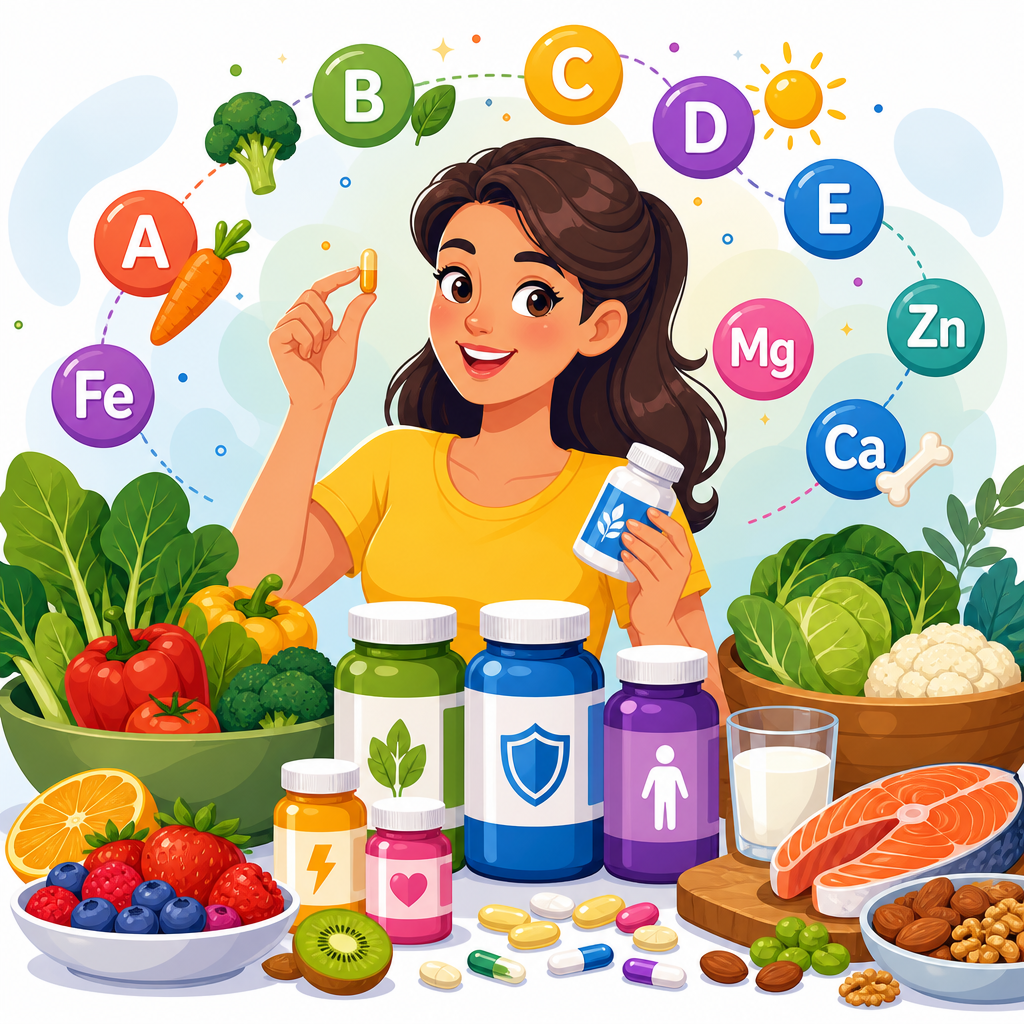
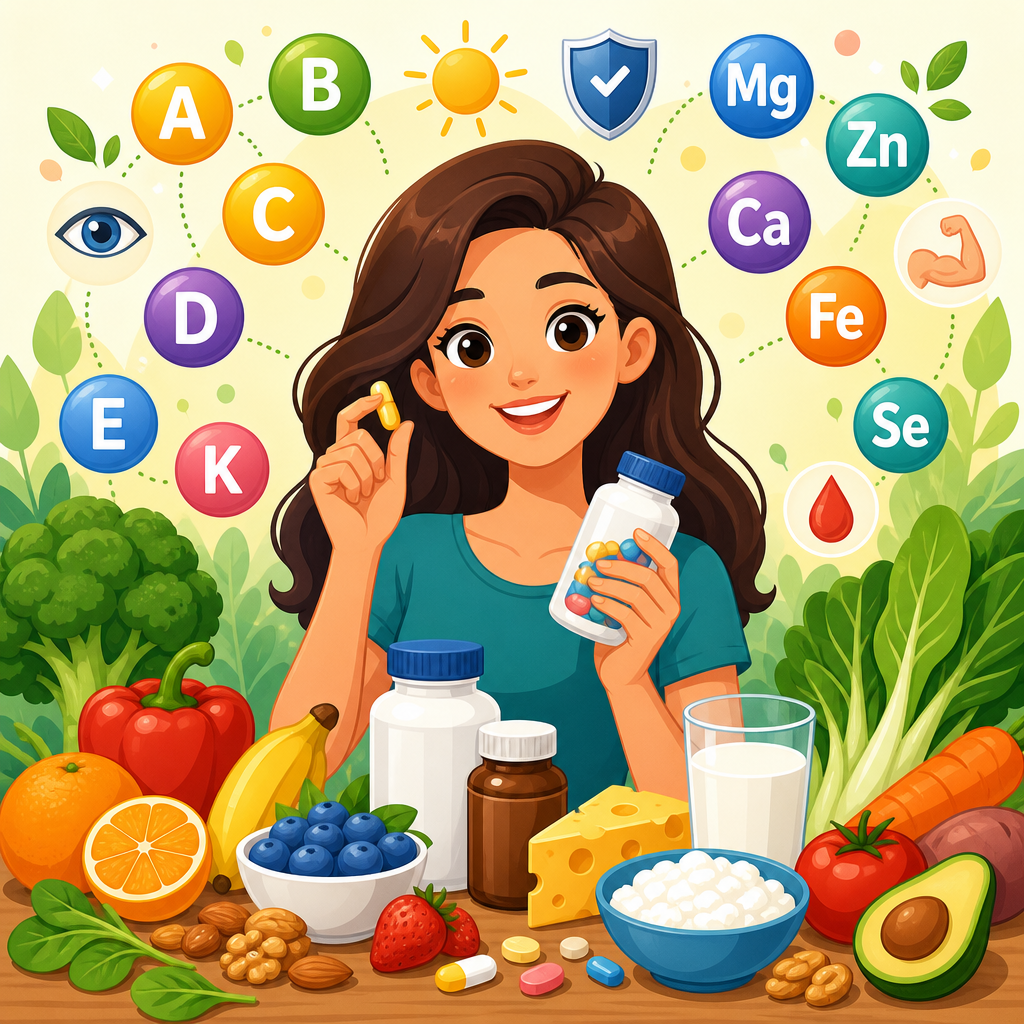
Essential vitamins and mineral supplements sit at the center of modern preventive health because they fill documented nutrient gaps, support normal physiology, and help people meet needs that food alone does not always cover. Vitamins are organic compounds required in small amounts for processes such as energy metabolism, immune signaling, DNA synthesis, blood clotting, and vision. Minerals are inorganic elements that build bone, regulate fluid balance, enable nerve transmission, and activate enzymes. Supplements deliver these nutrients in measured doses through tablets, capsules, powders, liquids, gummies, and specialized medical forms. As a hub within Supplements and Nutraceuticals, this guide explains what essential vitamins and mineral supplements are, who may benefit, how to evaluate products, and where caution matters. I have worked with supplement protocols in clinical education and product review settings, and the biggest lesson is simple: supplements work best when matched to a real need, a reliable product, and a clear dosing plan. That matters because deficiency, insufficiency, overuse, and poor product quality can all produce meaningful health consequences.
The phrase essential vitamins and mineral supplements usually refers to products containing nutrients the body cannot make in adequate amounts and must obtain from diet or supplementation. Essential vitamins include A, C, D, E, K, and the B-complex family: thiamin, riboflavin, niacin, pantothenic acid, biotin, B6, folate, and B12. Essential minerals include calcium, phosphorus, magnesium, sodium, potassium, chloride, iron, zinc, iodine, selenium, copper, manganese, molybdenum, chromium, and fluoride. Not everyone needs a broad multivitamin, and no supplement replaces a nutrient-dense diet. Still, many people have low intake or higher demands due to pregnancy, aging, restrictive diets, gastrointestinal disease, medication use, or limited sun exposure. According to U.S. dietary surveillance, common shortfall nutrients include vitamin D, calcium, potassium, and magnesium, while iron remains a concern for menstruating women and iodine can be an issue in people avoiding iodized salt and dairy. Understanding the difference between maintenance supplementation, deficiency treatment, and therapeutic dosing is the key to using these products safely and effectively.
What essential vitamins and minerals do in the body
Each nutrient has a distinct role, and knowing that role helps explain why specific supplements are recommended. Vitamin D increases intestinal calcium absorption and supports muscle and immune function. Vitamin B12 and folate are required for DNA synthesis and red blood cell formation. Iron carries oxygen in hemoglobin. Magnesium participates in more than 300 enzymatic reactions, including ATP production, nerve signaling, and muscle contraction. Zinc supports immune cell development, wound healing, taste, and reproductive health. Calcium and phosphorus form the mineral matrix of bone, while vitamin K helps activate proteins involved in bone metabolism and coagulation. Vitamin C is necessary for collagen synthesis and also enhances absorption of nonheme iron from plant foods. I often tell clients that symptoms of low intake are rarely dramatic at first; fatigue, brittle nails, muscle cramps, poor concentration, and low exercise tolerance can all reflect multiple possible gaps rather than one obvious deficiency.
Water-soluble and fat-soluble nutrients behave differently, which affects dosing and safety. Water-soluble vitamins, including vitamin C and most B vitamins, are not stored to the same degree as fat-soluble vitamins, so regular intake matters. Fat-soluble vitamins A, D, E, and K can accumulate in the body, making excessive intake more concerning. Minerals also differ in absorption and tissue storage. Heme iron from animal foods is generally better absorbed than nonheme iron; calcium carbonate is best taken with food, while calcium citrate is absorbed well with or without food; magnesium glycinate is often better tolerated than magnesium oxide, which can cause loose stool. These details are not marketing trivia. They determine whether a product solves a problem or creates one.
Who should consider supplementation and why
Supplement needs vary by life stage, diet pattern, and medical context. Pregnant women need folic acid before conception and in early pregnancy to reduce neural tube defects; standard guidance commonly recommends 400 micrograms daily from supplements or fortified foods, with higher doses in select high-risk cases under medical supervision. Older adults frequently need vitamin B12 because gastric acid and intrinsic factor changes can reduce absorption from food. Vitamin D supplementation is common in people with limited sun exposure, darker skin, obesity, osteoporosis risk, or malabsorption. Vegans usually require vitamin B12 supplementation and may also need iodine, iron, calcium, vitamin D, and zinc depending on food choices. Menstruating athletes may need iron assessment when fatigue and declining performance appear. People taking metformin, proton pump inhibitors, loop diuretics, anticonvulsants, or bile acid sequestrants should also review nutrient status because medications can alter absorption, excretion, or metabolism.
At the same time, supplementation is not automatically beneficial for everyone. I routinely see people taking high-dose zinc for months, then developing copper depletion, low white blood cell counts, or gastrointestinal upset. Others take unnecessary iron “for energy” despite normal ferritin, which can cause constipation, nausea, and in some cases iron overload. A multivitamin can be reasonable insurance for people with inconsistent diets, but the strongest use case remains a defined gap, elevated requirement, or clinician-confirmed deficiency. Good supplementation starts with a short list of questions: What problem are we trying to solve? Is there a lab value, symptom pattern, diet history, or medication effect supporting this choice? What dose and form fit the goal? How long should it be used before reassessment?
Key supplements, common uses, and important cautions
The most widely used essential vitamins and mineral supplements tend to cluster around a handful of practical needs: bone health, energy metabolism, anemia prevention, immune support, and prenatal nutrition. Vitamin D3 is commonly chosen for maintaining serum 25-hydroxyvitamin D, though exact dose depends on baseline level, body size, sun exposure, and clinician guidance. Calcium is often paired with vitamin D when dietary intake is low, but total daily calcium should account for food to avoid excessive intake. Iron supplements are indicated when deficiency is documented or strongly suspected, ideally guided by ferritin, hemoglobin, mean corpuscular volume, and the underlying cause of loss. Magnesium is used for inadequate intake, muscle symptoms, migraine prevention support, and bowel regularity depending on form. B12 appears in cyanocobalamin, methylcobalamin, hydroxocobalamin, and adenosylcobalamin forms; for most people, the key issue is sufficient dose and consistent use rather than chasing a premium label claim.
| Nutrient | Typical reason for use | Common forms | Main caution |
|---|---|---|---|
| Vitamin D | Low blood levels, bone support | D3, D2 | Excess can raise calcium |
| Calcium | Low intake, bone health | Carbonate, citrate | Too much may cause constipation or kidney stone risk |
| Iron | Iron deficiency or iron-deficiency anemia | Ferrous sulfate, bisglycinate | Should not be used without need |
| Magnesium | Low intake, cramps, bowel support | Glycinate, citrate, oxide | High doses can cause diarrhea |
| Vitamin B12 | Vegan diet, malabsorption, older age | Cyanocobalamin, methylcobalamin | Underlying absorption issues may require monitoring |
| Zinc | Low intake, wound healing support | Gluconate, picolinate | Long-term high dose can lower copper |
Some nutrients are especially easy to misuse because they seem harmless. Fat-soluble vitamins can accumulate. Vitamin A deserves particular care in pregnancy because preformed retinol in high doses can be teratogenic. Vitamin E can interact with anticoagulants and may increase bleeding risk at high supplemental intakes. Selenium is essential, but chronic overuse can lead to hair loss, brittle nails, garlic breath odor, and neuropathy. Potassium supplements warrant caution because abnormal potassium can affect heart rhythm, especially in people with kidney disease or those taking ACE inhibitors, ARBs, or potassium-sparing diuretics. The practical rule is that “essential” does not mean “more is better.” It means the nutrient is required within a known physiologic range.
How to choose a quality vitamin or mineral supplement
Quality selection matters because regulation does not require every supplement to prove effectiveness before marketing. Reputable companies follow current Good Manufacturing Practices and use identity, potency, purity, and contamination testing. Third-party verification marks from USP, NSF, or Informed Choice add useful confidence, especially for athletes who need screening for banned substances. The Supplement Facts panel should clearly list each nutrient amount, serving size, form, and percent Daily Value. I advise checking whether the dose aligns with recognized standards such as the Recommended Dietary Allowance, Adequate Intake, Tolerable Upper Intake Level, and condition-specific clinical guidance. If a product provides 5,000 to 10,000 IU of vitamin D or 50 milligrams of zinc per day, that may be appropriate only in select cases and should not be treated as a casual wellness default.
Formulation details also matter. A once-daily multivitamin may improve adherence, but it often uses compressed formulas that include nutrient forms chosen for cost and stability rather than ideal tolerance. Separate products can allow more targeted dosing. Chewables and gummies improve compliance for some users but may contain added sugars and can provide lower mineral loads because minerals taste metallic and require larger pill mass. Time-release niacin can reduce flushing, yet extended-release versions carry different liver safety considerations than immediate-release forms. Iron bisglycinate is often better tolerated than ferrous sulfate, though sulfate remains a common evidence-based standard. Magnesium oxide delivers more elemental magnesium by weight but is less bioavailable and more laxative than glycinate. In practice, the best product is not the trendiest one; it is the one that uses an appropriate form, a justified dose, and a manufacturer with credible testing.
Safe dosing, interactions, and when testing is useful
Safe use depends on context, not just label instructions. Nutrient interactions are common and often overlooked. Calcium can reduce absorption of iron, levothyroxine, and certain antibiotics, so spacing doses is important. Zinc and copper compete at higher intakes. Folate can correct megaloblastic anemia while masking ongoing vitamin B12 deficiency, allowing neurologic damage to progress. Vitamin K directly affects warfarin management; consistency of intake matters more than avoidance. Magnesium and potassium require caution in people with impaired kidney function because reduced excretion increases the risk of accumulation. Biotin, often sold for hair and nails, can interfere with some laboratory assays, including thyroid and cardiac troponin tests, so patients may need to stop it temporarily before bloodwork according to clinician instructions.
Testing helps when the nutrient has a validated biomarker, the symptoms are nonspecific, or treatment carries meaningful downside. Vitamin D is commonly monitored with serum 25-hydroxyvitamin D. Iron evaluation usually includes ferritin plus a complete blood count, and sometimes transferrin saturation. B12 assessment may include serum B12, methylmalonic acid, and homocysteine when results are borderline. Magnesium is trickier because serum magnesium may remain normal despite low intracellular stores, so clinical context matters. I prefer a food-first approach when practical, but when symptoms, risk factors, and labs point in the same direction, supplementation becomes precise rather than speculative. Reassessment should be built into the plan, especially for iron, vitamin D, zinc, and selenium, where both deficiency and excess matter.
How this hub connects the broader supplements conversation
Essential vitamins and mineral supplements form the foundation of the broader nutraceutical landscape because they address baseline physiology before performance or specialty compounds enter the discussion. In education programs and client reviews, I start here for a reason: correcting low iron, inadequate vitamin D, or poor calcium intake often produces more measurable benefit than layering trendy products on top of unresolved deficiencies. This hub supports deeper articles on multivitamins, prenatal supplements, bone health formulas, iron supplements, magnesium forms, electrolyte products, children’s vitamins, senior nutrition, lab testing, and supplement quality standards. It also connects naturally to dietary patterns such as vegan nutrition, sports nutrition, and healthy aging, where micronutrient needs differ in predictable ways.
The core lesson is straightforward. Use supplements to close verified or likely nutrient gaps, not as a substitute for vegetables, legumes, dairy or fortified alternatives, fruit, whole grains, seafood, eggs, and quality proteins. Choose products with transparent labeling and third-party testing when possible. Match dose and form to the goal. Respect upper limits, medication interactions, kidney function, and life-stage needs, especially pregnancy and older age. When symptoms persist, do not self-treat indefinitely; investigate the cause. If you are building a smarter supplement routine, begin with essential vitamins and mineral supplements, review your diet and risk factors, and use this hub as the starting point for the next article you need.
Frequently Asked Questions
1. What are essential vitamins and minerals, and why do they matter so much for overall health?
Essential vitamins and minerals are nutrients the body needs in small but critical amounts to carry out normal biological functions. Vitamins are organic compounds that help drive processes such as energy metabolism, immune communication, DNA production, blood clotting, collagen formation, vision, and nervous system support. Minerals are inorganic elements that contribute to bone strength, fluid balance, muscle contraction, oxygen transport, nerve signaling, and enzyme activity. Even though they are required in relatively small quantities, their impact on health is enormous because they act behind the scenes in hundreds of interconnected systems.
What makes them “essential” is that the body either cannot make them at all or cannot make enough to meet physiological needs. That means they must come from food, supplements, or a combination of both. When intake falls short over time, the consequences can range from subtle symptoms like fatigue, poor concentration, brittle nails, and low exercise tolerance to more serious problems such as anemia, reduced bone density, impaired immunity, poor wound healing, and neurological changes. In many cases, nutrient gaps do not produce dramatic symptoms right away, which is one reason they can go unnoticed.
Supplements can play an important role because modern eating patterns, food preferences, medical conditions, aging, pregnancy, medication use, and restricted diets can all make it harder to consistently meet nutrient needs from food alone. That does not mean everyone needs every supplement, but it does mean that vitamins and minerals deserve attention as part of a preventive health strategy. The real goal is not simply to take more nutrients, but to make sure the body reliably gets the right nutrients in appropriate amounts to support normal function over time.
2. If I eat a healthy diet, do I still need vitamin or mineral supplements?
A healthy diet is the ideal foundation for nutrient intake, but it does not automatically guarantee that all vitamin and mineral needs are fully covered every day. In theory, a balanced eating pattern rich in vegetables, fruits, legumes, whole grains, dairy or fortified alternatives, nuts, seeds, and quality protein can provide most essential nutrients. In practice, many people fall short because of busy schedules, inconsistent meal quality, reduced appetite, limited food variety, digestive issues, food allergies, ethical dietary restrictions, or life stages with higher nutrient demands.
There are also specific situations where supplementation is especially common and sometimes strongly recommended. For example, vitamin D can be difficult to obtain in sufficient amounts through food alone, particularly for people with limited sun exposure, darker skin, older age, or those living in northern climates. Vitamin B12 may be a concern for vegans and some older adults because absorption can decline with age and because B12 is naturally concentrated in animal-based foods. Iron needs are often higher in menstruating individuals and during pregnancy. Calcium, magnesium, folate, iodine, and zinc can also become concerns depending on dietary pattern, health status, and medication use.
The smartest approach is to think of supplements as targeted nutritional support rather than a replacement for good eating. Some people may benefit from a basic multivitamin-mineral product as nutritional insurance, while others may need only one or two specific nutrients based on diet, lab work, symptoms, or clinician guidance. If your diet is generally strong, you may not need much supplementation at all. But if there are known gaps, lifestyle limitations, or increased physiological demands, supplements can be a practical and effective way to help close those gaps.
3. How can I tell whether I might have a vitamin or mineral deficiency?
Vitamin and mineral deficiencies can be tricky because the signs are often vague at first and may overlap with stress, poor sleep, dehydration, or other health conditions. Common early clues include persistent fatigue, muscle weakness, frequent illness, pale skin, dizziness, hair shedding, brittle nails, mouth sores, poor concentration, numbness or tingling, muscle cramps, or slow recovery from exercise or illness. For example, iron deficiency may show up as tiredness and shortness of breath, while low vitamin D may be associated with bone discomfort, low mood, or muscle weakness. Low B12 can contribute to fatigue, memory changes, or nerve-related symptoms.
That said, symptoms alone are not enough to confirm a deficiency. The most reliable way to evaluate a possible nutrient shortfall is to look at the full picture: diet quality, medical history, medication use, digestive health, lifestyle factors, and, when appropriate, lab testing. Blood work can help assess nutrients such as vitamin D, B12, iron status, and sometimes folate or magnesium, although not every nutrient is easy to measure accurately with a single test. A healthcare professional can also help interpret results in context, since “normal” ranges do not always tell the whole story.
Certain groups should be especially alert to the possibility of deficiencies. These include older adults, pregnant people, vegans, individuals with heavy menstrual losses, people with gastrointestinal disorders such as celiac disease or inflammatory bowel disease, those who have had bariatric surgery, and anyone taking medications that affect nutrient absorption or metabolism. If symptoms are persistent or if your diet has major limitations, it is worth assessing nutrient status rather than guessing. Identifying a deficiency early makes it much easier to correct it safely and effectively.
4. What should I look for when choosing a vitamin or mineral supplement?
Choosing a supplement starts with understanding your actual need. The best product is not necessarily the one with the longest ingredient list or the highest doses. It is the one that matches your goals, your diet, your age, your sex, your medical context, and any confirmed or likely nutrient gaps. Begin by checking the Supplement Facts label to see which nutrients are included and in what amounts. In many cases, a formula that provides moderate amounts close to daily needs is more appropriate than megadoses, especially for routine use.
It also helps to pay attention to nutrient forms. Some forms are better absorbed or better tolerated than others. For example, vitamin D3 is commonly preferred for raising vitamin D levels, methylcobalamin or cyanocobalamin can be used for B12 depending on the situation, and minerals such as magnesium citrate or glycinate are often better tolerated than magnesium oxide. Iron, calcium, zinc, and magnesium can all vary in absorption and gastrointestinal effects depending on the form used. If a supplement causes stomach upset, constipation, or nausea, the form and timing may need to be adjusted.
Quality matters as well. Look for products from reputable manufacturers that follow good manufacturing practices and ideally use third-party testing or certification. This can help confirm that the product contains what the label says and is screened for contaminants. It is also wise to watch for unnecessary extras, especially if you are sensitive to fillers, dyes, sweeteners, or herbal blends you do not actually need. Finally, remember that more is not always better. Excessive amounts of fat-soluble vitamins such as A, D, E, and K, or minerals like iron and selenium, can cause harm over time. A targeted, evidence-based supplement plan is almost always better than taking large amounts “just in case.”
5. Are vitamin and mineral supplements safe, and can they interact with medications or each other?
Vitamin and mineral supplements are generally safe when used appropriately, but they are not risk-free. Safety depends on the nutrient, the dose, the length of use, your age, your kidney and liver function, your overall diet, and any medications or health conditions you have. One of the most common mistakes is assuming that because a supplement is sold over the counter, it is harmless at any dose. In reality, taking too much of certain nutrients can lead to side effects or toxicity. Excess iron can be dangerous, too much vitamin A can affect the liver and bones, high-dose calcium may not be right for everyone, and too much zinc can interfere with copper balance and immune function.
Interactions are another important consideration. Vitamin K can interfere with blood-thinning medications such as warfarin. Calcium, iron, magnesium, and zinc can reduce the absorption of certain antibiotics and thyroid medications if taken too close together. Some acid-reducing medications, diabetes drugs, diuretics, and long-term use of certain prescriptions may alter the body’s levels or absorption of nutrients such as B12, magnesium, potassium, or folate. Even nutrients can compete with each other when taken in large amounts, which is why timing and dosage matter.
The safest strategy is to avoid self-prescribing high-dose supplements without a clear reason. If you take any prescription medications, have a chronic medical condition, are pregnant, or are considering long-term supplementation, it is a good idea to review your regimen with a healthcare professional. In many cases, a well-designed plan that uses the right nutrient, the right dose, and the right timing can provide clear benefits while minimizing risks. Supplements can be extremely useful tools, but like any health tool, they work best when used thoughtfully and with attention to the bigger picture.