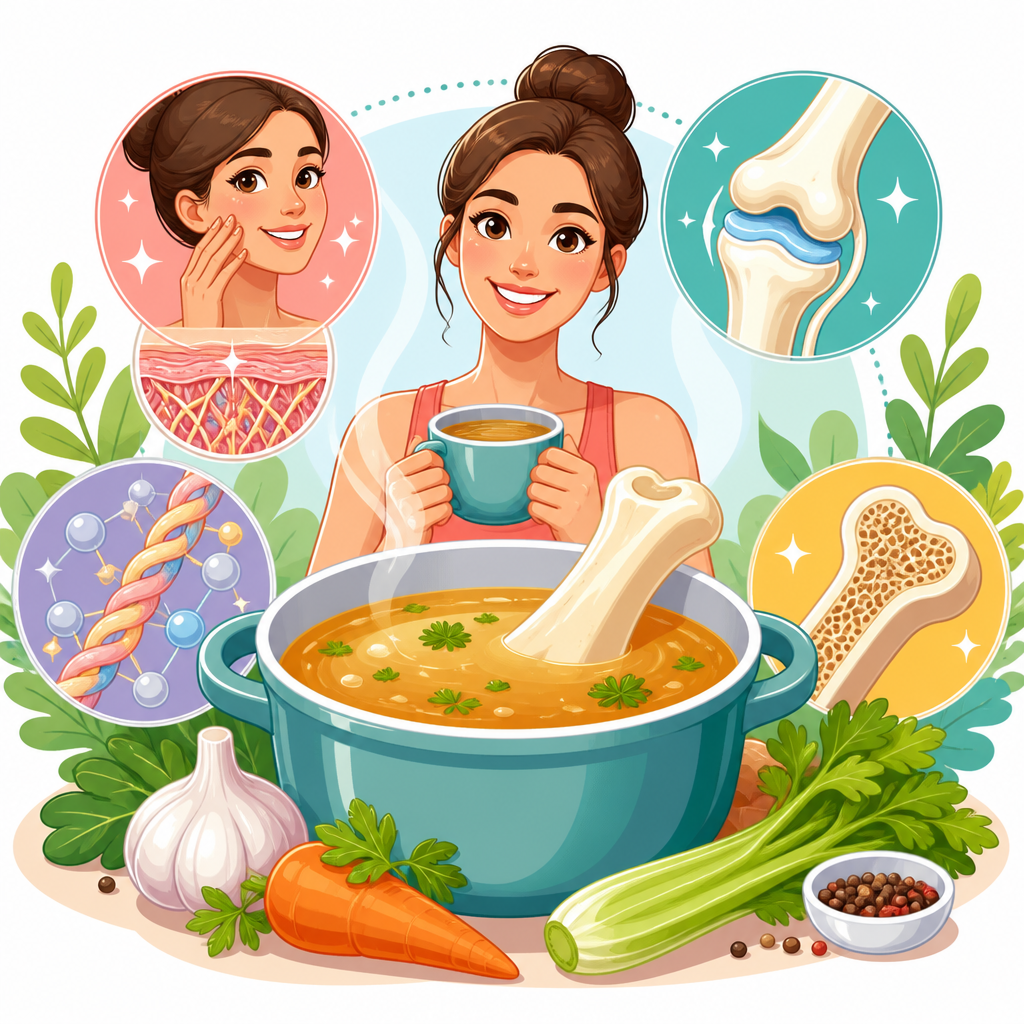
Collagen and bone broth sit at the intersection of traditional food wisdom and modern nutrition science, making them two of the most discussed topics in supplements and nutraceuticals today. Collagen is the most abundant structural protein in the human body, forming the framework of skin, cartilage, tendons, ligaments, bones, blood vessels, and connective tissue. Bone broth is a slow-simmered stock made from bones, connective tissue, and often vegetables, valued for its protein content, minerals, and culinary versatility. When people ask whether collagen and bone broth support joints, skin, gut health, or recovery, the short answer is yes, but the details matter.
In practice, I have seen confusion arise because collagen and bone broth are often treated as interchangeable. They are related, but they are not the same thing. Collagen supplements usually provide standardized amounts of collagen peptides or undenatured collagen, while bone broth is a food with variable composition depending on ingredients, cooking time, and processing. A scoop of hydrolyzed collagen may reliably deliver 10 to 20 grams of protein with a known amino acid profile. A cup of bone broth may contain meaningful collagen-derived protein, but the amount can differ dramatically between homemade versions and packaged products. That difference matters for anyone trying to use these tools strategically.
The topic matters because consumers increasingly want practical ways to support healthy aging, athletic recovery, mobility, skin integrity, and adequate protein intake without relying solely on conventional protein powders. Collagen and bone broth can fit those goals, but they should be understood within the bigger picture of total diet quality, energy intake, resistance training, micronutrient sufficiency, and medical context. Neither is a cure-all. Both can be useful. The real benefit comes from knowing what each product does well, where evidence is strongest, and how to choose forms that match your nutritional objective.
As a hub topic within supplements and nutraceuticals, collagen and bone broth deserve a broad, organized explanation because they connect to joint support, sports nutrition, digestive health, beauty-from-within products, protein supplementation, and functional foods. This guide explains what collagen is, how bone broth is made, how they differ nutritionally, what research says about benefits, where the limitations are, and how to use them intelligently. If you want better nutrition rather than better marketing, the key facts begin with composition, dosage, and realistic expectations.
What Collagen Is and Why It Matters
Collagen is a family of fibrous proteins that gives tissues tensile strength and structure. At least 28 collagen types have been identified, but nutrition discussions usually focus on types I, II, and III. Type I is the dominant form in skin, tendons, ligaments, and bone. Type II is concentrated in cartilage. Type III is found in skin, blood vessels, and certain soft tissues. The body synthesizes collagen from amino acids, especially glycine, proline, and hydroxyproline, with vitamin C acting as an essential cofactor in collagen formation.
From a nutritional perspective, collagen is distinctive because it is rich in glycine and proline yet low in certain essential amino acids, particularly tryptophan. That means collagen is not a complete protein and should not replace high-quality complete proteins such as eggs, dairy, soy, fish, poultry, or meat when the goal is comprehensive muscle protein synthesis. However, its unique amino acid profile may still be valuable for connective tissue support. This is why collagen peptides are often used differently from whey protein: not as direct substitutes, but as targeted additions to an overall protein strategy.
Most supplements use hydrolyzed collagen, also called collagen peptides, which are enzymatically broken into smaller chains for better solubility and easy mixing into coffee, smoothies, yogurt, or oatmeal. Another form, undenatured type II collagen, is typically taken in much smaller doses and is studied specifically for joint health. Gelatin is partially broken-down collagen that gels in liquid and is useful in cooking. These distinctions are important because a study on one form cannot automatically be applied to another. Product labels should state the source, type, and dose clearly.
What Bone Broth Provides Nutritionally
Bone broth is made by simmering animal bones and connective tissues long enough to extract proteins, gelatin, minerals, and flavor compounds into water. Chicken, beef, turkey, and fish bones are common bases. Traditional preparations often include an acid such as vinegar, plus aromatics like onion, celery, garlic, and herbs. During cooking, collagen from cartilage and connective tissue converts into gelatin, which contributes body and mouthfeel. Once consumed, gelatin is digested into amino acids and peptides similar to other dietary proteins.
Bone broth nutrition depends heavily on raw materials and manufacturing methods. A homemade broth made from collagen-rich joints, feet, necks, and knuckles will differ from one made mostly from clean marrow bones. Commercial broths vary even more. Some contain only 4 to 5 grams of protein per serving, while others provide 10 grams or more. Sodium can range from modest to very high. Mineral content is often assumed to be exceptional, but measured levels are usually lower than marketing suggests, especially compared with foods specifically known for calcium, magnesium, or potassium.
For many people, bone broth is less about being a miracle food and more about being a practical, protein-containing base for meals and snacks. It can support hydration, improve palatability during illness, add savory depth to soups and grains, and offer a gentle option for people with low appetite. In clinical nutrition settings, warm broths can help patients increase oral intake when solid food feels unappealing. In sports settings, broth can contribute fluid and sodium replacement, though it should not be mistaken for a complete recovery drink unless paired with additional protein and carbohydrates.
Collagen vs. Bone Broth: Key Differences
The simplest way to compare collagen and bone broth is this: collagen is a targeted ingredient, while bone broth is a whole food preparation. Collagen supplements give precision. Bone broth gives context, culinary value, and variability. If you need a consistent dose used in research, collagen peptides are easier to standardize. If you want a nourishing liquid food that can anchor soups, sauces, and easy meals, bone broth may be the better choice.
| Feature | Collagen Peptides | Bone Broth |
|---|---|---|
| Primary form | Supplement powder or ready-to-drink product | Food or beverage made by simmering bones and tissues |
| Protein consistency | Usually standardized, often 10–20 g per serving | Highly variable by recipe and brand |
| Main advantage | Reliable dosing for targeted use | Culinary versatility, hydration, savory nutrition |
| Typical limitations | Not a complete protein | Protein and sodium may vary widely |
| Best use case | Structured supplement routine | Meal building, soups, recovery during low appetite |
Another important distinction is labeling transparency. Reputable collagen products often list grams per serving, amino acid composition, source species, and whether the ingredient is grass-fed, pasture-raised, marine-sourced, or third-party tested. Bone broth labels may emphasize tradition or flavor while providing limited information about collagen yield. I advise reading the Nutrition Facts panel first, then the ingredient list. If a broth marketed for protein contains only a few grams per cup, it may still be useful, but it should not be treated as equivalent to a dedicated collagen supplement.
What the Research Says About Benefits
Research on collagen is most developed in skin and joint health. Several randomized controlled trials have found that daily collagen peptide supplementation can improve skin elasticity, hydration, and dermal collagen density over periods such as 8 to 12 weeks, particularly in middle-aged and older adults. The mechanism is thought to involve both the supply of collagen-derived peptides and signaling effects that influence fibroblast activity. Results are not universal, but the signal is strong enough that dermatology-focused nutraceutical formulations now commonly include collagen alongside vitamin C, hyaluronic acid, zinc, or biotin.
Joint health is another leading application. Studies in physically active adults and people with osteoarthritis have reported improvements in joint discomfort and function with collagen supplementation, though effect sizes vary. Undenatured type II collagen has been studied at low doses, often around 40 milligrams, for immune-mediated support of joint comfort, while collagen peptides are generally used at gram-level doses. In athletes, some protocols combine collagen or gelatin with vitamin C about 30 to 60 minutes before loading exercise to support collagen synthesis in tendons and ligaments. This approach is promising, especially in rehab settings, but it works best as part of a structured training plan.
Bone broth research is thinner because bone broth itself is not a standardized intervention. Its benefits are usually inferred from protein intake, hydration support, and the presence of gelatin-derived amino acids rather than from large clinical trials on broth specifically. That does not make bone broth ineffective; it means claims should stay grounded. A person recovering from dental work, gastrointestinal upset, or acute illness may genuinely benefit from a nourishing, warm, easy-to-tolerate broth. A strength athlete seeking predictable connective tissue support will usually be better served by pairing broth with measured collagen supplementation and adequate complete protein intake.
How to Use Collagen and Bone Broth Effectively
Dosage depends on the goal. For general wellness or skin support, many studies use 2.5 to 10 grams of collagen peptides daily, while joint and connective tissue protocols often use 10 to 15 grams. Athletes sometimes use gelatin or collagen with vitamin C before training that stresses tendons, such as plyometrics or heavy lifting. Bone broth intake is more flexible because it functions as a food. One to two cups can be useful as part of meals, during recovery, or as a savory alternative to snacks, especially when appetite is low.
Timing matters less than consistency for most users. I have found that adherence improves when collagen is attached to an existing habit: stirred into morning coffee, blended into a smoothie, mixed into yogurt, or added to overnight oats. Bone broth works best when integrated into regular cooking. Use it to prepare rice, lentils, soups, braised vegetables, or sauces. This not only improves flavor but can raise the nutritional density of routine meals without requiring a separate supplement ritual.
Quality selection should be practical and evidence-based. Choose collagen products that disclose source, testing, and grams per serving. Marine collagen may appeal to pescatarians but is often more expensive. Bovine collagen commonly supplies types I and III. Chicken-derived ingredients are often used for type II applications. For bone broth, prioritize protein per serving, moderate sodium unless you need higher sodium, short ingredient lists, and reputable manufacturing. Homemade broth can be excellent, but food safety still matters: refrigerate promptly, reheat thoroughly, and avoid treating broth as sterile because it was simmered for a long time.
Limitations, Safety, and Smart Expectations
Collagen and bone broth are helpful tools, not nutritional shortcuts. Because collagen is incomplete, relying on it as your main protein source can leave gaps in essential amino acid intake. Bone broth, meanwhile, may create a false sense of adequacy if it displaces balanced meals. People with kidney disease, sodium-sensitive hypertension, food allergies, histamine intolerance, or medical diets should review products carefully. Some individuals tolerate hydrolyzed collagen well but react poorly to rich broths, especially if fat content or seasonings are high.
It is also important to understand what these products cannot do. They do not rebuild cartilage overnight, erase wrinkles independently of sun protection, or replace physical therapy, sleep, and resistance training. Their best role is supportive. When combined with adequate protein, vitamin C-rich foods, load-bearing exercise, and a nutrient-dense diet, they can contribute meaningfully to connective tissue health and daily nutrition. That is the practical, evidence-aligned view.
The key facts on the role of collagen and bone broth are straightforward. Collagen delivers targeted, measurable support for skin and joint-focused nutrition, while bone broth offers a versatile food-based way to add protein, fluid, and culinary value. They overlap, but they are not interchangeable. Your decision should depend on whether you need precision, convenience, meal support, or all three in combination.
For better nutrition, use collagen when you want consistent dosing and use bone broth when you want a functional whole-food base. Keep expectations realistic, read labels closely, and fit both into a balanced eating pattern rather than around it. If you are building a smarter supplements and nutraceuticals routine, start by choosing one high-quality collagen product or one protein-rich broth and use it consistently enough to judge results.
Frequently Asked Questions
What is collagen, and why is it so important for overall nutrition and health?
Collagen is the most abundant structural protein in the human body, and its primary role is to provide strength, support, and elasticity to many tissues. It is a major component of skin, cartilage, tendons, ligaments, bones, blood vessels, and other connective tissues. From a nutrition perspective, collagen matters because it supplies specific amino acids, especially glycine, proline, and hydroxyproline, that are involved in maintaining and repairing the body’s structural framework. While the body naturally produces collagen, this process depends on having enough protein overall, along with nutrients such as vitamin C, zinc, and copper that help support collagen synthesis.
As people age, natural collagen production tends to decline. This can contribute to visible and functional changes such as less skin elasticity, stiffer joints, and slower tissue recovery. That is one reason collagen has become such a popular topic in nutrition and supplementation. It is not a magic ingredient, but it is highly relevant when discussing healthy aging, mobility, and connective tissue support. In practical terms, collagen can be part of a broader dietary strategy that includes high-quality protein, fruits and vegetables rich in vitamin C, and overall nutrient-dense eating patterns that support tissue repair and maintenance.
What exactly is bone broth, and how is it different from regular broth or stock?
Bone broth is a slow-simmered liquid made by cooking bones, connective tissue, and often vegetables, herbs, and seasonings over an extended period. This long cooking time is intended to draw out proteins, gelatin, amino acids, and certain minerals from the bones and connective tissues into the broth. Compared with a quick broth or a standard stock, bone broth is usually simmered longer and is often marketed for its richer texture, deeper flavor, and higher concentration of compounds associated with connective tissue, including gelatin derived from collagen.
That said, the nutritional profile of bone broth can vary widely depending on the type of bones used, cooking time, acidity, recipe, and straining method. Some preparations provide meaningful amounts of protein and gelatin, while others may be lighter and less concentrated. This variability is important because many people assume all bone broths are equally nutrient-dense, which is not always the case. In a balanced diet, bone broth can be a nourishing food that contributes fluids, savory flavor, and some protein, but it should not be viewed as a complete replacement for more substantial protein sources such as meat, fish, eggs, dairy, legumes, or soy foods.
Do collagen supplements and bone broth provide the same nutritional benefits?
Collagen supplements and bone broth overlap in some ways, but they are not identical. Collagen supplements, especially hydrolyzed collagen peptides, are processed to provide a more standardized and concentrated source of collagen-derived protein. They are convenient, easy to mix into foods or drinks, and often used when someone wants a predictable serving size. Bone broth, on the other hand, is a whole-food preparation whose nutrient content can be less consistent. It may contain collagen-derived gelatin, amino acids, fluid, and small amounts of minerals, but the exact amount of protein can differ greatly from one batch or brand to another.
In terms of benefits, both can contribute amino acids associated with connective tissue support, but supplements are typically used when the goal is targeted intake and consistency. Bone broth may offer a broader culinary and dietary role, particularly for hydration, comfort, appetite support, and meal building. However, neither should be considered nutritionally complete on its own. Bone broth is often too low in total protein and calories to serve as a stand-alone meal, and collagen supplements do not provide all essential amino acids in the same proportions as complete proteins. For best results, either option should be part of a varied diet that includes complete protein sources and supportive nutrients.
Can collagen or bone broth improve skin, joints, and gut health?
These are among the most common reasons people turn to collagen and bone broth, and there is a reasonable scientific basis for the interest, especially regarding skin and joint support. Collagen supplementation has been studied for its potential to support skin hydration, elasticity, and the appearance of aging skin, and some research suggests it may also help with joint comfort and function in certain individuals. The theory is straightforward: collagen provides amino acids that the body can use in the ongoing maintenance and repair of connective tissues. Still, results are not universal, and benefits tend to depend on consistency, overall diet quality, age, activity level, and baseline nutritional status.
Bone broth is often discussed in relation to gut health because it contains gelatin and amino acids that are popularly associated with digestive support. While many people find bone broth soothing and easy to tolerate, especially during illness or times of reduced appetite, stronger claims about gut repair should be approached with caution unless they are backed by individualized medical advice. Bone broth can absolutely be part of a gentle, nourishing eating pattern, but it is not a cure-all. For skin, joints, and digestive wellness, the bigger picture still matters most: enough total protein, adequate vitamin C, minerals, healthy fats, hydration, sleep, and an overall anti-inflammatory dietary pattern.
What is the best way to include collagen and bone broth in a healthy diet?
The most effective way to use collagen and bone broth is to treat them as supportive tools rather than miracle foods. Bone broth can be used as a base for soups, stews, grains, sauces, and braised dishes, making meals more flavorful while adding some protein and richness. It can also be consumed on its own as a warm beverage, particularly when someone wants something light yet nourishing. Collagen peptides can be stirred into coffee, smoothies, oatmeal, yogurt, or soups without dramatically changing taste or texture, which makes them easy to fit into a daily routine.
It is also important to keep expectations realistic. Neither collagen nor bone broth should crowd out a diverse diet built on complete proteins, vegetables, fruits, whole grains, legumes, nuts, seeds, and healthy fats. If someone is relying on collagen for structural support, it makes sense to pair it with foods rich in vitamin C, since that vitamin is essential for collagen formation in the body. People should also pay attention to product quality, sodium levels in packaged broths, and overall protein intake across the day. Used thoughtfully, collagen and bone broth can complement a better nutrition plan by adding convenience, culinary versatility, and targeted support for connective tissue-focused wellness goals.