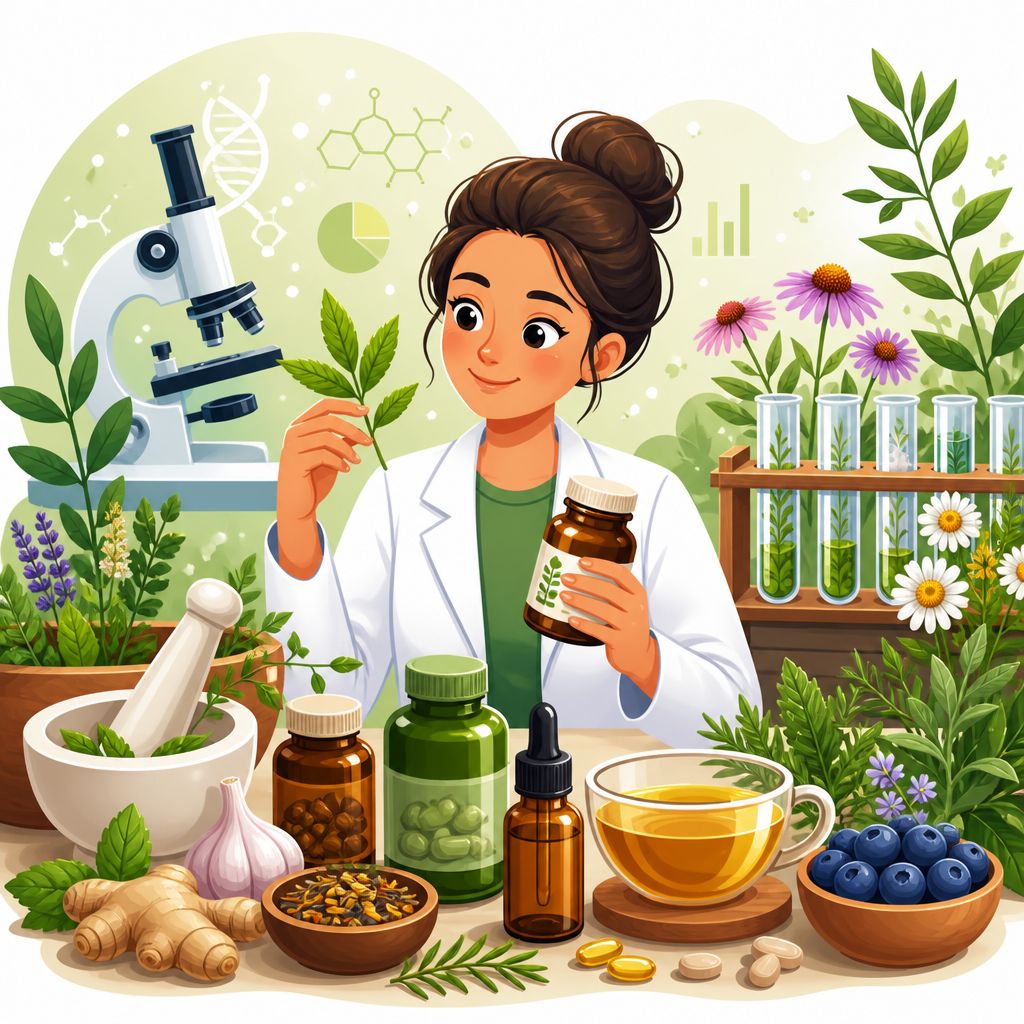
Herbal supplements and natural remedies sit at the intersection of traditional healing, modern pharmacology, and consumer self-care, making them one of the most searched areas within supplements and nutraceuticals. In practical terms, herbal supplements are preparations made from plants or plant parts, including roots, leaves, flowers, seeds, or bark, delivered as capsules, teas, tinctures, extracts, powders, or topical products. Natural remedies is a broader term that often includes herbs, but may also cover mushrooms, algae, fermented products, essential oils, and other non-synthetic approaches used to support health. The central question is not whether plants have biological activity—they clearly do—but which products help, for whom, at what dose, and with what risks.
That distinction matters because the public often treats “natural” as a synonym for “safe” and “effective.” After years reviewing supplement labels, clinical trials, monographs, and adverse-event reports, I have seen the opposite: some herbal products are genuinely useful, some are overhyped, and some are risky because of contamination, poor standardization, or interactions with prescription drugs. St. John’s wort can reduce blood levels of oral contraceptives and transplant medicines. Kava has evidence for anxiety relief, yet concerns about liver toxicity changed how clinicians view it. Garlic may modestly affect blood pressure, but concentrated products can increase bleeding risk around surgery. The science is nuanced, and smart use depends on reading beyond marketing claims.
This hub article explains what science says about herbal supplements and natural remedies, how researchers test them, where evidence is strongest, and how consumers can evaluate quality. It also serves as a practical map for deeper reading across the wider supplements and nutraceuticals category. You will learn which herbs are backed by randomized controlled trials, why standardized extracts matter more than trendy branding, how regulators treat these products differently from drugs, and which red flags deserve immediate caution. The goal is simple: help you use herbal supplements more effectively, more safely, and with a better understanding of what the evidence actually supports.
What counts as an herbal supplement, and how are these products evaluated?
An herbal supplement is usually a concentrated preparation from one or more botanicals intended to affect a physiological function or support a health outcome. Common examples include turmeric extract standardized for curcuminoids, ginkgo biloba leaf extract, echinacea preparations, valerian root, milk thistle, peppermint oil, elderberry, ashwagandha, saw palmetto, and ginger. Preparations differ substantially. A tea made from dried leaves is not equivalent to an ethanol extract in a capsule. The plant species, growing conditions, harvest timing, extraction solvent, and standardization target all influence potency. Two bottles with the same front-label herb name may deliver very different chemistry.
Scientists evaluate herbal supplements using the same broad evidence ladder used in nutrition and medicine: traditional use can generate hypotheses, laboratory studies suggest mechanisms, observational studies identify associations, and randomized controlled trials test whether a product changes meaningful outcomes in humans. Systematic reviews and meta-analyses then assess the totality of evidence. Stronger herbal evidence usually includes a clearly identified botanical name, a defined plant part, a standardized extract, a reproducible dose, and a clinically relevant endpoint such as symptom reduction, sleep latency, bowel spasm frequency, or biomarker change. When these details are missing, trial results are difficult to interpret or apply.
Mechanistic plausibility matters, but human outcomes matter more. Curcumin can reduce inflammatory signaling in cell models, yet oral bioavailability is low, so product formulation becomes a decisive factor. Peppermint oil relaxes intestinal smooth muscle, which helps explain findings in irritable bowel syndrome. Cranberry contains proanthocyanidins thought to reduce bacterial adhesion in the urinary tract, but effects depend on enough active compounds reaching target tissues. This is why supplement science requires more than appealing origin stories. Evidence comes from dose, formulation, and measured results, not from the fact that a remedy has been used for centuries.
Where the evidence is strongest: herbs with meaningful clinical support
The best-supported herbal supplements are not miracle cures, but several have credible evidence for specific, limited uses. Peppermint oil is among the clearest examples. Enteric-coated peppermint oil capsules have shown benefit for abdominal pain and global symptoms in irritable bowel syndrome, likely because menthol acts on smooth muscle and gut sensory pathways. Ginger has good support for nausea, especially pregnancy-related nausea and postoperative nausea, though dose and preparation matter. Psyllium, while technically a fiber rather than a classic herb, is a natural remedy with strong backing for constipation and modest cholesterol reduction, illustrating that traditional products can be validated when evidence is consistent.
Ashwagandha has gained attention for stress and sleep. Several randomized trials suggest standardized root extracts may reduce perceived stress scores and modestly improve sleep measures, possibly through effects on the hypothalamic-pituitary-adrenal axis. However, studies are still smaller than ideal, and long-term safety data remain limited. Turmeric and curcumin show potential for osteoarthritis symptom relief, with some trials finding pain reductions comparable to common nonprescription approaches, but effects vary by formulation because absorption is a major issue. In my experience reviewing product labels, this is where consumers get misled most often: they buy generic turmeric powder expecting results seen with highly specific extracts used in research.
Other herbs have narrower but legitimate use cases. Senna is effective for short-term constipation because its sennosides stimulate bowel motility, though routine long-term use is not ideal. Garlic may produce small reductions in blood pressure and lipids in some people, but it is not a substitute for statins or antihypertensive therapy when those are indicated. Black cohosh is often used for menopausal symptoms; evidence is mixed, but some women report relief. Saw palmetto has been extensively studied for benign prostatic hyperplasia symptoms, and the overall evidence suggests little or no clinically important benefit compared with placebo, a useful reminder that popularity does not equal efficacy.
Common conditions people target, and what results are realistic
Most buyers use herbal supplements and natural remedies for stress, sleep, immunity, digestion, joint discomfort, women’s health, metabolic support, and healthy aging. The scientific pattern is consistent across these categories: benefits, when they occur, are usually moderate rather than dramatic. For stress, products such as ashwagandha, lavender oil preparations, or lemon balm may help some people feel calmer, but they do not replace psychotherapy, sleep hygiene, or treatment for major anxiety disorders. For sleep, valerian has mixed evidence, and melatonin, though not an herb, often outperforms many herbal options for circadian-related sleep problems. Consumers should expect incremental improvement, not instant transformation.
Digestive complaints are an area where natural remedies can be genuinely practical. Peppermint oil for irritable bowel syndrome, ginger for nausea, and psyllium for constipation have clearer use cases than many supplements marketed for “gut health.” By contrast, immune claims often outpace evidence. Elderberry may slightly shorten the duration of some upper respiratory symptoms, but it does not prevent all colds, and it is not a substitute for vaccination or antiviral treatment when needed. Echinacea research is mixed because products vary widely. When people ask whether an herb “works,” the better question is: works for which symptom, using which standardized product, over what timeframe, compared with what alternative?
For joint pain and inflammation, turmeric extracts, boswellia, and topical arnica are frequently discussed. Some people do report worthwhile symptom relief, especially in osteoarthritis, but effect sizes are usually modest and slower than prescription anti-inflammatory drugs. For women’s health, ginger can help menstrual discomfort, and certain products are studied for menopausal symptoms, yet quality evidence remains uneven. For cognitive support and healthy aging, ginkgo biloba has been heavily researched; overall, it has not convincingly prevented dementia in large trials. Realistic expectations protect consumers from disappointment and prevent delayed medical care for conditions that need formal diagnosis and treatment.
Safety, interactions, quality control, and how to choose wisely
The biggest practical issue with herbal supplements is not whether plants contain active compounds; it is whether the product in the bottle matches the label and whether it is safe for the individual taking it. Unlike prescription drugs, many markets regulate supplements under rules that do not require premarket proof of efficacy. Quality can vary due to adulteration, substitution, inaccurate dosing, heavy metals, pesticide residues, or contamination with undeclared pharmaceuticals. Third-party testing helps reduce this uncertainty. In practice, I look first for USP Verified, NSF, ConsumerLab test results, or company certificates of analysis supported by good manufacturing practices and transparent batch-level documentation.
| Herb or remedy | Potential benefit | Key risk or limitation | Practical note |
|---|---|---|---|
| St. John’s wort | Mild depressive symptoms in some trials | Major drug interactions via CYP3A4 and P-gp induction | Avoid with many prescriptions unless clinician approves |
| Kava | Anxiety reduction | Liver safety concerns, sedation | Use only from reputable sources and with medical guidance |
| Ginger | Nausea relief | May worsen reflux in some people | Often useful short term and in divided doses |
| Peppermint oil | Irritable bowel syndrome symptom relief | Can aggravate heartburn | Enteric-coated capsules are usually preferred |
| Turmeric or curcumin | Modest joint symptom support | Absorption varies widely; interaction potential exists | Choose studied formulations, not generic powders |
Interactions are where herbal supplements can become clinically significant. St. John’s wort is the textbook example because it induces drug-metabolizing enzymes and transporters, lowering levels of medicines such as cyclosporine, warfarin, certain HIV therapies, some cancer drugs, and oral contraceptives. Ginkgo, garlic, ginseng, and high-dose fish oil are often flagged around surgery because of bleeding concerns, although the evidence strength varies by product and context. Licorice root can raise blood pressure and lower potassium. Comfrey is associated with hepatotoxic pyrrolizidine alkaloids. These are not fringe concerns. They appear repeatedly in pharmacology references, poison center reports, and clinical consultations.
Choosing wisely means treating an herbal supplement like a biologically active product, not a wellness accessory. Start with a clear target symptom, not a vague goal such as “boost everything.” Check the Latin botanical name, plant part, extract ratio, and standardization marker. Compare the label with doses used in clinical studies. Avoid proprietary blends that hide ingredient amounts. If you are pregnant, breastfeeding, managing liver or kidney disease, taking anticoagulants, antidepressants, seizure medicines, immunosuppressants, or cancer therapy, ask a pharmacist or clinician before starting anything new. The safest buying strategy is selective, evidence-based, and conservative, especially when multiple supplements are involved.
How herbal remedies fit into modern care and the broader nutraceutical landscape
Herbal supplements and natural remedies are best viewed as tools within a larger health strategy, not replacements for diagnosis, medication, nutrition, or lifestyle change. In integrative care settings, the most successful use cases are focused and measurable: ginger to reduce nausea during a defined period, peppermint oil to ease irritable bowel symptoms, psyllium to improve stool regularity, or a standardized ashwagandha extract for short-term stress support while sleep habits and workload are addressed. This hub matters because it connects botanical products to the wider supplements and nutraceuticals field, where protein powders, probiotics, omega-3s, vitamins, minerals, and specialty compounds often overlap in consumer routines.
A practical framework is to ask four questions before using any herbal product: What exact outcome do I want? What human evidence supports this ingredient? What formulation and dose were studied? What are the risks, interactions, and alternatives? That approach prevents two common mistakes I see constantly: stacking multiple supplements with overlapping effects, and continuing ineffective products for months because the marketing sounded scientific. The main benefit of understanding the science is not skepticism for its own sake. It is better decision-making. Use this hub as your starting point, then explore deeper articles on individual herbs, safety profiles, evidence summaries, and condition-specific natural remedies before you buy.
Frequently Asked Questions
What is the difference between herbal supplements and natural remedies?
Herbal supplements are products specifically made from plants or plant parts, such as roots, leaves, flowers, bark, or seeds. They are commonly sold as capsules, tablets, teas, tinctures, powders, extracts, and topical preparations. Natural remedies is a broader category that may include herbal products, but it can also refer to non-herbal approaches such as probiotics, honey, minerals, certain traditional practices, or diet-based remedies. In other words, all herbal supplements can be considered natural remedies, but not all natural remedies are herbal supplements.
From a scientific perspective, this distinction matters because different types of remedies are studied, regulated, and used in different ways. Herbal supplements often contain biologically active compounds that can affect the body similarly to drugs, which is why researchers evaluate them for efficacy, dosage, safety, and interactions. A broader natural remedy may work through nutrition, microbial balance, hydration, skin protection, or other mechanisms that are not strictly botanical. For readers and consumers, the key takeaway is that “natural” does not describe a single level of evidence, safety, or effectiveness. Each product or practice has to be evaluated on its own scientific merits.
Do herbal supplements actually work, according to science?
Science suggests that some herbal supplements may offer real benefits, but the strength of the evidence varies widely depending on the herb, the condition being treated, the preparation used, and the quality of the research. Certain herbs have been studied enough to show potential value for specific uses. For example, peppermint oil has evidence for some digestive symptoms, ginger has support for nausea relief, and standardized extracts of a few botanicals have shown benefits in narrowly defined situations. However, many other products are backed mainly by tradition, preliminary lab findings, or small clinical trials that are not strong enough to support broad health claims.
One reason the evidence can be difficult to interpret is that herbal research is often less standardized than pharmaceutical research. Two products with the same herb name may contain different species, different plant parts, different extraction methods, and very different concentrations of active compounds. That makes it harder to compare study results and harder for consumers to know whether the product they buy matches what was actually tested. In addition, some studies are limited by short duration, small sample sizes, lack of blinding, or inconsistent outcome measures.
The most balanced scientific view is that herbal supplements are neither universally effective nor automatically ineffective. Some have measurable effects, some appear promising but need better evidence, and some simply do not live up to the claims made in marketing. The best approach is to look for remedies that have been studied in well-designed human trials, especially systematic reviews or meta-analyses, and to be cautious of sweeping claims that a single herb can “boost immunity,” “detox the body,” or “cure” multiple unrelated conditions.
Are herbal supplements safe just because they are natural?
No. “Natural” does not automatically mean safe, gentle, or appropriate for everyone. Many plant compounds are pharmacologically active, which means they can change how the body functions. That can be beneficial in some circumstances, but it can also lead to side effects, allergic reactions, toxicity, or interactions with medications. Some herbs can affect blood pressure, blood sugar, clotting, liver enzymes, heart rhythm, or hormone-sensitive conditions. Others may not be appropriate during pregnancy, breastfeeding, childhood, or before surgery.
Safety also depends on dose, duration, product quality, and individual health status. A tea used occasionally may pose a very different risk profile than a concentrated extract taken daily in capsule form. In addition, the supplement industry can vary in quality control. Some products may contain less of the active ingredient than stated on the label, while others may be contaminated with heavy metals, pesticides, microbes, or undeclared pharmaceutical ingredients. This is one reason healthcare professionals often recommend choosing products that have undergone third-party testing or certification for identity and purity.
Another major issue is drug-herb interactions. Some supplements can intensify or weaken prescription medications, including blood thinners, antidepressants, diabetes drugs, seizure medications, and immune therapies. For that reason, people with chronic conditions or those taking any regular medication should talk with a qualified healthcare professional before starting an herbal product. Science supports using caution, not assumptions, when it comes to safety.
Why do scientific studies on herbal remedies sometimes seem inconsistent?
Inconsistency is common in herbal research because not all herbal products are the same, even when they carry the same common name. Plant species can vary, growing conditions can influence chemical composition, and manufacturers may use different plant parts or extraction techniques. One study may investigate a highly standardized extract, while another uses a general powder or tea preparation. If the chemistry is different, the clinical results may be different too. This is a major reason why findings can look contradictory even when researchers are studying what appears to be the same herb.
Study design is another factor. Some trials are small, short-term, or poorly controlled, which makes it harder to detect real benefits or rule out placebo effects. Others may focus on different populations, such as healthy adults versus people with a diagnosed condition, or use different dosages and outcome measures. A supplement that shows a modest effect for one specific symptom may not help a broader group or may not perform well when tested under stricter conditions. Publication bias can also play a role, since positive results may be more likely to be published than negative ones.
This is why the most reliable conclusions usually come from the total body of evidence rather than a single headline-making study. Systematic reviews, meta-analyses, and evidence summaries from reputable medical organizations tend to provide a clearer picture of what is known, what remains uncertain, and where more research is needed. When science appears mixed, it often means the question is still being refined, not that all evidence is meaningless.
How can consumers choose herbal supplements more wisely and use them responsibly?
A smart approach begins with identifying the exact health goal. Herbal supplements should not be chosen based solely on popularity, social media trends, or vague promises. It is much more useful to ask a focused question: What symptom or condition is this product supposed to address, and what human evidence supports that use? Once the intended use is clear, consumers can look for standardized products that match the form and dosage used in clinical studies as closely as possible. Reading labels carefully is important, including the plant’s full name, the part used, extract ratio if available, serving size, other added ingredients, and safety warnings.
Quality matters a great deal. Reputable brands are generally more transparent about sourcing, manufacturing standards, and third-party testing. Independent verification can help confirm that the supplement contains what it claims and is less likely to be contaminated or adulterated. Consumers should also be skeptical of products that make dramatic disease-treatment claims, guarantee rapid results, or suggest that because something is “ancient” it is automatically proven effective. Tradition can be valuable as a starting point, but science asks whether a remedy works under controlled conditions and whether its benefits outweigh its risks.
Responsible use also means treating herbal supplements as biologically active products rather than harmless wellness accessories. It is wise to discuss them with a healthcare professional, especially if there are underlying medical conditions, pregnancy, upcoming surgery, or concurrent medication use. Keeping track of when a supplement is started, the dose used, and any changes in symptoms or side effects can help determine whether it is helping or causing problems. The most evidence-based mindset is practical and cautious: use herbs selectively, choose quality products, and rely on scientific evidence rather than marketing language alone.