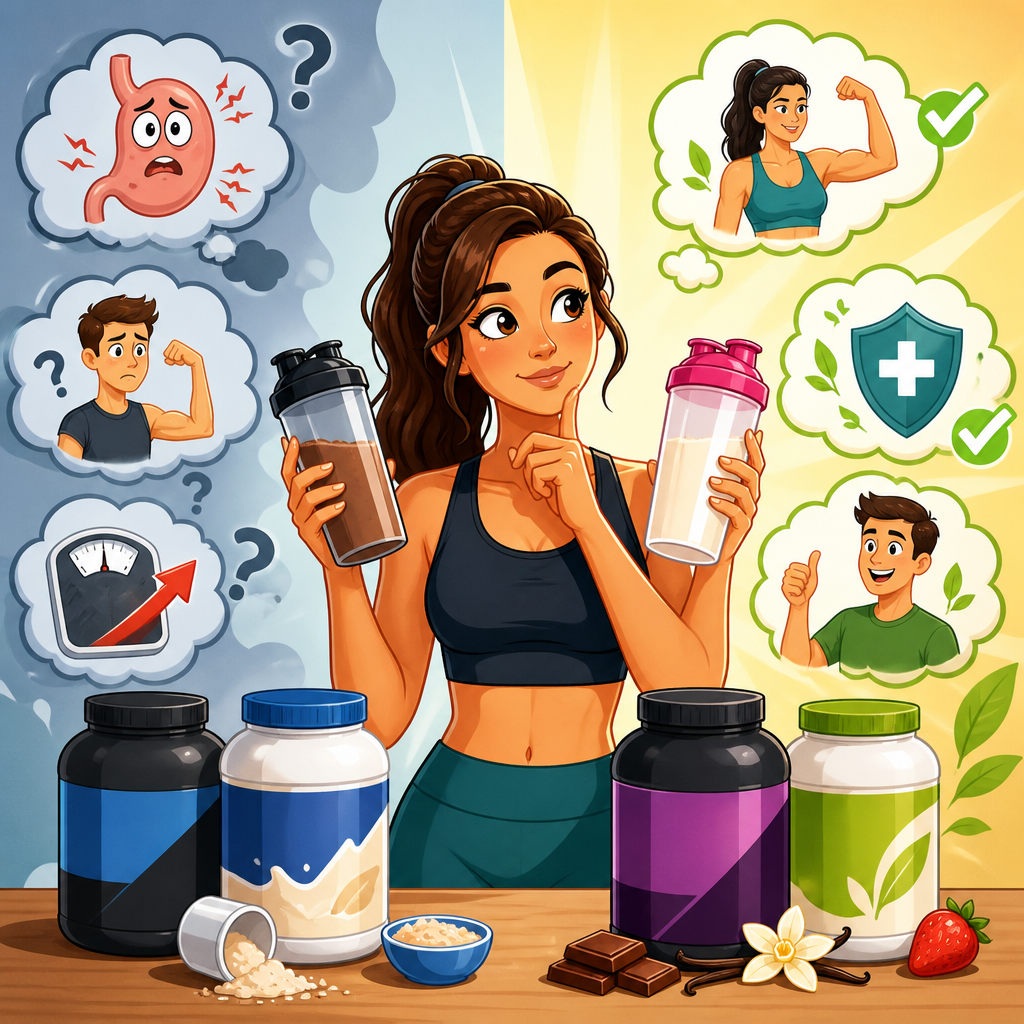
Protein powder can be a practical nutrition tool, but confusion around ingredients, benefits, and product quality still leads many people to choose the wrong formula or avoid supplements that could genuinely help. In sports nutrition, protein powder simply means a concentrated dietary protein made from foods such as milk, peas, soybeans, rice, egg whites, or collagen-rich animal tissues, then processed into a shelf-stable powder that mixes into drinks or recipes. The main job of protein is well established: it supplies amino acids needed for muscle protein synthesis, recovery, immune function, satiety, and maintenance of lean mass during aging, illness, or calorie restriction.
I have worked with athletes, busy professionals, and older adults who all asked the same question in different words: which protein powder is right for me, and what should I ignore? That question matters because protein powders are no longer niche bodybuilding products. They are used by endurance runners trying to recover faster, vegetarians filling dietary gaps, postmenopausal women preserving muscle, and patients rebuilding strength after reduced appetite or surgery. According to broad sports nutrition guidance from organizations such as the International Society of Sports Nutrition, total daily protein intake and amino acid quality both influence results. In practice, the best powder depends on digestibility, leucine content, dietary pattern, allergies, budget, and intended use. Many popular claims about protein powders flatten those differences or turn them into myths.
This article serves as a central guide to protein powders: which one is right for you, what each type actually does, and how to separate evidence from marketing. It also addresses common myths, including the ideas that all proteins work the same, plant proteins are automatically inferior, protein damages healthy kidneys, or expensive blends are always better. By the end, you should be able to match a powder to your goals with more confidence and fewer assumptions.
What Protein Powder Actually Does in the Body
Protein powder is not magic, and it is not fundamentally different from protein in food. It is a convenient delivery system for amino acids. After digestion, those amino acids are used to repair tissue, build muscle proteins, make enzymes and hormones, and support normal physiology. For active adults, older adults, and people eating in a calorie deficit, getting enough protein each day can be difficult through meals alone. A scoop of powder solves a logistics problem more than a biological one.
Where powders differ is in amino acid profile, digestion speed, and protein density. Whey is rich in essential amino acids and especially leucine, the amino acid most associated with triggering muscle protein synthesis. Casein digests more slowly, which can support satiety and provide a steadier amino acid release. Soy, pea, rice, and blended plant proteins can be effective, but some are lower in one or more essential amino acids, so formula design matters. In client work, I have found that many people get better results by focusing less on hype and more on whether one serving gives about 20 to 30 grams of high-quality protein with enough leucine to meaningfully support recovery.
Timing has value, but it is not the only thing that matters. Taking protein within a few hours after resistance training is useful, yet total daily intake remains the larger driver of adaptation. Most active adults do well in the range commonly discussed in sports nutrition research, roughly 1.4 to 2.2 grams of protein per kilogram of body weight per day, adjusted for age, training load, and energy intake. That means the right powder is the one that helps you meet your target consistently without digestive issues, excessive sugar, or ingredient choices that conflict with your diet.
Common Myths About Protein Powders, Debunked
One persistent myth is that protein powders are only for bodybuilders. In reality, they are simply concentrated food proteins. Someone recovering from surgery, an older adult with low appetite, or a shift worker skipping meals may benefit as much as a lifter chasing hypertrophy. Another myth says more protein is always better. It is not. Once total intake meets your needs, adding extra scoops provides diminishing returns and can displace fiber-rich whole foods.
A third myth claims protein powder harms kidneys. For people with healthy kidney function, research does not support the idea that higher protein diets inherently damage kidneys. The concern is real for people with diagnosed kidney disease, who should follow medical guidance, but healthy adults are not damaging kidneys by using an appropriate supplement. I regularly clarify this distinction because fear-based messaging often leaves people under-consuming protein when they most need it.
Another common misconception is that all plant protein is low quality and cannot support muscle growth. That is false. Some plant proteins are lower in certain amino acids than whey, but soy isolate is a complete protein, and pea-rice blends can create a stronger amino acid profile than either source alone. If total intake is adequate and the formula provides enough essential amino acids, plant proteins can work very well. Finally, many shoppers assume a longer ingredient list signals a better product. Usually the opposite is true. A good protein powder often has a short label: protein source, flavor components, perhaps lecithin for mixability, and limited sweeteners.
Comparing the Main Types of Protein Powder
Choosing the right protein powder starts with understanding the major categories. Whey concentrate usually contains around 70 to 80 percent protein by weight, with some lactose and milk fat retained. It is often cost-effective and tastes good, but people with lactose sensitivity may not tolerate it well. Whey isolate is more filtered, typically delivering a higher protein percentage with less lactose and fat. For many active adults, isolate is the easiest default option because it combines strong amino acid quality, rapid digestion, and broad availability.
Casein, another milk protein, forms a gel in the stomach and digests more slowly than whey. That makes it useful when satiety matters or when someone wants a slower-digesting protein between meals or before bed. Egg white protein is dairy-free and naturally rich in essential amino acids, though it is often pricier and less creamy in texture. Soy isolate remains one of the most researched plant proteins and is a solid option for vegans who tolerate soy. Pea protein works well for many people, especially in blends, while brown rice protein can complement pea by improving amino acid balance.
Collagen powder deserves a separate note because it is often marketed beside complete proteins despite serving a different purpose. Collagen is low in essential amino acids, including leucine, and is not an ideal primary protein source for muscle building. It may have uses for connective tissue support in some contexts, but it should not be treated as interchangeable with whey, egg, soy, or well-formulated plant blends. I often see people buying collagen as their only protein supplement, then wondering why recovery and satiety are underwhelming.
| Protein Type | Best For | Main Strength | Main Limitation |
|---|---|---|---|
| Whey Isolate | Post-workout, lactose-sensitive users | High leucine, fast digestion, low lactose | Usually more expensive than concentrate |
| Whey Concentrate | General use on a budget | Good taste, strong amino acid profile | Contains more lactose and fat |
| Casein | Satiety, bedtime use | Slow digestion, filling texture | Not ideal for people avoiding dairy |
| Soy Isolate | Vegan users wanting a complete protein | Strong research base, complete amino acid profile | Soy avoidance for allergy or preference |
| Pea-Rice Blend | Vegan users, dairy-free diets | Improved amino acid balance in blends | Texture and flavor vary widely by brand |
| Collagen | Specialized connective tissue use | Mixes easily, neutral flavor | Incomplete protein for muscle support |
How to Match a Protein Powder to Your Goal
If your main goal is muscle gain, the best protein powder is usually one with a complete amino acid profile and a meaningful leucine dose per serving. Whey isolate, whey concentrate, soy isolate, and some fortified plant blends all fit that description. If your goal is fat loss, the equation changes slightly. You still want adequate protein quality, but satiety, calorie control, and flavor fatigue matter more. Casein can help here because it is filling, while a lean whey isolate can keep calories low. For older adults, digestibility and per-serving protein dose are especially important because anabolic resistance can make the body less responsive to small protein doses. In that group, a powder delivering about 25 to 30 grams of high-quality protein can be more useful than a lightly dosed trendy blend.
Dietary restrictions also shape the right choice. If you are lactose intolerant, whey isolate may still work because filtration removes most lactose, but not everyone tolerates it equally. If dairy triggers symptoms, egg white or plant options may be safer. If you follow a vegan diet, choose soy isolate or a pea-rice blend with transparent labeling rather than assuming all plant proteins are equivalent. If you are an endurance athlete, convenience and recovery may matter more than chasing the fastest-absorbing product. A powder you can reliably take after long runs or rides is more valuable than a theoretically perfect supplement left in the cupboard.
Also consider how you will use it. A powder meant for smoothies can tolerate a thicker texture. A travel-friendly shake needs easy mixing. An unflavored powder works better in oats, yogurt, soups, or baking. The best product is one that fits your routine closely enough to become consistent, because consistency beats novelty in protein supplementation.
How to Read a Label and Avoid Low-Quality Products
The protein supplement market includes excellent products and weak ones, so label literacy matters. Start with the grams of protein per serving relative to serving size. If a 40-gram scoop provides only 18 grams of protein, you are paying for fillers, flavoring, or carbohydrate. Next, scan the ingredient list. A shorter list is usually easier to trust. Look for the named protein source first, then natural or artificial flavors, lecithin, salt, and sweeteners in smaller amounts. Be cautious when “proprietary blends” hide exact amounts or when a product emphasizes superfoods more than its actual protein content.
Third-party testing is another major quality signal. Programs such as NSF Certified for Sport and Informed Sport help reduce the risk of contamination or label inaccuracies, which matters especially for competitive athletes subject to anti-doping rules. Heavy metal testing is also relevant for some plant-based powders because sourcing and soil conditions can affect contaminant levels. A company that publishes certificates of analysis or clearly explains its testing process is giving you a reason to trust the product beyond marketing language.
Watch for sugar alcohols and fiber additives if you have a sensitive stomach. Ingredients like erythritol, xylitol, inulin, or large doses of gums can cause bloating in some users. Enzyme blends are often marketed as essential, but they are rarely the deciding factor in whether a powder works for you. In practice, tolerability depends more on the base protein, sweetness system, and total serving load than on a small digestive blend printed on the front label.
Choosing the Right Protein Powder With Confidence
The biggest lesson from years of reviewing formulas and helping clients use them is that there is no universally best protein powder, only the best match for a specific person and purpose. Whey isolate is often the simplest choice for muscle recovery and broad effectiveness. Casein is useful for fullness and slower digestion. Soy isolate and well-designed pea-rice blends are strong plant-based options. Collagen has a narrower role and should not be your default muscle-building protein. Most importantly, supplements work best when they complement a solid diet rather than replace it.
When deciding which protein powder is right for you, ask five direct questions. Does it fit my dietary restrictions? Does it provide enough protein per serving? Is the amino acid profile suitable for my goal? Can I digest it comfortably? Has the brand earned trust through transparent testing and labeling? If the answer is yes across those areas, you likely have a workable option even if it is not the flashiest tub on the shelf.
Use this article as your hub when comparing protein powders and challenging common myths. Start with your goal, narrow by tolerance and diet, then verify quality on the label. Choose one product you can use consistently for a month, monitor recovery, appetite, and adherence, and adjust from there. That simple process is how most people find a protein powder that truly works for them.
Frequently Asked Questions
Is protein powder only for bodybuilders and elite athletes?
No. One of the most common myths is that protein powder is only useful for people trying to build large amounts of muscle, but that is far too narrow. Protein powder is simply a convenient way to increase protein intake when whole-food meals are not practical, appetite is low, or nutrition needs are higher than usual. Recreational exercisers, busy professionals, older adults, people recovering from illness or injury, vegetarians, and anyone struggling to hit daily protein goals may all benefit from it. Protein supports muscle repair and maintenance, but it also plays a broader role in immune function, hormone production, tissue repair, and satiety. That means the “right” protein powder is not about how serious you are in the gym; it is about whether your overall diet consistently provides enough high-quality protein. If whole foods already cover your needs, protein powder may be optional. If not, it can be a practical supplement rather than a specialized bodybuilding product.
Are all protein powders basically the same, so it doesn’t matter which one you buy?
Definitely not. While all protein powders are designed to provide dietary protein, they can differ significantly in source, amino acid profile, digestibility, taste, texture, and how well they fit your health goals. Whey protein is popular because it is rich in essential amino acids and leucine, which are especially important for stimulating muscle protein synthesis. Casein digests more slowly, which some people prefer for sustained fullness. Egg white protein is another complete option that works well for those avoiding dairy. Plant-based powders vary more: soy is a complete protein, while pea and rice proteins are often paired to create a more balanced amino acid profile. Collagen powder is also common, but it is not nutritionally equivalent to whey, soy, or egg because it is not a complete protein and is lower in certain essential amino acids needed for muscle building. Beyond the protein source, ingredient quality matters. Some powders contain added sugars, gums, artificial sweeteners, fillers, or proprietary blends that make it harder to judge what you are really getting. Looking for clear labeling, adequate protein per serving, and third-party testing can make a major difference in choosing a product that is effective, safe, and appropriate for your needs.
Is whey protein bad for you because it is “processed”?
Not necessarily. The idea that a food is automatically unhealthy because it is processed is overly simplistic. Whey protein is made by separating protein from milk during cheese production, then filtering and drying it into powder form. That is processing, but processing itself does not determine whether a product is harmful or helpful. What matters more is the final product’s nutritional quality, ingredient list, purity, and how it fits into your overall diet. Many whey protein powders provide a concentrated, efficient source of complete protein with minimal carbohydrate and fat, which can be useful after training or when meals are rushed. However, some formulas are better than others. A high-quality whey protein with straightforward ingredients is very different from a heavily sweetened product loaded with unnecessary additives. People with lactose intolerance may tolerate whey isolate better than whey concentrate because isolate is typically lower in lactose, while those with a true milk allergy should avoid whey entirely. For most healthy individuals, whey protein is not inherently harmful simply because it is processed. It can be a smart nutrition tool when chosen carefully and used appropriately.
Can protein powder damage your kidneys or liver if you use it regularly?
For healthy people with normal kidney and liver function, moderate use of protein powder as part of a balanced diet is not generally considered harmful. This myth often comes from confusion between people who already have medical conditions and the general population. Individuals with preexisting kidney disease or certain metabolic disorders may need to limit protein intake or work closely with a healthcare professional, but that is very different from saying protein powder is dangerous for everyone. Your body treats the protein in powder much like protein from yogurt, eggs, fish, tofu, or chicken. The bigger issue is total intake, not the powder format itself. Taking large amounts of protein far beyond your needs is usually unnecessary and may crowd out other important nutrients, especially if supplements replace balanced meals too often. It is also important to stay hydrated and choose reputable products, because contamination, inaccurate labeling, and low-quality formulations are more legitimate concerns than protein itself. If you have a history of kidney, liver, or other medical conditions, it is wise to ask your doctor or registered dietitian before using any supplement. For most healthy adults, though, protein powder used in reasonable amounts can be a safe and practical part of nutrition planning.
How do you choose the right protein powder for your goals and dietary needs?
The best protein powder depends on your reason for using it, your digestion, your dietary preferences, and the rest of your diet. Start by asking a few practical questions: Do you need a complete protein for muscle recovery? Are you avoiding dairy? Do you want something low in sugar and calories, or do you need a more filling shake? If muscle repair, exercise recovery, and convenience are your top priorities, whey isolate or concentrate can be excellent choices if you tolerate dairy. If you are sensitive to lactose, whey isolate is often easier to digest. If you want a slower-digesting option that may help with fullness, casein can be appealing. If you follow a vegan or dairy-free diet, look for plant proteins such as soy, pea, or a pea-and-rice blend, ideally with enough total protein per serving and a solid essential amino acid profile. If your main interest is skin, joints, or connective tissue support, collagen may have a place, but it should not be viewed as a full substitute for complete protein when muscle support is the goal. Also read labels carefully: check protein grams per serving, serving size, added sugars, sweeteners, allergens, and whether the brand uses third-party testing for purity and accuracy. In the end, the right powder is the one that matches your nutrition needs, tastes acceptable enough to use consistently, and complements a strong whole-food diet rather than replacing it.