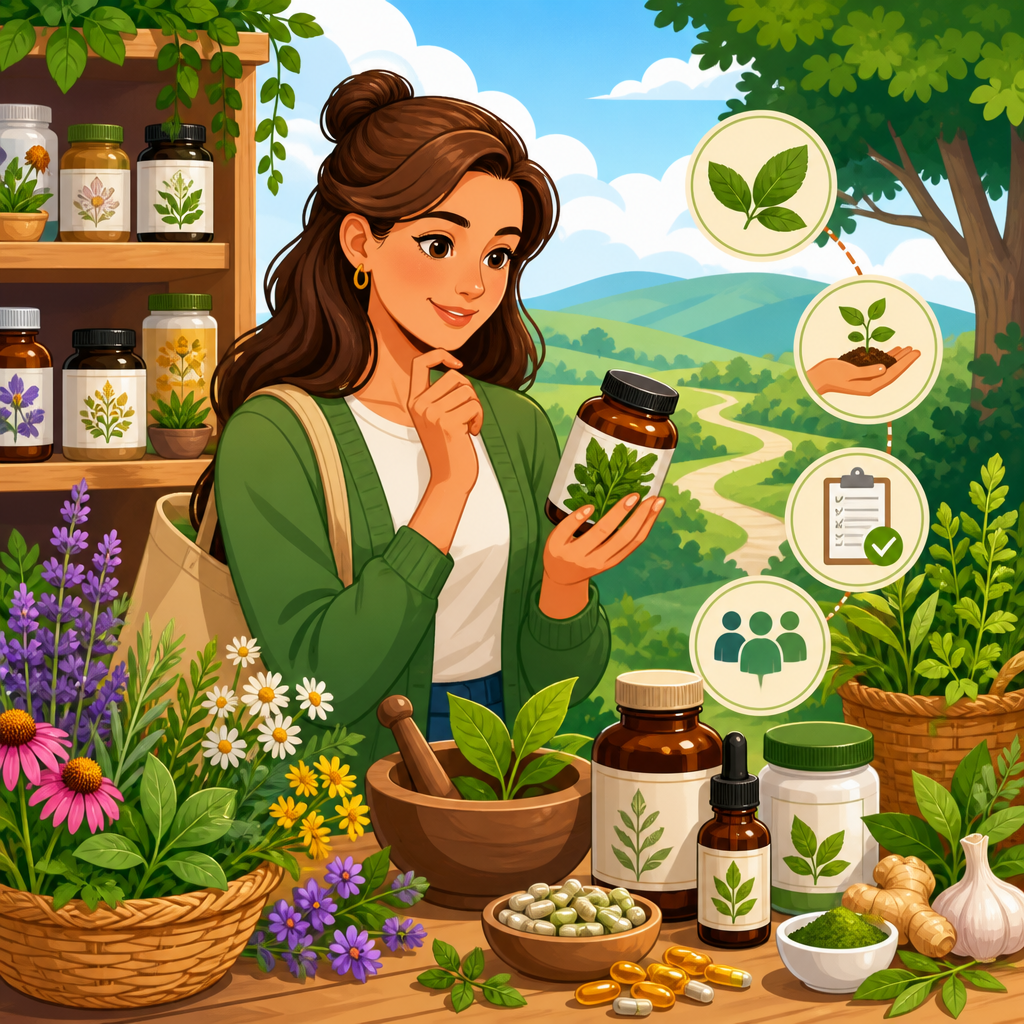
Choosing the best sources of herbal supplements and natural remedies for optimal health starts with one practical truth: the value of any botanical product depends less on marketing claims and more on plant identity, sourcing, processing, testing, and fit for the person using it. Herbal supplements are concentrated products made from leaves, roots, flowers, bark, seeds, or whole plants, while natural remedies include a broader range of traditional preparations such as teas, tinctures, salves, syrups, and standardized extracts. In clinical practice and product evaluation work, I have seen excellent herbs deliver meaningful benefits for sleep, digestion, and stress support, and I have also seen poor sourcing lead to weak results, contamination concerns, or herb-drug interactions that were never disclosed on the label. That is why source selection matters. Consumers are not simply buying echinacea, turmeric, elderberry, or ashwagandha; they are choosing a supply chain, a manufacturing standard, and a level of evidence. A well-chosen herbal supplement can support health goals when used appropriately. A poorly chosen one can waste money or create avoidable risk. This hub explains how to evaluate herbal supplements and natural remedies with the same rigor used in quality assurance: verify species, plant part, extraction method, dosage form, third-party testing, company transparency, and clinical relevance.
It also helps to define what “best” means in this category. The best source is not automatically the cheapest bottle, the most expensive practitioner line, or the trendiest direct-to-consumer brand. It is the source that reliably provides authentic botanical material, manufactures under current Good Manufacturing Practices, tests for heavy metals, microbes, pesticides, residual solvents, and adulterants, and gives enough label detail for informed use. For some herbs, best may mean a standardized extract tied to a known active constituent, such as curcuminoids in turmeric. For others, it may mean a traditional whole-herb preparation because the therapeutic effect depends on the full phytochemical profile rather than one isolated marker. Understanding those differences is essential if you want better outcomes from herbal supplements and natural remedies. This article serves as a central guide to the subtopic, helping readers compare forms, assess quality, recognize safety issues, and identify when professional guidance is warranted.
What Makes a Herbal Supplement Source Reliable
A reliable source of herbal supplements begins with correct botanical identification. Labels should use the Latin binomial, such as Withania somnifera for ashwagandha or Curcuma longa for turmeric, because common names vary and can hide substitution. The plant part matters just as much. Milk thistle seed, valerian root, peppermint leaf, and cinnamon bark are not interchangeable with other parts of the same plant. When I review products, I look first for species, plant part, extract ratio, and whether the formula is standardized. If a company omits those basics, it is harder to trust anything else on the bottle.
Manufacturing standards are the next filter. In the United States, dietary supplement makers should follow current Good Manufacturing Practices under 21 CFR Part 111. Reputable brands usually say where they manufacture and how they test raw materials and finished lots. Better companies use identity testing methods such as high-performance thin-layer chromatography, microscopy, DNA methods where appropriate, and chemical fingerprinting. They also publish certificates of analysis or make them available on request. That level of transparency is a strong signal because botanical supply chains are vulnerable to dilution, accidental substitution, and intentional adulteration.
Third-party verification strengthens credibility. USP Verified, NSF, and certifications from groups such as ConsumerLab can add confidence, although no single seal replaces careful review. Organic certification can be useful for herbs vulnerable to pesticide exposure, but organic alone does not prove potency. Wildcrafted herbs require another layer of scrutiny because sustainability and habitat contamination vary widely by region. Good sourcing includes traceability back to farms or collectors, testing of incoming materials, and controls for moisture, storage, and extraction conditions.
How to Compare Forms, Extracts, and Delivery Methods
Herbal supplements and natural remedies come in many forms, and the best choice depends on the herb, the goal, and the user. Teas and decoctions are traditional and useful for gentle daily support, especially for chamomile, ginger, peppermint, and lemon balm. Tinctures offer flexible dosing and can preserve a broad phytochemical range, often using ethanol, glycerin, or both. Capsules and tablets are convenient and improve adherence, but quality varies depending on excipients, extraction, and tablet disintegration. Powders work well for culinary herbs and functional mushrooms, although taste and measuring accuracy can be limitations.
Standardized extracts are often preferable when research is tied to a quantified constituent. Saw palmetto products, for example, are commonly standardized to fatty acids, and many turmeric extracts specify curcuminoid content. Standardization can improve consistency, but it is not always the highest-value option. Some herbs work through multiple compounds acting together, and a narrow standardization target can oversimplify the plant. I have seen consumers assume that a higher percentage on the label means a stronger or better product; in reality, extraction selectivity, bioavailability, and intended use are what matter.
Bioavailability deserves special attention. Curcumin is a classic case: plain turmeric powder contains curcuminoids, but absorption is limited. Formulations using phospholipid complexes, essential oils, or piperine may improve absorption, though piperine can affect drug metabolism and is not ideal for everyone. Magnesium-rich herbal blends, adaptogen powders, and sleep tinctures each raise different formulation questions. A source is “best” only if its dosage form fits the evidence and the person using it.
| Form | Best Use Case | Main Advantage | Main Limitation |
|---|---|---|---|
| Tea or decoction | Gentle daily digestive or calming support | Traditional, inexpensive, hydrating | Variable potency and shorter shelf life after brewing |
| Tincture | Flexible dosing and broad-spectrum extraction | Fast dosing adjustments, good absorption | Alcohol content may not suit everyone |
| Capsule or tablet | Convenient routine use | Portable, consistent serving size | Quality depends on extract and manufacturing |
| Standardized extract | Evidence-based targeted support | Consistent active marker level | May not reflect whole-herb complexity |
| Topical salve or cream | Localized skin or muscle support | Direct application | Not suitable for systemic goals |
Where to Buy: Brands, Practitioners, Pharmacies, and Local Herbalists
Consumers often ask where herbal supplements should be purchased. The safest short answer is from brands and retailers that provide traceability, testing, storage control, and knowledgeable support. Practitioner-grade companies can be strong options because they often invest heavily in raw-material qualification and quality systems, but they are not automatically superior. Some mainstream brands sold through pharmacies and natural grocers maintain excellent testing programs and lot controls. Others compete mostly on packaging and price. The key is evidence of quality, not channel prestige.
Local herbalists and compounding herbal apothecaries can add value when they know their suppliers and prepare remedies in small batches with sound documentation. This is especially useful for custom tincture blends, glycerites for children, and traditional preparations for short-term support. I recommend asking direct questions: What is the botanical source? Is the herb certified organic or responsibly wildcrafted? How is identity verified? What solvents are used in extraction? How are heavy metals, microbes, and pesticides tested? A trustworthy seller should answer clearly without becoming defensive.
Online shopping expands choice but also increases risk. Marketplace platforms can mix inventory from multiple sellers, making authenticity harder to confirm. Heat exposure during shipping can affect some products, and return policies may not help if a degraded supplement still looks normal. Buying directly from a manufacturer or from a reputable specialty retailer usually offers better accountability. Look for lot numbers, expiration dates, tamper-evident packaging, and customer service that can provide product-specific information rather than scripted marketing language.
Evidence, Traditional Use, and Matching Herbs to Goals
The best natural remedies sit at the intersection of traditional use, modern evidence, and personal suitability. Not every herb needs randomized trials to justify everyday use, but serious claims require serious support. Ginger has a strong evidence base for nausea support. Peppermint oil has established use in digestive comfort, particularly in enteric-coated form for some cases of irritable bowel symptoms. Elderberry is widely used for seasonal immune support, yet product form and timing matter. Ashwagandha has research for stress and sleep support, but extracts vary widely, and not every study applies to every product on the shelf.
Match the herb to a clear goal. For occasional sleep support, valerian, passionflower, lemon balm, and chamomile each offer different strengths and tolerability profiles. For joint comfort, turmeric, boswellia, and ginger may be considered, but users should weigh medication interactions and absorption issues. For women’s health, black cohosh, chaste tree berry, and red clover are frequently discussed, yet hormonal context and contraindications matter. For metabolic support, cinnamon and berberine attract attention, but berberine behaves more like a potent supplement than a casual pantry remedy and should be treated accordingly.
This hub page is designed to point readers toward deeper topic clusters within herbal supplements and natural remedies: stress adaptogens, digestive botanicals, immune-support herbs, sleep formulas, topical herbal care, and safety around common interactions. Using this structure helps consumers move from broad interest to more precise decisions without relying on generic wellness advice.
Safety, Interactions, and Red Flags to Never Ignore
Natural does not mean risk-free. Herbal supplements can interact with prescription drugs, over-the-counter medications, and medical conditions. St. John’s wort is the classic example because it can alter the metabolism of many drugs through cytochrome P450 pathways and transporter effects, reducing the effectiveness of oral contraceptives, immunosuppressants, anticoagulants, and other medicines. Ginkgo, garlic, and high-dose ginger may matter for people using anticoagulant or antiplatelet therapy. Licorice root can raise blood pressure and lower potassium when used inappropriately. Kava raises separate concerns related to liver safety and product quality.
Pregnancy, breastfeeding, planned surgery, autoimmune conditions, seizure disorders, and liver or kidney disease all change the safety picture. Children and older adults also require more caution because dose and metabolism can differ substantially. I advise treating concentrated extracts with the same respect you would give a nonprescription drug. Start with one product at a time, use the lowest practical dose, and track response and adverse effects. Multi-herb formulas can be useful, but they make troubleshooting harder.
There are clear red flags when assessing sources of herbal supplements. Avoid products that promise to cure diseases, hide ingredient amounts in vague proprietary blends, omit the species name, or make dramatic claims unsupported by dosage details. Be skeptical of imported products that do not identify the manufacturer, especially in categories known for adulteration such as sexual enhancement, weight loss, and bodybuilding support. Independent investigations and FDA warning letters have repeatedly found undeclared pharmaceuticals and contamination in high-risk supplement niches. Herbal support for general wellness is one thing; products that mimic prescription effects deserve heightened scrutiny.
How to Build a Smarter Buying Framework for Long-Term Use
A practical framework makes choosing herbal supplements simpler and safer. First, define the health goal in plain language: better sleep onset, fewer post-meal digestive issues, support during seasonal stress, or help with mild joint stiffness. Second, identify one or two herbs with the best fit for that goal based on known use and available evidence. Third, compare products using a fixed checklist: Latin name, plant part, extraction method, dosage form, standardization, serving size, third-party testing, allergen disclosures, and manufacturer transparency. Fourth, review medications and health conditions for interactions. Fifth, set a trial period with a measurable outcome, such as symptom frequency, sleep latency, or tolerance.
This approach prevents a common mistake I see often: buying based on influencer recommendations rather than formulation quality. It also reduces supplement stacking, where someone takes five products with overlapping ingredients and no clear rationale. Long-term users should periodically reassess whether a remedy is still helpful, whether seasonality changes the need, and whether lifestyle factors such as sleep hygiene, diet quality, hydration, and exercise would deliver larger benefits than adding another bottle. Herbal supplements work best as part of a broader health strategy, not as a shortcut around fundamentals.
Choosing the best sources of herbal supplements and natural remedies for optimal health comes down to disciplined selection, not guesswork. Reliable products clearly identify the herb, source high-quality raw materials, use appropriate extraction methods, and verify purity and potency through meaningful testing. Effective choices also match the form and dose to the goal, whether that means a tea for gentle daily support, a tincture for flexible dosing, or a standardized extract linked to published research. Safety remains central throughout: interactions, contraindications, and exaggerated claims are not minor details but deciding factors.
As a hub within Supplements and Nutraceuticals, this page gives you the framework needed to evaluate brands, compare preparations, and navigate the wider world of herbal supplements and natural remedies with confidence. Start by reviewing the label of any product you currently use, then apply the checklist from this article: species, plant part, extraction, testing, transparency, and fit for your needs. Better sourcing leads to better decisions, and better decisions are the foundation of optimal health.
Frequently Asked Questions
How can I tell whether an herbal supplement is actually high quality?
A high-quality herbal supplement usually reveals its quality through clear, specific labeling and transparent manufacturing practices. Start by looking for the exact plant name, ideally including the Latin botanical name, the part of the plant used such as root, leaf, bark, or flower, and the form of the preparation, such as capsule, tincture, powder, tea, or extract. This matters because different plants can share common names, and even within the same plant, different parts may have very different effects. A trustworthy product should also tell you whether it is a whole-herb product or a standardized extract, and if standardized, which compounds are being measured.
Beyond the label, pay attention to sourcing and testing. Reputable companies usually explain where their herbs are grown or wildcrafted, how they are processed, and what quality controls they use to verify identity, purity, and potency. Good brands often conduct testing for contaminants such as heavy metals, pesticides, microbes, mold, and adulterants. Third-party verification can add another layer of confidence, especially when it confirms that the product contains what the label claims and does not contain unsafe levels of contaminants.
Manufacturing quality also matters. Look for companies that follow Good Manufacturing Practices and provide batch numbers, expiration dates, and contact information. These details suggest a product is part of a traceable quality system rather than a loosely marketed commodity. In general, the best herbal supplements are not the ones with the most dramatic promises. They are the ones that are transparent, well-tested, clearly labeled, and realistic about what the herb can and cannot do.
What is the most important thing to look for when choosing the source of herbal supplements and natural remedies?
The single most important thing to look for is traceability. In practical terms, that means being able to follow the remedy back to its actual source: what plant it is, where it came from, how it was grown or harvested, how it was processed, and how it was tested before reaching you. Herbal medicine depends heavily on plant identity and handling. If the wrong species is used, if the plant material is old or poorly stored, or if it is contaminated during growing or manufacturing, even a popular herb can become ineffective or unsafe.
Traceability often shows up through several signs working together. A reliable seller identifies the herb precisely, explains whether it is organic, cultivated, or responsibly wildcrafted, and gives details about extraction methods or preparation style. For example, a tincture should ideally mention the menstruum used, such as alcohol, glycerin, or another solvent, because extraction methods affect what constituents are present. Teas, powders, salves, and syrups also vary in quality depending on freshness, storage, and preparation standards.
It is also wise to choose sources that prioritize education over hype. Better companies and practitioners help you understand why an herb is being used, what form may be most appropriate, how long it typically takes to notice an effect, and when professional supervision is appropriate. In other words, the best source is not simply the cheapest or the most heavily advertised. It is the one that combines accurate plant identification, responsible sourcing, careful processing, and honest communication.
Are organic, wildcrafted, or locally grown herbs always better?
Not always, though each of these sourcing terms can be meaningful when used correctly. Organic herbs can be a strong choice because they are generally produced with standards that reduce certain synthetic pesticide exposures and emphasize soil and ecosystem health. However, organic certification alone does not guarantee potency, freshness, correct species identification, or ideal processing. An organic herb can still be poorly stored, harvested at the wrong time, or manufactured into a weak product.
Wildcrafted herbs can be excellent when harvested by knowledgeable suppliers who correctly identify the plant, gather it at the right stage of growth, and use sustainable practices that protect wild populations. The challenge is that wildcrafted does not automatically mean cleaner, safer, or stronger. Wild plants may be exposed to polluted soil, roadside contaminants, or overharvesting pressures if sourcing is not carefully managed. Ethical wildcrafting requires both ecological responsibility and strict quality control.
Locally grown herbs can offer freshness and support regional growers, and in some cases they may be especially useful for tea blends, fresh tinctures, or handcrafted remedies. Still, local does not necessarily equal superior. Some herbs grow best in specific climates or soils, and certain medicinal species may be more potent when cultivated in their traditional growing regions. The best approach is to judge the whole picture: correct plant identity, cultivation quality, harvest timing, post-harvest handling, storage, and testing. Organic, wildcrafted, and local can all be positive indicators, but none should replace evidence of overall quality and accountability.
Which form of herbal remedy is best: capsules, teas, tinctures, powders, salves, or syrups?
The best form depends on the herb itself, the health goal, the person using it, and how the active constituents are best delivered. Capsules and tablets are convenient and can be useful when you want a measured serving, portability, and ease of routine use. They are often chosen for herbs meant for ongoing daily support. However, they may not always be the most bioavailable form, and quality can vary widely depending on the extract used and the fillers or binders added.
Teas are traditional, accessible, and often ideal for herbs whose beneficial compounds extract well into hot water, especially many leaves and flowers. They can also support hydration and create a more mindful, gradual approach to herbal use. Tinctures are concentrated liquid extracts that can be absorbed relatively quickly and allow flexible dosing. They are particularly useful when a broad spectrum of plant constituents needs to be extracted using alcohol or another solvent. Powders may be appropriate for whole-food-style herbs or for mixing into drinks, but freshness and storage are essential because powders can degrade more quickly. Salves are intended for topical use, making them suitable when the goal is local skin or tissue support rather than systemic effects. Syrups can be helpful when a soothing, palatable preparation is needed, especially for the throat or when giving herbs to people who dislike capsules or tinctures.
Instead of asking which form is universally best, it is better to ask which form matches the herb and the intended use. For example, some roots benefit from decoction, some aromatic herbs lose value if processed poorly, and some standardized extracts are selected precisely because they deliver consistent amounts of specific compounds. The right choice also depends on preferences, digestion, allergies, alcohol tolerance, and ease of long-term use. A knowledgeable practitioner or a highly transparent manufacturer can help match the preparation style to the health objective.
How can I use herbal supplements and natural remedies safely, especially if I take medications or have health conditions?
Safety begins with recognizing that natural does not automatically mean harmless. Herbs can have real physiological effects, and those effects may interact with prescription drugs, over-the-counter medicines, existing medical conditions, pregnancy, breastfeeding, or upcoming surgery. The safest approach is to choose one well-sourced product at a time, use it for a clear purpose, and pay attention to how your body responds. Avoid combining multiple products with overlapping effects unless you understand why each one is being used.
Read labels carefully and be cautious with vague proprietary blends that do not disclose the amount of each ingredient. It is also important to verify the species and plant part, because potency and safety can differ dramatically depending on these details. Start with conservative use when appropriate, especially if you are sensitive to supplements or have a complex medical history. If you take medications for blood pressure, blood sugar, mood, sleep, clotting, seizures, immune conditions, or hormone-related concerns, it is especially wise to check for interactions before starting an herb.
Working with a qualified healthcare professional can be extremely valuable, particularly one familiar with integrative medicine or clinical herbal safety. This is not about avoiding herbs; it is about using them intelligently. A good professional can help you assess whether a remedy fits your goals, whether the form and dose make sense, how long to use it, what side effects to watch for, and whether lab monitoring or medication adjustments may be needed. For optimal health, the best natural remedies are not simply the most popular ones. They are the ones that are appropriate for your body, your needs, and your overall care plan, and that come from sources you can trust.