Herbal supplements and natural remedies sit at the intersection of traditional healing, modern pharmacology, and everyday self-care. In practical terms, herbal supplements are products made from plant materials such as roots, leaves, flowers, bark, seeds, or extracts, while natural remedies include a wider set of nonpharmaceutical approaches that may involve herbs, teas, topical preparations, essential oils, and food-derived compounds. This topic matters because millions of people use botanicals to support sleep, digestion, immunity, stress resilience, joint comfort, and cardiometabolic health, often alongside conventional care. Yet “natural” does not automatically mean safe, effective, or appropriate for every person. The science behind herbal supplements and natural remedies is therefore essential: it helps consumers understand active constituents, dosing, standardization, bioavailability, drug-herb interactions, and the quality controls that separate evidence-based products from weak formulations.
After years reviewing supplement labels, comparing monographs, and seeing how patients and consumers actually use these products, one pattern stands out. The best outcomes occur when herbal remedies are selected for a clear goal, matched to the person’s health status, and assessed with the same rigor used for other interventions. Some herbs have strong clinical support for specific uses; others rely mainly on traditional use, mechanistic plausibility, or small human trials. Knowing the difference protects both health and money. This hub article explains the science, the benefits, the limitations, and the practical framework needed to navigate herbal supplements with confidence.
What the Science Behind Herbal Supplements Actually Means
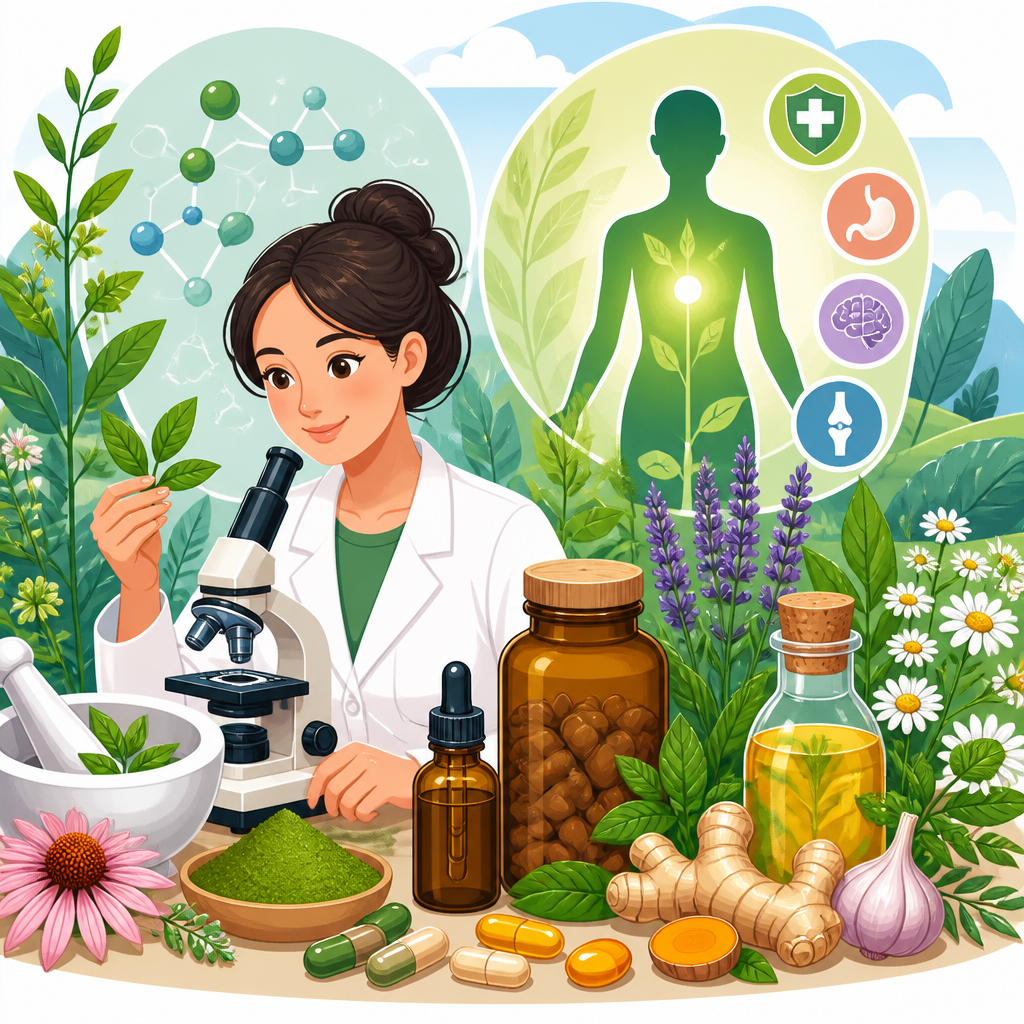
The science behind herbal supplements begins with phytochemistry, the study of biologically active plant compounds. Herbs contain classes of constituents such as alkaloids, flavonoids, terpenes, polyphenols, glycosides, saponins, tannins, and volatile oils. These compounds can influence human physiology in measurable ways. For example, curcuminoids in turmeric interact with inflammatory signaling pathways; ginsenosides in ginseng affect stress adaptation and energy metabolism; and peppermint oil can relax smooth muscle in the gastrointestinal tract. A single herb may contain dozens or hundreds of compounds, which is why whole-plant extracts sometimes behave differently from isolated ingredients.
Evidence for herbal supplements usually comes from several layers. Traditional use can suggest likely applications, laboratory studies can reveal mechanisms, animal studies can test biological effects, and randomized controlled trials can evaluate outcomes in people. Systematic reviews and meta-analyses sit higher on the evidence ladder because they synthesize multiple studies. Regulatory and scientific references such as the World Health Organization monographs, European Medicines Agency herbal assessments, National Center for Complementary and Integrative Health resources, and pharmacopeial standards provide additional guidance. In real practice, I look for convergence: historical use aligned with known chemistry, plausible mechanisms, human data, and quality manufacturing. When those pieces line up, confidence rises substantially.
How Herbal Supplements Deliver Health Benefits
Herbal supplements and natural remedies can support health through several pathways. Some modulate inflammation, some affect neurotransmitters or stress hormones, some influence digestion and the microbiome, and others act as antioxidants or mild circulatory agents. This does not make them cure-alls. It means the right herb may fit a specific physiological target. Ginger is a clear example. Its compounds, including gingerols and shogaols, have documented anti-nausea effects and can help with motion sickness, pregnancy-related nausea, and postoperative nausea in some settings. That is a focused benefit, not a blanket promise.
Adaptogens offer another practical example. Herbs such as Panax ginseng, Rhodiola rosea, and ashwagandha are used to support resilience to physical and mental stress. The proposed mechanism involves modulation of the hypothalamic-pituitary-adrenal axis, neurotransmitter balance, and cellular stress responses. Clinical effects vary by extract, dose, and population, but certain standardized forms have shown benefits for fatigue, perceived stress, and exercise recovery. Digestive herbs illustrate another category. Peppermint oil has evidence for irritable bowel syndrome symptom relief, while artichoke leaf extract may help dyspepsia. These examples show how natural remedies can provide meaningful health benefits when the herb, dose, and intended use are aligned.
Major Categories of Herbal Supplements and When They Are Used
Consumers often search for herbal supplements by symptom rather than by plant name, so organizing the field by use is helpful. Sleep and relaxation support commonly includes valerian, passionflower, lemon balm, chamomile, and lavender. Stress and mood support often centers on ashwagandha, rhodiola, saffron, and sometimes St. John’s wort, which has evidence for mild to moderate depression but also one of the highest interaction risks in the category. Immune support products frequently feature echinacea, elderberry, andrographis, astragalus, and medicinal mushrooms, though these vary widely in evidence and preparation quality.
For metabolic and cardiometabolic goals, common botanicals include cinnamon, berberine-containing plants, garlic, psyllium, fenugreek, and green tea extracts. Joint and inflammatory support products often contain turmeric, Boswellia serrata, devil’s claw, or willow bark. Women’s health categories may involve black cohosh for menopausal symptoms or chaste tree berry for cyclical symptom support. Cognitive and circulatory support formulas often use ginkgo biloba, bacopa monnieri, and rosemary-derived compounds. This sub-pillar exists because each category deserves its own deep article on efficacy, dosage forms, contraindications, and stacking strategies, but the hub-level takeaway is simple: successful use starts by matching the herb to a clearly defined health objective.
What Product Quality, Standardization, and Testing Really Tell You
Quality is the dividing line between a promising herbal supplement and a disappointing or risky one. Plants vary by species, growing conditions, harvest time, storage, and extraction method. Two products labeled with the same herb can perform very differently. Standardization addresses part of this problem by ensuring a consistent amount of a marker compound or active constituent. For example, turmeric extracts may be standardized to curcuminoids, and milk thistle extracts often specify silymarin content. Standardization is not perfect, because the marker compound is not always the full source of activity, but it improves consistency.
In manufacturing reviews, I prioritize identity testing, contaminant screening, solvent control, and stability data. Reputable companies follow current Good Manufacturing Practices and often use third-party verification from organizations such as USP, NSF, BSCG, or independent analytical labs. Testing should evaluate heavy metals, pesticide residues, microbial contamination, adulterants, and potency. Adulteration is a real concern in some categories, especially products marketed for sexual performance, weight loss, or rapid bodybuilding effects. A high-quality label should identify the Latin binomial, plant part used, extract ratio when relevant, standardization target, serving size, and allergen disclosures. Those details are not marketing decoration; they are basic scientific information.
| Quality Factor | Why It Matters | What to Look For |
|---|---|---|
| Botanical identity | Confirms the correct species and reduces substitution risk | Latin name, plant part, authenticated sourcing |
| Standardization | Improves consistency across batches | Named active or marker compounds with percentage or milligrams |
| Third-party testing | Verifies purity and label accuracy | USP, NSF, BSCG, or independent certificate of analysis |
| Contaminant screening | Reduces exposure to heavy metals, microbes, and pesticides | Batch testing for lead, arsenic, cadmium, mercury, and pathogens |
| Extraction method | Affects potency, bioavailability, and suitability | Water, ethanol, CO2, or full-spectrum process clearly stated |
Safety, Interactions, and Who Should Be Cautious
One of the most important facts about herbal supplements and natural remedies is that safety is contextual. The same herb can be appropriate for one adult and unsuitable for another because of pregnancy, age, liver function, medication use, or surgical status. St. John’s wort is a textbook example. It can induce cytochrome P450 enzymes and P-glycoprotein, lowering levels of certain medications including oral contraceptives, some antidepressants, anticoagulants, immunosuppressants, and antivirals. Ginkgo, garlic, and ginseng may affect bleeding risk in some settings. Kava has known liver safety concerns. Licorice root can elevate blood pressure and lower potassium when used excessively or in susceptible individuals.
Special populations need extra caution. Pregnant and breastfeeding women should not assume traditional use equals safety. Children require age-appropriate dosing and professional oversight. Older adults often have polypharmacy concerns, making interaction screening essential. People with autoimmune disease, seizure disorders, hormone-sensitive conditions, kidney disease, or liver disease also need tailored guidance. The safest workflow is straightforward: define the health goal, review the medical history, check interactions with a pharmacist or qualified clinician, start with one product at a time, and monitor effects. If a supplement causes rash, palpitations, dizziness, gastrointestinal distress, or mood changes, stop and reassess promptly.
Best Practices for Choosing, Using, and Evaluating Natural Remedies
Choosing an herbal supplement should look more like evaluating a tool than chasing a trend. First identify the target symptom or outcome. “Better health” is too vague; “reduce occasional stress-related sleep latency” or “support post-meal glucose control” is measurable. Next choose the form that matches the evidence. Teas work well for some herbs, but other plants require concentrated extracts, enteric-coated oils, or specific standardized preparations used in clinical trials. Dose matters. Many people underdose because they choose products with impressive front labels but ineffective ingredient levels. Others stack multiple formulas and create unnecessary overlap.
Track results systematically. I advise using a simple baseline-and-follow-up method: record symptoms, frequency, severity, sleep metrics, digestion patterns, or relevant lab markers before starting. Reassess after two to eight weeks depending on the herb and goal. This approach separates true benefit from expectation effect. It also clarifies when a remedy is not working. Natural does not mean slow in every case; ginger for nausea or peppermint for digestive spasm may work quickly, while adaptogens, bacopa, or menopausal support herbs may need sustained use. Pair supplements with foundational habits. Sleep hygiene, protein intake, resistance training, hydration, fiber, and stress management often determine whether an herb produces a noticeable benefit.
The Role of Herbal Supplements Within Modern Integrative Health
Herbal supplements work best when they are integrated, not isolated. In modern care, they can serve as first-line support for mild, self-limited concerns, adjuncts alongside conventional treatment, or maintenance tools for long-term wellness goals. For example, someone with occasional functional indigestion may benefit from a targeted botanical approach plus meal timing changes. A person with osteoarthritis may use a clinician-approved Boswellia or curcumin extract while also pursuing weight management, physical therapy, and evidence-based pain strategies. This combined approach respects the strengths and limits of each modality.
Research and clinical practice both show that not every herbal remedy translates cleanly from tradition into standardized commercial products. Preparation matters. Green tea as a beverage differs from high-dose green tea extract, especially for liver safety considerations. Whole garlic in food differs from aged garlic extract studied for cardiovascular endpoints. Turmeric in cooking is healthful, but concentrated curcumin often requires formulation support such as phospholipid complexes or piperine to improve absorption. The broader lesson is that context determines benefit. As this hub expands into detailed cluster articles, readers should use it as a decision framework: understand the intended effect, choose high-quality products, respect safety boundaries, and judge outcomes with clear criteria. If you use herbal supplements and natural remedies, start with one evidence-based goal and discuss your plan with a qualified healthcare professional.
Frequently Asked Questions
1. What does science actually say about how herbal supplements and natural remedies work in the body?
Science shows that many herbal supplements and natural remedies work because plants contain biologically active compounds that can influence normal body processes. These compounds may include polyphenols, flavonoids, alkaloids, terpenes, glycosides, and other phytochemicals that interact with enzymes, receptors, inflammatory pathways, digestive functions, circulation, immune signaling, and oxidative stress. In other words, herbs are not “magic” and they are not automatically harmless simply because they are natural. They often have measurable physiological effects, which is exactly why they can be useful in some situations and risky in others.
Researchers study herbs in several ways. Laboratory studies help identify active compounds and their mechanisms. Animal studies can suggest how a plant might behave in a living system. Human clinical trials provide the most practical evidence by examining whether an herb improves symptoms, affects biomarkers, or supports overall health outcomes in real people. For example, some botanicals are studied for their antioxidant effects, some for their role in digestion or stress response, and others for cardiovascular, metabolic, or immune support. However, the strength of the evidence varies widely from one herb to another. A few herbs have substantial clinical research behind them, while others are supported mainly by traditional use or preliminary data.
Another important scientific concept is synergy. Whole-plant preparations may contain multiple compounds that work together rather than a single “active ingredient” doing all the work alone. This is one reason herbal medicine can be more complex than standard pharmaceuticals. It is also why preparation method matters. A tea, tincture, capsule, standardized extract, and topical cream made from the same plant may behave differently because they deliver different compounds at different concentrations.
Ultimately, the science behind herbal supplements is best understood as a blend of traditional knowledge and modern evidence. Some remedies have strong support, some have promising but incomplete research, and some remain largely unproven. The most reliable approach is to look for evidence-based uses, quality manufacturing, appropriate dosing, and guidance from a qualified healthcare professional.
2. Are herbal supplements and natural remedies really effective for health benefits, or is it mostly anecdotal?
It is not accurate to say herbal supplements are either fully proven or purely anecdotal. The reality is more nuanced. Some herbal supplements and natural remedies have credible scientific support for specific health benefits, while others rely heavily on historical use, cultural tradition, or personal reports. Effectiveness depends on the exact herb, the health concern being addressed, the quality of the product, the dose used, and the individual taking it.
For example, certain herbs have been studied for digestive comfort, sleep support, stress management, joint function, immune response, and antioxidant activity. In these cases, researchers may find modest but meaningful benefits, especially when an herb is used consistently and appropriately. That said, “effective” does not always mean dramatic. Many natural remedies are best thought of as supportive tools rather than instant cures. They may help reduce symptom intensity, support normal body function, or complement broader lifestyle changes such as better nutrition, sleep, movement, and stress reduction.
Anecdotal evidence still has a place, but it should not be the only basis for decision-making. Personal experience can highlight potential uses or patterns, yet it cannot prove safety or effectiveness on its own. People may feel better for many reasons, including placebo effects, natural recovery, changes in habits, or differences in the severity of a condition over time. That is why controlled clinical studies are so important. They help separate true therapeutic effects from expectation, coincidence, or bias.
The best way to evaluate health benefits is to look at the totality of evidence. This includes traditional use, pharmacological data, clinical trials, systematic reviews, and real-world safety information. When a remedy has both a plausible biological mechanism and good human research, confidence is much higher. So yes, some herbal supplements are effective for certain purposes, but the benefits are specific, not universal, and should always be weighed against safety, quality, and individual health needs.
3. Are herbal supplements safe, and can they interact with medications or existing health conditions?
Herbal supplements can be safe when used correctly, but they are not automatically safe for everyone. One of the biggest misconceptions in this area is the idea that “natural” means risk-free. In reality, herbs can be potent. Some may thin the blood, affect blood pressure, alter blood sugar, stimulate or sedate the nervous system, influence liver enzymes, or interact with prescription and over-the-counter medications. Safety depends on the specific herb, the dose, the duration of use, the quality of the product, and the medical history of the person taking it.
Drug-herb interactions are a serious consideration. Certain herbs may increase or decrease how quickly the body processes medications, which can either reduce effectiveness or raise the risk of side effects. This is especially important for people taking anticoagulants, antidepressants, seizure medications, diabetes drugs, blood pressure medications, immunosuppressants, hormone therapies, or medications with a narrow safety margin. Individuals who are pregnant, breastfeeding, preparing for surgery, living with liver or kidney disease, or managing chronic illnesses should be especially cautious.
Another safety issue is product quality. Unlike conventional medications, herbal supplements may vary in purity, strength, and composition. Some products may contain more or less of the active compounds than the label suggests. Others may be contaminated with heavy metals, pesticides, undeclared ingredients, or even pharmaceutical substances in poorly regulated markets. This is why it is wise to choose products from reputable manufacturers that use third-party testing, transparent labeling, and standardized extracts when appropriate.
If you are considering an herbal supplement, the safest approach is to review it with a physician, pharmacist, or qualified integrative health professional who understands both supplements and medications. This is particularly important if you have a medical diagnosis or take any regular medicines. Thoughtful use can reduce risk substantially, but herbal safety should always be treated with the same respect you would give any substance capable of changing how the body functions.
4. How should someone choose a high-quality herbal supplement or natural remedy?
Choosing a high-quality herbal supplement starts with understanding that not all products are made to the same standard. A well-made supplement should clearly identify the plant name, including the common and Latin botanical name, and ideally the part of the plant used, such as root, leaf, bark, or flower. This matters because different parts of the same plant can contain different compounds and may have different effects. Labels should also clearly list the dose, form, extract ratio if relevant, and any standardization information.
Standardized extracts can be helpful because they aim to provide a consistent amount of one or more marker compounds. However, standardization is not the only sign of quality, and it is not always necessary for every herb. Some traditional preparations rely on a broad spectrum of naturally occurring compounds rather than a single standardized constituent. What matters most is whether the product has been manufactured carefully and can be traced to a reputable source.
Look for brands that follow good manufacturing practices and use third-party testing for identity, potency, and contaminants. Independent certification or testing can help confirm that the product contains what it claims and is free from harmful substances. It is also smart to be cautious with exaggerated marketing claims. Promises like “instant cure,” “miracle results,” or “works for everything” are red flags. Reliable products are usually paired with measured, evidence-based descriptions rather than sensational language.
It is also worth matching the form of the remedy to the intended use. Teas may be useful for gentle, short-term support. Capsules and tablets can offer convenience and dose consistency. Tinctures may allow flexible dosing and rapid absorption. Topical herbal preparations can be practical for localized concerns. The right choice depends on the herb, the health goal, and personal preference. When in doubt, consult a knowledgeable professional who can help interpret labels, assess quality, and recommend a product that fits your individual needs safely and effectively.
5. Can herbal supplements and natural remedies replace conventional medicine?
In most cases, herbal supplements and natural remedies should not be viewed as complete replacements for conventional medicine, especially for serious, acute, or potentially life-threatening conditions. They can play a valuable role in preventive wellness, symptom support, recovery, and long-term lifestyle-based health strategies, but they are not a substitute for emergency care, medically necessary treatment, or properly managed chronic disease care. The most responsible perspective is usually an integrative one, where evidence-based natural approaches and conventional medicine are used together when appropriate.
For mild or everyday concerns, natural remedies may sometimes be enough on their own. Examples can include occasional digestive discomfort, mild stress, sleep hygiene support, soothing teas during seasonal changes, or topical herbal products for minor skin irritation. In these settings, a well-chosen herbal remedy may complement healthy habits and provide meaningful benefits. But when symptoms are severe, persistent, unexplained, or worsening, medical evaluation is important. Delaying diagnosis while relying only on self-treatment can allow a condition to progress.
There is also an important distinction between supporting the body and treating disease. Some herbs may help support normal immune function, healthy inflammation balance, or relaxation, yet that does not mean they can replace antibiotics, blood pressure medication, insulin, surgery, or other essential medical interventions when those are