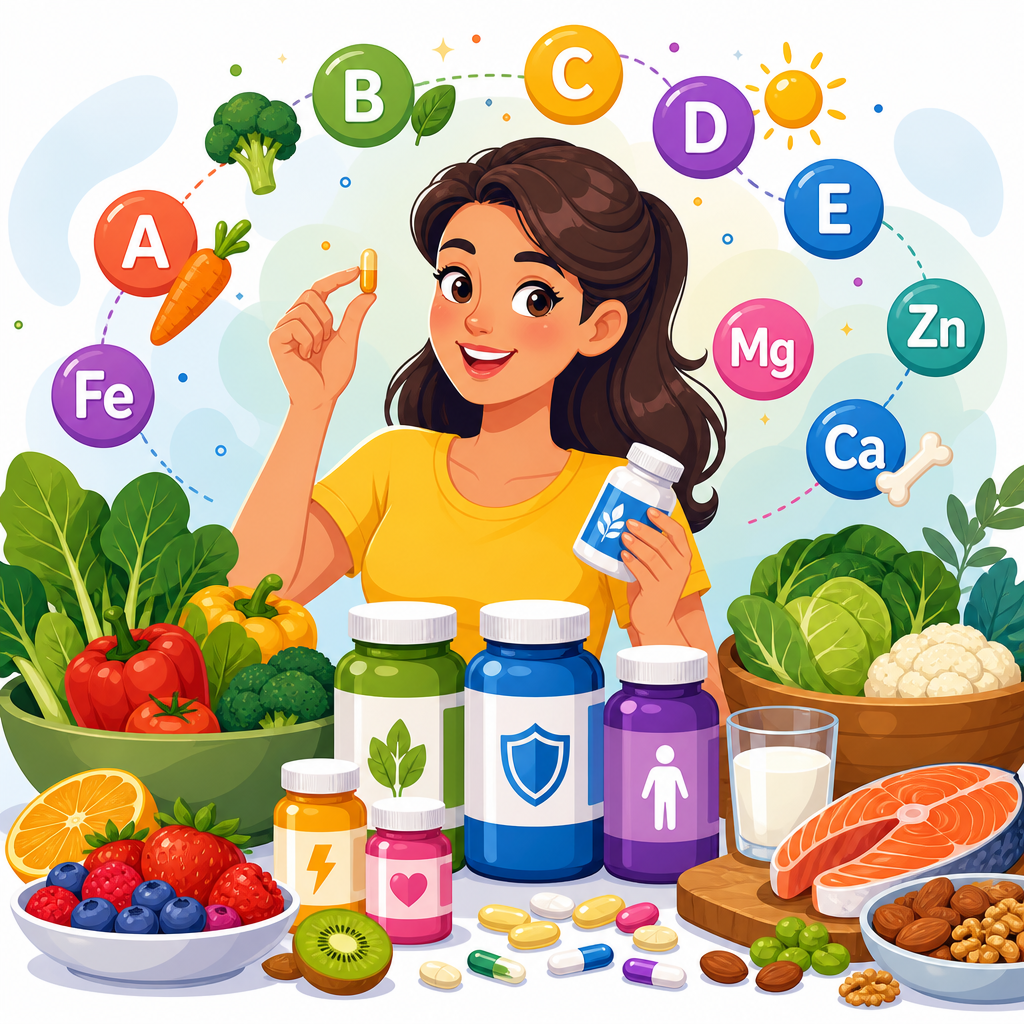
Essential vitamins and mineral supplements help fill nutrient gaps that modern diets often leave behind, making them a practical tool for maintaining a balanced diet when food intake, health status, age, or lifestyle increases nutritional risk. Vitamins are organic compounds required in small amounts for processes such as energy metabolism, immune defense, vision, blood clotting, and cell repair. Minerals are inorganic elements, including calcium, magnesium, iron, zinc, iodine, and selenium, that support bones, nerves, oxygen transport, fluid balance, and enzyme activity. A balanced diet ideally delivers these nutrients through whole foods, yet in practice many people fall short because of restricted eating patterns, ultra-processed food intake, medication interactions, poor absorption, pregnancy, intense training, or simply inconsistent meal quality.
In clinical nutrition work and product review, the pattern is familiar: people assume they eat “pretty well,” yet food logs and lab work frequently reveal low intakes of vitamin D, magnesium, potassium, iron, folate, or vitamin B12. Public health data supports this concern. The Dietary Guidelines for Americans identify several underconsumed nutrients, and vitamin D, calcium, potassium, and fiber remain recurring shortfalls, while iron is a common concern for adolescent girls and premenopausal women. Supplements do not replace vegetables, legumes, whole grains, dairy, seafood, or fruit, but they can provide a reliable nutritional backstop when daily intake is incomplete.
This hub article explains what essential vitamins and mineral supplements are, who benefits most, how to choose products wisely, and where supplementation can help or harm. It also serves as a foundation for deeper reading across the broader supplements and nutraceuticals category. If you want to understand multivitamins, single-nutrient products, deficiency prevention, dosage limits, bioavailability, and quality testing in plain language, this guide covers the essentials clearly and directly.
What counts as essential vitamins and mineral supplements?
Essential vitamins and mineral supplements are products that supply nutrients the body cannot make in adequate amounts on its own and therefore must obtain from food or supplementation. The essential vitamins include A, C, D, E, K, and the B-complex vitamins: thiamin, riboflavin, niacin, pantothenic acid, vitamin B6, biotin, folate, and vitamin B12. Essential minerals include major minerals such as calcium, phosphorus, magnesium, sodium, potassium, and chloride, plus trace minerals such as iron, zinc, copper, manganese, iodine, selenium, chromium, molybdenum, and fluoride.
Supplements come in several forms. A multivitamin-mineral product combines many nutrients into one daily serving. Single-ingredient supplements focus on one nutrient, such as vitamin D3, magnesium glycinate, or iron bisglycinate. Specialty formulas target life stages or needs, including prenatal vitamins, bone health blends, senior formulas, vegan B12 supplements, or products designed to support athletes under heavy training loads. Each format has a place. A broad multivitamin is useful for coverage, while a focused product is better when a validated need exists, such as low ferritin, inadequate sun exposure, or medically confirmed B12 deficiency.
The key point is that “essential” refers to the nutrient, not always to the product. Not everyone needs every supplement. Most people benefit when supplementation is matched to intake patterns, symptoms, risk factors, and, when possible, objective markers such as serum 25-hydroxyvitamin D, ferritin, methylmalonic acid, or red blood cell folate.
Why a balanced diet still leaves nutrient gaps
Even people with good intentions do not always achieve micronutrient adequacy. Busy schedules push convenience foods, and calorie-controlled diets often cut food variety. Soil depletion is sometimes overstated in marketing, but food storage, transport time, and cooking losses can reduce certain vitamins, particularly vitamin C and some B vitamins. More importantly, modern eating patterns tend to emphasize refined grains, added sugars, and restaurant meals over nutrient-dense staples. That dietary shift lowers micronutrient density even when calorie intake is high.
Absorption matters as much as intake. Older adults often produce less stomach acid and intrinsic factor, reducing vitamin B12 absorption. Proton pump inhibitors, metformin, and certain anticonvulsants can interfere with nutrient status. People with celiac disease, inflammatory bowel disease, bariatric surgery history, or chronic diarrhea may absorb fat-soluble vitamins, iron, calcium, magnesium, and zinc poorly. Strict vegan diets can be excellent overall, but they require attention to B12, iodine, iron, zinc, calcium, and sometimes omega-3 intake from algae-based DHA and EPA products in the broader nutraceutical category.
Life stage changes also increase needs. Pregnancy raises demand for folate, iron, iodine, choline, and often vitamin D. Menstruating women lose iron regularly. Athletes can deplete iron, magnesium, sodium, and other nutrients through training stress and sweat, while low energy availability further worsens deficiency risk. During winter, office workers and people with darker skin living at northern latitudes may struggle to maintain vitamin D status through sun exposure alone.
| Nutrient | Why it matters | Common risk groups | Typical supplement form |
|---|---|---|---|
| Vitamin D | Bone health, immune regulation, muscle function | Older adults, limited sun exposure, darker skin, northern climates | Vitamin D3 |
| Vitamin B12 | Nerve function, red blood cell production, DNA synthesis | Vegans, older adults, metformin users | Cyanocobalamin or methylcobalamin |
| Iron | Oxygen transport, energy, cognitive performance | Pregnant women, menstruating women, endurance athletes | Ferrous bisglycinate or ferrous sulfate |
| Calcium | Bone structure, muscle contraction, nerve signaling | Low-dairy diets, postmenopausal women | Calcium citrate or calcium carbonate |
| Magnesium | Muscle relaxation, glucose metabolism, nerve signaling | Low whole-food intake, gastrointestinal disorders | Magnesium glycinate or citrate |
| Iodine | Thyroid hormone production | Pregnant women, people avoiding iodized salt and seafood | Potassium iodide |
The most important vitamins and minerals to understand
Vitamin D is one of the most discussed supplements for good reason. It improves calcium absorption and supports bone mineralization, but it also influences muscle function and immune signaling. In practice, vitamin D insufficiency is common, and many clinicians use serum 25(OH)D testing to guide intake. Vitamin D3 is generally preferred over D2 because it raises blood levels more effectively in most studies. Still, more is not always better; excessive dosing can cause hypercalcemia.
Vitamin B12 deserves special attention because deficiency can be subtle at first, presenting as fatigue, tingling, memory changes, or megaloblastic anemia. Vegans need a reliable B12 source because plant foods do not naturally provide enough active B12. Older adults and metformin users may also require supplementation. Folate is equally important, especially before and during early pregnancy to reduce neural tube defect risk. For prenatal use, folic acid remains the standard evidence-based recommendation, though methylfolate may be considered in select cases.
Iron supplementation can be transformative when deficiency is confirmed, but it should not be used casually. Low iron can impair exercise tolerance, concentration, mood, and thermoregulation, even before anemia develops. Ferritin, hemoglobin, transferrin saturation, and inflammation markers help clarify status. Iron can also cause constipation, nausea, and oxidative stress if taken unnecessarily. Calcium and magnesium are often grouped together, but they serve different priorities: calcium is central to bone mass and muscle contraction, while magnesium supports hundreds of enzyme systems, including ATP production and neuromuscular regulation. Zinc, iodine, and selenium round out the shortlist because they are critical for immunity, thyroid function, wound healing, and antioxidant defense.
Who should consider supplements first
Some populations should evaluate essential vitamins and mineral supplements more carefully than others. Pregnant women or those trying to conceive should usually begin with a prenatal formula containing folic acid, iron, iodine, and other key micronutrients. Older adults commonly benefit from vitamin D and may require vitamin B12 depending on intake and absorption. Vegans should treat vitamin B12 as nonnegotiable and assess iodine, iron, calcium, zinc, and vitamin D status. People with diagnosed osteopenia or osteoporosis often need structured calcium and vitamin D planning alongside resistance exercise and medical care.
Patients with gastrointestinal disorders, prior bariatric surgery, chronic kidney disease, or liver disease should not self-prescribe aggressively because their requirements and tolerances differ. Endurance athletes, especially female runners, frequently need iron screening due to repeated foot-strike hemolysis, sweat loss, and low energy intake. Adolescents on restrictive diets, adults using weight-loss medications that reduce appetite, and people with food allergies may also struggle to meet micronutrient needs consistently.
On the other hand, healthy adults with varied diets may need only targeted supplementation, not a long list of pills. This is where careful assessment matters. The best supplementation plan is the smallest effective plan that reliably closes the actual gap.
How to choose high-quality vitamin and mineral supplements
Quality varies widely. Start by checking the Supplement Facts panel for nutrient form, dose, serving size, and whether the product exceeds the Daily Value by unnecessary margins. For minerals, the chemical form affects tolerance and absorption. Magnesium glycinate is usually gentler on the stomach than magnesium oxide. Calcium citrate absorbs well with or without meals, while calcium carbonate is best taken with food. Iron bisglycinate is often better tolerated than ferrous sulfate, although ferrous sulfate remains widely used and well studied.
Look for third-party testing from organizations such as USP, NSF, or ConsumerLab. These programs do not guarantee that a product is ideal for you, but they improve confidence that the contents match the label and meet contaminant standards. For prenatal, children’s, and senior products, this extra screening matters even more. Avoid megadose formulas marketed as cure-alls. Nutrients have tolerable upper intake levels for a reason. Excess vitamin A can be teratogenic. Too much selenium can cause hair loss and brittle nails. High-dose zinc can induce copper deficiency over time.
Practical design matters too. Large tablets reduce adherence. Gummies can improve consistency but often contain less iron, less magnesium, and added sugars. Timed-release formulas may help with certain B vitamins but are not automatically superior. In my experience, the best product is one the person can take correctly, tolerate comfortably, and align with evidence-based needs.
Safe use, interactions, and realistic expectations
Essential vitamins and mineral supplements work best when paired with food-first nutrition, medical context, and sensible monitoring. Fat-soluble vitamins A, D, E, and K can accumulate, so long-term high dosing deserves caution. Minerals also interact with medications and one another. Calcium can reduce absorption of iron, levothyroxine, and some antibiotics. Zinc and copper compete at high intakes. Magnesium may interfere with certain antibiotics when taken at the same time. Anyone on anticoagulants should keep vitamin K intake consistent and discuss supplements with a clinician.
Expect benefits to match the problem being solved. Correcting iron deficiency can improve fatigue, but taking iron with normal iron stores will not create extra energy. Vitamin B12 restores deficiency-related symptoms; it does not function like a stimulant. Magnesium may help people who are low or who need support for constipation or muscle tension, but results differ by form and dose. Supplements are effective when they correct insufficiency, support increased physiological demand, or compensate for poor absorption. They are less impressive when used as vague wellness insurance without any clear gap.
The smartest next step is to review your diet, identify likely shortfalls, and choose essential vitamins and mineral supplements that fit your age, health status, and lab data. Build from the basics, use reputable brands, and reassess over time. A balanced diet remains the goal, but targeted supplementation makes that goal more achievable and more reliable in real life.
Frequently Asked Questions
Why are essential vitamins and mineral supplements important for a balanced diet?
Essential vitamins and mineral supplements can play an important role in supporting a balanced diet because even well-intentioned eating habits do not always provide every nutrient the body needs in the right amounts every day. Vitamins are organic compounds that help regulate critical functions such as energy production, immune response, vision, skin health, blood clotting, and tissue repair. Minerals, including calcium, magnesium, iron, zinc, iodine, and selenium, are equally important for bone strength, nerve signaling, oxygen transport, thyroid function, enzyme activity, and cellular balance.
In real life, nutrient gaps are common. Busy schedules, limited food variety, restrictive diets, food intolerances, reduced appetite, aging, certain medical conditions, and increased physical demands can all make it harder to meet daily nutritional requirements consistently through food alone. Supplements help fill those gaps by providing nutrients that may be lacking, helping to support overall wellness without replacing the value of whole foods. They are best viewed as a practical nutritional safety net that complements a healthy eating pattern and helps maintain balance when life, health status, or diet quality falls short.
Can vitamin and mineral supplements replace healthy foods?
No, supplements should not be seen as a replacement for healthy foods. Whole foods provide far more than isolated vitamins and minerals. They also supply fiber, antioxidants, healthy fats, protein, water, and a wide range of beneficial plant compounds that work together to support digestion, heart health, blood sugar balance, and long-term disease prevention. Fruits, vegetables, whole grains, legumes, dairy or fortified alternatives, nuts, seeds, eggs, fish, and lean proteins contribute nutritional benefits that supplements alone cannot fully reproduce.
That said, supplements can be extremely useful when dietary intake is incomplete or inconsistent. For example, someone who eats very little dairy may need calcium and vitamin D support, while a person following a vegan diet may need vitamin B12 and possibly iron or iodine depending on food choices. In these situations, supplements help bridge the difference between ideal intake and actual intake. The best approach is to build meals around nutrient-dense foods first and then use supplements strategically to cover specific shortfalls rather than depending on them as the main source of nutrition.
Who is most likely to benefit from essential vitamin and mineral supplements?
Many people can benefit from supplements, but some groups are especially likely to need them because of increased nutritional demands or a higher risk of deficiency. Older adults often absorb certain nutrients less efficiently and may need additional vitamin B12, vitamin D, calcium, or magnesium. Pregnant or breastfeeding women have increased nutrient needs for folate, iron, iodine, and other key vitamins and minerals that support both maternal health and fetal development. Children and teenagers may also need support during periods of rapid growth, particularly if their diets are limited or selective.
People following vegetarian, vegan, gluten-free, low-calorie, or medically restricted diets may miss nutrients commonly found in animal products, fortified grains, or diverse food sources. Individuals with digestive disorders, chronic illness, food allergies, poor appetite, or those recovering from surgery or infection may also struggle to absorb or consume enough nutrients. Athletes and highly active individuals may require more magnesium, iron, zinc, and B vitamins due to greater metabolic demands. In all of these cases, vitamin and mineral supplements can help maintain nutritional adequacy and reduce the risk of deficiency-related symptoms such as fatigue, weakened immunity, poor bone health, or impaired concentration.
Which vitamins and minerals are commonly lacking in modern diets?
Several nutrients are commonly underconsumed in modern eating patterns, especially when meals rely heavily on processed foods or lack variety. Vitamin D is one of the most common shortfalls because it is found in relatively few foods and many people do not get enough sun exposure to produce sufficient amounts naturally. Calcium is another frequent concern, particularly for people who consume little or no dairy. Iron can be low in women of childbearing age, adolescents, vegetarians, and endurance athletes. Magnesium is also widely underconsumed and is important for muscle function, nerve health, blood sugar regulation, and energy metabolism.
Other commonly missed nutrients include vitamin B12, especially in vegans and older adults; iodine, particularly in those who do not use iodized salt or consume seafood; zinc, which supports immune function and wound healing; and selenium, which contributes to thyroid and antioxidant function. Folate, vitamin A, and vitamin C may also be inadequate when fruit and vegetable intake is low. Because these nutrients are involved in essential systems throughout the body, even mild deficiencies can affect energy levels, mood, immunity, skin, cognitive performance, and overall resilience. Targeted supplementation, guided by individual needs, can help correct or prevent these nutrient gaps.
How can someone choose the right vitamin and mineral supplements safely?
Choosing the right supplement starts with identifying actual needs rather than taking multiple products without a clear reason. Age, sex, diet pattern, medical history, medications, activity level, and life stage all influence nutrient requirements. A high-quality multivitamin may be helpful for general nutritional support, but some people benefit more from targeted nutrients such as vitamin D, iron, calcium, magnesium, zinc, or B12. Reading labels carefully matters. Look for products that clearly list nutrient forms and dosages, avoid unnecessary megadoses unless medically advised, and come from reputable manufacturers that follow quality and purity standards.
Safety is just as important as effectiveness. More is not always better, and taking excessive amounts of certain nutrients can cause side effects or interfere with medications. For example, too much iron can be harmful if there is no deficiency, high doses of calcium may not be appropriate for everyone, and vitamin K can interact with blood-thinning medications. The most reliable approach is to use supplements as part of an overall health plan, ideally with guidance from a qualified healthcare professional who can review diet, symptoms, and lab results if needed. When chosen thoughtfully, vitamins and mineral supplements can be a safe, practical, and effective way to support a balanced diet and long-term health.