CBD and hemp-based supplements have moved from niche wellness shelves into mainstream conversations because many people want plant-derived ways to support stress response, sleep quality, recovery, and overall balance without the intoxicating effects associated with marijuana. In practical terms, CBD refers to cannabidiol, a non-intoxicating cannabinoid found in Cannabis sativa, while hemp-based supplements include CBD products as well as hemp seed oil, hemp protein, and formulations containing other hemp-derived compounds such as terpenes, minor cannabinoids, and flavonoids. Hemp is legally defined in many markets as cannabis containing very low tetrahydrocannabinol, typically no more than 0.3 percent THC in the United States, which is why hemp products are commonly positioned as everyday wellness supplements rather than recreational products.
Understanding how CBD and hemp-based supplements support your body’s key functions starts with a basic distinction: some ingredients act through the endocannabinoid system, while others contribute nutritional support. The endocannabinoid system helps regulate mood, sleep, appetite, pain signaling, immune activity, and homeostasis, the body’s tendency to maintain internal stability despite external change. CBD does not bind strongly to CB1 or CB2 receptors the way THC does. Instead, it influences several signaling pathways, including serotonin receptor activity, transient receptor potential channels, and enzymes involved in endocannabinoid tone. Hemp seeds, by contrast, contain negligible CBD but provide essential fatty acids, protein, fiber, magnesium, and other nutrients that support cardiovascular, metabolic, and cellular health.
This matters because consumers often buy one product expecting another product’s effects. I have seen shoppers use hemp seed oil for anxiety relief and assume a CBD tincture will provide the same omega-3 benefit as a nutrition-focused hemp oil. Clear definitions prevent wasted money and unrealistic expectations. They also help people compare labels more intelligently, especially when products claim broad wellness support. As a hub topic within supplements and nutraceuticals, CBD and hemp-based supplements deserve a full explanation because quality, formulation, dosing, legality, and intended use vary more here than in almost any other supplement category.
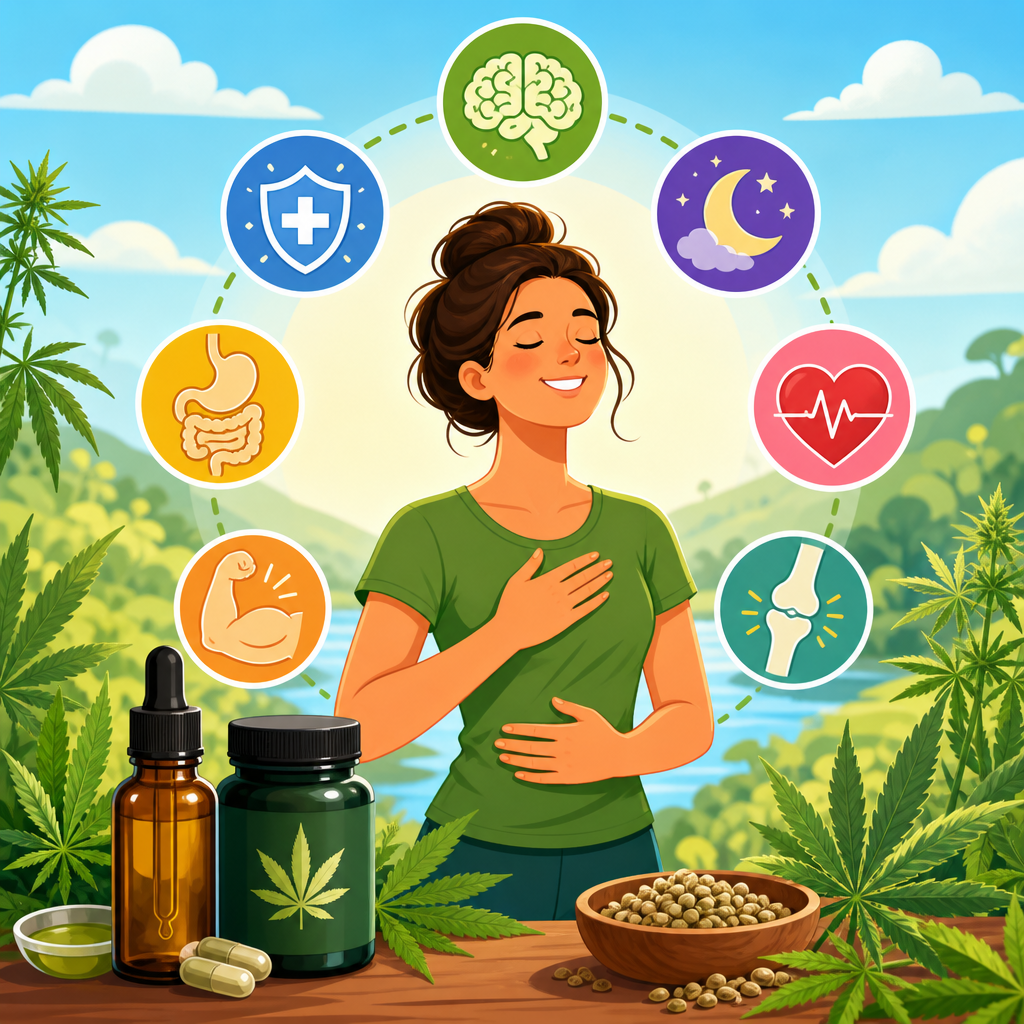
When chosen carefully, these supplements may support several core body functions: stress resilience, sleep regulation, inflammatory balance, exercise recovery, skin integrity, nutritional adequacy, and general homeostasis. They are not cure-alls, and evidence is stronger for some applications than others. Still, the category is important because it sits at the intersection of botany, pharmacology, nutrition science, and consumer health. A good guide should answer the central questions directly: what these supplements are, how they work, what benefits are plausible, how to read labels, what safety issues matter, and which related topics deserve deeper reading. This article provides that foundation and serves as the main reference point for the broader CBD and hemp-based supplements subject.
What CBD and Hemp-Based Supplements Include
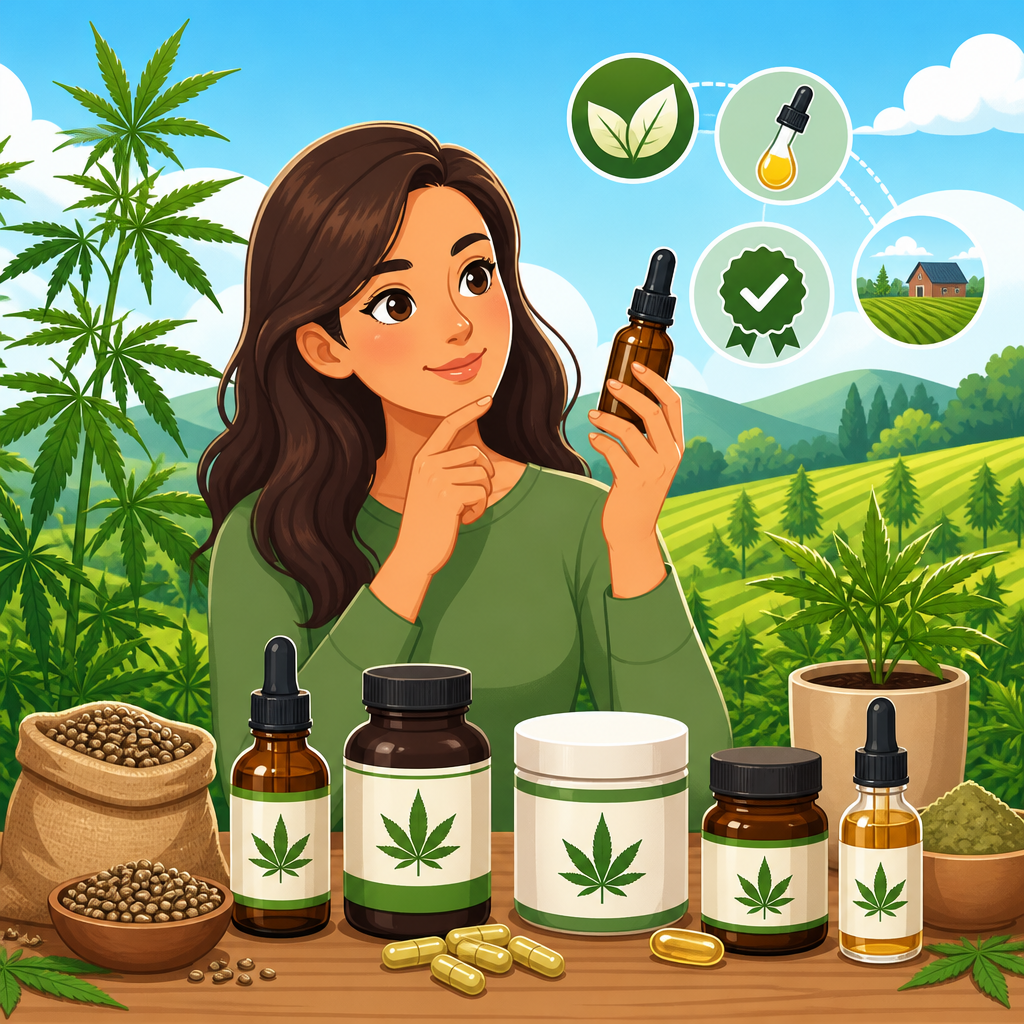
CBD and hemp-based supplements span several distinct product types, and understanding those categories is the first step toward using them well. CBD oils and tinctures are concentrated extracts mixed into a carrier such as MCT oil or hemp seed oil. Capsules and softgels offer fixed servings and better routine compliance. Gummies and beverages appeal to convenience but may contain lower doses and added sugars. Topicals such as balms, creams, and roll-ons target localized areas. Hemp seed oil, hemp hearts, hemp protein powder, and defatted hemp flour are nutrition products rather than cannabinoid products, though they come from the same plant species.
Extract type also matters. Full-spectrum CBD contains cannabidiol plus other naturally occurring hemp compounds, including trace cannabinoids and terpenes, and may contain legally compliant low THC. Broad-spectrum CBD keeps multiple hemp compounds but removes THC to non-detectable or near non-detectable levels. CBD isolate contains purified cannabidiol only. In product development work, I have found that consumers who are sensitive to THC, undergo routine drug testing, or want the cleanest ingredient deck often prefer broad-spectrum or isolate products, while users seeking a more botanically complete profile often choose full-spectrum formulas. Neither choice is automatically better; the right choice depends on goals, tolerance, and risk profile.
The broader hemp supplement category also includes ingredients that work through nutrition rather than cannabinoid signaling. Hemp seed oil is rich in polyunsaturated fats, especially linoleic acid and alpha-linolenic acid, often in a favorable ratio for human diets. Hemp protein supplies edestin and albumin proteins and can fit plant-based diets, though it is lower in leucine than whey. Whole hemp seeds provide fiber, minerals, and healthy fats. These products support the body differently from CBD, yet they belong in the same hub because many brands market them together and consumers often combine them in one regimen.
How These Supplements Support the Body’s Key Functions
CBD’s primary value lies in modulation rather than forceful stimulation. It may help the body maintain balance under physical or mental stress by influencing neurotransmitter signaling, inflammatory mediators, and endocannabinoid activity. One well-studied mechanism is its interaction with the 5-HT1A serotonin receptor, which helps explain why many users report a calmer mood or better stress tolerance. CBD also affects TRPV1 channels involved in pain and heat perception, adenosine signaling related to inflammation, and FAAH activity, which can alter levels of anandamide, one of the body’s own endocannabinoids.
For sleep, CBD appears to work indirectly for many people by easing the factors that interfere with rest, such as racing thoughts, discomfort, or stress. It is not a sedative in the same way as melatonin or antihistamines. In practice, some users feel more alert at lower doses and more physically relaxed at higher doses, which is why timing and amount matter. For recovery, CBD may support post-exercise comfort and inflammatory balance, especially when paired with fundamentals such as adequate protein, hydration, and sleep. Athletes and active adults often use capsules or tinctures after training, but the supplement works best as part of a broader recovery strategy, not as a replacement for it.
Hemp seed products support key functions through macronutrients and micronutrients. Essential fatty acids contribute to cell membrane integrity, skin barrier function, and cardiovascular health. Protein supports muscle maintenance and satiety. Minerals such as magnesium and iron play roles in energy metabolism and oxygen transport. These benefits are less dramatic than the claims often attached to cannabinoids, but they are dependable and nutritionally meaningful. When someone asks whether hemp can support the body, the honest answer is yes, through both signaling pathways and nutrient delivery, depending on the specific ingredient.
| Supplement type | Primary compounds | Main body functions supported | Best use case |
|---|---|---|---|
| Full-spectrum CBD oil | CBD, minor cannabinoids, terpenes, trace THC | Stress response, recovery, sleep support | Users seeking a broad hemp profile |
| Broad-spectrum CBD | CBD plus other hemp compounds, little to no THC | Stress support, daily balance | People avoiding THC |
| CBD isolate | Purified CBD | Targeted cannabidiol intake | Simple formulas and sensitive users |
| Hemp seed oil | Omega fatty acids, vitamin E | Skin, heart, nutritional support | Nutrition-focused supplementation |
| Hemp protein | Plant protein, fiber, minerals | Muscle maintenance, satiety | Plant-based diets and smoothies |
Evidence, Product Quality, and Label Reading
The evidence base for CBD is real but uneven. The strongest clinical evidence for cannabidiol is in prescription medicine for certain seizure disorders, which confirms that the compound has meaningful biological activity. Evidence for over-the-counter wellness uses such as stress, sleep, soreness, and general calm is promising but more variable because studies use different doses, delivery forms, and participant groups. That is why anecdotal reports can sound stronger than the published literature. The supplement category is not fraudulent, but it does require more nuance than a typical vitamin. A product can be useful without being universally effective, and expectations should match the current state of research.
Quality control is the biggest separator between helpful and disappointing products. Reputable brands use third-party certificates of analysis to verify CBD potency, cannabinoid profile, residual solvent limits, pesticide screening, heavy metal testing, and microbial safety. I always tell clients to match the batch number on the package to the certificate, not just glance at a generic lab report posted on a website. Extraction method matters too. Supercritical CO2 extraction and carefully controlled ethanol extraction are common and acceptable when performed well. Poorly refined extracts may carry off-flavors, inconsistent potency, or unwanted contaminants.
Label reading should be systematic. First, check the total CBD content and the amount per serving; a 30 milliliter bottle containing 1500 milligrams of CBD delivers a very different serving than one containing 300 milligrams. Second, identify the extract type: full-spectrum, broad-spectrum, or isolate. Third, review the carrier oil and added ingredients such as melatonin, botanicals, sweeteners, or artificial colors. Fourth, verify THC disclosure if drug testing is a concern. Fifth, look for transparent manufacturing details, including good manufacturing practice compliance. Consumers who follow this checklist usually avoid the most common buying mistakes and build a more reliable supplement routine.
Safety, Dosing, and Who Should Be Careful
CBD and hemp-based supplements are generally well tolerated, but safe use depends on dose, context, and medication status. Common side effects of CBD can include fatigue, digestive upset, dry mouth, and appetite changes. More importantly, CBD can interact with medications metabolized by cytochrome P450 enzymes, including some anticoagulants, anti-seizure drugs, antidepressants, and immunosuppressants. That interaction potential is one reason healthcare consultation matters for anyone managing a chronic condition. Pregnant or breastfeeding individuals should avoid nonessential cannabinoid supplementation because safety data remain limited.
Dosing should start low and move gradually. For many adults using nonprescription CBD for general wellness, a practical starting range is 10 to 25 milligrams once or twice daily, then titrating based on response over several days. Some people respond within that range, while others require more. Topicals are usually applied to a localized area as directed, and hemp seed foods follow normal dietary serving sizes. Consistency matters more than taking a large amount once. I have repeatedly seen better outcomes from a steady, logged routine than from aggressive dose jumps made after one disappointing day.
People subject to workplace drug testing should be especially cautious with full-spectrum products because repeated exposure to trace THC may accumulate enough to trigger a positive test in rare but real cases. Children, older adults taking multiple medications, and people with liver concerns also warrant extra care. The sensible approach is straightforward: buy tested products, choose the format that matches your goal, begin conservatively, and involve a clinician when medication interactions or medical complexity are present.
How to Build a Smart Hemp Supplement Routine
The best CBD and hemp-based supplement routine starts with a clearly defined goal. If the aim is everyday calm, a morning or evening broad-spectrum tincture may fit. If the goal is post-workout support, a capsule after training plus core recovery habits may be more practical. If the need is nutritional, hemp seeds at breakfast and hemp protein in a smoothie can cover that role better than cannabinoids. Matching product form to function is the central principle. It reduces trial-and-error and helps consumers separate true benefits from wishful thinking.
As the hub for this subtopic, this page should guide deeper exploration into focused questions: CBD for sleep, CBD for recovery, hemp seed oil versus fish oil, broad-spectrum versus full-spectrum, reading third-party lab reports, and cannabinoid drug interactions. Together, those subjects form the real decision framework consumers need. The biggest benefit of learning this category well is not chasing trends; it is choosing targeted supplements that support your body’s key functions with fewer surprises and better results. Start by identifying your goal, checking the label, and selecting one high-quality hemp-based product that fits your routine.
Frequently Asked Questions
1. What is the difference between CBD and other hemp-based supplements?
CBD and hemp-based supplements are related, but they are not all the same thing. CBD, short for cannabidiol, is one of many naturally occurring compounds called cannabinoids found in the Cannabis sativa plant. It is typically extracted from hemp and used in oils, capsules, gummies, softgels, and topical products. Its main appeal is that it is non-intoxicating, meaning it does not produce the “high” associated with marijuana. Many people use CBD as part of a wellness routine aimed at supporting stress response, sleep quality, recovery, and overall balance.
Hemp-based supplements is a broader category that includes CBD products as well as other hemp-derived ingredients such as hemp seed oil, hemp protein, and formulations that may contain additional plant compounds. Hemp seed oil, for example, is pressed from the seeds of the hemp plant and is valued for its healthy fats, including omega-3 and omega-6 fatty acids. However, it does not naturally contain meaningful amounts of CBD. Hemp protein is another example, offering a plant-based source of protein along with fiber and minerals, which can support nutrition and muscle recovery.
The key distinction is that CBD is a specific active compound, while hemp-based supplements can serve several different nutritional and wellness purposes depending on what part of the plant they come from and how they are formulated. Some products are designed to support the body through cannabinoids, while others focus on nutrients such as essential fatty acids, amino acids, or antioxidants. Understanding the label is important, because a product described as “hemp” is not automatically the same as a CBD supplement.
2. How may CBD and hemp-based supplements support the body’s key functions?
CBD and hemp-based supplements are often used to help support several interconnected body functions, especially those related to balance, recovery, and day-to-day resilience. One reason they have become so popular is that many people are looking for plant-derived tools that fit into a broader wellness routine without the intoxicating effects associated with marijuana. In general, these products are commonly used to support the body’s stress response, sleep patterns, post-exercise recovery, mood stability, and nutritional wellness.
CBD is often discussed in relation to the body’s endocannabinoid system, a signaling network involved in helping regulate functions such as sleep, mood, appetite, discomfort perception, and overall homeostasis. While research is still evolving, many users report that CBD helps them feel more centered during stressful periods, unwind more easily in the evening, or feel more physically comfortable after demanding days. These effects may be especially appealing for people who want support for everyday wear and tear rather than a dramatic or sedating experience.
Other hemp-based supplements can contribute in different ways. Hemp seed oil provides beneficial fatty acids that support cellular health, skin function, and heart-conscious nutrition. Hemp protein may help with muscle maintenance, satiety, and general dietary support. Some broad-spectrum or full-spectrum hemp formulas may also include additional naturally occurring plant compounds such as terpenes and minor cannabinoids, which are often discussed as part of a more comprehensive hemp profile. Together, these ingredients can complement a wellness plan that includes good sleep habits, movement, hydration, and a balanced diet.
It is important to keep expectations realistic. These supplements are not magic fixes, and they work best when viewed as one part of a consistent healthy lifestyle. The most noticeable benefits often come from choosing a quality product, using it consistently, and matching the formulation to your specific goals, whether that is relaxation, nutritional support, recovery, or general well-being.
3. Will CBD make you feel high or impaired?
CBD itself is considered non-intoxicating, which is one of the main reasons it has gained such widespread interest. Unlike THC, the cannabinoid most closely associated with marijuana’s psychoactive effects, CBD does not typically produce a euphoric high or the kind of mental impairment people worry about when they hear the word cannabis. For many adults, that makes CBD more approachable as a wellness supplement for daytime or evening use, depending on the product and the individual response.
That said, product type matters. CBD isolate contains only cannabidiol, while broad-spectrum hemp extracts usually include multiple hemp compounds with THC removed or reduced to non-detectable levels. Full-spectrum hemp products may contain trace amounts of THC within legal limits, which in many regions means no more than 0.3% THC by dry weight. Even though this amount is very small, sensitive individuals may still want to review labels carefully and choose products that align with their comfort level and personal needs.
It is also worth noting that “non-intoxicating” does not necessarily mean “you will feel nothing.” Some people describe CBD as subtly calming or grounding, while others notice very little at first. Personal response can vary based on body chemistry, serving size, delivery format, and whether the product is taken with food or as part of an evening routine. If you are trying CBD for the first time, starting with a modest serving and observing how you feel is a sensible approach. Anyone taking medications, managing a health condition, or concerned about drug testing should speak with a qualified healthcare professional before use.
4. How do you choose a high-quality CBD or hemp supplement?
Choosing a quality product starts with reading beyond the front label. Reputable CBD and hemp supplement brands are transparent about what is in the bottle, where the hemp was sourced, and how the product was tested. One of the most important signs of quality is third-party lab testing, often provided through a certificate of analysis. This report should confirm the cannabinoid profile and, ideally, screen for contaminants such as heavy metals, pesticides, residual solvents, and microbial impurities. If a company does not make testing information easy to access, that is usually a reason to look elsewhere.
You should also pay close attention to the ingredient list and product type. For example, if you want CBD, make sure the product specifically lists cannabidiol or hemp extract with cannabinoid content clearly stated in milligrams. If you are buying hemp seed oil for nutrition, understand that it is different from CBD oil and serves a different purpose. Look for formulations that match your goals, such as tinctures for flexible serving, capsules for convenience, gummies for taste, or topicals for targeted use on the skin.
Extraction method and source quality also matter. Hemp grown under strong agricultural standards is generally preferable, and many consumers look for brands that emphasize clean cultivation practices. CO2 extraction is commonly viewed as a reliable method for producing hemp extracts, although it is not the only indicator of quality. Equally important is whether the brand explains its formulation clearly, including whether the product is isolate, broad-spectrum, or full-spectrum.
Finally, be cautious of exaggerated claims. Trustworthy brands tend to describe their products in balanced, responsible language rather than promising miracle results. A strong product is not just about potency; it is about consistency, safety, accurate labeling, and suitability for your intended use. Taking the time to compare labels, review test results, and understand the ingredients can make a significant difference in your overall experience.
5. What is the best way to start using CBD or hemp-based supplements?
The best way to begin is to first identify your goal. Some people are looking for support with daily stress, while others are more interested in nighttime relaxation, exercise recovery, nutritional support, or skin wellness. Once your goal is clear, it becomes easier to choose the right type of product. A CBD tincture may be useful for flexible serving and faster adjustments, capsules may fit a structured routine, gummies can offer convenience and taste, and hemp seed oil or hemp protein may make the most sense if your focus is nutrition rather than cannabinoids.
When starting with CBD, a practical strategy is to begin with a low serving and increase gradually over time if needed. This gives you a chance to understand how your body responds without overcomplicating the process. Consistency is often more useful than taking a large amount all at once. Many people find that using CBD daily for a period of time gives them a better sense of whether it supports their routine than trying it only occasionally. Keeping notes on timing, serving size, and effects can also help you make smart adjustments.
It is also helpful to think about timing and lifestyle fit. For example, someone using CBD to support calm focus may prefer a daytime routine, while someone interested in sleep support may take it in the evening. Nutritional hemp supplements such as hemp protein or hemp seed oil can be incorporated into smoothies, meals, or post-workout habits. The right approach depends on your preferences, schedule, and the outcome you want.
As with any supplement, safety and compatibility matter. If you are pregnant, nursing, taking prescription medications, or managing an ongoing medical condition, it is wise to consult a healthcare professional before beginning. That is especially important with CBD, because it may interact with certain medications. Starting carefully, choosing quality products, and pairing them with healthy habits gives you the best chance of finding a routine that genuinely supports your body’s key functions.