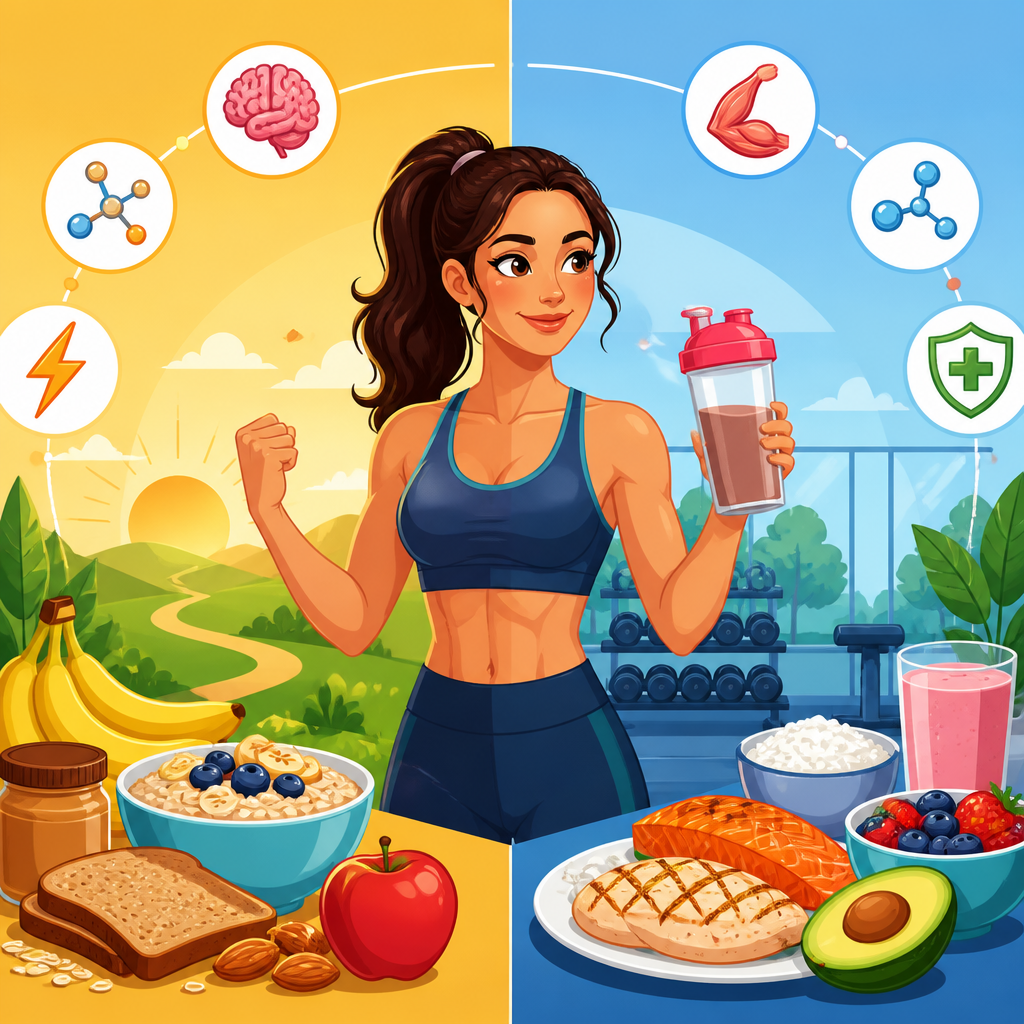
Weight loss and fat burning are often treated like marketing slogans, but in practice they describe measurable biological processes shaped by energy balance, appetite regulation, food quality, training demands, sleep, stress, and adherence. In sports and performance nutrition, effective nutrition strategies for weight loss and fat burning do more than lower body weight; they aim to reduce excess fat while preserving lean mass, supporting training output, maintaining hormonal health, and improving long term metabolic markers. That distinction matters because losing scale weight quickly through severe restriction can impair recovery, reduce strength, increase hunger, and make rebound weight gain more likely.
When I build nutrition plans for active adults and athletes, I start by defining terms clearly. Weight loss means total body mass decreases. Fat loss means a reduction in stored adipose tissue. Fat burning refers to the oxidation of fatty acids for energy, which happens all day but does not automatically guarantee net fat loss unless total energy balance and behavior support it over time. A person can burn fat during a low intensity workout yet still gain body fat if calorie intake chronically exceeds expenditure. Conversely, someone can lose body fat while including carbohydrates, provided protein, calories, and training are well managed.
This topic matters because excess body fat is linked with insulin resistance, elevated blood pressure, nonalcoholic fatty liver disease, sleep apnea, joint stress, and reduced physical function, while intelligent fat loss can improve cardiometabolic health, mobility, confidence, and sport specific movement efficiency. For performance populations, the goal is rarely starvation or extreme leanness. It is body composition improvement with minimal collateral damage. The science is strong on a few core points: sustained energy deficits drive fat loss, adequate protein protects muscle, resistance training preserves performance, dietary quality influences hunger and compliance, and sleep and stress affect outcomes more than most people realize.
Because this is a hub article within sports and performance nutrition, it covers the major nutrition strategies for weight loss and fat burning in one place: calorie control, macronutrient planning, meal timing, food selection, exercise nutrition, supplements, and behavior systems that make results durable. Each section answers a practical question people ask when they want fat loss that works in the real world, not only on paper.
Energy Balance: The Foundation of Fat Loss
The central mechanism behind body fat reduction is an energy deficit, meaning the body uses more energy than it receives from food over time. This is not a fad concept; it is basic physiology. Total daily energy expenditure includes resting metabolic rate, the thermic effect of food, planned exercise, and nonexercise activity thermogenesis such as walking, standing, and fidgeting. Most successful plans create a moderate deficit rather than an aggressive one. In practice, a daily reduction of roughly 300 to 700 calories often supports steady fat loss while preserving training quality better than crash dieting.
A moderate pace is usually more sustainable and safer for active people. Many evidence based guidelines target weekly losses of about 0.5 to 1.0 percent of body weight, with the lower end preferred for lean athletes and the higher end often acceptable for people with more body fat. Faster loss can work in short phases, but the tradeoff is greater fatigue, stronger hunger signals, and a higher risk of lean mass loss. In my experience, clients are more consistent when the plan allows normal meals, social flexibility, and enough food to train well.
Energy balance is dynamic, not fixed. As body weight drops, energy needs often decline. Dieting also changes appetite hormones and spontaneous movement. Some people unconsciously move less when calories are lower, reducing daily expenditure. That is one reason step counts, training logs, and weekly trend weights are useful. They reveal whether a planned deficit is still a real deficit. Good nutrition strategies for weight loss and fat burning therefore combine a calorie target with monitoring, not guesswork.
Protein Intake and Lean Mass Retention
If there is one nutritional priority beyond calorie control, it is protein. During weight loss, higher protein intake helps preserve fat free mass, supports recovery, increases satiety, and has a relatively high thermic effect. For active adults, a practical range is about 1.6 to 2.4 grams per kilogram of body weight per day, with higher intakes often useful during larger deficits or when someone is already fairly lean. Spread across three to five meals, protein also supports muscle protein synthesis better than loading nearly all of it into dinner.
Protein quality matters. Complete protein sources such as eggs, dairy, fish, poultry, lean meat, soy, and mixed plant combinations provide essential amino acids, including leucine, which is a key trigger for muscle protein synthesis. Many sports dietitians use meal targets of roughly 25 to 40 grams of protein depending on body size and training status. That approach is practical because it translates research into meals people can repeat. Greek yogurt with berries, a chicken rice bowl with vegetables, or tofu with edamame and quinoa are simple examples.
Preserving muscle during fat loss is a health benefit, not just a cosmetic goal. Lean mass supports resting energy expenditure, glucose disposal, physical function, and athletic performance. Studies consistently show that energy restriction paired with resistance training and adequate protein retains more lean tissue than dieting alone. For older adults and athletes in season, this point is even more important because muscle loss can reduce resilience and training capacity.
Carbohydrates, Fats, and the Truth About Fat Burning
People often ask whether low carb, low fat, or balanced diets are best for fat loss. The short answer is that several macronutrient patterns can work when calories and protein are appropriate. The best choice depends on training demands, food preferences, medical history, and adherence. Low carbohydrate diets may reduce appetite for some people and improve blood glucose control in insulin resistant individuals. Lower fat diets can make calorie reduction easier when someone regularly consumes energy dense foods like fried items, pastries, and large amounts of oils or cheese. Balanced diets tend to be easier to maintain for active people who need carbohydrates for training.
Carbohydrates are not the enemy of fat burning. They fuel higher intensity exercise, replenish muscle glycogen, and support performance. When carbohydrate intake is too low for the training load, output often falls, and that can reduce total energy expenditure and compromise muscle retention. For athletes and recreational lifters trying to lose fat, it is usually smarter to periodize carbohydrates around training rather than remove them indiscriminately. Place more carbohydrates before and after demanding sessions, and keep lower activity meals centered on protein, vegetables, fruit, and healthy fats.
Dietary fat also deserves nuance. Fat is essential for hormone production, cell membranes, absorption of vitamins A, D, E, and K, and meal satisfaction. Extremely low fat intake is not a performance strategy. A common practical floor is roughly 0.6 grams per kilogram of body weight per day, adjusted upward for preference and total calories. Choose mostly unsaturated fats from olive oil, nuts, seeds, avocado, and fatty fish, while keeping portions in check because fat is calorie dense. The science is clear: the ratio of carbohydrates to fat is secondary to total intake, protein sufficiency, and adherence over months.
Food Quality, Satiety, and Dietary Adherence
The most effective fat loss diet is the one a person can maintain long enough to produce meaningful change without harming health or performance. That is why food quality matters. Minimally processed foods typically provide more fiber, water, protein, and micronutrients per calorie, which improves fullness. Vegetables, fruit, legumes, potatoes, oats, lean proteins, yogurt, and broth based soups often make dieting easier because they create volume. Highly processed foods are not inherently forbidden, but they are easy to overeat because they combine refined starch, added fat, sugar, and low satiety.
Fiber deserves special attention. Intakes around 25 to 38 grams per day are associated with better digestive health, stronger satiety, and improved glycemic control. Soluble fiber from oats, beans, berries, apples, and psyllium can slow gastric emptying and blunt post meal glucose spikes. Hydration also interacts with fullness and performance. Even mild dehydration can impair exercise capacity and make fatigue feel worse. In practical coaching, I often improve outcomes faster by increasing produce, protein, and fluids before making any dramatic calorie cut.
Structure supports adherence. Many people do well with consistent breakfasts and lunches, planned snacks around training, and one flexible dinner. Others prefer larger evening meals and lighter mornings. There is no universal meal frequency rule, but regular patterns can reduce impulsive eating. Tracking intake for a period with tools such as Cronometer, MyFitnessPal, or MacroFactor can reveal hidden calories from drinks, sauces, oils, and weekend eating, which often explain stalled progress.
Meal Timing, Training Nutrition, and Recovery
Meal timing does not override energy balance, yet it can meaningfully affect performance, hunger control, and muscle retention. For active people, pre and post workout nutrition are especially relevant. A meal containing protein and carbohydrates one to three hours before training can improve session quality and reduce the urge to overeat later. After training, another protein rich meal supports recovery and helps distribute daily protein effectively. This is not an anabolic panic window; it is a practical way to align intake with demand.
Intermittent fasting can be useful when it simplifies eating and naturally reduces calories, but it is not metabolically superior for fat loss. Some people enjoy a restricted eating window because fewer eating occasions mean fewer opportunities to overshoot calories. Others struggle with low energy in training, poor sleep, or overeating at night. In sport settings, long fasting periods before hard sessions can backfire by lowering intensity and increasing perceived effort. The right schedule is the one that supports compliance and performance.
| Strategy | Primary Benefit | Best Use Case | Main Limitation |
|---|---|---|---|
| High protein meals | Satiety and muscle retention | Any fat loss phase | Can crowd out carbs if poorly planned |
| Carb timing around workouts | Better training quality | Strength, intervals, team sports | Less critical on rest days |
| Intermittent fasting | Simplifies calorie control | People who dislike breakfast | May impair hard morning training |
| High fiber food choices | Fullness and glycemic control | Appetite management | Rapid increases can cause bloating |
| Diet breaks or refeeds | Psychological relief and training support | Long dieting phases | Not effective if they become cheat weekends |
Diet breaks and refeeds are often misunderstood. A refeed is usually a short planned increase in calories, mostly from carbohydrates, while a diet break is a longer period at approximate maintenance. They are not magic fat loss accelerators, but they can reduce psychological strain, temporarily improve training quality, and make a long cut more sustainable. For lean athletes preparing for competition, strategic maintenance phases can protect performance better than pushing a deficit nonstop.
Supplements, Health Markers, and Common Mistakes
Most fat loss supplements are disappointing, and some are risky. Caffeine has the strongest practical evidence for increasing alertness, reducing perceived exertion, and modestly supporting training performance, which may indirectly aid fat loss. Protein powders are convenient, not essential, but useful when appetite is low or schedules are tight. Creatine monohydrate helps preserve strength and lean mass during dieting and remains one of the most researched sports supplements available. Fiber supplements such as psyllium can help some people reach satiety targets. Beyond these, claims become weaker quickly.
Products marketed as thermogenics, metabolism boosters, or detox aids usually offer little benefit relative to cost and can cause side effects such as elevated heart rate, gastrointestinal distress, poor sleep, or contamination risk. Any athlete subject to anti doping rules should use third party tested products certified by programs such as NSF Certified for Sport or Informed Sport. Safety and label accuracy matter more than branding.
The health benefits of effective weight loss extend beyond appearance. Losing even 5 to 10 percent of body weight can improve blood pressure, fasting glucose, triglycerides, and sleep apnea severity in many individuals. Reducing visceral fat is particularly valuable because it is strongly associated with cardiometabolic risk. At the same time, there are common mistakes to avoid: setting calories too low, neglecting resistance training, underestimating weekend intake, fearing carbohydrates despite hard training, and chasing scale changes while ignoring waist circumference, gym performance, and energy levels. The best nutrition strategies for weight loss and fat burning are evidence based, individualized, and sustainable enough to repeat.
Building a Sustainable Fat Loss Plan
A sustainable plan starts with realistic expectations and a system for review. Set a calorie deficit you can follow for weeks, not three days. Anchor every meal with protein. Keep vegetables, fruit, and high fiber starches visible and convenient. Train with resistance at least two to four times per week if able, and maintain a baseline of daily movement such as 7,000 to 10,000 steps. Sleep seven to nine hours whenever possible, because poor sleep increases hunger, worsens glucose regulation, and makes hard choices harder. Then assess trends every two to three weeks and adjust only when necessary.
For most people, consistency beats complexity. You do not need a perfect macro split, a detox, or a supplement stack to reduce body fat. You need a moderate energy deficit, sufficient protein, smart carbohydrate and fat distribution, nutrient dense foods, and routines that hold up during busy weeks. That combination improves body composition while protecting performance and health markers. If you want better results, start by auditing your current intake, training schedule, sleep, and daily activity, then build from those realities rather than from internet extremes.
Frequently Asked Questions
1. What is the difference between weight loss and fat burning, and why does that distinction matter?
Weight loss is a broad outcome that simply means total body weight has gone down. That reduction can come from body fat, water, glycogen, digestive contents, and in some cases lean tissue such as muscle. Fat burning, on the other hand, refers more specifically to the body’s use of stored fat for energy and, in a practical body-composition sense, the reduction of excess body fat over time. This distinction matters because the number on the scale does not always reflect meaningful progress in health or performance. A person can lose weight rapidly through extreme dieting, dehydration, or very low carbohydrate intake, yet preserve little muscle and feel worse physically and mentally.
From a sports and performance nutrition perspective, the goal is usually not just to become lighter, but to improve body composition by reducing fat mass while preserving as much lean mass as possible. Lean mass supports strength, metabolic function, movement quality, and long-term weight maintenance. If muscle loss is excessive during dieting, resting energy expenditure may decline, training quality may suffer, and the risk of regaining weight can increase. That is why well-designed nutrition strategies focus on more than calorie reduction alone. They account for protein intake, resistance training, recovery, sleep, and sustainability.
In short, successful nutrition strategies for weight loss and fat burning should be judged by more than scale changes. Better markers include waist circumference, body-fat trends, strength retention, energy levels, hunger control, and consistency over time. When these factors are managed well, the result is not only a lower body weight, but better metabolic health, improved physical function, and a more sustainable path to long-term results.
2. How do nutrition strategies for weight loss and fat burning actually work in the body?
At the most basic level, body fat reduction requires an energy deficit, meaning the body uses more energy than it takes in over time. When that happens, stored energy, including body fat, helps cover the gap. However, the biology is more nuanced than a simple “eat less” message. The body regulates hunger, fullness, energy expenditure, and food-seeking behavior through a complex interaction of hormones, the nervous system, and environmental cues. This is why two diets with the same calories can feel very different in terms of appetite, adherence, and physical performance.
Food quality plays a major role in how manageable a calorie deficit feels. Higher-protein meals tend to improve satiety, support muscle retention, and slightly increase the energy cost of digestion. High-fiber foods such as vegetables, legumes, fruit, and whole grains can slow digestion and help people feel fuller on fewer calories. Minimally processed foods often have lower energy density, making it easier to eat satisfying portions without overshooting energy needs. By contrast, highly palatable ultra-processed foods can make self-regulation more difficult because they are easy to overeat and often less filling for the calories they provide.
Training also shapes how nutrition strategies work. Resistance training helps preserve or build lean mass during weight loss, while aerobic exercise can increase daily energy expenditure and support cardiovascular health. Neither training nor diet works best in isolation. The most effective approach usually combines an appropriate calorie deficit, adequate protein, a consistent strength-training plan, and activity habits that are realistic to maintain. Sleep and stress management are equally important because poor sleep and chronic stress can increase hunger, reduce impulse control, affect recovery, and make adherence harder even when the plan looks good on paper.
Ultimately, effective fat-loss nutrition is less about any single “fat-burning” food and more about creating the right physiological and behavioral conditions: a sustainable deficit, strong satiety, sufficient protein, quality training support, and a routine that can be followed long enough to produce measurable change.
3. What are the best foods and nutrients to prioritize when trying to lose fat without losing muscle?
The top priority is usually protein. During weight loss, protein helps preserve lean mass, supports recovery from training, and improves fullness after meals. Good choices include Greek yogurt, eggs, poultry, fish, lean meats, tofu, tempeh, cottage cheese, legumes, and protein-fortified options when needed. Spreading protein intake across the day often works better than concentrating it in one meal, especially for active individuals who want to maintain training output and muscle tissue while dieting.
After protein, focus on high-fiber, nutrient-dense carbohydrate sources and healthy fats in appropriate amounts. Carbohydrates are often misunderstood in fat-loss discussions, but they are valuable for fueling exercise, supporting performance, and helping preserve training intensity. Fruits, oats, potatoes, rice, beans, and whole grains can all fit well depending on the person’s activity level and preferences. Healthy fats from foods such as olive oil, nuts, seeds, avocado, and fatty fish support hormone production, cell health, and meal satisfaction. The key is portion awareness, since fats are calorie-dense and can quietly raise total intake if left unchecked.
Vegetables deserve special emphasis because they add volume, micronutrients, and fiber with relatively few calories. Building meals around a lean protein source, a generous serving of vegetables, and a smart portion of carbohydrates or fats is often one of the simplest ways to improve body composition while still eating enough to feel and perform well. Hydration matters too. Thirst, fatigue, and low energy are sometimes mistaken for hunger, and even mild dehydration can negatively affect training and appetite regulation.
Rather than searching for miracle foods, it is more effective to build a pattern of eating that repeatedly supports satiety, recovery, and consistent energy intake. The best foods for fat loss are usually the ones that help you hit your calorie and protein targets, keep hunger manageable, and fit your lifestyle well enough to repeat week after week.
4. Can certain meal timing methods, like intermittent fasting or carb timing, improve fat burning?
Meal timing can be useful, but it is usually a secondary tool rather than the primary driver of fat loss. Intermittent fasting, time-restricted eating, and carbohydrate timing can all help some people create structure around food intake, reduce mindless snacking, or better support training sessions. Their effectiveness typically comes from improving adherence to an overall nutrition strategy rather than from a unique metabolic advantage that overrides calorie balance and food quality.
Intermittent fasting can work well for people who prefer eating fewer, larger meals and do not feel overly hungry during fasting windows. It may simplify decision-making and reduce opportunities to overeat. However, it is not automatically superior to a traditional meal pattern. Some people experience reduced training quality, increased evening overeating, irritability, or poor protein distribution if fasting does not match their routine. For athletes and highly active individuals, long fasting periods may be less ideal if they interfere with pre-workout fueling, post-workout recovery, or total protein intake.
Carbohydrate timing can be beneficial when performance matters. Eating carbohydrates before and after training may improve workout quality, replenish glycogen, and support recovery, especially in people doing frequent or intense exercise. This does not mean carbs must be avoided at other times; it simply means placing more of them around activity can be practical. Likewise, distributing protein across meals may help stimulate muscle protein synthesis more effectively than eating most protein at the end of the day.
The main takeaway is that timing strategies should serve the bigger goal: making the plan easier to follow while preserving health and performance. If a timing method helps you control intake, train well, recover properly, and stay consistent, it can be valuable. If it increases stress, hunger, or social disruption, it is probably not the right tool for you even if it is popular online.
5. What are the health benefits of using science-based nutrition strategies for weight loss and fat burning?
When approached correctly, these strategies can deliver benefits that extend far beyond physical appearance. Reducing excess body fat through evidence-based nutrition can improve insulin sensitivity, blood sugar regulation, blood lipid levels, blood pressure, and overall cardiometabolic health. For many people, even modest fat loss can reduce strain on joints, improve mobility, lower inflammation markers, and enhance day-to-day energy. This is especially important when the plan preserves lean mass, because muscle contributes to strength, stability, and metabolic function as people age.
There are also major performance and quality-of-life benefits. Carrying less excess fat can improve movement efficiency, endurance, and relative strength, while adequate fueling and protein intake help maintain training capacity during the fat-loss phase. People often notice better sleep, improved confidence, more stable appetite patterns, and fewer extreme cycles of restriction and overeating when they follow a structured, realistic plan. A science-based approach also tends to support better psychological outcomes because it replaces all-or-nothing dieting with measurable habits and realistic expectations.
Perhaps the biggest long-term benefit is sustainability. Crash diets may produce fast changes on the scale, but they often come at the cost of muscle loss, fatigue, poor adherence, and rebound weight gain. In contrast, well-designed nutrition strategies teach skills that last: portion awareness, protein prioritization, smart food selection, training support, and recovery management. These habits make it easier not only to lose fat, but to maintain results while protecting health. That is what makes a science-based approach so valuable: it aligns body composition goals with better metabolic health, stronger performance, and a more resilient relationship with food.</p