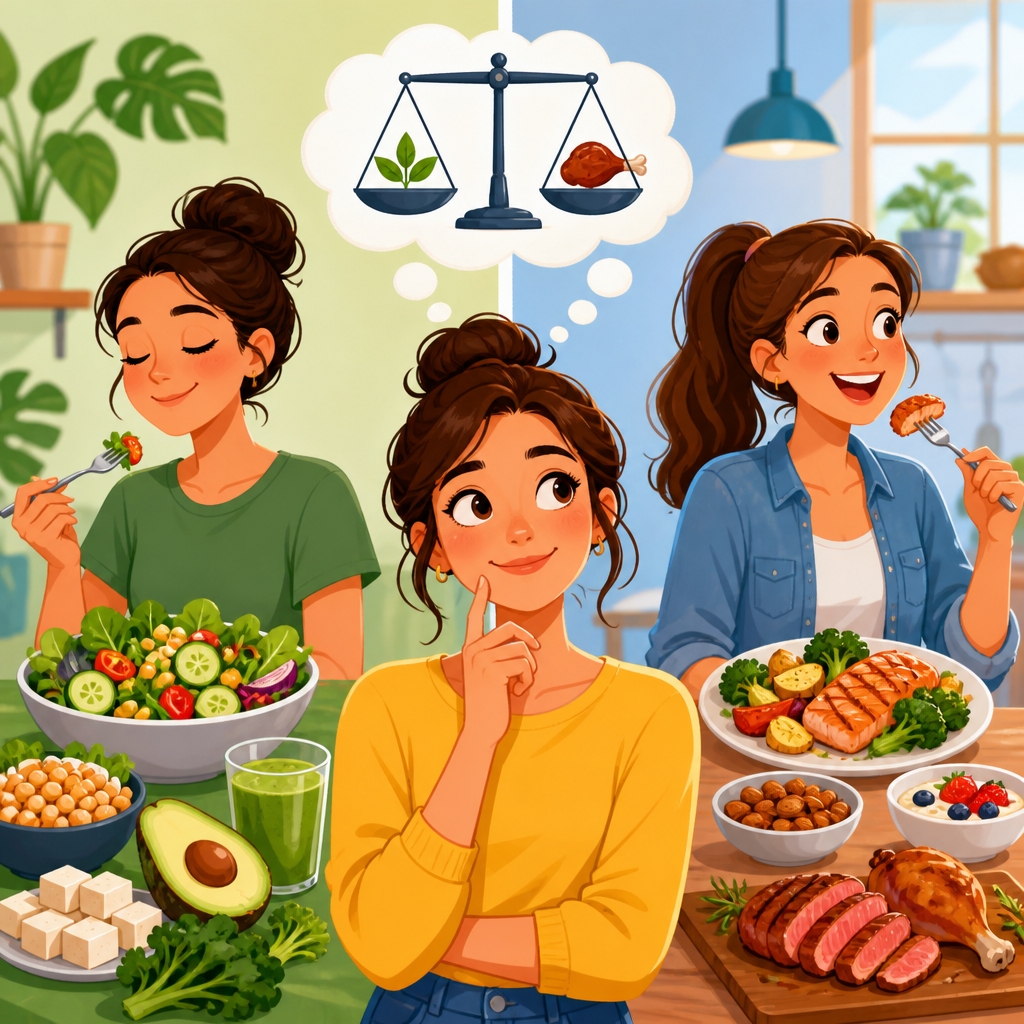
Choosing between a flexitarian diet and a strict vegan diet often comes down to one practical question: which pattern can a person follow consistently for years, not just weeks? In nutrition practice, sustainability means more than environmental impact. It means adherence, adequacy, enjoyment, affordability, and fit with daily life. A diet that looks ideal on paper but collapses under social pressure, cost, or nutrient gaps is rarely the best long-term choice for most people. That is why the comparison between flexitarian and vegan eating matters so much within the wider landscape of plant-based diets.
Plant-based diets are eating patterns built mainly around vegetables, fruit, legumes, whole grains, nuts, seeds, and plant oils. Within that umbrella, vegetarian diets exclude meat but may include dairy or eggs, vegan diets exclude all animal-derived foods, and flexitarian diets emphasize plants while allowing occasional meat, fish, eggs, or dairy. These categories sound simple, but in real life they vary widely. One vegan diet may center on beans, tofu, oats, and greens, while another is driven by refined grains and packaged snack foods. A flexitarian diet can range from mostly vegetarian home cooking to a standard diet with only minor changes.
From years of reviewing food logs and helping clients transition toward more plant-forward eating, I have seen a consistent pattern: people succeed when the diet matches their values and their routine. Someone highly motivated by ethics may find strict veganism easier to maintain than a casual flexitarian plan because the rules are clear and nonnegotiable. But for the average person balancing work, family meals, travel, and budget, a flexitarian structure is often easier to sustain because it lowers friction while still delivering many of the health and environmental benefits associated with plant-based eating.
This article serves as a hub for plant-based diets, covering vegan, vegetarian, and flexitarian approaches in practical terms. It explains definitions, compares adherence, reviews nutrient considerations, and outlines how different patterns work in everyday settings. If you are deciding between approaches, or building content around plant-based diets as a broader lifestyle category, this guide provides the foundation.
What Is the Difference Between Flexitarian, Vegetarian, and Vegan Diets?
The main difference is the degree of animal-food restriction. A vegan diet excludes meat, poultry, fish, dairy, eggs, gelatin, and other animal-derived ingredients. A vegetarian diet excludes meat and fish but may include dairy, eggs, or both, depending on whether it is lacto-vegetarian, ovo-vegetarian, or lacto-ovo vegetarian. A flexitarian diet is primarily plant-based but intentionally flexible. It does not require complete exclusion of animal foods; instead, it reduces them substantially and uses them strategically or occasionally.
That flexibility matters. In counseling settings, definitions shape behavior. Clear rules can simplify decisions, but highly restrictive rules increase the chance that meals become inconvenient, socially isolating, or nutritionally unbalanced without planning. Vegetarian diets often sit in the middle. They preserve access to dairy and eggs, which can make protein intake, calcium intake, and meal planning easier than a strict vegan diet. Flexitarian diets go further on practicality by allowing adaptation across restaurants, holidays, and family preferences.
These diets also differ in motivation. Vegan eating is often driven by ethics, environmental concerns, or health. Vegetarian eating may reflect religious traditions, food preferences, or a desire to reduce meat without giving up all animal foods. Flexitarian eating usually appeals to people who want measurable health benefits without an all-or-nothing identity shift. That distinction helps explain why adherence rates differ in the real world.
Is a Flexitarian Diet Easier to Sustain Than a Strict Vegan Diet?
For most people, yes. A flexitarian diet is generally easier to sustain because it asks for reduction rather than elimination. Behavior change research repeatedly shows that habits are more durable when barriers are lower and choices remain available. When people can eat mostly plants yet still order a dish with eggs while traveling, have yogurt for convenience, or share a family meal that includes fish, the diet fits life better. Better fit usually means better adherence.
Strict veganism can absolutely be sustainable, but it tends to be easier for people with strong intrinsic motivation and a willingness to plan carefully. It requires label reading, attention to hidden ingredients, awareness of vitamin B12 supplementation, and occasional negotiation in social settings. None of that makes vegan eating unworkable; it simply means the system demands more intention. In my experience, clients who thrive on vegan diets often build routines early: staple breakfasts, reliable protein sources, fortified foods, and a shortlist of restaurants and convenience meals.
Flexitarian diets also reduce the “abstinence violation effect,” a well-described behavioral pattern where one deviation from strict rules can trigger the feeling of having failed completely. If a vegan who adopted the diet primarily for health eats a nonvegan meal during a stressful trip, that event may create unnecessary guilt and lead to abandonment. In a flexitarian framework, occasional animal foods are part of the structure, so a single meal does not derail progress.
There is one important caveat: ease does not always equal clarity. Some people do better with firm boundaries than with moderation. If “mostly plant-based” feels too vague, they may drift back into habitual meat-centered eating. Sustainability depends on personality as much as nutrition.
Health Benefits Across Plant-Based Diets
Well-planned plant-based diets are associated with lower intake of saturated fat, higher fiber intake, and greater consumption of potassium, folate, and phytonutrients. Large observational cohorts have linked vegetarian and vegan dietary patterns with lower body mass index, lower rates of ischemic heart disease, and improved markers such as LDL cholesterol when compared with typical Western eating patterns. Flexitarian diets can produce similar benefits when they genuinely replace red and processed meat with legumes, soy foods, whole grains, nuts, and vegetables rather than simply shrinking portions.
The strongest evidence is not that every plant-based label automatically improves health, but that food quality matters. Replacing bacon with lentils is a meaningful shift. Replacing it with fries and refined snack foods is not. A vegan diet built around beans, tofu, tempeh, edamame, oats, berries, leafy greens, and fortified soy milk is nutritionally different from a vegan diet built around pastries, white pasta, and ultra-processed meat alternatives. The same is true of a flexitarian plan. Benefits come from the pattern, not the identity.
One reason flexitarian eating often works well clinically is that it preserves room for strategic animal foods while moving the plate decisively toward plants. Salmon can provide long-chain omega-3 fats, yogurt can support calcium and protein intake, and eggs can improve meal convenience. For many adults, that combination improves nutritional adequacy without preventing meaningful reductions in meat intake.
Nutrient Considerations and Planning Basics
The nutrient question is where sustainability becomes practical. Vegan diets require the most planning because vitamin B12 must be obtained from supplements or reliably fortified foods. This is nonnegotiable. B12 deficiency can cause anemia and neurological damage, and plant foods do not provide dependable active amounts. Depending on food choices, vegans may also need close attention to iron, zinc, calcium, iodine, vitamin D, protein distribution, and omega-3 fats. None of these are impossible to meet, but they require knowledge and consistency.
Vegetarian diets generally make adequacy easier because dairy and eggs contribute protein, calcium, iodine, and B12. Flexitarian diets are usually easiest of all because occasional fish, meat, or dairy can fill nutrient gaps while the base pattern stays plant-forward. However, ease can create complacency. I often see flexitarian eaters underconsume legumes and rely too heavily on cheese or refined carbohydrates. If the goal is a healthy plant-based diet, beans, lentils, tofu, whole grains, nuts, seeds, and vegetables still need to be everyday foods.
| Diet pattern | Main rule | Common nutrient watchpoints | Practical advantage |
|---|---|---|---|
| Vegan | No animal foods | B12, iron, calcium, iodine, zinc, omega-3, vitamin D | Clear structure and strong alignment with ethical goals |
| Vegetarian | No meat or fish; may include eggs or dairy | Iron, zinc, omega-3, sometimes B12 or vitamin D | Broader food choice with easier protein and calcium intake |
| Flexitarian | Mostly plant-based, occasional animal foods | Food quality, fiber, and adequate legume intake | High social flexibility and lower planning burden |
For all three patterns, protein quality is manageable when intake is adequate and varied. The old idea that plant proteins must be combined within a single meal is outdated. What matters is total daily intake and a mix of sources across the day. Soy foods, legumes, whole grains, nuts, and seeds can cover needs effectively.
Real-World Sustainability: Cost, Convenience, and Social Life
The biggest reason people stop a diet is not metabolism; it is logistics. A sustainable eating pattern must survive office lunches, airport terminals, family gatherings, children’s preferences, and weeks when cooking capacity is low. Flexitarian diets usually perform best here because they expand options. In a limited restaurant setting, a flexitarian eater can choose a bean bowl, vegetarian pasta, or grilled fish and vegetables. A vegan eater may have one modified side-dish meal available, or none. Over time, that friction matters.
Cost can cut both ways. Staples such as dried beans, lentils, oats, rice, potatoes, and seasonal produce are among the cheapest nutritious foods in any store, so plant-based eating can be very affordable. But highly specialized vegan products, plant-based cheeses, and convenience meals are often expensive. Flexitarian eaters can lean on budget plant staples most of the time without needing specialty substitutes. Vegetarian diets are similarly economical when based on eggs, yogurt, legumes, and grains.
Social identity also influences sustainability. Some people enjoy the coherence of saying, “I am vegan,” because it clarifies choices and connects them to community. Others feel boxed in by labels and do better with a quieter plant-forward approach. Neither response is wrong. The best diet is the one that can be repeated in ordinary life without constant strain.
How to Choose the Right Plant-Based Diet for Your Goals
If your primary goal is ethical avoidance of animal products, a vegan diet is the logical fit, and sustainability will depend on planning skills rather than flexibility. If your goal is cardiovascular health, weight management, or reducing meat intake without rigid restrictions, a flexitarian diet is often the most practical starting point. If you want a structured plant-based approach but prefer to keep eggs or dairy, vegetarian eating offers a middle path.
A simple decision framework helps. First, identify your nonnegotiables: ethics, convenience, budget, family compatibility, athletic performance, or medical needs. Second, audit your current routine. If you already cook beans, tofu, grains, and vegetables regularly, moving toward vegetarian or vegan eating may be straightforward. If your meals currently revolve around takeout and limited prep time, starting flexitarian usually produces better adherence. Third, define what “plant-based” means on your plate. Aim for meals anchored by legumes or soy, whole grains, vegetables, healthy fats, and fruit, regardless of which label you choose.
As a hub topic, plant-based diets work best when readers understand that vegan, vegetarian, and flexitarian are not competing tribes but tools. Each can be healthy. Each can be unsustainable if poorly planned. The practical question is not which label sounds best, but which pattern helps you eat more plants, meet nutrient needs, and stay consistent month after month.
So, is a flexitarian diet easier to sustain than a strict vegan diet? For the majority of people, the answer is yes, because flexibility lowers barriers and makes daily adherence more realistic. That advantage shows up in restaurants, family settings, travel, budget decisions, and nutrient planning. A strict vegan diet can still be highly sustainable, especially for people with strong ethical motivation, clear routines, and willingness to supplement vitamin B12 and plan meals carefully. Vegetarian diets remain a useful middle ground for many households.
The central lesson across plant-based diets is that sustainability depends on fit and food quality. A healthy pattern is not defined only by what it excludes. It is defined by what it includes consistently: legumes, soy foods, whole grains, vegetables, fruit, nuts, seeds, and minimally processed staples. When those foods become the foundation, all three approaches can support better health than a standard meat-heavy diet. The difference is how much structure, planning, and flexibility you need to keep going.
If you are deciding where to start, begin with the least restrictive pattern you can follow well. Build two or three reliable plant-based breakfasts, several legume-centered lunches, and a short dinner rotation that your household will actually eat. Then adjust upward in restriction only if it serves your values and still feels sustainable. That is how lasting dietary change usually happens: not through perfection, but through a pattern you can live with. Explore the rest of this plant-based diet hub to compare meal plans, nutrient guides, and food lists for vegan, vegetarian, and flexitarian eating.
Frequently Asked Questions
Is a flexitarian diet generally easier to sustain long term than a strict vegan diet?
For many people, yes. A flexitarian diet is often easier to sustain because it allows more flexibility in real-life situations, including family meals, travel, holidays, restaurant dining, and changing schedules. Long-term success with any eating pattern depends on consistency, and consistency usually improves when people do not feel trapped by rigid rules. A flexitarian approach can reduce the all-or-nothing mindset that causes many diets to fail. If someone occasionally eats eggs, dairy, fish, or meat in a thoughtful way, that does not automatically mean they have abandoned healthy eating. In many cases, that flexibility helps them stay committed to eating more plant foods over the course of months and years.
That said, “easier to sustain” does not mean “better for everyone.” Some people find a strict vegan framework simpler because the rules are clear and the ethical motivation is strong. A person who is deeply committed to vegan values may actually find strict vegan eating easier to maintain than a more moderate plan because there is less internal negotiation. The key point is that sustainability depends on personal fit. For the average person focused mainly on health, convenience, cost, and social practicality, a flexitarian diet often has fewer barriers and therefore a higher chance of lasting over time.
What makes a diet sustainable beyond just willpower?
Diet sustainability is much broader than motivation. In practice, it includes whether a person can meet nutrient needs reliably, enjoy the food, afford the groceries, manage the preparation time, navigate social situations, and keep the pattern going without feeling deprived. A diet may look excellent nutritionally on paper, but if it requires constant planning, specialty products, or repeated explanations in social settings, it can become tiring. Over time, friction matters. Small daily obstacles often determine whether someone sticks with a way of eating far more than short bursts of enthusiasm do.
Another important factor is dietary adequacy. A sustainable diet should provide enough protein, iron, calcium, omega-3 fats, vitamin B12, and other key nutrients without creating unnecessary stress. A strict vegan diet can absolutely be nutritionally adequate when well planned, but it usually requires greater attention to food choices and supplementation, especially for vitamin B12. A flexitarian diet may make adequacy easier for some people because small amounts of animal foods can help fill common gaps while still keeping the overall pattern heavily plant-based. Sustainability also includes emotional ease. If a person feels guilty, isolated, or constantly tempted, even a healthy plan can become difficult to maintain. The best long-term diet is the one that supports health while fitting naturally into daily life.
Can a strict vegan diet be healthy and sustainable if someone is committed to it?
Yes, a strict vegan diet can be both healthy and sustainable when it is carefully planned and supported by strong personal commitment. Many people follow a vegan diet successfully for years and maintain excellent health outcomes. A well-designed vegan pattern can emphasize legumes, soy foods, whole grains, vegetables, fruits, nuts, seeds, and fortified foods, all of which contribute fiber, antioxidants, and beneficial plant compounds. When a person enjoys these foods, understands meal planning, and has access to suitable grocery options, vegan eating can be highly workable.
However, sustainability usually depends on preparation and intention. A strict vegan diet often requires more awareness of nutrients such as vitamin B12, iron, zinc, iodine, calcium, vitamin D, protein quality, and omega-3 fats. In most cases, vitamin B12 supplementation is essential, not optional. Some people are comfortable with this level of planning and feel it is a worthwhile tradeoff. Others may struggle with food variety, convenience, or social limitations and eventually abandon the diet. So the answer is not that vegan diets are inherently unsustainable; rather, they tend to demand more structure and commitment. For someone who is motivated by ethics, environmental concerns, or a strong preference for plant-only eating, that effort may feel completely manageable and even empowering.
How do social life, convenience, and cost affect whether flexitarian or vegan eating is easier to maintain?
These practical factors have a major impact. Social life is one of the most underestimated influences on diet adherence. A flexitarian eater can usually participate in more situations with less stress, whether that means eating at a friend’s house, attending a work event, ordering from a limited menu, or sharing meals with family members who eat differently. Because a flexitarian pattern allows plant-forward eating without requiring perfect avoidance of animal products, it often reduces social friction. That lower friction can make it much easier to stay on track over the long run.
Convenience also matters. Strict vegan eating has become easier than it once was, but it still may require more label reading, more planning ahead, and more attention to hidden ingredients, especially in packaged foods and restaurant meals. In some areas, vegan options are abundant and affordable. In others, they are limited or expensive. A flexitarian pattern can be more adaptable because it does not depend as heavily on specialty items or ideal circumstances. Cost can vary either way, but both diets can be budget-friendly when built around staple foods like beans, lentils, oats, rice, potatoes, frozen vegetables, and seasonal produce. The difference is that a flexitarian eater often has more backup options if plant-only choices are unavailable. That added convenience can make a meaningful difference in long-term adherence.
If someone wants the health benefits of plant-based eating without making the diet too hard to follow, what is the best approach?
For many people, the most practical strategy is to build a predominantly plant-based diet without insisting on perfection. That means making vegetables, fruits, beans, lentils, tofu, whole grains, nuts, and seeds the foundation of most meals, while leaving room for modest amounts of animal foods if they improve satisfaction, convenience, or nutrient adequacy. This approach captures many of the health advantages associated with plant-forward eating, including higher fiber intake, lower intake of heavily processed foods, and better support for heart and metabolic health, while avoiding the sense of restriction that can derail long-term consistency.
A useful way to think about it is progress over purity. Someone does not need to become strictly vegan overnight to eat meaningfully better. Even shifting a large share of meals toward plants can have real benefits. For example, a person might adopt meatless breakfasts and lunches, use beans or tofu several nights per week, and include small amounts of fish, yogurt, or eggs when desired. That kind of structure is often easier to repeat indefinitely. The most effective diet is rarely the most extreme one; it is the one a person can enjoy, afford, and maintain while meeting nutritional needs. In that sense, a flexible plant-based pattern is often the strongest option for people seeking both health and staying power.