Choosing the best sources of ketogenic and low-carb diets for optimal health starts with understanding that not all low-carbohydrate eating patterns are the same, and the quality of food matters as much as the carb count. In practice, I have seen people improve blood sugar control, reduce appetite, and simplify meal planning on these diets, but I have also seen poor results when the plan leaned too heavily on processed meats, butter coffee, and “keto” snack products. A ketogenic diet usually limits carbohydrate intake enough to produce nutritional ketosis, a metabolic state in which the liver generates ketone bodies for fuel. A low-carb diet is broader and may reduce carbohydrates without reaching ketosis. Both approaches can support weight management, glycemic control, and triglyceride reduction when built around nutrient-dense foods. This topic matters because millions of adults are trying to lower refined carbohydrate intake while avoiding confusion, nutrient gaps, and unsustainable rules. The best ketogenic and low-carb diet sources are whole foods that deliver protein, fiber, healthy fats, vitamins, minerals, and a realistic path for long-term adherence.
What a Ketogenic or Low-Carb Diet Actually Includes
A ketogenic diet typically provides about 20 to 50 grams of net carbohydrates per day, though exact thresholds vary by activity level, insulin sensitivity, and total energy intake. Net carbohydrates usually mean total carbohydrates minus fiber, because fiber does not raise blood glucose the same way digestible starch and sugars do. A low-carb diet is less restrictive and often ranges from 50 to 130 grams of carbohydrates daily. The main difference is metabolic: ketogenic eating aims to maintain ketosis, while low-carb eating focuses more generally on reducing glucose spikes and lowering overall carbohydrate exposure.
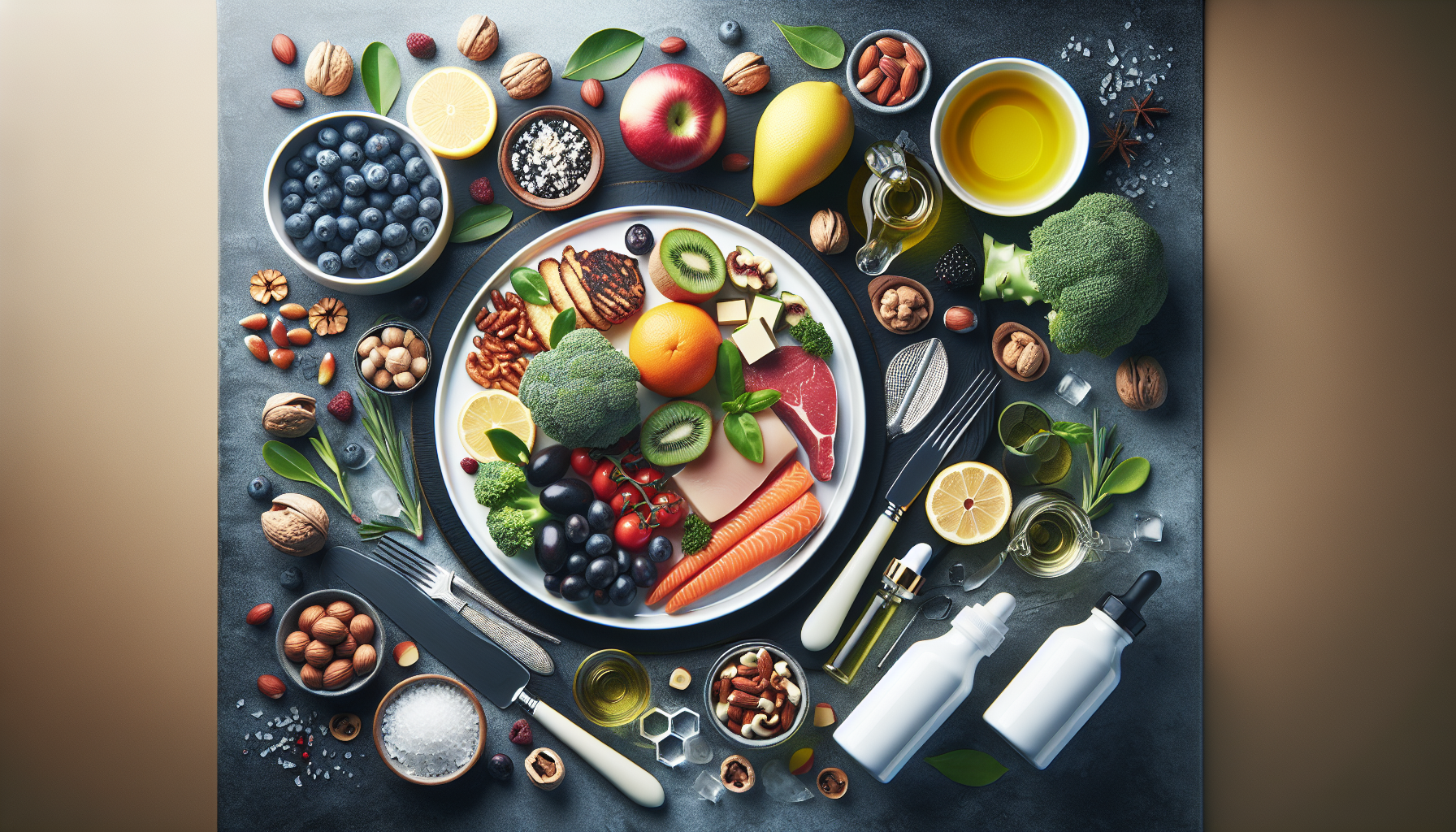
The strongest versions of these diets are food-first, not product-first. That means meat, fish, eggs, full-fat unsweetened dairy if tolerated, nonstarchy vegetables, nuts, seeds, olives, avocado, and minimally processed fats such as extra-virgin olive oil form the base. Lower-sugar fruit, especially berries, may fit better in a low-carb pattern than in a stricter ketogenic one. Legumes and whole grains can be limited or excluded depending on carb tolerance and goals. This is where many people go wrong: they focus only on eliminating bread, pasta, and sugar, but do not replace them with foods that provide enough protein, potassium, magnesium, and fiber.
It is also important to separate therapeutic ketogenic diets from mainstream weight-loss versions. Clinical ketogenic diets have long been used in epilepsy care and are often medically supervised. In everyday nutrition counseling, however, the goal is usually practical carbohydrate restriction with adequate nutrition, not maximal ketone levels. For most adults, the healthiest version is one that controls carbohydrate intake while emphasizing unsaturated fats, diverse vegetables, and sufficient protein.
The Best Protein Sources for Ketogenic and Low-Carb Diets
Protein is the anchor of a well-designed ketogenic or low-carb diet because it supports muscle maintenance, satiety, immune function, and recovery. The best sources are minimally processed and rich in micronutrients. Eggs are one of the most efficient options, supplying high-quality protein, choline, selenium, and vitamin B12. Fish and seafood are especially valuable. Salmon, sardines, mackerel, trout, herring, and anchovies provide protein plus omega-3 fatty acids, which are associated with lower triglycerides and cardiovascular support. In my experience, people who include fatty fish two to three times per week tend to build a more balanced low-carb pattern than those who rely mostly on bacon and cheese.
Poultry, lean beef, lamb, pork, and game meats can all fit. The priority is not rigidly choosing only lean cuts or only fatty cuts, but building variety and keeping portions in line with energy needs. Organ meats deserve mention because liver is dense in vitamin A, folate, iron, and copper, though it should be eaten in moderation due to its vitamin A concentration. Greek yogurt, cottage cheese, skyr, and aged cheeses can work for those who tolerate dairy, but unsweetened versions are essential because flavored products often contain more sugar than expected.
Processed meat should stay in the supporting role rather than becoming the foundation. Sausage, deli meats, jerky, pepperoni, and bacon are convenient, but frequent use can push sodium intake very high and crowd out fresher foods. Better default choices include grilled chicken thighs, canned tuna packed in olive oil, baked salmon, boiled eggs, tofu, tempeh, and plain high-protein yogurt. Plant proteins can also work well, particularly tofu, tempeh, edamame in moderate portions, hemp hearts, and pumpkin seeds, though very strict ketogenic plans may need to watch total carbohydrate content carefully.
The Best Fat Sources: Quality Matters More Than Internet Trends
Many people hear “keto” and assume the goal is to add as much fat as possible. That is inaccurate. The best fat sources in ketogenic and low-carb diets are those linked with nutrient density and cardiometabolic health, not simply those that help hit a macro target. Extra-virgin olive oil is one of the strongest choices because it provides monounsaturated fats and polyphenols, and it has a consistent evidence base in Mediterranean-style eating patterns. Avocados and olives offer potassium, fiber, and favorable fats. Nuts and seeds, especially walnuts, almonds, chia, flax, pecans, and macadamias, add texture and minerals while helping with satiety.
Fatty fish belong in this category as well because they combine protein with EPA and DHA. Dairy fats such as butter, cream, and cheese can fit, but they should not dominate. Coconut, coconut milk, and coconut oil are popular in ketogenic circles because of their medium-chain triglycerides, which are more readily converted to ketones, yet they are still high in saturated fat. MCT oil can raise ketone levels and may help some people transition into ketosis, but it is a tool, not a requirement, and it commonly causes digestive upset when introduced too quickly.
What I recommend most often is simple: build meals around olive oil, avocado, nuts, seeds, egg yolks, and seafood first; then use butter, cream, and coconut products more selectively. This approach usually improves the overall fatty acid profile without making the diet feel restrictive. It also helps answer a common question directly: yes, you can do keto or low-carb without loading every meal with saturated fat.
The Best Low-Carb Carbohydrate Sources for Fiber and Micronutrients
Even on a ketogenic diet, some carbohydrate-containing foods are worth protecting because they carry fiber, potassium, folate, vitamin C, and phytonutrients. Nonstarchy vegetables are the core source. Leafy greens, broccoli, cauliflower, zucchini, mushrooms, peppers, asparagus, cabbage, Brussels sprouts, cucumbers, celery, green beans, and eggplant all provide volume with relatively low digestible carbohydrate. Cauliflower rice, zucchini noodles, roasted broccoli, and cabbage stir-fries make practical substitutions that do not feel like deprivation when seasoned well.
Berries are usually the most useful fruit category because they offer fiber and antioxidants with less sugar than tropical fruits, grapes, or dried fruit. Raspberries and blackberries are especially lower in net carbs. In low-carb diets that are not strictly ketogenic, small portions of lentils, chickpeas, steel-cut oats, or quinoa may fit depending on glucose response and activity level. The key is context: a sedentary person with type 2 diabetes may need a much tighter carb ceiling than an endurance athlete using a lower-carb framework mainly for appetite control.
Fiber deserves special attention because constipation is one of the most common problems when people switch to keto. The cause is usually not ketosis itself but inadequate vegetables, seeds, hydration, and electrolytes. Chia seeds, ground flaxseed, avocado, artichokes, leafy greens, and psyllium husk can all help. When these foods are built in deliberately, ketogenic and low-carb diets become easier to sustain and less likely to create avoidable side effects.
Best Food Sources by Goal
Different health goals call for different food emphasis within the same overall pattern. The best sources for weight loss are protein-forward foods and high-volume vegetables because they improve fullness per calorie. The best sources for blood sugar management are foods with low glycemic impact, especially eggs, fish, meat, tofu, leafy greens, cruciferous vegetables, and unsweetened dairy. The best sources for athletic recovery include adequate protein plus strategically timed carbohydrates, which is why some active people do better on low-carb than strict ketogenic intake. The best sources for heart-conscious low-carb eating are fish, olive oil, nuts, seeds, avocado, and fiber-rich vegetables.
| Goal | Best Food Sources | Why They Work |
|---|---|---|
| Weight management | Eggs, Greek yogurt, chicken, salmon, leafy greens, cauliflower, chia | High satiety, controlled calories, steady energy |
| Blood sugar control | Fish, tofu, beef, broccoli, zucchini, avocado, olive oil | Low glycemic load, fewer glucose spikes |
| Heart support | Sardines, salmon, walnuts, almonds, olive oil, flax, olives | More unsaturated fat, omega-3s, and fiber |
| Convenience | Boiled eggs, canned tuna, rotisserie chicken, cottage cheese, nuts | Easy adherence during busy weeks |
This kind of food selection matters more than chasing ketone meter readings. Nutritional ketosis can be useful, but health outcomes are usually driven by consistency, food quality, energy balance, and whether the plan fits real life.
Common Mistakes When Choosing Keto and Low-Carb Foods
The most common mistake is treating carbohydrate restriction as permission to ignore food quality. I regularly see meal patterns built from bacon, cream cheese, “keto” cookies, processed bars, and butter-laden coffee. These foods may keep carbs low, but they often provide too little protein, too little fiber, and too few vitamins and minerals. Another mistake is under-eating electrolytes. Lower insulin levels can increase sodium excretion, especially early on, which is one reason people report headaches, fatigue, and dizziness during the transition. Broth, mineral-rich foods, and thoughtful sodium intake often help, particularly alongside potassium-rich vegetables and magnesium from nuts, seeds, and leafy greens.
People also underestimate hidden carbohydrates. Sauces, spice blends, flavored yogurts, salad dressings, and coffee drinks can add up quickly. Reading labels is not optional. At the same time, some people become so focused on avoiding every gram of carbohydrate that they cut out vegetables and create an unnecessarily narrow diet. That usually backfires. The healthier strategy is to spend carbohydrate “budget” on foods with clear nutritional value rather than on sweets marketed with low-net-carb claims.
Finally, not everyone benefits equally from a ketogenic diet. Pregnant or breastfeeding women, people with a history of disordered eating, individuals taking insulin or sulfonylureas, and anyone with kidney, liver, or pancreatic disease should use caution and seek personalized medical guidance. There is no single best carbohydrate level for everyone.
How to Build a Sustainable Ketogenic or Low-Carb Eating Pattern
A practical template works better than a rigid menu. Start each meal with a protein source roughly the size appropriate for your needs, then add two servings of nonstarchy vegetables, then include a purposeful fat source. For example, salmon with roasted asparagus and olive oil-dressed greens; chicken thighs with cauliflower mash and sautéed cabbage; tofu with broccoli, mushrooms, sesame seeds, and avocado; or eggs with spinach, feta, and a side of berries if your carb target allows. These meals are straightforward, portable, and nutritionally complete enough to repeat.
Meal planning also improves adherence. Keep staples on hand: eggs, canned fish, frozen vegetables, plain yogurt, rotisserie chicken, olive oil, nuts, seeds, avocados, and prewashed greens. Use objective feedback. If your goal is blood sugar control, monitor fasting glucose or post-meal response with a clinician’s guidance. If your goal is weight management, track hunger, energy, waist circumference, and protein intake rather than obsessing only over ketone strips. In long-term use, the best ketogenic and low-carb diet is the one that improves biomarkers, preserves lean mass, supports digestion, and remains enjoyable enough to continue.
Choosing the best sources of ketogenic and low-carb diets for optimal health comes down to a simple principle: prioritize whole-food proteins, unsaturated fats, fiber-rich vegetables, and minimally processed staples over novelty products and extreme rules. Ketogenic and low-carb diets can be effective tools for weight management, blood sugar control, and appetite regulation, but their success depends on food quality, adequate micronutrients, and a realistic structure you can maintain. Focus first on eggs, seafood, poultry, meat, tofu, olive oil, avocado, nuts, seeds, leafy greens, cruciferous vegetables, and unsweetened dairy if tolerated. Use processed meats, butter-heavy drinks, and packaged keto snacks sparingly. Match carbohydrate restriction to your health status, preferences, and daily demands rather than forcing a one-size-fits-all plan. If you are building out your approach to dietary lifestyles and special diets, start by reviewing your current staples, upgrade the weakest ones, and create a low-carb plate that supports your health for the long term.
Frequently Asked Questions
1. What are the healthiest food sources to prioritize on a ketogenic or low-carb diet?
The healthiest ketogenic and low-carb diets are built around whole, minimally processed foods rather than simply choosing anything labeled “low carb” or “keto.” In most cases, the best foundation includes non-starchy vegetables, high-quality protein, healthy fats, and nutrient-dense whole foods that support long-term metabolic health. Examples include leafy greens, broccoli, cauliflower, zucchini, peppers, mushrooms, eggs, fish, shellfish, poultry, plain Greek yogurt if tolerated, olive oil, avocado, nuts, seeds, and modest amounts of cheese. These foods provide not only lower carbohydrate intake, but also fiber, vitamins, minerals, and a better overall nutrient profile than many packaged alternatives.
Fat quality matters just as much as carbohydrate quantity. A strong low-carb pattern usually emphasizes unsaturated fats from foods like extra-virgin olive oil, olives, avocados, nuts, seeds, and fatty fish such as salmon or sardines. These choices tend to support heart health better than relying heavily on processed meats, deep-fried foods, and large amounts of butter added to everything. Saturated fat is not automatically forbidden, but it should not dominate the diet at the expense of more protective fat sources. In practice, the most effective plan is often one that includes a variety of proteins and fats rather than leaning on bacon, sausage, and “fat bombs” as staple foods.
It is also important to think beyond macros and ask whether a food contributes to overall health. For example, an avocado with salmon and greens is very different from a meal of processed deli meat and a keto dessert bar, even if both are technically low in carbs. The best sources for a sustainable ketogenic or low-carb diet are foods that improve satiety, help stabilize blood sugar, and still provide strong nutritional value over time.
2. How do I tell the difference between a high-quality low-carb diet and a poor-quality one?
A high-quality low-carb or ketogenic diet is defined by food quality, nutrient density, and sustainability, not just by how low the carbohydrate number goes. A well-structured version typically includes plenty of non-starchy vegetables, adequate protein, healthy fats, and enough variety to cover essential nutrients. It also tends to reduce blood sugar spikes, control hunger, and make meals simpler without creating dependence on ultra-processed convenience products. People often feel better on this type of plan because it supports stable energy and easier appetite regulation while still being based on recognizable foods.
By contrast, a poor-quality low-carb diet often revolves around processed meats, cheese-heavy meals, butter coffee, sugar alcohol-laden snacks, and products marketed as “keto” replacements for every meal. These approaches can keep carb counts low on paper, but they may fall short in fiber, potassium, magnesium, and overall micronutrient intake. They may also lead to digestive issues, increased cravings, or poor lipid responses in some individuals. If the diet contains very few vegetables, very little seafood, and almost no whole-food fat sources, it may technically qualify as low carb while still being nutritionally weak.
A useful test is to look at your plate. If most meals are built from protein, colorful vegetables, and quality fats, that is generally a good sign. If most meals come from wrappers, drive-thrus, and coffee blended with fat instead of real food, the quality is probably low. The best low-carb diets are not about finding ways to avoid whole foods; they are about choosing the most nourishing foods within a lower-carbohydrate framework.
3. Is a ketogenic diet always better than a standard low-carb diet for optimal health?
No, a ketogenic diet is not automatically better for everyone. A ketogenic diet usually limits carbohydrates enough to produce ketosis, while a standard low-carb diet is often more flexible and may allow a greater intake of vegetables, berries, legumes in some cases, or dairy without pushing carbohydrate intake extremely low. For certain people, ketosis can be helpful for blood sugar control, appetite reduction, or specific medical uses under professional supervision. However, many people achieve excellent results with a more moderate low-carb approach that is easier to maintain long term.
The best option depends on your health status, goals, preferences, and response to different carbohydrate levels. Someone with significant insulin resistance or type 2 diabetes may benefit from a stricter carbohydrate reduction, especially at first. Another person may feel and perform better with a less restrictive low-carb plan that still removes refined grains, sugary drinks, sweets, and highly processed foods. Optimal health is not always about reaching the lowest carb level possible; it is about finding the intake range that improves markers like blood sugar, hunger control, energy, body composition, and diet quality without making the diet unnecessarily difficult.
Sustainability matters. If a ketogenic diet causes you to become overly restrictive, avoid nutrient-rich foods you could otherwise tolerate, or rely too heavily on packaged keto products, it may not be the best long-term fit. A standard low-carb plan that includes whole foods and is easier to follow consistently can outperform a stricter plan that is abandoned quickly. In other words, the best diet is often the one that delivers measurable benefits while still being realistic and nutritionally sound.
4. Are processed meats and packaged keto products good sources of food on a low-carb diet?
They can fit occasionally, but they should not be the backbone of a healthy ketogenic or low-carb diet. Processed meats such as bacon, sausage, hot dogs, and deli meats are convenient and low in carbohydrates, but they are often high in sodium, preservatives, and lower-quality fats. Some also contain added sugars or fillers. While they can be used strategically and in moderation, relying on them daily can crowd out more nutritious protein sources like eggs, fish, chicken, turkey, plain beef, tofu, tempeh, or minimally processed dairy.
The same caution applies to packaged keto products. Many bars, cookies, breads, and snacks are engineered to be low in net carbs, but that does not make them ideal health foods. They often contain refined oils, isolated fibers, sugar alcohols, gums, artificial sweeteners, or ingredients that may cause bloating or maintain a strong preference for hyper-palatable snack foods. For some people, these products make adherence easier in the short term. For others, they slow progress by encouraging frequent snacking and making the diet feel more like processed-food dieting in a different form.
A better strategy is to treat processed low-carb foods as occasional tools, not core staples. Whole-food options such as hard-boiled eggs, tuna, olives, cottage cheese, cucumber with dip, nuts, or leftover chicken are usually more filling and nutritionally stronger. If you do use packaged products, read ingredient labels carefully and ask whether the item is truly supporting your health goals or simply helping you recreate old habits with a keto label attached.
5. What should I look for when choosing the best ketogenic or low-carb diet plan for blood sugar, weight management, and long-term health?
Start by choosing a plan that emphasizes blood sugar stability and satiety through whole-food meals. That usually means centering meals around protein first, then adding non-starchy vegetables and healthy fats. Protein is especially important because it helps preserve lean mass, improves fullness, and can make the diet much easier to maintain. A practical meal might include salmon with roasted vegetables and olive oil, eggs with sautéed spinach and avocado, or grilled chicken over a large salad with nuts and a simple dressing. These types of meals tend to work better than plans built around coffee with added fat in the morning and snack products later in the day.
You should also look for nutrient density, not just carb restriction. A strong plan includes foods rich in potassium, magnesium, omega-3 fats, and fiber, all of which can be harder to obtain if the diet is too narrow. Vegetables, seeds, nuts, avocado, seafood, and fermented dairy can all play valuable roles depending on your tolerance and goals. Hydration, electrolytes, sleep, and meal regularity also matter more than many people realize, especially during the first few weeks of carbohydrate reduction.
Finally, choose a plan you can realistically follow and monitor. The best low-carb or ketogenic diet is one that produces improvements in objective and subjective markers: blood sugar readings, triglycerides, hunger levels, waist circumference, energy, and consistency. If a plan lowers carbs but leaves you fatigued, constipated, socially isolated, or dependent on highly processed foods, it likely needs adjustment. When possible, work with a qualified healthcare professional, especially if you have diabetes, take blood sugar or blood pressure medications, or have a history of kidney, liver, or cardiovascular concerns. The goal is not just to be low carb; the goal is to be healthier in a way that lasts.