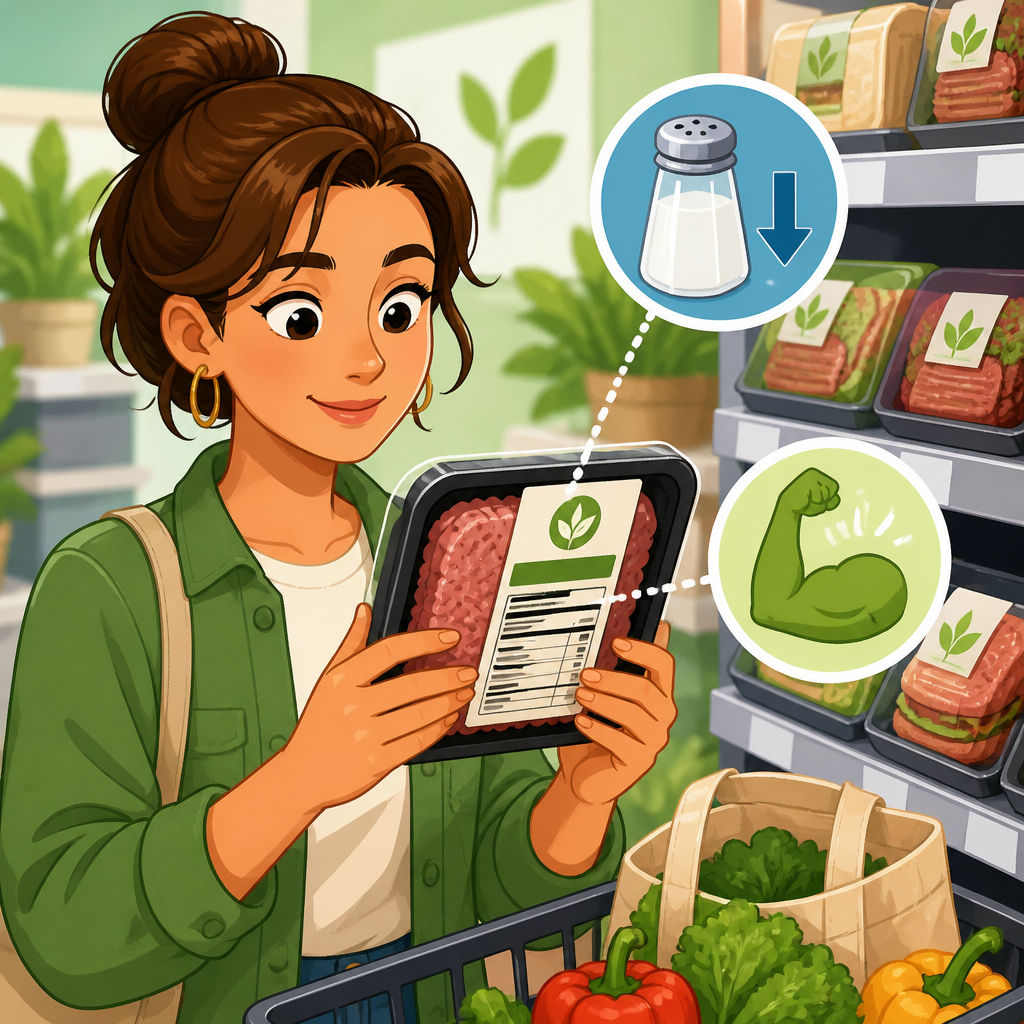
Plant-based diets now shape mainstream grocery shelves, restaurant menus, and clinical nutrition conversations, yet many shoppers still struggle to compare products quickly and accurately. A package may promise “meatless,” “vegan,” or “high protein,” but the nutrition label often tells a more complicated story, especially when sodium and protein quality vary widely between brands. Learning how to read plant-based meat labels for sodium and protein matters because these two numbers heavily influence satiety, blood pressure risk, workout recovery, and the overall nutritional value of a meal.
In practice, I have found that people new to vegan, vegetarian, and flexitarian eating usually focus on a front-of-pack claim first and the Nutrition Facts panel second. That order often leads to poor choices. Some burgers deliver 20 grams of protein with moderate sodium, while others contain half the protein and nearly an entire meal’s worth of salt. The term plant-based diet describes eating patterns centered on foods from plants, including beans, lentils, grains, nuts, seeds, fruits, and vegetables. Vegan diets exclude all animal products, vegetarian diets vary but generally omit meat, and flexitarian diets emphasize plants while allowing occasional animal foods.
Plant-based meat refers to products designed to mimic the taste, texture, appearance, or cooking behavior of conventional meat using ingredients such as soy protein, pea protein, wheat gluten, mushroom blends, oils, flavor systems, and colorants. These products can help people transition away from animal meat, but they are not nutritionally identical to whole plant foods or to each other. Sodium is the mineral measured on labels in milligrams, and too much can contribute to high blood pressure in susceptible people. Protein is measured in grams and supports muscle maintenance, immune function, and fullness after meals. Reading both together gives a more complete picture than looking at either alone.
This article serves as a hub for plant-based diets within a broader dietary lifestyles and special diets framework. It covers the label-reading skills that help across vegan, vegetarian, and flexitarian eating, while also pointing to the bigger picture: ingredient quality, processing level, amino acid completeness, meal balance, and smart product comparison. If you want a clear system for choosing plant-based meats that fit your health goals without sacrificing convenience, start with the label and use the methods below every time you shop.
Why sodium and protein deserve top billing on plant-based meat labels
Sodium and protein are the fastest way to separate a useful staple from a heavily marketed compromise. Protein matters because many shoppers use plant-based meat specifically to replace animal protein at lunch or dinner. If a serving provides only 6 to 9 grams of protein, it may not adequately stand in for a chicken breast, turkey burger, or portion of tofu unless the rest of the meal supplies additional protein. A stronger target for many adults is at least 15 to 20 grams of protein per serving when the product is intended as the main protein in a meal, though individual needs depend on body size, age, activity, and medical guidance.
Sodium deserves equal attention because plant-based meats often rely on salt for flavor, preservation, and the savory impact consumers expect from sausage, deli slices, nuggets, and burgers. The Dietary Guidelines for Americans recommend limiting sodium to less than 2,300 milligrams per day for most adults. One plant-based sausage serving can contain 500 to 700 milligrams, and a sandwich built with bread, condiments, and cheese alternatives can push the meal much higher. If someone is following a vegan or vegetarian diet for heart health, overlooking sodium can cancel part of that intended benefit.
The key is ratio, not just raw numbers. I routinely compare sodium and protein side by side because a product with 18 grams of protein and 320 milligrams of sodium is usually a stronger choice than one with 10 grams of protein and 620 milligrams of sodium. High sodium is not automatically disqualifying, especially if the rest of the day is low in salt, but the label should justify the tradeoff with meaningful protein and overall meal utility.
How to read the Nutrition Facts panel step by step
Start with serving size. Many label-reading mistakes happen because shoppers compare one brand’s single patty to another brand’s two links or three slices. Standardizing by serving and by 100 grams, when available, gives a fair comparison. Next, look at calories to understand density, but do not stop there. A lower-calorie option is not necessarily better if it also cuts protein sharply or relies on refined starch. Then find protein in grams and sodium in milligrams. These are your decision anchors.
After those two values, check saturated fat, fiber, and total carbohydrate. Coconut oil is common in some plant-based meats and can raise saturated fat significantly. Fiber is often modest in these products despite their plant origin, so a burger with 3 to 5 grams is generally preferable to one with none. Total carbohydrate helps explain whether the item is built mainly from protein isolates or padded with starches. Finally, read the ingredient list to identify the primary protein source and estimate how processed the product is. Ingredients are listed by weight, so if water and oils appear first and protein sources appear later, the food may be less protein-dense than the front label implies.
Daily Value percentages can help, but absolute numbers are more practical for comparison. Protein needs are personal, and sodium limits vary for people with hypertension, kidney disease, or heavy sweat losses from endurance training. Use the panel to compare within the same category: burger to burger, sausage to sausage, deli slice to deli slice. That habit gives more useful results than comparing unlike products.
What sodium numbers on labels actually mean in real meals
A practical way to judge sodium is to classify products into rough ranges. Under 300 milligrams per serving is relatively moderate for plant-based meat. Between 300 and 500 milligrams is common and workable if the rest of the meal is built carefully. Above 500 milligrams deserves scrutiny, especially for people managing blood pressure. Above 700 milligrams is high enough that I treat the item as an occasional convenience food unless there is a specific culinary reason to use it sparingly.
Context matters. A 380-milligram burger on a whole grain bun with no-salt-added beans, tomato, lettuce, and mustard can still fit a balanced plan. A 380-milligram burger with salty fries, pickles, ketchup, vegan cheese, and a packaged soup becomes a high-sodium meal quickly. This is why label reading should extend beyond the meat substitute itself. The same logic applies across vegan, vegetarian, and flexitarian eating patterns: the meal pattern drives the health outcome more than any single food claim.
Watch for hidden sodium terms in ingredients, including sea salt, sodium phosphate, baking soda, sodium citrate, miso, tamari, soy sauce, yeast extract blends, and flavor concentrates. These ingredients are not inherently bad, but they explain why products that seem wholesome can still contain substantial sodium. If you regularly eat plant-based deli slices, meatless breakfast patties, or frozen entrées, sodium can accumulate fast even when each item appears moderate on its own.
How to judge protein quantity and protein quality
Protein quantity is straightforward: check grams per serving. Protein quality requires more thought. Soy protein is a complete protein, meaning it contains all nine essential amino acids in adequate amounts. Pea protein is strong in several amino acids but lower in methionine, though in mixed diets this is rarely a major problem. Wheat gluten provides concentrated protein but is unsuitable for people with celiac disease or non-celiac gluten sensitivity. Mycoprotein, made from fungal fermentation, also offers a favorable protein profile and can contribute fiber.
For a main dish, I generally consider 15 grams of protein a reasonable baseline and 20 grams or more a strong result. Below that level, I plan the meal differently by adding beans, edamame, lentil pasta, quinoa, or a fortified soy yogurt on the side. Older adults often benefit from higher protein per meal to support muscle maintenance, and athletes usually need even more total daily protein distributed across meals. In those cases, label literacy becomes especially important.
Do not assume a plant-based meat with the highest protein is automatically healthiest. Some products reach impressive protein levels by using isolates and added sodium while offering little fiber and significant saturated fat. The best choice usually combines solid protein, controlled sodium, moderate saturated fat, and a recognizable protein source.
Comparing common plant-based meat formats
Different formats come with different nutritional patterns. Burgers often provide the best protein-to-serving ratio, especially soy- or pea-based versions. Sausages frequently run higher in sodium because they depend heavily on seasoning. Deli slices can be surprisingly salty despite lower calorie counts. Crumbles vary widely, with some excellent options that deliver lean protein and manageable sodium, especially when sold plain rather than pre-seasoned. Breaded nuggets and tenders tend to dilute protein density because coating adds starch and sodium.
| Product format | Typical protein per serving | Typical sodium per serving | What to watch |
|---|---|---|---|
| Burgers | 15 to 22 g | 280 to 500 mg | Saturated fat from coconut oil |
| Sausages | 12 to 18 g | 450 to 700 mg | High sodium from seasoning blends |
| Deli slices | 10 to 16 g | 400 to 650 mg | Small serving sizes can mislead |
| Crumbles | 12 to 20 g | 220 to 450 mg | Check if plain or pre-seasoned |
| Nuggets or tenders | 8 to 14 g | 350 to 600 mg | Breading lowers protein density |
These ranges are not fixed rules, but they reflect what I see repeatedly across major grocery brands. Once you know the category pattern, you can identify outliers quickly and decide whether the convenience is worth the nutritional tradeoff.
Ingredient list clues that reveal more than the front label
The ingredient list often tells you whether a product is built around a meaningful protein source or around texture engineering. Look for soy protein isolate, soy protein concentrate, textured vegetable protein, pea protein, fava bean protein, wheat gluten, or mycoprotein near the top of the list. Those indicate where the protein is coming from. Then assess supporting ingredients such as canola oil, sunflower oil, coconut oil, methylcellulose, natural flavors, beet juice color, iron, vitamin B12, zinc, and starches.
Fortification deserves attention, especially in vegan diets. Some plant-based meats add iron, vitamin B12, and zinc, nutrients that can require extra planning in fully animal-free eating patterns. That can be a real advantage. However, fortification should not distract from sodium or protein weaknesses. A product can be fortified and still be a poor daily choice if it delivers excessive salt and minimal protein.
Also note allergen and dietary fit issues. Soy and wheat are common. For vegetarian and flexitarian eaters, some products include egg white, milk derivatives, or cheese flavorings even if they appear mostly plant-based. The ingredient list is the only reliable place to confirm whether a product is fully vegan.
Using labels within vegan, vegetarian, and flexitarian meal planning
For vegans, plant-based meats can be useful for convenience, familiar flavors, and targeted protein intake, but they should complement rather than replace core foods like beans, tofu, tempeh, lentils, whole grains, nuts, and seeds. For vegetarians, the same label-reading approach helps decide when a meat alternative offers more value than eggs, Greek yogurt, cottage cheese, or cheese paired with legumes. For flexitarians, labels make it easier to compare a plant burger not only against another plant burger, but against lean poultry, fish, or bean-based homemade patties.
I usually recommend thinking in weekly patterns, not single purchases. If breakfast already includes savory meatless patties, lunch uses deli slices, and dinner relies on vegan sausage, sodium can become the dominant issue. Rotating in tofu stir-fries, lentil soups, chickpea salads, and tempeh grain bowls lowers the average sodium load while preserving protein intake. That approach supports long-term adherence better than expecting every meal to imitate meat.
The main benefit of mastering labels is control. You can align plant-based eating with heart health, sports nutrition, weight management, budget planning, or environmental goals instead of relying on marketing shorthand. Start with one shopping trip: compare three products in the same category, choose the one with the best balance of protein and sodium, and build the rest of your plant-based meals from there.
Frequently Asked Questions
How can I quickly compare sodium levels in plant-based meat products?
The fastest way to compare sodium in plant-based meats is to ignore front-of-package marketing for a moment and go straight to the Nutrition Facts panel. Start with the serving size, because sodium numbers only mean something in context. One brand may list 320 milligrams per serving, while another lists 450 milligrams, but if the serving sizes are very different, the comparison can be misleading. After checking serving size, look at the sodium line and the percent Daily Value. In general, around 5% Daily Value is considered low and 20% Daily Value or more is considered high. Many plant-based burgers, sausages, deli slices, and nuggets land on the higher end, so this step matters.
It also helps to compare products within the same category. For example, compare burger patties to burger patties, not burger patties to tofu or beans. Some products are seasoned heavily to mimic the savory taste of meat, and sodium is often one of the main tools manufacturers use to achieve that flavor. If you are deciding between two similar products, choosing the one with fewer milligrams of sodium per serving is usually the better move, especially if you eat plant-based meats regularly rather than occasionally.
One more practical tip is to estimate how much you will actually eat. If a package says one patty is a serving, that is easy enough, but if you are buying crumbles, meatless meatballs, or deli slices, your real portion may be larger than the listed amount. If you eat double the serving, you also double the sodium. For shoppers trying to manage blood pressure, fluid retention, or overall heart health, this simple label-reading habit can make a meaningful difference over time.
What is a good protein amount to look for in plant-based meat alternatives?
A good protein target depends on the product type and how you plan to use it, but many shoppers look for at least 10 to 20 grams of protein per serving in a plant-based meat alternative intended to replace meat as the main part of a meal. If you are buying a burger patty, sausage link, chicken-style fillet, or meatless grounds, the protein should ideally be substantial enough to support fullness and help the product function as a realistic protein source, not just a meat-flavored side item.
That said, the total grams of protein are only part of the story. Protein quality matters too. Plant-based meats often use soy protein, pea protein, wheat gluten, fava bean protein, or blends of multiple plant proteins. Products made with soy or a thoughtfully combined protein blend may offer a more complete amino acid profile than products relying heavily on a single lower-quality source. While the Nutrition Facts label does not always give a full amino acid breakdown, the ingredient list gives useful clues about where the protein is coming from.
It is also smart to compare protein and sodium together instead of treating them as separate numbers. A product that delivers 18 grams of protein but also contains very high sodium may not be the strongest everyday option if a lower-sodium product offers similar protein. The best choice is often the one that gives you a strong protein payoff without requiring you to accept excessive salt. Reading both values side by side helps you avoid being swayed by “high protein” claims that do not tell the whole nutritional story.
Why do some plant-based meats have so much sodium even when they seem healthy?
Many plant-based meat products contain more sodium than shoppers expect because sodium plays several important roles beyond simple seasoning. It enhances flavor, balances bitterness from plant proteins, helps create a savory or umami taste, improves texture, and can support shelf life. Since manufacturers are trying to recreate the experience of beef, chicken, sausage, or deli meat, they often use salt and sodium-containing ingredients to build the familiar taste profile consumers want.
Another reason is processing. The more engineered a plant-based meat is, the more likely it is to include flavor systems, binders, isolates, extracts, and preservatives that can increase sodium content. Products marketed as convenient, realistic, or highly meat-like often depend on these formulation strategies. That does not automatically make them bad, but it does mean the health halo around terms like “vegan” or “plant-based” should not replace careful label reading. A product can be plant-based and still be high in sodium.
This is why it helps to think of plant-based meats as a category with wide nutritional variation rather than a single healthy choice. Some options are relatively moderate in sodium and rich in protein, while others are better viewed as occasional convenience foods. If sodium matters to you, compare multiple brands, check whether the product is labeled reduced sodium, and balance higher-sodium items with lower-sodium foods in the rest of the meal, such as vegetables, whole grains, or unsalted beans.
What should I look for in the ingredient list when judging protein quality in plant-based meats?
The ingredient list can tell you a great deal about protein quality, especially when the front label emphasizes protein but gives little context. Look first for the main protein sources near the top of the list. Common examples include soy protein concentrate, soy protein isolate, pea protein, vital wheat gluten, brown rice protein, and bean-based ingredients. When protein-rich ingredients appear early in the list, that usually suggests the product is built around a meaningful protein base rather than relying mostly on starches or oils.
Blended protein sources can be a positive sign. Combining proteins from soy, peas, wheat, legumes, or grains may improve texture and help create a more balanced amino acid profile. Soy is often considered one of the stronger plant proteins nutritionally, while pea protein is popular for its neutral flavor and high protein content. Wheat gluten can also contribute substantial protein, though it is not suitable for people with celiac disease or gluten sensitivity. The key is to identify whether the product’s protein comes from robust plant sources or whether the protein claim is modest compared with the overall ingredient makeup.
You should also watch for how much the product depends on fillers. Ingredients such as refined starches, added oils, gums, and flavorings are common in plant-based meats, but if they dominate the list and the protein sources appear later, the product may be less impressive nutritionally than the marketing suggests. The best interpretation comes from using both the ingredient list and the Nutrition Facts panel together: the ingredient list shows where the protein comes from, and the label confirms how much you actually get per serving.
Is a high-protein plant-based meat still a good choice if the sodium is high?
It can be, but the answer depends on how often you eat it, how much sodium is in the product, and what the rest of your diet looks like. A high-protein plant-based meat may still serve a purpose if it helps you meet protein needs during a busy day or makes it easier to transition away from animal products. However, if the sodium is very high, it may be better treated as an occasional convenience food rather than a daily staple. This is especially important for people with high blood pressure, kidney concerns, cardiovascular risk, or anyone intentionally limiting sodium intake.
A useful way to evaluate the tradeoff is to ask whether the protein benefit is proportionate to the sodium cost. For example, if one product provides 16 to 20 grams of protein with moderate sodium, and another provides the same protein with significantly more sodium, the lower-sodium option is usually the smarter choice. You can also improve the overall meal by pairing the product with low-sodium foods. Serving a plant-based burger on a whole grain bun with unsalted vegetables and a no-salt-added side is very different nutritionally from pairing it with salty condiments, fries, and packaged snacks.
In the end, the goal is not perfection but informed decision-making. Plant-based meats can absolutely fit into a balanced eating pattern, but they should earn their place on your plate by offering meaningful protein without pushing sodium too high for your needs. The best shoppers learn to read labels with both numbers in mind, because that is where the real nutrition story usually appears.