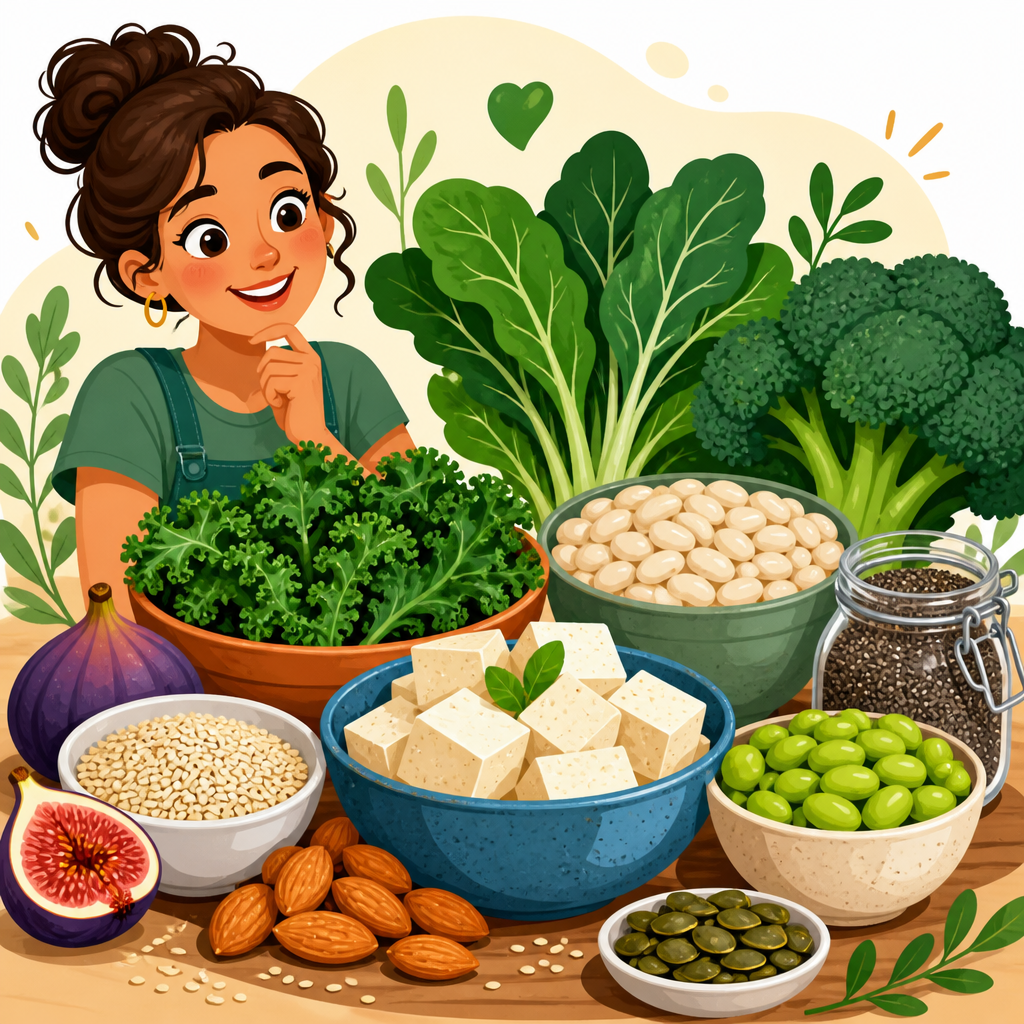
Vegan calcium sources extend far beyond fortified plant milk, and understanding them matters because calcium supports bone mineralization, muscle contraction, nerve signaling, vascular function, and normal hormone release throughout life. On plant-based diets, the challenge is rarely the complete absence of calcium-rich foods; it is knowing which foods provide meaningful amounts, how absorption changes from one source to another, and how daily habits affect long-term status. I have seen many vegan eaters rely on a single carton of fortified milk while overlooking tofu set with calcium sulfate, low-oxalate greens, sesame products, white beans, and mineral-rich water. That narrow approach makes planning harder than it needs to be. A stronger strategy is to treat calcium as a dietary pattern issue, not a single-product issue. For vegans, vegetarians, and flexitarians alike, this broader view creates a practical foundation for bone health without depending on dairy.
Calcium recommendations vary by age and life stage, but many adults aim for about 1,000 milligrams per day, with higher needs often cited for women over fifty and older adults. The body also requires vitamin D, adequate protein, regular resistance exercise, and sufficient total energy intake to use calcium well. Plant-based eaters therefore benefit from looking at the full dietary picture. This hub article explains where calcium naturally occurs in vegan foods, which sources are absorbed efficiently, how meal composition changes outcomes, and how vegan, vegetarian, and flexitarian patterns compare in practice. It also highlights common mistakes I repeatedly correct in meal reviews, such as counting spinach as a major calcium source or assuming every tofu block is equivalent. If you want a durable, food-first calcium plan within plant-based diets, the key is choosing variety, reading labels carefully, and matching food choices to bioavailability rather than marketing claims.
Why calcium planning matters on plant-based diets
Plant-based diets can fully support calcium needs, but they demand informed choices because calcium content and calcium absorption are not the same thing. In practice, this means a vegan menu built from vegetables, legumes, grains, nuts, seeds, and soy foods can succeed or fail depending on which specific foods dominate the plate. Low-oxalate greens such as kale, bok choy, turnip greens, and collards provide calcium that is generally absorbed well. By contrast, spinach, beet greens, and Swiss chard contain calcium, but their oxalate content binds much of it, sharply reducing absorption. This is one of the most important distinctions for anyone researching vegan calcium sources.
Within the broader landscape of plant-based diets, vegans exclude all animal products, vegetarians usually include dairy and sometimes eggs, and flexitarians eat mostly plants but may include occasional animal foods. That means the calcium planning burden is heaviest for vegans, moderate for dairy-free vegetarians, and often lighter for flexitarians who eat yogurt, cheese, or small fish with bones. Still, even nonvegans benefit from understanding plant sources because diet quality improves when calcium intake is spread across several foods rather than concentrated in one product. A varied intake also helps people with allergies, budget limits, or differing cultural food patterns.
Another reason planning matters is that bone health is cumulative. Peak bone mass is built over years, and later preservation depends on consistent intake, resistance exercise, vitamin D status, and avoidance of chronic under-eating. I often remind clients that one high-calcium smoothie does not offset months of inadequate intake. The better model is repeatable daily structure: a calcium-rich breakfast, a soy or bean component at lunch, greens at dinner, and a seed- or tofu-based snack. Once that routine is established, vegan calcium intake becomes predictable instead of accidental.
The best vegan calcium sources beyond fortified plant milk
The most reliable vegan calcium sources include calcium-set tofu, low-oxalate leafy greens, tahini and sesame seeds, white beans, soybeans, almonds, dried figs, and certain mineral waters. Tofu is usually the first place I look because it can deliver substantial calcium in a realistic serving, but only if it is set with calcium sulfate. Labels matter. One brand may provide over 300 milligrams per serving, while another made with magnesium chloride or nigari supplies far less. Tempeh is nutritious, but it is not automatically a high-calcium replacement for calcium-set tofu.
Leafy greens deserve equal attention. Cooked collard greens, turnip greens, kale, and bok choy can meaningfully contribute to daily intake, and they fit naturally into soups, grain bowls, stir-fries, and pasta dishes. White beans and navy beans help because they combine calcium with protein, potassium, and fiber. Sesame foods are dense contributors, especially tahini, which can be whisked into dressings, sauces, and spreads. Almonds add useful calcium, though their contribution is often overestimated because portions are small and they are energy dense. Dried figs are not a primary source, yet they are a convenient supplement to a calcium-focused day.
| Food | Useful calcium note | Best practical use |
|---|---|---|
| Calcium-set tofu | High calcium when made with calcium sulfate; check label | Stir-fries, scrambles, baked cubes |
| Collards, kale, bok choy | Good absorption compared with high-oxalate greens | Sauteed sides, soups, grain bowls |
| Tahini and sesame | Concentrated source in small volumes | Dressings, hummus, sauces |
| White beans | Calcium plus protein and fiber | Stews, salads, purees |
| Mineral water | Some brands naturally contain substantial calcium | Daily beverage rotation |
Mineral water is the overlooked option. Some European and North American brands contain notable amounts of calcium per liter, and research has shown calcium from high-calcium mineral waters can be well absorbed. This can be especially useful for people who do not like plant milk or who need another easy layer in their routine. The lesson across all these foods is simple: vegan calcium sources work best when several appear each day in moderate amounts rather than one source carrying the entire load.
Bioavailability: why some calcium-rich plants count more than others
Bioavailability is the proportion of a nutrient your body actually absorbs and uses, and it is central to calcium planning. On paper, spinach looks impressive. In reality, its oxalate content binds calcium so tightly that absorption is poor. Kale and bok choy often perform better despite lower headline numbers because more of their calcium is available to the body. This is why evidence-based calcium planning never relies on nutrient totals alone.
Phytate also matters. Beans, whole grains, nuts, and seeds contain phytates that can modestly reduce mineral absorption, although soaking, sprouting, fermenting, and cooking help. In day-to-day meal planning, this does not make legumes or seeds bad calcium sources; it just means they should be part of a mixed strategy rather than your only strategy. Tofu made with calcium sulfate remains especially valuable because its calcium load is high enough to matter even within a varied diet.
Distribution across the day improves outcomes. Calcium absorption is saturable, so the body generally uses moderate doses more efficiently than very large single servings. In practical terms, three meals each containing 250 to 400 milligrams often work better than one meal containing nearly everything. This is another reason food-first planning is superior to chasing one “superfood.” For people on vegan or vegetarian diets, the most dependable pattern is to pair one major source, such as tofu or greens, with one supporting source, such as beans or tahini, at more than one meal.
Building a calcium-adequate vegan, vegetarian, or flexitarian day
A calcium-adequate plant-based day is easier when meals are designed intentionally. Breakfast might include overnight oats topped with chia and almonds alongside calcium-rich mineral water, or a savory tofu scramble with kale and whole-grain toast. Lunch can be a grain bowl with calcium-set tofu, bok choy, edamame, and sesame dressing. Dinner might feature white bean stew with collards and sourdough, or pasta tossed with cannellini beans, broccoli, and a creamy tahini sauce. Snacks can include hummus made with tahini, figs, or roasted soy nuts.
Vegetarians who consume dairy have more margin for error because yogurt and cheese supply concentrated calcium, but that does not remove the value of plant sources. In fact, vegetarian diets often improve when dairy is treated as one contributor rather than the centerpiece. Flexitarians have even more flexibility, yet the same principle applies: a pattern built on greens, soy foods, legumes, nuts, and seeds is usually richer in fiber, potassium, magnesium, and phytonutrients than one leaning heavily on cheese. Better calcium planning often improves overall diet quality at the same time.
For children, teens, pregnant adults, and older adults, consistency matters even more. Adolescence is critical for building bone mass. Pregnancy increases total nutrient demands. Aging brings lower bone density, possible changes in appetite, and in some people reduced stomach acid or medication interactions. In these cases, a registered dietitian may suggest a more structured calcium target, targeted lab work for vitamin D, and closer attention to protein intake and resistance training. Good planning is preventive nutrition, not just problem solving.
Common mistakes, supplements, and when to get help
The most common mistake is assuming all green vegetables are interchangeable calcium sources. They are not. Spinach smoothies are healthy in many ways, but they should not be counted on for absorbable calcium. The second mistake is failing to read tofu labels. I routinely see people buy silken tofu for sauces or nigari-set tofu for texture, then assume it provides the same calcium as calcium-set firm tofu. Another frequent issue is relying on nuts alone. Almonds are nutritious, but a small handful will not solve a daily calcium gap.
Supplements can help, but they should fill a genuine shortfall rather than replace food planning. Calcium carbonate is widely available and cost effective, best taken with meals because it depends on stomach acid for optimal absorption. Calcium citrate is often absorbed well with or without food and may suit people using acid-suppressing medication. Most experts recommend avoiding very large single doses; splitting supplements into smaller amounts is usually more efficient and gentler on the stomach. Safety matters too. Excessive supplemental calcium may increase kidney stone risk in susceptible individuals and can interact with thyroid medication, iron, and some antibiotics.
If you follow a vegan diet, the smartest next step is to audit one ordinary day of eating and total your calcium from actual foods, not assumptions. Look at labels, rotate in calcium-set tofu, choose low-oxalate greens more often, use tahini strategically, and consider mineral water if it fits your routine. For the broader world of plant-based diets, this is the central takeaway: vegan, vegetarian, and flexitarian patterns can all support bone health when calcium sources are chosen deliberately and spread across the day. Build your meals around reliable foods, confirm the details on labels, and, if intake remains low or your needs are higher, ask a registered dietitian or clinician for individualized guidance. That single review can turn a good plant-based diet into a nutritionally robust one.
Frequently Asked Questions
What are the best vegan calcium sources besides fortified plant milk?
There are many excellent vegan calcium sources beyond fortified plant milk, and the best choices are usually the ones that combine a meaningful calcium content with good absorbability and realistic day-to-day use. Calcium-set tofu is one of the most dependable options, because when tofu is made with calcium sulfate, it can provide a substantial amount of calcium per serving. Dark leafy greens are also important, especially low-oxalate varieties such as bok choy, kale, turnip greens, and collard greens, which tend to offer calcium that the body can absorb relatively well. Sesame seeds and tahini contribute calcium too, as do almonds, white beans, chickpeas, blackstrap molasses, and some mineral-rich waters.
It is also helpful to think in terms of dietary patterns rather than searching for one “perfect” food. A meal built around calcium-set tofu with bok choy, a side of white beans, and a spoonful of tahini can provide far more calcium than many people realize. In practice, variety matters because different foods bring different nutritional advantages. Beans and soy foods provide protein along with calcium, greens offer vitamin K and other micronutrients, and seeds and nuts contribute healthy fats and minerals. For most vegans, the most sustainable strategy is to regularly include several of these foods across the day instead of relying on a single source.
Are all plant sources of calcium absorbed equally well?
No, and this is one of the most important points to understand when planning a plant-based diet. The calcium listed on a nutrition label or in a food database does not always reflect how much your body can actually use. Absorption depends heavily on the food matrix and on naturally occurring compounds such as oxalates and phytates. For example, greens like kale, bok choy, and broccoli are often praised not just because they contain calcium, but because their calcium is generally well absorbed. By contrast, spinach, beet greens, and Swiss chard contain calcium too, but they are also high in oxalates, which bind calcium and reduce how much is available for absorption.
This does not mean high-oxalate vegetables are unhealthy or should be avoided; they still provide fiber, folate, antioxidants, and many other benefits. It simply means they should not be counted on as primary calcium sources. Tofu is another good example of why labels and ingredients matter. A tofu made with calcium sulfate can be calcium-rich, while another made with magnesium chloride or other coagulants may provide much less calcium. Reading packaging carefully is worthwhile. Overall, the best approach is to focus on lower-oxalate greens, calcium-set tofu, legumes, seeds, and other reliable foods, and to understand that calcium nutrition is about both intake and bioavailability.
How can vegans meet calcium needs without relying on supplements?
Many vegans can meet their calcium needs through food alone, but it usually requires intentional planning rather than guesswork. The first step is knowing your regular sources. If you routinely eat calcium-set tofu, include servings of low-oxalate leafy greens, use tahini or sesame seeds, eat beans, and choose calcium-containing foods consistently, your total intake can add up well over the course of a day. For example, a breakfast with oats topped with tahini and almonds, a lunch with kale and white beans, and a dinner featuring calcium-set tofu with bok choy can create a strong calcium foundation even without fortified beverages.
The second step is consistency. Calcium is not a nutrient most people can “catch up on” easily by eating one rich source once in a while. Bone health reflects long-term patterns, and the body benefits from regular intake distributed across meals. It is also wise to support calcium status with other lifestyle factors. Adequate vitamin D is essential because it helps regulate calcium absorption and utilization. Weight-bearing exercise supports bone maintenance, and sufficient overall energy and protein intake matter as well. Some people, especially those with low appetite, very restricted food variety, higher needs, or medical concerns, may still benefit from supplements, but many can do very well with a thoughtful food-first approach.
What daily habits can improve or interfere with calcium status on a vegan diet?
Several everyday habits influence calcium status, sometimes more than people expect. One of the most helpful habits is spreading calcium intake throughout the day instead of concentrating it in a single meal. The body generally handles moderate, repeated doses better than a very large amount all at once. Regularly eating calcium-rich foods, staying physically active, and maintaining adequate vitamin D levels are all positive contributors. Resistance training and weight-bearing activities such as walking, hiking, dancing, or strength work help stimulate bone maintenance, which is especially important over the long term.
On the other hand, some habits can make it harder to maintain optimal calcium balance. Chronically low calorie intake can reduce overall nutrient intake and may negatively affect bone health. Very high sodium intake can increase urinary calcium losses in some people, and excessive alcohol use may also be harmful. It is also worth paying attention to foods that contain calcium but are not highly absorbable, so you do not overestimate your intake. For example, building your plan around spinach smoothies while assuming they are a major calcium source can create a false sense of security. In short, calcium status depends on the full picture: what you eat, how absorbable those foods are, your vitamin D status, your activity level, and your long-term consistency.
Which vegan calcium sources are most practical for everyday meals and snacks?
The most practical sources are the ones that are easy to use repeatedly, affordable enough to keep buying, and versatile across different meals. Calcium-set tofu is one of the most practical options because it can be baked, scrambled, stir-fried, blended into sauces, or added to grain bowls and soups. Low-oxalate greens such as kale, bok choy, and collards are also highly practical because they can be sautéed, added to stews, tossed into pasta, or used in salads depending on the variety. White beans and chickpeas work well in salads, soups, spreads, and casseroles, while tahini can be stirred into dressings, sauces, dips, oatmeal, or smoothies.
For snacks, almonds, sesame-based snacks, roasted chickpeas, and calcium-rich soy foods can fit easily into a normal routine. Blackstrap molasses can also be useful in small amounts in baking or mixed into warm cereals, though it is usually better viewed as a contributor rather than a sole strategy. Another overlooked option is choosing mineral water with naturally occurring calcium, if available in your area. The key is to remove friction from your diet. If calcium-rich foods are convenient and enjoyable, you are much more likely to eat them consistently. That is what makes them practical in the real world, and consistency is what ultimately supports strong long-term calcium intake on a vegan diet.