Iron is one of the most important minerals in human nutrition, yet confusion about heme vs. non-heme iron causes many people to miss the mark on both intake and absorption. In practice, the difference matters because the body absorbs these two forms of iron through distinct pathways, responds to meal composition differently, and relies on iron for oxygen transport, energy production, immune function, cognition, and healthy growth. Heme iron comes from animal tissues, mainly meat, poultry, and seafood, while non-heme iron is found in plant foods, fortified foods, and also part of the iron present in animal foods. Understanding that distinction is the foundation for smarter food choices, especially for vegetarians, vegans, athletes, pregnant women, adolescents, frequent blood donors, and anyone managing low ferritin or iron-deficiency anemia. I have seen many clients focus only on how many milligrams of iron a food contains, when the more decisive question is how much of that iron will actually be absorbed from a real meal. This article serves as a hub within Nutrition Basics and the broader Micronutrients: Vitamins and Minerals topic by explaining iron types, bioavailability, food sources, meal pairings, inhibitors, enhancers, testing, and practical strategies that connect to related vitamin and mineral guidance.
At a basic level, dietary iron exists in two forms. Heme iron is bound within hemoglobin and myoglobin in animal tissue and is generally absorbed more efficiently. Non-heme iron is the inorganic form found in beans, lentils, tofu, spinach, whole grains, nuts, seeds, fortified cereals, and many supplements. Absorption is regulated by the gut and by hepcidin, the liver-derived hormone that acts as the master controller of iron balance. When iron stores are low or red blood cell production is high, absorption tends to rise; when stores are high or inflammation is present, absorption falls. That is why identical iron intakes can produce very different outcomes between individuals. The topic matters far beyond anemia. Low iron can reduce work capacity, endurance, concentration, thermoregulation, and immune resilience, while excess supplemental iron can cause gastrointestinal side effects and, in some cases, dangerous overload. Knowing the difference between heme and non-heme iron helps translate nutrition labels into useful decisions at breakfast, lunch, dinner, and snack time.
How heme and non-heme iron are absorbed
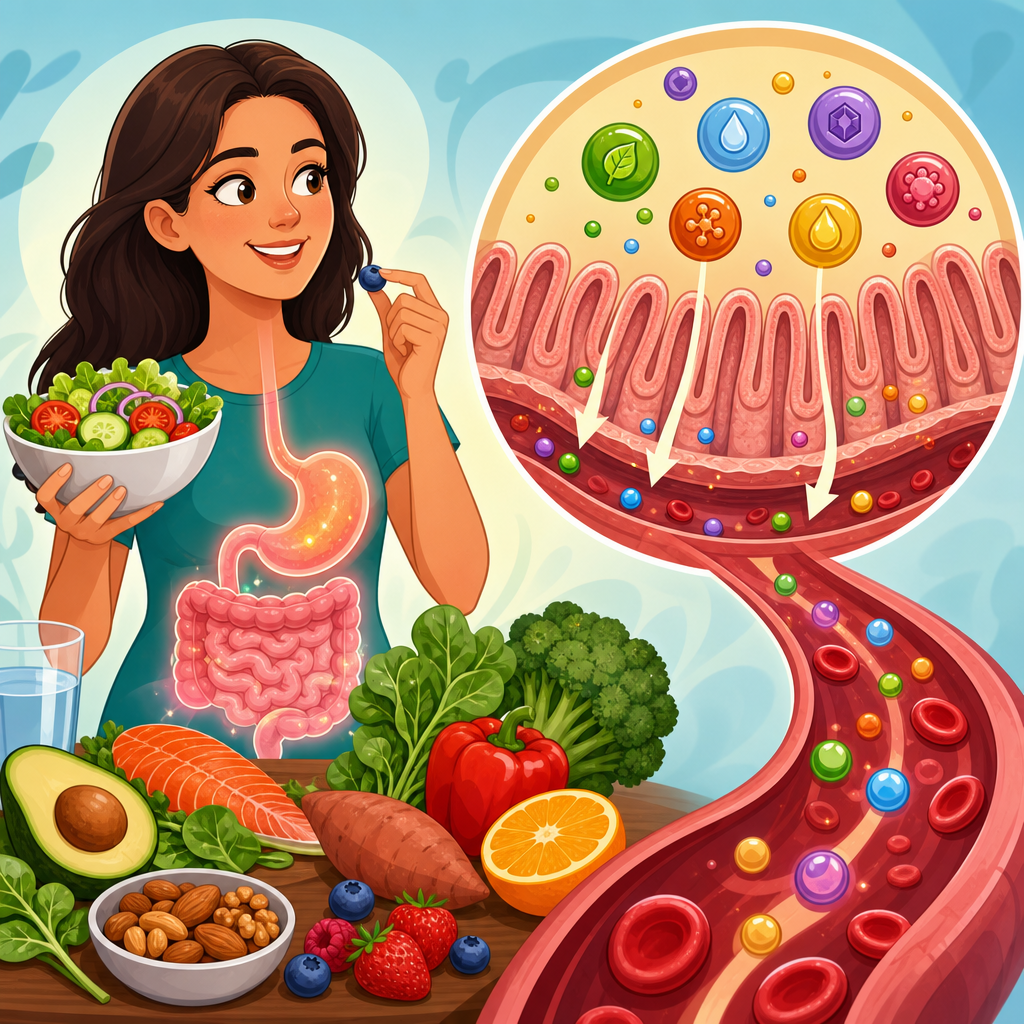
Heme iron absorption is typically estimated at roughly 15 to 35 percent, while non-heme iron absorption often ranges from about 2 to 20 percent, depending heavily on the rest of the meal and the body’s current needs. Those ranges are broad because iron absorption is dynamic, not fixed. Heme iron enters intestinal cells through a different mechanism than non-heme iron and is less affected by many common dietary inhibitors. Non-heme iron, by contrast, is highly sensitive to compounds that either block or enhance uptake. In practical terms, a serving of lentils may list a respectable iron number, but if it is eaten with tea and no vitamin C source, the body may absorb far less than expected. If the same lentils are paired with tomatoes, citrus, or bell peppers, absorption improves meaningfully.
The body treats iron cautiously because it has no regulated pathway to excrete large excesses. Most iron balance is controlled at the point of absorption. Hepcidin lowers absorption by reducing the activity of ferroportin, the transport protein that moves iron from intestinal cells into circulation. Inflammation, infection, and elevated iron stores tend to increase hepcidin; iron deficiency, hypoxia, and active erythropoiesis tend to suppress it. This is why ferritin, transferrin saturation, hemoglobin, and markers of inflammation all matter when assessing status. From a meal-planning perspective, it also explains why someone can eat iron-rich foods regularly yet remain low if inflammation, heavy menstrual losses, gastrointestinal disease, or poorly timed inhibitors are part of the picture.
Food sources of heme iron and who benefits most
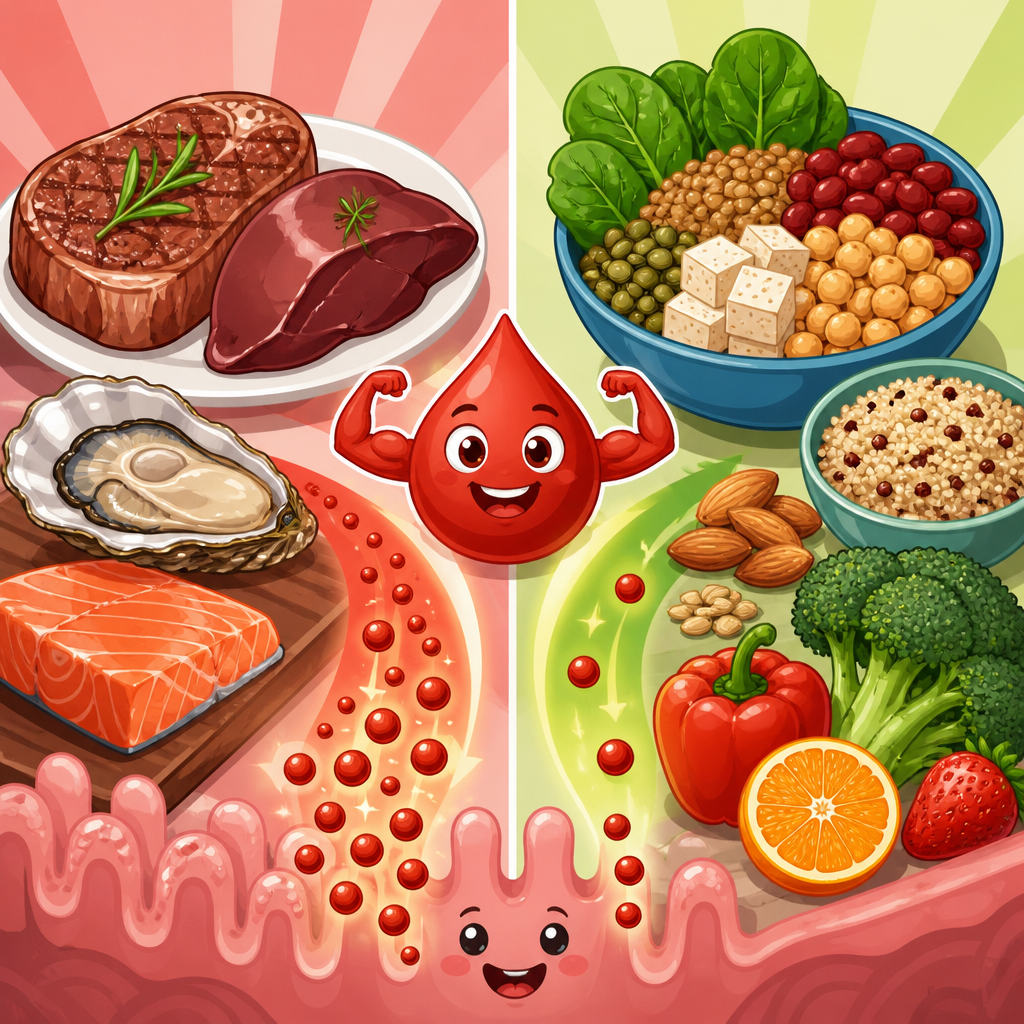
Heme iron is concentrated in animal foods, with red meat and organ meats among the richest sources. Beef, lamb, venison, dark meat poultry, sardines, clams, mussels, oysters, and other shellfish can contribute significant absorbable iron in modest portions. Liver is especially dense, although it should be consumed judiciously during pregnancy because of its very high vitamin A content. In menu planning, heme iron is often the most efficient way to raise iron intake because it arrives in a form the body handles well even when the meal contains some inhibitors. This is one reason mixed diets often make it easier to maintain ferritin than fully plant-based diets, although either pattern can work with good planning.
People with increased iron needs may benefit most from prioritizing heme iron. These include menstruating women, pregnant women under medical guidance, teenage girls, endurance athletes, regular blood donors, and individuals recovering from iron deficiency. I have repeatedly found that clients with borderline ferritin who eat little or no animal protein often improve only after they become more deliberate about iron pairings, fortified foods, or supplementation. That does not mean everyone needs red meat. It means understanding the efficiency advantage of heme iron helps set realistic expectations. A person who eats clams once or twice a week may meet needs more easily than someone trying to rely on spinach alone, even if both think they are choosing “high-iron” foods.
Food sources of non-heme iron and how to use them well
Non-heme iron is the primary iron source in plant-forward diets and remains important for omnivores too. Strong sources include lentils, beans, chickpeas, soy foods such as tofu and tempeh, pumpkin seeds, sesame, cashews, quinoa, oats, iron-fortified breakfast cereals, enriched grains, dried apricots, and dark leafy greens. Although spinach is often celebrated for iron, its oxalate content limits absorption, so it is not the most efficient source despite a respectable nutrient profile. Legumes and fortified cereals are usually more practical contributors. Blackstrap molasses can add small amounts, but it is not a primary strategy. For infants and toddlers, iron-fortified cereals and pureed meats often matter because rapid growth raises requirements sharply.
Preparation methods can improve non-heme iron availability. Soaking, sprouting, fermenting, and leavening can reduce phytate, a major inhibitor found in whole grains, legumes, nuts, and seeds. Sourdough fermentation, for example, can modestly improve mineral availability compared with some quickly risen breads. Tempeh may be easier to build meals around than unfermented soybeans because fermentation changes texture and can reduce antinutrients. Cast-iron cookware can also increase the iron content of acidic, high-moisture foods such as tomato sauce, though the amount transferred varies. These techniques are not magic bullets, but together they shift a plant-based iron strategy from theoretical adequacy to practical adequacy.
What helps and what blocks absorption at meals
The single most reliable enhancer of non-heme iron absorption is vitamin C. Ascorbic acid helps reduce ferric iron to the more absorbable ferrous form and can partially counteract inhibitors in the same meal. Bell peppers, citrus, kiwi, strawberries, tomatoes, broccoli, and potatoes are useful pairings. Animal protein itself can also improve non-heme iron absorption, a phenomenon often called the meat factor. On the other side, phytates in grains and legumes, polyphenols in tea and coffee, calcium in large amounts, and some egg proteins can reduce absorption when consumed at the same time as iron-rich foods or supplements.
| Meal component | Effect on iron absorption | Practical example |
|---|---|---|
| Vitamin C-rich foods | Enhance non-heme iron absorption | Add bell peppers and tomatoes to bean chili |
| Meat, poultry, seafood | Improve total iron uptake in mixed meals | Pair beef strips with lentils or spinach |
| Tea and coffee | Reduce non-heme absorption via polyphenols | Drink them between meals instead of with breakfast cereal |
| High-phytate foods | Can inhibit absorption | Use soaking, sprouting, or fermentation with beans and grains |
| Large calcium doses | May interfere when taken together | Separate calcium supplements from iron supplements |
Timing matters more than most people realize. If someone eats fortified cereal with milk and drinks coffee at the same sitting, that meal stacks two common inhibitors against non-heme iron. If they switch to fortified oats with berries and keep coffee for an hour later, the same breakfast works better. Likewise, iron supplements are often better tolerated and absorbed when taken away from calcium supplements, tea, and coffee. That said, tolerability matters. A perfectly timed supplement that causes nausea and gets skipped is less useful than a slightly compromised regimen that someone can sustain. The best plan balances physiology with adherence.
Iron needs across life stages and common deficiency patterns
Iron requirements are not static. Infants need iron-dense complementary foods after about six months because prenatal stores begin to wane. Children and adolescents need enough iron to support growth, with teenage girls facing additional losses from menstruation. Pregnancy sharply increases iron needs due to expanded maternal blood volume, placental development, and fetal growth. Endurance athletes may lose iron through sweat, gastrointestinal microbleeding, hemolysis from repetitive foot strike, and simply higher turnover. Frequent blood donors can deplete stores surprisingly fast. Older adults may have lower intakes, reduced stomach acid, medication interactions, or occult blood loss that affects status.
Deficiency does not always begin with low hemoglobin. Ferritin often drops first, and symptoms such as fatigue, poor exercise tolerance, restless legs, headaches, feeling cold, brittle nails, hair shedding, or reduced concentration can appear before anemia is formally present. This is why a complete evaluation matters. Ferritin is useful but also rises with inflammation, so context matters. Transferrin saturation, hemoglobin, mean corpuscular volume, C-reactive protein, and clinical history can help distinguish depleted stores from inflammatory changes. Anyone with persistent symptoms, heavy periods, gastrointestinal symptoms, or unexplained low iron should seek medical assessment rather than self-diagnose.
Building practical high-iron meals and choosing supplements wisely
Effective iron nutrition comes from repeatable meal patterns, not isolated superfoods. For omnivores, practical options include oatmeal topped with strawberries and pumpkin seeds; turkey chili with beans and tomatoes; beef stir-fry with broccoli and peppers; or sardines on sourdough with lemon and salad greens. For vegetarians and vegans, useful combinations include lentil pasta with tomato sauce, tofu and bok choy stir-fry with peppers, chickpea curry with potatoes, or iron-fortified cereal with kiwi and soy yogurt. The goal is to combine iron-containing foods with enhancers while limiting inhibitors at the same sitting. This is especially important when most intake is non-heme iron.
Supplements have a role, but they should solve a defined problem. Ferrous sulfate, ferrous fumarate, and ferrous gluconate are common forms with differing elemental iron amounts and tolerability. Some people do better with lower doses taken on alternate days because hepcidin can rise after dosing and blunt subsequent absorption. Newer evidence has made alternate-day strategies more common in practice, especially when side effects are an issue. Constipation, nausea, abdominal discomfort, and dark stools are common. Taking iron with a small amount of food may help tolerance, though it can reduce absorption. Severe deficiency, malabsorption, inflammatory bowel disease, or intolerance to oral iron may require intravenous treatment under medical care.
The core lesson is simple: heme iron is generally absorbed more efficiently, while non-heme iron requires more thoughtful meal design. Neither form should be viewed in isolation. Total diet pattern, hepcidin regulation, inflammation, blood loss, and food pairings determine real-world outcomes. Within Micronutrients: Vitamins and Minerals, iron sits at the crossroads of energy, oxygen delivery, cognition, immunity, and performance, which is why it deserves hub-page attention. If you eat animal foods, use heme sources strategically. If you rely mostly on plants, emphasize legumes, soy foods, fortified grains, vitamin C pairings, and inhibitor timing. If symptoms or lab concerns persist, get tested and work with a qualified clinician. Build a few iron-smart meals this week, and your nutrition basics will become far more effective.
Frequently Asked Questions
What is the difference between heme and non-heme iron?
Heme and non-heme iron are the two main forms of dietary iron, and the body handles them differently. Heme iron is found only in animal foods because it comes from hemoglobin and myoglobin in animal tissues. Common sources include red meat, poultry, seafood, and organ meats. Non-heme iron is found in plant foods such as beans, lentils, tofu, spinach, pumpkin seeds, fortified cereals, and whole grains, and it is also present in many animal foods alongside heme iron.
The most important distinction is absorption. Heme iron is generally absorbed more efficiently and is less affected by other foods eaten in the same meal. Non-heme iron is absorbed through a separate process and is much more sensitive to enhancers and inhibitors in the diet. That means someone can technically eat iron-rich foods but still absorb less than expected if meal composition is working against them. This is why understanding the difference matters so much for vegetarians, vegans, pregnant individuals, athletes, growing children, and anyone trying to improve iron status.
In practical terms, heme iron offers a more reliable path to absorption, while non-heme iron requires a little more strategy. That does not mean plant-based eaters cannot meet their needs. It simply means pairing foods wisely, paying attention to vitamin C, and being aware of absorption blockers can make a meaningful difference.
Which foods are the best sources of heme and non-heme iron?
The best heme iron sources are animal-based foods, especially those that naturally contain more blood-rich or muscle-rich tissue. Red meat such as beef and lamb is often one of the richest sources. Liver and other organ meats are especially high in iron, though they are not eaten by everyone. Poultry, particularly dark meat, provides heme iron as well, and seafood such as clams, oysters, mussels, sardines, tuna, and other fish can also contribute meaningful amounts.
The best non-heme iron sources include legumes like lentils, chickpeas, black beans, kidney beans, and soybeans; soy foods such as tofu, tempeh, and edamame; nuts and seeds like pumpkin seeds, sesame seeds, hemp seeds, and cashews; leafy greens such as spinach, Swiss chard, and kale; whole grains including quinoa and iron-fortified cereals; and dried fruits such as apricots, raisins, and prunes. Some vegetables contain iron too, but they tend to contribute smaller amounts unless eaten regularly.
It is also worth noting that many mixed diets contain both forms at once. For example, a meal with chicken, beans, and greens provides heme and non-heme iron together. Fortified foods can be especially helpful for people who eat little or no meat, because they increase total intake even though the iron is still non-heme. The key is not only choosing iron-rich foods, but eating them consistently and building meals that support absorption.
Why is heme iron absorbed more easily than non-heme iron?
Heme iron is absorbed more efficiently because it enters the body through a distinct pathway that protects it from many of the dietary factors that interfere with non-heme iron. In simple terms, the iron in heme is bound within a structure that the intestine can take up more directly. Because of this, heme iron tends to be less affected by compounds in tea, coffee, whole grains, legumes, and certain vegetables that can reduce non-heme iron absorption.
Non-heme iron has a more complicated journey. Before it can be absorbed, it has to be in the right chemical form and remain available in the digestive tract. Many naturally occurring food compounds can bind to it and make it harder for the body to take in. At the same time, certain nutrients can improve its absorption significantly. Vitamin C is the classic example because it helps convert non-heme iron into a more absorbable form and keeps it available for uptake.
The body also tightly regulates iron absorption based on need. If iron stores are low, absorption tends to increase. If stores are sufficient or inflammation is present, absorption can decrease. That is one reason iron status is not determined by food intake alone. Bioavailability, health status, digestion, inflammation, and overall dietary pattern all play a role. So while heme iron is usually easier to absorb, both forms can support healthy iron levels when the full picture is considered.
What food pairings help increase iron absorption, especially from plant foods?
The most effective way to improve non-heme iron absorption is to pair iron-rich foods with vitamin C-rich foods in the same meal. Vitamin C can dramatically enhance absorption by helping keep iron in a form the body can use more easily. Practical combinations include lentils with tomatoes, black beans with salsa, tofu stir-fry with bell peppers, iron-fortified cereal with strawberries, oatmeal with kiwi, spinach salad with citrus, or hummus with lemon juice. Even a small source of vitamin C can make a noticeable difference.
Another helpful strategy is combining a small amount of meat, poultry, or fish with plant-based iron sources. This can improve the absorption of non-heme iron in the same meal, a phenomenon sometimes called the “meat factor.” For example, adding chicken to a bean bowl or seafood to a grain-based dish may support better overall iron uptake than eating the plant foods alone. This is not required for good iron nutrition, but it can be useful for people who eat mixed diets.
Preparation methods matter too. Soaking, sprouting, fermenting, and cooking can reduce some compounds that interfere with iron absorption in legumes, grains, and seeds. Examples include sourdough fermentation, soaking beans before cooking, or choosing fermented soy foods like tempeh. These techniques do not eliminate all inhibitors, but they can improve mineral availability and fit well into a food-first approach.
What foods or drinks can reduce iron absorption, and how should meals be planned around them?
Several common foods and beverages can reduce the absorption of non-heme iron, especially when consumed at the same time as an iron-rich meal. Tea and coffee are major examples because they contain polyphenols that can bind iron and limit uptake. Calcium can also interfere with absorption under some circumstances, particularly when large amounts are consumed alongside an iron-rich meal. In addition, phytates found in whole grains, legumes, nuts, and seeds, as well as some compounds in spinach and certain other vegetables, can decrease non-heme iron absorption.
This does not mean those foods are unhealthy or should be avoided. Many of them are highly nutritious and belong in a balanced diet. The goal is timing and meal design. If someone is trying to maximize iron absorption, especially if they rely mostly on plant-based sources or have increased iron needs, it often helps to avoid tea or coffee with the meal and instead have them one to two hours before or after eating. Similarly, large calcium supplements are often better taken separately from a main iron-rich meal unless a clinician advises otherwise.
A smart meal-planning approach is to focus on what helps absorption during iron-rich meals and place potential inhibitors at other times of day. For example, an iron-supportive lunch might include lentils, quinoa, roasted vegetables, and a citrus dressing, while coffee is saved for mid-morning or mid-afternoon. Someone eating meat might pair beef or turkey with beans and peppers rather than with a calcium-heavy meal. These small adjustments can add up over time and make it much easier to get more benefit from the iron already in the diet.