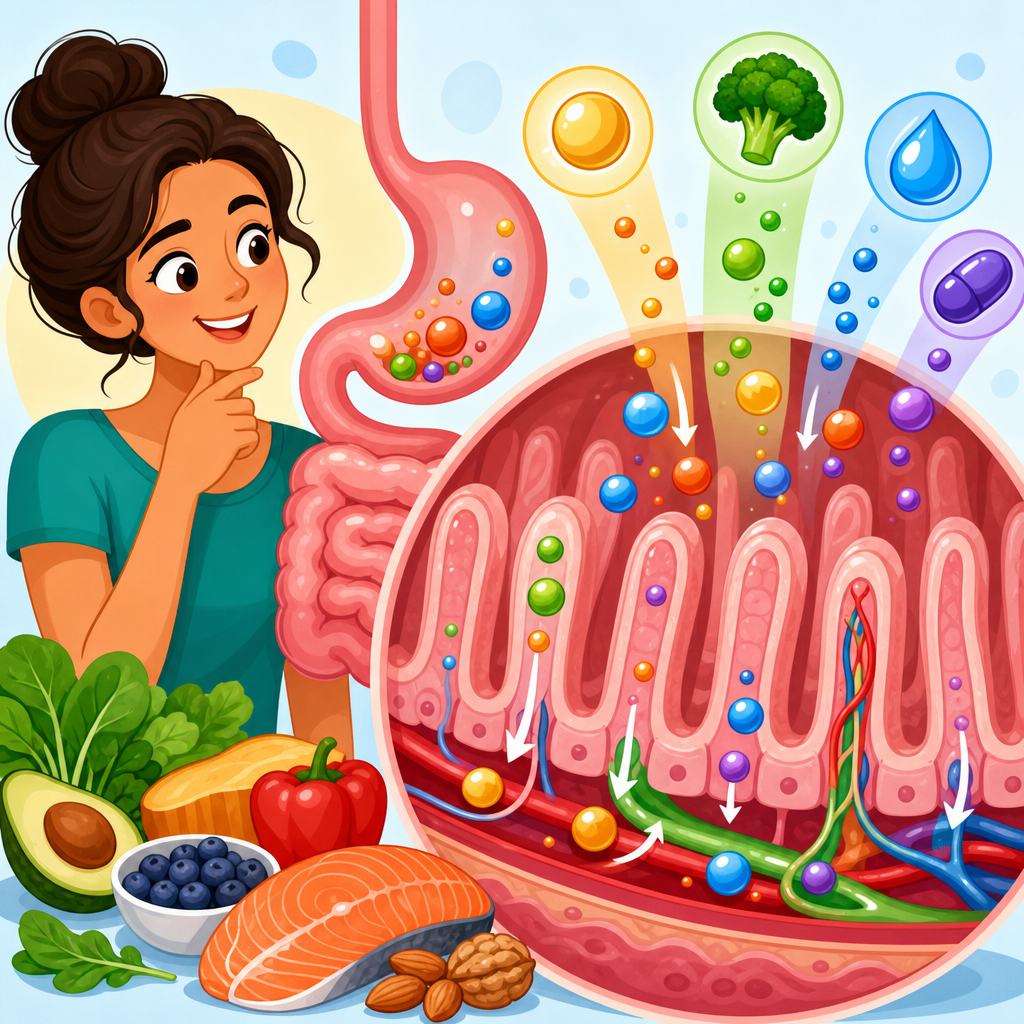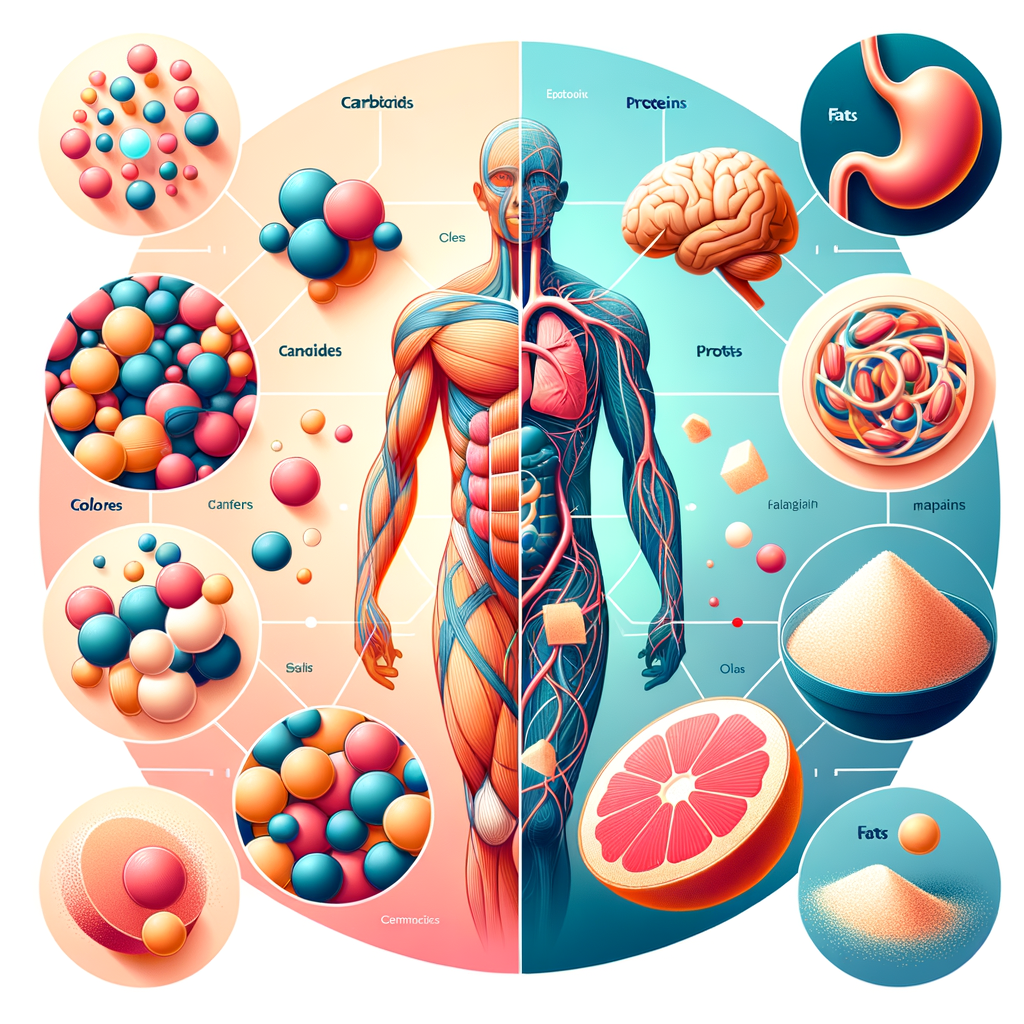
Fat is the most misunderstood macronutrient, and eating too little of it can disrupt hormones, nutrient absorption, satiety, skin health, exercise recovery, and long term metabolic stability. In nutrition practice, I have repeatedly seen people slash fat intake to lose weight, only to develop intense cravings, irregular menstrual cycles, dry skin, low energy, and meals that never feel satisfying. To understand why this happens, it helps to place fat in the larger context of macronutrients: carbohydrates, proteins, and fats are the three primary sources of energy in food, and each one performs jobs the others cannot fully replace. Carbohydrates are the body’s quickest fuel source, especially for high intensity activity and brain function under many conditions. Protein provides amino acids that build and repair tissue, support immunity, and help maintain lean mass. Fat supplies concentrated energy, provides essential fatty acids, forms cell membranes, supports hormone production, and enables absorption of vitamins A, D, E, and K.
When people ask, “How much fat do I need?” the useful answer is not “as little as possible.” Major dietary guidance consistently places healthy fat intake within a meaningful range rather than treating fat as optional. The Acceptable Macronutrient Distribution Range for adults generally sets fat at 20 to 35 percent of total calories, a span designed to support health while allowing flexibility for different eating patterns. Going below that range for long periods can create predictable problems, especially if low fat eating is combined with low overall calories or poor food variety. This matters because many popular diets still encourage people to fear fats without distinguishing between essential unsaturated fats, naturally occurring fats in whole foods, and heavily processed foods that combine refined starch, sugar, and poor quality fats. A good nutrition basics approach does the opposite: it clarifies what each macronutrient does, how they work together, and what happens when one is chronically underfed.
How fat fits into the bigger picture of carbohydrates, protein, and total energy
Fat does not act alone, and problems with low fat intake often show up because the entire macronutrient balance shifts in an unsustainable way. Carbohydrates provide 4 calories per gram, protein provides 4 calories per gram, and fat provides 9 calories per gram, making it the most energy dense macronutrient. That density is not a flaw. It is one reason fat helps meals satisfy hunger and sustain energy between eating occasions. In practical meal design, carbohydrates often carry fiber and support training performance, protein anchors recovery and muscle maintenance, and fat slows gastric emptying enough to improve fullness and make food enjoyable. Remove too much fat and people frequently compensate by eating more refined carbohydrates or excessively lean protein, which can leave meals dry, bland, and less satisfying.
I see this clearly when comparing two lunches with similar calories. A salad with grilled chicken breast, vegetables, and almost no dressing may look disciplined, but many people are hungry again within an hour. Add olive oil, avocado, seeds, or a portion of salmon, and the same meal usually becomes more satisfying and nutritionally complete. The point is not that fat is magically filling on its own; it is that adequate fat improves meal structure. It also broadens food choices, making it easier to include nuts, seeds, eggs, yogurt, oily fish, and minimally processed dressings that contribute both flavor and essential nutrients. In a hub about macronutrients, this is the central lesson: carbohydrates, protein, and fats are partners, not competitors, and dietary quality usually improves when they are balanced rather than isolated.
What happens in the body when fat intake stays too low
Eating too little fat affects several systems at once because fat is built into normal physiology. First, low fat diets can reduce intake of essential fatty acids, especially linoleic acid and alpha linolenic acid, which the body cannot make in sufficient amounts. These fats are required for cell membrane function, signaling pathways, skin integrity, and normal growth and development. Second, very low fat intake can impair absorption of fat soluble vitamins. Vitamins A, D, E, and K depend on dietary fat and normal digestive processes for absorption, so a meal pattern built around fat free foods can undermine micronutrient status even when total food volume seems adequate.
Third, hormone production can suffer. Cholesterol and fatty acids contribute to steroid hormone synthesis, and while the body can make cholesterol, chronically low energy and low fat intake can coincide with hormonal disruptions. In women, one of the most discussed consequences is menstrual irregularity or loss of the menstrual cycle, particularly when low fat intake comes with high training loads and inadequate calories. In men and women, low fat diets that are too aggressive can contribute to low energy availability, irritability, reduced libido, and poor recovery. Another common issue is satiety failure. Meals with very little fat often produce less sensory satisfaction, which can increase grazing, rebound eating, and intense focus on food. People may think they lack willpower when the real problem is that their diet is structurally inadequate.
Common signs you may be eating too little fat
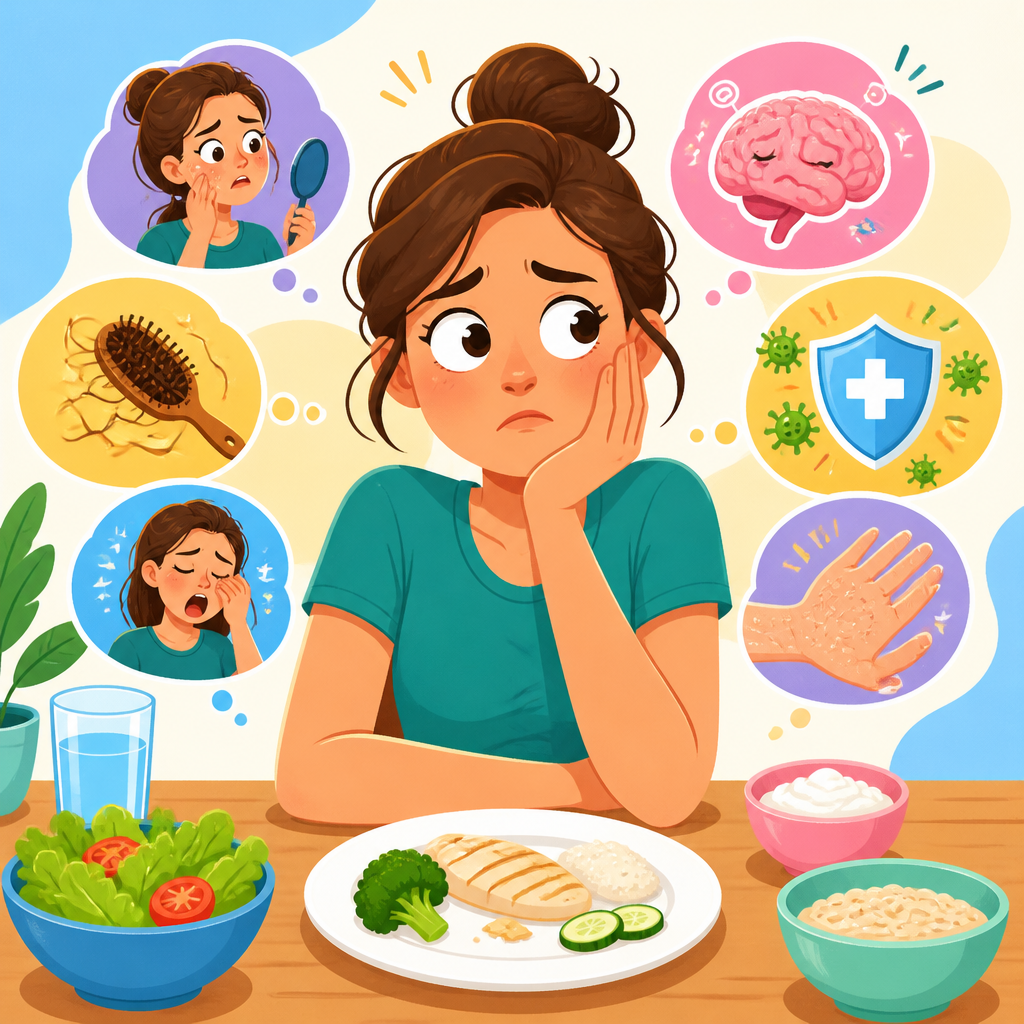
The signs of inadequate fat intake are rarely dramatic at first. More often, they build slowly and are misattributed to stress, aging, or “just being busy.” Dry, flaky skin is common because skin barrier function depends partly on adequate essential fats. Hair may become dull or brittle, and some people notice increased shedding, although hair changes can also relate to protein, iron, zinc, thyroid function, or overall calorie intake. Persistent hunger after meals is another clue, especially when meals are built around vegetables, fruit, and lean protein but contain almost no nuts, oils, egg yolks, dairy fat, avocado, or fatty fish. Low fat diets can also make constipation worse when they displace overall dietary variety and lead to less satisfying meal patterns that people abandon in favor of erratic snacking.
Fatigue, trouble concentrating, mood changes, and reduced exercise performance can appear as well, though they often overlap with inadequate carbohydrate intake and low total energy intake. In athletes, I watch for prolonged soreness, reduced training quality, and hormonal red flags. In general practice, I hear people say, “I’m eating clean, but I’m always thinking about food.” That statement often points to a diet too low in total calories, fat, or both. The body interprets chronic underfeeding as a threat. It responds with stronger hunger signals and weaker satiety. Over time, that can trigger a cycle of restriction during the day and overeating at night. Adequate fat will not solve every appetite issue, but underdoing it makes appetite regulation harder than it needs to be.
Healthy fats versus fats to limit: quality matters more than fear
Not all fats affect health in the same way, so the solution to low fat intake is not to eat unlimited amounts of any fatty food. Unsaturated fats, including monounsaturated and polyunsaturated fats, are consistently associated with better cardiometabolic outcomes when they replace excessive saturated fat or refined carbohydrates. Olive oil, nuts, seeds, peanuts, avocado, olives, and fatty fish such as salmon, sardines, trout, and mackerel are reliable staples. Omega 3 fats from seafood have especially strong evidence for supporting cardiovascular health, and many people do not eat enough of them. Saturated fat, found in butter, high fat cuts of meat, full fat dairy, and some tropical oils, does not need to be demonized, but intake should remain proportionate within an overall pattern built mostly on unsaturated sources.
Trans fats from partially hydrogenated oils are the clearest fats to avoid, though they have been reduced substantially in many food supplies because of regulation. In practice, the bigger modern problem is not pure fat intake but ultra processed foods that pair poor quality fats with refined starch, sugar, and high sodium. Those products can crowd out nutrient dense foods and distort energy balance. For most people, the best strategy is simple: add healthy fats to whole food meals instead of chasing fat free versions of everything. That means yogurt rather than sugar loaded fat free desserts, salmon instead of fried fish substitutes, peanut butter on whole grain toast rather than plain crackers, and olive oil based dressings instead of eating dry salads out of obligation.
| Macronutrient | Primary roles | What happens when intake is too low | Common food sources |
|---|---|---|---|
| Carbohydrates | Quick energy, glycogen storage, supports high intensity exercise, helps spare protein | Fatigue, reduced training output, poor concentration, increased reliance on protein for energy | Fruit, potatoes, rice, oats, beans, whole grains |
| Protein | Tissue repair, muscle maintenance, enzymes, hormones, immune support | Muscle loss, slower recovery, weaker immunity, poor wound healing | Eggs, dairy, fish, poultry, tofu, beans, Greek yogurt |
| Fats | Essential fatty acids, hormone support, vitamin absorption, satiety, cell membranes | Dry skin, hunger, low satisfaction, poor absorption of vitamins A, D, E, K, hormonal disruption | Olive oil, nuts, seeds, avocado, salmon, sardines, yogurt |
How much fat do you need, and what does that look like in meals?
Most adults do well with fat intake that lands within established healthy ranges, but exact needs depend on age, activity, body size, medical history, and total calorie intake. A practical starting point is to include a visible source of fat at most meals. That might be eggs at breakfast, olive oil on lunch vegetables, nuts or peanut butter in a snack, and salmon or tahini at dinner. For someone eating 2,000 calories, 20 to 35 percent of calories from fat equals about 44 to 78 grams per day. That is a broad range, not a target everyone must hit exactly, but it shows how unrealistic extremely low fat eating can become. A diet with only 20 or 25 grams of fat leaves little room for essential fatty acids and often results in repetitive meals built around very lean foods.
Meal composition matters more than chasing perfect ratios. I typically suggest anchoring each meal with protein, adding fiber rich carbohydrates, then finishing the plate with a meaningful fat source. A breakfast of oatmeal with walnuts and Greek yogurt works better than plain dry cereal. A lunch bowl with rice, chicken, vegetables, and avocado is usually more satisfying than the same bowl stripped of fats. A dinner built around roasted vegetables, potatoes, and baked salmon provides all three macronutrients in a form most people can sustain. If you need a lower fat diet for a specific medical reason, such as gallbladder issues during an acute phase or certain digestive conditions, that should be individualized. For the general population, though, intentionally minimizing fat below healthy levels is rarely helpful and often backfires.
Building a balanced nutrition basics approach that lasts
If this article is your hub for macronutrients, the main takeaway is that health does not improve when you treat carbohydrates, proteins, and fats like enemies to eliminate one at a time. It improves when you understand their distinct functions and build meals that use them well. Carbohydrates are not inherently fattening, protein is not a free pass to ignore calories, and fat is not dangerous because it contains more calories per gram. In real life, sustainable nutrition comes from patterns that support energy, training, work, mood, and appetite regulation over months and years. That is why balanced plates outperform rigid food rules for most people.
When you eat too little fat, the consequences are often subtle first and serious later: less satisfying meals, stronger cravings, dry skin, vitamin absorption problems, and possible hormone disruption. The solution is not excess; it is adequacy. Include whole food fat sources regularly, keep processed foods in perspective, and let each macronutrient do its job. If your current plan leaves you constantly hungry, low on energy, or afraid of basic foods like olive oil, eggs, nuts, or salmon, reevaluate the structure of your meals. Start by adding one quality fat source to each main meal this week, and build from there.
Frequently Asked Questions
What happens to your body when you eat too little fat?
When you eat too little fat, the effects often build gradually rather than all at once, which is one reason low-fat eating can seem harmless at first. Fat is not just a source of calories; it is a structural and functional nutrient involved in hormone production, cell membrane integrity, brain function, insulation, and the absorption of fat-soluble vitamins like A, D, E, and K. When intake stays too low for too long, many people notice that meals stop feeling satisfying, cravings become more intense, energy feels less stable, and recovery from exercise worsens. In practice, this can look like constantly thinking about food, feeling hungry soon after meals, or eating large amounts of “healthy” low-fat foods without ever feeling fully nourished.
Over time, the consequences can become more noticeable. Skin may become dry, hair may feel brittle, mood may dip, and concentration can suffer. Some people also experience changes in menstrual function, especially if low fat intake is combined with undereating overall or intense exercise. Because dietary fat helps support hormone synthesis, very low intake can contribute to disruptions in reproductive hormones and stress resilience. The body is adaptable, but it still requires enough fat to perform essential jobs. Eating too little fat does not make your body run cleaner or more efficiently; in many cases, it creates a slow but meaningful strain on systems that depend on adequate nourishment.
Can eating too little fat affect hormones and menstrual cycles?
Yes, it can. Dietary fat plays an important role in the production and regulation of hormones, including sex hormones such as estrogen and progesterone. While hormones are influenced by many factors, including total calorie intake, stress, sleep, and exercise load, consistently low fat intake can be one piece of the puzzle when cycles become irregular or disappear. This is especially relevant for women who are dieting, training hard, or trying to lose weight by cutting out oils, nuts, seeds, avocado, eggs, dairy, or other meaningful fat sources. When the body senses that energy and nutrient availability are inadequate, it may shift resources away from reproduction in order to conserve energy for more immediate needs.
In real-life nutrition practice, this often shows up alongside other signs that the body is under-fueled: persistent hunger, low mood, cold intolerance, reduced libido, and poor exercise recovery. Irregular menstrual cycles are never something to ignore, and they should not be dismissed as a normal side effect of “eating clean.” They can be a sign that the body is not getting enough overall nutrition, including enough fat. While increasing fat alone is not always the full solution, restoring adequate intake of nutrient-dense fats can be an important step in supporting hormonal health. If someone is experiencing cycle changes, the best approach is to look at the whole picture rather than blaming one food or one macronutrient.
Why do low-fat meals often leave you hungry and craving more food?
Fat contributes heavily to satiety, which is the sense of satisfaction and staying power you feel after eating. Meals that contain adequate fat tend to digest more slowly, feel more pleasurable, and help create a stronger signal that you have actually eaten enough. When meals are built around lean protein and high-fiber carbohydrates but contain very little fat, they may look balanced on paper yet still feel incomplete in the body. A salad with grilled chicken and no dressing, plain oatmeal made with water, or rice and vegetables without any added fat can leave a person physically full for a short time but mentally and physiologically unsatisfied. That disconnect often fuels snacking, cravings, or the urge to keep eating in search of something more satisfying.
This is one reason people who cut fat aggressively to lose weight often end up feeling out of control around food later in the day. The issue is not a lack of willpower; it is that the body is asking for what it needs. Fat also enhances flavor, texture, and meal enjoyment, all of which matter for long-term adherence and appetite regulation. When eating feels chronically restrictive, the drive to seek richer, more energy-dense foods usually increases. Including moderate amounts of foods like olive oil, nuts, seeds, nut butter, avocado, full-fat yogurt, eggs, or fatty fish can make meals feel complete and help reduce the constant preoccupation with food that often develops on very low-fat diets.
Can too little fat lead to dry skin, low energy, and poor nutrient absorption?
Absolutely. Dry skin is one of the classic signs that fat intake may be too low, especially when it appears alongside other symptoms like fatigue, brittle hair, and low satiety. Dietary fat helps maintain the integrity of cell membranes and supports the skin barrier, which plays a role in keeping skin supple and protected. Essential fatty acids, which the body cannot make on its own, are especially important here. When those fats are missing or severely restricted, the skin can become dry, irritated, or less resilient. While skincare products may help externally, internal nourishment matters just as much.
Low energy is another common complaint. Fat is a dense, efficient fuel source, and although the body can use both carbohydrates and fat for energy, chronically low fat intake can make meals less substantial and may contribute to under-eating overall. Many people do not realize how much energy they have removed from their diet when they cut out dressings, oils, cheese, nuts, seeds, and other fat-containing foods. That can leave them dragging through the day, struggling with workouts, or feeling unusually depleted. On top of that, fat is required to absorb vitamins A, D, E, and K. If someone is eating plenty of vegetables but almost no fat, they may not be getting the full nutritional benefit from those foods. In that sense, adding fat to meals is not “undoing” healthy eating; it is often what helps the body actually use the nutrients being consumed.
How much fat do you actually need, and what are the best sources to include?
There is no single perfect number that fits every person, because fat needs vary based on age, sex, activity level, health status, goals, and total calorie intake. What matters most is avoiding the extreme of chronically under-consuming fat. In general, a healthy diet includes a meaningful amount of fat distributed across meals, rather than treating fat as something to minimize at all costs. If you regularly eat meals that contain almost no visible fat and rely heavily on low-fat or fat-free products, that is a sign to take a closer look. The goal is not to fear fat or overdo it, but to include enough that meals are satisfying, hormones are supported, and nutrient absorption is optimized.
Some of the most beneficial sources include olive oil, avocado, nuts, seeds, nut and seed butters, olives, eggs, full-fat or moderate-fat dairy if tolerated, and fatty fish such as salmon, sardines, trout, or mackerel. These foods provide a mix of monounsaturated, polyunsaturated, and in some cases saturated fats, along with vitamins, minerals, and other compounds that support overall health. A practical way to think about this is to build meals that contain protein, carbohydrate, fiber, and fat together. For example, oatmeal with walnuts and chia seeds, salmon with rice and roasted vegetables, or yogurt with fruit and almond butter will usually be more satisfying and nutritionally complete than low-fat alternatives. If someone has been eating very low fat for a while and is noticing symptoms, slowly reintroducing fat-rich whole foods can make a significant difference in how they feel.