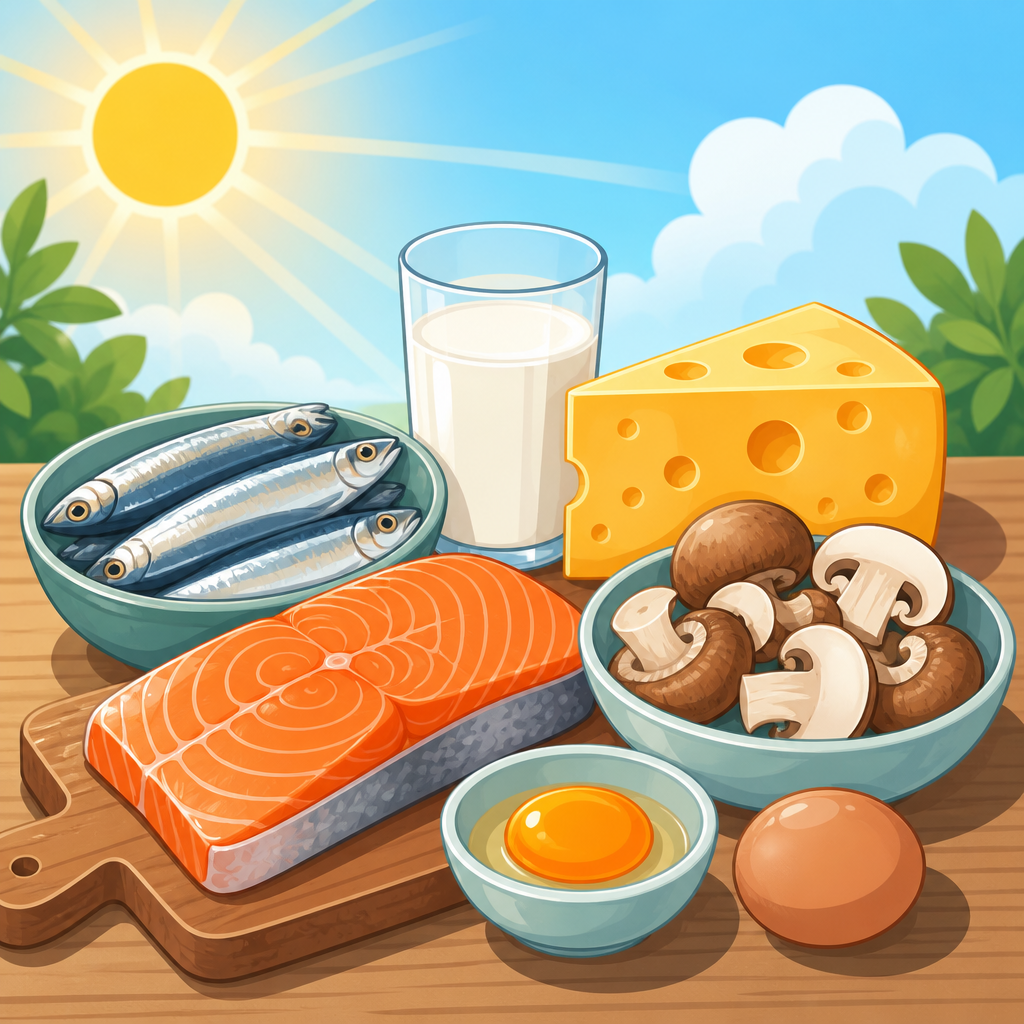
Vitamin D from food matters because this nutrient influences calcium absorption, bone mineralization, muscle function, immune signaling, and, in some cases, mood and overall resilience. Within nutrition basics, micronutrients include vitamins and minerals the body needs in small amounts but depends on for essential processes, and vitamin D deserves special attention because it behaves more like a hormone precursor than a standard vitamin. I have worked with clients who assumed they could meet vitamin D needs through a generally healthy diet, only to discover that even balanced eating patterns often fall short unless specific foods are included regularly. That gap is important because low vitamin D status is common worldwide, especially in people with limited sun exposure, darker skin, older age, malabsorption disorders, or diets low in fish, eggs, and fortified foods.
To answer the central question directly, only a modest number of everyday foods provide meaningful vitamin D. The strongest natural food sources are fatty fish such as salmon, sardines, mackerel, and trout. Smaller amounts come from egg yolks, beef liver, and some mushrooms exposed to ultraviolet light. In many countries, the most consistent dietary sources are fortified foods, especially milk, plant beverages, yogurt, breakfast cereals, and some orange juices. Vitamin D appears mainly in two forms: vitamin D3, or cholecalciferol, usually from animal foods and lanolin-based fortification, and vitamin D2, or ergocalciferol, typically from UV-exposed mushrooms and some fortified products. Both raise vitamin D levels, but D3 generally increases and maintains blood 25-hydroxyvitamin D more effectively.
This article serves as a hub for micronutrients: vitamins and minerals by using vitamin D as a practical example of how micronutrient guidance works. A useful micronutrient framework asks four questions: what the nutrient does, which foods supply it, how much people need, and what affects absorption or deficiency risk. Those same questions apply across the wider category, whether you are studying iron, magnesium, folate, vitamin B12, iodine, zinc, or calcium. For vitamin D, the official benchmark often referenced is the Recommended Dietary Allowance set by the U.S. National Academies: 600 IU, or 15 micrograms, per day for most adults through age seventy, and 800 IU, or 20 micrograms, after seventy. The tolerable upper intake level for adults is 4,000 IU daily unless a clinician prescribes otherwise.
Why does this matter for everyday eating? Because unlike vitamin C or potassium, vitamin D is not broadly distributed throughout the food supply. You can eat plenty of vegetables, legumes, whole grains, fruit, and lean proteins and still consume very little vitamin D. That makes food choice, label reading, and sometimes supplementation more important here than with many other micronutrients. If you understand how vitamin D works as a model nutrient, you will be better prepared to navigate the full landscape of vitamins and minerals: identify rich sources, spot populations at risk, and build meals that support adequacy rather than assuming variety alone will cover every nutrient base.
What vitamin D does and why deficiency is common
Vitamin D’s best-known role is helping the intestines absorb calcium and phosphorus efficiently. Without adequate vitamin D, the body struggles to maintain proper blood calcium levels, and over time that can contribute to rickets in children, osteomalacia in adults, and a higher risk of osteoporosis-related fractures later in life. In practice, I explain it as a nutrient that makes other bone-building nutrients usable. Adequate intake also supports normal muscle contraction and neuromuscular function. That is one reason low status can show up as muscle weakness, bone pain, or nonspecific fatigue, although symptoms are not always obvious.
Deficiency is common for several reasons. Sun exposure stimulates vitamin D synthesis in skin, but latitude, season, cloud cover, clothing, sunscreen, time spent indoors, skin pigmentation, and aging all reduce production. Dietary intake then becomes a backstop, yet food sources are limited. People with celiac disease, Crohn’s disease, pancreatic insufficiency, cholestatic liver disease, or a history of bariatric surgery may absorb fat-soluble vitamins poorly. Some medications, including certain anticonvulsants and glucocorticoids, can also affect vitamin D metabolism. Blood testing typically measures serum 25-hydroxyvitamin D because it reflects intake and skin production combined better than the active hormone form.
Everyday foods that naturally provide vitamin D
Natural vitamin D food sources exist, but the list is short. Fatty fish are the clear leaders. A cooked three-and-a-half-ounce serving of salmon can provide a substantial amount, although the exact content varies by species and farming practices. Sockeye salmon often contains more than many white fish, while canned sardines and Atlantic mackerel also contribute meaningful amounts in practical serving sizes. Rainbow trout is another reliable source. Cod liver oil is extremely rich in vitamin D, but because it is a supplement-like food with very high vitamin A, it should be used thoughtfully rather than casually.
Egg yolks contain vitamin D, though not enough on their own to meet daily targets unless eaten in large amounts. Beef liver supplies a small amount along with vitamin A, iron, and copper, but it is not a major source for most people because intake is usually infrequent. Cheese and standard yogurt are not naturally rich in vitamin D unless fortified. Mushrooms are a special case: most common mushrooms grown without UV exposure contain little vitamin D, but mushrooms treated with ultraviolet light can provide significant vitamin D2. If a package says “high in vitamin D” or lists vitamin D on the Nutrition Facts label, it is worth considering; if it does not, the amount is usually minimal.
| Food | Typical serving | Approximate vitamin D contribution | Practical note |
|---|---|---|---|
| Salmon | 3.5 ounces cooked | Often several hundred IU | One of the best natural sources |
| Rainbow trout | 3.5 ounces cooked | High, often near daily needs | Reliable option with quality protein |
| Sardines | 1 small can | Moderate amount | Also provides calcium if bones are eaten |
| Eggs | 2 large eggs | Modest amount | Useful, but not enough alone |
| UV-exposed mushrooms | 1/2 to 1 cup | Can range from modest to high | Main plant-forward source when labeled |
| Fortified milk or plant drink | 1 cup | Often about 100 to 150 IU | Most consistent everyday source for many households |
Fortified foods: the most realistic way many people get vitamin D
When people ask which everyday foods provide vitamin D, fortified foods are usually the practical answer. In the United States and many other countries, cow’s milk is commonly fortified, often at about 100 IU per cup, although actual content can vary within regulatory limits. Many soy beverages, oat drinks, almond beverages, and other plant-based alternatives are fortified at similar levels, but not all are. I always tell clients to read the label, because one brand may provide 15 percent of the Daily Value per cup while another provides none. Breakfast cereals can also help, particularly when paired with fortified milk or yogurt.
Some yogurts, margarines, orange juices, and nutrition shakes are fortified as well. The strength of fortified foods is consistency. A person who drinks two cups of fortified milk daily and eats fortified cereal already covers a meaningful share of daily needs before adding fish or eggs. The limitation is variability. Fortification policies differ by country, product category, and manufacturer. Plant-based eaters should be especially careful here because assuming all non-dairy beverages contain vitamin D is a common mistake. Another issue is portion reality: if a serving on the package is eight ounces but you splash only a little into coffee, the nutrient contribution is tiny.
How much vitamin D you need and how to judge adequacy
Most adults need 600 IU daily through age seventy and 800 IU after seventy, with pregnancy and lactation generally also set at 600 IU. Infants and children have their own targets, and pediatric guidance often emphasizes supplementation because milk intake, sun exposure, and growth demands vary widely. The key point is that dietary recommendations are designed for population adequacy, not necessarily for correcting deficiency. Someone with low blood levels may need a different plan under medical supervision. That is why the best answer to “Am I getting enough?” depends partly on diet pattern and partly on blood work.
In clinic-style nutrition work, I look at three things together: regular food intake, known risk factors, and serum 25-hydroxyvitamin D results if available. A person who eats fish twice weekly, consumes fortified dairy or plant beverages daily, and has some safe sun exposure may meet needs without difficulty. A person who avoids fish, eats few fortified foods, works indoors, and lives at a northern latitude during winter is much less likely to do so. This broader assessment approach is useful across all micronutrients, not only vitamin D. Intake data tells you what should be happening; symptoms, context, and labs tell you what is happening.
Best food strategies for omnivores, pescatarians, and plant-based eaters
For omnivores, the simplest vitamin D strategy is to build a weekly pattern instead of chasing the nutrient at every meal. Include fatty fish one or two times per week, use fortified milk or yogurt routinely, and let eggs provide a small supporting amount. For pescatarians, this can work even better because seafood becomes a central protein choice. Canned salmon and sardines are particularly efficient because they are shelf stable, budget friendlier than fresh fillets, and easy to add to salads, grain bowls, and sandwiches. They also bring omega-3 fats, which makes them nutritionally dense options beyond vitamin D alone.
For vegetarians and vegans, fortified foods and UV-exposed mushrooms are the main food tools. Fortified soy milk is often the strongest all-purpose choice because it may also provide protein levels close to dairy milk, unlike some almond or rice beverages. Breakfast can become an easy delivery point: fortified cereal with fortified soy milk plus a side of UV-exposed mushrooms in an egg-free scramble later in the day can move intake meaningfully. Still, fully plant-based diets often make vitamin D one of the harder micronutrients to obtain from food alone, alongside vitamin B12 and sometimes iodine. That is not a failure of the diet; it is simply a planning issue that deserves direct attention.
Common mistakes, label-reading tips, and when food may not be enough
The most common mistake is overestimating how much vitamin D “healthy foods” provide. Spinach, almonds, chicken breast, oats, avocados, and beans are nutritious, but they are not meaningful vitamin D sources. Another mistake is assuming all mushrooms contain vitamin D or all dairy alternatives are fortified. On labels, check both the nutrient line and the percent Daily Value, and compare serving sizes realistically to what you consume. Also note that vitamin D amounts may be listed in micrograms rather than IU; one microgram equals forty IU. That conversion helps when comparing research, supplement labels, and food packaging.
Food may not be enough if you have diagnosed deficiency, very low intake, minimal sun exposure, obesity, malabsorption, or older age with reduced skin synthesis. In those situations, supplementation is often appropriate and sometimes necessary, but dosing should match actual need rather than guesswork. Excessive supplementation can cause harm through hypercalcemia, especially with very high chronic intakes. The broader lesson for micronutrients is straightforward: start with food, use fortified staples intelligently, test when risk is elevated, and add supplements when evidence supports them. If you want to improve your vitamin D status, review your current foods this week and choose one reliable source to add daily.
Frequently Asked Questions
Which everyday foods provide vitamin D?
Vitamin D is found naturally in only a limited number of foods, which is one reason so many people underestimate how hard it can be to get enough from diet alone. The most reliable natural food sources are fatty fish such as salmon, sardines, trout, mackerel, and herring. Egg yolks also provide some vitamin D, though in much smaller amounts than fish. Beef liver contains a modest amount as well, but it is not something most people eat regularly. In addition to naturally occurring sources, many everyday foods are fortified with vitamin D, meaning manufacturers add it during processing. Common fortified foods include cow’s milk, some plant-based milks, certain breakfast cereals, orange juice products labeled as fortified, and some yogurts or margarines. Mushrooms can contribute vitamin D too, especially if they have been exposed to ultraviolet light, but the amount varies widely by product. For most people, the most practical approach is to combine vitamin D-rich fish with fortified staples they already use, rather than relying on any single food to cover all needs.
Is it realistic to get enough vitamin D from food alone?
For many people, it is possible to improve vitamin D intake through food, but it is not always realistic to meet full requirements from food alone. This is especially true for people who do not eat fish, avoid fortified dairy or plant milks, follow restrictive diets, spend little time outdoors, live in northern climates, or have increased needs due to age or health status. Vitamin D is unusual because the body can make it in the skin with sun exposure, yet food sources remain relatively scarce compared with other vitamins. That means even a generally balanced diet can come up short. A person might eat well overall and still not consume enough vitamin D consistently. In practice, food should be seen as an important foundation: include vitamin D-rich fish when possible, choose fortified foods intentionally, and build meals around nutrient-dense staples. But if a person has low blood levels, limited sun exposure, darker skin, malabsorption concerns, or a medical reason that affects vitamin D status, diet alone may not be sufficient. In those cases, testing and personalized guidance from a healthcare professional can help determine whether supplementation is appropriate.
Are fortified foods a good source of vitamin D, or is natural food better?
Fortified foods are absolutely a useful and legitimate source of vitamin D. In fact, for many people they are one of the most dependable ways to increase daily intake because natural sources are so limited. There is often a tendency to assume that “natural” automatically means better, but from a practical nutrition standpoint, fortified foods can play a major role in helping people meet their needs. Milk fortified with vitamin D, fortified plant beverages, fortified cereals, and similar products can add up meaningfully over the course of a day. Natural sources such as salmon or sardines still offer major advantages because they often provide additional nutrients like protein, omega-3 fats, selenium, and B vitamins. So it is not really a matter of choosing one over the other. The strongest strategy is usually a combination: use fortified foods regularly and include natural sources when possible. The most important step is reading labels, because fortification levels vary by brand and product type. If a food is not specifically labeled as fortified with vitamin D, it may contribute little or none at all.
Do mushrooms count as a meaningful source of vitamin D?
Mushrooms can count, but they require a closer look than many people realize. Some mushrooms contain vitamin D2, particularly when they have been exposed to ultraviolet light during growing or processing. These products can be a valuable option for people who eat little or no animal food, but the amount of vitamin D in mushrooms is highly variable. Standard mushrooms that have not been UV-exposed may provide very little. That is why it is important to check packaging for specific information rather than assuming all mushrooms are rich in vitamin D. From a meal-planning perspective, UV-exposed mushrooms can be a helpful addition to stir-fries, omelets, grain bowls, and roasted vegetable dishes, but they are usually best viewed as part of a broader vitamin D strategy rather than the sole solution. They can support intake, especially in vegetarian eating patterns, yet most people still need to pair them with fortified foods or other sources to consistently reach meaningful levels.
Why is vitamin D from food so important for overall health?
Vitamin D matters because it supports several core functions the body depends on every day. Its best-known role is helping regulate calcium absorption, which directly affects bone mineralization and long-term skeletal strength. Without adequate vitamin D, the body cannot use calcium efficiently, even when calcium intake appears adequate on paper. Vitamin D also contributes to muscle function, which is important for physical performance, stability, and healthy aging. Beyond bones and muscles, it plays a role in immune signaling and broader regulatory processes that influence resilience and day-to-day health. Some people also notice discussions around mood and overall well-being, and while vitamin D is not a cure-all, it is reasonable to consider it part of the bigger picture of foundational health. What makes vitamin D especially interesting within basic nutrition is that it behaves more like a hormone precursor than a standard vitamin. That is part of why consistently low intake can have wider effects than people expect. Getting vitamin D from food helps create a more reliable baseline, especially when sun exposure is inconsistent or insufficient. In practical terms, regularly eating foods that provide vitamin D can support stronger nutrition habits and reduce the likelihood of long-term gaps that go unnoticed.