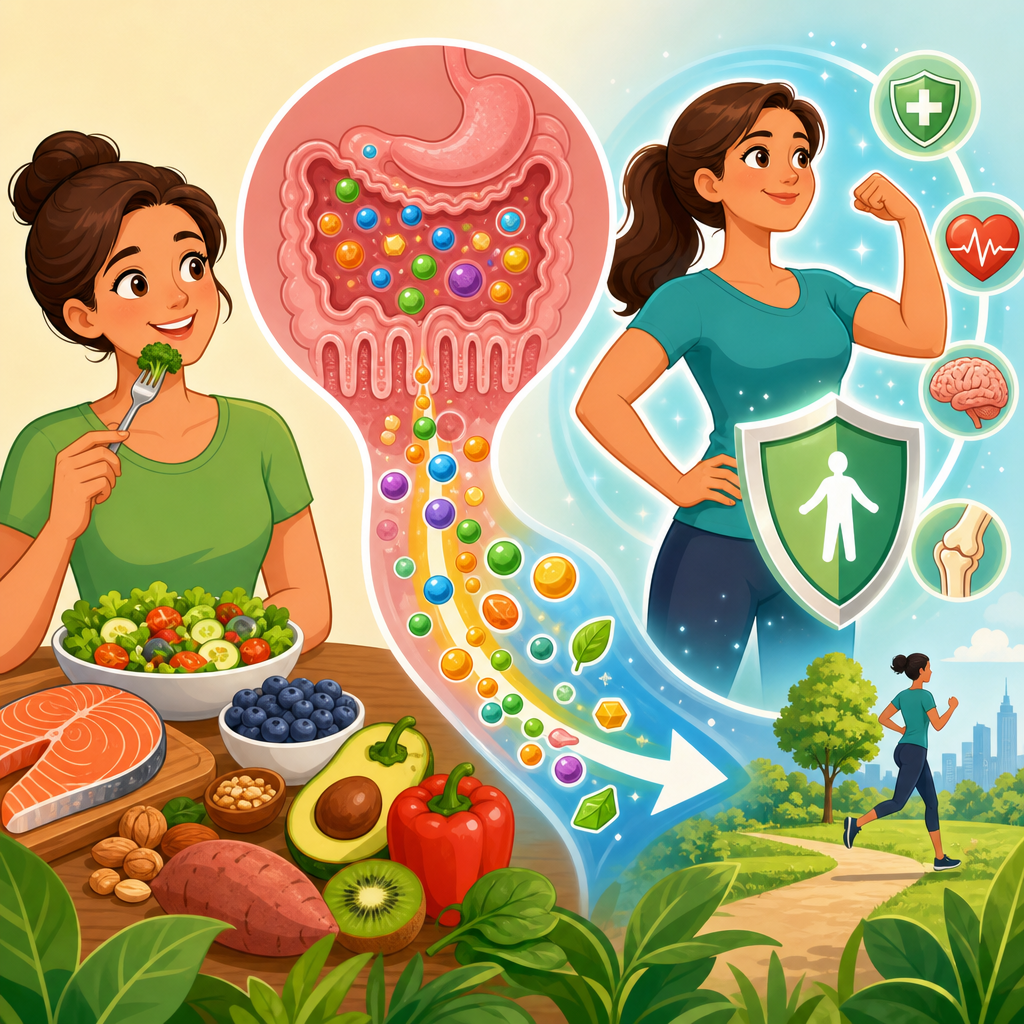
Nutrient absorption and bioavailability determine whether the vitamins, minerals, proteins, fats, and phytonutrients in food actually reach the bloodstream, tissues, and cells where they perform protective work. In nutrition practice, I often see people focus on what they eat while overlooking what their bodies can extract and use, and that gap explains why a technically “healthy” diet does not always prevent deficiency or lower disease risk. Nutrient absorption is the process of moving nutrients from the digestive tract into circulation, while bioavailability describes the proportion of a nutrient that is absorbed and then made available for physiological function or storage. These concepts matter because disease prevention depends less on what is listed on a label and more on what is effectively delivered to the body. Iron that is poorly absorbed will not support oxygen transport; calcium that is not retained will not protect bone; omega-3 fats that are oxidized or underdosed will not meaningfully influence inflammation. Understanding nutrient absorption and bioavailability helps people choose foods, combinations, cooking methods, and supplement forms that improve outcomes. It also provides a practical framework for reducing risk of anemia, osteoporosis, cardiovascular disease, weakened immunity, neural tube defects, and other conditions linked to nutrient shortfalls or impaired utilization.
The digestive system is not a simple pipeline. It is a coordinated network involving stomach acid, pancreatic enzymes, bile acids, gut motility, intestinal transporters, the microbiome, liver metabolism, and tissue demand. Age, medications, alcohol intake, chronic stress, gastrointestinal disorders, and genetics all change how well nutrients are absorbed. Even the same nutrient can behave differently depending on its source. Heme iron from meat is absorbed far more efficiently than nonheme iron from plants. Natural folate in food is less stable than folic acid in fortified foods, while methylfolate supplements may be useful in select cases but are not automatically superior for everyone. Fat-soluble vitamins need dietary fat and normal bile flow, whereas water-soluble vitamins rely more on transporter activity and intestinal health. As a hub within Nutrition Basics, this article explains the mechanisms, major influences, and disease-prevention implications of nutrient absorption and bioavailability, so readers can connect daily food choices with long-term health protection and navigate related articles on digestion, micronutrients, meal planning, and supplementation with a stronger foundation.
How nutrient absorption works from digestion to delivery
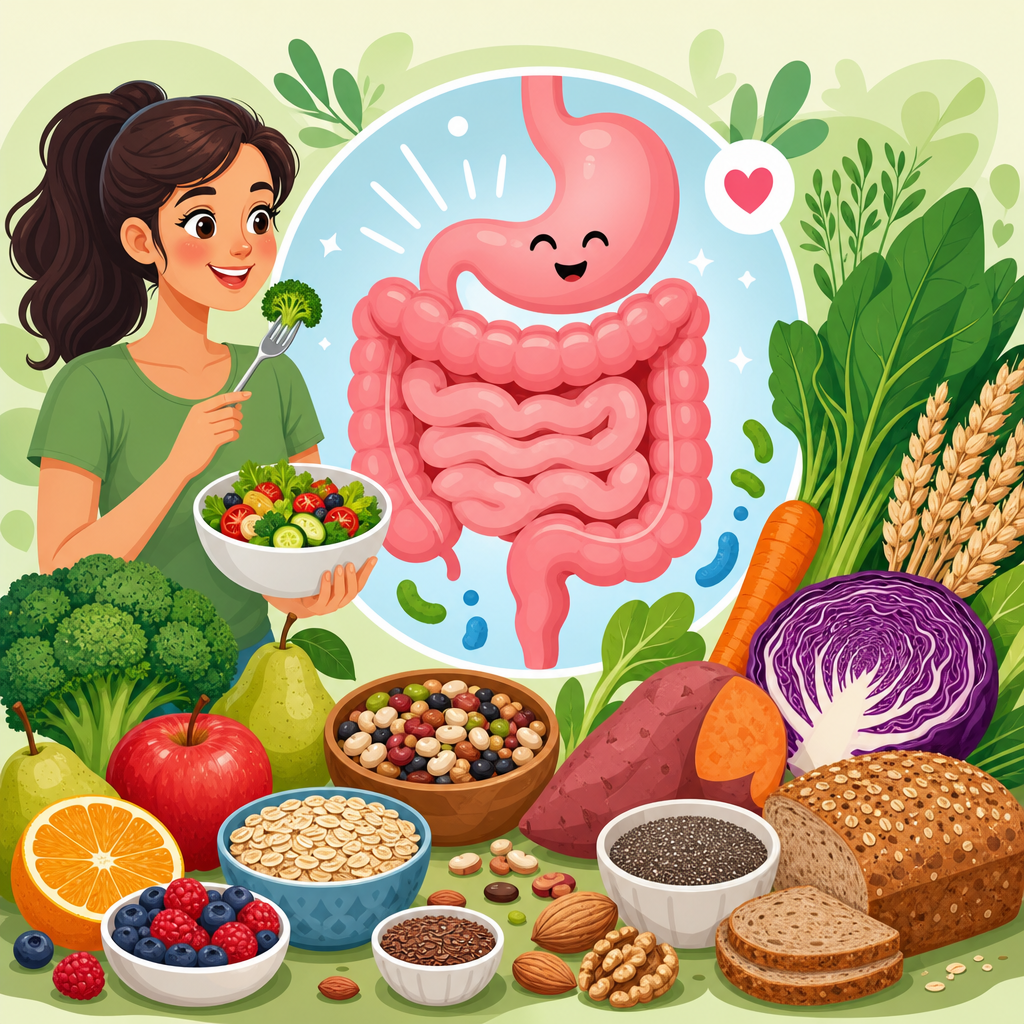
Nutrient absorption begins before food reaches the small intestine. Chewing increases surface area and mixes food with saliva, but the stomach and small intestine do most of the critical work. Hydrochloric acid in the stomach denatures proteins, releases minerals from food matrices, and helps convert ferric iron to the more absorbable ferrous form. Pepsin starts protein digestion, and then pancreatic enzymes break carbohydrates into sugars, proteins into peptides and amino acids, and fats into fatty acids and monoglycerides. Bile from the liver and gallbladder emulsifies fats, allowing fat-soluble vitamins A, D, E, and K to form micelles and cross the intestinal surface. Most absorption happens in the small intestine through villi and microvilli, which increase surface area dramatically. Specific transporters move glucose, amino acids, calcium, and many vitamins across intestinal cells. Some nutrients enter the portal vein and go directly to the liver; others, especially long-chain fats, travel first through the lymphatic system. The liver then processes, stores, converts, or redistributes nutrients according to the body’s needs.
Bioavailability extends beyond absorption. A nutrient may be absorbed but still limited by poor conversion, rapid excretion, competition with other nutrients, or inability to enter target tissues. Beta-carotene, for example, must be converted to retinol to fully function as vitamin A, and that conversion varies with genetics, thyroid status, zinc status, and dietary fat intake. Vitamin D from sunlight or supplements must be hydroxylated in the liver and kidneys to become active. Magnesium can be absorbed reasonably well yet remain functionally low if intake is chronically inadequate, losses are high, or medications increase urinary excretion. This is why laboratory interpretation and symptom review matter. In practice, I look at the whole pathway: intake, digestion, absorption, activation, transport, storage, and utilization. Disease prevention depends on all of these stages working together.
What affects bioavailability most in everyday diets
Several factors strongly influence nutrient absorption and bioavailability. Food form matters first. Nutrients embedded in intact plant cell walls may be less available than nutrients in cooked, chopped, soaked, fermented, or sprouted foods. Lycopene from cooked tomatoes is more bioavailable than lycopene from raw tomatoes because heat disrupts the matrix and improves release. Protein quality also affects utilization; animal proteins generally provide all essential amino acids in highly digestible proportions, while plant proteins may require thoughtful pairing over the course of the day. Second, meal composition matters. Fat improves absorption of carotenoids and fat-soluble vitamins, while vitamin C can increase nonheme iron absorption severalfold. Third, inhibitors matter. Phytates in legumes and whole grains, oxalates in some greens, and tannins in tea can reduce the absorption of minerals such as iron, zinc, and calcium. These foods remain healthful, but preparation methods and food pairings change their nutritional impact.
Health status is equally important. Celiac disease, inflammatory bowel disease, pancreatic insufficiency, short bowel syndrome, and bariatric surgery can significantly impair nutrient absorption. Reduced stomach acid, whether from aging or chronic proton pump inhibitor use, can lower absorption of vitamin B12, iron, calcium carbonate, and magnesium. Metformin is associated with lower vitamin B12 status in some users. Orlistat can reduce absorption of fat-soluble vitamins. Alcohol damages the gut lining and interferes with folate, thiamin, magnesium, and zinc status. The microbiome also plays a role by fermenting fiber into short-chain fatty acids that support intestinal integrity and by influencing vitamin K and some B-vitamin production. Genetics adds another layer: lactase persistence determines lactose digestion, HFE variants affect iron handling, and polymorphisms related to folate metabolism can alter nutrient needs. No discussion of disease prevention is complete without recognizing these personal variables.
| Factor | Effect on absorption or bioavailability | Practical example |
|---|---|---|
| Cooking and processing | Can increase release of some nutrients or reduce heat-sensitive vitamins | Cooked tomatoes raise lycopene availability; overboiling vegetables lowers vitamin C |
| Meal composition | Enhancers and inhibitors change uptake | Add citrus to beans for iron; avoid tea with iron-rich meals |
| Digestive function | Low acid, low bile, or low enzymes reduce extraction and transport | B12 absorption drops with atrophic gastritis or long-term acid suppression |
| Supplement form | Chemical form influences tolerability and utilization | Calcium citrate is absorbed better than calcium carbonate when stomach acid is low |
| Physiological state | Needs and handling change with age, pregnancy, illness, and training | Pregnancy increases folate and iron requirements |
Key nutrient examples linked to disease prevention
Iron offers one of the clearest examples of how bioavailability affects disease prevention. Heme iron from meat, poultry, and seafood is absorbed at a much higher rate than nonheme iron from beans, lentils, grains, nuts, and vegetables. Nonheme iron absorption can range widely depending on meal composition, iron status, and gut conditions. Pairing iron-rich plant foods with vitamin C sources such as bell peppers, kiwi, citrus, or strawberries improves absorption by reducing iron to a more usable form. Preventing iron deficiency lowers the risk of anemia, fatigue, impaired cognition, and adverse pregnancy outcomes. Calcium and vitamin D are another classic pair. Calcium absorption depends on vitamin D status, stomach acidity, dose size, and competing compounds. Dairy is naturally efficient for many people, while fortified plant beverages vary in sedimentation and actual intake unless shaken well. Adequate calcium and vitamin D support bone mineralization and help reduce fracture risk, particularly when combined with weight-bearing exercise and sufficient protein.
Folate, vitamin B12, iodine, choline, zinc, selenium, and omega-3 fats all illustrate how intake alone is not enough. Folate from leafy greens supports DNA synthesis, but women who may become pregnant are advised to get folic acid because it is better studied for preventing neural tube defects in early pregnancy. Vitamin B12 requires intrinsic factor and sufficient stomach acid for normal absorption from food, making older adults, vegans, and people with malabsorption more vulnerable to deficiency, which can lead to megaloblastic anemia and neurological damage. Iodine and selenium support thyroid hormone production and antioxidant defense; both too little and too much can be harmful. Long-chain omega-3 fats EPA and DHA are more directly usable than plant-derived ALA, whose conversion is limited in humans. Better omega-3 bioavailability may support cardiovascular health by lowering triglycerides and influencing inflammatory signaling. Zinc and vitamin A help maintain immune barriers and reduce infection risk, but excess supplemental zinc can impair copper status. Effective disease prevention relies on balancing dose, source, and context rather than chasing isolated numbers.
Food-first strategies and when supplements make sense
The best way to improve nutrient absorption and bioavailability in most cases is to build meals intentionally. Include a source of fat with vegetables to improve carotenoid and fat-soluble vitamin uptake; olive oil on salad and yogurt with fruit are simple examples. Pair plant iron with vitamin C-rich produce. Use soaking, sprouting, sourdough fermentation, and pressure cooking to reduce phytates and improve mineral access in legumes and grains. Rotate protein sources to cover amino acid needs and micronutrient gaps. Choose fermented dairy if lactose intolerance limits milk intake. For older adults, spread protein across meals because anabolic resistance can reduce muscle protein synthesis despite adequate total intake. For people with digestive symptoms, address the underlying cause instead of assuming poor discipline. Testing for celiac disease, evaluating pancreatic function, reviewing medications, or checking B12, ferritin, vitamin D, and magnesium can uncover reasons a good diet is not producing expected results.
Supplements have a clear role when requirements are elevated, deficiency is documented, or absorption from food is compromised. In my work, the most successful supplement plans are targeted and monitored. Prenatal folic acid, vitamin B12 for vegans, vitamin D in low-sunlight settings, iron when iron deficiency is confirmed, and calcium for those who cannot meet needs through food are common examples. Form matters. Calcium citrate is useful with low stomach acid, magnesium glycinate is often better tolerated than magnesium oxide, and sublingual or high-dose oral B12 may help when intrinsic factor is limited, although severe deficiency may require injections. Quality matters too; third-party testing from organizations such as USP, NSF, or Informed Choice improves confidence that a product contains what it claims. Supplements can close gaps, but they do not reproduce the full food matrix, and unnecessary megadoses can create toxicity or imbalance. The most protective plan combines nutrient-dense foods, smart preparation, individualized assessment, and evidence-based supplementation only where needed.
Common mistakes, clinical red flags, and how to build a prevention-focused plan
The biggest mistake people make is assuming that more is better. Large doses do not guarantee better bioavailability and can sometimes reduce it. Calcium is absorbed more efficiently in divided doses than in a single large bolus. Zinc and iron compete at high supplemental doses. Taking fat-soluble vitamins without considering baseline status or liver storage can be risky, especially with vitamin A. Another common mistake is relying on “superfoods” while ignoring total diet pattern and digestive health. Spinach contains useful nutrients, but its oxalate content limits calcium absorption. Bran cereals may look iron-rich on labels, yet absorption can remain low without enhancers. Smoothies can support intake, but blending does not magically solve malabsorption. Clinical red flags include unexplained fatigue, hair loss, recurrent mouth ulcers, poor wound healing, numbness, chronic diarrhea, pale skin, frequent fractures, muscle cramps, and unintended weight loss. These symptoms warrant professional evaluation because they may reflect malabsorption, chronic disease, or medication effects rather than simple low intake.
A prevention-focused plan starts with assessment, not guesswork. Review dietary pattern, symptoms, medications, alcohol use, bowel habits, and relevant lab work. Identify likely shortfalls based on life stage and eating pattern. Then improve meal structure: protein at each meal, produce diversity, regular intake of legumes, nuts, seeds, dairy or fortified alternatives, and seafood where appropriate. Use combinations that increase absorption and adjust preparation methods before defaulting to pills. If supplements are needed, choose evidence-based doses, set a follow-up timeline, and reassess symptoms and biomarkers. Internal links across a Nutrition Basics hub should naturally guide readers from this page to articles on digestion, gut health, micronutrients, protein quality, healthy fats, meal timing, and reading supplement labels, because nutrient absorption touches every one of those topics. Disease prevention is not built on a single nutrient. It is built on consistently delivering usable nutrition to the body. Start by examining not just what is on your plate, but what your body can truly absorb and use every day.
Frequently Asked Questions
What is the difference between nutrient absorption and bioavailability, and why do both matter for disease prevention?
Nutrient absorption refers to the process of moving nutrients from food through the digestive tract and into the bloodstream or lymphatic system. Bioavailability goes a step further: it describes how much of that absorbed nutrient is actually available for the body to use in tissues, cells, and metabolic processes. In other words, a food can contain an impressive amount of a vitamin, mineral, healthy fat, amino acid, or phytonutrient, but if the body cannot efficiently absorb it or convert it into an active form, the protective benefit may be limited.
This distinction matters because disease prevention depends on what your body can truly utilize, not just what appears on a nutrition label or meal plan. Nutrients support immune defenses, antioxidant activity, DNA repair, hormone production, blood sugar regulation, bone maintenance, cardiovascular function, and inflammation control. If absorption is impaired or bioavailability is poor, these systems may not receive the compounds they need to function optimally. Over time, that can contribute to nutrient insufficiency, even in people who seem to be eating well on paper.
For example, iron may be present in a meal, but its absorption varies depending on whether it comes from animal or plant sources and what other foods are eaten alongside it. Fat-soluble vitamins such as A, D, E, and K require dietary fat for efficient uptake. Some plant compounds become more available after cooking, while others are reduced by processing. This is why disease prevention is not only about food quality, but also about digestion, food combinations, nutrient form, and individual physiology.
Can someone eat a healthy diet and still have poor nutrient status?
Yes, absolutely. This is one of the most important and most overlooked concepts in nutrition. A person may eat plenty of vegetables, lean proteins, whole grains, legumes, nuts, seeds, and healthy fats, yet still struggle with low nutrient status if their body is not effectively breaking down, absorbing, transporting, or activating those nutrients. This helps explain why a technically balanced diet does not always translate into strong energy, resilience, or lower disease risk.
There are many reasons this can happen. Digestive issues such as low stomach acid, enzyme insufficiency, bile problems, chronic diarrhea, inflammatory bowel conditions, celiac disease, or intestinal damage can reduce nutrient uptake. Certain medications can interfere with absorption or increase nutrient losses. Age also plays a role, as older adults often have changes in digestion that affect vitamin B12, calcium, magnesium, and protein utilization. Even chronic stress can alter digestion and appetite patterns in ways that compromise nutrient status over time.
Diet composition matters too. A person might eat nutrient-dense foods but consume them in ways that reduce access to key compounds. For instance, skipping fats with meals can lower absorption of fat-soluble vitamins and carotenoids. Relying heavily on foods high in absorption inhibitors without balancing preparation methods may reduce mineral uptake. In practice, this means nutrient status depends on more than good intentions or healthy food choices. It depends on whether the body can convert those choices into usable biological protection.
Which factors most strongly influence nutrient bioavailability?
Nutrient bioavailability is shaped by several overlapping factors, and understanding them can dramatically improve how effective a diet is. One of the biggest influences is the form of the nutrient itself. Some forms are absorbed more easily than others. Heme iron from animal foods is generally better absorbed than non-heme iron from plant foods. Natural food matrices can either support or limit release of nutrients during digestion, and some supplemental forms are more useful than others depending on the person and the nutrient involved.
Food pairing is another major factor. Vitamin C enhances non-heme iron absorption, while dietary fat supports the uptake of vitamins A, D, E, and K as well as carotenoids and other phytonutrients. Protein can influence mineral transport, and fermentation or sprouting can reduce compounds like phytates that bind minerals such as zinc, calcium, and iron. Cooking also matters. In some cases, heat softens plant cell walls and increases access to nutrients, as seen with lycopene in tomatoes. In other cases, excessive heat can reduce more delicate vitamins.
Individual health status is equally important. Digestive capacity, gut integrity, microbiome balance, inflammation levels, liver function, pancreatic enzyme output, and bile production all affect what the body can use. Genetics can also influence nutrient metabolism, meaning two people may respond differently to the same foods. Finally, lifestyle factors such as alcohol use, smoking, poor sleep, chronic stress, and high intake of ultra-processed foods can undermine nutrient utilization. That is why improving bioavailability often requires a whole-body view rather than focusing on a single food or supplement.
How does better nutrient absorption help reduce the risk of chronic disease?
Better nutrient absorption helps lower chronic disease risk because nutrients are the raw materials the body uses to maintain normal function and defend against long-term damage. When vitamins, minerals, amino acids, fatty acids, and phytonutrients are efficiently absorbed and biologically available, they can support the systems that protect against heart disease, diabetes, osteoporosis, cognitive decline, immune dysfunction, and certain inflammatory conditions.
For example, adequate absorption of magnesium, potassium, and omega-3 fats can support cardiovascular health and healthy blood pressure regulation. Efficient uptake of calcium, vitamin D, vitamin K, protein, and phosphorus helps preserve bone strength and reduce fracture risk over time. Strong availability of antioxidants and plant compounds from fruits, vegetables, herbs, legumes, tea, and other whole foods may help reduce oxidative stress and chronic inflammation, two major drivers of many modern diseases. B vitamins are essential for energy metabolism, nerve function, and methylation pathways that affect everything from cardiovascular health to brain performance.
When absorption is impaired, subtle nutrient gaps can accumulate quietly for years before symptoms become obvious. That slow decline can weaken protective mechanisms, impair recovery, and increase vulnerability to metabolic dysfunction. This is why disease prevention should not be viewed only as eating more “healthy foods,” but as ensuring those foods can actually be digested, absorbed, delivered, and used where they matter most. Prevention becomes far more effective when nutrition is approached as a process of utilization, not just intake.
What practical steps can improve nutrient absorption and bioavailability in everyday eating?
Several simple strategies can make a meaningful difference. First, build balanced meals that include a source of protein, healthy fat, fiber, and colorful plant foods. This helps support satiety, digestive function, blood sugar stability, and absorption of a wide range of nutrients. Adding olive oil, avocado, nuts, seeds, eggs, yogurt, or other healthy fat sources to vegetable-rich meals can improve uptake of fat-soluble vitamins and carotenoids. Pairing iron-rich plant foods like beans, lentils, tofu, spinach, or pumpkin seeds with vitamin C-rich foods such as citrus, bell peppers, berries, or tomatoes can improve iron absorption.
Food preparation also matters. Soaking, sprouting, fermenting, and cooking can make some nutrients more accessible and reduce compounds that interfere with mineral absorption. Chewing thoroughly and eating in a relaxed state can support digestion from the very first stage. Limiting excessive alcohol, addressing chronic digestive symptoms, and being thoughtful about restrictive diets can also help protect nutrient status. For people with ongoing issues such as bloating, reflux, diarrhea, unexplained fatigue, or signs of deficiency, it may be wise to look deeper at digestive health rather than assuming the problem is simply a lack of healthy eating.
Finally, remember that consistency beats perfection. Improving nutrient bioavailability is not about chasing a flawless diet or obsessing over every food combination. It is about making your meals work better for your body. When digestion is supported, meals are well composed, and underlying barriers to absorption are addressed, the nutrients in food are more likely to reach the bloodstream, tissues, and cells where they can do their protective work. That is where nutrition becomes truly preventive rather than merely theoretical.