
The difference between nutritional ketosis and ketoacidosis matters because the two states are often confused, yet they are biologically distinct, clinically opposite in risk, and essential to understand for anyone exploring ketogenic and low-carb diets. Nutritional ketosis is a controlled metabolic state in which the body produces ketones as an alternative fuel when carbohydrate intake is low. Ketoacidosis, by contrast, is a dangerous medical emergency marked by uncontrolled ketone production, severe insulin deficiency, and acid buildup in the blood. I have had to explain this distinction repeatedly to clients starting low-carb plans, especially after they encountered alarming headlines that used the words ketosis and ketoacidosis almost interchangeably. That confusion keeps people from making informed decisions.
As a hub page for ketogenic and low-carb diets, this article explains the science, the practical uses, the risks, and the common variations of carb restriction. It also places ketosis in the wider context of low-carb eating, because not every low-carb diet aims for ketosis and not every person benefits from the same carbohydrate threshold. A ketogenic diet typically reduces carbohydrate intake enough to raise circulating ketones, usually beta-hydroxybutyrate, while low-carb diets may simply lower carbs without consistently generating meaningful ketone levels. Both approaches can influence appetite, blood sugar, body weight, and energy metabolism, but they differ in intensity, food choices, and medical suitability.
Understanding the difference is important for three reasons. First, it improves safety. People with type 1 diabetes, insulin deficiency, or acute illness need to know when ketones are normal and when they signal danger. Second, it improves results. Many people think they are “doing keto” when they are actually following a moderate low-carb plan, which is not wrong, but it changes expectations for hunger, performance, and blood glucose. Third, it helps people evaluate the broader category of ketogenic and low-carb diets with more precision. That means understanding common diet formats, lab markers, side effects, medication interactions, and realistic outcomes rather than relying on online myths.
What Nutritional Ketosis Actually Means
Nutritional ketosis is a normal physiologic adaptation to reduced carbohydrate availability. When carbohydrate intake drops and liver glycogen declines, insulin levels fall, glucagon rises, and the liver increases fat oxidation and ketone production. The three ketone bodies are acetoacetate, beta-hydroxybutyrate, and acetone. In practice, blood beta-hydroxybutyrate is the marker most often measured. Nutritional ketosis is commonly defined as blood ketones roughly between 0.5 and 3.0 millimoles per liter, though exact thresholds vary by source and context. During this state, the brain, muscles, and other tissues can use ketones along with fatty acids and glucose for energy.
This state can occur during fasting, prolonged exercise, or a ketogenic diet. A standard ketogenic diet often provides very low carbohydrate intake, moderate protein, and high fat. Many adults enter measurable ketosis when net carbohydrate intake falls to around 20 to 50 grams per day, but that range is not universal. Body size, activity level, insulin sensitivity, protein intake, and duration of restriction all matter. I have seen athletic clients maintain mild ketosis at higher carb levels, while insulin-resistant individuals sometimes need tighter carbohydrate control to reach the same readings. Nutritional ketosis is not a pathology. It is a built-in survival mechanism that humans have used throughout history during periods of food scarcity.
What Ketoacidosis Is and Why It Is Dangerous
Ketoacidosis is a pathologic state in which ketones rise to dangerous levels because insulin is absent or profoundly inadequate. The most recognized form is diabetic ketoacidosis, often associated with type 1 diabetes, though it can also occur in insulin-deficient type 2 diabetes under severe stress, infection, or missed insulin treatment. Without enough insulin, the body cannot regulate glucose use or suppress excessive lipolysis and ketogenesis. Blood glucose typically rises sharply, ketones accumulate rapidly, dehydration worsens, and blood pH drops. Symptoms can include excessive thirst, frequent urination, nausea, vomiting, abdominal pain, rapid breathing, confusion, fruity breath, and fatigue. This is a medical emergency requiring urgent treatment.
Starvation ketoacidosis and alcoholic ketoacidosis also exist, but they arise under different conditions than nutritional ketosis and are still not the same as a well-formulated ketogenic diet. In diabetic ketoacidosis, blood ketones are often far above nutritional levels, commonly exceeding 3.0 millimoles per liter and sometimes much higher, while glucose may exceed 250 milligrams per deciliter, though euglycemic cases can occur, especially with sodium-glucose cotransporter-2 inhibitors. The key distinction is not ketones alone. It is the combination of uncontrolled ketone production, metabolic acidosis, and systemic instability. Nutritional ketosis happens with sufficient insulin function and normal acid-base control. Ketoacidosis happens when those safeguards fail.
How Nutritional Ketosis and Ketoacidosis Differ in Practice
The simplest way to separate nutritional ketosis from ketoacidosis is to compare context, lab values, and symptoms. In nutritional ketosis, ketones rise modestly, blood glucose is usually normal or mildly low-normal, hydration is stable, and the person generally feels functional once adapted. In ketoacidosis, ketones are excessive, acid-base balance is disrupted, glucose is often high, and symptoms escalate quickly. This distinction is not academic. It changes whether someone should continue a meal plan, check medication dosing, or go to the emergency department.
| Feature | Nutritional Ketosis | Ketoacidosis |
|---|---|---|
| Typical trigger | Low-carb intake, fasting, endurance exercise | Severe insulin deficiency, illness, missed insulin, alcohol misuse |
| Blood ketones | Usually 0.5 to 3.0 mmol/L | Often above 3.0 mmol/L and rising |
| Blood glucose | Normal or mildly reduced | Usually elevated, though sometimes normal with certain drugs |
| Blood pH | Normal | Low, indicating acidosis |
| Symptoms | Often mild appetite reduction, transient fatigue during adaptation | Nausea, vomiting, dehydration, deep breathing, confusion |
| Clinical meaning | Expected metabolic adaptation | Medical emergency |
In clinic discussions, I tell people to avoid reducing this difference to a slogan like “ketones good” or “ketones bad.” Ketones are context dependent. The body makes them for useful reasons, but if insulin regulation collapses, the same pathway can become dangerous. This is especially relevant for anyone with diabetes, people using insulin pumps, and those taking SGLT2 inhibitors such as empagliflozin or dapagliflozin, because these medications have been linked with euglycemic diabetic ketoacidosis. That does not make low-carb eating automatically unsafe, but it does make medical supervision nonnegotiable in higher-risk groups.
Where Ketogenic and Low-Carb Diets Fit in the Bigger Picture
Ketogenic and low-carb diets are related but not identical. A low-carb diet broadly means reducing carbohydrate intake below the level typical in standard Western eating patterns. Some frameworks define low carb as under 130 grams per day because that is the Reference Daily Intake often cited for carbohydrate, while others classify plans by percentage of total calories. Moderate low-carb patterns might allow vegetables, legumes, fruit, and some whole grains while still limiting sugar and refined starch. A ketogenic diet is a stricter subset designed to maintain ketosis, usually by keeping carbohydrates very low and balancing protein carefully enough to avoid suppressing ketone production.
Within this subtopic, several patterns commonly appear. The standard ketogenic diet is the best known. Targeted ketogenic diets add carbohydrates around exercise for performance. Cyclical ketogenic diets alternate low-carb days with higher-carb refeeds, though evidence is stronger in athletic circles than in general health practice. Very low-carb diets may resemble ketogenic diets without measuring ketones. Atkins-style approaches progress through phases and may or may not remain ketogenic long term. Paleolithic low-carb plans emphasize unprocessed foods. Therapeutic ketogenic diets used in epilepsy are more precise and may use ratios such as 4:1 fat to combined protein and carbohydrate under clinical guidance.
As a hub for ketogenic and low-carb diets, this topic also includes practical issues beyond carbs alone: fiber intake, electrolytes, protein adequacy, food quality, lipid response, athletic performance, sustainability, and the psychology of restriction. In real life, most outcomes do not hinge on one number. They depend on whether the diet fits the individual’s health status, preferences, medication needs, and ability to maintain it consistently. Someone with prediabetes may thrive on a moderate low-carb Mediterranean pattern without chasing ketone readings. Someone using ketogenic therapy for seizure control has a different goal entirely and needs a more exact protocol.
Potential Benefits, Evidence, and Common Tradeoffs
Ketogenic and low-carb diets have credible evidence behind several benefits, but the magnitude varies by population and implementation. For weight loss, lower-carb eating often works because it reduces ultra-processed food intake, increases satiety through protein and fat, and can simplify decision making. Meta-analyses generally show that low-carb diets can produce meaningful short-term weight loss, although long-term results often converge with other calorie-appropriate diets when adherence is similar. For type 2 diabetes and prediabetes, carbohydrate restriction can improve glycemic control, lower postprandial glucose excursions, and reduce the need for some medications. Virta Health’s published trials, for example, showed improvements in hemoglobin A1c, weight, and medication reduction with a well-supported low-carb intervention.
Therapeutic ketogenic diets have a longer medical history in epilepsy, especially drug-resistant pediatric epilepsy, where they can reduce seizure frequency in selected patients. Research is also exploring ketogenic strategies in neurologic disease, migraine, polycystic ovary syndrome, and cancer support, but evidence quality and clinical applicability are uneven. Some findings are promising, yet they do not justify broad claims that keto treats everything. That is where nuance matters. Benefits often depend on diagnosis, adherence, food quality, and professional oversight.
Tradeoffs are equally real. During early adaptation, many people experience headache, fatigue, dizziness, constipation, and irritability, often called the keto flu, though this is usually related to fluid and electrolyte shifts rather than infection. Sodium, potassium, and magnesium intake often need attention. Some people see LDL cholesterol rise substantially on ketogenic diets, particularly lean hyper-responders, though triglycerides and HDL may improve. Athletes in glycolytic sports may notice reduced top-end performance if carbs stay very low. Social restrictions, limited food variety, and the burden of tracking can also undermine adherence. A diet is only effective if someone can sustain it safely.
Who Should Be Careful and How to Use These Diets Safely
Safety begins with matching the diet to the person. People with type 1 diabetes, a history of ketoacidosis, pregnancy, advanced kidney disease, pancreatitis, eating disorders, or active gallbladder issues should not start a ketogenic diet casually. Anyone taking insulin, sulfonylureas, or SGLT2 inhibitors needs medical guidance because carbohydrate restriction can change medication needs quickly. I have seen blood glucose improve within days on low-carb plans, which is encouraging, but that same rapid improvement can create hypoglycemia risk if medications are not adjusted.
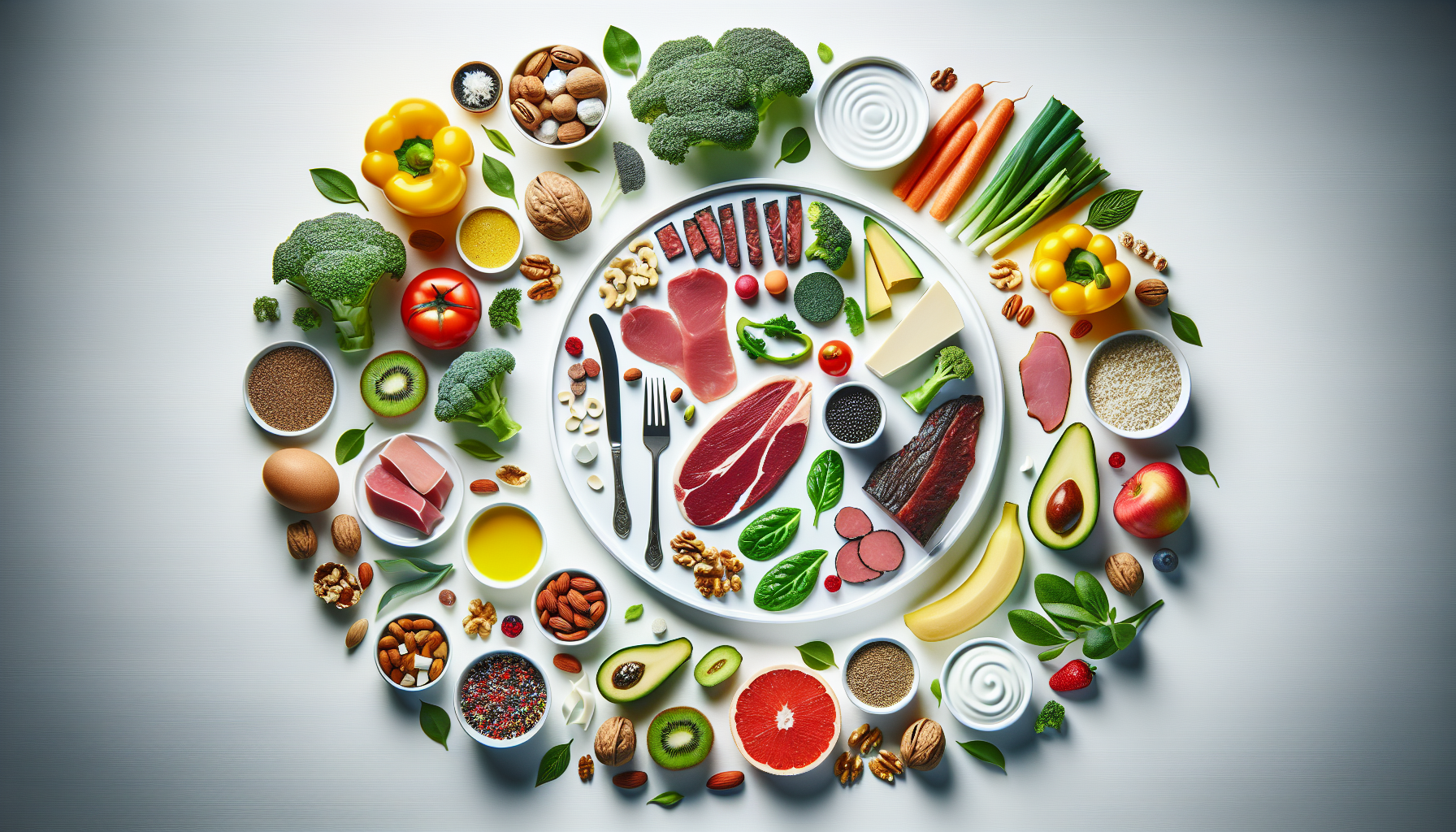
Practical safety steps are straightforward. Start with a clear goal: weight management, blood sugar control, seizure therapy, appetite regulation, or symptom reduction. Measure what matters to that goal, such as fasting glucose, hemoglobin A1c, lipids, blood pressure, waist circumference, or ketones. Build meals around nonstarchy vegetables, adequate protein, and fats from foods such as olive oil, avocado, eggs, dairy, nuts, seeds, fish, and meat, while limiting refined carbohydrates and sugary drinks. Protect fiber intake with vegetables, chia, flax, nuts, and lower-carb berries where appropriate. Monitor hydration and sodium, especially in the first weeks. If symptoms suggest ketoacidosis, particularly in someone with diabetes, seek urgent medical care rather than assuming it is normal adaptation.
How to Choose Between Keto and Lower-Carb Approaches
The best choice depends on the problem you are trying to solve. If your aim is broad metabolic improvement, appetite control, and sustainable fat loss, a moderate low-carb pattern is often easier to maintain and still effective. If your aim is therapeutic ketosis for seizure management or a tightly structured intervention for blood sugar control, a ketogenic diet may be more appropriate. For many adults, the smartest sequence is not jumping straight into extreme restriction. It is removing liquid sugar, reducing refined starch, increasing protein, and then deciding whether deeper carbohydrate restriction adds measurable benefit.
The key takeaway is simple: nutritional ketosis is a normal, regulated fuel state; ketoacidosis is a dangerous failure of metabolic control. Ketogenic and low-carb diets can be useful tools, but they are not interchangeable, and they are not one-size-fits-all. Understanding the difference protects your safety, improves your expectations, and helps you choose the right dietary strategy with confidence. Use this hub as your starting point for deeper exploration of ketogenic and low-carb diets, and if you have a medical condition or take glucose-lowering medication, make your next step a conversation with a qualified clinician before changing your carb intake.
Frequently Asked Questions
What is the main difference between nutritional ketosis and ketoacidosis?
The main difference is that nutritional ketosis is a normal, regulated metabolic state, while ketoacidosis is a dangerous, uncontrolled medical condition. In nutritional ketosis, the body shifts from relying primarily on glucose to using fat and ketones for energy because carbohydrate intake is low. This commonly happens during a ketogenic diet, fasting, or extended exercise. In this state, ketone levels rise modestly, and the body’s regulatory systems—especially insulin—continue to keep blood chemistry within a safe range.
Ketoacidosis is very different. It occurs when ketone production becomes excessive and overwhelms the body’s ability to maintain normal acid-base balance, causing the blood to become dangerously acidic. This is most often seen in people with type 1 diabetes, though it can also occur in other serious circumstances such as advanced illness, severe alcohol misuse, or extreme insulin deficiency. Rather than being a beneficial adaptation, ketoacidosis is a medical emergency that requires prompt treatment. Although both states involve ketones, the similarity largely ends there. One is a controlled fuel shift; the other is a life-threatening breakdown in metabolic regulation.
Is nutritional ketosis safe for healthy people following a ketogenic or low-carb diet?
For many healthy adults, nutritional ketosis can be safe when approached thoughtfully and with appropriate attention to overall nutrition, hydration, and medical history. When carbohydrate intake is reduced enough, the liver produces ketones to help supply energy to the brain and body. This is a natural human response and not inherently dangerous. In fact, mild ketosis has been studied for weight management, blood sugar control, appetite regulation, and certain neurological conditions.
That said, “safe” does not mean “universally appropriate.” People with diabetes, especially those who use insulin, individuals who are pregnant, people with a history of eating disorders, and those with kidney, liver, or pancreatic disease should not assume a ketogenic diet is automatically safe without medical guidance. Side effects such as fatigue, headache, constipation, electrolyte shifts, and dizziness can occur, particularly during the transition phase sometimes called the “keto flu.” The quality of the diet also matters. A well-formulated ketogenic plan is different from simply cutting carbs and eating poorly. It should still include adequate protein, micronutrients, fiber from low-carb vegetables, and enough fluids and electrolytes to support normal function.
How can someone tell the difference between normal ketosis and a dangerous situation like ketoacidosis?
In many cases, the difference comes down to context, symptoms, and severity. Nutritional ketosis may come with relatively mild effects such as reduced appetite, temporary fatigue during adaptation, increased urination early on, or a fruity or metallic breath odor due to acetone. Many people in ketosis feel normal or even energetic once adapted. Blood ketone levels in nutritional ketosis are typically elevated only modestly, and blood glucose is usually normal or low-normal rather than extremely high.
Ketoacidosis, on the other hand, is usually accompanied by serious warning signs. These may include nausea, vomiting, abdominal pain, deep or rapid breathing, marked weakness, confusion, dehydration, excessive thirst, frequent urination, and sometimes a strong fruity breath odor along with very high blood sugar in diabetic ketoacidosis. The person often feels clearly ill, not just “adjusting” to a new diet. If someone with diabetes has high ketones, high blood sugar, or symptoms such as vomiting or labored breathing, it should be treated as urgent. The safest rule is simple: normal ketosis should not cause severe illness. If symptoms are intense, worsening, or accompanied by diabetes or insulin deficiency, immediate medical evaluation is essential.
Can a ketogenic diet cause ketoacidosis?
In healthy people with normal insulin function, a standard ketogenic diet does not typically cause ketoacidosis. The body has built-in feedback systems that limit ketone production when enough insulin is present. Even when carbohydrates are very low, the pancreas continues to release enough insulin to keep ketones from rising to dangerous levels and to prevent the extreme acid buildup seen in ketoacidosis. This is why nutritional ketosis and ketoacidosis should not be treated as the same thing.
However, there are important exceptions and caveats. People with type 1 diabetes are at much higher risk of diabetic ketoacidosis if they do not have enough insulin, whether or not they are following a low-carb diet. Rarely, ketoacidosis can also occur in people with type 2 diabetes under certain conditions, especially if they are taking SGLT2 inhibitor medications, are severely ill, dehydrated, fasting excessively, or under major physiological stress. There are also uncommon forms such as alcoholic ketoacidosis and starvation ketoacidosis. So while a properly followed ketogenic diet is not generally the cause of ketoacidosis in metabolically healthy individuals, anyone with diabetes or other relevant risk factors should approach carbohydrate restriction under medical supervision.
Why is it important not to confuse nutritional ketosis with ketoacidosis?
Confusing these two states can lead to unnecessary fear on one side and dangerous complacency on the other. If people assume that all ketone production is harmful, they may misunderstand how low-carb and ketogenic diets work and dismiss a legitimate metabolic process that can be normal and, in some cases, therapeutically useful. Nutritional ketosis is not automatically a sign of disease. It is a controlled adaptation that humans are capable of entering during carbohydrate restriction or fasting.
At the same time, assuming ketoacidosis is just “deep ketosis” can be dangerous. Ketoacidosis is not a diet milestone or a more advanced fat-burning state. It is a serious medical emergency involving acid-base imbalance and often profound insulin deficiency. For people with diabetes in particular, recognizing that difference can be lifesaving. Clear understanding helps people make informed nutrition decisions, interpret symptoms correctly, and know when ketones are expected versus when they signal a need for urgent care. In short, the distinction matters because one state can be part of a normal dietary strategy, while the other requires immediate medical attention.