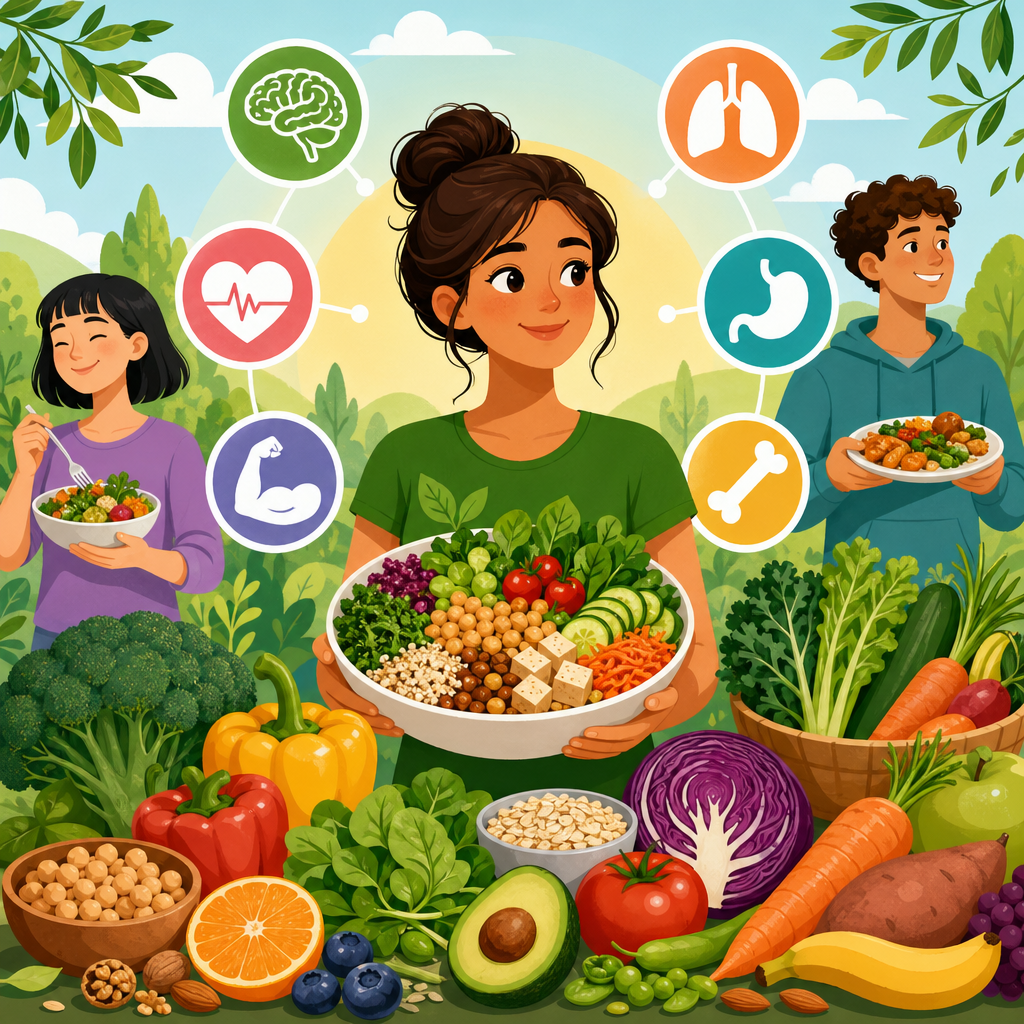
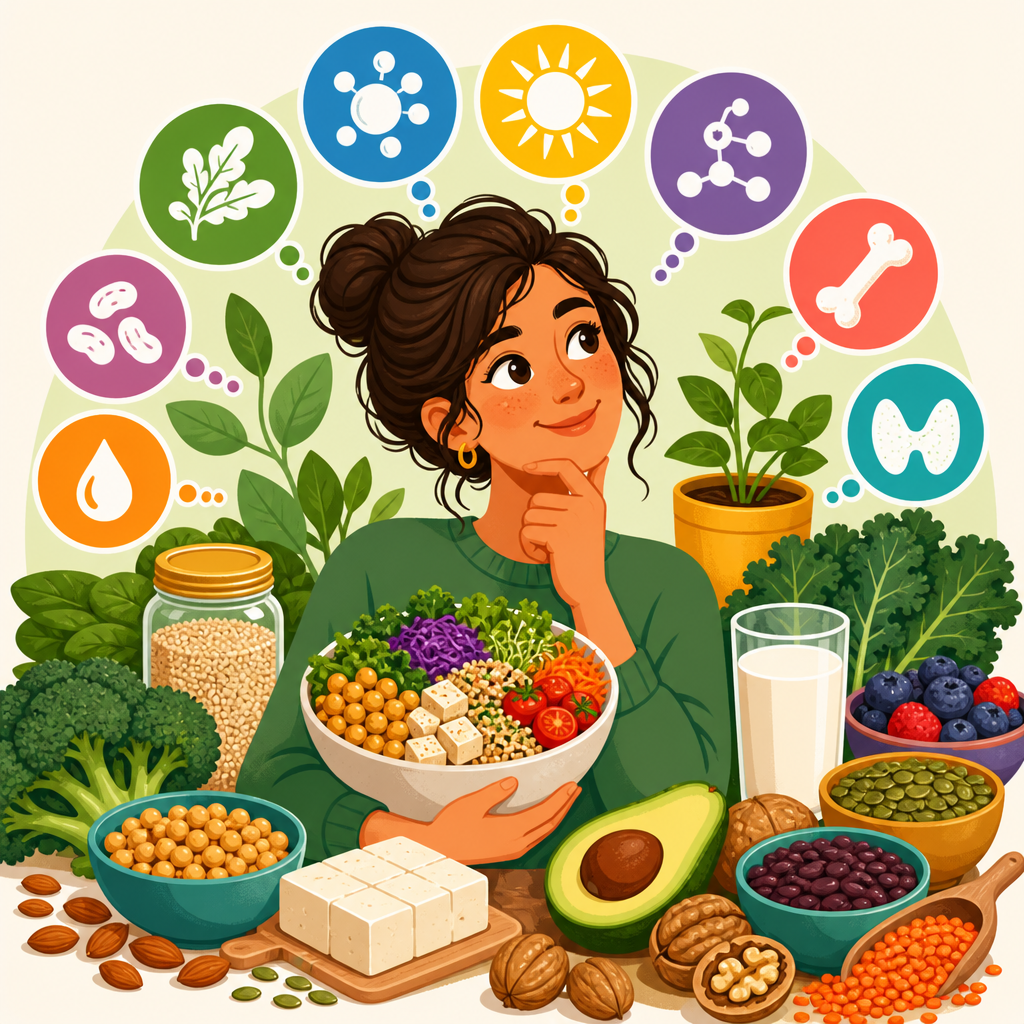
Switching to a vegan diet can improve fiber intake, reduce saturated fat, and align eating habits with ethical or environmental goals, but it also changes where several essential nutrients come from. A vegan diet excludes meat, fish, dairy, eggs, and other animal-derived ingredients, while vegetarian patterns may include dairy or eggs and flexitarian eating keeps plants at the center but allows occasional animal foods. Because this article serves as a hub for plant-based diets, it addresses the most important nutritional issues that arise across vegan, vegetarian, and flexitarian approaches, with special focus on the nutrients to watch when transitioning to a vegan diet.
In practice, the transition matters most during the first six to twelve months, when old habits disappear faster than new routines are established. I have seen people do well when they replace animal foods deliberately, and struggle when they simply remove them. The core question is not whether a plant-based diet can be healthy; major organizations including the Academy of Nutrition and Dietetics recognize that well-planned vegetarian and vegan diets can support health across the life cycle. The real issue is planning. Protein quality, vitamin B12, iron, calcium, iodine, omega-3 fats, zinc, vitamin D, and in some cases selenium all deserve attention.
This hub article explains what each nutrient does, why plant-based eaters may fall short, and how to meet needs with ordinary foods, fortified products, and supplements when appropriate. It also clarifies differences between vegan, vegetarian, and flexitarian eating so readers can choose the pattern that fits their goals, budget, cooking skills, and health status. If you are building a sustainable plant-based routine, understanding these nutrients is the fastest way to prevent fatigue, low energy, poor recovery, weakened bone health, or lab abnormalities later on.
How Vegan, Vegetarian, and Flexitarian Diets Differ in Nutritional Risk
Plant-based diets are not nutritionally identical. Vegan diets remove all direct dietary sources of vitamin B12 unless fortified foods or supplements are used, making B12 the one nutrient that requires a nonnegotiable plan. Lacto-ovo vegetarian diets generally have easier access to calcium, iodine, riboflavin, and B12 through dairy and eggs, though intake can still be inconsistent. Flexitarian diets usually carry the lowest deficiency risk because occasional fish, yogurt, eggs, or meat can fill gaps, but quality still depends on overall food choices. French fries and refined bread are technically plant-based; they are not nutritionally protective.
When I help people compare approaches, I focus on what foods are replacing animal products. Replacing chicken with lentils, tofu, quinoa, vegetables, nuts, and fortified soy milk is very different from replacing it with white pasta and packaged snacks. Whole plant foods bring fiber, potassium, magnesium, folate, and phytonutrients, but they may also provide minerals in forms that are less bioavailable because of phytates and oxalates. That is why the same nutrient label number does not always translate into the same absorbed amount. Nutritional success on a vegan diet depends on both quantity and absorbability.
Another difference is convenience. Omnivorous diets often deliver concentrated protein and micronutrients in one item, such as salmon or Greek yogurt. Vegan diets can do the same with foods like tempeh, calcium-set tofu, fortified plant milk, and edamame, but only if those items are stocked regularly. If your kitchen is not prepared, convenience foods take over. A strong transition plan starts with default staples: beans, lentils, tofu, tempeh, soy milk, whole grains, nuts, seeds, frozen vegetables, fruit, and a reliable B12 source.
Protein Quality, Leucine, and Meeting Daily Needs
Protein is usually the first concern people raise, and for most adults the issue is less about total intake than about distribution and quality. The Recommended Dietary Allowance is 0.8 grams per kilogram of body weight, but many active adults, older adults, and people trying to preserve muscle do better around 1.0 to 1.6 grams per kilogram. Plant proteins can absolutely meet these targets. The catch is that some sources are less concentrated, and some have lower levels of essential amino acids, especially leucine, which helps trigger muscle protein synthesis.
Soy foods are the most efficient vegan protein staples because they are high in protein and score well on measures such as PDCAAS and DIAAS compared with many other plant foods. A practical day might include soy yogurt at breakfast, lentil soup at lunch, tofu stir-fry at dinner, and roasted edamame as a snack. Seitan is protein-dense but low in lysine, so it works best alongside legumes. Quinoa, buckwheat, hemp seeds, pumpkin seeds, and peas contribute useful amounts, but relying on grains alone usually leaves protein too low for athletes or older adults.
Exact amino acid combining at each meal is unnecessary. Over the course of a day, varied plant proteins complement one another well. What matters more is hitting a meaningful dose at meals, often twenty to thirty-five grams of protein, depending on body size and goals. This is especially important for adults over fifty, who commonly need a stronger anabolic signal. If someone says a vegan diet made them feel weak, I often find they were eating toast, smoothies, salads, and pasta without structured protein anchors. Building each meal around tofu, tempeh, legumes, soy milk, or a tested plant protein powder usually corrects the problem quickly.
Vitamin B12: The Essential Safeguard
Vitamin B12 is the nutrient every new vegan must take seriously. It supports red blood cell formation, neurological function, and DNA synthesis. Deficiency can lead to fatigue, numbness, memory issues, megaloblastic anemia, and potentially irreversible nerve damage. Plants do not provide reliable active B12. Fermented foods, seaweed, spirulina, and unwashed produce are not dependable sources. In real-world counseling, B12 is the nutrient most often overlooked by people who otherwise eat very carefully.
The dependable options are fortified foods and supplements. Common fortified foods include plant milks, breakfast cereals, and nutritional yeast, but labels vary widely, so assumptions are risky. Many adults use cyanocobalamin because it is stable, effective, and well studied. A common preventive strategy is a daily low-dose supplement or a larger dose taken a few times per week. People taking metformin, proton pump inhibitors, or acid-reducing medications may need closer monitoring because absorption can be impaired. Older adults also have higher risk regardless of dietary pattern.
Lab assessment can include serum B12, methylmalonic acid, and homocysteine, especially when symptoms or borderline results appear. The key point is simple: every vegan needs a reliable B12 routine. Unlike some nutrients that can be optimized through food variety, B12 requires intentional sourcing. This single habit prevents one of the most serious and avoidable problems in plant-based nutrition.
Iron, Zinc, and Mineral Bioavailability
Iron and zinc deserve attention because plant-based diets contain them, yet absorption is often lower than from animal foods. Plant foods provide non-heme iron, which is more sensitive to inhibitors and enhancers. Good sources include lentils, beans, tofu, tempeh, pumpkin seeds, quinoa, blackstrap molasses, and fortified cereals. Pairing these foods with vitamin C-rich produce can significantly improve absorption. A bowl of lentil chili with bell peppers, tomatoes, and lime is more effective than lentils alone. Tea and coffee, however, can reduce iron absorption when consumed with meals, so timing matters for people with low ferritin.
Zinc supports immunity, wound healing, taste perception, and numerous enzymes. Beans, chickpeas, oats, nuts, seeds, tofu, and whole grains contribute zinc, but phytates in these foods can reduce uptake. Traditional preparation methods help: soaking beans, sprouting grains and legumes, fermenting foods like sourdough and tempeh, and leavening bread all improve mineral availability. In athletes, menstruating adults, and adolescents, I monitor iron and zinc status more carefully because needs or losses may be higher.
| Nutrient | Useful plant sources | Absorption strategy |
|---|---|---|
| Iron | Lentils, tofu, beans, fortified cereal, pumpkin seeds | Pair with vitamin C; avoid tea or coffee with meals |
| Zinc | Chickpeas, oats, cashews, hemp seeds, whole grains | Use soaking, sprouting, fermenting, and leavening |
| Calcium | Calcium-set tofu, fortified soy milk, kale, bok choy | Choose fortified staples and low-oxalate greens |
| Iodine | Iodized salt, fortified foods, measured seaweed products | Use consistent but not excessive intake |
Not every vegan will become iron deficient, and not every vegetarian has adequate stores. Menstruation status, endurance training, gastrointestinal conditions, and baseline intake matter more than labels. If fatigue, restless legs, hair shedding, or reduced exercise capacity develop, testing ferritin and a complete blood count is more useful than guessing.
Calcium, Vitamin D, and Bone Health
Bone health on a vegan diet depends on more than avoiding dairy. Calcium intake must be consistent, vitamin D status must be maintained, and protein needs must still be met. The best vegan calcium sources are fortified plant milks, calcium-set tofu made with calcium sulfate, fortified yogurt alternatives, and low-oxalate greens such as kale, bok choy, and collards. Spinach contains calcium, but its high oxalate content means absorption is poor. Almond beverage is another common trap: some brands are low in protein and not always fortified well enough to function like milk nutritionally.
Vitamin D is harder because food sources are limited in every diet. Sun exposure can help, but latitude, skin tone, season, clothing, sunscreen use, and time outdoors change how much is produced. Fortified foods and supplements are often necessary, especially in winter. Blood testing for 25-hydroxyvitamin D is reasonable for people at risk of low status, including those with darker skin living far from the equator, older adults, and anyone with minimal sun exposure. Weight-bearing exercise also matters. Nutrition can support bones, but without resistance training and impact activity, the skeleton loses one of its key maintenance signals.
For children, teens, and postmenopausal adults, these issues deserve extra care because bone-building and bone-preservation windows are time sensitive. A vegan diet can support strong bones, but it does not happen automatically. It requires fortified staples, smart food choices, and often supplemental vitamin D.
Omega-3 Fats, Iodine, Selenium, and Choline
Long-chain omega-3 fats are another common weak spot. Plants provide alpha-linolenic acid, or ALA, in flaxseed, chia seeds, hemp seeds, walnuts, and canola oil. The body can convert ALA into EPA and DHA, but the conversion rate is limited and variable. For adults who are pregnant, breastfeeding, aging, or focused on cardiovascular or cognitive health, an algae-based DHA or DHA/EPA supplement is often the most direct solution. I prefer practical habits over idealized theory: one to two tablespoons of ground flaxseed daily plus an algae supplement if intake or conversion is uncertain.
Iodine is essential for thyroid hormone production, yet intake on vegan diets can swing from too low to too high. Dairy often supplies iodine in omnivorous diets, so removing it creates a gap. Iodized salt is the simplest consistent source. Seaweed can help, but iodine content varies dramatically; kelp in particular can be excessive. Selenium is required for antioxidant enzymes and thyroid function. In many regions, Brazil nuts provide large amounts, but content depends on soil and can be extremely variable, so moderation matters. Choline, important for liver function and neural health, is found in soy foods, beans, quinoa, broccoli, peanuts, and cruciferous vegetables, though intake can run low without planning.
These nutrients rarely get the attention given to protein and B12, yet they can shape how well someone feels over time. If energy, thyroid markers, or concentration change after adopting a vegan pattern, iodine, selenium, omega-3 status, and overall diet quality should be reviewed before blaming plant-based eating itself.
How to Build a Sustainable Plant-Based Eating Pattern
The most successful transitions are structured, not dramatic. Start by identifying anchor meals you already like, then swap in nutritionally strong plant proteins. Chili becomes three-bean chili with tofu crumbles. A chicken rice bowl becomes edamame, tofu, and brown rice with sesame-ginger sauce. Greek yogurt becomes fortified soy yogurt with berries and chia. Flexitarian eaters can use this same framework while keeping occasional fish or eggs, and vegetarians can use dairy or eggs strategically where convenient. The common principle is nutrient density, not labels.
A practical shopping list includes fortified soy milk, tofu, tempeh, canned beans, lentils, whole grains, nuts, seeds, frozen vegetables, fruit, iodized salt, and a B12 supplement. If recovery from exercise is a goal, keep easy proteins visible and ready. If weight management is a goal, combine high-fiber foods with adequate protein instead of grazing on refined snacks. If digestive comfort is a concern, increase legumes gradually, rinse canned beans, and experiment with split lentils, tofu, and tempeh, which many people tolerate better at first.
This hub should also guide what to read next. Explore deeper topics such as vegan protein sources, meal planning for vegetarian diets, flexitarian diet benefits, plant-based eating for athletes, and supplements for vegans. The main takeaway is straightforward: a plant-based diet can be excellent for health, but excellence comes from design. Watch B12 first, then build meals around reliable protein, fortified calcium sources, iron-rich legumes, iodine, zinc, omega-3 fats, and vitamin D. Make those habits routine, and the transition becomes sustainable, nutritionally complete, and far easier to maintain. Start with one week of planned meals and one review of your staples today.
Frequently Asked Questions
1. Which nutrients are most important to monitor when transitioning to a vegan diet?
When moving to a vegan diet, the nutrients that usually deserve the closest attention are vitamin B12, iron, calcium, vitamin D, omega-3 fats, iodine, zinc, protein, and in some cases selenium. That does not mean a vegan diet is automatically deficient, but it does mean that several nutrients once obtained from meat, fish, dairy, or eggs now need to come from fortified foods, supplements, or carefully chosen plant foods. Vitamin B12 is often the top priority because it is not reliably available in unfortified plant foods. Iron is another key one, since plant-based iron is absorbed less efficiently than the iron found in animal foods. Calcium and vitamin D matter for bone health, especially if dairy is no longer part of the diet. Omega-3 fats are important because fish is a major source of EPA and DHA, while vegan diets rely more on ALA from foods like flax, chia, and walnuts. Iodine can become easier to miss if someone stops eating fish and dairy and does not use iodized salt or seaweed strategically. Zinc and protein are usually very manageable on a well-planned vegan diet, but they still deserve consideration during the transition period.
The practical takeaway is that vegan eating works best when it is intentional rather than restrictive. Building meals around legumes, soy foods, whole grains, nuts, seeds, vegetables, fruit, and fortified products can cover most nutritional needs very well. It also helps to think in terms of patterns instead of individual foods. For example, if your meals regularly include beans or lentils, calcium-set tofu, fortified plant milk, nuts, seeds, and whole grains, you are already covering a wide range of essential nutrients. If your article is serving as a hub for plant-based diets, this is one of the most useful framing points: vegan, vegetarian, and flexitarian eating patterns differ in what they include, but all benefit from paying attention to nutrient quality, food variety, and consistency over time.
2. Why is vitamin B12 such a major concern on a vegan diet, and how can vegans get enough?
Vitamin B12 is one of the most important nutrients to plan for because it supports red blood cell formation, nerve function, and DNA synthesis, and a deficiency can develop gradually without obvious early symptoms. Over time, low B12 intake may contribute to fatigue, numbness or tingling, memory problems, megaloblastic anemia, and neurological issues. Unlike nutrients that are abundant in legumes or leafy greens, B12 is not reliably supplied by unfortified plant foods. That is why it gets so much attention in discussions about vegan nutrition. It is not a sign that a vegan diet is inherently unhealthy; it simply means B12 needs a dependable source.
The most reliable ways for vegans to meet B12 needs are fortified foods and supplements. Common fortified options include some plant milks, breakfast cereals, nutritional yeast, and meat alternatives, but labels matter because fortification levels vary. Many people find a supplement to be the simplest and most consistent strategy. The exact routine can vary, such as smaller daily doses or larger doses a few times per week, depending on the product and a healthcare professional’s guidance. People who are pregnant, breastfeeding, older adults, or managing digestive conditions may need even more careful planning. Since B12 status can be checked with lab work, it is reasonable for someone transitioning to a vegan diet to discuss monitoring with a clinician, especially if they have been vegan for a while without a regular B12 source. In short, B12 is non-negotiable on a vegan diet, but it is also straightforward to manage once you build it into your routine.
3. How can vegans get enough iron, calcium, and vitamin D without animal products?
These three nutrients often come up together because they are commonly associated with animal foods, but each one can be addressed effectively with plant-based planning. For iron, the focus should be on legumes, lentils, beans, tofu, tempeh, edamame, pumpkin seeds, hemp seeds, quinoa, fortified cereals, and dark leafy greens. The key nuance is that plant-based iron is non-heme iron, which is more sensitive to factors that affect absorption. One of the easiest ways to improve iron absorption is to pair iron-rich foods with vitamin C-rich foods such as citrus, strawberries, bell peppers, tomatoes, or broccoli. For example, adding bell peppers to a bean bowl or having berries with fortified cereal can make a meaningful difference. Some people may also benefit from avoiding tea or coffee right with high-iron meals because they can reduce absorption.
For calcium, fortified plant milks, fortified yogurt alternatives, calcium-set tofu, tahini, almonds, bok choy, kale, collard greens, and some beans can all contribute. Not all greens are equal here; spinach contains calcium, but much of it is bound by oxalates and is not absorbed well. This is one reason fortified foods are often so helpful during the transition to vegan eating. Vitamin D can be more difficult to obtain from food alone regardless of diet pattern, since sunlight exposure, skin tone, geography, season, age, and sunscreen use all influence vitamin D status. Vegans often rely on fortified plant milks, fortified cereals, and supplements when necessary. If someone is concerned about bone health, has limited sun exposure, or lives in a region with long winters, discussing vitamin D testing with a healthcare provider can be worthwhile. Together, iron, calcium, and vitamin D are very manageable on a vegan diet, but they reward consistency, food variety, and label reading.
4. What about protein and omega-3 fats on a vegan diet?
Protein is one of the most common worries people have when giving up meat, dairy, and eggs, but for most healthy adults, getting enough protein on a vegan diet is not difficult if meals are built around protein-rich plant foods. Beans, lentils, chickpeas, tofu, tempeh, edamame, soy milk, seitan, peanuts, nuts, seeds, and whole grains all contribute. The bigger issue is often meal structure rather than protein scarcity. If someone replaces animal foods with mostly refined grains, snack foods, or salads without legumes, tofu, or other protein sources, intake may fall short. On the other hand, meals like lentil pasta, tofu stir-fry, chili with beans, hummus and grain bowls, or oatmeal with soy milk and seeds can provide substantial protein. It is also helpful to spread protein intake across the day rather than relying on one meal.
Omega-3 fats deserve special attention because fish is a well-known source of EPA and DHA, but vegans do not eat fish. Plant foods provide ALA, a precursor to omega-3s, through flaxseeds, chia seeds, hemp seeds, walnuts, and canola oil. The body can convert some ALA to EPA and DHA, but the conversion is limited, so it is wise to regularly include ALA-rich foods and consider an algae-based EPA/DHA supplement, especially for people who are pregnant, breastfeeding, or simply want a more direct source. From a practical standpoint, adding ground flax or chia to oatmeal, smoothies, or yogurt alternatives is one of the easiest habits to build. A vegan diet can absolutely support adequate protein and beneficial fat intake, but it works best when these nutrients are planned into everyday meals rather than assumed to appear automatically.
5. Are supplements necessary when transitioning to a vegan diet, and should nutrient levels be tested?
Supplements are not a substitute for a balanced diet, but they can be an important part of a nutritionally complete vegan pattern. Vitamin B12 is the clearest example, since most vegans need a reliable fortified food or supplement source and many experts consider supplementation the simplest option. Vitamin D may also be helpful depending on sunlight exposure, location, time of year, skin pigmentation, age, and dietary intake. An algae-based omega-3 supplement can be useful for people who want direct EPA and DHA. Iodine may need attention if someone avoids iodized salt and does not regularly eat iodine-containing foods. In some cases, iron, calcium, or zinc supplements may be recommended, but these are more individual and should not automatically be taken without considering overall diet and, ideally, professional guidance.
Testing can be a smart step, especially during the first year of transition or for people with higher nutritional demands. Lab work may be particularly helpful for checking vitamin B12, iron status, and vitamin D, depending on symptoms, medical history, and risk factors. This is especially relevant for pregnant or breastfeeding individuals, athletes, teens, older adults, and anyone with digestive disorders that may affect absorption. The goal is not to medicalize vegan eating, but to make it informed and sustainable. A well-planned vegan diet can offer plenty of benefits, including higher fiber intake, lower saturated fat intake, and alignment with ethical or environmental values. The key is recognizing that a diet shift changes where nutrients come from. With a thoughtful mix of whole plant foods, fortified products, and targeted supplements where needed, most people can transition successfully and maintain excellent nutritional status over the long term.