Choosing the best sources of understanding GMOs and their impact for optimal health starts with knowing what a GMO is, how it is regulated, and which information sources consistently separate evidence from fear. A genetically modified organism is a plant, animal, or microbe whose genetic material has been changed using biotechnology to introduce, silence, or edit traits. In food science, the term usually refers to crops such as corn, soybeans, canola, sugar beets, papaya, and some squash varieties developed for insect resistance, herbicide tolerance, disease resistance, or quality improvements. I have worked on food and agriculture content projects where GMO claims, labeling rules, and health questions were often mixed together, and the biggest challenge was not a lack of information but too much low-quality information. For consumers focused on optimal health, that matters because food choices are influenced by headlines, social media clips, ingredient labels, and advocacy messaging that often strip away the scientific context needed to make sound decisions.
Understanding GMOs and their impact means looking at three connected questions. First, are approved GMO foods safe to eat? Second, how do GMO crops affect farming systems, pesticide use, biodiversity, and sustainability? Third, where can people find sources that explain both benefits and limits without turning every question into a culture war? The broad scientific consensus from organizations such as the World Health Organization, the National Academies of Sciences, Engineering, and Medicine, the American Medical Association, the Food and Drug Administration, and the European Food Safety Authority is that currently approved GMO foods on the market are not inherently more risky to human health than comparable non-GMO foods. That conclusion does not mean every application of biotechnology is automatically beneficial, and it does not end debate over herbicide use, seed ownership, or environmental management. It means health discussions should begin with evidence, not assumption. This hub article explains how to evaluate sources, which institutions are worth reading, what topics deserve closer attention, and how GMO knowledge fits into a broader food science and sustainability perspective.
What counts as a reliable source on GMOs
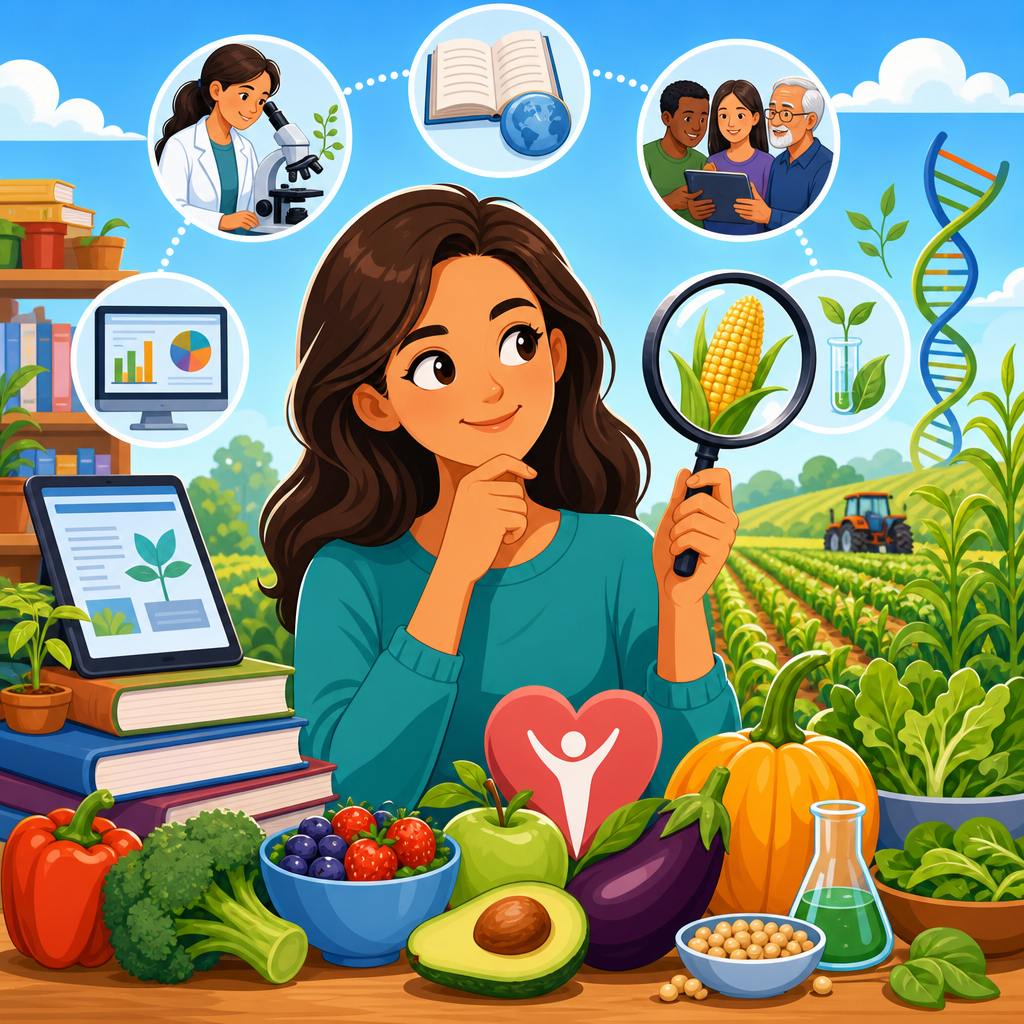
The best sources of understanding GMOs and their impact for optimal health share several traits. They define terms clearly, distinguish between genetic engineering methods, cite primary research or formal risk assessments, explain uncertainty, and separate health effects from environmental or economic effects. In practice, the strongest starting points are public health agencies, food safety regulators, major scientific academies, university extension systems, and peer-reviewed review papers. FDA guidance explains how foods from bioengineered plants are evaluated for allergenicity, toxicity, nutritional composition, and unintended changes. USDA materials clarify commercialization, crop traits, and labeling under the National Bioengineered Food Disclosure Standard. EPA documents are essential when a GMO plant expresses a pesticidal trait, because that triggers environmental and residue review. WHO and FAO publications are useful for global context, especially on food security and risk assessment principles. University extension programs from land-grant institutions often do the best job translating technical findings into plain language without flattening the nuance.
What should raise caution? Sources that rely on isolated animal studies without dosage context, treat all biotechnology as one thing, confuse hybridization with genetic engineering, or claim that one ingredient explains broad chronic disease trends. I routinely check whether an article names the trait involved, the crop, the intended outcome, and the comparator used in safety testing. A page that says “GMOs cause inflammation” without identifying a specific food, exposure level, mechanism, and reproducible human evidence is not a serious source. The same applies to sources that promise GMOs will solve hunger by themselves. Good GMO reporting acknowledges case-by-case evaluation. Bt corn, virus-resistant papaya, herbicide-tolerant soybeans, and non-browning apples raise different questions and should never be discussed as if they have one uniform effect on health or the environment.
How GMO foods are assessed for health impacts
For consumers asking whether GMO foods are safe, the direct answer is that approved GMO foods are evaluated before commercialization using structured comparative assessments. Developers and regulators examine whether the introduced trait changes nutritional composition, creates unexpected toxins, alters known allergens, or affects how the food is metabolized. For example, if a soybean is engineered for herbicide tolerance, reviewers compare the modified soybean with a conventional counterpart for protein, fat, fiber, amino acids, fatty acids, and anti-nutrients. If a plant produces an insecticidal protein such as a Bt protein, the review includes digestibility, heat stability, similarity to known toxins, and exposure estimates. Safety is not inferred from the technique alone; it is assessed from the product and trait.
The strongest health evidence also comes from decades of real-world consumption. GMO ingredients are common in processed foods through corn syrup, soy lecithin, soybean oil, canola oil, and sugar from sugar beets. In countries where these ingredients have been consumed widely since the 1990s, surveillance has not shown population-level harm attributable to approved GMO foods. That does not prove every future trait will be harmless, but it is one reason mainstream scientific bodies conclude that approved GMO foods are as safe as their conventional counterparts. It also helps explain why nutrition experts consistently tell people to focus more on dietary pattern quality than on whether a package contains bioengineered ingredients. A diet high in ultra-processed foods remains a health concern whether ingredients are GMO or non-GMO; a diet rich in fruits, vegetables, legumes, whole grains, nuts, and minimally processed proteins remains a strong baseline whether some inputs were genetically engineered or not.
Environmental and sustainability questions consumers should ask
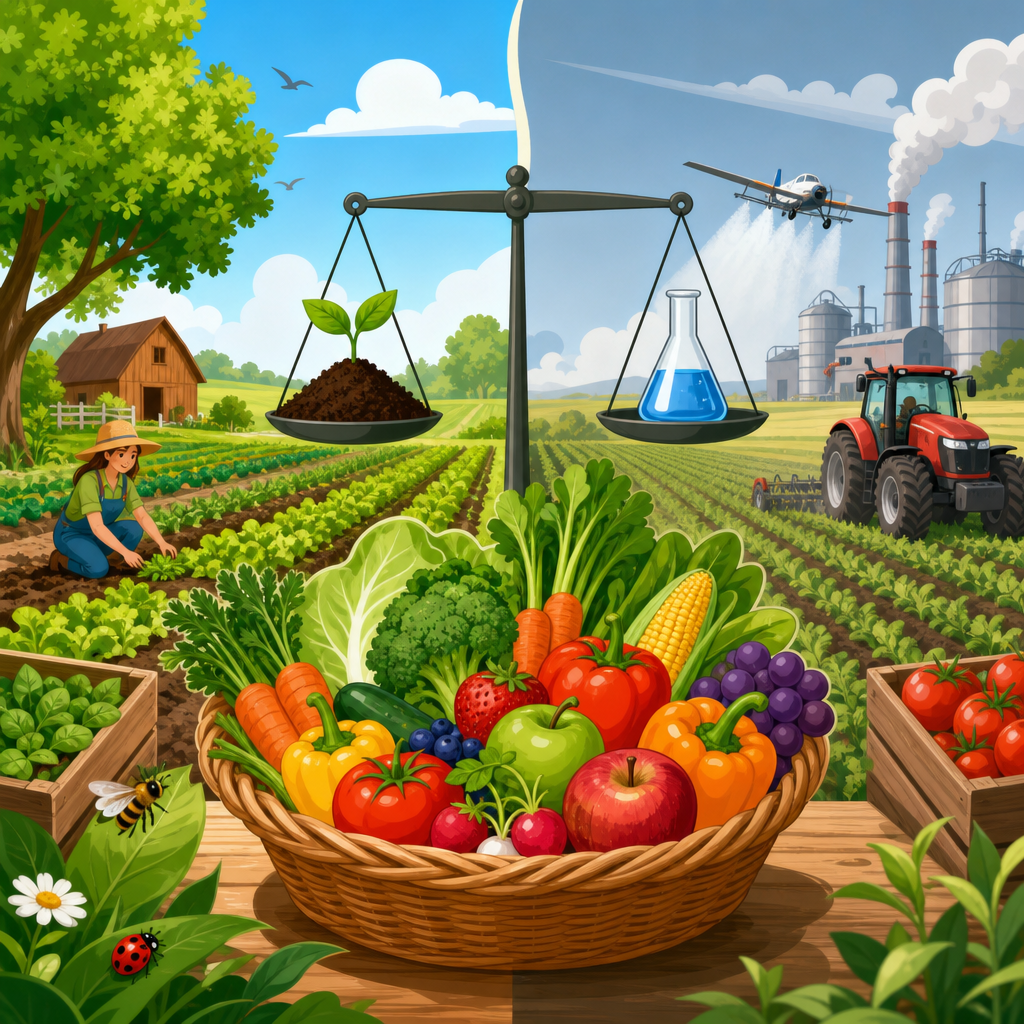
Understanding GMOs and their impact for optimal health requires looking beyond the plate. Health is shaped by farming systems, ecological resilience, water quality, and exposure patterns across the food chain. GMO crops can support sustainability in some contexts and create tradeoffs in others. Insect-resistant Bt crops, for example, have reduced applications of some broad-spectrum insecticides in several production systems. That can lower farmer exposure and benefit beneficial insects when managed well. Herbicide-tolerant crops helped expand conservation tillage in many regions, which can reduce soil erosion and fuel use. At the same time, repeated reliance on a narrow herbicide program contributed to herbicide-resistant weeds, especially in parts of the United States where glyphosate-tolerant systems dominated for years. When resistance rises, farmers may add herbicides, rotate chemistries, or return to more intensive tillage. That is not a failure of genetics alone; it is a predictable consequence of overusing one control strategy.
This is why the most useful sources discuss integrated pest management, resistance management, refuge requirements, crop rotation, and local agronomy. A GMO trait is a tool, not a farming philosophy. Virus-resistant papaya in Hawaii is one of the clearest examples of targeted benefit: the trait protected papaya ringspot virus-susceptible crops and helped preserve production that was collapsing. Golden Rice is often cited for its provitamin A trait, which aims to address vitamin A deficiency, but public health impact depends on adoption, distribution, diet patterns, and governance, not just the trait itself. Sustainability claims should always be evaluated at the system level: what inputs changed, what yields changed, what biodiversity effects appeared, and what happened over time as pests and weeds adapted.
| Source type | Best use | What it answers well | Main limitation |
|---|---|---|---|
| FDA, USDA, EPA | Safety, labeling, trait regulation | How approved products are reviewed and monitored | Can be technical for general readers |
| WHO, FAO, National Academies | Consensus and global context | What the broader evidence shows across studies | Less detail on individual shopping decisions |
| University extension | Plain-language explanation | Crop-specific impacts, farming practice context | Quality varies by institution and update cycle |
| Peer-reviewed systematic reviews | Deep evidence evaluation | Strength of evidence, uncertainty, methodological nuance | Often hard to read without background knowledge |
How to read labels, media reports, and advocacy claims
Many shoppers first encounter the GMO issue through labels. In the United States, “bioengineered” disclosure is the regulated term under federal law, while “non-GMO” is usually a marketing or certification claim. Those labels answer different questions. A bioengineered disclosure indicates that a food contains detectable genetic material modified through certain methods, subject to legal definitions and exemptions. A non-GMO claim generally signals process-based sourcing and segregation standards. Neither label, by itself, is a health rating. I have reviewed countless product pages where consumers assumed non-GMO meant pesticide-free, more nutritious, or less processed. That is not what the label means. Non-GMO chips can still be high in sodium and refined starch. A bioengineered cereal can still fit into an otherwise balanced diet if the overall nutrient profile is sound.
Media reports also need decoding. A strong article will identify whether the evidence comes from cell studies, animal feeding studies, observational human data, randomized trials, environmental monitoring, or regulatory review. It will distinguish hazard from risk. For example, a substance may show harm at extremely high doses in a laboratory model, but normal dietary exposure may be far below meaningful risk levels. Advocacy organizations can provide useful scrutiny of corporate behavior and agricultural policy, but their materials often emphasize selected evidence. Industry groups can provide trait-specific information and adoption data, but they have obvious commercial interests. The best practice is triangulation: start with a regulator or scientific academy, read a university extension summary, then review the original paper or systematic review if the claim is significant enough to influence your food choices.
Best sources to bookmark for ongoing GMO education
If you want a dependable hub for understanding GMOs and their impact, build a short reading list and return to it regularly. For health and food safety, the FDA is essential. For crop approvals, biotechnology regulations, and bioengineered labeling basics, use USDA resources. For pesticidal traits and environmental reviews, include EPA. For global food policy and public health framing, WHO and FAO are useful anchors. For broader scientific consensus, the National Academies remains one of the most balanced sources because it reviews large bodies of evidence rather than amplifying single studies. For practical explanations, extension pages from universities such as Cornell, UC Davis, Purdue, and University of Florida often explain crop-specific examples better than national media. For literature searching, Google Scholar and PubMed are efficient starting points, but systematic reviews and meta-analyses deserve more weight than individual studies with narrow scopes.
This subtopic also connects naturally to related articles within Food Science & Sustainability. Readers who begin with GMO basics usually next want guidance on pesticide residues, organic versus conventional nutrition differences, regenerative agriculture claims, ultra-processed foods, food labeling literacy, and the climate impacts of different crop systems. Linking these topics matters because GMO questions rarely stand alone in real life. A parent buying breakfast cereal may be thinking about additives, sugar, farming methods, and budget at the same time. A sustainability-minded shopper may care about biodiversity, seed systems, and carbon intensity as much as direct health outcomes. The most useful GMO education therefore sits inside a broader framework of evidence-based food literacy: understand the technology, understand the agricultural context, and then make decisions based on your health goals, values, and budget rather than on fear cues from packaging or social feeds.
The clearest takeaway is that choosing the best sources of understanding GMOs and their impact for optimal health means prioritizing institutions and experts that evaluate evidence systematically, explain tradeoffs honestly, and distinguish food safety from broader agricultural debates. Approved GMO foods are not shown to be inherently less safe than comparable conventional foods, but specific traits and farming systems still deserve case-by-case scrutiny. That is where strong sources make the difference. Regulators explain review processes. Scientific academies summarize consensus. University extension translates complex findings into practical language. Peer-reviewed reviews help you test whether a headline actually reflects the evidence. Together, these sources give you a far more accurate picture than labels, viral clips, or single-study claims.
For everyday decisions, keep the hierarchy simple. First, judge foods by overall nutritional quality and how they fit your eating pattern. Second, use trusted sources to answer GMO-specific questions about safety, environmental impact, and labeling. Third, stay alert to tradeoffs, especially around herbicide resistance, biodiversity, and agricultural management practices. Consumers do not need to become molecular biologists to make informed choices, but they do need a reliable framework for sorting signal from noise. Use this hub as your starting point, then explore the connected articles in Food Science & Sustainability to deepen your understanding of pesticides, labeling, farming systems, and diet quality. Better sources lead to better questions, and better questions lead to healthier, more confident decisions.
Frequently Asked Questions
What is a GMO, and how is it different from traditional breeding?
A GMO, or genetically modified organism, is a plant, animal, or microorganism whose genetic material has been altered using modern biotechnology to produce a specific trait. In food and agriculture, this usually refers to crops that have been developed to improve characteristics such as pest resistance, herbicide tolerance, disease resistance, drought resilience, shelf life, or nutritional profile. Common examples include certain varieties of corn, soybeans, canola, sugar beets, papaya, and squash.
The key difference between a GMO and a traditionally bred crop is the precision and method used to create change. Traditional breeding involves selecting plants with desirable traits and crossing them over multiple generations, which can introduce many genetic changes at once. Genetic engineering and newer gene-editing tools are designed to target specific traits more directly. That does not automatically make one method “good” and the other “bad”; it simply means they operate differently. For someone trying to understand GMOs and their impact on health, this distinction matters because it helps shift the conversation away from vague fear and toward how a food was developed, what trait was introduced, and whether that trait has been evaluated for safety.
It is also important to understand that “GMO” is a broad category, not a nutrition verdict. A genetically modified crop is not inherently more nutritious or less nutritious just because it was genetically modified. Health impact depends on the individual food, how it is processed, how often it is eaten, and what role it plays in the total diet. That is why the best educational sources explain both the science of biotechnology and the practical nutrition context, rather than treating the term GMO as a shortcut for risk or benefit.
What are the most trustworthy sources for understanding GMOs and their health effects?
The most trustworthy sources are those that are transparent about evidence, clear about uncertainty, and grounded in scientific review rather than emotional messaging. Start with major public health and scientific organizations, university extension programs, food science departments, and government regulatory agencies that explain how GMO foods are assessed before entering the market. These sources often summarize findings from toxicology, allergenicity testing, nutritional comparison, environmental review, and long-term dietary evidence in a way that is more reliable than social media posts, influencer content, or product marketing.
Peer-reviewed journals are also valuable, especially when you want to go beyond headlines and understand how a conclusion was reached. That said, single studies can be misinterpreted or overhyped. A stronger approach is to look for systematic reviews, consensus statements, and summaries from scientific bodies that evaluate the overall weight of evidence. University-based resources are especially helpful because they often translate complex research into practical explanations without the pressure to sell a product or promote fear.
When evaluating a source, ask a few simple questions: Does it cite current research? Does it explain the difference between hazard and real-world risk? Does it discuss regulation, testing, and the limits of what is known? Does it avoid extreme claims such as “all GMOs are dangerous” or “all GMO concerns are nonsense”? The best sources are balanced. They acknowledge that biotechnology is a tool, that each product should be assessed individually, and that nutrition and health outcomes depend on the totality of evidence, not on slogans. If a source relies mainly on dramatic language, cherry-picked anecdotes, or conspiracy framing, it is probably not the best guide for making health decisions.
How are GMO foods regulated, and does regulation protect consumer health?
GMO foods are generally subject to a regulatory review process that is designed to evaluate safety before they are widely marketed. While the exact framework varies by country, regulation usually involves assessing whether the modified crop is substantially different in ways that matter for human health, whether it introduces potential allergens or toxins, whether its nutritional composition has changed, and whether the inserted or edited trait behaves as intended. In many systems, more than one agency may be involved, with different agencies reviewing food safety, environmental impact, and agricultural use.
For consumers focused on optimal health, the important takeaway is that GMO regulation is not just about whether a food was changed, but about what changed and whether that change raises a meaningful safety issue. Regulators typically review compositional data, protein expression, digestibility, allergenicity potential, and other scientific measures before concluding whether a food is as safe as its conventional counterpart. This process helps distinguish between hypothetical concerns and evidence-based concerns.
That said, regulation is not the same thing as perfection, and critical thinking still matters. Good sources will explain both what regulators do well and where public discussion continues, such as labeling policy, environmental management, herbicide use, seed patents, and how new gene-editing technologies fit into older regulatory frameworks. If your goal is to protect your health, the most useful perspective is to understand that regulation exists as a layered screening system, while nutrition quality still depends on the food itself. A highly processed snack made with GMO corn is still a highly processed snack, and a minimally processed food remains different nutritionally regardless of whether the crop was genetically engineered.
Are GMO foods harmful to human health, or is the concern overstated?
Based on the current body of evidence and the assessments performed by major scientific and regulatory organizations, approved GMO foods on the market are not considered inherently harmful to human health simply because they are genetically modified. The broad scientific consensus is that GMO foods currently available are as safe to eat as their conventional counterparts when they have passed appropriate review. That does not mean every question about biotechnology is trivial, but it does mean that sweeping claims that GMO foods are uniquely dangerous are not supported by the strongest available evidence.
Many health concerns in public discussion come from mixing together different issues that should be separated. One issue is the safety of eating a GMO food itself. Another is the agricultural system around that crop, including herbicide use, pest resistance, farming practices, biodiversity, and economic concerns. Those are real topics, but they are not all the same as proving that the food is directly harmful to consumers. Reliable educational sources help readers separate nutritional quality, toxicology, farming methods, and environmental policy so they can make better decisions without confusion.
It is also important to avoid the “natural equals safe, modified equals unsafe” trap. Many natural substances can be harmful, and many scientifically developed foods and medicines are highly beneficial. A health-focused approach asks better questions: What does this food contribute nutritionally? How often do I eat it? Is it minimally processed or ultra-processed? Does the evidence show actual risk at real consumption levels? That kind of thinking is far more useful than reacting to the GMO label alone. For most people, the bigger diet and health issues are overall dietary pattern, fiber intake, added sugar, sodium, food quality, and lifestyle factors such as sleep, exercise, and stress.
How can I choose the best GMO-related information if I want to make smart decisions for optimal health?
Start by defining your goal clearly. If your goal is optimal health, then your main question should not simply be “Is this GMO or not?” but “What does the best evidence say about this food, this trait, and its place in a healthy diet?” That shift helps you focus on outcomes that actually matter. Look for sources that explain the science in plain language, reference reputable studies, and place GMO discussions within the bigger picture of nutrition, food quality, and agricultural context.
A practical strategy is to compare information across three categories: scientific institutions, regulatory agencies, and independent academic resources such as university extension publications. If all three generally align on the safety of approved GMO foods, that is a strong signal that the information is grounded in evidence. Then, if you want to go deeper, explore specific topics such as pesticide practices, environmental sustainability, nutrient differences, or food labeling. This layered approach helps you avoid getting pulled into all-or-nothing thinking.
You should also be careful about sources that monetize fear. Articles, videos, and brands sometimes use GMO language to imply superior health value without providing meaningful evidence. Non-GMO labeling can reflect consumer preference, but it does not automatically mean a product is more nutritious, less processed, or healthier overall. A sugary cereal or heavily processed snack does not become a wellness food just because it carries a non-GMO claim. For optimal health, prioritize whole and minimally processed foods, a balanced dietary pattern, and evidence-based nutrition guidance. Use GMO-specific information as one part of informed decision-making, not as the only factor driving your food choices.