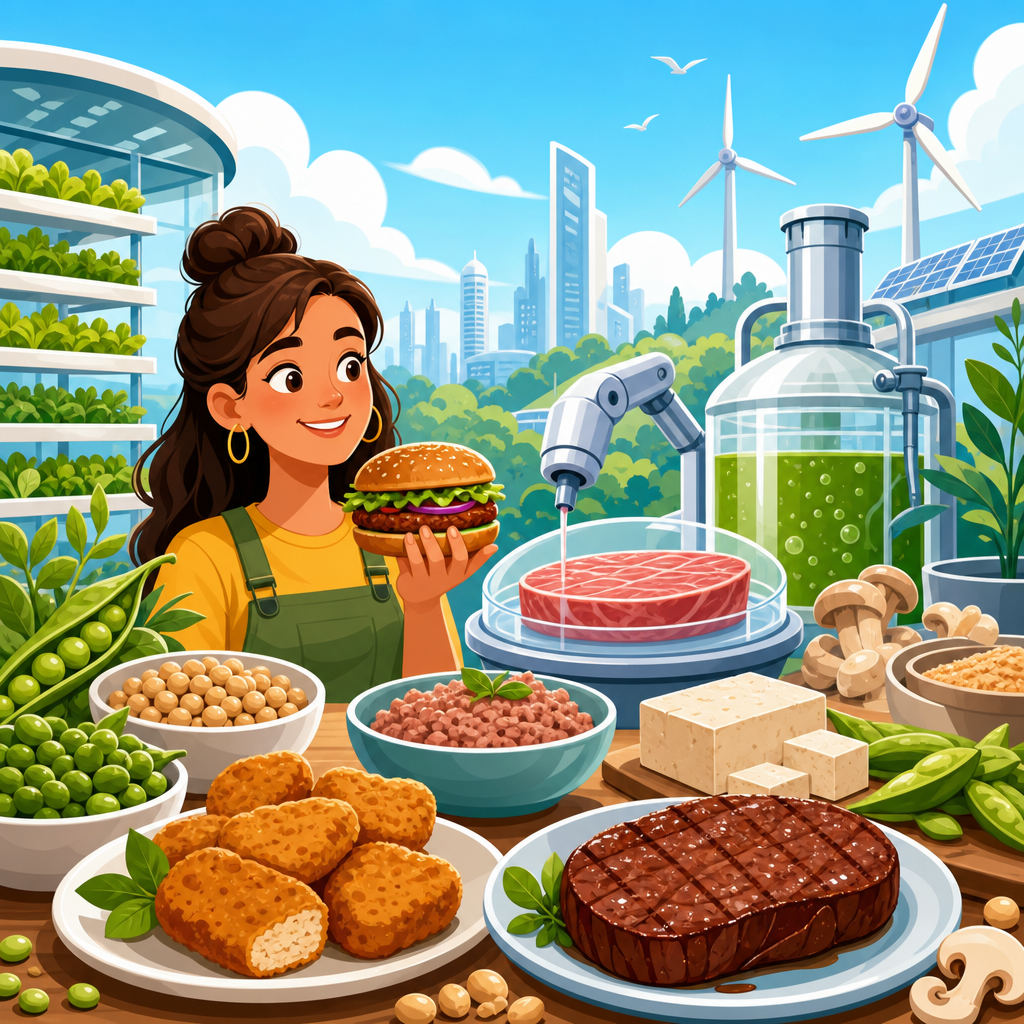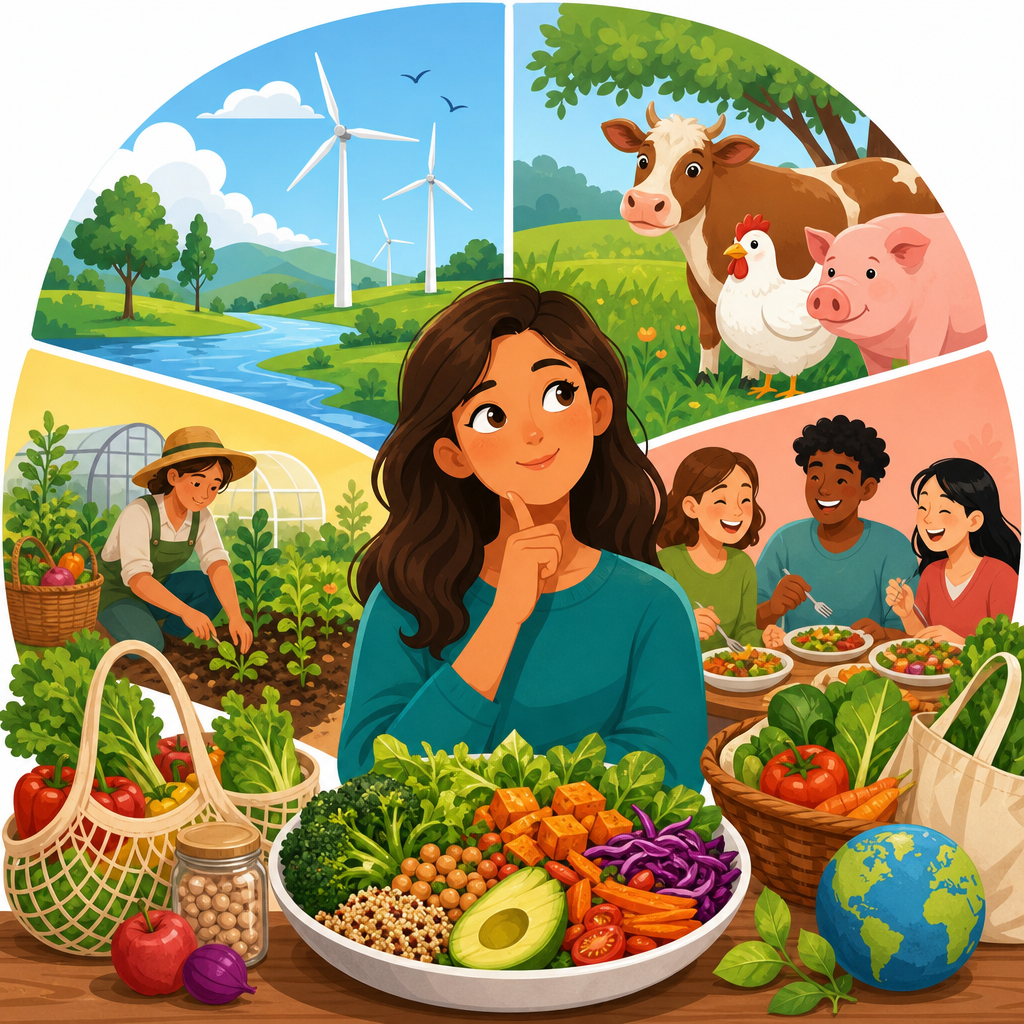
Ethical and sustainable food choices shape how food is grown, processed, transported, sold, and eaten, and they influence climate emissions, biodiversity, labor conditions, animal welfare, and public health. In practical terms, ethical food choices ask whether a product was made fairly, with respect for workers, animals, and local communities. Sustainable food choices ask whether that same product can be produced over time without exhausting soil, water, energy, fisheries, forests, or the atmosphere. The two ideas overlap, but they are not identical. A tomato grown with low pesticide use may still rely on underpaid labor. A pasture-raised meat product may score well on animal welfare while still carrying a larger greenhouse gas footprint than many plant foods. Understanding these tradeoffs is the foundation of making better decisions at the grocery store, in restaurants, and at home.
I have worked with food labeling systems, supplier assessments, and product sustainability reviews, and the first lesson is that simple slogans rarely tell the full story. “Local,” “natural,” “farm fresh,” and even “eco-friendly” can be useful clues, but none of them guarantees a product is ethical or sustainable. Reliable evaluation depends on evidence: production method, land use, water demand, feed inputs, packaging, transport mode, labor practices, and certification standards. It also depends on context. Almonds grown in a drought-prone region raise different concerns than rainfed oats. Farmed shrimp from one producer may be linked to habitat damage, while another operation follows stronger environmental controls and labor oversight.
This matters because food systems account for roughly a third of global greenhouse gas emissions when agriculture, land-use change, processing, transport, retail, and waste are considered together. Agriculture is also the largest driver of deforestation in many regions, a major source of freshwater withdrawals, and a leading pressure on species loss. At the same time, millions of workers across farms, fisheries, packing plants, and food service face wage theft, unsafe conditions, and weak bargaining power. Consumers cannot solve every structural problem through shopping alone, but food purchases do send signals through supply chains. More importantly, informed choices can align personal values with measurable impacts, reducing harm where it is most realistic to do so.
For a hub page on ethical and sustainable food choices, the goal is not to promote one rigid diet. The goal is to give you a framework that works across categories: produce, meat, seafood, dairy, grains, packaged foods, coffee, chocolate, and ready-made meals. If you know what questions to ask, which labels carry weight, and where the biggest impacts usually sit, you can make decisions that are more consistent, practical, and defensible.
What ethical and sustainable food choices actually include
Ethical and sustainable food choices are best understood as a set of five linked dimensions. First is environmental impact: greenhouse gas emissions, soil health, water use, nutrient runoff, habitat conversion, and chemical inputs. Second is animal welfare: stocking density, access to outdoors, handling, transport stress, and slaughter standards. Third is labor and human rights: wages, forced labor risk, migrant worker protections, and occupational safety. Fourth is nutrition and public health: whether a food pattern supports long-term health rather than simply reducing one environmental metric. Fifth is economic resilience: whether farmers and food producers can remain viable without depending on destructive shortcuts.
When people ask, “What is the most sustainable food choice?” the accurate answer is usually, “It depends on the category and what impact you mean.” For climate, legumes, whole grains, potatoes, and seasonal vegetables often perform well. For water scarcity, crop choice and growing region matter more than distance alone. For labor rights, imported crops can be either high risk or well governed depending on supplier oversight and certification. For animal welfare, production systems vary widely within the same species. This is why broad rankings are helpful for orientation but not sufficient for final decisions.
In real purchasing work, I have found it useful to separate “high-impact defaults” from “fine-tuning factors.” High-impact defaults include eating more plant-forward meals, reducing food waste, choosing seafood from well-managed sources, and limiting products tied to deforestation. Fine-tuning factors include packaging material, transport distance, and single-issue claims. Packaging matters, but for many foods, what is inside the package has a larger footprint than the package itself. Air-freighted perishables can be an exception, as transport can become unusually significant.
How to assess foods by impact, from climate to labor conditions
The fastest way to evaluate a food is to ask four questions. What resources did it require to produce? What harms can occur in the supply chain? What standards verify the claim? What practical substitute would deliver a better outcome? This approach avoids both cynicism and wishful thinking. It moves you from marketing language to evidence.
For environmental impact, life cycle thinking is essential. That means considering emissions and resource use from farm inputs through disposal. Beef is the classic example because methane from cattle, feed production, and land use make its average footprint substantially higher than most plant proteins. Cheese and butter are also relatively intensive because dairy solids require large volumes of milk. By contrast, beans, lentils, peas, tofu, and many grains typically have lower emissions per kilogram and per gram of protein. However, greenhouse gases are not the only metric. Rice can have elevated methane emissions. Some nuts have low climate impact but high irrigation demand in water-stressed regions.
For labor conditions, risk is often concentrated in labor-intensive commodities with complex international sourcing. Coffee, cocoa, sugarcane, seafood, and fresh produce are common examples. The existence of risk does not mean every product in the category is unethical; it means due diligence matters. Stronger indicators include supplier traceability, third-party social audits, grievance mechanisms, union access, and recognized labor-focused certifications. The same logic applies to animal welfare. Labels that specify meaningful standards, such as space requirements or outdoor access, are more useful than vague claims like “responsibly raised.”
| Food category | Main ethical or sustainability concern | What to look for | Better choice in plain terms |
|---|---|---|---|
| Beef and lamb | High emissions, land use, feed impacts | Verified regenerative practices, strong welfare claims, lower frequency of purchase | Eat less often; replace some meals with beans, poultry, or tofu |
| Seafood | Overfishing, bycatch, forced labor risk | MSC, ASC, Best Aquaculture Practices, Seafood Watch guidance, traceability | Choose species and sources rated well by independent programs |
| Coffee and chocolate | Farmer income, deforestation, child labor risk | Fairtrade, Rainforest Alliance, direct trade transparency | Buy brands that disclose sourcing regions and payment practices |
| Produce | Water use, pesticide exposure, labor intensity | Seasonality, region, organic where it addresses a concern, credible farm standards | Prioritize seasonal items and waste less after purchase |
This kind of screening is practical because it recognizes that not every decision deserves the same level of effort. If you change a high-impact category, such as red meat or wasted perishables, you often achieve more than by obsessing over minor packaging differences in a low-impact food. That is not an excuse to ignore details. It is a reminder to prioritize where the evidence says the biggest gains are.
Food labels, certifications, and claims that deserve scrutiny
Food labels can help, but they are uneven in quality. The strongest certifications have published standards, independent auditing, chain-of-custody controls, and clear criteria for noncompliance. Organic certification, for example, restricts synthetic pesticides and fertilizers and can support soil management and biodiversity practices, though it does not automatically guarantee low carbon impact or strong labor conditions. Fairtrade focuses on producer terms, price mechanisms, and community premiums, which can improve farmer stability, though outcomes still vary by crop and market conditions. Rainforest Alliance addresses environmental and social criteria, especially in commodities like coffee, tea, and cocoa. Marine Stewardship Council and Aquaculture Stewardship Council are widely used in seafood, where species, fishery management, feed sourcing, and habitat impacts all matter.
Some claims have narrower meanings than shoppers assume. “Cage-free” refers to laying hen housing, not necessarily outdoor access. “Free-range” can have limited requirements depending on the market. “Natural” usually has little regulatory value for sustainability. “Local” may support regional economies and freshness, but it does not automatically mean lower emissions; production method often matters more than distance. A heated greenhouse tomato in winter can carry a higher footprint than a field-grown imported tomato moved efficiently by ship or truck.
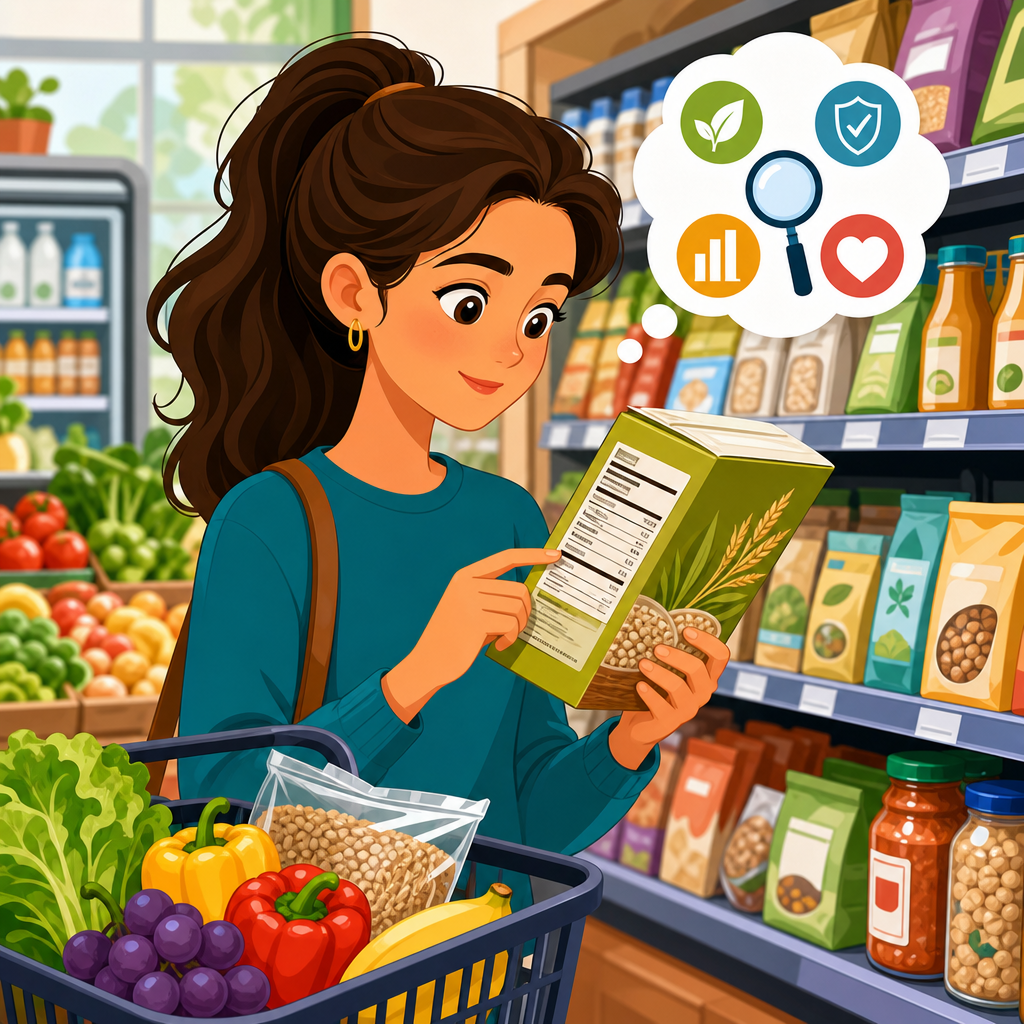
The most reliable habit is to treat labels as evidence, not as verdicts. Read the exact claim. Check whether the certifier is independent. Look for traceability details, especially in seafood, coffee, cocoa, and meat. If a brand makes a broad claim without naming a standard, a program, or a measurable target, that is a warning sign. Serious companies disclose sourcing policies, audit approaches, and progress metrics because they expect informed scrutiny.
Choosing across major food categories without oversimplifying
Produce is usually a strong starting point because fruits, vegetables, beans, and grains often carry lower environmental burdens than animal products, but there are still better and worse options. Seasonal produce generally reduces the need for energy-intensive storage or greenhouse production. Frozen vegetables can be highly sustainable because they reduce spoilage and allow use of produce close to harvest. Organic produce may be worth prioritizing for crops associated with higher pesticide use or where soil health and biodiversity benefits are part of the farming system. Still, the biggest mistake I see is buying more fresh produce than a household can eat. Wasted asparagus is less sustainable than eaten frozen peas.
Meat and dairy require more nuance. Ruminant meats, especially beef and lamb, tend to have the highest average emissions. Pork and chicken are generally lower, though feed sourcing, manure management, and welfare conditions vary widely. Eggs can be a useful middle ground nutritionally and environmentally, but housing systems matter. Dairy ranges from fluid milk to butter, with butter and many cheeses carrying a larger footprint per kilogram because they concentrate milk solids. Plant alternatives often reduce climate impact, but ingredient sourcing, fortification, and processing should still be considered. Oat drinks, soy milk, and pea-based products often compare favorably.
Seafood can be one of the healthiest protein categories, yet it is where sustainability confusion is commonest. A simple rule is to choose by species and source, not by “wild” versus “farmed” alone. Some wild fisheries are well managed and low impact; others are overfished or linked to bycatch problems. Some aquaculture systems are efficient and carefully monitored; others contribute to water pollution, disease spread, or habitat damage. Programs such as Monterey Bay Aquarium Seafood Watch, MSC, ASC, and Best Aquaculture Practices help narrow the field. Small pelagic fish like sardines and anchovies often score well because they are lower on the food chain and reproduce quickly.
Packaged foods deserve attention because ethics often hide in ingredients. Palm oil can be associated with deforestation unless sourced under credible no-deforestation commitments and verified systems. Cocoa and coffee require close attention to farmer income and labor safeguards. Soy is often criticized, but most global soy is used for animal feed, not tofu or soy milk, so reducing meat can indirectly reduce soy-driven land pressure. In practical shopping, fewer highly processed discretionary foods and more staple ingredients usually improves both sustainability and diet quality.
Building an ethical and sustainable diet in everyday life
The most effective sustainable diet is one you can repeat. Start with meal patterns, not perfection. A practical framework is to make most meals plant-forward, use animal products more deliberately, buy seafood selectively, and plan around waste reduction. In households I have advised, the biggest measurable improvements came from three habits: replacing several red meat meals each week, shopping from a list tied to a meal plan, and freezing leftovers before they became waste. Those changes consistently outperform symbolic gestures.
Budget matters, and ethical food choices should not be framed as a luxury hobby. Dried beans, lentils, oats, potatoes, cabbage, carrots, rice, pasta, seasonal produce, canned tomatoes, and frozen vegetables can form a low-cost, lower-impact core diet. If certified products cost more, focus the premium on categories with higher known risk, such as coffee, chocolate, or selected seafood, rather than trying to upgrade every item at once. If local farmer markets are accessible, ask direct questions about growing practices, labor, and inputs. If they are not, mainstream retailers increasingly provide store-brand certified products at better prices.
Food choices also extend beyond purchasing. Proper storage, portion planning, and using edible leftovers are sustainability actions with immediate results. The United Nations Environment Programme has estimated that food waste remains a major global issue across households, food service, and retail. At home, understanding date labels helps: “best before” usually indicates quality, while “use by” relates more closely to safety. Learning that distinction prevents unnecessary disposal.
Finally, remember that individual action works best when paired with civic action. Support policies and companies that improve school meals, worker protections, methane reduction, fishery management, transparent labeling, and regenerative soil practices with credible measurement. Ethical and sustainable food choices are not only about what goes into your cart. They are about helping normalize a food system that values durability over short-term extraction.
Conclusion
Breaking down ethical and sustainable food choices comes down to a clear, workable principle: focus first on the biggest impacts, verify claims with credible standards, and accept that tradeoffs are part of honest decision-making. In most cases, that means eating more legumes, grains, fruits, and vegetables; reducing red meat and waste; choosing seafood by trusted guidance; and looking closely at certifications for labor-intensive and deforestation-linked commodities. It also means resisting simplistic labels and asking better questions about sourcing, farming methods, welfare, and traceability.
You do not need a perfect diet to make meaningful progress. You need a repeatable process for choosing better more often. Use this hub as your starting point, then apply its framework each time you compare products, plan meals, or evaluate a brand’s claims. Better food choices are built one informed decision at a time.
Frequently Asked Questions
What is the difference between ethical food choices and sustainable food choices?
Ethical and sustainable food choices are closely connected, but they are not exactly the same. Ethical food choices focus on fairness and responsibility across the food system. That includes how farmworkers are treated, whether animals are raised humanely, how local communities are affected, and whether food production supports dignity, safety, and equitable pay. A food product may be considered ethical if it is produced under fair labor conditions, avoids exploitative practices, and respects animal welfare and community well-being.
Sustainable food choices, on the other hand, focus on whether food can be produced long term without depleting natural resources or causing lasting environmental harm. This includes soil health, water use, biodiversity, energy consumption, greenhouse gas emissions, deforestation, overfishing, and waste. A sustainable food system is one that can continue feeding people over time without exhausting the land, oceans, forests, or atmosphere.
In real life, the two often overlap. For example, a food product grown with fewer chemicals, responsible water use, and strong soil practices may be more sustainable, while a product certified for fair wages or humane treatment may address ethical concerns. The most thoughtful choices usually consider both sides at once: environmental impact and human or animal welfare. That is why many consumers look for foods that are not only better for the planet, but also produced in ways that are fair, transparent, and socially responsible.
How do ethical and sustainable food choices affect the environment?
Food choices have a major impact on the environment because every stage of the food chain uses land, water, energy, and raw materials. Farming methods can influence soil fertility, water pollution, habitat loss, and carbon emissions. Processing and packaging add energy demand and waste. Transportation affects fuel use and emissions, and retail and household food waste increase the overall environmental footprint. Choosing food more carefully can help reduce pressure on ecosystems and support more resilient food systems.
One of the biggest environmental issues tied to food is climate change. Some foods, especially those that require large amounts of feed, land, and energy, generate more greenhouse gas emissions than others. Unsustainable agriculture can also damage biodiversity by clearing forests, reducing pollinator habitats, and relying heavily on pesticides or monocultures. Overfishing can disrupt marine ecosystems, while excessive irrigation can strain freshwater supplies. Sustainable food choices aim to reduce these harms by supporting farming and fishing methods that protect ecosystems and use resources more efficiently.
Consumers can help by prioritizing seasonal produce, reducing food waste, supporting regenerative or lower-impact farming practices, and choosing products with less packaging when possible. It is also useful to think in terms of overall patterns rather than perfection. Even small, repeated decisions, such as eating a wider variety of plant-based foods, buying from farms with strong environmental practices, or selecting responsibly sourced seafood, can contribute to lower emissions and healthier ecosystems over time.
What should I look for when trying to buy ethical and sustainable food?
Start by asking a few practical questions: How was this food produced? Who made it, and under what conditions? What impact did it have on land, water, animals, and local communities? Those questions help move beyond marketing language and toward more meaningful evaluation. Labels and certifications can be helpful, especially when they are independently verified, but they should be treated as one piece of the picture rather than the only signal of quality or responsibility.
Look for evidence of fair labor practices, animal welfare standards, environmental stewardship, and traceability. Depending on the product, this could mean certifications related to fair trade, organic practices, humane treatment, or responsible seafood sourcing. For produce and pantry staples, it may also help to buy from farmers’ markets, community-supported agriculture programs, or brands that clearly explain their sourcing and production methods. Transparent companies usually share details about where their ingredients come from, how workers are treated, and what steps they take to reduce environmental harm.
It is also important to remember that no single label guarantees a perfect product. Some foods may score well environmentally but raise labor concerns, while others may support local farmers but still rely on resource-intensive production. The goal is not to find flawless food, but to make better-informed choices more often. Focusing on transparency, fewer unnecessary inputs, responsible sourcing, and fair treatment throughout the supply chain is a practical and realistic way to shop more ethically and sustainably.
Are local, organic, and plant-based foods always the most ethical and sustainable options?
Not always. These categories can be helpful, but they are not automatic guarantees. Local food can reduce transportation distance and support regional economies, which may be beneficial, but transport is only one part of a food product’s total footprint. Sometimes the way a food is grown matters more than how far it traveled. For example, food produced locally in energy-intensive conditions may have a higher impact than food grown efficiently in a region naturally suited to that crop.
Organic food can offer important environmental benefits, such as reduced reliance on synthetic pesticides and support for certain soil and biodiversity practices. However, organic standards do not always address every issue consumers care about, such as worker pay, packaging, or transportation emissions. Similarly, plant-based foods often have lower average environmental impacts than animal-based foods, particularly in terms of land use and emissions, but this does not mean every plant-based product is equally sustainable. Highly processed items, ingredients linked to deforestation, or products made under poor labor conditions can still raise ethical and environmental concerns.
The best approach is to evaluate food choices case by case and consider the full system behind them. Local, organic, and plant-based options can all be part of a more ethical and sustainable diet, but context matters. Looking at farming methods, labor practices, packaging, processing, animal welfare, and overall resource use gives a more accurate picture than relying on a single buzzword. Informed consumers often combine these priorities rather than assuming any one label tells the whole story.
How can I make more ethical and sustainable food choices without spending a lot more money?
Making better food choices does not have to mean buying the most expensive products in the store. In many cases, the most effective changes are simple habits rather than premium purchases. Reducing food waste is one of the best examples. Planning meals, storing ingredients properly, freezing leftovers, and using what you already have can save money while lowering the environmental burden of wasted food. Since wasted food also wastes the water, energy, labor, and land used to produce it, cutting waste is both economical and responsible.
Another smart strategy is to focus on affordable staples with lower environmental impact, such as beans, lentils, grains, seasonal vegetables, and minimally processed foods. Buying produce in season is often cheaper and can align with more sustainable growing patterns. You can also prioritize a few high-impact swaps instead of trying to change everything at once. For example, eating less resource-intensive protein more often, choosing certified products only in categories that matter most to you, or buying from local producers when prices are competitive can make a meaningful difference over time.
Budget-conscious shoppers can also benefit from reading labels carefully, comparing brands for transparency, and supporting businesses that explain their sourcing without charging purely for image. Ethical and sustainable eating is not about perfection or privilege. It is about making practical, informed decisions within your means. Small steps, repeated consistently, such as cooking more at home, wasting less, buying thoughtfully, and choosing foods with clearer social and environmental value, can add up to a strong positive impact for your household and the broader food system.