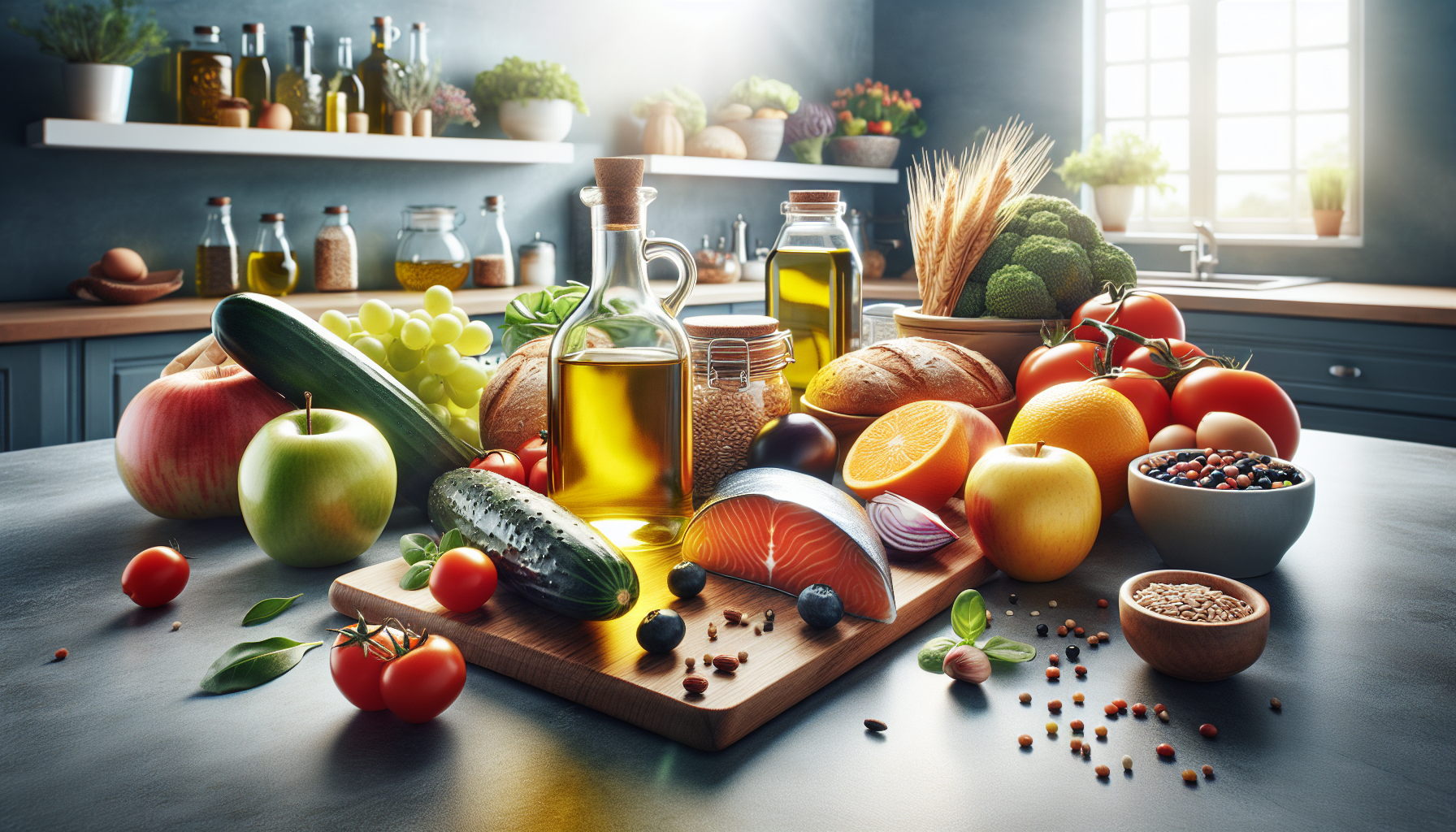
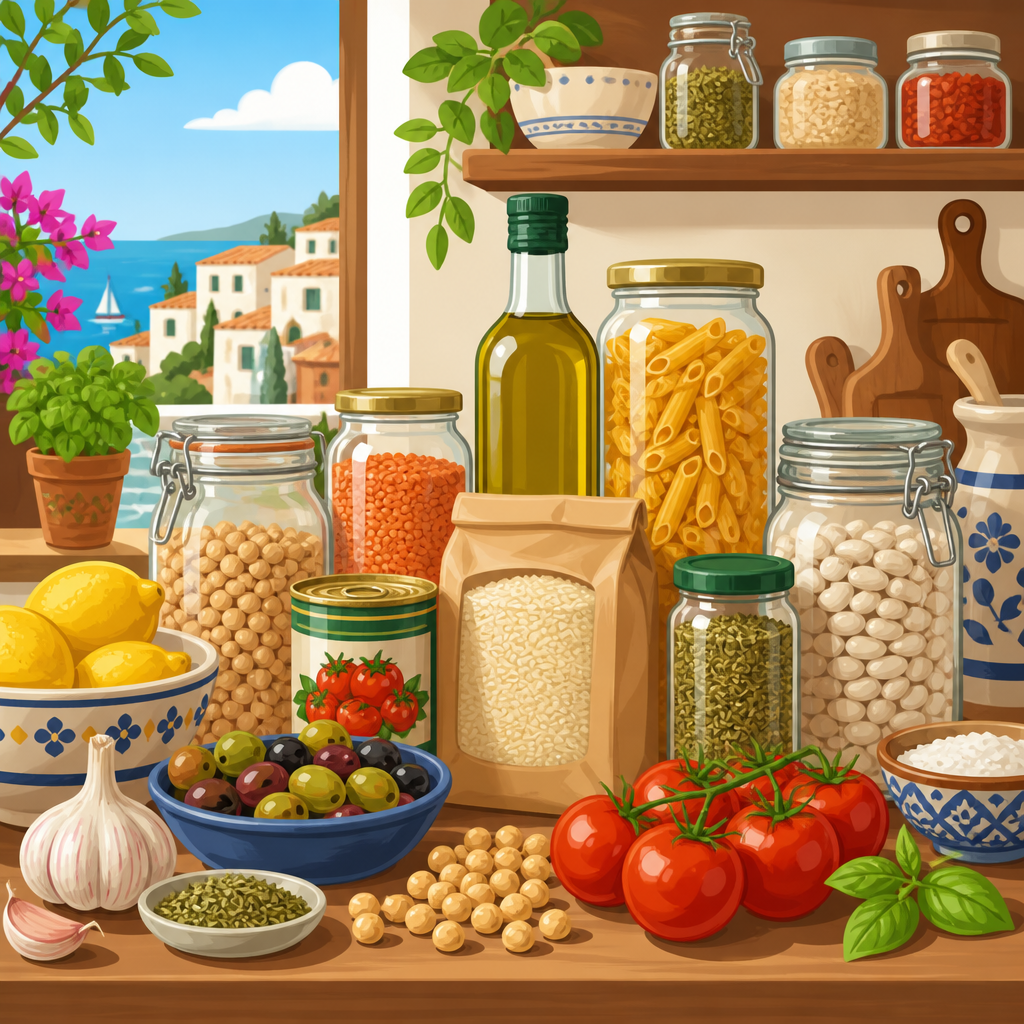
The Mediterranean pantry is not a single shopping list from one country. It is a practical pattern of staple foods common across Greece, Southern Italy, Spain, Turkey, and parts of the Levant, built around beans, whole grains, olive oil, herbs, nuts, canned fish, and seasonal produce. When people search for a Mediterranean pantry starter list on a budget, they usually want two things at once: a clear list of affordable foods to buy now and a simple explanation of why this way of eating is repeatedly linked with better long term health. Both matter because the Mediterranean diet benefits are strongest when the pattern is sustainable, flexible, and based on everyday ingredients rather than expensive specialty products.
In nutrition research, the Mediterranean diet generally means a high intake of vegetables, fruits, legumes, whole grains, olive oil, nuts, and seeds; moderate intake of fish and fermented dairy such as yogurt; and lower intake of red meat, ultra processed snacks, and added sugar. It is not a rigid meal plan. It is a food environment. In my experience helping households rebuild their pantry after years of convenience shopping, the biggest breakthrough comes when people stop focusing on recipes first and start with shelf stable basics that can make dozens of meals. A pantry with lentils, chickpeas, oats, brown rice, canned tomatoes, olive oil, garlic powder, cumin, and tuna can produce soups, grain bowls, salads, stews, and fast lunches all week.
The reason this matters goes beyond convenience. The Mediterranean diet has one of the strongest evidence bases in nutrition. Large observational studies and randomized trials have associated it with lower cardiovascular risk, improved blood pressure, better blood lipid profiles, stronger blood sugar control, and reduced overall mortality. The landmark PREDIMED trial from Spain is frequently cited because it showed that a Mediterranean style eating pattern supplemented with extra virgin olive oil or nuts reduced major cardiovascular events in high risk adults compared with a lower fat control approach. Researchers also point to benefits for satiety, gut microbiome diversity, and diet quality because the pattern naturally increases fiber, unsaturated fats, polyphenols, and mineral rich plant foods.
For budget conscious shoppers, the good news is that the core of this eating style has always been frugal. Traditional Mediterranean cooking relies heavily on pulses, grains, bread, tinned fish, and cooked vegetables because these foods stretch money and reduce waste. You do not need imported condiments, premium salmon, or daily fresh berries to follow it well. You need a smart pantry, a realistic shopping rhythm, and a few rules for choosing ingredients that deliver the most nutrition per dollar.
What belongs in a budget Mediterranean pantry
A budget Mediterranean pantry should cover four functions: base carbohydrates, protein rich staples, flavor builders, and nutrient dense add ons. Base carbohydrates include oats, brown rice, barley, farro if affordable, whole wheat pasta, and potatoes or sweet potatoes outside the pantry. Protein rich staples include dried or canned beans, lentils, split peas, canned sardines, tuna, or salmon, plus nuts and seeds in modest amounts. Flavor builders include extra virgin olive oil, canned tomatoes, tomato paste, olives if your budget allows, garlic, onion, vinegar, lemon juice, and spices such as oregano, cumin, paprika, chili flakes, and black pepper. Nutrient dense add ons include tahini, plain yogurt in the refrigerator, frozen spinach, and raisins or dried apricots for small amounts of sweetness and iron.
If I were stocking a first apartment or resetting a family pantry on a tight budget, I would start with ten anchor items: extra virgin olive oil, rolled oats, brown rice, whole wheat pasta, dried lentils, canned chickpeas, canned tomatoes, peanut butter or tahini, canned sardines, and one bag each of walnuts and ground flaxseed. That combination supports breakfast, lunch, dinner, and snacks with strong nutrient coverage. Oats with yogurt and flaxseed help with fiber and fullness. Lentil soup with tomatoes and olive oil offers protein, iron, and potassium. Whole wheat pasta tossed with sardines, garlic, and greens creates a fast meal rich in omega 3 fats and calcium when the fish bones are eaten.
| Pantry staple | Why it earns a place | Budget buying tip |
|---|---|---|
| Dried lentils | Fast cooking, high fiber, good plant protein, iron, folate | Buy in one or two pound bags; no soaking needed |
| Canned chickpeas | Ready for salads, hummus, soups, sheet pan meals | Choose store brands with low sodium when possible |
| Rolled oats | Cheap whole grain for breakfast, baking, and binding veggie patties | Large canisters usually cost less per serving than packets |
| Brown rice or barley | Inexpensive base for bowls and stews, strong satiety | Bulk bins can reduce cost if turnover is high |
| Extra virgin olive oil | Main source of unsaturated fat and polyphenols | Buy a mid sized bottle you will finish within a few months |
| Canned tomatoes | Versatile backbone for soups, sauces, braises | Stock up during sales; no salt added is useful |
| Sardines | Affordable seafood with omega 3s, protein, vitamin D, calcium | Water packed or olive oil packed store brands are often solid |
| Walnuts or sunflower seeds | Healthy fats, texture, staying power for snacks and salads | Compare price per ounce; seeds are often cheaper than nuts |
Mediterranean diet benefits and why pantry foods drive them
The Mediterranean diet benefits are not caused by one magic food. They come from a repeated pattern: more fiber, more unsaturated fat, more plant diversity, and fewer heavily refined foods. Pantry staples make that pattern repeatable. Beans and lentils support cholesterol management because soluble fiber helps reduce LDL cholesterol by binding bile acids. Whole grains improve satiety and glycemic control partly because their fiber and intact structure slow digestion. Olive oil replaces fats high in saturated fat and contributes monounsaturated fats plus phenolic compounds that have anti inflammatory and antioxidant activity. Nuts and seeds add magnesium, plant sterols, and healthy fats that support cardiovascular health.
Heart health is the most established benefit. The American Heart Association and many cardiology groups recognize Mediterranean style eating as a strong option for prevention. In practical terms, meals centered on lentils, vegetables, olive oil, and fish tend to be lower in sodium, saturated fat, and added sugar than meals built around processed meats, fried snacks, and desserts. Blood pressure also benefits when potassium rich foods like beans, tomatoes, leafy greens, and fruit become routine. For people with prediabetes or type 2 diabetes, the pattern can improve glucose control because it shifts intake toward higher fiber carbohydrates and balanced meals that pair carbs with protein and fat.
Weight management is another reason this pantry approach works. Although olive oil and nuts are calorie dense, they are also satisfying. A salad with chickpeas, olive oil, and whole grain bread often keeps hunger controlled longer than a low fat meal based on crackers or sugary cereal. When clients tell me they snack less after moving to this pattern, it is usually because their meals finally contain enough protein, fiber, and fat together. That does not make portion size irrelevant, but it does make appetite regulation easier.
There are other meaningful advantages. A Mediterranean pantry supports gut health because legumes, oats, barley, fruit, and vegetables feed beneficial gut bacteria. It can reduce food waste because ingredients cross over into many meals. It also adapts well to vegetarian, pescatarian, gluten conscious, and family style cooking. The main limitation is that some people romanticize the diet while ignoring total diet quality. Crackers with olive oil are not equivalent to a meal built from beans, vegetables, grains, and fish. The pattern works best when staples are used to build balanced plates consistently.
How to build the pantry without overspending
Start with a two week strategy instead of trying to buy everything at once. Week one should cover foundations: oats, rice or barley, one pasta, dried lentils, two to four cans of beans, canned tomatoes, olive oil, garlic, onions, and a basic spice set. Week two can add fish, nuts or seeds, tahini, vinegar, and frozen vegetables. Spreading purchases over two pay cycles lowers sticker shock and gives you time to learn which staples you actually use. This is how I recommend building any healthy pantry because the most economical food is the food you will cook repeatedly.
Use price per ounce or price per pound, not package price, to compare value. Store brands for oats, canned beans, tomatoes, yogurt, and frozen vegetables are often nutritionally comparable to name brands. Dried beans are usually cheaper than canned, but lentils are the most practical budget legume because they cook quickly and require no soaking. Canned fish prices vary widely, so compare sardines, mackerel, and tuna rather than assuming one option is always cheapest. Frozen spinach, peas, and broccoli are often better budget buys than fresh because they keep longer and are picked at peak ripeness.
Shopping seasonally matters too. A Mediterranean pantry does not replace produce; it makes produce usable. In summer, tomatoes, cucumbers, and zucchini can carry meals. In winter, cabbage, carrots, onions, citrus, and potatoes are dependable low cost partners for pantry staples. If fresh herbs are expensive, buy one bunch at a time and use dried oregano, dill, thyme, and rosemary for the rest. For olive oil, look for dark bottles, harvest or best by dates, and products certified by recognized quality programs when possible. A reasonably priced extra virgin olive oil used regularly is better than an expensive bottle saved only for special occasions.
Simple meal formulas that turn staples into daily meals
A budget pantry only helps if it leads to meals fast enough for real life. The easiest Mediterranean meal formula is grain plus bean plus vegetable plus olive oil plus acid. For example, brown rice, chickpeas, frozen spinach, olive oil, and lemon make a solid lunch bowl. Add yogurt and herbs, and it feels complete. Another formula is tomato base plus legume plus aromatics. Onion, garlic, canned tomatoes, lentils, and cumin become soup in under forty minutes. Finish with olive oil and serve with whole grain toast.
Breakfast can be Mediterranean without becoming elaborate. Oats cooked with milk or fortified soy milk, topped with walnuts, cinnamon, and chopped apple, fit the pattern well. Plain yogurt with oats, fruit, and flaxseed is another strong option. Lunch can be leftover grain salad with beans, chopped vegetables, and vinaigrette. Dinner can be whole wheat pasta with sardines, capers, tomato, and greens, or a sheet pan of potatoes, onions, chickpeas, and carrots roasted with olive oil and paprika. These are not restaurant dishes. They are dependable home meals built from inexpensive ingredients.
For families, batch cooking saves the most money. Cook one pot of lentils, one grain, and one tray of vegetables, then vary sauces and proteins through the week. Monday might be lentil bowls with cucumber and yogurt. Tuesday can become lentil tomato soup. Wednesday can use the remaining grain in stuffed peppers or a skillet with eggs. A pantry based approach reduces dependence on takeout because there is always a fallback meal available in twenty minutes.
Common mistakes and how to make the diet sustainable
The biggest mistake is buying aspirational ingredients without a meal plan. Expensive jars of artichokes, specialty crackers, and flavored oils do not build a functional pantry. Another mistake is underbuying protein. A Mediterranean pattern is plant forward, but it still needs adequate protein from beans, lentils, yogurt, eggs, fish, tofu, or poultry depending on preference. People also underestimate sodium in canned goods, bread, and bottled sauces. Rinsing beans, choosing lower sodium tomatoes and fish when available, and flavoring meals with herbs, garlic, citrus, and vinegar helps keep balance.
Sustainability also depends on cultural fit. If your household already cooks rice and beans, lean into that. If you prefer soups, build around lentils and barley. If fish is unpopular, emphasize legumes, yogurt, eggs, and nuts while keeping the overall pattern intact. Mediterranean eating is successful because it is a framework, not a purity test. Aim for consistency over perfection. Fill your cart with staples that lower barriers to cooking, use affordable produce in season, and keep simple meal formulas on repeat. Start with ten core items this week, cook three pantry based meals, and let the benefits build from there.
Frequently Asked Questions
What foods should be on a budget-friendly Mediterranean pantry starter list?
A practical Mediterranean pantry starter list begins with low-cost staples you can mix and match into many meals. Start with dried or canned beans such as chickpeas, lentils, white beans, and black-eyed peas. Add whole grains and grain-like basics such as brown rice, oats, bulgur, whole-wheat pasta, barley, and couscous if it fits your budget. Keep a bottle of extra-virgin olive oil for cooking, dressings, and finishing dishes, and stock affordable flavor builders such as garlic, onions, canned tomatoes, tomato paste, lemons, vinegar, and a few core spices and herbs like oregano, cumin, paprika, black pepper, parsley, dill, and red pepper flakes. Round it out with nuts or seeds in small amounts, canned fish like sardines or tuna, plain yogurt if you eat dairy, and a rotating supply of seasonal produce.
The key is not buying everything at once or trying to copy one country’s exact shopping list. The Mediterranean pattern is flexible, and your starter pantry should be too. Focus first on ingredients that are shelf-stable, affordable, and useful in multiple meals. For example, a bag of lentils can become soup, salad, or a grain bowl topper. Canned tomatoes can turn into pasta sauce, bean stew, or shakshuka-style eggs. Olive oil, lemon, and dried herbs can transform simple beans and vegetables into meals that feel complete. If you build around versatile basics instead of specialty products, you get a pantry that supports easy cooking without overspending.
Is eating from a Mediterranean pantry actually affordable for beginners?
Yes, it can be very affordable, especially when you build your pantry around staples instead of expensive packaged “Mediterranean diet” products. The most budget-friendly version of this eating pattern relies heavily on beans, lentils, whole grains, seasonal vegetables, and modest portions of pricier items like nuts, cheese, seafood, and olive oil. That matters because the core foods are often some of the least expensive items in the store on a per-meal basis. Dried beans, rice, oats, pasta, barley, canned tomatoes, onions, and carrots stretch a grocery budget far better than convenience meals or frequent meat-centered dinners.
What can make it seem expensive is buying too many specialty ingredients up front. Imported olives, fancy crackers, premium cheeses, artichoke hearts, jarred spreads, and high-end olive oils can be enjoyable, but they are not required to get started. A beginner does better by choosing one reliable olive oil, two or three beans, one or two grains, canned fish when it is on sale, and produce that is in season or frozen. Repetition helps too. When you use the same staples across soups, salads, grain bowls, pasta dishes, and simple lunches, you reduce waste and make your grocery spending more predictable. In other words, the Mediterranean pantry becomes affordable when you treat it as a practical cooking system, not a gourmet shopping project.
How can I stock a Mediterranean pantry without spending too much all at once?
The smartest approach is to build your pantry in phases. In week one, buy a small group of foundation items: olive oil, dried or canned beans, one grain like brown rice or bulgur, whole-wheat pasta, canned tomatoes, onions, garlic, and a few basic seasonings. In week two, add supporting ingredients such as lentils, oats, vinegar, lemons, yogurt, and one canned fish option. In week three, add extras like nuts, seeds, olives, or a second grain. This approach lowers the upfront cost and helps you learn what you actually use before buying more.
It also helps to shop with meal overlap in mind. For example, if you buy chickpeas, tomatoes, onions, and spinach, those same ingredients can become a stew, a salad, a pasta add-in, or a wrap filling. Choose frozen vegetables when fresh produce is expensive, and do not overlook store brands for basics like beans, pasta, oats, and canned tomatoes. Buying larger bags of grains or dried legumes can save money if you know you will use them, but if you are just starting, smaller quantities may be wiser to avoid waste. The goal is not a picture-perfect pantry in one shopping trip. It is a functional, affordable pantry that grows steadily and supports repeatable meals.
Why is the Mediterranean pantry considered practical and easy to repeat week after week?
It is practical because it is built on patterns, not rigid recipes. Instead of needing a different ingredient list every night, you keep a small set of dependable foods on hand and combine them in different ways. Beans can anchor soups, salads, stews, dips, or grain bowls. Whole grains can be breakfast, side dishes, or bases for lunch and dinner. Olive oil, herbs, garlic, lemon, and vinegar provide enough flavor variation that the same core ingredients do not feel boring. This makes the style of eating easier to repeat than meal plans that depend on constant novelty or expensive proteins.
It is also repeatable because many of the staples are shelf-stable, forgiving, and easy to prep ahead. You can cook a pot of lentils, make a grain, chop vegetables, and use those pieces across several meals. That saves both money and decision-making energy. Another reason it works so well is that it naturally adapts to what is available and affordable where you live. One week your vegetables might be cabbage, carrots, and onions. Another week they might be zucchini, cucumbers, and tomatoes. The pantry still functions because the structure stays the same: legumes, grains, vegetables, healthy fats, herbs, and simple proteins used in rotation. That kind of flexibility is exactly why so many people find it sustainable.
What are some simple, low-cost meals I can make from a Mediterranean pantry starter list?
You can make a surprising number of meals from just a few staples. A lentil soup with onions, garlic, canned tomatoes, olive oil, and dried herbs is one of the cheapest and most dependable options. Chickpea salad with cucumber, tomato, parsley, lemon, and olive oil works for lunch or dinner. Whole-wheat pasta tossed with sautéed garlic, olive oil, canned sardines, lemon, and spinach is fast, filling, and affordable. Brown rice or bulgur bowls topped with white beans, roasted vegetables, and a yogurt-lemon sauce are another easy formula. Even a simple bean-and-tomato stew served with toast or grain can feel hearty and complete.
Breakfast and snack options fit the same pantry style. Oats with yogurt, fruit, and chopped nuts are inexpensive and satisfying. Plain yogurt with cinnamon and seeds works as a quick breakfast or snack. Hummus made from chickpeas, tahini if you have it, lemon, and garlic can be paired with carrots, cucumbers, or whole-grain toast. If eggs are in your budget, shakshuka-style eggs in tomato sauce are a great pantry meal too. The bigger point is that these meals rely on repeat ingredients used in slightly different ways. That is what makes a Mediterranean pantry budget-friendly and sustainable: you are not shopping for isolated recipes, you are buying foods that keep showing up in useful, affordable combinations.