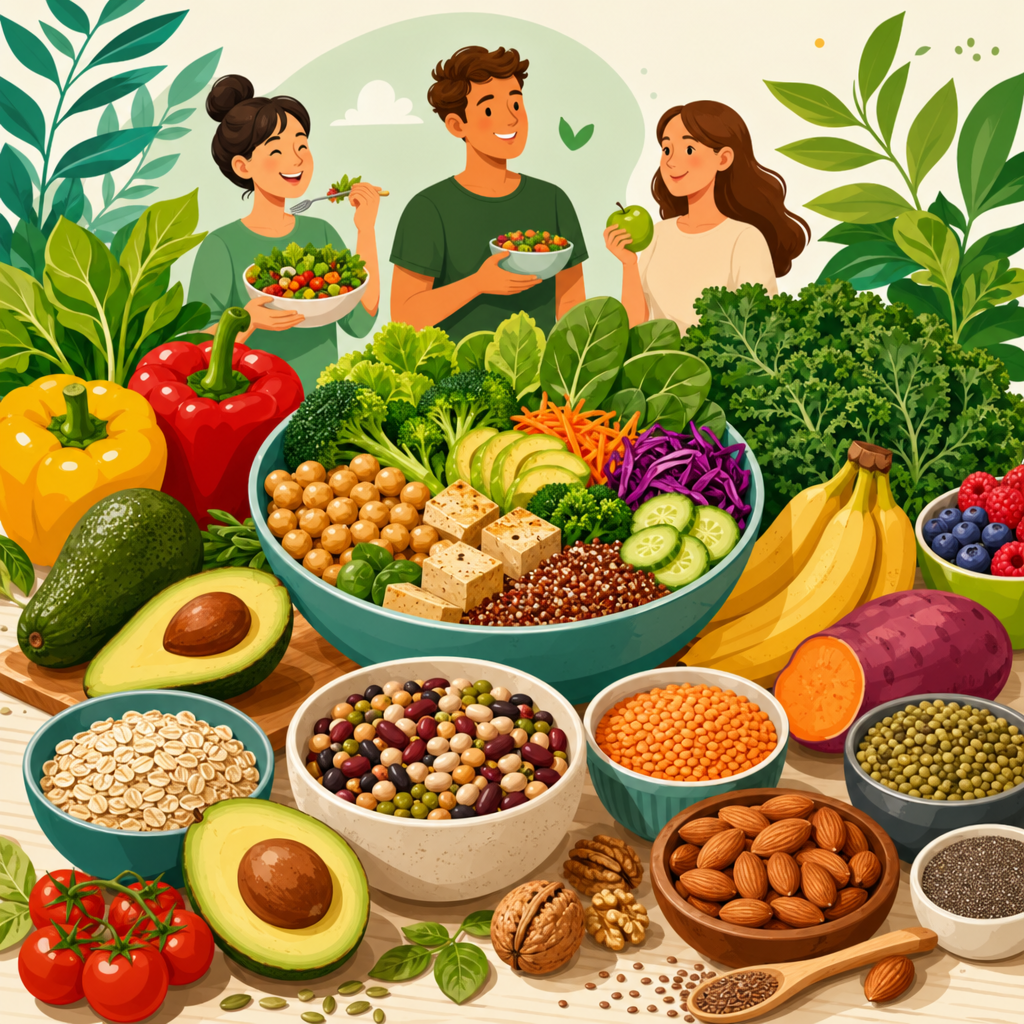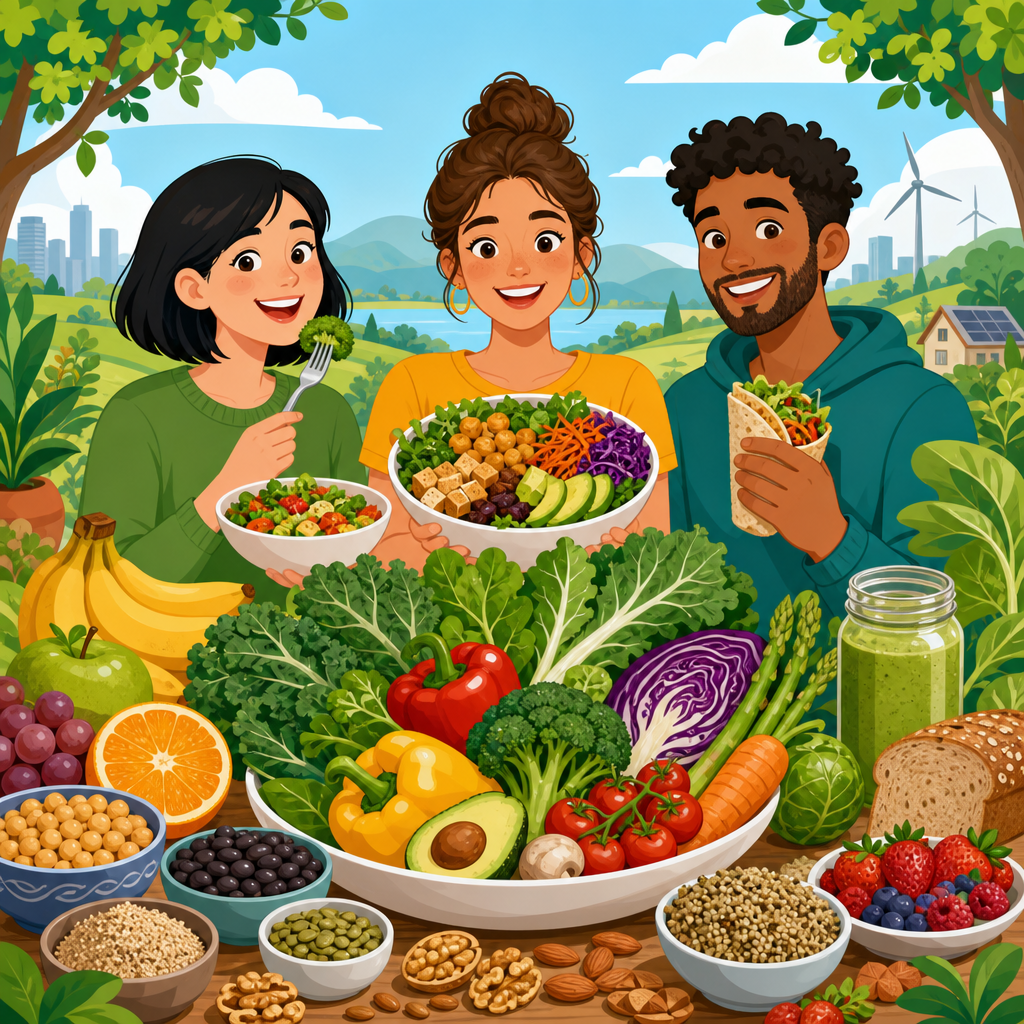
A 7-day plant-based grocery list can turn first-time meal planning from an overwhelming idea into a practical routine, especially for people exploring vegan, vegetarian, or flexitarian eating. Plant-based diets center meals around foods from plants: vegetables, fruits, beans, lentils, whole grains, nuts, seeds, herbs, and plant-derived fats. Vegan eating excludes all animal products, vegetarian eating usually includes dairy or eggs depending on the style, and flexitarian eating keeps plants at the center while allowing occasional meat, fish, eggs, or dairy. In practice, these patterns overlap more than most beginners expect. The core skill is not memorizing rules. It is learning how to stock a kitchen so breakfasts, lunches, dinners, and snacks come together without daily guesswork.
This matters because grocery planning is where most plant-based intentions either succeed or fail. I have seen many new clients buy expensive specialty foods, miss basic staples, and end up with a refrigerator full of produce but no workable meals. A strong plant-based grocery list prevents that. It supports balanced nutrition, controls food costs, reduces food waste, and lowers decision fatigue during busy weekdays. Research consistently links well-planned plant-forward eating patterns with higher fiber intake, lower saturated fat intake, and better cardiometabolic markers, while major dietetic organizations agree that appropriately planned vegetarian and vegan diets can support health across life stages. The phrase appropriately planned is the key. You need enough protein, iron, calcium, vitamin B12 sources, and omega-3-rich foods, along with realistic ingredients you will actually cook.
This hub article covers plant-based diets comprehensively through the lens first-time meal planners need most: what to buy for seven days, how to use it, and how vegan, vegetarian, and flexitarian choices fit under one system. Instead of treating plant-based eating as a niche identity, it helps you build a repeatable grocery framework. The goal is simple: one list, multiple meal paths, less stress.
What a Plant-Based 7-Day Grocery List Should Include
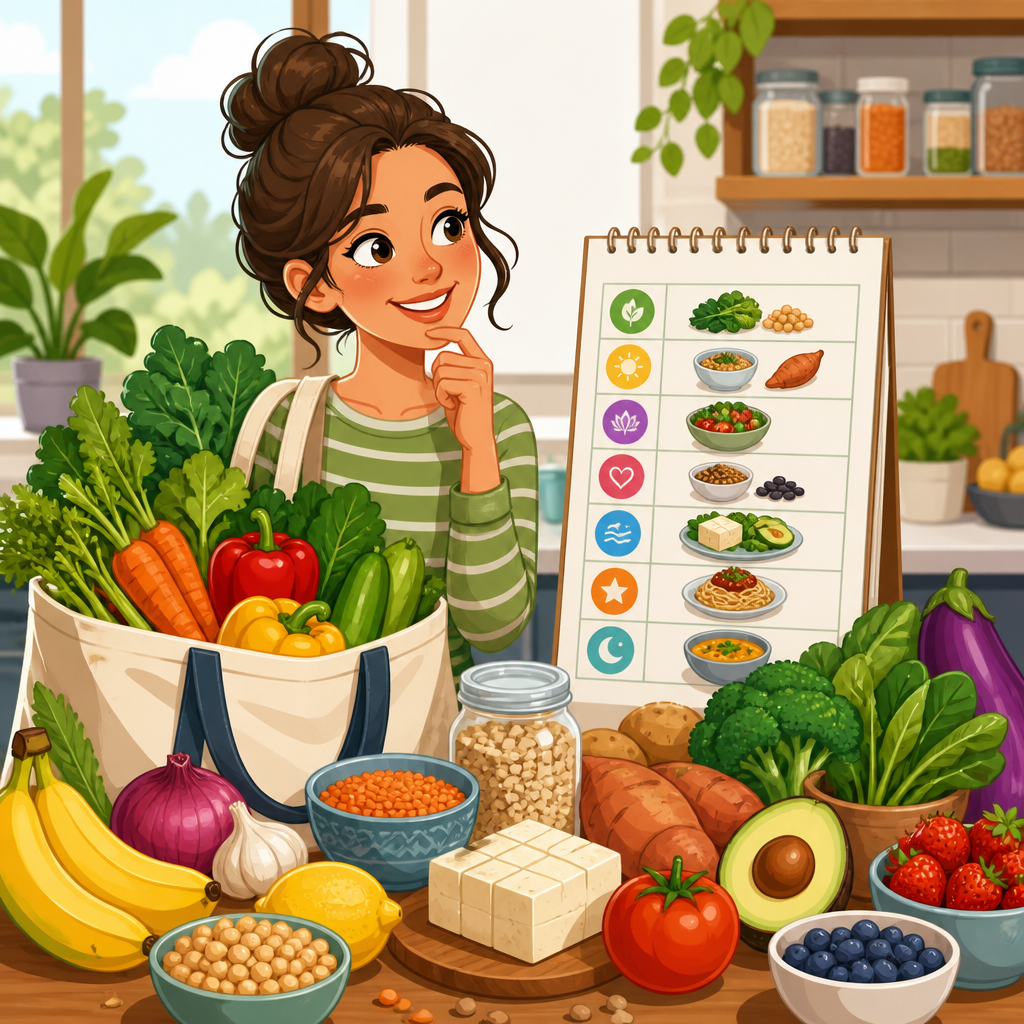
A first-time meal planner needs structure, not endless options. The most useful plant-based grocery list includes six working categories: proteins, grains and starches, vegetables, fruit, flavor builders, and supportive extras. Proteins are the backbone: canned beans, dried lentils, tofu, tempeh, edamame, hummus, and for some vegetarians, Greek yogurt, cottage cheese, eggs, or cheese in modest amounts. Flexitarians can keep one optional animal protein, but the week should still work without it. Grains and starches create filling meals: oats, brown rice, quinoa, whole-grain bread, whole-wheat pasta, tortillas, and potatoes or sweet potatoes. Vegetables should include both sturdy produce for batch cooking, such as broccoli, carrots, cabbage, onions, and bell peppers, and quick-use items like spinach, salad greens, and tomatoes. Fruit supports breakfast and snacks, while flavor builders such as garlic, ginger, lemons, soy sauce, tahini, curry paste, salsa, and olive oil keep meals from feeling repetitive.
Supportive extras are where a plant-based plan becomes nutritionally complete and realistic. Unsweetened soy milk is especially useful because fortified versions typically provide protein and calcium levels similar to dairy milk. Nutritional yeast adds savory flavor and often vitamin B12 when fortified. Chia seeds, ground flaxseed, and walnuts help cover alpha-linolenic acid, the primary plant omega-3 fat. I also recommend iodized salt for home cooking, because people who remove seafood and dairy sometimes forget about iodine intake. If you are fully vegan, a reliable vitamin B12 supplement is not optional; it is standard practice. None of these items are trendy add-ons. They are practical safeguards that make a plant-based diet easier to sustain.
The 7-Day Plant-Based Grocery List for First-Time Meal Planners
The list below is designed for one adult for seven days, with enough flexibility for vegan, vegetarian, or flexitarian variations. It assumes simple home cooking, leftovers for lunches, and a moderate budget. If you are feeding two people, double most items and adjust fresh greens, bread, and fruit based on appetite. The emphasis is accessibility. Everything here is commonly available at standard supermarkets, not only specialty health stores.
| Category | Buy for the Week | How It Gets Used |
|---|---|---|
| Protein | 2 cans chickpeas, 2 cans black beans, 1 pack extra-firm tofu, 1 bag dried lentils, 1 tub hummus, 1 bag frozen edamame | Bowls, soups, tacos, stir-fries, salads, snacks |
| Grains/Starches | 1 tub oats, 1 bag brown rice, 1 box quinoa, 1 loaf whole-grain bread, 1 pack tortillas, 4 sweet potatoes | Breakfasts, grain bowls, wraps, toast, sheet-pan meals |
| Vegetables | 1 bag spinach, 1 head broccoli, 1 cauliflower or cabbage, 3 bell peppers, 1 bag carrots, 1 cucumber, 1 pint cherry tomatoes, 2 onions, 1 bulb garlic | Salads, roasting, sautés, soups, snacks |
| Fruit | 6 bananas, 4 apples, 1 punnet berries, 2 lemons, 2 avocados | Oatmeal, snacks, smoothies, dressings, toast |
| Flavor Builders | Olive oil, soy sauce, salsa, tahini, peanut butter, curry powder, cumin, smoked paprika, black pepper | Sauces, marinades, dressings, fast seasoning |
| Supportive Extras | Unsweetened fortified soy milk, nutritional yeast, chia or flaxseed, iodized salt | Nutrition coverage, texture, savory flavor, breakfast add-ins |
If you are vegetarian, you can add eggs or plain Greek yogurt and use them strategically rather than building every meal around them. If you are flexitarian, add one small pack of chicken, tuna, or salmon for one or two meals, but keep the base list unchanged. This is important because the skill you are developing is plant-centered planning. Optional animal foods should sit on top of the system, not replace it.
How to Turn One Grocery List Into Seven Days of Meals
First-time meal planners often assume they need seven separate recipes. They do not. The more effective method is component planning: cook a few base items, then combine them in different ways. I use this approach in my own weekly prep because it saves time and prevents abandoned produce. Start by cooking a pot of brown rice or quinoa, simmering lentils, roasting sweet potatoes, and pressing then baking or pan-searing tofu. Chop onions, peppers, carrots, and broccoli, wash spinach, and mix one quick sauce such as tahini-lemon or peanut-soy. With those pieces ready, the week becomes assembly instead of daily cooking from scratch.
Day one can be oatmeal with berries and chia seeds, a chickpea salad wrap for lunch, and a tofu, broccoli, and rice bowl for dinner. Day two can use leftover rice in a black bean taco bowl with salsa, avocado, and spinach. Day three might center on lentil soup with carrots, onion, and garlic, plus toast and hummus. Day four can become a roasted sweet potato topped with black beans, tahini, and greens. Day five works well for stir-fried edamame, peppers, and cabbage over quinoa. Day six can be pasta tossed with tomatoes, spinach, garlic, olive oil, and chickpeas. Day seven is ideal for a clean-out-the-fridge grain bowl or vegetable soup. The pattern matters more than the exact recipe. Every meal should combine a protein source, a fiber-rich carbohydrate, produce, and a strong flavor element.
This system also prevents the common mistake of buying produce without assigning it a job. Spinach goes into oatmeal smoothies, wraps, bowls, and pasta. Chickpeas appear in salads, wraps, and tray bakes. Sweet potatoes become sides, stuffed mains, or breakfast hashes. When every ingredient has at least two uses, food waste drops sharply.
Vegan, Vegetarian, and Flexitarian Differences That Affect Your Grocery Plan
Although these eating styles share a plant-forward foundation, their grocery priorities differ slightly. Vegan shoppers need special attention to vitamin B12, calcium, iodine, and high-quality protein distribution across the day. Fortified soy milk, calcium-set tofu, fortified nutritional yeast, beans, lentils, and whole grains are not just convenient; they are infrastructure. Vegetarian shoppers usually have more protein flexibility because eggs and dairy can fill gaps, but that convenience can also lead to overreliance on cheese-heavy meals that are low in fiber and vegetables. A good vegetarian plan still uses legumes and whole grains as staples, with dairy and eggs as complements rather than crutches.
Flexitarian shoppers have the widest range of options, but they often benefit the most from a defined plant-based grocery list because otherwise the week defaults back to meat-centered habits. I usually suggest a “plants first, animal foods optional” rule: build breakfast and lunch fully from plant ingredients, then decide whether one or two dinners include fish, yogurt sauce, or eggs. This preserves the nutritional and budget advantages of plant-based eating while making the transition easier for households not ready for full vegetarian or vegan routines.
The grocery cart should reflect your actual style, not your idealized one. If you know you will not cook dried beans, buy canned beans with no guilt. If tofu feels intimidating, begin with lentils and hummus. If your family prefers familiar formats, use tacos, pasta, chili, curry, and sandwiches as the delivery systems. Plant-based meal planning succeeds when behavior and ingredients match.
Nutrition Basics First-Time Plant-Based Meal Planners Should Not Miss
Protein is the first question most beginners ask, but it is rarely the biggest problem. Beans, lentils, tofu, tempeh, edamame, soy milk, whole grains, nuts, and seeds add up quickly over a day. A bowl with quinoa, black beans, roasted vegetables, pumpkin seeds, and tahini dressing can easily provide a substantial protein serving. More important than chasing exact numbers at every meal is spreading protein sources throughout the day and eating enough total calories. Fiber usually improves automatically on plant-based diets, which supports digestion and satiety, but increase it gradually and drink enough water if your previous diet was low in plant foods.
The nutrients that require deliberate planning are vitamin B12, iron, calcium, iodine, vitamin D, and omega-3 fats. B12 must come from supplements or fortified foods in vegan diets. Iron from lentils, beans, tofu, pumpkin seeds, and spinach is useful, but pairing iron-rich foods with vitamin C sources like peppers, tomatoes, berries, or lemon improves absorption. Calcium can come from fortified soy milk, calcium-set tofu, tahini, almonds, and some greens, though spinach is not the strongest calcium source because its oxalates reduce absorption. Iodized salt helps with iodine, while vitamin D may require fortified foods or supplements depending on sun exposure and local guidance. For omega-3s, ground flaxseed, chia seeds, hemp seeds, and walnuts are the basics, with algae-based DHA and EPA supplements as an option for strict vegans.
These details are not meant to make plant-based eating feel complicated. They simply replace assumptions with planning. Once the staples are in place, meeting nutritional needs is straightforward.
Budget, Convenience, and Common Mistakes to Avoid
Plant-based grocery planning is often cheaper than people expect when staples lead the list. Dried lentils, oats, rice, beans, potatoes, cabbage, carrots, and bananas are among the most cost-effective foods in any supermarket. The bill rises when beginners rely on packaged meat alternatives, single-serve snacks, and premium wellness products. Some of those items can be useful, especially for transition or convenience, but they should not define the cart. I have cut many first-week grocery totals simply by shifting from specialty vegan products to beans, tofu, grains, frozen vegetables, and homemade sauces.
The most common mistakes are buying too much fragile produce, skipping seasoning, and failing to prep anything after shopping. Another mistake is treating plant-based meals as side dishes. A dinner of plain roasted vegetables is not satisfying because it lacks protein, starch, and richness. Add lentils, quinoa, olive oil, and a lemon-tahini sauce, and it becomes a complete meal. People also underestimate texture. Crunchy seeds, toasted bread, creamy avocado, crisp cucumbers, and roasted edges on vegetables make a plant-based plate feel intentional rather than restrictive.
For convenience, frozen spinach, broccoli, berries, and edamame are excellent backups. Canned beans are one of the best time-saving tools in the category. Pre-cut vegetables can be worth the extra cost if they increase follow-through. The best grocery list is not the one with the most aspirational ingredients. It is the one you can shop, cook, and repeat next week.
Building a Long-Term Plant-Based Meal Planning System
The real benefit of a 7-day plant-based grocery list is not one successful week. It is the repeatable system it creates. Once you learn to combine a few proteins, grains, vegetables, fruits, and sauces, you can rotate cuisines and seasons without rebuilding your habits from scratch. Mexican-inspired weeks might use black beans, salsa, tortillas, and avocado. Mediterranean weeks can feature chickpeas, cucumbers, tomatoes, lemon, and tahini. Cold-weather planning may lean on lentil soup, oats, roasted roots, and curry. The structure stays stable while the flavors change.
That is why plant-based diets are easier to maintain than they first appear. Whether you are vegan, vegetarian, or flexitarian, the same grocery logic works: buy versatile staples, plan ingredients with multiple uses, prep a few components, and cover key nutrients deliberately. Start with one week. Save your list, note what you actually ate, and adjust quantities before the next shop. A practical system beats perfect intention every time. If you want to eat more plants with less stress, take this list to the store, prep three basics on day one, and let the week prove how manageable plant-based meal planning can be.
Frequently Asked Questions
What should a 7-day plant-based grocery list include for a beginner?
A practical 7-day plant-based grocery list should focus on simple, versatile foods that can be mixed and matched into easy meals throughout the week. For beginners, the goal is not to buy every “healthy” item at once, but to build a balanced list around a few core categories: vegetables, fruits, proteins, whole grains, healthy fats, and flavor boosters. A strong starting point often includes leafy greens, broccoli, carrots, bell peppers, onions, garlic, sweet potatoes, and tomatoes for vegetables; bananas, apples, berries, oranges, and avocados for fruits; canned or dry beans, lentils, tofu, edamame, and chickpeas for plant protein; oats, brown rice, quinoa, and whole grain bread or pasta for grains; and nuts, seeds, peanut butter, olive oil, and tahini for fats and texture.
It also helps to include ingredients that make meals taste satisfying and familiar, such as salsa, hummus, vegetable broth, soy sauce or tamari, lemon juice, herbs, and spices like cumin, paprika, chili powder, and black pepper. These pantry items can turn basic ingredients into grain bowls, soups, salads, wraps, stir-fries, and breakfasts without requiring advanced cooking skills. For a first-time meal planner, a good grocery list is one that supports repetition without boredom. For example, a batch of cooked rice can become a burrito bowl one day, a stir-fry base the next, and a side for lentil curry later in the week. The best beginner list is affordable, flexible, and centered on foods you will realistically use within seven days.
How do I make sure my 7-day plant-based meal plan is balanced and filling?
A balanced and filling plant-based meal plan works best when each meal includes a combination of protein, fiber-rich carbohydrates, and healthy fats. Many first-time meal planners make the mistake of building meals around vegetables alone, which can leave them hungry soon after eating. Instead, aim to anchor your meals with a substantial protein source such as beans, lentils, tofu, tempeh, edamame, or even Greek yogurt and eggs if your version of plant-based eating includes them. Pair that protein with whole grains or starchy vegetables like oats, brown rice, quinoa, potatoes, or whole grain pasta, and then add vegetables and a source of fat like avocado, nuts, seeds, or olive oil.
This structure helps meals feel more complete and supports steady energy throughout the day. For example, oatmeal with chia seeds, berries, and peanut butter is more satisfying than plain oatmeal alone. A lunch of quinoa, black beans, roasted vegetables, and tahini dressing will usually keep you full longer than a simple green salad. The same idea applies to snacks: apple slices with almond butter, hummus with carrots, or trail mix with pumpkin seeds are more substantial than fruit or crackers by themselves. If you are new to plant-based planning, think in terms of building plates rather than following strict rules. Include variety across the week, but keep the formula simple: protein, fiber, color, and healthy fat at most meals.
How much food should I buy for one week without overspending or wasting produce?
For a 7-day plan, it is usually best to buy enough ingredients for a few breakfasts, three to four lunch and dinner foundations, and a handful of snacks rather than trying to shop for seven completely different days. This keeps costs lower and reduces food waste because the same ingredients can be reused in several meals. A smart beginner approach is to choose two breakfast options, two to three lunch ideas, and three dinner templates. For example, you might buy oats and fruit for breakfast, ingredients for grain bowls and wraps for lunch, and supplies for chili, pasta, and stir-fry for dinner. That approach allows overlap in ingredients like spinach, onions, rice, beans, and peppers, which makes shopping more efficient.
To avoid waste, buy a mix of fresh, frozen, and shelf-stable foods. Fresh produce is excellent for meals you plan to eat early in the week, while frozen vegetables and fruit can extend your options later in the week without spoiling. Canned beans, lentils, tomatoes, and coconut milk are especially useful because they store well and make quick meals possible. It also helps to estimate quantities realistically. A single person often does well with a few pieces of fruit, one to two bunches of greens or salad containers, several versatile vegetables, one or two grains, and a few protein sources for the week. If you are planning for a household, simply scale based on how many meals each person will actually eat at home. The most budget-friendly plant-based grocery lists are built around reusable ingredients and a realistic cooking schedule, not aspiration shopping.
Can a plant-based grocery list work for vegan, vegetarian, and flexitarian meal planning?
Yes, a well-designed plant-based grocery list can easily support vegan, vegetarian, and flexitarian eating because the foundation is the same: meals built around plant foods. The main difference is what optional items you add depending on your eating style. For a vegan plan, the grocery list excludes all animal products and may include items like plant milk, dairy-free yogurt, nutritional yeast, tofu, tempeh, and vegan staples such as bean-based spreads or plant-based sauces. For a vegetarian plan, you can keep the same plant-forward structure while adding foods like eggs, Greek yogurt, cheese, or milk if desired. A flexitarian plan also starts with mostly plant-based ingredients but allows room for occasional animal-based additions while still keeping plants at the center of the plate.
This flexibility is one of the biggest advantages of a 7-day plant-based grocery list, especially for households with different preferences. A base meal like roasted vegetables, quinoa, and chickpeas can stay vegan on its own, while someone else at the table might add feta, a boiled egg, or grilled chicken if they choose. That means you do not need separate grocery lists for every person. Instead, shop for versatile plant staples first, then add a few optional items that fit your dietary approach. This keeps meal planning simpler, more inclusive, and easier to maintain over time. For first-time planners, focusing on common ground rather than labels often makes the process feel less restrictive and far more manageable.
What are the easiest meals to make from a beginner plant-based grocery list?
The easiest meals are usually the ones that rely on familiar ingredients, simple cooking methods, and repeatable formulas rather than complicated recipes. A beginner plant-based grocery list can quickly turn into breakfasts like overnight oats, oatmeal with fruit and nuts, smoothies, or avocado toast. For lunch, easy options include hummus wraps, grain bowls with roasted vegetables and beans, lentil soup, chickpea salad sandwiches, or leftover dinner bowls. Dinner can be just as straightforward with meals like black bean tacos, vegetable stir-fry with tofu and rice, one-pot lentil curry, whole grain pasta with tomato sauce and spinach, or sheet pan vegetables with baked sweet potatoes and tahini dressing.
What makes these meals especially beginner-friendly is that they use overlapping ingredients and do not demand perfect timing or advanced kitchen skills. If you cook a pot of quinoa, roast a tray of vegetables, and keep canned beans on hand, you already have the base for several lunches and dinners. Sauces and seasonings help create variety, so the same ingredients can become Mediterranean one day, Mexican-inspired the next, and a simple comfort meal later in the week. For first-time meal planners, the easiest plant-based meals are not necessarily the trendiest ones; they are the ones you can assemble quickly, enjoy consistently, and repeat without stress. That consistency is what turns meal planning into a routine rather than a one-time project.