Plant-based eating now sits at the center of public health, sustainability, and everyday meal planning, yet many people still ask a basic question: what is the difference between vegetarian, pescatarian, and flexitarian diets? These three dietary lifestyles all emphasize plants, but they differ in how they handle animal foods, protein sources, nutrient planning, cost, convenience, and long-term flexibility. Understanding those differences matters because the best eating pattern is rarely the strictest one; it is the one a person can follow consistently while meeting nutritional needs, personal ethics, cultural preferences, and health goals.
As someone who has worked with plant-forward meal planning for years, I have seen people choose the wrong framework simply because labels sound similar. A vegetarian diet excludes meat, poultry, and seafood, although some vegetarians eat eggs, dairy, or both. A pescatarian diet follows a vegetarian base but includes fish and shellfish. A flexitarian diet is mostly plant-based yet intentionally allows meat, fish, dairy, or eggs in smaller or less frequent amounts. Vegan eating, which excludes all animal-derived foods, is part of the broader plant-based conversation and belongs in this hub because many readers compare all four patterns before deciding what fits.
These diets matter for more than identity. Research consistently links well-planned plant-forward diets with lower risk of cardiovascular disease, improved blood pressure, better weight management, and higher fiber intake. At the same time, no pattern is automatically healthy. French fries and refined grains are technically vegetarian. A pescatarian plan built around fried seafood can miss the point. A flexitarian approach can become nutritionally vague if “mostly plant-based” means little in practice. The real comparison, then, is not just what each diet excludes. It is how each pattern performs in daily life: how easy it is to shop for, what nutrients require attention, how it affects social eating, and which people tend to thrive on it.
This guide compares vegetarian, pescatarian, and flexitarian diets in plain terms while placing them within the larger plant-based category. It covers food rules, health benefits, key nutrients, sustainability, budget, and practical meal structure. If you are choosing between these approaches, the goal is simple: identify the pattern that delivers the most plants, enough protein, and the least friction for your real life.
What each diet includes and excludes
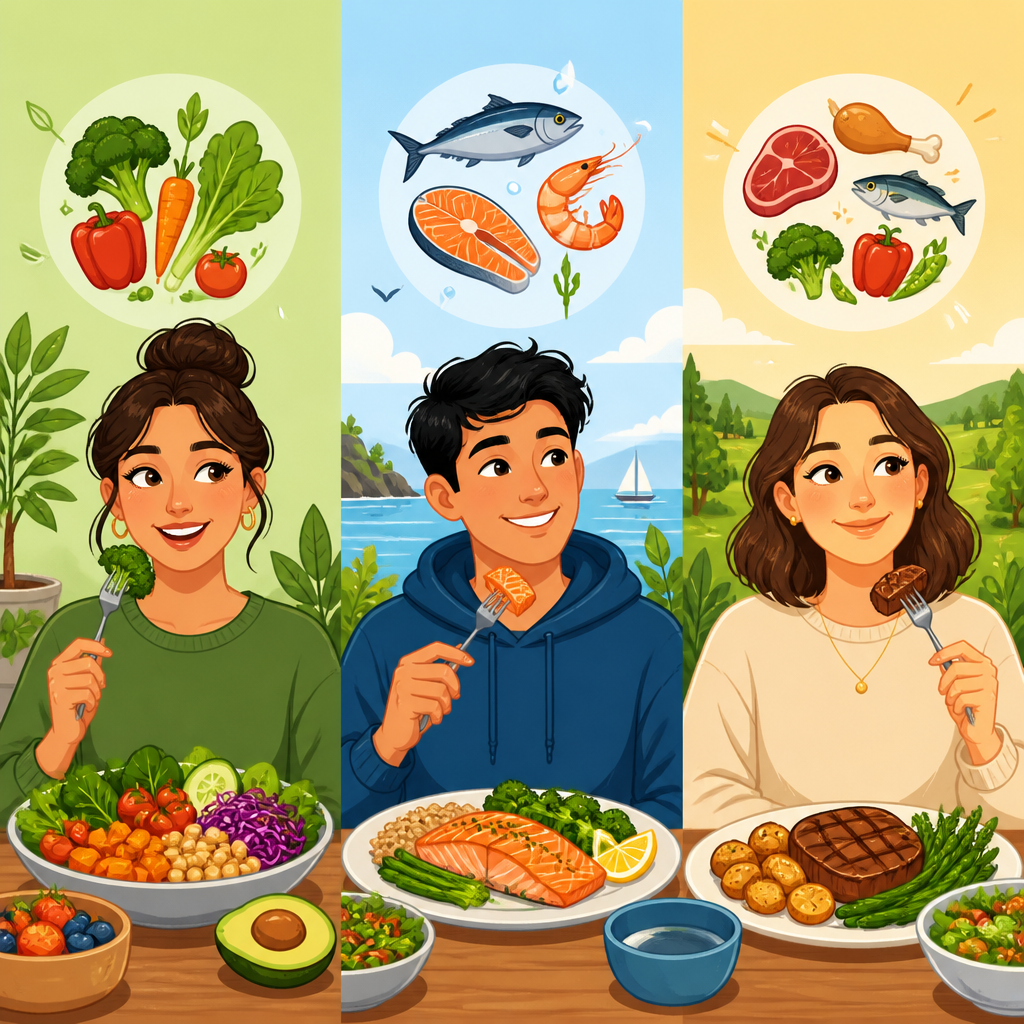
The cleanest way to compare these diets is by their rules. A vegetarian diet centers on fruits, vegetables, legumes, whole grains, nuts, seeds, and plant oils. Most vegetarians also use dairy, eggs, or both, creating common subtypes such as lacto-vegetarian, ovo-vegetarian, and lacto-ovo vegetarian. A pescatarian diet includes all of those foods plus fish and seafood, usually while avoiding red meat and poultry. A flexitarian diet has no strict universal definition, but in practice it means a plant-forward pattern where beans, lentils, grains, produce, nuts, and seeds form the base and animal foods appear occasionally or in smaller portions.
Vegan eating is stricter than all three. It removes meat, fish, dairy, eggs, and other animal-derived ingredients. Even though this article focuses on vegetarian, pescatarian, and flexitarian choices, veganism remains relevant because many people start there conceptually and then decide whether they need a less restrictive model. In clinical and practical settings, I often see flexitarian eating become the bridge that helps someone move toward vegetarian or vegan habits without an abrupt overhaul. That matters because successful diet change depends less on ideal theory and more on repeatable behavior.
| Diet | Includes | Excludes | Typical reason people choose it |
|---|---|---|---|
| Vegetarian | Plants, usually dairy and/or eggs | Meat, poultry, fish | Ethics, health, simplicity |
| Pescatarian | Vegetarian foods plus fish and seafood | Meat, poultry | Heart health, protein variety, omega-3 intake |
| Flexitarian | Mostly plants with occasional animal foods | No fixed exclusions | Flexibility, easier adherence, gradual change |
| Vegan | Plant foods only | All animal foods | Ethics, environment, strict plant-based living |
For many readers, the practical distinction is this: vegetarian and pescatarian diets are rule-based, while flexitarian eating is pattern-based. If you like clear boundaries, vegetarian or pescatarian may feel easier. If you want room for travel, family meals, or occasional restaurant choices, flexitarian often wins on sustainability in the behavioral sense.
Nutrition and health outcomes
All three diets can be healthy, but they deliver different nutritional advantages. Vegetarian diets usually increase fiber, folate, potassium, vitamin C, and phytonutrient intake because they rely heavily on legumes, vegetables, fruit, and whole grains. Pescatarian diets offer many of those same benefits while adding marine omega-3 fats, especially EPA and DHA, which support cardiovascular and neurological health. Flexitarian diets can capture the best of both worlds when planned well: high plant intake, broad food choice, and enough flexibility to reduce nutrient gaps.
Protein is often the first concern. In practice, it is manageable across all three patterns. Vegetarians can build adequate protein from beans, lentils, tofu, tempeh, edamame, Greek yogurt, cottage cheese, eggs, seitan, and soy milk. Pescatarians add salmon, sardines, tuna, shrimp, mussels, and cod. Flexitarians can use any of those plus occasional poultry or meat if desired. What matters most is distributing protein across meals rather than assuming dinner will make up for a low-protein day. A bowl of oatmeal alone may leave someone hungry, while oatmeal with soy milk, chia seeds, walnuts, and yogurt is far more effective.
Several nutrients deserve close attention. Vitamin B12 is naturally concentrated in animal foods, so vegans need reliable fortified foods or supplements, and some vegetarians may need them too depending on dairy and egg intake. Iron is available in beans, lentils, tofu, pumpkin seeds, fortified cereal, and leafy greens, but plant iron is less bioavailable than heme iron from seafood or meat. Pairing iron-rich plant foods with vitamin C helps absorption. Calcium can come from dairy, calcium-set tofu, fortified plant milks, and some greens. Iodine, zinc, vitamin D, and long-chain omega-3 fats are other watch points, especially for stricter plant-based patterns.
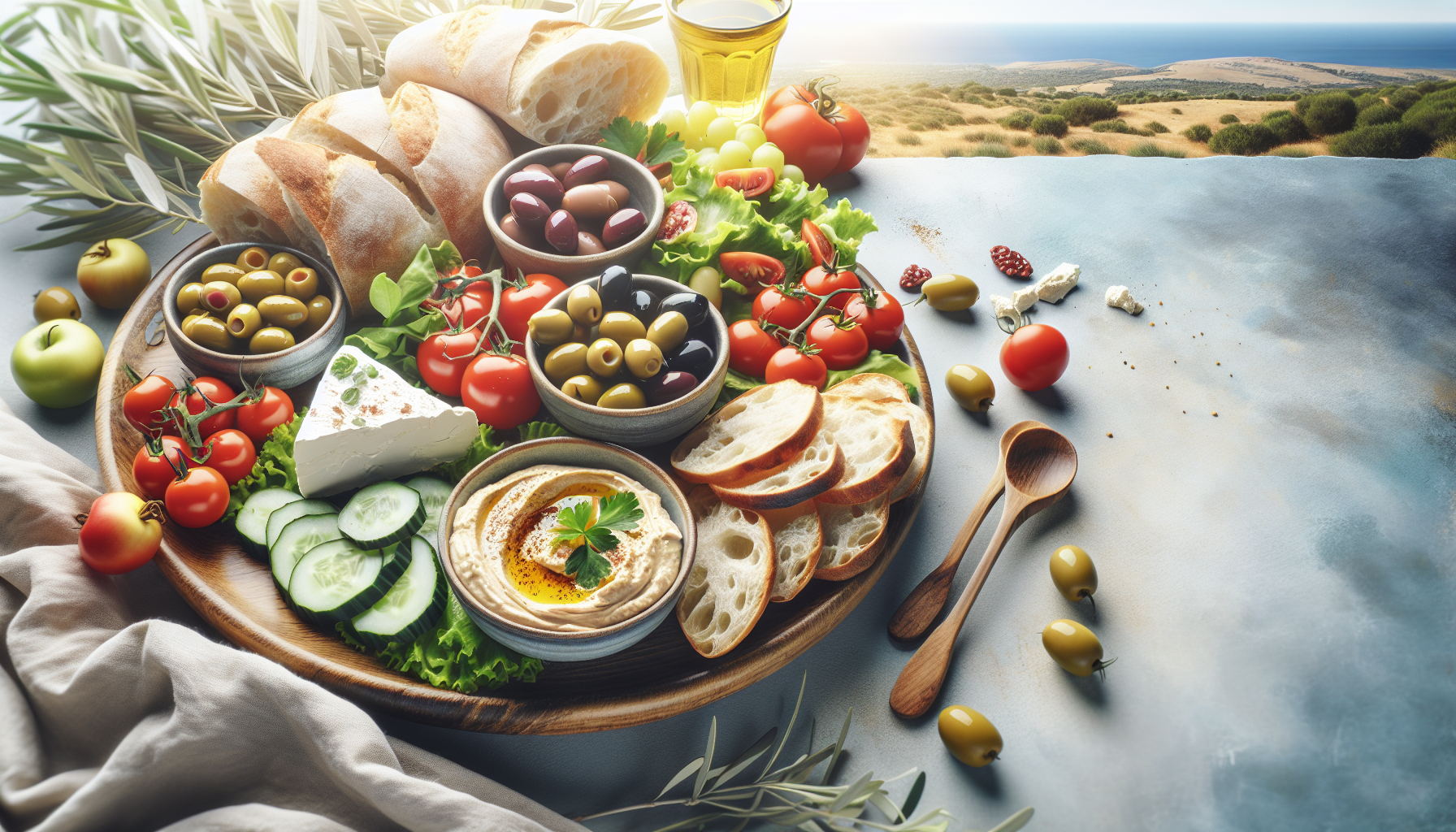
Pescatarian diets can be especially useful for people who want the cardiometabolic benefits of plant-heavy eating without losing fish as a familiar protein source. Fatty fish such as salmon, trout, herring, mackerel, and sardines provide EPA and DHA in forms the body uses efficiently. That said, seafood choice matters. Large predatory fish like swordfish can contain more mercury, and not all seafood is equally sustainable. Flexitarian diets can also support excellent health, but only if “flexible” does not become nutritionally random. The strongest version looks like Mediterranean-style eating: vegetables, legumes, olive oil, nuts, whole grains, fruit, and modest amounts of fish, dairy, eggs, or meat.
How these diets work in real life
Adherence is where dietary theory meets actual kitchens. Vegetarian eating is often easier than people expect because staple meals already fit the pattern: pasta with marinara and lentils, vegetable curry with chickpeas, bean chili, tofu stir-fry, egg-based breakfasts, yogurt bowls, and grain salads. The main hurdle is learning to replace the “center of the plate” meat habit with legumes, soy foods, eggs, or dairy. Once a household has five or six dependable meals and a short shopping list, the diet stops feeling restrictive.
Pescatarian eating is often the easiest structured plant-based option for people who enjoy seafood. It allows simple upgrades rather than a full identity shift. For example, someone who normally eats chicken Caesar salad can switch to salmon over greens and keep the rest of the meal familiar. Tuna and white bean salad, shrimp with brown rice and vegetables, or sardines on toast with tomato and arugula all provide quick protein with minimal prep. In my experience, this pattern works especially well for people who want health benefits but do not want to rely heavily on soy, eggs, or dairy.
Flexitarian eating shines in social situations. It lets someone eat mostly vegetarian at home while saying yes to a family roast, a holiday seafood dish, or a business dinner without feeling they have broken the diet. That flexibility reduces all-or-nothing thinking, which is one of the biggest reasons eating changes fail. The tradeoff is that some people need clearer rules. If your habits drift easily, “eat less meat” may be too loose to guide choices. A better version is measurable: meatless breakfasts and lunches, beans at least four times a week, fish once or twice weekly, and red meat no more than once weekly.
Cost and convenience vary by food choice, not just by label. Dry beans, lentils, oats, rice, potatoes, peanut butter, and frozen vegetables are among the cheapest staples in any supermarket, making vegetarian and flexitarian eating very budget-friendly. Seafood can raise costs, especially fresh salmon or shellfish, though canned sardines, canned salmon, mussels, and frozen fish fillets are often reasonable. Highly processed meat alternatives can help with transition, but they are usually more expensive and should not replace whole-food proteins entirely.
Environmental impact, ethics, and choosing the right fit
Many people arrive at plant-based diets through environmental or ethical concerns, and here the patterns differ in degree rather than direction. In general, diets built around legumes, grains, vegetables, and nuts produce lower greenhouse gas emissions than diets high in beef and lamb. Vegetarian and vegan patterns usually have the lowest food-related emissions, while pescatarian diets tend to fall lower than omnivorous diets but higher than fully plant-based ones depending on seafood choice. Flexitarian eating can still substantially reduce impact when it meaningfully cuts red meat and emphasizes whole plant foods.
Ethics are similarly personal. Some people are comfortable with eggs from trusted farms or sustainably sourced mussels but not with meat. Others prefer veganism because it applies a more consistent rule across all animal products. There is no single morally neutral plate, but there is a clear practical truth: reducing resource-intensive animal foods and increasing plant staples lowers environmental burden for most households. Seafood adds another layer because wild fisheries and aquaculture vary widely. Tools such as the Monterey Bay Aquarium Seafood Watch recommendations can help consumers identify better options by species and source.
So which diet is best? For strict plant-based living with clear guardrails, vegetarian eating is often the strongest long-term starting point. For people who want a nutrient-dense, heart-friendly pattern with easier protein planning, pescatarian is highly effective. For those who need freedom, family compatibility, and the highest chance of sticking with change, flexitarian is often the smartest first step. Vegan eating remains the most restrictive but can be excellent when carefully planned, especially with attention to B12, iron, calcium, iodine, omega-3s, and vitamin D.
The best choice is the one that increases plants, improves diet quality, and fits your daily routine closely enough to last. Start by auditing your current meals, then choose the smallest shift that creates the biggest benefit: swap two meat dinners for lentil or tofu meals, replace one weekly meat entrée with fish, or set a target for mostly plant-based weekdays. Plant-based diets do not need to be perfect to work. They need to be intentional, nutritionally sound, and practical enough that you can keep going. If you are ready to explore the broader world of dietary lifestyles and special diets, use this hub as your starting point and build a version of plant-based eating that truly fits your life.
Frequently Asked Questions
What is the main difference between a vegetarian, pescatarian, and flexitarian diet?
The biggest difference comes down to which animal foods are included and how often they are eaten. A vegetarian diet excludes meat, poultry, and fish, but it may still include eggs and dairy depending on the type of vegetarian pattern a person follows. A pescatarian diet is similar to vegetarian eating in that it focuses heavily on fruits, vegetables, legumes, whole grains, nuts, and seeds, but it also includes fish and seafood as primary animal protein sources. A flexitarian diet is the most flexible of the three because it is built around mostly plant-based eating while still allowing occasional meat, poultry, fish, eggs, or dairy.
In practice, that means vegetarians rely more consistently on plant proteins and possibly eggs and dairy, pescatarians use seafood to expand their protein and nutrient options, and flexitarians do not follow a strict exclusion model at all. Instead, flexitarian eating typically emphasizes proportion: more plants, fewer animal products, and room for personal choice. This is why many people see flexitarian eating as the easiest transition pattern, while vegetarian and pescatarian diets tend to offer clearer rules and boundaries.
All three approaches can be healthy when they are based on minimally processed foods and balanced meal planning. The most important point is that these diets are not automatically nutritious just because they contain more plants. A vegetarian diet filled with refined carbohydrates, a pescatarian diet overloaded with fried seafood, or a flexitarian pattern centered on convenience foods can all fall short nutritionally. The real distinction is not only what gets excluded or included, but also how thoughtfully the overall diet is built.
Which diet is typically best for overall health and nutrition?
There is no single best choice for everyone, because health outcomes depend on food quality, nutrient balance, lifestyle, and long-term consistency more than the label itself. That said, all three dietary patterns can support heart health, weight management, blood sugar control, and overall wellness when they emphasize vegetables, beans, lentils, whole grains, healthy fats, and adequate protein. Research generally shows that plant-forward diets are associated with lower risk of chronic disease, but the exact benefits often depend on whether the diet is rich in whole foods rather than highly processed substitutes.
A vegetarian diet can be very health-supportive, especially when it includes a wide range of legumes, soy foods, dairy or eggs if desired, and fortified foods where needed. A pescatarian diet may offer additional nutritional advantages because fish provides complete protein as well as omega-3 fatty acids, particularly EPA and DHA, which are linked to heart and brain health. A flexitarian diet can also be excellent for health because it gives people the freedom to reduce red and processed meat while still including animal foods strategically, which may improve adherence over time.
For many people, the healthiest pattern is the one they can sustain comfortably. If someone enjoys structure and is committed to careful nutrient planning, vegetarian eating can work very well. If someone wants a plant-based foundation with easier access to certain nutrients like omega-3s, iron, and vitamin B12, pescatarian may feel simpler. If someone wants the benefits of eating more plants without rigid restrictions, flexitarian may be the most realistic and effective option. In other words, the best diet is often the one that matches a person’s health goals, cooking habits, preferences, and willingness to plan ahead.
How do these diets compare when it comes to protein and key nutrients?
Protein is one of the first concerns people raise, but all three diets can provide enough when planned properly. Vegetarians often get protein from beans, lentils, tofu, tempeh, edamame, Greek yogurt, cottage cheese, eggs, nuts, seeds, and whole grains. Pescatarians can use all of those foods while also adding fish and seafood, which makes meeting protein needs more straightforward for many people. Flexitarians have the widest menu of options because they can combine plant proteins with fish, eggs, dairy, poultry, or meat in whatever amounts fit their goals.
Where the comparison becomes more important is with specific nutrients. Vegetarians may need to pay closer attention to vitamin B12, iron, zinc, iodine, calcium, vitamin D, and omega-3 fats, depending on which foods they include regularly. Pescatarians usually have an easier time with B12 and omega-3 intake because seafood naturally provides them, though they still need to build balanced meals overall. Flexitarians may have fewer nutrient gaps simply because they have more dietary flexibility, but that does not guarantee adequacy if plant intake is low or food choices are inconsistent.
It is also worth remembering that nutrient absorption matters, not just nutrient content. Plant-based iron, for example, is less readily absorbed than the iron found in animal foods, so vegetarians may benefit from pairing iron-rich foods like lentils or spinach with vitamin C sources such as citrus, peppers, or tomatoes. Omega-3 intake can also differ significantly: pescatarians often obtain EPA and DHA directly from fish, while vegetarians may rely on flaxseeds, chia seeds, walnuts, and algae-based supplements. With smart planning, all three diets can be nutritionally sound, but vegetarian eating generally requires the most intentional focus on nutrient strategy.
Which option is usually most affordable and easiest to follow in everyday life?
In many cases, a basic vegetarian diet built around beans, lentils, oats, rice, pasta, potatoes, seasonal produce, eggs, and dairy can be very affordable. Staple plant foods are often among the lowest-cost nutritious ingredients available, especially when bought dried, frozen, canned, or in bulk. However, vegetarian eating can become more expensive if it relies heavily on specialty meat alternatives, premium snack foods, or convenience products marketed as plant-based.
A pescatarian diet can sometimes cost more, mainly because fish and seafood are often more expensive than legumes, eggs, or poultry. Cost varies widely depending on the type of seafood chosen. Canned tuna, sardines, salmon, mussels, and frozen fish can be much more budget-friendly than fresh premium fillets or restaurant seafood meals. For people who want the nutritional benefits of seafood without overspending, the practical approach is usually to treat fish as a strategic protein rather than the centerpiece of every meal.
Flexitarian eating is often the easiest for daily life because it does not demand strict rules in social settings, travel, family meals, or restaurant dining. It allows someone to eat mostly plant-based at home while still having occasional animal-based meals when convenient. That flexibility can reduce stress and make the pattern easier to maintain long term. Still, “easy” depends on personality. Some people actually find clear boundaries simpler to follow than open-ended moderation. So from a cost perspective, vegetarian often wins when built around whole foods; from a convenience and adaptability perspective, flexitarian frequently comes out ahead.
How should someone choose between vegetarian, pescatarian, and flexitarian eating?
The best way to choose is to start with your priorities rather than with diet labels. If your main goal is to avoid meat entirely while keeping a clearly plant-centered lifestyle, vegetarian eating may be the best fit. If you want the same plant-forward foundation but also value seafood for its protein, convenience, and omega-3 content, pescatarian may be more practical. If you want to improve your diet without feeling boxed in by strict rules, flexitarian is often the most approachable starting point.
It also helps to think about your cooking habits, schedule, and social routine. Someone who enjoys preparing plant-based meals and does not mind reading labels or planning nutrients may thrive as a vegetarian. Someone who wants a simpler way to include complete proteins and seafood-based nutrients may prefer pescatarian eating. Someone with a busy lifestyle, a family with mixed preferences, or a desire for gradual change may do better with a flexitarian model because it leaves room for adjustment without making the process feel all-or-nothing.
Finally, the strongest choice is usually the one you can maintain in a healthy, enjoyable way over time. A diet that looks ideal on paper but feels restrictive in real life rarely works well for long. Many people even move between these patterns over time, starting as flexitarian, becoming pescatarian, or later shifting to vegetarian depending on health goals, values, budget, and lifestyle changes. The key is to choose an eating pattern that increases plant foods, supports your nutrient needs, and fits naturally into your everyday life.