Herbal supplements and natural remedies occupy a growing place in modern self-care because many people want options that feel more traditional, more plant based, and sometimes gentler than conventional over-the-counter products. In practice, this category includes standardized botanical extracts, whole-herb powders, tinctures, teas, essential oils used appropriately, and food-derived preparations taken to support a specific health goal. A herbal supplement is usually a manufactured product sold in capsules, tablets, liquids, or powders, while a natural remedy is a broader term that can include herbs, minerals, probiotics, topical preparations, and lifestyle practices rooted in traditional systems. The distinction matters because regulation, dosing, evidence, and safety differ widely across these products. In clinic and content work, I have repeatedly seen readers assume that “natural” means proven, mild, or risk free. It does not. Some herbs have strong pharmacologic activity, meaningful clinical evidence, and well documented interactions with medicines, while others are supported mostly by tradition or limited early research.
Understanding herbal supplements and natural remedies starts with the same questions used for any health intervention: what is it, what is it supposed to do, what evidence supports it, what dose has actually been studied, how is quality verified, and who should avoid it. Those questions matter now because the global supplement market has expanded quickly, online retail has multiplied product choices, and social media often compresses nuanced safety information into oversimplified claims. Consumers can now buy ashwagandha for stress, peppermint oil for digestive complaints, turmeric for joint discomfort, elderberry for immune support, and valerian for sleep in minutes, yet the labels may vary dramatically in strength and composition. This guide explains the major categories, benefits, limitations, quality markers, and safety principles behind herbal supplements and natural remedies so readers can navigate the topic with confidence and make better decisions with a clinician when needed.
What Herbal Supplements and Natural Remedies Include
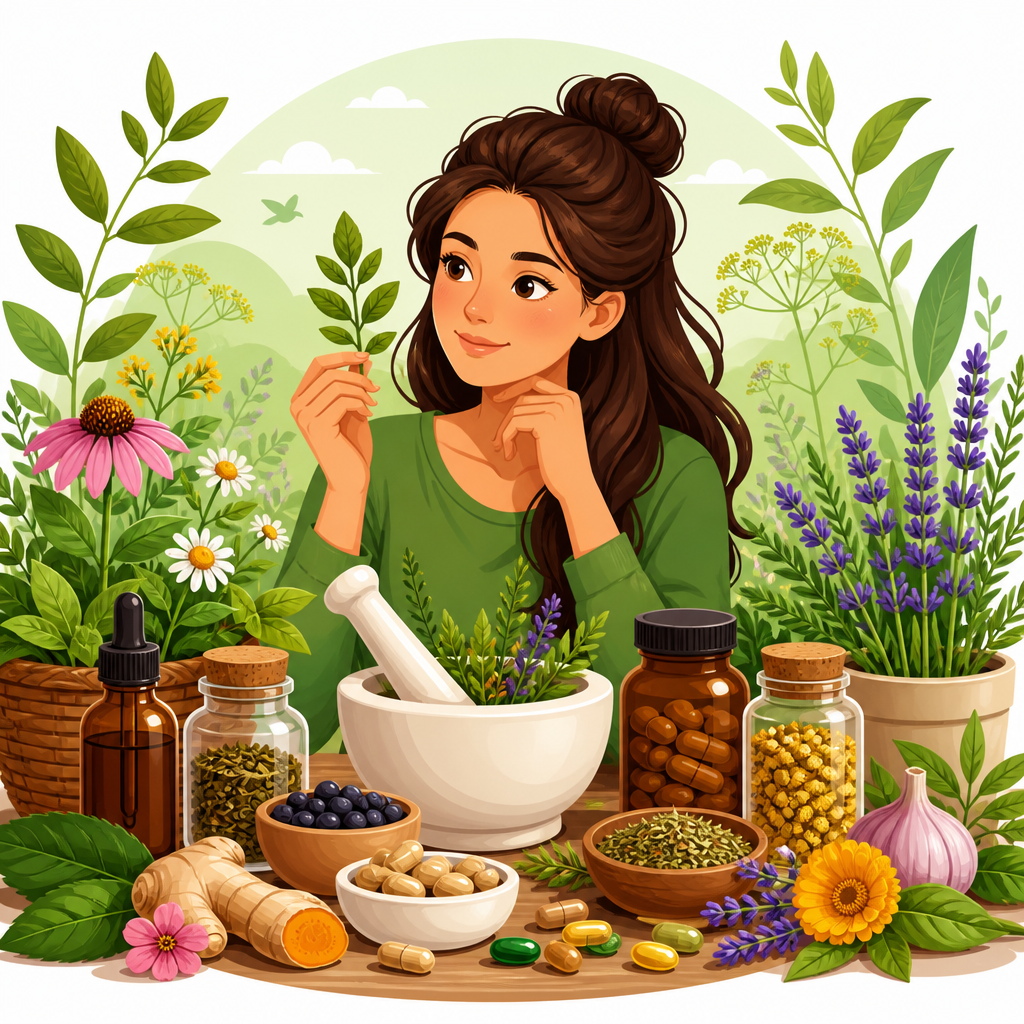
Herbal supplements come from leaves, roots, flowers, bark, seeds, or whole plants. Common formats include dried herb capsules, standardized extracts that guarantee a specific compound level, glycerites, alcohol tinctures, herbal teas, topical salves, and concentrated oils. Natural remedies extend beyond herbs to include items such as magnesium for muscle cramps, melatonin for sleep timing, honey for cough, saline nasal irrigation, and probiotics for certain digestive concerns. For a sub-pillar within Supplements & Nutraceuticals, it helps to think of herbal products as one branch of a larger evidence spectrum that also includes vitamins, minerals, amino acids, specialty lipids, and functional foods.
The key terms on labels deserve close attention. “Standardized extract” means the manufacturer aims to provide a consistent amount of one or more marker compounds, such as curcuminoids in turmeric or ginsenosides in ginseng. That can improve consistency, but the marker is not always the only active constituent. “Traditional use” means a product may have a long history of use without modern clinical proof for every claim. “Proprietary blend” often obscures exact ingredient amounts, which makes it harder to assess evidence and safety. In my experience reviewing products, proprietary blends are one of the clearest reasons consumers end up buying formulas that sound sophisticated but are impossible to evaluate properly.
How Herbal Remedies Work in the Body
Herbs are not magical; they work through chemistry. Plants contain alkaloids, flavonoids, terpenes, polyphenols, saponins, and other compounds that can influence receptors, enzymes, inflammation pathways, neurotransmitters, gut motility, or immune signaling. Peppermint oil can relax intestinal smooth muscle, which helps explain its use in irritable bowel syndrome. Ginger appears to affect gastric motility and serotonin pathways involved in nausea. Turmeric compounds interact with inflammatory signaling, although bioavailability is a persistent issue unless the formulation addresses absorption. These mechanisms matter because they help explain both benefits and side effects.
Most herbal effects are not all-or-nothing. They depend on species identity, plant part used, extraction method, dose, frequency, duration, and the individual taking it. A tea made from chamomile flowers is not equivalent to a concentrated extract. Two ashwagandha products may use different root extracts and produce different outcomes. Even preparation changes matter: enteric-coated peppermint oil is designed to reach the intestine, while loose peppermint tea acts differently. This is why evidence must be tied to a specific preparation whenever possible, not just to the herb name in general.
Evidence-Based Herbs People Use Most Often
Several herbal supplements and natural remedies stand out because they are common, reasonably studied, and frequently discussed by clinicians. Ginger is widely used for nausea, including motion-related nausea and pregnancy-related nausea under medical guidance. Peppermint oil has evidence for relief of some irritable bowel syndrome symptoms, especially abdominal discomfort and bloating, when used in enteric-coated capsules. Turmeric extracts are often used for joint discomfort, though study quality varies and product formulation strongly influences effectiveness. Cranberry is used to support urinary tract health, particularly in recurrent urinary tract infection prevention discussions, though it does not treat an active infection. Saw palmetto is used for urinary symptoms related to benign prostatic hyperplasia, but trial results are mixed. Black cohosh is used for menopausal symptoms, again with mixed evidence and important safety considerations.
Ashwagandha deserves special mention because it sits at the intersection of stress support, sleep, and athletic recovery. Some controlled trials suggest modest benefits for stress perception and sleep quality, but product differences are substantial, and it is not appropriate for everyone, especially those with certain thyroid, autoimmune, or medication considerations. Echinacea is commonly used around colds, yet the evidence is inconsistent and likely depends on species and preparation. St. John’s wort has meaningful evidence for mild to moderate depressive symptoms, but it is one of the clearest examples of a herb with serious drug interaction potential, including with oral contraceptives, anticoagulants, transplant medicines, and many psychiatric medications.
Comparing Common Herbal Options
When readers ask which herbal supplement to start with, the right answer is usually “it depends on the goal, the evidence, and the person.” The table below summarizes several common options in plain terms. It is not a prescribing guide, but it highlights how practical decision-making works.
| Herb or Remedy | Common Use | What the Evidence Suggests | Key Safety Note |
|---|---|---|---|
| Ginger | Nausea, digestive upset | Useful for some forms of nausea; effect is generally modest but credible | Use caution with bleeding risk or anticoagulants |
| Peppermint oil | IBS symptoms, bloating | Enteric-coated forms may reduce abdominal pain and discomfort | May worsen reflux in some people |
| Turmeric extract | Joint discomfort, inflammation support | Some trials show benefit, especially standardized extracts | Bioavailability varies; may interact with anticoagulants |
| Ashwagandha | Stress, sleep support | Some evidence for stress reduction and sleep improvement | Avoid casual use in pregnancy and certain thyroid conditions |
| St. John’s wort | Mood support | Evidence exists for mild to moderate depressive symptoms | Major drug interactions are common and clinically important |
| Cranberry | Urinary tract support | May help reduce recurrence risk in some people | Does not treat an active infection |
Quality, Label Accuracy, and Manufacturing Standards
One of the biggest differences between a useful herbal supplement and a disappointing or unsafe one is manufacturing quality. In the United States, dietary supplements are regulated under the Dietary Supplement Health and Education Act, and manufacturers are expected to follow current Good Manufacturing Practices. That framework matters, but it does not mean every product is independently verified before sale. For that reason, third-party testing is crucial. Marks from organizations such as USP, NSF, and ConsumerLab can provide added confidence that a product contains what the label states and is screened for certain contaminants. No seal is perfect, but in practical purchasing, third-party verification is one of the best quality filters available.
Botanical identity is another major issue. The correct Latin binomial, plant part, extract ratio, and standardization details should appear on a strong label. For example, ginseng could mean Panax ginseng or American ginseng, and they are not interchangeable in evidence reviews. Turmeric should specify whether the product is whole rhizome powder or a concentrated curcuminoid extract. Companies that disclose extraction method, batch testing, and allergen status usually inspire more confidence than brands relying on vague marketing language such as “ancient formula” or “maximum potency” without technical details. In audits I have done on supplement content, readers respond best when brands explain what is in the bottle and why that exact form was chosen.
Safety, Side Effects, and Drug Interactions
The most important rule in herbal medicine is simple: natural does not guarantee safe. Safety depends on the herb, the dose, the user, and the context. Some herbs cause mild digestive upset or drowsiness. Others affect blood pressure, blood sugar, liver enzymes, clotting, or medication metabolism. St. John’s wort induces drug-metabolizing enzymes and transporters, which can reduce the effectiveness of many prescription medicines. Kava has been linked to liver toxicity concerns. Licorice root can raise blood pressure and lower potassium if used improperly, especially in forms containing glycyrrhizin. Even seemingly gentle products can cause allergy problems, particularly in people sensitive to ragweed-family plants or specific botanicals.
High-risk groups need extra caution. Pregnant and breastfeeding people, children, older adults using multiple medications, people with liver or kidney disease, and anyone preparing for surgery should review herbs with a qualified clinician or pharmacist. Surgery is a frequent blind spot because some supplements affect bleeding risk, sedation, or blood pressure. Another concern is delay of care. If someone uses cranberry instead of seeking treatment for a symptomatic urinary tract infection, or takes herbs for severe depression without professional evaluation, the cost of waiting can be significant. Herbal supplements and natural remedies work best when they support appropriate care, not when they replace needed diagnosis or treatment.
How to Choose and Use Herbal Supplements Responsibly
Start with a clearly defined goal. “More wellness” is too vague; “reduce travel-related nausea” or “improve stress-related sleep difficulty” is better. Then match the goal to a specific herb with a plausible mechanism and relevant evidence. Check whether the studied form resembles the product you are considering. Review contraindications, medication interactions, and the time frame in which benefits are realistic. Many herbs require consistent use over days or weeks, while others, such as ginger for nausea, can be used more situationally. Always begin with label-directed dosing unless a clinician advises otherwise, and avoid stacking multiple new products at once. Introducing one supplement at a time makes it easier to identify benefit or side effects.
Tracking matters. I recommend that users note the product name, lot number, dose, timing, target symptom, and any changes for two to six weeks depending on the goal. This mirrors how careful practitioners assess whether an intervention deserves to stay in the plan. If there is no clear benefit, stop and reassess rather than continuing out of habit. Buying from reputable retailers, selecting products with transparent labels, and storing herbs correctly away from heat and moisture also improves outcomes. For hub-page readers exploring the wider Supplements & Nutraceuticals category, this same disciplined approach applies to vitamins, minerals, probiotics, and specialty compounds as well.
Where Herbal Remedies Fit Within Modern Healthcare
Herbal supplements and natural remedies are most useful when integrated into a broader health strategy. They can complement nutrition, sleep hygiene, exercise, stress management, physical therapy, and conventional medicine, but they rarely override the basics. A person with reflux may find peppermint tea soothing, yet concentrated peppermint oil may aggravate symptoms. Someone with osteoarthritis may benefit modestly from a quality turmeric extract, but movement, weight management, and clinician-guided treatment remain foundational. This balanced view is how responsible integrative care works in real life: use the least risky intervention with a reasonable chance of benefit, measure the result, and escalate care when needed.
Good decisions come from evidence, product quality, and context. Herbal supplements can help with targeted problems such as nausea, stress support, mild sleep difficulties, digestive discomfort, or symptom support in specific situations, but they are not interchangeable and they are not automatically safe because they are plant derived. Learn the exact ingredient, choose tested products, watch for interactions, and involve a healthcare professional when symptoms are persistent, severe, or medically complex. As the hub for Herbal Supplements and Natural Remedies within Supplements & Nutraceuticals, this guide gives you the framework to evaluate any product more intelligently. Use it to ask better questions, compare options carefully, and build a supplement routine that is safer, more evidence based, and more effective.
Frequently Asked Questions
What is the difference between herbal supplements and natural remedies?
Herbal supplements and natural remedies are closely related, but they are not exactly the same thing. A herbal supplement is typically a packaged, manufactured product made from plants or plant compounds and sold in forms such as capsules, tablets, tinctures, powders, softgels, or liquid extracts. These products are usually labeled with serving sizes, ingredient amounts, and directions for use. In many cases, they are designed to provide a more measured and consistent intake of a specific herb, such as turmeric extract, ashwagandha, echinacea, or milk thistle.
Natural remedies is a broader term that can include herbal supplements, but it also covers home preparations and wellness practices based on naturally derived ingredients. For example, drinking ginger tea for nausea, using diluted peppermint oil for aromatherapy, applying aloe vera gel to minor skin irritation, or making a chamomile infusion before bed would all fall under the umbrella of natural remedies. Some natural remedies are highly traditional and may be prepared at home, while others are commercially produced and standardized for convenience and consistency.
The main practical difference is that herbal supplements are usually marketed as products with defined doses, while natural remedies can refer to a much wider range of approaches, from kitchen-based preparations to professionally formulated botanical blends. Understanding that difference helps consumers choose the format that best fits their needs, preferences, and comfort level with dosing, quality control, and convenience.
Are herbal supplements safe to use every day?
Not always. Many people assume that because something is plant based or labeled natural, it must be harmless for daily use, but safety depends on the specific herb, the dose, the form used, the length of time it is taken, and the individual taking it. Some herbs are commonly used short term for occasional support, while others may be better suited for ongoing use under guidance. Even gentle herbs can cause unwanted effects if taken too frequently, combined incorrectly, or used by someone with a health condition that changes how the body responds.
Daily use can also raise concerns about cumulative exposure, interactions, and quality. For example, concentrated extracts may deliver much higher levels of active compounds than a traditional tea. An herb used safely in food amounts is not automatically safe in a standardized capsule taken every day for months. In addition, certain populations need extra caution, including pregnant or breastfeeding individuals, children, older adults, and people with liver disease, kidney disease, high blood pressure, autoimmune disorders, or bleeding risks.
The safest approach is to treat herbal supplements the way you would treat any wellness product with biological effects: read the label carefully, follow dosing instructions, avoid combining multiple products with overlapping actions unless you understand the risks, and check with a qualified healthcare professional if you take prescription medications or have a chronic health issue. Herbs can be helpful tools, but daily use should be intentional rather than automatic.
How do I know whether a herbal supplement is high quality?
Quality matters enormously with herbal supplements because plant products can vary widely in strength, purity, and consistency. A high-quality supplement should clearly identify the herb by its common and botanical name, list the part of the plant used when relevant, and state the amount per serving. If the product is an extract, it should ideally explain the concentration or standardization, such as the percentage of key active compounds. That kind of transparency helps you understand what you are taking and compare products more accurately.
It is also important to look for signs of good manufacturing practices. Reputable companies often provide lot numbers, expiration dates, storage guidance, and information about third-party testing for identity, contaminants, and potency. This matters because herbs may be affected by issues such as adulteration, heavy metals, pesticides, microbial contamination, or inconsistent sourcing. A trustworthy manufacturer should be willing to explain where the herbs come from, how they are processed, and what quality controls are in place.
Another clue is whether the product makes realistic claims. Be cautious of supplements that promise dramatic cures, instant results, or broad treatment of serious diseases. Responsible brands tend to describe support for normal wellness functions rather than making exaggerated medical promises. Reading reviews can be useful, but it should never replace evaluating the label, the company’s reputation, and the evidence behind the ingredient itself. When in doubt, choose products from established companies that are transparent, specific, and careful in how they present their formulas.
Can herbal supplements interact with medications or medical conditions?
Yes, and this is one of the most important things consumers often overlook. Herbal supplements can interact with prescription drugs, over-the-counter medicines, and even other supplements. These interactions may increase side effects, reduce the effectiveness of a medication, or create new risks. For example, some herbs may affect blood clotting, blood pressure, blood sugar, sedation, liver enzyme activity, or hormone balance. That means a supplement that seems harmless on its own may not be appropriate in combination with a person’s existing treatment plan.
Medical conditions matter too. Someone with anxiety, heart rhythm concerns, thyroid issues, seizure disorders, autoimmune disease, or a history of hormone-sensitive conditions may need to avoid certain herbs or use them only under supervision. The same is true before surgery, during pregnancy, while breastfeeding, or when managing a complex chronic illness. The herb’s form can also influence risk. A light tea may behave very differently from a concentrated extract or multiple-herb blend.
The best protection is open communication. Always tell your doctor, pharmacist, or qualified integrative practitioner what herbs and supplements you use, including occasional products like sleep tinctures, immune blends, or stress formulas. Bring the actual bottle or a photo of the ingredient panel if possible. This makes it much easier to identify potential conflicts and decide whether a product fits safely into your overall health plan.
What is the best way to start using herbal supplements and natural remedies responsibly?
The smartest way to begin is with a clear goal. Instead of trying several trendy products at once, decide what you are hoping to support, such as occasional stress, sleep quality, digestive comfort, seasonal wellness, or joint mobility. Once you know your goal, research herbs with a reasonable history of use and a good safety profile for that purpose. Starting with one product at a time makes it much easier to tell whether it helps, whether you tolerate it well, and whether any side effects appear.
Choose an appropriate format for your situation. For mild support, a tea or simple tincture may be enough. For more precise dosing, a capsule or standardized extract may be more practical. Essential oils should be used carefully and typically for aromatic or topical purposes only when properly diluted, not as a casual substitute for internal supplements. Follow the product directions, start at the lower end of the recommended range when appropriate, and give the herb enough time to work without assuming that more is better.
It is also wise to track what you are taking and how you feel. Keep a simple record of the product name, dose, start date, and any noticeable benefits or side effects. If symptoms are severe, persistent, or unexplained, do not rely on self-treatment alone. Herbal supplements and natural remedies can be valuable parts of self-care, but they work best when combined with good judgment, realistic expectations, and professional input when needed. Responsible use means respecting both the benefits and the limits of plant-based wellness tools.