Choosing the best sources of superfoods for energy and immunity for optimal health starts with a practical question: which foods consistently improve stamina, support normal immune function, and fit real life. In nutrition practice, “superfoods” is not a clinical category, but a useful shorthand for foods with unusually high nutrient density, bioactive compounds, or both. “Energy” in this context means cellular energy production, stable blood glucose, and reduced fatigue from nutrient insufficiency, not a stimulant effect alone. “Immunity” refers to the coordinated work of innate and adaptive defenses, which rely on adequate protein, vitamins, minerals, fiber, and phytochemicals.
This topic matters because low energy and frequent illness are often linked to everyday dietary gaps rather than dramatic disease states. Iron, vitamin D, B12, folate, magnesium, zinc, selenium, vitamin C, and protein are repeatedly involved in fatigue and immune resilience. Gut health also plays a central role, since the intestinal barrier, microbiome metabolites, and immune signaling are tightly connected. Over years of reviewing food logs and meal patterns, I have seen the same pattern: people chase powders and expensive blends while missing basic foods that deliver better results per serving.
A strong hub article on superfoods for energy and immunity should therefore do two jobs at once. First, it should explain what to look for in a food source: nutrient density, bioavailability, quality, affordability, storage stability, and ease of consistent use. Second, it should organize the major categories readers need to explore next, from berries and leafy greens to fermented foods, seeds, legumes, seafood, mushrooms, and tea. The best choices are rarely single miracle foods. They are dependable foods with strong evidence, sensible portions, and clear roles within a balanced eating pattern.
That balanced pattern is supported by established guidance from sources such as the Mediterranean dietary model, Dietary Guidelines for Americans, and sports nutrition principles around recovery and glycogen replenishment. If your goal is all-day energy and a more robust immune response, the highest-value superfoods are the ones that provide either direct fuel, key micronutrients, or compounds that lower inflammation and oxidative stress. The sections below map the core food groups, how to evaluate them, and where each one fits in a practical routine.
Nutrient-dense superfoods that support real energy production
The body makes energy in mitochondria using carbohydrate, fat, and sometimes protein, but this process depends on micronutrient cofactors. B vitamins help convert food into usable energy. Iron carries oxygen in hemoglobin. Magnesium participates in hundreds of enzymatic reactions, including ATP metabolism. That is why the best superfoods for energy are not always the trendiest ones. Oats, lentils, eggs, Greek yogurt, pumpkin seeds, spinach, and salmon often do more for sustained energy than sugary bars or heavily caffeinated drinks.
Whole grains and legumes deserve top billing in this category because they combine complex carbohydrates with fiber, minerals, and some protein. Oats provide beta-glucan fiber and are easy to digest before work or exercise. Lentils add iron, folate, potassium, and slow-burning carbohydrate. I often recommend pairing a vitamin C source, such as bell peppers or citrus, with lentils or beans to improve non-heme iron absorption. That one change can meaningfully help people whose “afternoon crash” is partly tied to low iron intake.
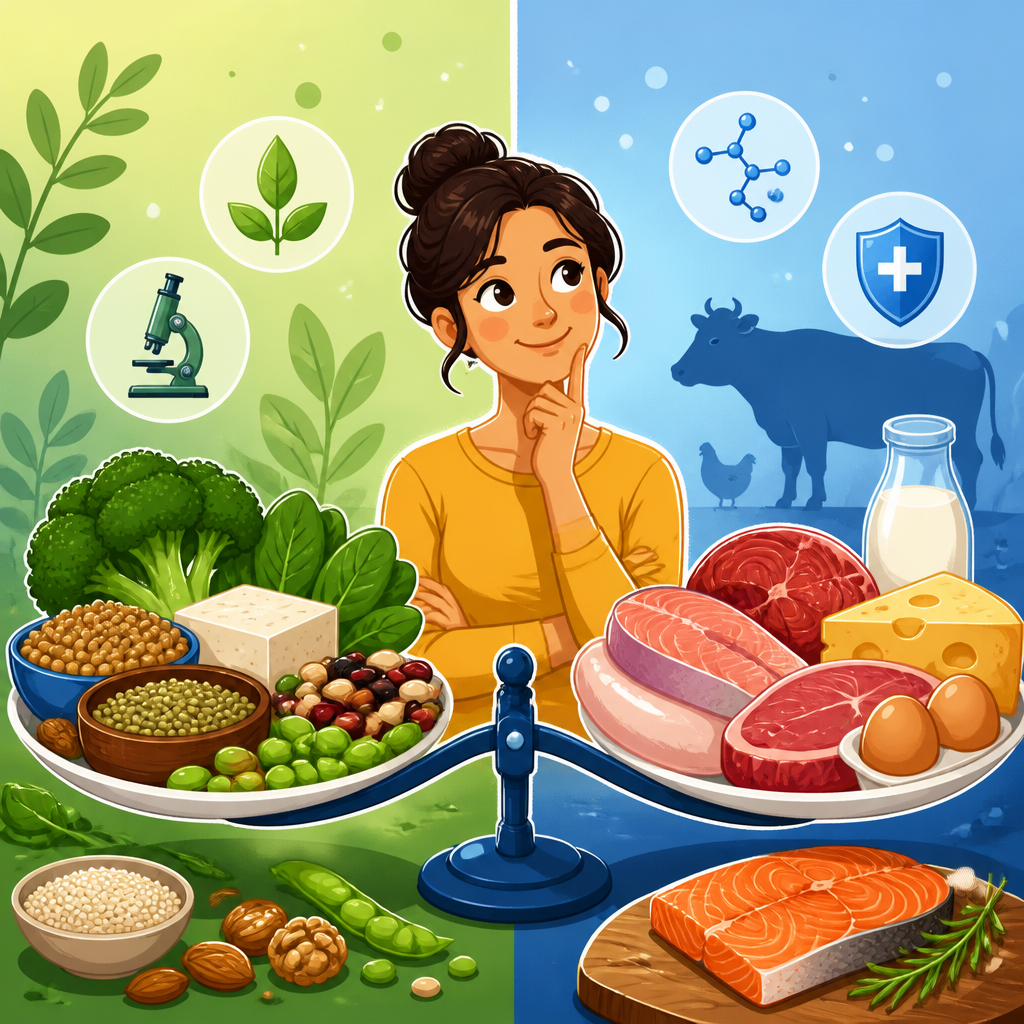
Animal foods can also be high-value superfoods when chosen well. Eggs provide complete protein, choline, selenium, and B12. Salmon offers protein plus omega-3 fats that support inflammatory balance and immune cell function. Greek yogurt gives protein and, when fermented with live cultures, can support the gut ecosystem linked to immunity. For plant-forward eaters, tofu, tempeh, edamame, quinoa, and fortified nutritional yeast can fill similar roles, though attention to iron, B12, and protein distribution across meals matters more.
One useful test is asking whether a food gives “stacked benefits.” A banana gives quick carbohydrate and potassium, but banana with yogurt and chia seeds adds protein, probiotics, and omega-3 precursors. Berries provide polyphenols and vitamin C, but berries with oats create a more sustained breakfast. The most effective energy-supportive superfoods are rarely isolated; they are foods that combine into meals with satiety, glucose stability, and nutrient breadth.
Immune-supportive superfoods and the nutrients that matter most
The immune system is not powered by one vitamin. It needs coordinated input from protein, essential fatty acids, vitamins A, C, D, E, B6, and B12, plus zinc, selenium, iron, copper, and phytonutrients. Among superfoods for immunity, citrus, kiwi, berries, red peppers, broccoli, garlic, ginger, yogurt, kefir, mushrooms, shellfish, and nuts stand out because each covers a different part of that requirements map. Variety is a feature, not a complication.
Vitamin C-rich foods are widely understood, but the details matter. Red bell peppers often provide more vitamin C per serving than oranges. Kiwi supplies vitamin C plus fiber and potassium. Berries bring anthocyanins and other polyphenols associated with lower oxidative stress. Cruciferous vegetables like broccoli contribute vitamin C, folate, and glucosinolates. These foods do not “boost” immunity in a magical sense; they help normal immune defenses function as designed.
Zinc and selenium are especially important when discussing food sources rather than supplements. Oysters are one of the richest zinc sources available. Beef, pumpkin seeds, chickpeas, and yogurt also contribute. Brazil nuts are famous for selenium, but portion control matters because one to two nuts can be enough for many adults. Seafood, eggs, and poultry provide selenium more predictably across a week. Garlic and onion add sulfur compounds, while ginger contributes pungent phenolics; both are best seen as supportive additions rather than substitutes for nutrient adequacy.
Mushrooms deserve a special place in this hub because they are repeatedly discussed in functional food conversations. Common varieties such as shiitake, maitake, and oyster mushrooms provide beta-glucans, ergothioneine, copper, and other compounds under active study. They are not a replacement for vaccination, sleep, or medical care, but in mixed diets they are among the most useful savory superfoods for immune support. I use them often in soups, stir-fries, and grain bowls because they are practical, not because they are exotic.
How to choose the best sources: quality, bioavailability, cost, and consistency
The best source of a superfood is the form you will buy regularly, store safely, and eat often enough to matter. Fresh produce is excellent, but frozen berries, spinach, and broccoli can be equally nutritious because they are typically frozen soon after harvest. Canned beans and fish are legitimate pantry staples, especially when sodium is managed and labels are checked. Dried legumes are cost-effective but demand planning. Powdered products can be useful in narrow cases, yet they should supplement a food-first approach, not replace it.
Bioavailability is the next filter. Heme iron from seafood and meat is generally absorbed better than non-heme iron from plants. Fat-soluble compounds such as carotenoids from carrots or leafy greens are better absorbed with dietary fat, which is one reason olive oil improves salads nutritionally, not just aesthetically. Fermentation can improve digestibility and support microbial diversity. Cooking can reduce some heat-sensitive vitamins, but it can also increase access to other compounds and make foods easier to eat in meaningful amounts.
Cost and consistency often decide outcomes more than perfect nutrient theory. Wild salmon is excellent, but canned sardines provide omega-3 fats, protein, calcium, and vitamin D at a lower price point. Fresh blueberries are great, but frozen mixed berries are usually better value. Açaí bowls can be nutrient-rich, yet they often arrive loaded with added sugar and oversized portions. In actual meal planning, the best superfoods are the ones with a high nutrient return per dollar and low friction at the point of use.
| Superfood source | Primary energy benefit | Primary immunity benefit | Best practical form |
|---|---|---|---|
| Oats | Slow-release carbohydrate and magnesium | Beta-glucan fiber supports gut health | Rolled or steel-cut |
| Berries | Lower glycemic fruit option | Vitamin C and polyphenols | Frozen unsweetened |
| Greek yogurt or kefir | Protein for satiety and recovery | Live cultures support the microbiome | Plain, unsweetened |
| Lentils | Iron, folate, fiber, steady fuel | Prebiotic fiber supports immune signaling | Canned or cooked from dry |
| Salmon or sardines | Protein and B vitamins | Omega-3 fats, selenium, vitamin D | Fresh, frozen, or canned |
| Mushrooms | Low-calorie meal bulk and minerals | Beta-glucans and ergothioneine | Fresh or dried culinary varieties |
Core superfood categories every hub on energy and immunity should cover
As a sub-pillar hub, this page should connect readers to the main categories that repeatedly appear in high-quality nutrition guidance. The first category is berries and colorful fruit, which supply vitamin C, anthocyanins, and other polyphenols. The second is leafy greens and cruciferous vegetables, where folate, vitamin K, carotenoids, and fiber dominate. The third is fermented foods, especially yogurt, kefir, kimchi, and sauerkraut, which are relevant because gut integrity and immune function are interdependent.
The fourth category is seeds, nuts, and legumes. Pumpkin seeds are notable for zinc and magnesium. Chia and flax contribute fiber and alpha-linolenic acid. Lentils and beans offer iron, folate, and a favorable effect on fullness and blood sugar response. The fifth category is fatty fish and seafood for omega-3 fats, selenium, iodine, and high-quality protein. The sixth is mushrooms and alliums such as garlic and onions, valued for culinary versatility and immune-supportive compounds. The seventh is beverages including green tea and cocoa, where catechins and flavanols have the strongest relevance.
Readers also need help distinguishing staple superfoods from niche products. Spirulina, maca, bee pollen, and concentrated mushroom extracts attract attention, but their benefits are often more context-specific, more expensive, or less consistent than those of eggs, oats, berries, sardines, beans, and yogurt. I have found that people achieve better long-term results when 80 to 90 percent of their “superfood strategy” comes from ordinary grocery items used every week. Specialty products can be optional upgrades, not the foundation.
Another key hub function is matching foods to use cases. Before exercise, quick-digesting carbohydrate with a little protein works well, such as banana with yogurt. After exercise, protein plus carbohydrate supports recovery, for example oats with whey and berries. During cold and flu season, meals built around broth, chicken, beans, garlic, greens, citrus, and fermented foods can cover hydration, protein, micronutrients, and comfort. Good superfood guidance is situational, not generic.
Common mistakes when building a superfood plan
The biggest mistake is expecting one ingredient to compensate for poor sleep, inadequate calories, high alcohol intake, or chronically low protein. Energy and immunity are systems outcomes. If someone skips breakfast, eats little protein until dinner, and relies on caffeine, adding matcha or goji berries will not solve the underlying problem. A second mistake is ignoring total diet quality. Ultra-processed snack products with a “superfood” label can still be high in sugar, sodium, or refined starch.
A third mistake is underestimating deficiency risk. Fatigue blamed on a busy schedule may involve low iron, low B12, low vitamin D, poor glycogen replenishment, or undereating. Recurrent illness can be influenced by stress, sleep debt, low energy availability, or medical conditions. Food matters enormously, but persistent symptoms warrant clinical evaluation. In practice, the best nutrition plans improve when lab work, medication review, and symptom history are considered rather than guessed.
Another common problem is overlooking digestion and tolerance. Beans, cruciferous vegetables, and fermented foods are excellent, yet some people need gradual increases, rinsing, pressure-cooking, or smaller portions to tolerate them well. People with kidney disease, histamine intolerance, celiac disease, IBS, or food allergies may need customized choices. “Best” is never universal; it means best fit for your physiology, budget, culture, schedule, and health status.
Finally, many people buy too many products and create no routine. A better approach is choosing a short list of repeat purchases: one berry, one leafy green, one legume, one fermented food, one seed, one fish, and one tea. Build breakfasts, lunches, dinners, and snacks around them for three weeks. Consistency reveals which superfoods actually support your energy, training, appetite, and resilience.
Building your weekly superfood routine for optimal health
The most effective superfoods for energy and immunity are everyday foods chosen deliberately and used consistently. Start with a simple framework: include a protein source at each meal, add one colorful plant food, include one fiber-rich carbohydrate, and rotate foods with iron, zinc, omega-3 fats, and live cultures across the week. That approach covers most nutritional bases without turning meals into a project. It also makes this hub useful as a starting point for deeper articles on berries, greens, fermented foods, mushrooms, seeds, legumes, seafood, and functional beverages.
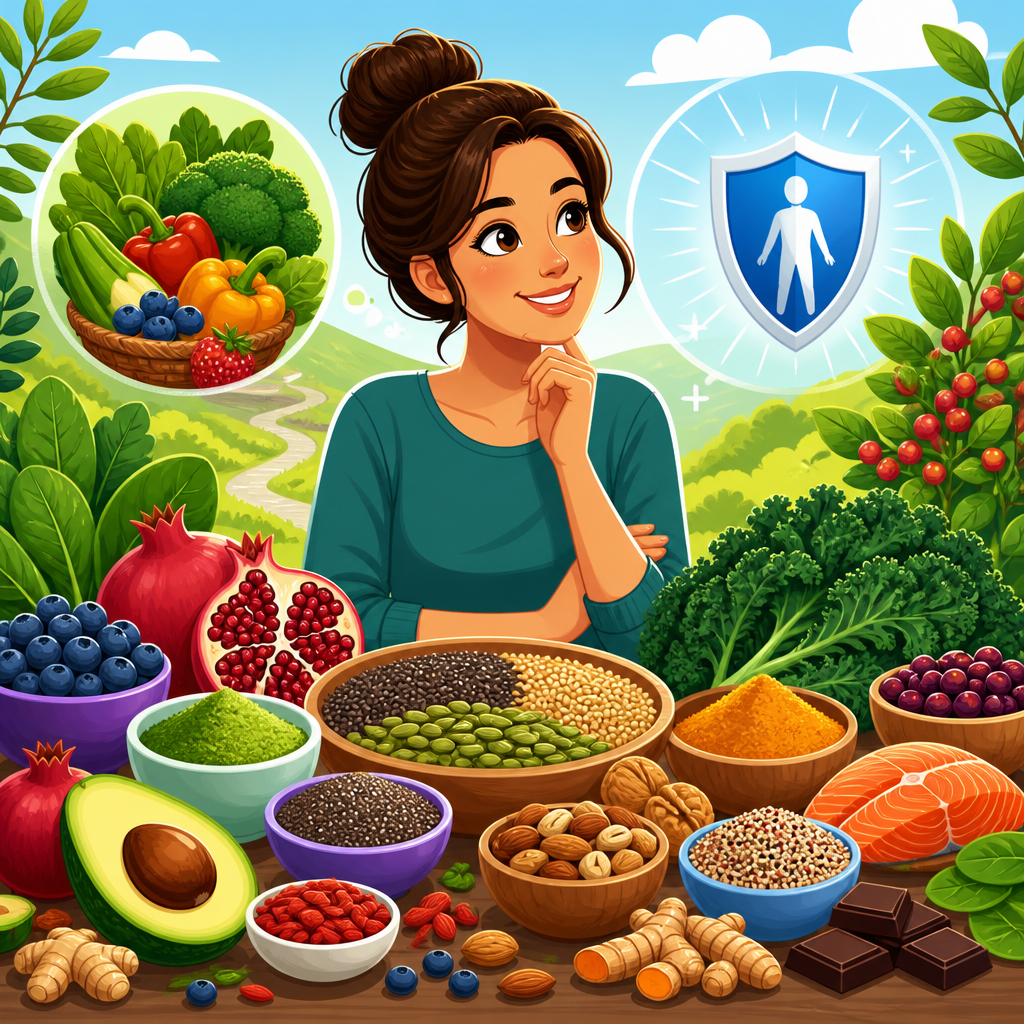
If you want a practical shortlist, prioritize oats, berries, citrus or kiwi, spinach or broccoli, lentils or beans, plain Greek yogurt or kefir, eggs, salmon or sardines, pumpkin seeds, mushrooms, garlic, and green tea. These foods are widely available, relatively affordable, and supported by strong nutritional reasoning. They can be combined into breakfasts, soups, salads, grain bowls, and snacks that improve satiety, micronutrient intake, and recovery. In my experience, that is where optimal health starts: not with a miracle powder, but with a repeatable pattern built from proven foods.
The main takeaway is straightforward. Choose superfoods based on nutrient density, bioavailability, practicality, and fit with your routine. Favor whole or minimally processed forms, use frozen and canned options when they improve access, and combine foods so energy support and immune support happen in the same meal. Review your current pattern, pick five to seven core superfoods, and put them on this week’s grocery list. That one action will do more for lasting energy and immunity than chasing trends.
Frequently Asked Questions
1. What should I look for when choosing superfoods for energy and immunity?
The best place to start is with nutrient density, not hype. If your goal is better energy and stronger day-to-day immune support, focus on foods that consistently provide vitamins, minerals, protein, fiber, and beneficial plant compounds rather than products marketed with dramatic claims. For energy, look for nutrients involved in normal cellular energy production, including iron, magnesium, B vitamins, and adequate protein. For immune support, prioritize foods rich in vitamin C, vitamin A precursors, zinc, selenium, probiotics, and polyphenols. In practical terms, this means foods such as berries, leafy greens, citrus, beans, lentils, yogurt or kefir, eggs, nuts, seeds, fatty fish, and colorful vegetables often do more for overall health than expensive powders or trend-based blends.
It also helps to think about how a food performs in real life. A “best” superfood is one you can buy regularly, afford comfortably, prepare easily, and tolerate well. Frozen berries may be a better choice than imported fresh berries if they are more affordable and just as convenient. Canned salmon may be more practical than fresh fish while still offering excellent nutrition. The most useful superfoods are the ones that fit your routine consistently, because regular intake matters more than occasional perfect choices. A balanced pattern built around whole foods usually supports stamina, steady blood sugar, recovery, and immune resilience better than isolated ingredients used inconsistently.
2. Which superfoods are especially helpful for boosting energy naturally?
For natural energy support, the most helpful foods are the ones that nourish metabolism and help stabilize blood glucose rather than causing spikes and crashes. Oats, beans, lentils, quinoa, sweet potatoes, and fruit provide complex carbohydrates and fiber that can support more even energy throughout the day. Eggs, Greek yogurt, tofu, and fish supply protein that helps with satiety and blood sugar balance. Nuts and seeds, especially pumpkin seeds, chia seeds, flaxseeds, and almonds, add magnesium, healthy fats, and additional protein, all of which can help reduce the fatigue that often comes from under-fueling or unbalanced meals.
Iron-rich foods are also important, especially for people prone to low iron status. Lentils, spinach, beans, lean meats, sardines, and fortified foods can support normal oxygen transport, which is central to energy levels. Pairing plant-based iron foods with vitamin C sources like bell peppers, kiwi, strawberries, or citrus can improve absorption. If you want a simple shortlist of high-value options, consider oats, berries, eggs, leafy greens, beans, salmon, yogurt, and seeds. These foods work well because they contribute to overall dietary quality, not because they act like stimulants. That distinction matters: sustainable energy usually comes from meeting nutrient needs, eating regularly, staying hydrated, and avoiding highly refined eating patterns that promote fatigue later in the day.
3. What are the best superfoods for supporting normal immune function?
Immune support is best approached as a full dietary pattern, but several foods stand out because of the nutrients they deliver consistently. Citrus fruits, kiwi, strawberries, bell peppers, and broccoli are excellent sources of vitamin C, which supports normal immune cell function. Carrots, sweet potatoes, spinach, kale, and other deeply colored vegetables provide carotenoids that the body can convert to vitamin A, a nutrient important for maintaining healthy skin and mucosal barriers. Yogurt and kefir with live cultures can support gut health, which is closely connected to immune function. Garlic, ginger, mushrooms, green tea, and berries are also commonly included because they supply bioactive compounds such as polyphenols and other plant substances that complement an overall healthy diet.
Protein is another overlooked part of immune nutrition. Antibodies and many immune signaling components depend on adequate protein intake, so foods like eggs, fish, poultry, tofu, tempeh, beans, and dairy deserve a place in the conversation. Minerals matter too. Zinc from pumpkin seeds, beans, shellfish, meat, and dairy, along with selenium from seafood, eggs, and Brazil nuts, can help support normal immune responses when included as part of a balanced diet. The key is variety. No single superfood “boosts” immunity in a dramatic way, but a steady intake of colorful produce, quality proteins, fermented foods, legumes, nuts, and seeds gives the immune system the raw materials it needs to function well.
4. Are fresh superfoods better than frozen, dried, or powdered options?
Not necessarily. Fresh foods are excellent, but they are not automatically superior in every situation. Frozen fruits and vegetables are often picked and processed close to peak ripeness, which can help preserve nutrients. They are also convenient, cost-effective, and reduce food waste, making them a strong choice for people trying to eat well consistently. Dried foods can also be valuable, especially items like beans, lentils, oats, dried mushrooms, or unsweetened dried berries, but it is smart to check for added sugars, excess sodium, or preservatives depending on the product. In many households, a mix of fresh and frozen produce is the most realistic and nutritionally sound approach.
Powders deserve a more careful evaluation. Some can be useful for convenience, especially plain protein powders, unsweetened cacao, or simple greens blends used to supplement an already solid diet. However, powders should not replace whole foods as your main strategy. Whole foods provide fiber, water content, fullness, and a broader nutritional matrix that isolated products often cannot match. When comparing options, read the ingredient list carefully. Choose products with minimal additives and avoid relying on blends that promise dramatic energy or immune benefits without clear nutritional value. In most cases, everyday staples like frozen spinach, canned beans, plain yogurt, berries, eggs, and nuts offer more reliable health benefits than expensive “superfood” powders.
5. How can I add superfoods to my diet in a realistic, sustainable way?
The easiest way is to stop thinking in terms of special ingredients and start thinking in terms of repeatable meals. Build breakfast around energy-supporting basics like oats with berries and seeds, Greek yogurt with fruit and nuts, or eggs with greens and whole-grain toast. For lunch and dinner, aim for a simple formula: a protein source, a high-fiber carbohydrate, and at least one colorful fruit or vegetable. A grain bowl with quinoa, salmon, spinach, and roasted vegetables works well, as does a bean soup with a side salad and citrus fruit. Snacks can be equally practical: yogurt, fruit, hummus, trail mix, or a smoothie made with berries, kefir, and chia seeds.
Planning for consistency matters more than chasing novelty. Keep a short list of affordable staple superfoods you genuinely enjoy and restock them each week. Examples include oats, beans, lentils, frozen berries, leafy greens, eggs, plain yogurt, canned fish, nuts, and seeds. Use simple upgrades rather than complete overhauls: add pumpkin seeds to oatmeal, stir spinach into eggs, swap sugary snacks for fruit and yogurt, or replace refined side dishes with beans or sweet potatoes a few times per week. These small shifts improve nutrient intake in a way that supports stable energy and normal immune function over time. Sustainable nutrition is usually not about one perfect food; it is about building a reliable pattern that your body benefits from every day.