Antioxidants protect the body from oxidative stress, a process linked to aging, inflammation, and many chronic diseases, which is why the importance of antioxidants is central to any balanced diet. In nutrition practice, I have seen people focus heavily on calories, protein, or carbohydrates while overlooking the quiet biochemical work that antioxidants perform every day. These compounds help neutralize unstable molecules called free radicals before they damage cells, lipids, proteins, and DNA. That definition sounds technical, but the practical takeaway is simple: antioxidant-rich foods help the body maintain normal function under constant metabolic and environmental pressure.
The importance of antioxidants becomes clearer when you understand where free radicals come from. Normal energy production in mitochondria creates them. So do ultraviolet radiation, smoking, air pollution, alcohol excess, intense exercise, infections, and poorly controlled blood sugar. The body is not defenseless. It makes its own antioxidant enzymes, including superoxide dismutase, catalase, and glutathione peroxidase. Food matters because diet supplies additional antioxidant compounds and the nutrients required for those enzyme systems to work properly, including selenium, zinc, copper, and vitamins C and E.
A balanced diet is not defined only by macronutrient ratios. It is defined by nutrient density, variety, and the ability to support repair, immune resilience, and long-term health. That is where antioxidants fit. They are not a single nutrient but a broad group that includes vitamins, minerals, carotenoids, polyphenols, and sulfur-containing compounds found in fruits, vegetables, legumes, nuts, seeds, herbs, spices, tea, coffee, and cocoa. Different antioxidants work in different tissues and conditions, so diversity matters more than chasing one “superfood.”
This article serves as a hub for understanding the importance of antioxidants within nutrition basics. It explains what antioxidants do, which foods provide them, how they interact with other nutrients, and where supplements may or may not help. It also covers practical meal-building strategies, because the most useful guidance is not a list of abstract compounds but a clear way to eat. If you want a balanced diet that supports heart health, metabolic health, skin, immune function, and healthy aging, antioxidants deserve a permanent place in the conversation.
What Antioxidants Do in the Body
Antioxidants are molecules that limit oxidation, a chemical reaction that can generate free radicals. Free radicals are highly reactive because they contain unpaired electrons. When free radical production overwhelms the body’s defenses, oxidative stress occurs. Oxidative stress can alter cell membranes through lipid peroxidation, damage proteins that perform structural and enzymatic functions, and contribute to DNA damage. Over time, that burden is associated with a higher risk of cardiovascular disease, type 2 diabetes, neurodegenerative disorders, some cancers, and age-related eye disease.
In plain terms, antioxidants help prevent wear and tear at the cellular level. Vitamin C works in watery environments such as blood plasma and inside cells, where it can neutralize reactive oxygen species and regenerate oxidized vitamin E. Vitamin E is fat-soluble, so it helps protect cell membranes and lipoproteins from oxidative damage. Carotenoids such as beta-carotene, lycopene, lutein, and zeaxanthin play roles in quenching singlet oxygen and supporting eye and skin health. Polyphenols, including flavonoids and phenolic acids, can influence cell signaling, inflammation, endothelial function, and gut microbial activity, not just direct free radical scavenging.
One important nuance is that antioxidants do not act alone. They operate as a network. For example, glutathione is one of the body’s most important endogenous antioxidants, and its regeneration depends on adequate intake of protein and micronutrients. Selenium is required for glutathione peroxidase activity. Copper, zinc, and manganese are cofactors for different forms of superoxide dismutase. This is why a balanced diet outperforms a narrow strategy built around one nutrient. The goal is to support the entire defense system, not isolate one piece of it.
Why Antioxidants Matter for a Balanced Diet
The importance of antioxidants in a balanced diet lies in protection, recovery, and resilience. Every meal is an opportunity either to increase oxidative burden or to help manage it. Diets high in ultra-processed foods, refined carbohydrates, deep-fried items, and processed meats tend to be lower in protective compounds and can promote inflammation when they displace whole foods. By contrast, diets rich in vegetables, fruits, pulses, nuts, olive oil, herbs, and whole grains consistently correlate with better cardiometabolic outcomes. The Mediterranean dietary pattern is the best-known example because it combines fiber, unsaturated fats, and a broad spectrum of antioxidant compounds.
In real-world coaching, the people who improve their diets most sustainably rarely start by counting antioxidant units. They start by building plates with color and variety. A lunch that includes spinach, chickpeas, tomatoes, extra-virgin olive oil, pumpkin seeds, and citrus dressing delivers vitamin C, carotenoids, polyphenols, vitamin E, and trace minerals in one meal. A breakfast of oats with berries, walnuts, and cinnamon does something similar. These combinations matter because foods bring compounds that interact in ways supplements often cannot replicate.
Antioxidants are also important because they support life stages and conditions with higher oxidative demand. Smokers, people exposed to air pollution, athletes in heavy training, older adults, and people with obesity or poorly controlled diabetes often experience greater oxidative stress. That does not mean antioxidants are a cure or that more is always better. It means diet quality becomes even more important when the body is under pressure. A balanced diet rich in antioxidant foods helps shift the baseline in a healthier direction.
Best Food Sources of Antioxidants
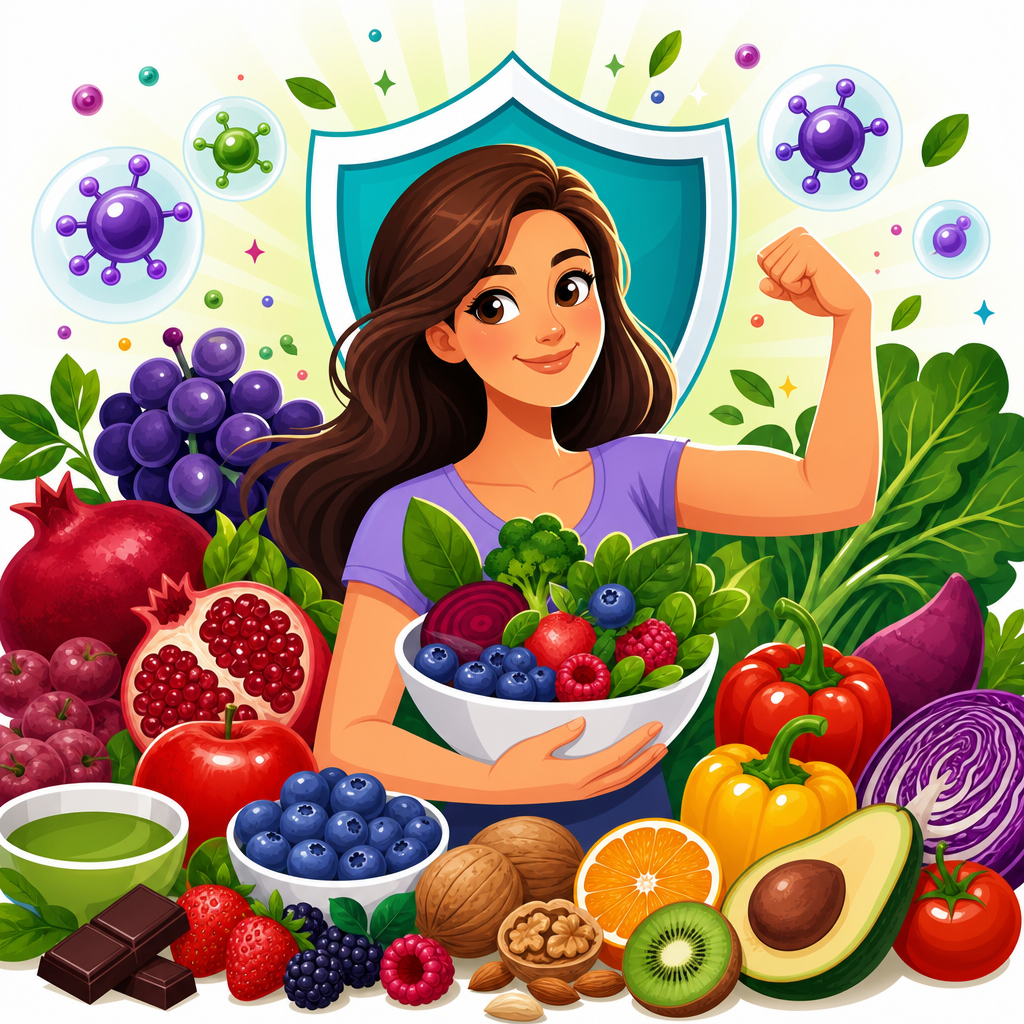
The best antioxidant foods are the ones you can eat regularly in meaningful portions. Berries are standout sources because they provide anthocyanins, vitamin C, and fiber. Blueberries, blackberries, raspberries, strawberries, and cherries all contribute, and frozen versions retain much of their nutritional value. Dark leafy greens such as spinach, kale, Swiss chard, and arugula supply carotenoids, vitamin C, folate, and magnesium. Orange and red produce including carrots, sweet potatoes, tomatoes, red peppers, and pumpkin provide beta-carotene and lycopene, especially when paired with a fat source for absorption.
Legumes deserve more attention in discussions about the importance of antioxidants. Beans, lentils, and peas contain polyphenols, minerals, and fiber that support gut health and glycemic control. Nuts and seeds contribute vitamin E, selenium, polyphenols, and healthy fats, with almonds, sunflower seeds, walnuts, Brazil nuts, flaxseed, and chia being practical choices. Extra-virgin olive oil contains hydroxytyrosol and related phenolic compounds. Tea and coffee are major polyphenol sources in many diets, while cocoa powder and dark chocolate can contribute flavanols when sugar content is kept reasonable.
Herbs, spices, and allium vegetables are small-volume foods with outsized value. Turmeric contains curcuminoids, though absorption improves when consumed with fat and black pepper. Garlic and onions provide sulfur-containing compounds relevant to antioxidant defense. Ginger, oregano, rosemary, cinnamon, cloves, and paprika add flavor while increasing phytochemical diversity. In diet planning, I often suggest using these foods not as extras but as default ingredients, because frequency matters more than occasional large doses.
| Food group | Key antioxidant compounds | Practical examples | Simple use |
|---|---|---|---|
| Berries | Anthocyanins, vitamin C | Blueberries, strawberries, cherries | Add to oats, yogurt, smoothies |
| Leafy greens | Lutein, zeaxanthin, vitamin C | Spinach, kale, arugula | Use in salads, soups, omelets |
| Tomatoes and orange vegetables | Lycopene, beta-carotene | Tomatoes, carrots, sweet potatoes | Roast, blend into sauces |
| Legumes | Polyphenols, minerals | Lentils, black beans, chickpeas | Add to bowls, stews, salads |
| Nuts and seeds | Vitamin E, selenium, phenolics | Almonds, walnuts, sunflower seeds | Snack or sprinkle on meals |
| Beverages and extras | Flavanols, catechins, phenolic acids | Green tea, coffee, cocoa | Choose low-sugar preparations |
How Cooking, Storage, and Pairing Affect Antioxidants
Preparation influences antioxidant intake more than many people realize. Some compounds are sensitive to heat and oxygen, while others become more available after cooking. Vitamin C is relatively fragile, so prolonged boiling can reduce content in vegetables. Polyphenols can also be affected by storage and processing. On the other hand, cooking tomatoes increases the bioavailability of lycopene, and lightly cooking carrots or spinach can improve access to certain carotenoids by breaking down plant cell walls. The best approach is not “raw is always better” or “cooked is always better,” but a mix of both.
Fat improves absorption of fat-soluble antioxidants such as carotenoids and vitamin E. That is one reason salads with olive oil are nutritionally stronger than dry salads. Pairing tomatoes with olive oil, or carrots with tahini, is a practical strategy. Chopping garlic and letting it rest briefly before heating can support the formation of beneficial sulfur compounds. Frozen fruits and vegetables are useful because they are typically processed soon after harvest, preserving many nutrients. Canned tomatoes and beans can also fit well, especially when budget and convenience are priorities.
Storage still matters. Cut fruit left exposed for long periods may lose some vitamin C. Nuts and seeds can oxidize if stored in heat and light. Whole spices generally retain their compounds longer than pre-ground versions. In meal planning, I advise people to keep antioxidant foods visible, convenient, and ready to use: washed greens, frozen berries, canned beans, tomato paste, olive oil, and a small set of reliable spices. Consistency beats perfection.
Antioxidants, Disease Prevention, and Common Misconceptions
The importance of antioxidants is strongly supported in dietary patterns research, but it is often misunderstood in marketing. Eating antioxidant-rich foods is associated with lower risk of several chronic diseases, yet isolated high-dose supplements have produced mixed and sometimes harmful results. Large trials found that beta-carotene supplements increased lung cancer risk in smokers, which is a critical reminder that nutrients behave differently in pill form than in whole foods. Antioxidants are beneficial, but the context, dose, and population matter.
Cardiovascular health is one area where antioxidant-rich diets show clear value. Oxidative stress contributes to LDL oxidation, endothelial dysfunction, and inflammation, all relevant to atherosclerosis. Diets rich in fruits, vegetables, extra-virgin olive oil, nuts, and legumes help improve blood pressure, vascular function, and lipid profiles. Eye health is another example. Lutein and zeaxanthin accumulate in the retina, and evidence supports their role in age-related macular health, particularly when consumed regularly through leafy greens and other produce.
Another misconception is that more antioxidants always mean better health. The body uses some oxidative signaling for normal adaptation, including exercise training responses and immune function. Extremely high supplemental doses can interfere with that balance. For most people, the priority should be food first, supplement only when clinically indicated, and overall dietary pattern over single compounds. Antioxidants are essential, but they are one part of a complete nutrition strategy that also includes fiber, protein quality, healthy fats, sleep, movement, and smoking avoidance.
How to Build an Antioxidant-Rich Eating Pattern
If you want a practical system, aim to include at least one antioxidant-rich plant food at every meal and two at most meals. Start with breakfast: berries in oatmeal, kiwi with yogurt, or sautéed greens in eggs. At lunch and dinner, use the half-plate vegetables model, then vary colors across the week. Include legumes several times weekly, choose whole fruit over juice, and use nuts or seeds daily in moderate portions. Replace some processed snacks with fruit, roasted chickpeas, or a small handful of almonds.
For families, the easiest method is ingredient rotation. Keep five to seven repeat foods in each category: berries, citrus, apples, tomatoes, leafy greens, cruciferous vegetables, beans, lentils, nuts, seeds, olive oil, garlic, and herbs. Then build simple meals around them. A bean chili with tomatoes and peppers, salmon with roasted sweet potatoes and broccoli, or a grain bowl with lentils, spinach, beets, and tahini all support antioxidant intake without feeling restrictive. For people on a budget, frozen vegetables, seasonal fruit, cabbage, carrots, oats, dried beans, and tea offer excellent value.
This hub article should guide your broader understanding of nutrition basics: antioxidants are essential not because they are trendy, but because they help the body manage unavoidable oxidative stress. The most effective strategy is not a miracle product. It is a repeatable eating pattern centered on colorful plants, legumes, nuts, seeds, and minimally processed staples, supported by thoughtful cooking methods and realistic habits. Review your current meals, add one antioxidant-rich food to each today, and build from there. Small, consistent upgrades are how balanced diets become lasting health protection over time.
Frequently Asked Questions
What are antioxidants, and why are they so important in a balanced diet?
Antioxidants are compounds that help protect the body from oxidative stress, which happens when unstable molecules known as free radicals build up faster than the body can neutralize them. Free radicals are produced naturally through normal metabolism, exercise, and immune activity, but they can also increase due to pollution, smoking, alcohol, ultraviolet light, chronic stress, and highly processed dietary patterns. When free radicals overwhelm the body’s defenses, they can damage cells, fats, proteins, and even DNA. Over time, that damage is associated with aging, inflammation, and a greater risk of chronic health problems.
This is exactly why the importance of antioxidants deserves more attention in conversations about a balanced diet. Many people concentrate on calories, protein, carbohydrates, or fats, which certainly matter, but antioxidants are doing essential protective work behind the scenes every single day. They support the body’s ability to maintain healthy tissues, defend against cellular wear and tear, and promote long-term wellness. A balanced diet is not just about energy intake or macronutrient ratios. It is also about providing the body with the micronutrients and plant compounds it needs to function efficiently and stay resilient.
Antioxidants include certain vitamins, such as vitamin C and vitamin E, minerals like selenium, and plant compounds such as polyphenols, flavonoids, carotenoids, and lycopene. These are found in a wide variety of foods including berries, leafy greens, tomatoes, carrots, nuts, seeds, beans, herbs, spices, tea, and dark chocolate. Eating a colorful, varied diet helps ensure you get a broad spectrum of these protective compounds, which is one of the smartest and most practical ways to support overall health.
How do antioxidants work in the body to reduce oxidative stress?
Antioxidants work by helping stabilize free radicals before they can trigger damage in the body. Free radicals are highly reactive because they have unpaired electrons, so they seek out other molecules to react with. In the process, they can damage cell membranes, alter proteins, and interfere with normal cellular function. Antioxidants can donate electrons to free radicals without becoming dangerously unstable themselves, which helps stop this chain reaction and reduces oxidative stress.
This matters because oxidative stress is not just a theoretical concept. It is closely connected to processes involved in inflammation, tissue damage, accelerated aging, and the development of many chronic conditions. When antioxidant defenses are strong, the body is better able to preserve healthy cells and regulate normal biological functions. Antioxidants also support the body’s built-in defense systems. For example, nutrients such as selenium help enzymes like glutathione peroxidase function properly, while vitamin C can help regenerate other antioxidants in the body, creating a network of protection rather than a single isolated effect.
It is also important to understand that the body uses free radicals for some normal functions, including immune responses and cell signaling. The goal is not to eliminate them completely, but to keep them in balance. That is where a diet rich in antioxidant-containing foods becomes so valuable. Rather than acting like a quick fix, these foods provide ongoing support that helps the body manage everyday oxidative demands more effectively and naturally.
Which foods are the best sources of antioxidants?
The best sources of antioxidants are typically whole, minimally processed plant foods, especially those with rich, vibrant colors. Berries are among the best-known examples because they are packed with anthocyanins and vitamin C. Blueberries, strawberries, raspberries, and blackberries are all excellent choices. Dark leafy greens such as spinach, kale, and Swiss chard provide carotenoids, vitamin C, and other beneficial plant compounds. Orange and red vegetables like carrots, sweet potatoes, pumpkin, red bell peppers, and tomatoes deliver antioxidants such as beta-carotene and lycopene.
Other excellent sources include nuts and seeds, which contain vitamin E and selenium, along with healthy fats that support nutrient absorption. Beans and lentils contribute polyphenols and other protective compounds in addition to fiber and protein. Green tea and black tea contain catechins and flavonoids, while herbs and spices such as turmeric, cinnamon, oregano, ginger, and cloves can add surprisingly high antioxidant value to everyday meals. Even foods like cocoa and dark chocolate can contribute antioxidants when chosen in less processed forms and enjoyed in moderation.
The key point is variety. No single food provides every antioxidant the body needs, and that is why a balanced diet built around many different whole foods is so effective. A practical approach is to “eat the rainbow,” meaning regularly include fruits and vegetables of different colors across the day and week. This naturally broadens the range of antioxidants you consume and supports better overall nutrient intake at the same time.
Can antioxidants help reduce the risk of aging, inflammation, and chronic disease?
Antioxidants may help lower the risk of damage associated with aging, chronic inflammation, and certain long-term diseases because they address one of the underlying contributors: oxidative stress. While no nutrient can guarantee prevention, the research consistently suggests that diets rich in antioxidant-containing foods are linked with better overall health outcomes. This includes support for cardiovascular health, brain health, eye health, immune function, and metabolic wellness.
As the body ages, cumulative oxidative damage can affect cells and tissues over time. Antioxidants help reduce that burden by limiting the cellular wear and tear caused by free radicals. Inflammation is another major factor. Although short-term inflammation is part of normal healing and defense, persistent low-grade inflammation is associated with many chronic conditions. Foods rich in antioxidants often contain other beneficial substances, such as fiber, healthy fats, and anti-inflammatory phytonutrients, which work together to support a healthier internal environment.
That said, it is important to keep expectations realistic. Antioxidants are not a cure-all, and they work best as part of an overall healthy lifestyle that includes regular physical activity, adequate sleep, stress management, hydration, and not smoking. Their greatest strength is in long-term dietary patterns, not one-time “superfood” solutions. In practice, consistently eating antioxidant-rich foods is one of the most sustainable ways to support healthy aging and reduce the impact of oxidative stress over time.
Is it better to get antioxidants from food or from supplements?
In most cases, it is better to get antioxidants from food rather than relying heavily on supplements. Whole foods provide antioxidants in their natural context, alongside fiber, water, minerals, vitamins, and thousands of plant compounds that appear to work together in beneficial ways. This synergy is one reason why diets rich in fruits, vegetables, legumes, nuts, seeds, and whole grains are repeatedly associated with better health. Food-based antioxidants are also generally safer and easier for the body to regulate than large doses of isolated nutrients taken in pill form.
Supplements can be useful in specific situations, such as diagnosed deficiencies, certain medical conditions, restricted diets, or when recommended by a healthcare professional. However, high-dose antioxidant supplements are not always better and may sometimes be inappropriate. In some cases, taking large amounts of isolated antioxidants can interfere with medications, affect medical treatments, or upset the body’s natural balance. More is not always more effective, especially when it comes to complex biological systems.
The most reliable strategy is to build meals around antioxidant-rich foods every day. That could mean adding berries to breakfast, including leafy greens at lunch, using beans in soups or salads, snacking on nuts, cooking with herbs and spices, and making vegetables a central part of dinner. If someone is considering supplements, it is wise to speak with a registered dietitian or healthcare provider first. For most people, food-first nutrition remains the strongest foundation for getting the benefits antioxidants have to offer.