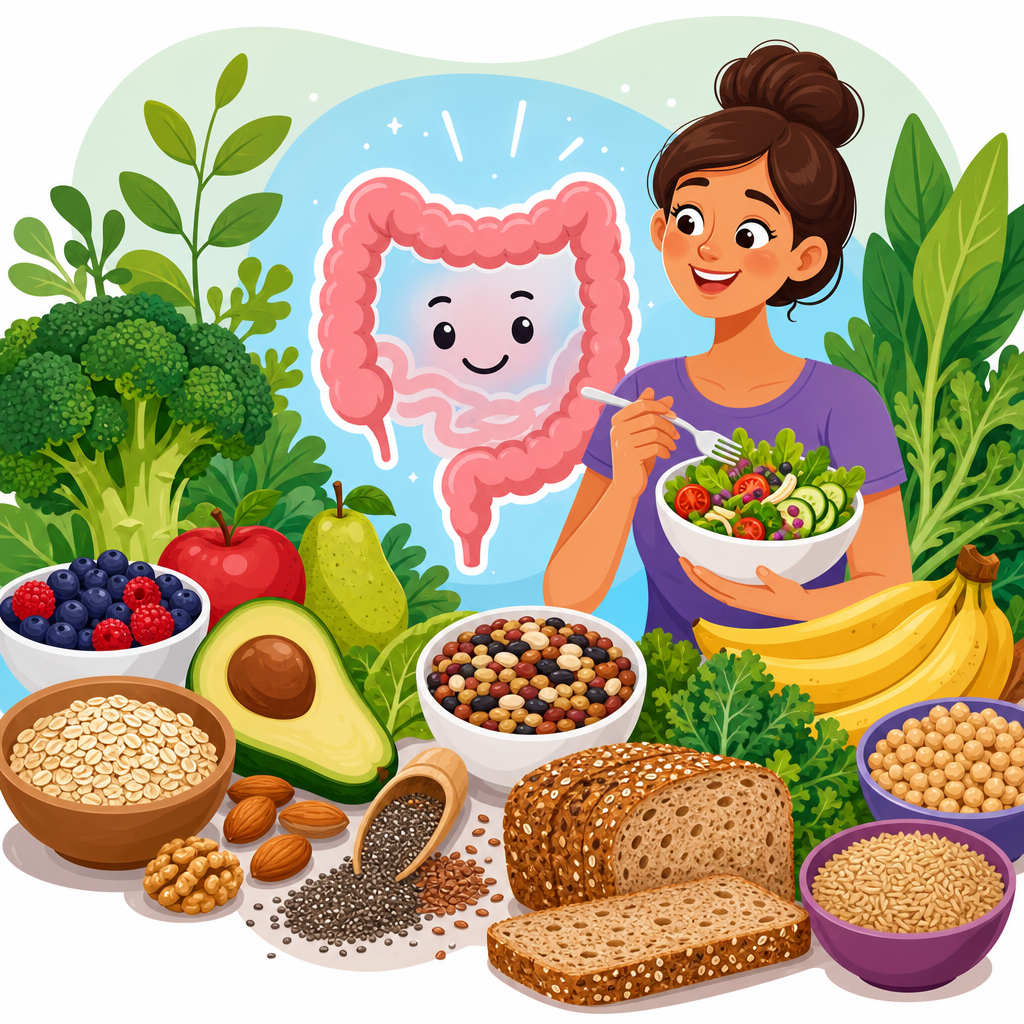
Choosing the best sources of dietary fiber and digestive health for optimal health starts with understanding what fiber actually does in the body. Dietary fiber is the portion of plant food that resists digestion in the small intestine and reaches the colon largely intact, where it influences stool bulk, bowel regularity, blood sugar response, cholesterol metabolism, and the composition of the gut microbiome. In practice, I have found that many people think fiber simply “helps you go,” but that definition is far too narrow. Fiber includes soluble forms that dissolve in water and can form gels, insoluble forms that add bulk and speed intestinal transit, and fermentable fibers that colonic bacteria convert into short-chain fatty acids such as butyrate, acetate, and propionate. Digestive health refers not only to comfortable bowel movements, but also to reduced constipation risk, fewer swings between diarrhea and bloating, improved gut barrier function, and a healthier relationship between food intake and gastrointestinal symptoms.
This topic matters because most adults fall short of recommended intake. General targets are about 25 grams per day for women and 38 grams per day for men, with modest decreases for older adults, yet average intake in many countries remains well below that level. Low fiber intake is consistently associated with constipation, poorer cardiometabolic health, and reduced dietary quality overall. High-fiber eating patterns are linked with lower risk of cardiovascular disease, type 2 diabetes, colorectal cancer, and excessive LDL cholesterol. As a hub within Nutrition Basics, this article explains the main categories of fiber, identifies the best food sources, clarifies how fiber affects digestive health, and shows how to increase intake without triggering unnecessary discomfort. It also provides a practical foundation for related topics such as whole grains, legumes, prebiotics, hydration, gut-friendly meal planning, and managing common digestive complaints through everyday food choices.
What Dietary Fiber Is and How It Supports Digestive Health
Dietary fiber and digestive health are tightly connected because fiber changes the physical and metabolic environment of the gastrointestinal tract. Soluble fiber, found in foods such as oats, barley, beans, psyllium, chia seeds, apples, and citrus, absorbs water and forms a viscous gel. That slows gastric emptying, softens stool, and can improve cholesterol and post-meal glucose levels. Insoluble fiber, common in wheat bran, vegetables, nuts, seeds, and many whole grains, increases stool bulk and helps move material through the intestines. Fermentable fibers, including inulin, resistant starch, fructooligosaccharides, and some pectins, are used by beneficial gut microbes as fuel. The result is production of short-chain fatty acids, especially butyrate, which supports colon cells and appears to help regulate inflammation and intestinal integrity.
The usual question is simple: which type of fiber is best? The most accurate answer is that different fibers do different jobs, and a varied intake works better than relying on one supplement or one “superfood.” Someone with constipation often benefits from a mix of insoluble bulk and water-holding soluble fiber. Someone with elevated LDL cholesterol may see a measurable effect from oats, barley, legumes, and psyllium because their viscous fibers bind bile acids and support increased cholesterol excretion. Someone with a low-diversity diet may notice better digestive resilience after adding beans, lentils, vegetables, nuts, seeds, and intact grains because the microbiome responds to variety. In clinical nutrition work, the best outcomes usually come from combining enough total fiber with adequate fluids, regular meals, movement, and a gradual increase that gives the gut time to adapt.
Best Food Sources of Fiber: Whole Foods First
The best sources of dietary fiber and digestive health support are usually minimally processed plant foods because they deliver more than isolated fiber. Beans, lentils, chickpeas, split peas, oats, barley, berries, pears, apples, avocados, broccoli, Brussels sprouts, sweet potatoes, almonds, chia seeds, flaxseed, and whole grains consistently rank high. Legumes are especially valuable because they combine soluble fiber, resistant starch, plant protein, iron, folate, potassium, and magnesium. Oats and barley are notable for beta-glucan, a well-studied soluble fiber associated with lower LDL cholesterol. Fruits and vegetables contribute hydration, potassium, polyphenols, and vitamin C alongside fiber, which is one reason produce often improves tolerance better than a fiber powder added to an otherwise low-quality diet.
Food form matters. Intact grains generally support slower digestion and better satiety than refined grains with added fiber. A whole apple usually offers more digestive benefit than apple juice with fiber added back, because the whole fruit retains structure, water, and chewing resistance. Ground flaxseed often works better than whole flaxseed because the body can access the fiber and fats more easily. Canned beans are convenient and nutritious, though rinsing may reduce sodium and some of the fermentable carbohydrates that trigger symptoms in sensitive people. Frozen berries and vegetables are excellent options when fresh produce is expensive or unavailable. If a product claims “high fiber,” check the ingredient list and nutrition panel. Fiber isolated from chicory root, polydextrose, or resistant dextrin can help total intake, but it does not automatically match the broad nutritional value of legumes, whole grains, nuts, seeds, fruits, and vegetables.
| Food | Typical Serving | Approximate Fiber | Main Fiber Traits | Digestive Health Benefit |
|---|---|---|---|---|
| Lentils, cooked | 1 cup | 15 to 16 g | Soluble, insoluble, fermentable | Supports regularity and microbiome diversity |
| Black beans, cooked | 1 cup | 15 g | Soluble, resistant starch | Improves stool bulk and satiety |
| Oats, dry | 1/2 cup | 4 g | Beta-glucan soluble fiber | Helps cholesterol and softer stools |
| Chia seeds | 2 tablespoons | 10 g | Gel-forming soluble and insoluble | Promotes stool softness when taken with fluid |
| Pear with skin | 1 medium | 5 to 6 g | Mixed fiber, pectin | Useful for daily fiber variety |
| Avocado | 1/2 fruit | 5 g | Mixed fiber | Supports satiety and digestive consistency |
| Broccoli, cooked | 1 cup | 5 g | Mostly insoluble with fermentable components | Adds bulk and supports microbiota |
| Psyllium husk | 1 tablespoon | 6 to 7 g | Viscous soluble fiber | Can help both constipation and loose stools |
How Fiber Affects Constipation, Diarrhea, Bloating, and the Microbiome
People usually search for dietary fiber and digestive health because they want relief from symptoms, not a chemistry lesson. Constipation is the most common concern. Fiber can help by increasing stool weight, attracting water, and encouraging regular transit, but not every kind works equally well for every person. Wheat bran may increase bulk effectively in some people, while psyllium often performs better when stools are hard and infrequent because it is viscous and water-holding. For diarrhea or mixed bowel patterns, soluble fibers such as psyllium can normalize stool form by absorbing water and improving consistency. This is why clinicians often recommend psyllium rather than harsh stimulant laxatives for long-term support, provided there is no obstruction risk and fluid intake is adequate.
Bloating is more nuanced. A sudden jump from 10 grams of fiber a day to 30 grams, especially from highly fermentable foods, often causes gas and abdominal pressure. That does not mean fiber is harmful; it usually means the dose rose too fast or the type was poorly matched to the person’s tolerance. I typically advise adding five grams every several days, spreading intake across meals, and using cooked vegetables, oats, kiwi, chia, or canned lentils before pushing large amounts of bran cereal or massive salads. People with irritable bowel syndrome may tolerate some fibers better than others. Psyllium has supportive evidence, while wheat bran can aggravate symptoms in some cases. Prebiotic fibers can be beneficial for the microbiome, but highly fermentable additions like inulin may worsen symptoms in sensitive individuals. The practical goal is not maximum fermentation at any cost; it is regular, comfortable digestion with enough variety to feed beneficial microbes over time.
Building a High-Fiber Diet Without Digestive Distress
The best way to improve dietary fiber and digestive health is to build intake gradually into ordinary meals. Start with breakfast because it is predictable. Replace a low-fiber refined cereal with oatmeal topped with berries, chia, and walnuts, or choose whole grain toast with avocado and a side of fruit. At lunch, swap white rice or refined pasta for brown rice, quinoa, barley, or a bean-based soup. At dinner, aim for a plate that includes one legume or whole grain, two vegetables, and a source of protein. Snacks can contribute meaningfully: roasted chickpeas, edamame, pears, oranges, almonds, and popcorn are practical examples. Small changes accumulate quickly. Adding half a cup of beans, one piece of fruit with skin, and two tablespoons of chia can raise daily intake by more than 15 grams.
Hydration is essential, but the usual advice is often oversimplified. Fiber does not “work” only if someone drinks extreme amounts of water; the better principle is that higher fiber intake should be accompanied by normal, consistent fluid intake through the day. Physical activity also matters because walking and regular movement support bowel motility. Meal timing helps too. A regular eating pattern stimulates the gastrocolic reflex, which can improve bowel regularity. For people who struggle to tolerate raw vegetables or large salads, cooked vegetables, soups, stews, and stewed fruit are often easier starting points. If supplements are needed, choose a product based on the problem being solved. Psyllium is the most versatile evidence-based option for general bowel regulation, while wheat dextrin, inulin, methylcellulose, or partially hydrolyzed guar gum may be useful in specific situations. Supplements can help, but they should fill gaps in a fiber-rich eating pattern rather than replace food quality.
Choosing the Right Fiber Sources for Different Health Goals
Fiber selection becomes easier when matched to the outcome you want. For constipation, prioritize psyllium, kiwifruit, oats, prunes, legumes, and sufficient fluids. For cholesterol lowering, focus on oats, barley, beans, lentils, okra, eggplant, and psyllium because viscous soluble fibers have the strongest evidence. For blood sugar management, choose intact whole grains, legumes, berries, apples, nonstarchy vegetables, nuts, and seeds; these foods slow digestion and improve satiety. For microbiome diversity, a rotating mix of beans, lentils, onions, garlic, oats, asparagus, bananas, whole grains, nuts, seeds, and colorful produce is more effective than repeating one source daily. For weight management, high-fiber meals help by increasing chewing time, gastric distension, and fullness signals while often lowering energy density.
There are limits and exceptions. People with active inflammatory bowel disease flares, intestinal strictures, recent bowel surgery, gastroparesis, or specific medically prescribed low-residue diets may need temporary fiber modification under clinical guidance. Some individuals with celiac disease improve only after replacing low-fiber gluten-free processed foods with naturally fiber-rich choices such as beans, buckwheat, quinoa, oats labeled gluten-free, nuts, seeds, fruits, and vegetables. Older adults may need extra attention because low appetite, poor dentition, medications, and dehydration often reduce fiber tolerance and bowel regularity at the same time. Children need fiber too, but goals should be age-appropriate and food-based rather than centered on supplements. Across all groups, the strongest principle remains the same: the best sources of dietary fiber and digestive health support are the ones a person can eat consistently, tolerate comfortably, and fit into daily life.
Common Mistakes, Label Reading, and Smart Next Steps
Several mistakes repeatedly get in the way of better digestive health. The first is chasing a single miracle food instead of improving the overall pattern. The second is increasing fiber too quickly and concluding that fiber “does not agree” with the body. The third is ignoring fiber on packaged-food labels. A bread labeled multigrain may still be mostly refined flour, while a cereal marketed as healthy may contain added fiber isolates but little whole-food value. Read the Nutrition Facts panel and ingredient list together. Aim for products with whole grains or legumes near the top of the ingredient list and meaningful fiber per serving, not just marketing language on the front of the pack. Also watch portion sizes. A product may look high in fiber until you notice the serving is unrealistically small.
As the Nutrition Basics hub for dietary fiber and digestive health, this page gives you the framework to make better choices across meals, symptoms, and long-term goals. Fiber is not a niche nutrient; it is a daily tool for bowel regularity, cardiometabolic protection, microbiome support, and better food quality overall. The key takeaways are straightforward: eat a wider range of plant foods, emphasize legumes and whole grains, include fruits, vegetables, nuts, and seeds every day, increase intake gradually, and match fiber type to your digestive needs. If symptoms are persistent, severe, or new, consult a clinician to rule out underlying disease before self-treating with supplements. Use this hub as your starting point, then build your plate one practical change at a time.
Frequently Asked Questions
What does dietary fiber actually do for digestive health and overall wellness?
Dietary fiber does much more than simply support regular bowel movements. It is the part of plant foods that is not fully digested in the small intestine, so it reaches the colon where it plays several important roles in digestive and metabolic health. One of its most recognized functions is adding bulk to stool and helping promote more predictable bowel regularity, which can reduce both constipation and, in some cases, loose stools depending on the type of fiber consumed. This makes fiber one of the most practical nutritional tools for improving day-to-day digestive comfort.
Beyond bowel habits, fiber helps influence how quickly food moves through the digestive tract and how nutrients are absorbed. Some forms of fiber, especially soluble fiber, slow digestion and help moderate the rise in blood sugar after meals. This can be especially helpful for people trying to support stable energy levels, appetite control, or cardiometabolic health. Soluble fiber can also bind with bile acids in the digestive tract, which may help lower LDL cholesterol levels as part of an overall heart-healthy eating pattern.
Fiber is also central to gut microbiome health. Certain fibers act as prebiotics, meaning they serve as fuel for beneficial gut bacteria. When these bacteria ferment fiber, they produce short-chain fatty acids such as butyrate, acetate, and propionate, compounds that help nourish the cells lining the colon and support a healthy gut environment. In other words, fiber is not just a bulking agent. It is an active contributor to digestive balance, microbial diversity, metabolic regulation, and long-term health.
What are the best food sources of dietary fiber for optimal digestive health?
The best sources of dietary fiber are whole plant foods that provide a mix of soluble and insoluble fiber along with vitamins, minerals, antioxidants, and phytonutrients. Legumes are among the strongest choices, including lentils, black beans, chickpeas, split peas, and kidney beans. These foods are especially rich in fiber and are also filling, affordable, and versatile. They support digestive regularity while also contributing to blood sugar balance and satiety.
Whole grains are another valuable category, especially oats, barley, quinoa, brown rice, bulgur, and whole wheat products. Oats and barley are particularly notable because they contain beta-glucan, a soluble fiber linked to heart health and improved cholesterol management. Fruits such as pears, apples, berries, oranges, and prunes provide fiber along with water, which is helpful for stool consistency and bowel function. Vegetables such as broccoli, Brussels sprouts, carrots, artichokes, sweet potatoes, and leafy greens also contribute meaningful amounts of fiber while supporting overall diet quality.
Nuts and seeds should not be overlooked. Chia seeds, flaxseeds, pumpkin seeds, almonds, and pistachios offer fiber along with healthy fats and additional nutrients. In many cases, the best strategy is variety rather than relying on one “superfood.” Different fiber-containing foods feed different microbial species and support different digestive functions. A pattern that includes legumes, whole grains, fruits, vegetables, nuts, and seeds usually provides the broadest range of benefits for both digestive health and overall wellness.
Is there a difference between soluble and insoluble fiber, and do both matter?
Yes, there is a meaningful difference between soluble and insoluble fiber, and both are important. Soluble fiber dissolves in water and forms a gel-like substance in the digestive tract. This type of fiber can help slow digestion, improve fullness after meals, and reduce sharp changes in blood sugar. It also plays an important role in cholesterol metabolism by helping the body remove certain cholesterol-related compounds. Common sources of soluble fiber include oats, barley, beans, lentils, apples, citrus fruits, and psyllium.
Insoluble fiber does not dissolve in water and is often thought of as the fiber that adds bulk to stool and helps move waste through the digestive tract more efficiently. It is especially useful for supporting regularity and preventing sluggish bowel patterns. Good sources of insoluble fiber include wheat bran, whole grains, nuts, seeds, and many vegetables such as cauliflower, green beans, and potatoes with the skin. Fruits and legumes often contain a mix of both forms.
In real-life eating, most high-fiber foods contain multiple types of fiber, which is why focusing on diverse whole foods tends to work better than obsessing over categories alone. Both soluble and insoluble fiber contribute to digestive health, but they do so in different ways. Soluble fiber is often more strongly associated with blood sugar, cholesterol, and microbiome support, while insoluble fiber is often more directly linked to stool bulk and transit. For optimal health, the goal is not choosing one over the other, but regularly consuming a balanced mix.
How much fiber should I eat each day, and what is the best way to increase it without digestive discomfort?
Most adults would benefit from eating more fiber than they currently consume. General recommendations often fall around 25 grams per day for women and 38 grams per day for men, though individual needs can vary based on age, energy intake, health status, and digestive tolerance. Many people fall well short of these levels, especially if their diets are heavy in refined grains, packaged snacks, and low-produce meals. Reaching a healthy intake usually requires a consistent shift toward more whole plant foods rather than a single supplement or one high-fiber meal.
The most important rule when increasing fiber is to do it gradually. A sudden jump in fiber intake can lead to bloating, gas, cramping, or changes in bowel habits, especially if your gut is not used to fermenting larger amounts of fiber. A practical approach is to add one fiber-rich food at a time, such as switching from white bread to whole grain bread, adding berries to breakfast, including beans in soups or salads, or eating vegetables at both lunch and dinner. This gives the digestive system and gut microbiome time to adapt.
It is also essential to drink enough fluids. Fiber works best when paired with adequate hydration, particularly when it comes to stool softness and comfortable elimination. Without enough fluid, increasing fiber may worsen constipation for some people. If someone has a history of irritable bowel symptoms, inflammatory bowel disease, bowel narrowing, or other digestive conditions, a more individualized approach may be necessary. In those cases, the best fiber strategy depends on symptoms, tolerance, and medical guidance rather than simply trying to eat as much fiber as possible.
Are fiber supplements useful, or is it better to get fiber from food?
Fiber supplements can be useful, but they are generally best viewed as a support tool rather than a replacement for fiber-rich foods. Whole foods provide fiber in a naturally packaged form alongside water, resistant starch, polyphenols, vitamins, minerals, and other beneficial compounds that work together to support digestion and health. For example, an apple offers not just fiber, but also fluid and plant compounds that may benefit the gut and metabolism in ways a purified supplement cannot fully replicate.
That said, supplements can absolutely have a place. Psyllium husk is one of the most well-studied options and may help with regularity, mild constipation, cholesterol reduction, and overall stool normalization. Other fibers such as methylcellulose, inulin, wheat dextrin, or partially hydrolyzed guar gum may also be appropriate depending on the person’s needs and digestive tolerance. Some people use supplements because they struggle to meet fiber goals through food alone, have limited appetites, follow restrictive eating patterns, or need targeted support for specific bowel concerns.
The key is choosing the right type of fiber for the right purpose and introducing it carefully. Not every supplement is equally helpful for every person, and some may cause bloating or gas more than others. It is also important to take fiber supplements with enough water and separate them from certain medications when needed, because fiber can sometimes affect absorption. In most cases, the strongest long-term approach is a food-first pattern built around legumes, whole grains, fruits, vegetables, nuts, and seeds, with supplements used strategically when they fill a real gap.