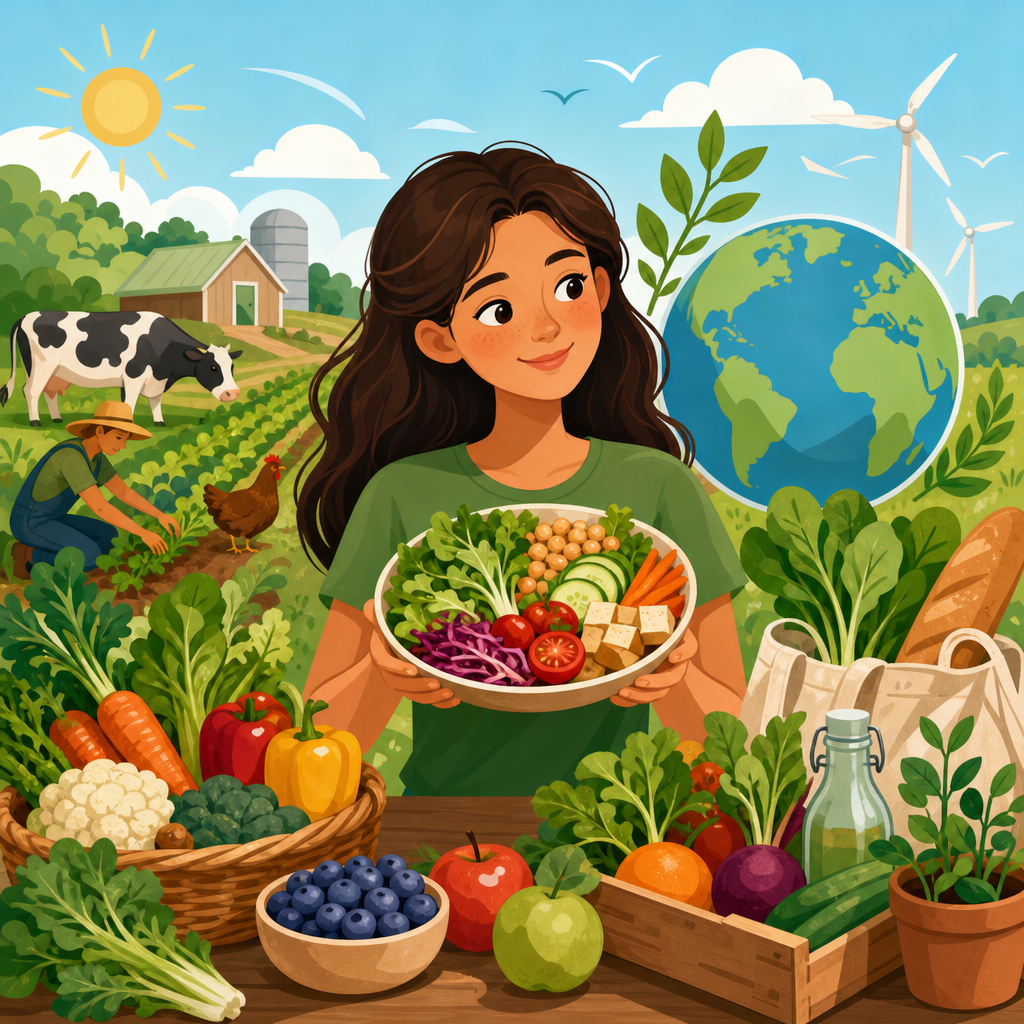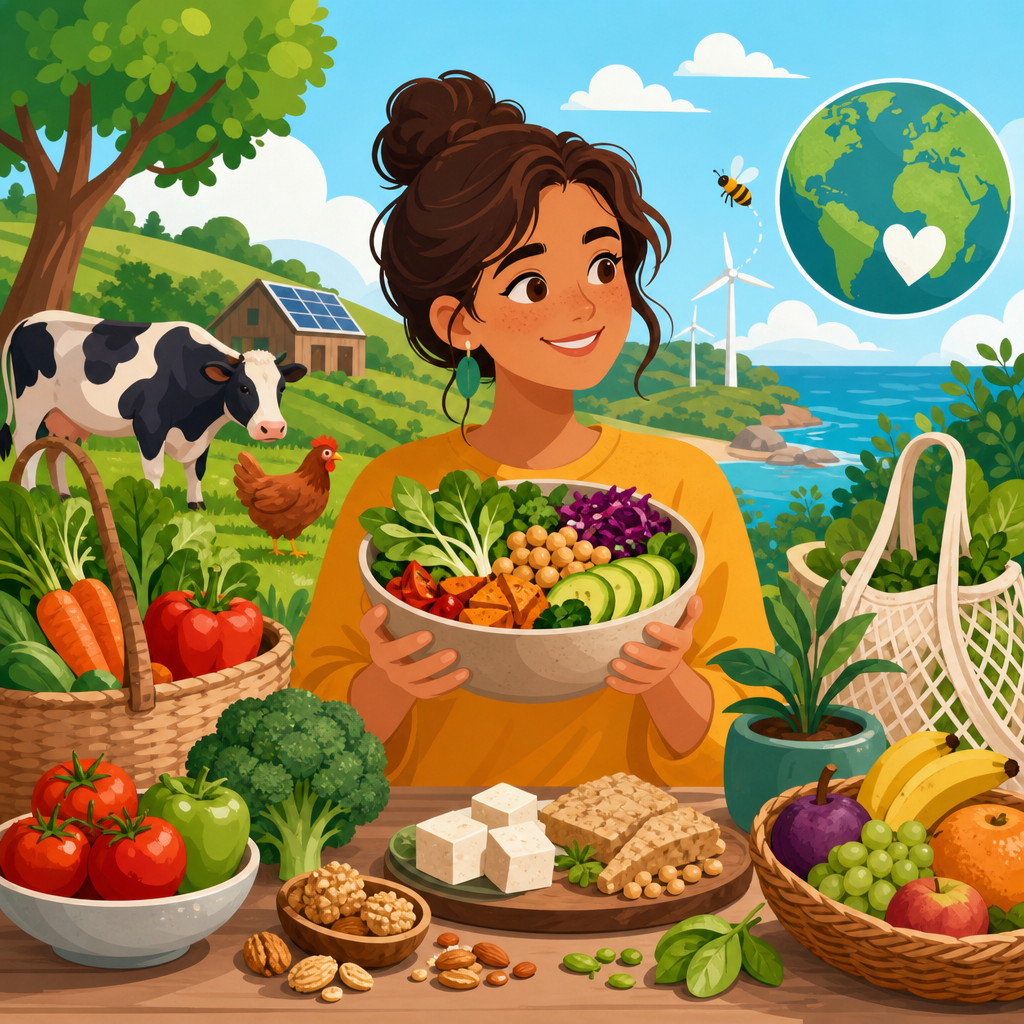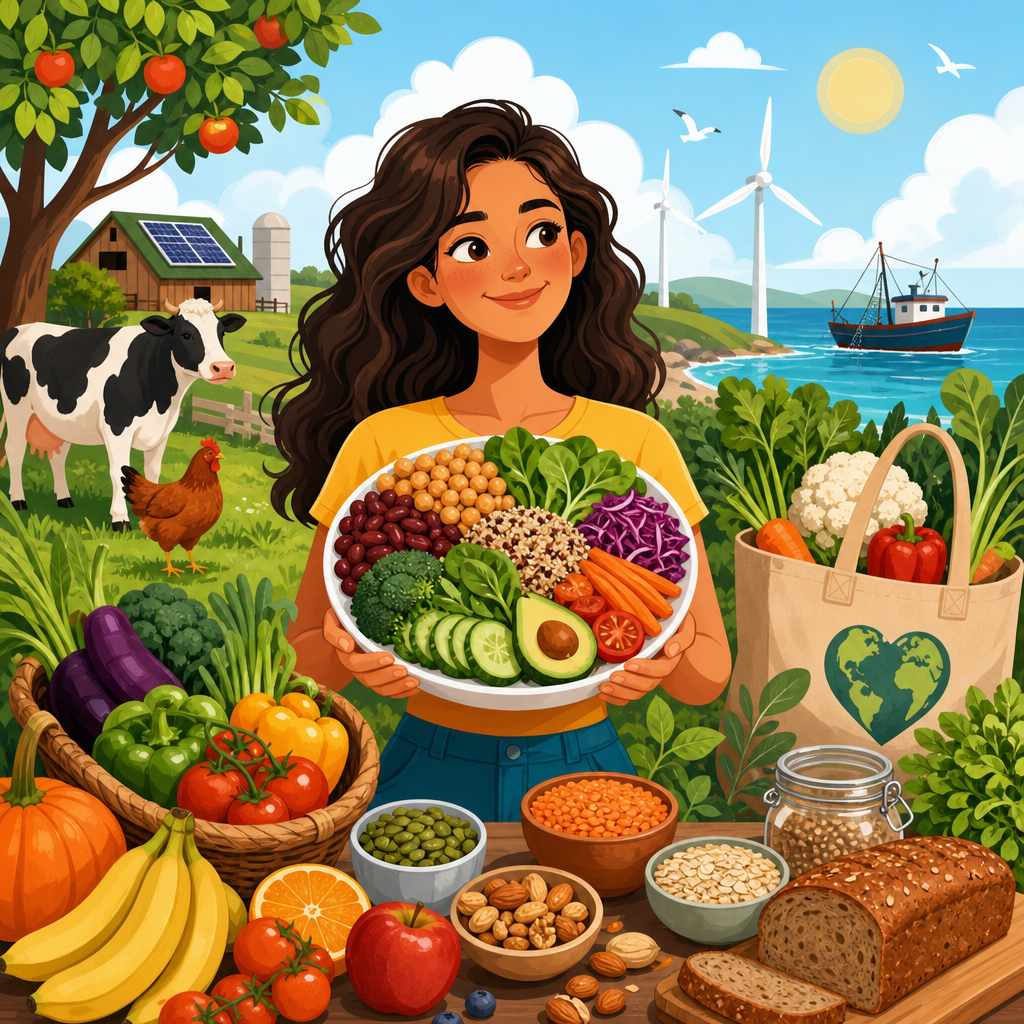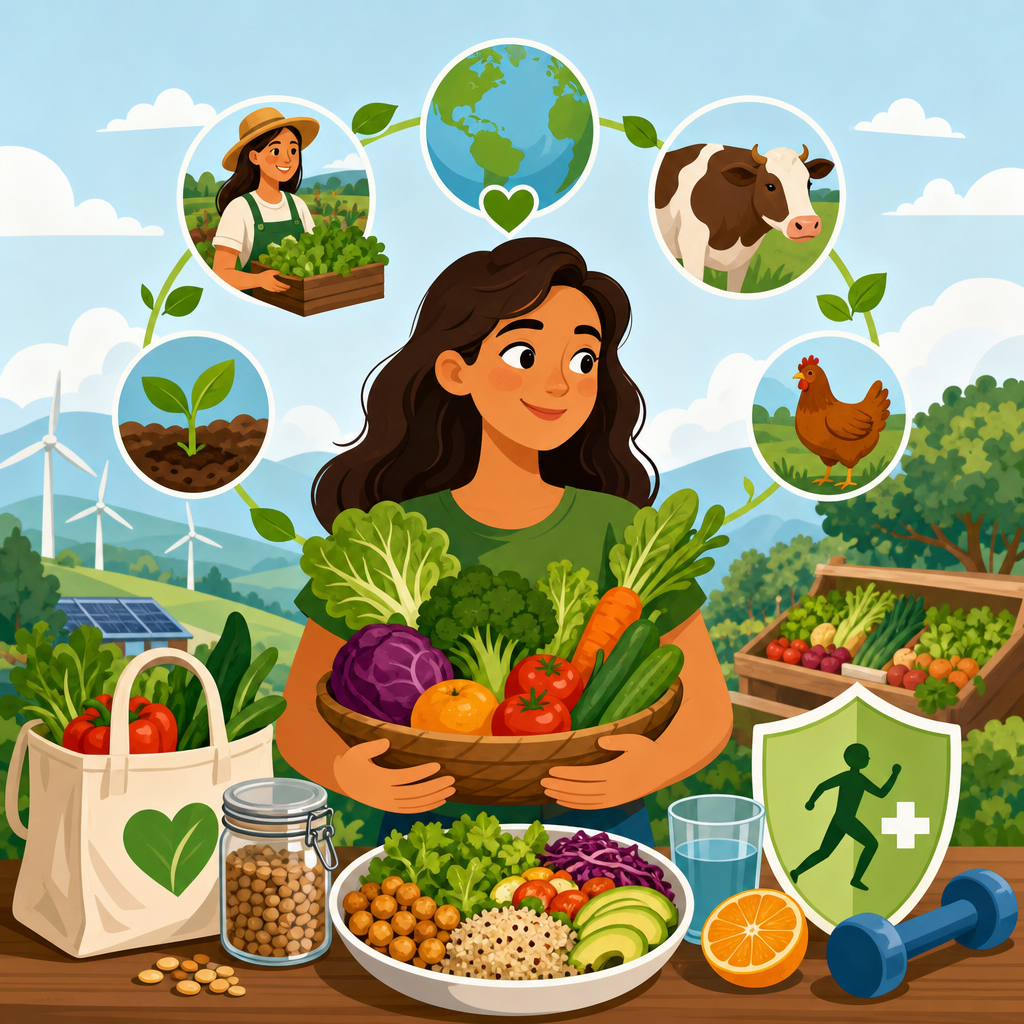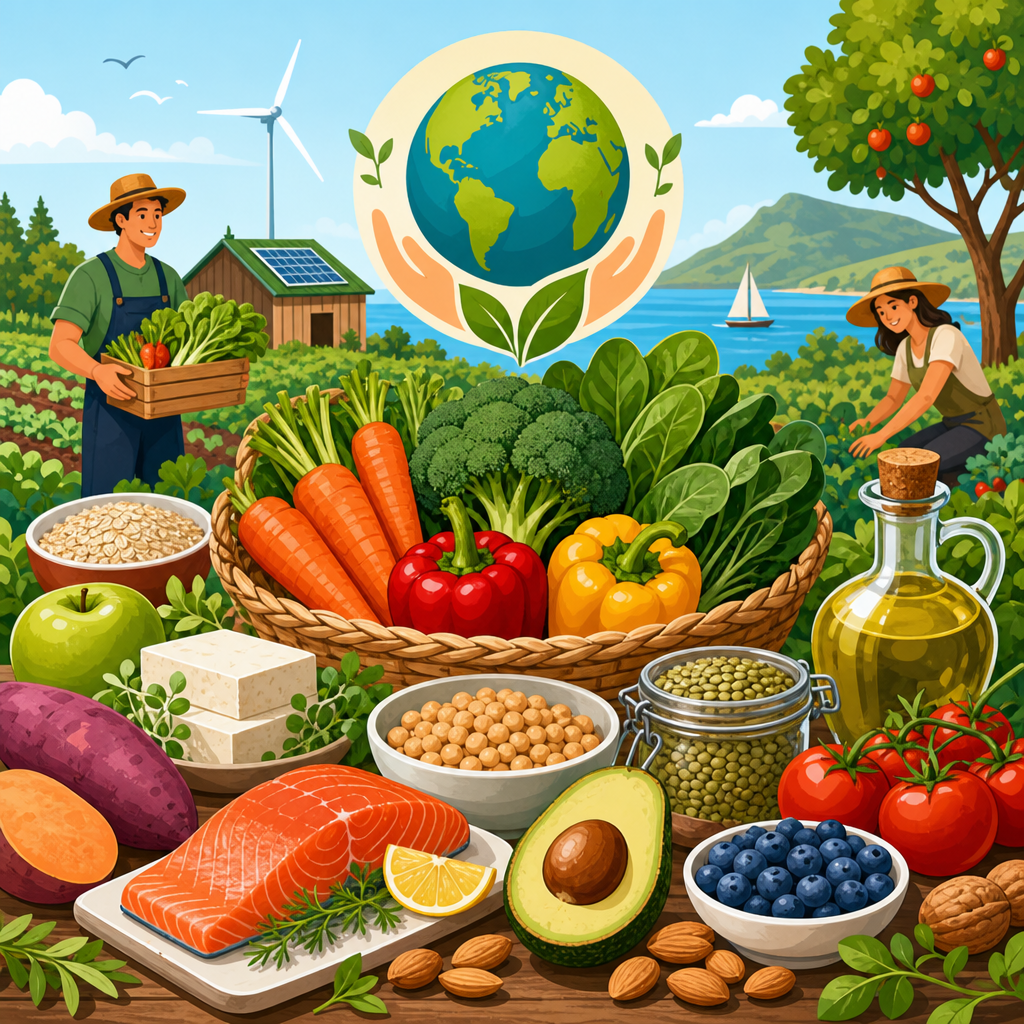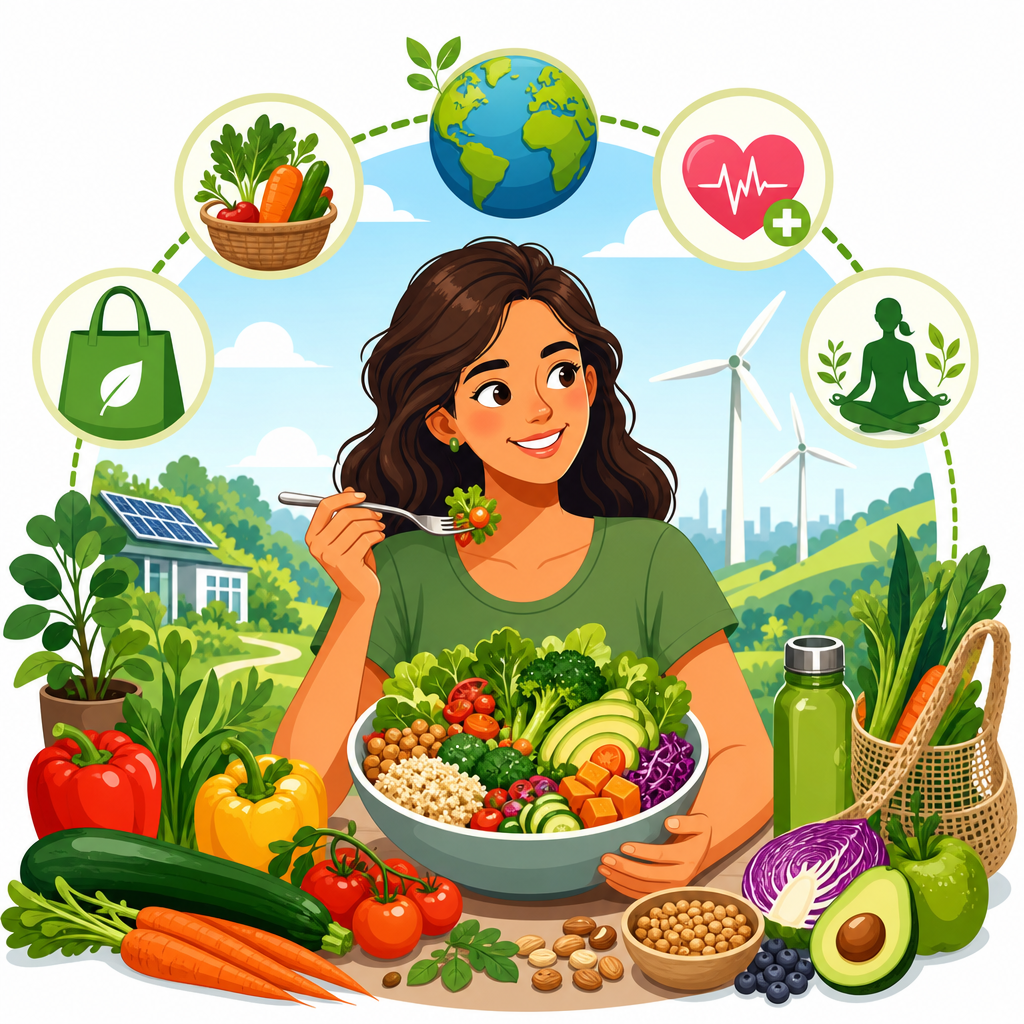
Sustainable eating and eco-friendly diets sit at the intersection of nutrition, agriculture, public health, and climate strategy. In practical terms, sustainable eating means choosing foods that support human health while reducing pressure on land, water, energy, biodiversity, and the atmosphere. An eco-friendly diet is the everyday expression of that idea: more foods with lower environmental impact, fewer foods linked to excessive emissions or waste, and shopping habits that respect seasonal supply, local ecosystems, and fair production. When these choices are well designed, they do more than lower a household’s carbon footprint. They also help prevent major chronic diseases, including heart disease, type 2 diabetes, obesity, certain cancers, and hypertension.
This topic matters because food systems are responsible for a large share of global greenhouse gas emissions, freshwater use, and land conversion, while poor diet remains one of the leading risk factors for early death worldwide. In my work reviewing dietary guidance and sustainability frameworks, I have seen the same pattern repeatedly: the eating patterns associated with longer, healthier lives are often the same patterns associated with lower environmental impact. Diets centered on vegetables, fruits, legumes, whole grains, nuts, and moderate amounts of minimally processed foods usually require fewer resources than diets dominated by red meat, ultra-processed products, and wasteful consumption habits. That overlap gives households, clinicians, schools, and policymakers an unusually strong opportunity. They can act on health and environmental goals at the same time, using the same plate.
To understand the link clearly, it helps to define disease prevention in nutrition terms. Prevention does not mean a diet can guarantee immunity from illness. It means reducing modifiable risk factors through dietary patterns shown in epidemiology, clinical trials, and population guidance to improve metabolic health, lower inflammation, support a healthy weight, improve blood pressure and lipid levels, and maintain gut and immune function. Sustainable eating is not a single rigid menu. It is a flexible framework that considers nutrient density, environmental burden, affordability, cultural fit, and long-term adherence. That is why this subject serves as a hub within Food Science & Sustainability: it connects food production, consumer behavior, dietary quality, and measurable health outcomes in one coherent model.
How sustainable eating supports both planetary and human health
The core reason sustainable eating can prevent disease is straightforward. Most low-impact dietary patterns emphasize plant-forward foods that are rich in fiber, potassium, unsaturated fats, vitamins, minerals, and phytochemicals, while limiting foods associated with excess saturated fat, sodium, refined starches, and added sugars. This nutritional profile aligns closely with established dietary patterns such as the Mediterranean diet, DASH, and other plant-rich models repeatedly associated with lower rates of cardiovascular disease and metabolic dysfunction. The same shift often lowers environmental impact because legumes, grains, and seasonal produce generally demand fewer resources and create fewer emissions per serving than high volumes of ruminant meat.
Red and processed meats illustrate the connection. High intake of processed meat has been linked with increased risk of colorectal cancer and cardiovascular disease, while high consumption of beef and lamb typically carries a higher greenhouse gas burden than beans, lentils, tofu, or peas. Replacing several weekly meat-based meals with lentil chili, chickpea curry, or tofu stir-fry can reduce saturated fat intake and increase fiber at the same time. In household diet audits I have reviewed, that one change often improves cost control as well, which matters because affordability strongly influences whether preventive eating patterns last.
Whole plant foods also support disease prevention through the gut microbiome. Fiber from oats, beans, vegetables, fruit, nuts, and seeds feeds beneficial gut microbes that produce short-chain fatty acids such as butyrate, compounds associated with improved gut barrier function and lower inflammation. Better glycemic control, healthier bowel habits, and improved satiety can follow. A sustainable diet therefore works on several levels at once: it reshapes nutrient intake, supports microbial health, reduces dietary excess, and lowers environmental pressure through lower-resource ingredients.
Key components of an eco-friendly diet
An eco-friendly diet is not simply vegetarian, and it is not defined by one food exclusion. It is built from practical choices repeated consistently. The foundation is a high proportion of minimally processed plant foods: vegetables, fruits, legumes, whole grains, nuts, and seeds. These foods provide dietary fiber, folate, magnesium, polyphenols, and other nutrients linked to lower chronic disease risk. They are complemented by modest amounts of dairy, eggs, fish, or poultry where culturally appropriate, with red meat used less often and in smaller portions. Cooking methods matter too. Meals made from basic ingredients usually contain less sodium, less added sugar, and fewer industrial additives than heavily packaged convenience foods.
Seasonality and sourcing also shape environmental performance. Buying produce in season can reduce reliance on energy-intensive production methods and long-distance cold-chain logistics, though the details vary by crop and region. Local food is not automatically lower impact than imported food shipped efficiently by sea, so the most useful rule is to prioritize food type first, then production method, then transport. For example, imported lentils may still have a much smaller footprint than locally produced beef. Certified standards can help evaluate production quality, especially for seafood, coffee, cocoa, and some farming systems.
Waste reduction is another core component. Roughly one-third of food produced globally is lost or wasted, which means emissions and resource use occur without nutrition ever being delivered. Planning meals, storing produce correctly, freezing leftovers, and understanding date labels can meaningfully lower household waste. Preventive health benefits appear here too: people who plan meals tend to cook more often, rely less on ultra-processed foods, and maintain more stable eating routines.
| Diet choice | Environmental effect | Disease prevention benefit |
|---|---|---|
| Replace two beef meals weekly with beans or lentils | Usually lowers emissions and land demand | Raises fiber intake and may reduce saturated fat |
| Choose whole grains over refined grains | Supports efficient use of edible crop components | Improves satiety, glycemic control, and bowel health |
| Buy seasonal produce and freeze extras | Can reduce waste and storage losses | Maintains access to nutrient-dense foods year-round |
| Limit ultra-processed snack foods | Often lowers packaging and processing intensity | Helps manage sodium, added sugars, and excess calories |
Why plant-forward patterns are repeatedly linked to lower disease risk
The strongest evidence connecting sustainable eating and disease prevention comes from dietary patterns, not isolated superfoods. Plant-forward diets tend to deliver high fiber, lower energy density, and a broad matrix of bioactive compounds that support vascular and metabolic health. Soluble fiber from oats, barley, beans, and fruit can help lower LDL cholesterol. Potassium-rich foods such as leafy greens, beans, potatoes, and bananas support blood pressure control when sodium is managed appropriately. Unsaturated fats from olive oil, nuts, seeds, and some fish improve lipid quality compared with diets high in saturated fat from processed meats and many fast foods.
These mechanisms show up in real populations. Mediterranean-style eating patterns are associated with lower cardiovascular risk and improved metabolic markers. DASH has strong evidence for reducing blood pressure. Higher intake of legumes and whole grains is linked with lower incidence of type 2 diabetes and coronary heart disease in many cohort studies. None of this means every plant-based packaged food is healthy. I regularly caution clients and editorial teams that an eco-friendly label on a snack does not automatically make it protective. A diet built on refined flour products, sweetened beverages, and meat substitutes high in sodium is very different from one built on beans, vegetables, intact grains, fruit, nuts, and olive oil.
Disease prevention also depends on what sustainable diets displace. Lowering intake of processed meats, sugar-sweetened beverages, and highly refined snack foods reduces exposure to dietary patterns associated with weight gain, insulin resistance, hypertension, and poorer cardiometabolic outcomes. In practice, the most successful approach is addition before restriction: add legumes to soups, add vegetables to pasta, add oats to breakfast, add fruit and nuts for snacks, then let less helpful foods shrink naturally.
Food production, processing, and the health impact of diet quality
Food sustainability is sometimes oversimplified into carbon numbers alone, but disease prevention requires a broader lens. Production methods affect nutrient availability, contaminant exposure, soil quality, and long-term food security. Diverse cropping systems, soil conservation, integrated pest management, and responsible water use help build resilience into food supply. From a public health perspective, resilient systems matter because nutrition security depends on stable access to varied foods, not just enough calories. Monocultures can produce high yields, yet overly narrow supply chains are vulnerable to climate shocks, pests, and price volatility.
Processing deserves similar nuance. Some processing improves sustainability and health, such as freezing vegetables at peak ripeness, pasteurizing milk, fermenting foods, drying beans, or canning tomatoes and legumes for affordable access. These methods extend shelf life and reduce waste. The problem is heavy reliance on ultra-processed products engineered for hyper-palatability and convenience, often high in sodium, added sugars, refined starches, and low-quality fats. Such foods can fit occasionally into any diet, but when they dominate intake, the preventive effect of sustainable eating weakens sharply.
Packaging and retail patterns matter as well. Bulk staples like oats, rice, dried beans, and nuts often reduce packaging per serving and support healthier home cooking. Smaller changes, such as choosing plain yogurt over dessert-style flavored cups or buying larger containers when practical, can improve both nutritional profile and material efficiency. The point is not purity. It is to build a routine in which convenience serves health instead of displacing it.
Practical ways households can adopt sustainable eating
The most effective eco-friendly diet is the one a household can maintain for years. Start with meal architecture: half the plate vegetables and fruit, a quarter whole grains or starchy vegetables, and a quarter protein, with legumes used often. Build a weekly rotation of low-cost staples such as lentils, black beans, oats, brown rice, eggs, yogurt, frozen vegetables, canned tomatoes, seasonal produce, and nuts or seeds. Then use flavor strategically with herbs, spices, garlic, onions, citrus, and fermented condiments. Better flavor increases adherence, and adherence is what drives prevention.
Smart substitutions work better than total overhauls. Swap one breakfast pastry for oatmeal with fruit and seeds. Replace one deli meat lunch with hummus, whole grain bread, and vegetables. Make pasta dishes half vegetables and add cannellini beans. Use mushrooms and lentils to extend minced meat in sauces. Keep frozen spinach, peas, and berries on hand to reduce spoilage. These changes lower waste, improve nutrient density, and reduce reliance on high-impact or highly processed foods without creating a sense of deprivation.
Budget is a real concern, but sustainable eating can be cost-effective when centered on staples and careful planning. Dry beans, lentils, oats, potatoes, cabbage, carrots, peanut butter, canned fish, and in-season produce often provide excellent nutrition per dollar. The most expensive pattern I see is not a plant-forward diet; it is frequent purchase of restaurant meals, convenience snacks, and single-serve products. Households do not need perfection. They need repeatable systems: a shopping list, a prep routine, and three to five dependable meals they actually enjoy.
Limits, tradeoffs, and how to judge claims responsibly
Not every sustainable food choice is automatically healthier, and not every healthy food has the lowest environmental footprint. Almonds, for example, provide beneficial fats and micronutrients but can be water intensive in some regions. Certain fish offer omega-3 benefits yet raise concerns about stock management or production methods. Greenhouse-grown produce may have a higher energy burden than field-grown alternatives, but eating more vegetables overall still benefits health. This is why rigid rules usually fail. Better decisions come from balancing nutrition, production method, affordability, culture, and access.
Health conditions also change the equation. People with chronic kidney disease, food allergies, iron deficiency, diabetes, or gastrointestinal disorders may need tailored versions of eco-friendly diets. Children, pregnant people, athletes, and older adults have specific protein, energy, or micronutrient needs that require thoughtful planning. In clinical and educational settings, I advise using recognized dietary guidance, registered dietitian input when needed, and reliable sustainability standards rather than social media claims. A credible plan should be nutritionally adequate, realistic, and evidence-based.
For readers exploring this topic as a hub, the essential insight is clear: sustainable eating and eco-friendly diets are not separate from disease prevention. They are one of the most practical ways to connect daily meals with long-term health and environmental responsibility. Emphasize plant-forward, minimally processed foods, reduce high-impact and heavily processed items, waste less, and shop with intention. Those steps improve diet quality while lowering pressure on food systems. Start with one meal, one shopping trip, or one weekly habit, and build from there.
Frequently Asked Questions
What is the connection between sustainable eating, eco-friendly diets, and disease prevention?
Sustainable eating and disease prevention are closely linked because many of the same food choices that lower environmental impact also support long-term human health. In general, eco-friendly diets emphasize vegetables, fruits, legumes, whole grains, nuts, seeds, and moderately processed foods while reducing reliance on heavily processed products and high-impact animal foods, especially those associated with high greenhouse gas emissions and intensive land and water use. These eating patterns tend to provide more fiber, vitamins, minerals, antioxidants, and beneficial plant compounds that help lower the risk of chronic conditions such as heart disease, type 2 diabetes, obesity, high blood pressure, and certain cancers.
From a public health perspective, this matters because diet-related disease is influenced not only by calories, but by food quality, dietary balance, and consistency over time. A sustainable dietary pattern often encourages a healthier overall lifestyle: more home cooking, more seasonal produce, more variety in plant foods, and less dependence on ultra-processed convenience items. Those shifts can improve gut health, support better cholesterol and blood sugar control, reduce chronic inflammation, and promote healthy weight management. At the same time, sustainable eating recognizes that a healthy food system must also protect soil, water, biodiversity, and climate conditions that determine whether nutritious food remains available in the future. So the link is twofold: these diets can help prevent disease today while supporting the environmental conditions needed for population health tomorrow.
Are plant-forward diets always better for both the environment and human health?
Plant-forward diets are often better for both environmental sustainability and disease prevention, but the key word is “forward,” not “exclusive.” Diets built around plant foods usually have a lower environmental footprint because producing beans, lentils, whole grains, vegetables, and many fruits generally requires fewer natural resources and creates fewer emissions than producing large amounts of red and processed meat. Health-wise, these foods are strongly associated with reduced risk of cardiovascular disease, improved digestive health, better blood sugar regulation, and lower rates of several chronic illnesses when they replace less nutritious, more heavily processed alternatives.
That said, not every plant-based diet is automatically healthy or sustainable. A diet high in refined grains, sugary snacks, fried foods, and packaged meat substitutes can still be poor in nutritional quality. Likewise, highly processed foods can carry environmental costs tied to packaging, transportation, energy-intensive manufacturing, and waste. On the other side, some animal foods can fit into an eco-friendly and disease-conscious pattern when consumed in modest amounts and sourced responsibly. The healthiest and most sustainable approach for most people is a balanced, plant-rich pattern that prioritizes minimally processed foods, includes diversity across food groups, and considers both nutritional value and environmental impact. In other words, the goal is not perfection or rigid labels, but a practical eating style that is nutrient-dense, realistic, and lower in resource intensity.
How does reducing red and processed meat support disease prevention in a sustainable diet?
Reducing red and processed meat is one of the clearest examples of where personal health and environmental goals overlap. From a health standpoint, high intake of processed meats has been linked to increased risk of colorectal cancer, cardiovascular disease, and other chronic health concerns. Frequent consumption of red meat, especially in large portions and in heavily processed forms, may also contribute to higher saturated fat intake and can displace foods that offer more fiber and protective nutrients. Replacing some of these foods with beans, lentils, peas, tofu, nuts, seeds, and whole grains can improve diet quality by increasing fiber, unsaturated fats, and micronutrients that support heart health and metabolic function.
Environmentally, red meat production, particularly from ruminant animals, is associated with relatively high greenhouse gas emissions, significant land use, and greater water demands compared with many plant protein sources. Lowering intake does not necessarily mean eliminating all animal products; it often means shifting from daily or large-portion meat consumption toward smaller portions, less frequent use, and greater reliance on alternative proteins. This can make a meaningful difference in the overall footprint of a household diet. For disease prevention, this substitution effect is important: when people eat fewer processed meats and replace them with high-quality plant proteins and whole foods, they usually gain nutritional benefits rather than simply removing one item. A sustainable diet works best when it improves what is on the plate, not just what is taken away.
Can seasonal, local, and less wasteful food choices really make a difference for health outcomes?
Yes, they can, although the benefits are often indirect as well as direct. Choosing seasonal foods can encourage greater variety and fresher produce intake, which supports a more nutrient-rich diet. Many people find that when fruits and vegetables are in season, they taste better, cost less, and are easier to use regularly in meals. That can increase consumption of protective foods associated with lower risk of chronic disease. Shopping locally can also strengthen access to fresher foods and support regional food systems, although “local” is not automatically more sustainable in every case. The larger principle is paying attention to how food is grown, transported, stored, and consumed, and making choices that reduce unnecessary environmental strain while keeping nutrition high.
Reducing food waste is especially important because wasted food also means wasted water, energy, land, labor, and money. At the household level, planning meals, storing ingredients properly, freezing leftovers, and using perishable foods before they spoil can improve both diet quality and food budgeting. People who waste less often cook more intentionally and build meals around whole ingredients, which can reduce dependence on less nutritious convenience foods. There is also a broader health dimension: food systems that waste less can improve efficiency and resilience, helping communities use resources more effectively and potentially improving equitable access to nutritious foods. So while seasonal, local, and low-waste choices may not act like a medicine on their own, they create conditions that make healthy eating more practical, affordable, and sustainable over time.
What are the best practical steps for starting a sustainable, eco-friendly diet that also helps prevent chronic disease?
The most effective way to start is by making steady, realistic changes rather than attempting a complete dietary overhaul. A strong first step is to build more meals around plants: add beans to soups and salads, replace some meat-based meals with lentil, tofu, or chickpea dishes, and make vegetables and whole grains a larger share of the plate. Increasing fiber intake through oats, brown rice, barley, legumes, fruits, and vegetables can support heart health, digestive health, and blood sugar control. At the same time, reducing ultra-processed foods, sugary drinks, and frequent processed meat consumption helps lower chronic disease risk while often reducing packaging waste and resource-intensive production patterns.
Other practical strategies include buying seasonal produce, choosing a wider range of plant proteins, planning meals to avoid food waste, and cooking at home more often when possible. Portion awareness matters too; sustainable eating is not only about what foods are chosen, but about avoiding excess and using resources wisely. If animal products are included, many people benefit from treating them as a complement rather than the centerpiece of every meal. Reading labels, comparing ingredients, and choosing foods with simpler formulations can also improve nutritional quality. Most importantly, sustainable and disease-preventive eating should be affordable, culturally relevant, and enjoyable. A diet that supports health and the environment is most effective when it can be maintained consistently, fits everyday life, and encourages long-term habits rather than short-term restriction.