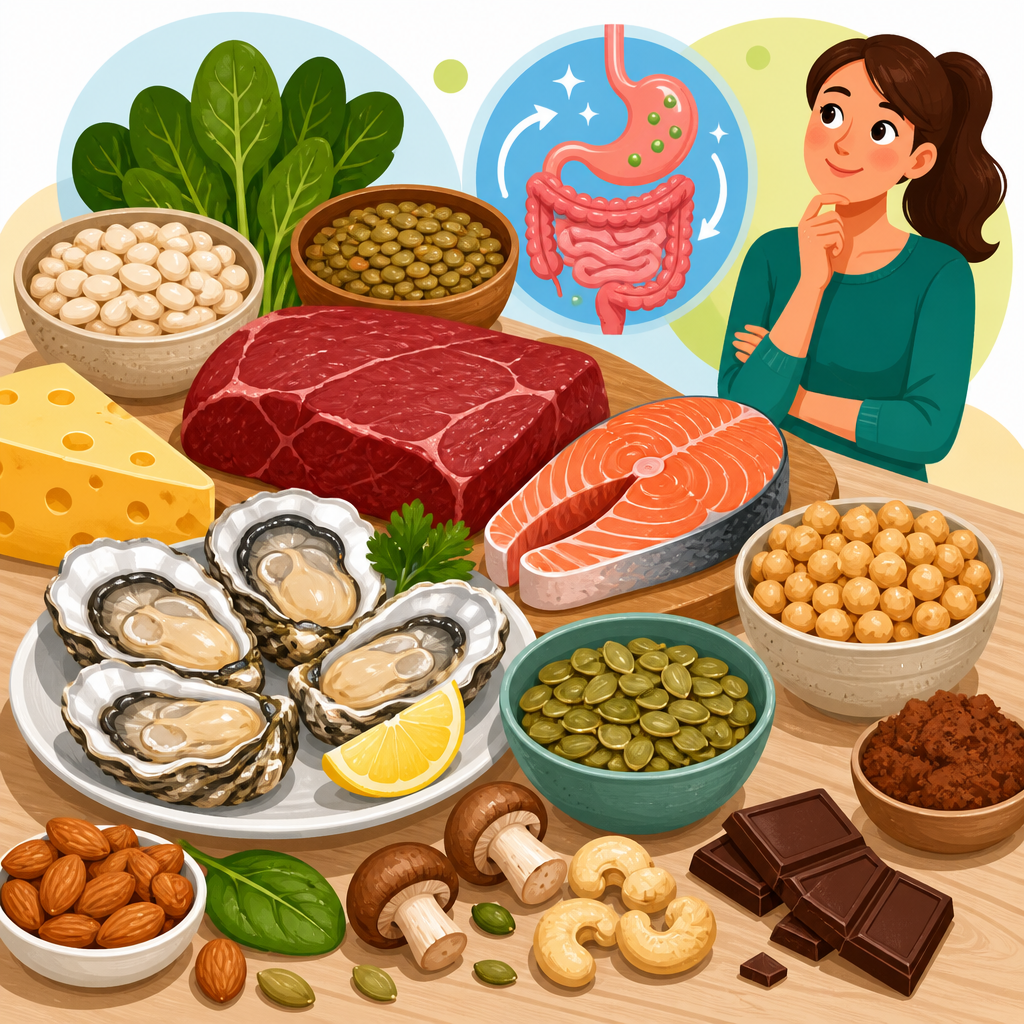
Zinc is a small-trace mineral with an outsized role in human health, and understanding zinc food sources is one of the most practical ways to improve everyday nutrition. In clinic notes, meal planning sessions, and sports nutrition reviews, I have repeatedly seen zinc overlooked because people focus first on protein, calories, or vitamins. That is a mistake. Zinc supports immune function, wound healing, growth, taste and smell, skin integrity, and hundreds of enzyme-driven reactions. It also sits within a bigger picture: micronutrients, the vitamins and minerals the body needs in small amounts but cannot perform well without. As a hub within Nutrition Basics, this guide explains where zinc comes from, how much you need, what affects absorption, and how zinc fits beside other micronutrients such as iron, calcium, magnesium, selenium, vitamin A, vitamin D, vitamin B12, and folate.
Micronutrients differ from macronutrients because they do not directly provide energy, yet they enable the body to use energy, build tissues, regulate hormones, and defend against infection. Minerals such as zinc, iron, iodine, selenium, potassium, and calcium come from soil, water, and food, while vitamins are organic compounds found in plants, animals, and fortified foods. Zinc is essential, meaning the body cannot make or store large amounts of it for later use. Daily intake matters. The richest zinc food sources include oysters, red meat, poultry, crab, dairy, beans, nuts, seeds, and fortified breakfast cereals, but the amount absorbed varies sharply depending on the food matrix. That last point is where many simple food lists fail readers. Knowing what contains zinc is useful; knowing what helps or blocks zinc absorption is what turns information into better nutrition decisions.
Why Zinc Matters Within the Broader Micronutrient Picture
Zinc is involved in more than 300 enzymes and thousands of transcription factors, which means it helps switch genes on and off, supports protein synthesis, and enables cells to divide and repair. That is why zinc needs rise during growth, pregnancy, breastfeeding, and recovery from illness or injury. In practice, low zinc intake can show up as frequent infections, poor wound healing, loss of appetite, impaired taste or smell, dermatitis, or slowed growth in children. Severe deficiency is uncommon in high-income countries, but marginal intake is not rare, especially among older adults, people with gastrointestinal disorders, those on very restrictive diets, and some vegetarians and vegans.
Zinc also interacts with other micronutrients. Iron and zinc are often found in the same foods, especially meat and legumes, but they can compete for absorption at high supplemental doses. Calcium can interfere in some contexts, especially when combined with phytate-rich foods, though mixed-diet effects are often modest. Copper deserves special attention because long-term high-dose zinc supplements can reduce copper absorption and trigger deficiency. This is one reason food-first planning is usually safer than self-prescribing large zinc doses. As a nutrition hub, this matters because micronutrients should not be treated like isolated checkboxes. Real diets create patterns of synergy, competition, and tradeoffs.
Best Zinc Food Sources and How They Compare
Animal foods generally provide the most bioavailable zinc because they contain zinc in forms the body absorbs efficiently and they lack substantial phytate, a plant compound that binds zinc in the intestine. Oysters are the standout source by a wide margin. A standard serving can provide several times the daily requirement. Beef, lamb, and dark-meat poultry are also reliable sources. Crab, lobster, and other shellfish contribute meaningful amounts, while milk, cheese, and yogurt provide moderate amounts that are easy to include consistently. Eggs contain some zinc, though less than meat or shellfish.
Plant foods can still help meet zinc needs, but they usually require more intentional planning. Beans, lentils, chickpeas, pumpkin seeds, hemp seeds, cashews, oats, whole grains, and fortified cereals all contribute zinc. The challenge is that many of these foods also contain phytates, especially unrefined grains and legumes, which lower absorption. That does not make plant foods poor choices. It means preparation and total diet pattern matter. Soaking, sprouting, fermenting, and leavening can reduce phytate levels and improve mineral availability. For example, sourdough fermentation can improve zinc availability from whole grains more than quick yeast breads, and soaked or pressure-cooked legumes are often tolerated and absorbed better than minimally prepared dried beans.
| Food | Typical serving | Zinc contribution | Absorption notes |
|---|---|---|---|
| Oysters | 3 ounces cooked | Very high | Most concentrated common source; highly bioavailable |
| Beef chuck | 3 ounces cooked | High | Well absorbed; also provides iron and B12 |
| Crab | 3 ounces cooked | Moderate to high | Good seafood option with strong bioavailability |
| Yogurt | 1 cup | Moderate | Useful daily source; easy to pair with other foods |
| Chickpeas | 1 cup cooked | Moderate | Contains phytate; soaking and thorough cooking help |
| Pumpkin seeds | 1 ounce | Moderate | Nutrient-dense, but phytates reduce net absorption |
| Fortified cereal | 1 serving | Variable, sometimes high | Check label; fortification can help fill gaps |
If you eat animal foods, a simple pattern works well: include shellfish or red meat occasionally, dairy regularly if tolerated, and poultry, eggs, or seafood through the week. If you follow a vegetarian or vegan diet, rely on variety and repetition rather than one “superfood.” A day that includes fortified cereal at breakfast, lentil soup at lunch, yogurt or fortified soy food as a snack, and a dinner built around tofu, beans, seeds, and whole grains can meet needs more reliably than a diet that uses whole foods loosely but ignores mineral density.
What Affects Zinc Absorption Most
The single biggest dietary factor affecting zinc absorption is phytate. Phytate, or phytic acid, is the storage form of phosphorus in seeds, grains, legumes, and nuts. In the digestive tract it can bind positively charged minerals, including zinc, reducing the fraction absorbed. This is why a meal containing the same milligrams of zinc can produce different results depending on whether it comes from oysters, beef, or bran cereal. High-fiber does not automatically mean low-zinc, but high-fiber plant foods often overlap with high-phytate foods, so context matters.
Food processing changes the picture. Fermentation activates phytase, an enzyme that breaks down phytate. Leavening bread, culturing grains, sprouting beans, and soaking legumes before cooking can all help. Milling grains removes some phytate, but it also strips other nutrients, which is why refined grains are not a universal solution. Fortification can partly compensate, but whole-food quality still matters. Protein can enhance zinc absorption, particularly animal protein. Organic acids in foods may also help in some mixed meals, although their effect is less dramatic than reducing phytate.
Health status also matters. People with inflammatory bowel disease, celiac disease, chronic diarrhea, alcohol use disorder, or a history of gastrointestinal surgery can absorb less zinc or lose more of it. Older adults may eat less overall, have lower stomach acid, or rely on limited food patterns, increasing risk of low intake. Medications can matter too. Long-term proton pump inhibitor use may affect mineral absorption indirectly through altered gastric conditions and food choices, while some chelating agents and high-dose iron supplements can interfere more directly when taken together.
How Much Zinc You Need and When Needs Change
For most adults, zinc requirements are measured in single-digit or low double-digit milligrams per day. Recommended intakes vary by age, sex, and life stage. Adult men generally need more than adult women because of body size and losses. Needs increase during pregnancy and lactation to support fetal growth, tissue expansion, and milk production. Infants, children, and adolescents need steady intake because zinc is critical for growth and sexual maturation. Older adults do not necessarily need dramatically higher targets, but they often need more attention to food quality because appetite, dentition, chewing ability, income, or isolation can reduce intake.
Bioavailability changes recommendations in practice. A person eating mixed omnivorous meals can often meet zinc needs with moderate portions of meat, seafood, dairy, and grains. A person eating a high-legume, high-whole-grain vegan pattern may need higher dietary zinc intake because a smaller percentage is absorbed. That does not mean the diet is inadequate. It means the planning benchmark shifts. In counseling, I usually focus on weekly patterns rather than a single meal. Two seafood meals, several dairy servings, and a few meat-based dinners can cover zinc comfortably in one person, while another may need deliberate use of fortified foods, soaked legumes, and seeds across most days.
Signs of Low Intake, Testing Limits, and Supplement Caution
Early zinc deficiency is difficult to confirm because symptoms are nonspecific and blood testing is imperfect. Low plasma or serum zinc can support concern, but levels fluctuate with infection, inflammation, time of day, fasting status, and albumin levels. A normal result does not always rule out poor intake. Clinicians often look at the whole picture: diet history, risk factors, symptoms, growth in children, and medical conditions that impair absorption. Recurrent infections, poor wound healing, reduced appetite, hair loss, taste changes, chronic skin irritation, and delayed growth deserve evaluation, but they are not unique to zinc.
Supplementation can help when deficiency is confirmed or strongly suspected, but more is not better. The tolerable upper intake level for adults is 40 milligrams per day from all sources unless supervised medically. Chronic high intake can cause nausea, abdominal pain, lower HDL cholesterol, and copper deficiency, which may lead to anemia or neurological problems. Short-term zinc lozenges are sometimes used for colds, but formulations vary widely and evidence is mixed. Nasal zinc products have been linked to loss of smell and should be avoided. Food remains the safest first strategy for most people.
Practical Meal Strategies for Better Zinc Intake
The easiest way to improve zinc intake is to pair zinc-rich foods with cooking methods that increase availability. If you eat seafood, include oysters occasionally or choose crab, mussels, or shrimp as rotating options. If you eat meat, use modest portions of beef or lamb a few times per week rather than assuming chicken alone will cover needs. If you rely on plant foods, combine legumes, seeds, and fortified foods and prepare them well. Hummus made from soaked chickpeas, overnight oats with pumpkin seeds, and sourdough toast are better mineral strategies than dry cereal bars and random handfuls of nuts.
For families, think in templates. Breakfast can use fortified cereal or oats with milk or fortified soy beverage. Lunch can include bean chili, lentil soup, turkey sandwiches, or yogurt bowls. Dinner can rotate beef stir-fry, tofu with fermented grains, chickpea curry, seafood pasta, or baked potatoes topped with cheese and beans. Snacks can contribute too: cheese, kefir, roasted chickpeas, pumpkin seeds, or fortified yogurt alternatives. The point is not perfection. The point is building repeatable meals that supply zinc alongside iron, calcium, magnesium, B vitamins, and protein.
Zinc is one of the most important minerals to understand because both intake and absorption determine nutritional status. The best zinc food sources are oysters, red meat, shellfish, dairy, legumes, seeds, nuts, and fortified cereals, but they do not all work equally well in the body. Animal foods usually provide the most absorbable zinc, while plant foods often require higher total intake and smarter preparation because phytate reduces absorption. Soaking, sprouting, fermenting, and using fortified foods can make a meaningful difference, especially for vegetarian and vegan diets.
As a Nutrition Basics hub for micronutrients, this topic connects directly to the wider question of how vitamins and minerals work together. Zinc supports immunity, growth, healing, and cellular function, yet its status can be shaped by copper balance, iron supplements, digestive health, age, and overall diet quality. That broader lens matters more than memorizing one list of foods. A strong micronutrient pattern comes from varied meals, not isolated nutrient chasing.
If you want to improve your intake, start with one practical change this week: add one reliable zinc-rich food to your routine and prepare plant sources in ways that improve absorption. Then review the rest of your micronutrient habits with the same care. Small, consistent upgrades in food choice usually outperform complicated supplement routines over time.
Frequently Asked Questions
What foods are naturally highest in zinc?
The richest natural zinc food sources are typically animal-based foods, especially oysters, which contain far more zinc per serving than almost any other food. Other strong sources include beef, lamb, dark-meat poultry, pork, crab, and other shellfish. Dairy foods such as yogurt, milk, and cheese also contribute meaningful amounts, and eggs provide smaller but still useful amounts. Among plant foods, legumes such as chickpeas, lentils, and beans, along with pumpkin seeds, hemp seeds, sesame seeds, cashews, oats, quinoa, and fortified breakfast cereals, can help raise total zinc intake.
That said, zinc content is only part of the story. The body generally absorbs zinc more efficiently from animal foods than from plant foods because many plant foods naturally contain phytates, compounds that bind zinc and reduce how much is absorbed in the gut. This does not mean plant foods are poor choices; it simply means people who rely heavily on them often need a more intentional intake strategy. In practical meal planning, the best approach is to build zinc intake from a variety of foods rather than relying on a single “superfood.” For omnivores, that may mean including seafood, meat, dairy, and seeds across the week. For vegetarians and vegans, it often means combining legumes, whole grains, seeds, nuts, and fortified foods consistently and paying attention to preparation methods that improve mineral availability.
Can you get enough zinc from plant-based foods alone?
Yes, it is possible to meet zinc needs on a vegetarian or vegan eating pattern, but it usually requires more planning than diets that include shellfish, meat, or dairy. Plant-based zinc sources include beans, lentils, peas, tofu, tempeh, pumpkin seeds, hemp seeds, sesame seeds, cashews, whole grains, oats, quinoa, and fortified cereals. These foods can absolutely support adequate zinc intake, especially when eaten regularly and in sufficient portions. However, the main challenge is not just the zinc content itself but the lower absorption rate caused by phytates in legumes, grains, nuts, and seeds.
Because of this, people following plant-based diets may need a higher overall zinc intake to compensate for reduced absorption. Helpful strategies include soaking beans, sprouting grains and legumes, fermenting foods such as sourdough or tempeh, and varying zinc sources instead of depending on only one category of foods. It also helps to include enough total calories and protein, since very restrictive eating patterns can lower overall zinc intake without people realizing it. In practice, a well-planned plant-based diet can support zinc status, but the margin for error is smaller. Children, teens, pregnant people, older adults, and athletes on plant-based diets should be especially attentive because their needs may be higher or their intake more inconsistent.
What affects how well zinc is absorbed from food?
Zinc absorption is influenced by several dietary factors, with phytate being one of the most important. Phytate, found naturally in whole grains, bran, legumes, nuts, and seeds, can bind zinc in the digestive tract and make it less available for absorption. This is one reason zinc from red meat or shellfish is generally more bioavailable than zinc from plant foods. Food preparation matters here: soaking, sprouting, fermenting, and leavening can reduce phytate levels and improve mineral availability. For example, fermented soy foods and yeast-leavened breads may support better zinc absorption than less processed versions of the same ingredients.
Protein can also influence zinc absorption, and meals containing animal protein often improve zinc uptake. At the same time, overall dietary balance matters. Extremely high intakes of supplemental iron or calcium taken at the same time as zinc may interfere somewhat with absorption in certain situations, though this is usually more relevant with supplements than with ordinary mixed meals. Gut health matters too. Digestive disorders, chronic diarrhea, inflammatory bowel disease, malabsorption syndromes, and a history of gastrointestinal surgery can all impair zinc status even when intake looks adequate on paper. In short, zinc nutrition is not just about how much zinc a food contains. It is about the full context: the food source, the meal composition, the preparation method, and the person’s digestive health.
What are the signs that you may not be getting enough zinc?
Mild zinc insufficiency can be easy to miss because the symptoms are often vague and overlap with other nutrition or health issues. People may notice more frequent infections, slower wound healing, reduced appetite, changes in taste or smell, dry or irritated skin, hair shedding, low energy, or poor recovery after exercise or illness. In children and adolescents, zinc deficiency can affect growth and development. In adults, it may show up more subtly through recurrent skin problems, reduced immune resilience, or persistent fatigue that does not seem to have a clear explanation. Because zinc is involved in hundreds of enzyme-related processes, a low intake can affect many systems at once.
More severe or prolonged deficiency is less common in the general population but can occur in people with highly restricted diets, alcohol misuse, digestive diseases, eating disorders, chronic malabsorption, or long-term inadequate food intake. Older adults may also be at higher risk due to reduced appetite, lower intake, or multiple medications. The key point is that symptoms alone do not confirm zinc deficiency, and blood testing does not always perfectly reflect total body zinc status either. If low zinc is suspected, the best next step is to review the diet, look for risk factors that reduce absorption, and discuss symptoms with a qualified clinician rather than guessing. In many cases, improving food sources and addressing barriers to absorption can make a meaningful difference.
Is it better to get zinc from food or from supplements?
For most people, food should be the first choice. Zinc-rich foods provide the mineral in a nutritional package that also includes protein, healthy fats, vitamins, and other minerals that support overall health. A meal built around foods such as oysters, beef, yogurt, lentils, pumpkin seeds, or fortified cereal does more than just increase zinc intake; it improves overall diet quality and is generally safer than self-prescribing high-dose supplements. Food also reduces the chance of overshooting intake, which matters because too much supplemental zinc can cause nausea, stomach upset, and over time may interfere with copper absorption and immune balance.
Supplements can be useful in specific situations, such as clinically confirmed deficiency, very limited diets, certain digestive conditions, or temporary periods of increased need when food intake is not enough. But they should be used thoughtfully, especially if taken long term or at high doses. It is also important to remember that more is not better. Chronic excess zinc from supplements can create new problems rather than solve old ones. In practice, the smartest approach is to start with dietary improvement, evaluate risk factors that may impair absorption, and use supplements only when there is a clear reason. That strategy tends to be both more effective and more sustainable for long-term zinc status.