Vitamin B12 in plant-based diets is one of the most important nutrition topics for anyone reducing or eliminating animal foods, because this vitamin is essential for red blood cell formation, DNA synthesis, and normal neurological function. B12, also called cobalamin, is made by microorganisms, not plants or animals themselves, and in modern food systems it reaches people mainly through animal products, fortified foods, and supplements. That basic fact explains why vegan and many vegetarian eating patterns need a deliberate B12 strategy instead of assumptions based on “natural” eating.
In practice, I have found that B12 is the nutrient people most often misunderstand when they first move toward plant-based eating. Many know iron and protein deserve attention, but they underestimate how quietly B12 deficiency can develop. The liver stores several years’ worth in some adults, so deficiency symptoms may take time to appear, yet low intake can still progress in the background. When symptoms do emerge, they can include fatigue, numbness, balance problems, memory changes, sore tongue, megaloblastic anemia, and in severe cases lasting nerve damage. Infants, older adults, pregnant people, and anyone with gastrointestinal disorders face even higher risk.
This article serves as a hub within micronutrients: vitamins and minerals by covering how B12 works, which plant-based foods can provide it, how fortification helps, and when supplements are the most reliable option. It also connects B12 to the broader nutrition basics picture. A well-planned plant-based diet can support health across the lifespan, as recognized by major dietetic organizations, but “well-planned” means understanding key micronutrients rather than hoping variety alone covers every need. Among those micronutrients, B12 is nonnegotiable.
Recommended intake varies by age and life stage. For most adults, the Recommended Dietary Allowance is 2.4 micrograms per day, increasing to 2.6 micrograms during pregnancy and 2.8 micrograms during lactation. Those numbers look small, but absorption is complex. B12 from food binds to intrinsic factor in the stomach and is absorbed in the ileum through a limited transport system. Larger doses from supplements can also be absorbed passively in small amounts. Because absorption efficiency drops as dose size rises, intake patterns matter, and that is why guidance often discusses either regular fortified foods or appropriately dosed supplements rather than chasing a single large serving now and then.
Why vitamin B12 deserves special attention in plant-based diets
Vitamin B12 is different from nutrients such as vitamin C, folate, potassium, or magnesium, which are broadly distributed across plant foods. Unfortified plant foods are not dependable sources of active B12 for humans. That means a person can eat legumes, whole grains, nuts, seeds, fruits, and vegetables in excellent amounts and still fall short. This is the central issue: overall diet quality does not guarantee adequate B12 status. A diet can be high in fiber, low in saturated fat, and rich in phytonutrients while still missing one critical vitamin.
Confusion often comes from foods marketed as plant-based B12 sources, including spirulina, nori, tempeh, mushrooms, or fermented products. These foods may contain B12 analogs or highly variable amounts that are not reliable for meeting needs. Clinical guidance is clear on this point: depending on algae, fermented foods, or organic produce for B12 is not a safe strategy. I routinely advise readers to separate “contains something measured in a lab” from “reliably maintains human B12 status.” Those are not the same standard.
Risk also extends beyond vegans. Vegetarians who consume little dairy or eggs may get inconsistent amounts. Older adults may have food-bound B12 malabsorption because of reduced stomach acid. People taking metformin, proton pump inhibitors, or H2 blockers can have lower absorption over time. Conditions such as pernicious anemia, celiac disease, Crohn’s disease, gastric bypass, or ileal resection raise risk further. In these groups, blood work and individualized supplement plans matter more than generic advice.
Food sources: where plant-based eaters can actually get B12
For people eating mostly or fully plant-based diets, practical B12 sources fall into two categories: fortified foods and supplements. Unfortified whole plant foods should not be counted. Fortified foods include breakfast cereals, plant milks, nutritional yeast, meat alternatives, and some bars or dairy alternatives. The label matters more than the brand category, because fortification levels vary widely. One soy milk may provide 1.2 micrograms per cup, another 3 micrograms, and another none at all. The same is true for cereals and meat substitutes.
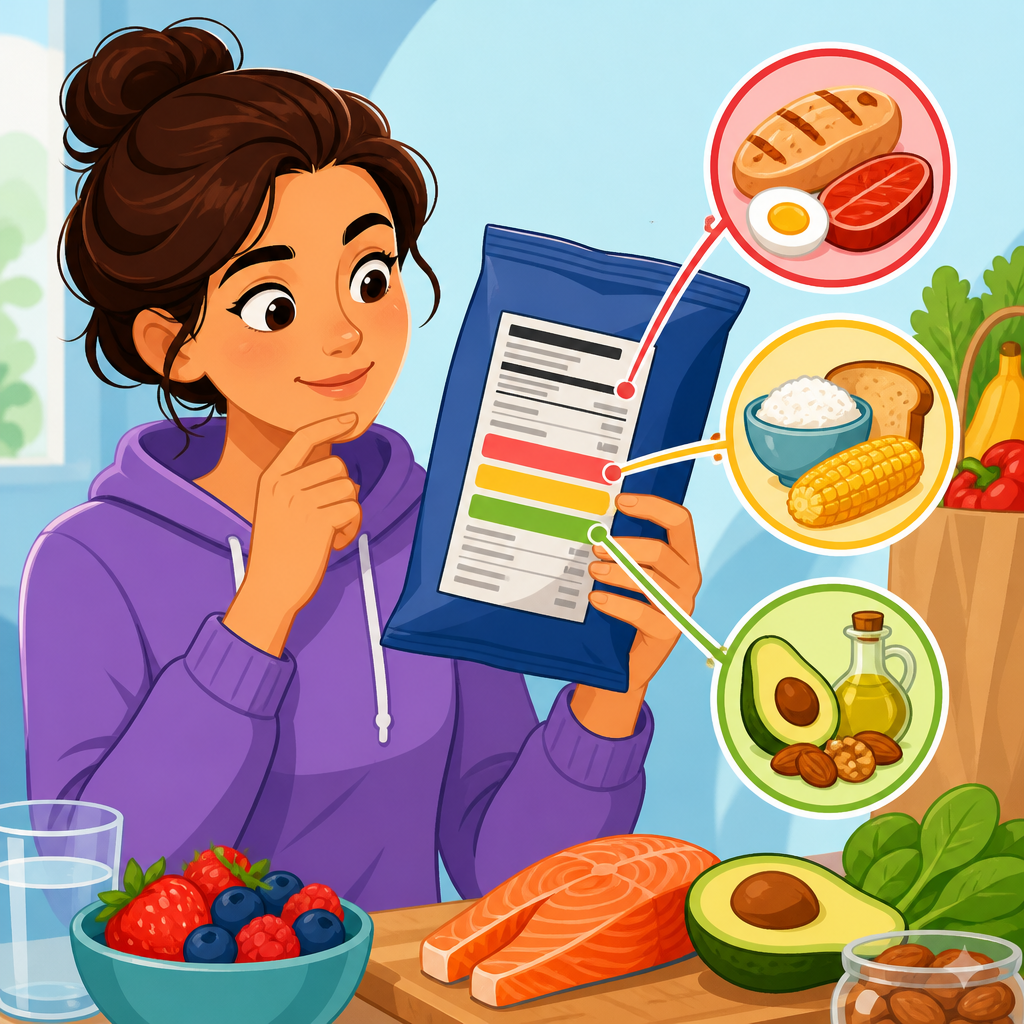
When checking labels, look for cyanocobalamin or methylcobalamin in the ingredient list or a listed vitamin B12 amount in the nutrition panel. Cyanocobalamin is the most studied supplemental and fortification form and is typically very stable. Methylcobalamin is also used, but it may be less stable in some applications and often requires higher dosing in supplements to achieve comparable reliability. In food fortification, consistency is what matters. If you rely on fortified foods, use products you buy repeatedly and verify the label each time manufacturers reformulate.
| Source | Typical B12 range | Best use | Key limitation |
|---|---|---|---|
| Fortified plant milk | 1 to 3 mcg per cup | Daily meals, smoothies, cereal | Not all brands are fortified equally |
| Fortified breakfast cereal | 0.6 to 6 mcg per serving | Convenient regular intake | Serving sizes vary; some are high in sugar |
| Fortified nutritional yeast | 2 to 8 mcg per tablespoon or serving | Sprinkled on savory foods | Some products are unfortified |
| B12 supplement | 25 to 1000 mcg or more | Most reliable coverage | Requires routine adherence |
A simple food-based pattern might include one cup of fortified soy milk at breakfast, fortified cereal or nutritional yeast later in the day, and another fortified food in the evening. That can work if the total reaches recommended intake consistently. Still, it takes label reading and repetition. In my experience, people who travel often, cook from scratch, or change brands frequently usually do better with supplements because food fortification becomes unpredictable. Fortified foods are useful, but they are only reliable when intake is deliberate.
Fortification: how it works and why it matters
Fortification is the addition of essential nutrients to foods to improve public health or fill predictable dietary gaps. With B12, fortification is especially valuable because it places the vitamin into foods commonly eaten by plant-based consumers without requiring a major behavior change. Public health history shows fortification can meaningfully reduce deficiency risk when implemented consistently; examples include iodine in salt and folic acid in enriched grain products. B12 fortification serves a similar role for populations with low intake of animal products.
Not every fortified food is equally useful. Some products contain tiny amounts that contribute little unless eaten several times daily. Others provide enough for one meaningful exposure. Because active absorption through intrinsic factor saturates, smaller repeated intakes may be more efficient than one modest intake. That is why many clinicians suggest consuming fortified foods two or three times per day if using food alone. For example, three servings that each provide around one microgram can support intake more effectively than assuming one sporadic serving covers the week.
Fortification also has limits. It depends on access, affordability, and consumer understanding. Organic or minimally processed product lines are sometimes less likely to be fortified. Restaurant meals rarely display full micronutrient information. Homemade plant milks and artisanal foods usually contain no added B12 unless specifically fortified. For families with children, these details matter because kids may not consume enough volume of fortified foods to reach targets. In those cases, supplements are often simpler and more reliable than trying to engineer every meal around label math.
Supplements: the most dependable B12 strategy
Supplements are the most dependable way for vegans and many vegetarians to meet B12 needs. They bypass the uncertainty of food choices and provide standardized doses. Common maintenance strategies for healthy adults include a daily supplement in the 25 to 100 microgram range or a larger dose, such as 1000 to 2000 micrograms, taken once or twice weekly. These schedules work because only a fraction of a large supplemental dose is absorbed passively, but that fraction is still enough when the dose is high and taken regularly.
Cyanocobalamin is generally the first-line form because of its stability, low cost, and strong evidence base. Methylcobalamin is popular and can be effective, but it often requires more frequent or higher dosing for equivalent assurance. Hydroxocobalamin and adenosylcobalamin appear in some products, though they are less common in routine self-care. Chewable, sublingual, capsule, liquid, and tablet forms can all work; convenience and adherence matter more than marketing claims about special absorption. Unless a person has a diagnosed absorption disorder, there is usually no need to pay a premium for exotic delivery systems.
There are, however, cases where standard oral advice is not enough. Pernicious anemia, severe deficiency, major gastrointestinal surgery, inflammatory bowel disease involving the ileum, or profound malabsorption may require clinician-directed treatment, including high-dose oral therapy or intramuscular injections. This is where self-diagnosis becomes risky. If someone has symptoms or abnormal laboratory markers, supplementation should be guided by a healthcare professional who can interpret cause, severity, and follow-up intervals correctly.
Testing, deficiency signs, and monitoring
B12 status is not always captured perfectly by a single blood test. Serum B12 is common and useful, but borderline results can miss functional deficiency. Better assessment often includes methylmalonic acid, homocysteine, and sometimes holotranscobalamin, interpreted alongside symptoms, diet history, and complete blood count. Elevated methylmalonic acid is especially informative because it rises when B12-dependent metabolism is impaired. Folate intake can correct anemia while neurological damage continues, so normal blood counts do not guarantee adequate status.
Symptoms deserve respect because they may develop gradually and mimic other conditions. Fatigue, weakness, tingling in hands or feet, poor concentration, depression, dizziness, tongue soreness, and gait changes can all appear. In infants and young children, low B12 can impair growth and neurodevelopment, making prevention urgent for vegan households during pregnancy, breastfeeding, and complementary feeding. I have seen the biggest problems arise not from plant-based eating itself, but from adults assuming “whole food” means no supplements are necessary. With B12, that assumption is where preventable harm begins.
Reasonable monitoring depends on risk. A healthy adult vegan taking regular supplements may not need frequent testing, but baseline labs and periodic review are sensible, especially when diet changes, pregnancy begins, symptoms arise, or absorption concerns exist. Older adults, long-term metformin users, and people with digestive disease should discuss surveillance with their clinician. Testing is not a substitute for prevention, but it is an important quality check.
How B12 fits into the wider micronutrients picture
As the hub for micronutrients: vitamins and minerals, this topic sits within a larger nutrition framework. Plant-based eaters should also pay attention to iron, zinc, iodine, calcium, vitamin D, selenium, omega-3 fats, and sometimes riboflavin, depending on food choices. B12 stands out because it cannot be covered reliably by unfortified plant foods, but it should be managed alongside the rest of the micronutrient pattern rather than in isolation.
A practical approach is to pair B12 planning with routine meal design. Fortified soy milk can support B12, calcium, and sometimes vitamin D. Iodized salt can help iodine. Legumes, tofu, pumpkin seeds, and whole grains support iron and zinc, while vitamin C-rich produce improves nonheme iron absorption. Brazil nuts may contribute selenium, though amounts vary. This is how good plant-based nutrition works in real life: not by chasing superfoods, but by combining evidence-based staples, fortification, and selective supplementation where biology makes it necessary.
Vitamin B12 is the decisive micronutrient test of whether a plant-based diet is merely idealistic or genuinely well planned. The evidence is consistent: unfortified plant foods are not reliable B12 sources, fortified foods can help when used deliberately, and supplements are the simplest, most dependable option for many people. Understanding dose, absorption, symptoms, and testing turns B12 from a source of confusion into a manageable routine.
The main benefit of getting B12 right is not just avoiding deficiency on paper. It is protecting nerve health, energy metabolism, blood formation, pregnancy outcomes, and long-term confidence in a plant-based way of eating. Once you solve B12 consistently, the rest of plant-based nutrition becomes much easier to organize because you are no longer guessing about the one micronutrient that cannot be left to chance.
If you eat fully or mostly plant-based, check your labels, choose a reliable fortified food pattern or supplement schedule, and discuss testing if you have symptoms or added risk factors. Then use that same deliberate mindset to review the rest of your vitamins and minerals. Good nutrition basics start with clarity, and vitamin B12 is where that clarity matters most.
Frequently Asked Questions
Why is vitamin B12 such a major concern in plant-based diets?
Vitamin B12 is one of the most important nutrients to plan for when eating a plant-based diet because it is essential for red blood cell formation, DNA synthesis, energy metabolism, and normal nerve function. Unlike nutrients that are naturally abundant in beans, grains, vegetables, nuts, and seeds, B12 is not reliably supplied by unfortified plant foods. That is because vitamin B12 is produced by certain microorganisms, not by plants or animals themselves. In modern food systems, people mainly get B12 through animal products, fortified foods, and supplements. For vegans, and for many vegetarians who eat limited amounts of dairy or eggs, this creates a real risk of low intake unless B12 is included intentionally.
This matters because B12 deficiency can develop gradually and may go unnoticed for a long time. Early signs can include fatigue, weakness, brain fog, numbness or tingling, poor memory, mood changes, and megaloblastic anemia. If a deficiency becomes prolonged, neurological damage can occur and may not always be fully reversible. Because the body stores some B12, a person may feel fine for months or even years while intake remains too low. That delay can create a false sense of security. In practical terms, anyone reducing or eliminating animal foods should treat B12 as a non-negotiable part of nutrition planning, just like protein or calcium. The good news is that preventing deficiency is usually straightforward with regular use of fortified foods, a reliable supplement, or both.
Can you get enough vitamin B12 from plant foods alone?
In general, no. Unfortified plant foods are not considered reliable sources of active vitamin B12. While some products such as seaweed, spirulina, fermented foods, mushrooms, or certain algae are sometimes promoted as natural plant-based B12 sources, they are inconsistent at best and should not be trusted as the sole source of intake. In many cases, these foods contain little to no usable B12, or they may contain B12-like compounds that do not adequately meet human needs. Relying on them is one of the most common mistakes people make when transitioning to vegan or mostly plant-based eating.
If you want to meet B12 needs on a plant-based diet, the dependable options are fortified foods and supplements. Fortified plant milks, breakfast cereals, nutritional yeast, meat alternatives, and some bars or convenience foods can contribute meaningful amounts, but only if the label specifically lists vitamin B12. It is important to check serving sizes and the percentage of the daily value rather than assuming all brands are fortified equally. Many people find that supplements offer the simplest and most consistent backup, especially if their intake of fortified foods varies from day to day. For strict vegans, supplementation is often the easiest way to remove uncertainty. For vegetarians, whether a supplement is necessary depends on overall intake from eggs, dairy, fortified foods, and individual needs, but many still benefit from using one regularly.
What are the best fortified foods and supplements for vitamin B12 on a plant-based diet?
The best fortified foods are the ones you actually eat consistently and that clearly provide enough B12 per serving. Common examples include fortified plant milks, fortified breakfast cereals, fortified nutritional yeast, and some plant-based yogurts or meat alternatives. These foods can be very useful because they fit naturally into daily meals. For example, someone might get B12 from fortified soy milk at breakfast, nutritional yeast at lunch, and a fortified cereal or snack later in the day. However, fortification levels vary widely across brands and countries, so labels matter. A food that seems healthy or plant-based is not automatically a B12 source.
Supplements are often the most practical and dependable option because they allow for precise, regular intake. Vitamin B12 supplements are commonly available as cyanocobalamin or methylcobalamin. Both can be used, but cyanocobalamin is often recommended because it is well studied, stable, effective, and usually more affordable. Supplements may come as tablets, chewables, sublingual lozenges, sprays, or multivitamins. What matters most is not the format but the consistency of use and the amount provided. Some people prefer a smaller daily dose, while others choose a larger dose taken a few times per week. Either strategy can work when used correctly. The best choice depends on your routine, age, digestive health, and whether you are meeting part of your needs through fortified foods. If you want a simple strategy with minimal guesswork, many plant-based eaters choose a dedicated B12 supplement rather than relying entirely on food fortification.
How much vitamin B12 do vegans and vegetarians need, and how often should they take it?
Daily vitamin B12 requirements are relatively small, but meeting them consistently requires planning because absorption is more complicated than with many other vitamins. General adult needs are often listed at around 2.4 micrograms per day, with higher needs during pregnancy and breastfeeding. However, supplement recommendations are usually much higher than the daily requirement because the body only absorbs a portion of the B12 consumed at one time, especially from larger doses. That is why plant-based nutrition guidance often suggests either regular intake of fortified foods spread across the day or a supplement schedule that accounts for lower absorption efficiency.
In practice, many adults on fully plant-based diets use one of two approaches: a modest daily supplement or a larger supplement taken a few times per week. The exact amount depends on the product, the form, and how much B12 is coming from fortified foods. People over 50, those with digestive disorders, those taking certain medications such as metformin or acid-reducing drugs, and anyone with a history of deficiency may need closer attention and more individualized guidance. Pregnant and breastfeeding vegans should be especially careful, because inadequate B12 can affect both parent and baby. Since needs and absorption can vary, it is wise to discuss a specific plan with a qualified healthcare professional and to use blood testing when appropriate to confirm that your strategy is working.
How can you tell if you are low in vitamin B12, and should you get tested?
Vitamin B12 deficiency can be difficult to recognize based on symptoms alone because the signs are often vague at first and can overlap with many other health issues. People may notice unusual tiredness, shortness of breath, pale skin, dizziness, reduced exercise tolerance, numbness or tingling in the hands and feet, balance problems, poor concentration, memory changes, depression, or a sore tongue. Some people develop anemia, while others have neurological symptoms before anemia ever appears. That is one reason deficiency should be taken seriously in vegan and vegetarian nutrition. Waiting until symptoms become obvious is not the best strategy.
Testing can be very useful, especially for vegans, long-term vegetarians, pregnant or breastfeeding individuals, older adults, and anyone with symptoms or inconsistent B12 intake. A healthcare professional may order serum B12, methylmalonic acid, homocysteine, or a complete blood count, depending on the situation. No single test is perfect in every case, so results are often interpreted together with symptoms, diet history, and medical factors. If deficiency is found, treatment may involve higher-dose oral supplements or, in some situations, injections. The most important takeaway is that B12 deficiency is preventable and usually manageable when caught early. If you eat little or no animal food, using a reliable B12 source and checking your status when needed is one of the smartest long-term health habits you can build.