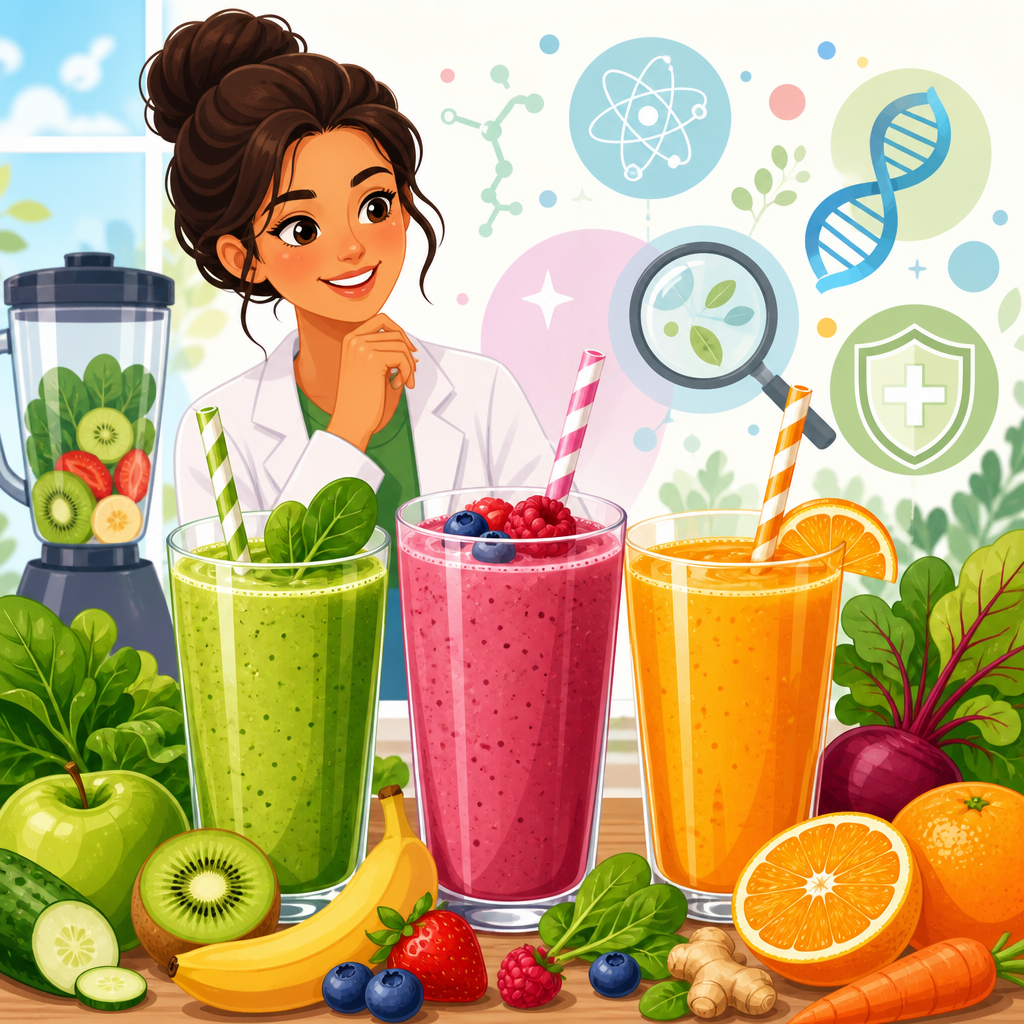
Smoothies and juices are often grouped together as quick ways to raise fruit and vegetable intake, but science shows they work differently in the body and fit different nutrition goals. A smoothie typically blends whole produce with liquid, keeping most of the fiber, while a juice separates liquid from pulp, concentrating certain vitamins, minerals, and plant compounds but removing much of the insoluble fiber. That distinction matters because fiber affects fullness, digestion, blood sugar response, and the speed at which nutrients are absorbed. In practice, I have seen people use both well when they understand the tradeoffs: smoothies can replace or support a balanced snack or breakfast, and juices can help people who struggle to eat enough produce, need easy calories around exercise, or want a concentrated source of micronutrients.
The idea of a nutrient boost is straightforward. It means increasing intake of essential nutrients such as vitamin C, folate, potassium, magnesium, carotenoids, and polyphenols without dramatically increasing preparation time. For many households, that matters because most adults still fall short on recommended fruit and vegetable intake. Public health guidance from organizations such as the World Health Organization and the U.S. Dietary Guidelines consistently links higher intake of plant foods with lower risk of cardiovascular disease, hypertension, and some cancers. Smoothies and juices can help close that gap, especially when convenience, chewing difficulty, poor appetite, travel, or busy work schedules make whole produce harder to eat consistently.
Still, not every blended drink deserves a health halo. A smoothie made with berries, plain yogurt, spinach, oats, and chia seeds has a very different metabolic effect than a large fruit smoothie loaded with juice, syrups, and frozen yogurt. The same is true for juice: a small glass of orange juice alongside eggs and toast is nutritionally different from drinking several bottles of sweetened juice beverages marketed as wellness products. Science does support real benefits from carefully built smoothies and juices, but those benefits depend on ingredients, portion size, timing, and what the drink replaces in the diet. This article explains what evidence says, where these drinks help most, and how to use them intelligently within meal planning.
What nutrients smoothies and juices actually deliver
Smoothies and juices can provide substantial amounts of vitamins, minerals, and phytochemicals in a form many people consume more reliably than salads or cooked vegetables. Citrus juices are best known for vitamin C and folate. Carrot-based drinks are rich in beta-carotene, which the body converts to vitamin A as needed. Green smoothies commonly add vitamin K, folate, lutein, and nitrate from spinach or kale. Bananas contribute potassium, yogurt adds calcium and protein, and seeds supply omega-3 fats, magnesium, and extra fiber. When I formulate smoothies for clients who dislike vegetables, I often pair berries with greens because anthocyanins from berries and carotenoids from greens create broad micronutrient coverage without a strong vegetal taste.
Juicing can improve access to compounds that are hard to consume in large amounts from whole produce at one sitting. For example, beet juice can deliver meaningful dietary nitrate, which has been studied for blood pressure support and exercise performance through nitric oxide pathways. Tomato juice provides lycopene, a carotenoid associated with cardiovascular and prostate health research. Tart cherry juice has been examined for recovery and sleep support because of its polyphenol profile. These are not miracle foods, but they are examples of how a juice can function as a targeted delivery system for specific compounds when matched to a clear nutrition objective.
Nutrient retention depends on processing, oxygen exposure, heat, and storage time. Freshly blended smoothies tend to preserve fiber and most minerals well, though vitamin C can decline with prolonged storage. Cold-pressed juice may protect some heat-sensitive compounds better than pasteurized shelf-stable juice, but food safety and shelf life are shorter. Frozen fruit is often nutritionally comparable to fresh because it is usually frozen near harvest. That is why a frozen berry smoothie can be a strong option year-round. The key point is simple: the best nutrient boost comes from drinks built on recognizable whole ingredients and consumed close to preparation, not from highly sweetened products with token fruit content.
How fiber changes fullness, blood sugar, and gut health
The biggest nutritional difference between smoothies and juices is fiber. Blending disrupts plant cell walls but usually keeps most of the fiber in the glass. Juicing removes much of it. That changes digestion. Fiber slows gastric emptying, increases satiety, and reduces the sharpness of post-meal blood sugar rises. In practical meal planning, a smoothie can hold someone until lunch if it contains fruit, protein, and fat; a juice alone usually will not. This is why I treat smoothies as potential mini-meals and juices as beverages or accompaniments unless they are paired with protein-rich or high-fiber foods.
Not all smoothies produce the same glycemic response. A smoothie made mostly from mango, pineapple, and juice can digest quickly despite containing some fiber. By contrast, one built with berries, kefir, nut butter, and flax usually leads to steadier energy because it combines lower-sugar fruit with protein, fat, and soluble fiber. Soluble fibers from oats, chia, flax, and fruit pectin can form viscous gels in the gut, helping moderate glucose absorption. That matters for people with insulin resistance, prediabetes, or type 2 diabetes. These individuals do not always need to avoid smoothies, but they should prioritize lower-sugar ingredients, include protein, and watch portions carefully.
Fiber also feeds the gut microbiota. Whole fruits, vegetables, oats, legumes, nuts, and seeds provide fermentable substrates that support short-chain fatty acid production, which is linked to colon health and metabolic regulation. Juice contributes plant compounds but much less fermentable material. If a person relies heavily on juices and rarely eats intact produce, they may miss one of the main benefits associated with plant-rich diets. For gut health, smoothies are generally the stronger choice. A useful rule is to think of juice as concentrated produce essence and smoothies as a more complete plant food in drinkable form.
What research says about major health benefits
Evidence supports several realistic benefits when smoothies and juices are part of an overall healthy diet. The strongest general benefit is improved fruit and vegetable intake, which is consistently associated with better cardiovascular and metabolic outcomes. If a morning smoothie helps someone move from one serving of produce a day to four or five, that is meaningful. I have watched adherence make the difference more than any single ingredient. People follow simple routines. A repeatable smoothie habit often succeeds because it reduces shopping friction, prep time, and decision fatigue.
Specific juices also have evidence-backed uses. Beetroot juice has shown modest benefits for endurance performance and blood pressure in some studies due to nitrate conversion to nitric oxide, especially when used regularly or before exercise. Tart cherry juice has been studied for reducing exercise-induced soreness and supporting sleep quality, although results vary by dose and training status. Orange juice can improve vitamin C intake and may help iron absorption when consumed with iron-rich foods. Pomegranate juice has demonstrated antioxidant effects, though claims beyond that are often exaggerated. These benefits are conditional, not universal, and the research usually involves standardized amounts rather than casual sipping.
Weight management is where nuance matters most. Smoothies can support weight control when they replace less satisfying, ultra-processed snacks or when they are structured with adequate protein and fiber. However, liquid calories are generally easier to overconsume than whole foods. Juice is even easier to drink quickly and in large amounts, which can raise calorie and sugar intake without much fullness. For athletes, older adults with low appetite, or people recovering from illness, that can be useful. For sedentary adults trying to lose weight, it often is not. Science does not say these drinks are inherently fattening or slimming. It says context determines the outcome.
Best ingredients, smart combinations, and common mistakes
The most effective smoothie and juice strategies come from ingredient selection, not trendy add-ins. Start with a purpose: satiety, recovery, micronutrient density, digestive tolerance, or convenience. Then build accordingly. For a balanced smoothie, I usually use a fruit base, a vegetable, a protein source, and a fat or fiber booster. Greek yogurt, kefir, soy milk, or protein powder increase staying power. Spinach, frozen cauliflower, zucchini, or pumpkin raise nutrient density without dominating flavor. Chia, flax, oats, and nut butter improve texture and fullness. For juice, focus on vegetables first, use fruit strategically for palatability, and keep portions moderate unless there is a clear calorie need.
| Goal | Better smoothie build | Better juice build |
|---|---|---|
| Steady energy | Berries, Greek yogurt, spinach, oats, chia | Small orange and carrot juice with eggs or yogurt |
| Post-workout recovery | Banana, milk, whey protein, cocoa, oats | Tart cherry or beet juice paired with a protein-rich meal |
| Higher vegetable intake | Mango, spinach, kefir, flax | Cucumber, celery, lemon, apple, ginger |
| Easy calories | Banana, peanut butter, whole milk, dates | 100 percent juice with a sandwich or snack |
Common mistakes are easy to spot. The first is treating smoothies as automatically healthy regardless of size. A 24-ounce café smoothie can contain more calories than a meal and less protein than a cup of yogurt. The second is using juice as a detox tool. The liver and kidneys already handle detoxification; juice cleanses do not improve that biology and may leave people low in protein and overly hungry. The third mistake is ignoring dental health. Frequent sipping of acidic fruit drinks can increase enamel erosion risk. Drinking them with meals, not grazing on them for hours, is a practical protective step.
Food safety matters too. Unpasteurized juices can carry microbial risk, especially for pregnant people, older adults, young children, and anyone immunocompromised. Wash produce thoroughly, clean blender seals and juicer parts, refrigerate promptly, and avoid storing fresh juice for long periods. If oxalate kidney stones are a concern, very large amounts of spinach-based drinks may not be wise; rotating greens is better. If gastrointestinal sensitivity is an issue, high-FODMAP ingredients such as large amounts of apple, pear, or certain sweeteners can trigger bloating. Good meal planning means matching the drink to the individual, not copying a generic recipe from social media.
How to use smoothies and juices in meal planning
As a hub topic within recipes and meal planning, smoothies and juices work best when assigned clear roles in the week. A smoothie can be breakfast on rushed mornings, a recovery snack after training, or a bridge meal during long workdays. Juice is usually most useful as a small companion to a meal, a pre-exercise carbohydrate source, or a concentrated option when appetite is low. Planning this way prevents the common problem of stacking drinks on top of regular meals and accidentally increasing total intake more than expected.
A practical system is to keep freezer packs for smoothies and use a simple formula. Choose one fruit, one vegetable, one protein source, and one booster such as oats, flax, or nut butter. Keep liquid portions measured so texture stays consistent. For juices, think in smaller servings, often four to eight ounces, and pair them with meals containing protein or fiber. If the goal is more vegetables, use smoothies to hide mild greens and juices to make stronger produce such as beet or celery easier to tolerate. This subtopic connects naturally to recipe planning, grocery prep, batch freezing, and portion strategy because consistency creates the real nutritional payoff.
The bottom line is that smoothies and juices can deliver a genuine nutrient boost when they are built with intention and used in the right context. Smoothies generally offer more fiber, better fullness, and stronger support for blood sugar control and gut health. Juices can deliver concentrated vitamins and plant compounds, and certain varieties such as beet, orange, tomato, and tart cherry have specific evidence-based uses. Neither category is automatically healthy, and neither should replace most whole fruits and vegetables. But both can make a plant-rich diet more practical, especially for busy people, athletes, older adults, and selective eaters.
Use smoothies as structured mini-meals, use juices as targeted additions, and judge each drink by ingredients rather than marketing. Favor whole foods, moderate portions, and combinations that include protein or fiber when needed. If you are building a meal plan around better nutrition, start with one repeatable recipe you can make three times this week, then expand from there. That simple habit is where the science becomes useful in everyday life.
Frequently Asked Questions
What is the main nutritional difference between a smoothie and a juice?
The biggest difference is fiber. A smoothie is usually made by blending whole fruits and vegetables with a liquid such as water, milk, or yogurt, so most of the edible parts of the produce remain in the drink. That means smoothies generally retain much of the dietary fiber, especially if the skins, pulp, and seeds are included. Juice, by contrast, typically extracts the liquid and leaves behind much of the pulp and insoluble fiber. As a result, juice can still provide vitamins, minerals, and beneficial plant compounds, but it does not deliver the same fiber-related benefits as a smoothie.
That difference affects how the body responds. Fiber helps slow digestion, supports gut health, contributes to fullness, and can reduce how quickly natural sugars enter the bloodstream. Because smoothies usually keep more fiber intact, they may be more satisfying and may have a gentler effect on blood sugar than juice made from the same ingredients. Juice can still be useful, especially when someone wants a concentrated source of nutrients in a smaller volume, but it functions differently nutritionally. In simple terms, smoothies are often closer to eating whole produce, while juices are more like a concentrated extract of certain nutrients and phytochemicals.
Are smoothies healthier than juices?
Not automatically, but in many cases smoothies have an advantage because they preserve more of the whole food structure. Science consistently supports higher intake of fruits and vegetables, and smoothies can be an effective way to increase that intake while keeping fiber in the diet. For many people, that makes smoothies a stronger everyday option for satiety, digestive support, and steadier energy. A well-balanced smoothie that includes vegetables, fruit, protein, and healthy fats can also function more like a light meal or substantial snack than a sweet beverage.
That said, “healthier” depends on the goal and the recipe. A smoothie loaded with fruit juice, sweetened yogurt, syrups, or large portions of high-sugar ingredients can quickly become calorie-dense and high in sugar. Juice is not inherently unhealthy either. Even without much fiber, 100% juice can still supply vitamin C, potassium, folate, and antioxidant compounds, depending on the produce used. For someone with a low appetite, increased nutrient needs, or difficulty chewing and digesting large amounts of whole produce, juice may be a practical tool. The science-based takeaway is that smoothies and juices are not interchangeable, and the healthier choice depends on portion size, ingredients, and how the drink fits into the overall diet.
How do smoothies and juices affect blood sugar and fullness?
Fiber is one of the main reasons smoothies and juices can produce different effects on appetite and blood sugar response. When fiber remains in a smoothie, it helps slow gastric emptying and digestion, which can moderate the speed at which carbohydrates are absorbed. This often leads to better fullness after drinking and may reduce the likelihood of a rapid rise and fall in blood sugar. Smoothies that also include protein sources like Greek yogurt, milk, kefir, soy milk, or protein powder, along with healthy fats such as nut butter, chia, or flax, may further support satiety and a more balanced glycemic response.
Juices, especially those made mostly from fruit, are generally absorbed more quickly because much of the fiber has been removed. That can make them less filling and may lead to a faster increase in blood sugar for some people, particularly if they are consumed alone and in large amounts. This does not mean juice must be avoided, but it does mean portion and context matter. Smaller servings, pairing juice with a meal, and choosing blends that include lower-sugar vegetables can make a difference. For people managing diabetes, insulin resistance, or concerns about energy crashes, smoothies are often the more strategic option, though individualized guidance from a healthcare professional is still the best approach.
Can juices still offer real science-backed benefits if they contain less fiber?
Yes. Juice can still provide meaningful nutritional value, even though it lacks much of the fiber found in whole produce and smoothies. Depending on what is used, juice can deliver concentrated amounts of vitamins, minerals, and bioactive plant compounds such as polyphenols and carotenoids. For example, citrus juices can provide vitamin C, some vegetable juices offer potassium, and deeply colored fruits and vegetables may contribute antioxidant compounds associated with cellular protection and overall dietary quality. In some cases, juicing may also make it easier for a person to consume produce they otherwise would not eat in sufficient amounts.
There are also practical situations where juice can be helpful. People with reduced appetite, higher calorie or nutrient needs, digestive issues that limit tolerance for high-fiber foods, or recovery-related challenges may find juice easier to consume than bulky whole fruits and vegetables. However, the benefits are best understood in context: juice should not be treated as a complete replacement for whole produce. The science supports whole fruits and vegetables as the foundation, with juice used as a supplemental option rather than a nutritional equivalent. Choosing 100% juice, watching serving sizes, and avoiding products with added sugars are key ways to preserve its benefits without overdoing sugar intake.
What is the best way to use smoothies or juices for a nutrient boost without overloading on sugar?
The most effective approach is to build the drink around nutrient density rather than sweetness. For smoothies, that usually means emphasizing vegetables, moderate portions of whole fruit, and additions that improve staying power, such as unsweetened yogurt, kefir, milk, fortified plant milk, oats, chia seeds, flaxseeds, or nut butter. Using whole fruit instead of fruit juice as the base helps keep fiber higher, and including leafy greens, cucumber, cauliflower, zucchini, or avocado can raise the nutrient content without dramatically increasing sugar. Portion size still matters, because even nutritious smoothies can become very high in calories when oversized or packed with multiple sweet ingredients.
For juices, the best strategy is to think of them as concentrated produce servings, not free-flowing hydration. Choosing 100% juice, keeping servings moderate, and favoring vegetable-forward combinations can help limit sugar load while still delivering vitamins and phytochemicals. It is also wise to avoid “juice drinks” that contain added sweeteners. If blood sugar or fullness is a concern, drinking juice alongside a meal that includes protein, fat, and fiber can soften its impact. Overall, the science-based recommendation is simple: use smoothies when you want something more filling and fiber-rich, use juice when you want a smaller-volume nutrient source, and rely on whole fruits and vegetables as the core of a balanced eating pattern.