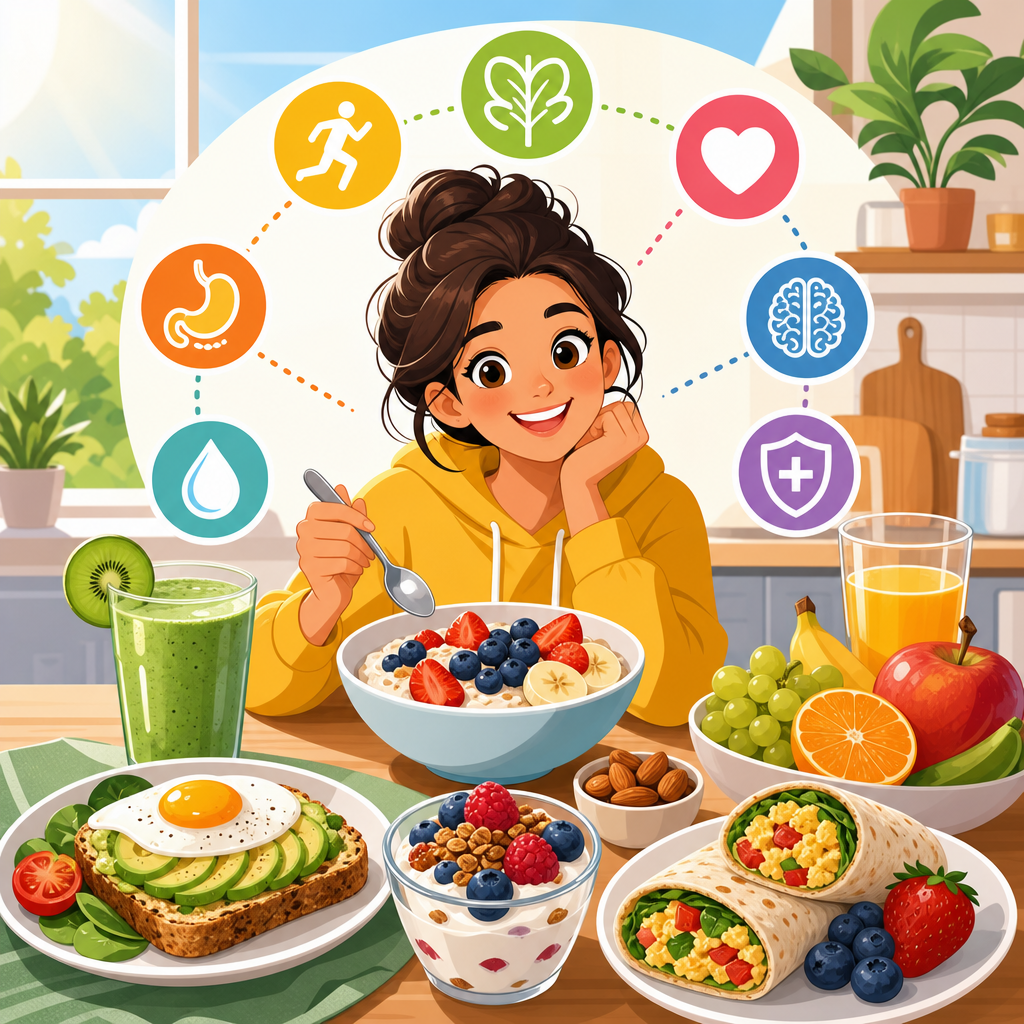
Smoothies and juices can be powerful tools for improving daily nutrition, but they work best when you understand what each drink delivers, what it leaves out, and how to use it within a balanced eating pattern. In my experience planning meals for busy households and reviewing recipe nutrition, people often treat smoothies and juices as interchangeable, even though they differ sharply in fiber content, satiety, blood sugar impact, and practical use. A smoothie typically blends whole fruits, vegetables, and optional ingredients such as yogurt, milk, seeds, oats, or protein powder into a thick drink that retains the edible parts of the produce. Juice extracts liquid from fruits and vegetables while removing most insoluble fiber and pulp. That single difference changes digestion speed, fullness, texture, and nutrient density per sip.
Understanding smoothies and juices for nutrient boost matters because many people struggle to meet recommendations for fruit, vegetables, calcium, potassium, and other shortfall nutrients identified in dietary guidance. A well-built smoothie can help someone add greens, berries, protein, and healthy fats in one meal. A properly used juice can deliver concentrated fluid, vitamins, and phytonutrients for someone with low appetite, heavy training demands, or a need for quick, easy intake. At the same time, both can become sugar-heavy, calorie-dense, or nutritionally lopsided if built around fruit juice, sherbet, sweetened yogurt, or oversized portions. The goal is not to label one good and the other bad. The goal is to match the drink to the job.
This hub article explains the key facts that shape better nutrition decisions: how smoothies and juices affect nutrient intake, which ingredients improve quality, how to avoid common mistakes, and when each option makes sense. It also connects this topic to practical meal planning under Recipes & Meal Planning, because the best nutrient boost comes from routines you can repeat. If you know how to build drinks with adequate protein, smart carbohydrate balance, and meaningful micronutrient variety, smoothies and juices move from wellness trend to useful kitchen strategy.
What Smoothies and Juices Actually Contribute
The main nutritional value of smoothies and juices comes from their ability to increase intake of fruits and vegetables, along with vitamins, minerals, water, and plant compounds such as carotenoids, flavonoids, and polyphenols. Smoothies generally contribute more fiber because blending keeps the whole produce intact. Fiber supports digestion, helps moderate post-meal glucose response, and improves fullness. Juices usually contribute less fiber but can provide concentrated vitamin C, folate, potassium, and antioxidants depending on the ingredients. Orange juice, for example, is known for vitamin C and folate, while carrot juice supplies beta-carotene, and beet juice is often used for dietary nitrate intake before endurance exercise.
These drinks can also increase variety. Many people will not sit down to eat spinach, kefir, frozen berries, chia seeds, and oats separately, but they will drink them together in a balanced smoothie. Likewise, someone recovering from illness or dealing with reduced appetite may tolerate a small glass of vegetable-forward juice more easily than a full plate of produce. The convenience factor matters. Nutrition advice fails when it ignores how people actually shop, prep, and eat during workweeks.
Still, more nutrients per sip does not automatically mean a better choice. When produce is juiced, you can consume several pieces of fruit quickly, which raises sugar load without the slowing effect of intact fiber. Commercial smoothies can exceed 500 to 800 calories once sweetened bases, nut butters, flavored syrups, and large servings are involved. Even homemade versions can become unbalanced if they rely on banana, mango, juice, and honey without protein or fat. The nutritional contribution depends less on the label and more on formulation.
Smoothie Versus Juice: The Practical Nutrition Differences
If you want a simple rule, choose a smoothie when you need a mini-meal or meal component, and choose juice when you want hydration and fast, light nutrient intake. Smoothies are more filling because they usually contain fiber, thicker texture, and often protein or fat. That makes them useful for breakfast, post-workout recovery, or a bridge meal between lunch and dinner. Juice is lighter and faster to digest, which can be helpful before exercise, during periods of nausea, or when someone has difficulty chewing or digesting bulky foods.
From a blood sugar standpoint, smoothies often perform better than juices when they include whole produce plus protein and fat. A spinach-berry yogurt smoothie generally creates a steadier response than a large apple juice or pineapple juice. This does not mean juice is inherently harmful. Portion and context matter. A 4 to 8 ounce serving of mostly vegetable juice alongside eggs and toast behaves very differently from a 20 ounce fruit juice taken alone.
Texture also influences satisfaction. Research on satiety consistently shows that thicker foods and drinks can feel more substantial than thin liquids. In practice, people report staying full longer after a smoothie made with Greek yogurt, frozen fruit, and flax than after juice with the same fruit base. That is one reason smoothies often fit weight-management plans better. Juices fit better when the goal is gentle digestion, rapid absorption, or adding micronutrients without much volume.
| Feature | Smoothie | Juice |
|---|---|---|
| Fiber | Usually higher because whole produce is blended | Usually low because pulp is removed |
| Fullness | Higher, especially with protein and fat added | Lower, digests quickly |
| Best use | Breakfast, snack, recovery meal, meal component | Hydration, quick nutrient intake, low-appetite situations |
| Blood sugar impact | Often steadier when balanced with protein and fiber | Can rise faster, especially fruit-heavy options |
| Typical add-ins | Yogurt, milk, seeds, oats, protein powder | Lemon, ginger, herbs, vegetable bases |
How to Build a Smoothie for Better Nutrition
A nutritionally strong smoothie follows a structure. I use five parts: produce, protein, liquid, healthy fat, and an optional functional add-in. Produce should include at least one fruit for flavor and one vegetable for micronutrient range. Berries, banana, mango, spinach, kale, zucchini, cauliflower, pumpkin, and cucumber all work well. Protein should usually reach 15 to 30 grams if the smoothie is replacing a meal or serving as recovery nutrition. Greek yogurt, kefir, cottage cheese, soy milk, ultra-filtered milk, or a tested protein powder are practical options. Liquid can be milk, fortified soy beverage, or unsweetened kefir rather than fruit juice, which helps control sugar concentration.
Healthy fats improve staying power and absorption of fat-soluble nutrients such as vitamins A, D, E, and K. Chia seeds, ground flaxseed, hemp seeds, avocado, or a modest spoon of nut butter can do this job. Functional add-ins should solve a real problem, not create one. Oats add carbohydrate and soluble fiber for people who need more staying power. Cocoa adds flavor and flavanols. Cinnamon improves palatability but is not a cure for high blood sugar. Ginger can support taste and reduce nausea in some people. Keep extras purposeful because “superfood” stacking can produce a drink that is expensive, gritty, and far more caloric than expected.
Portion size matters. A sensible smoothie is often 12 to 16 ounces, not a blender pitcher split into one oversized serving. A useful template is 1 cup fruit, 1 cup leafy or mild vegetables, 3/4 to 1 cup protein-rich base, 1 tablespoon seeds or nut butter, and enough liquid to blend. That pattern delivers balance without turning the drink into dessert. Frozen fruit improves texture without needing ice cream or sherbet. If sweetness is still lacking, use ripe fruit first before adding honey or dates.
How to Use Juice Without Losing the Nutrition Plot
Juice can fit a healthy routine when it is treated as a concentrated produce supplement, not a replacement for all whole fruits and vegetables. The strongest juices are usually vegetable-led, with small amounts of fruit to soften bitterness. Carrot-orange-ginger, cucumber-celery-lemon, tomato-based blends, and beet-carrot-apple combinations are common because they balance taste with nutrient value. Citrus adds vitamin C and brightness. Ginger and herbs improve flavor without extra sugar. Beets are widely used in sports nutrition because their nitrate content may support nitric oxide production and exercise performance, although results vary with dose and timing.
The limitation is fiber loss. Most home juicers remove skins, membranes, and pulp that contribute fullness and digestive benefit. That means juice should usually be kept to smaller servings, often 4 to 8 ounces, and ideally paired with a meal containing protein, fat, or intact carbohydrates. If someone drinks juice alone and feels hungry an hour later, the drink was likely too light for the job. This is especially relevant for children, who can easily fill up on sweet drinks while missing protein-rich foods and whole produce.
Commercial cold-pressed juices deserve a balanced view. Pressure processing may preserve flavor and some heat-sensitive compounds better than traditional methods, but it does not magically solve the missing-fiber issue. Many bottled juices are still fruit-heavy and expensive. Read ingredient order, serving size, and total sugars. A green juice with cucumber, celery, spinach, lemon, and apple is very different from a “green” bottle based mainly on apple and pineapple. Nutritionally, names and colors mean little; ingredient ratios mean everything.
Common Mistakes, Special Situations, and Smarter Meal Planning
The most common smoothie mistake is building around sugar instead of structure. I often see recipes using orange juice, flavored yogurt, banana, mango, honey, and granola, which can push a breakfast drink beyond the energy of a full meal while leaving protein too low. Another mistake is assuming every green smoothie is healthy. If the base is mostly juice and sweet fruit, spinach does not fix the imbalance. On the juice side, the biggest mistake is using it as a vegetable substitute all day while eating very little whole food. That pattern reduces fiber and chewing satisfaction and can make appetite regulation harder.
Special situations deserve nuance. For athletes, smoothies are excellent for pre- or post-training depending on composition. A pre-workout option might be lower in fat and fiber to reduce stomach discomfort, while a recovery smoothie should include protein and carbohydrate. Juice can be useful before endurance events when quick carbohydrate and fluid are needed. For older adults with low appetite, nutrient-dense smoothies can raise protein, calcium, and calories without overwhelming portion size. For people with diabetes, smoothies usually work better than juices when they are portion-controlled and paired with protein, though individual glucose responses vary and should be monitored. For people with kidney disease, ingredient selection matters because potassium and phosphorus can add up quickly; clinical guidance is essential.
Meal planning is where these drinks become sustainable. Batch-freezing smoothie packs with measured fruit, greens, and seeds saves time and reduces waste. Keeping plain Greek yogurt, frozen berries, spinach, and fortified soy milk on hand creates a reliable base for weekday breakfasts. For juice, think in small strategic servings: a vegetable juice at lunch, or a beet-based juice before a long ride, not random bottles bought because the label promises a cleanse. As a hub under Recipes & Meal Planning, this topic connects naturally to make-ahead breakfasts, high-protein snacks, family-friendly produce ideas, and budget meal prep. The best nutrient boost is not the most fashionable recipe. It is the one you can repeat with consistent quality, realistic portions, and ingredients that support your broader nutrition goals.
Smoothies and juices are most useful when you stop asking which one is healthier in the abstract and start asking which one better fits the moment, the meal, and the nutritional gap you need to fill. Smoothies generally win on fiber, fullness, and meal value. Juices can still play a smart role when you want hydration, quick nutrient delivery, or a lighter option during exercise, illness, or low-appetite periods. In both cases, ingredient choices determine outcome. Whole produce, protein-rich bases, moderate portions, and limited added sugars create drinks that support better nutrition instead of disguising dessert as health food.
The key takeaway is simple: use smoothies to build balanced nourishment, and use juices as targeted additions rather than automatic stand-ins for whole foods. Keep fruit in proportion, bring in vegetables deliberately, and match the drink to your actual need. That approach improves satiety, nutrient variety, and day-to-day consistency. If you are organizing your Recipes & Meal Planning routine, start with one dependable smoothie formula, one vegetable-forward juice you genuinely enjoy, and a shopping list that makes both easy to prepare. Then expand into specialized recipes based on protein needs, exercise timing, family preferences, and seasonal produce.
Better nutrition rarely depends on a single ingredient or trendy method. It comes from repeated, informed choices that fit real life. Smoothies and juices can absolutely help you close nutrient gaps, eat more plants, and simplify busy days, but they work best when used with clear purpose. Review your current routine, identify where you need more produce, protein, or convenience, and build from there. Start with a balanced recipe this week, track how it affects fullness and energy, and use that insight to plan smarter meals going forward.
Frequently Asked Questions
1. What is the main difference between a smoothie and a juice for nutrition?
The biggest nutritional difference is fiber. A smoothie is usually made by blending whole fruits, vegetables, and other ingredients such as yogurt, milk, seeds, oats, or nut butter. Because the edible parts of the produce stay in the drink, smoothies generally retain much more fiber. That fiber helps slow digestion, supports fullness, and can reduce how quickly natural sugars enter the bloodstream. In practical terms, that often makes a smoothie more filling and better suited to serve as part of a meal or a substantial snack.
Juice works differently. When fruits or vegetables are juiced, much of the pulp and fiber is removed, leaving behind a concentrated liquid that can deliver vitamins, minerals, and plant compounds quickly. This can be useful when someone wants a light, easy-to-digest option or a concentrated source of produce. However, because juice is lower in fiber and easier to drink quickly, it is often less satisfying than a smoothie and can raise blood sugar more rapidly, especially if it is made mostly from fruit.
Neither option is automatically better in every situation. Smoothies are often the stronger choice for satiety, balanced energy, and meal support. Juices can be helpful when used intentionally, such as adding more vegetables to the day or when a person wants something refreshing and light. The most important point is not to treat them as interchangeable. They may come from similar ingredients, but they affect fullness, blood sugar, and overall nutrition in very different ways.
2. Are smoothies always healthier than juices?
Not always. Smoothies often have an advantage because they usually keep the fiber from whole produce, and that makes them more supportive for fullness and steadier energy. But “healthier” depends on the ingredients, the portion size, and how the drink fits into the rest of the day. A smoothie made with large amounts of fruit juice, sweetened yogurt, flavored syrups, and oversized portions can easily become high in sugar and calories without offering much balance. On the other hand, a thoughtfully prepared vegetable-forward juice can provide valuable nutrients with fewer added ingredients.
A good smoothie usually includes more than fruit alone. Combining produce with a protein source such as Greek yogurt, cottage cheese, soy milk, or protein powder, and sometimes a healthy fat such as chia seeds, flaxseed, avocado, or nut butter, creates a drink that is more complete nutritionally. That kind of smoothie is generally more useful for breakfast, post-workout recovery, or a filling snack. If it contains only blended fruit, it may still be nutritious, but it may not keep you full for long.
Juice can be part of a healthy eating pattern too, especially when it is mostly vegetables and used in modest amounts. The key is to see juice as a supplement to meals rather than a replacement for eating whole produce. If someone drinks juice thinking it offers exactly the same benefits as whole fruits and vegetables, they are likely overestimating what it contributes. If they use it strategically, it can still be a helpful addition.
3. Which is better for blood sugar control and staying full longer?
In most cases, smoothies are better for both blood sugar control and satiety. The reason comes back to fiber and meal composition. When fruits and vegetables are blended instead of juiced, the fiber remains in the drink. Fiber slows stomach emptying and digestion, which can help reduce sharp rises in blood glucose. Smoothies also tend to be paired more often with protein and fat, and those nutrients further improve staying power and create a steadier energy response.
Juices are absorbed more quickly because much of the fiber is removed. Even when the sugars are naturally occurring, they are delivered in a more concentrated form. That does not mean juice is inherently harmful, but it does mean it is less likely to satisfy hunger and more likely to leave someone hungry again soon, especially if it is consumed by itself. For people who are especially mindful of blood sugar, such as those with insulin resistance or diabetes, this difference matters a great deal.
If the goal is to stay full longer, a balanced smoothie is usually the more practical choice. A strong formula includes produce, protein, and some healthy fat. For example, blending berries, spinach, unsweetened milk, Greek yogurt, and chia seeds creates a different nutritional effect than drinking a large glass of fruit juice. The smoothie digests more slowly, tends to satisfy better, and supports more stable energy. Juice may still have a place, but it typically works best in smaller servings and alongside a meal or snack rather than on its own.
4. Can smoothies or juices replace meals?
Smoothies can sometimes replace a meal, but only when they are built to function like one. A meal replacement smoothie should contain enough protein, fiber, and overall substance to support fullness and provide lasting energy. That usually means including ingredients from multiple categories: fruits or vegetables for vitamins and minerals, a protein source for satiety and muscle support, and a source of healthy fat or complex carbohydrates for staying power. Without that balance, a smoothie may act more like a beverage than a true meal and leave you hungry soon after.
Juice is much less effective as a meal replacement. Because it is generally low in fiber and often low in protein and fat, it does not provide the same level of fullness or nutritional completeness. Even a nutrient-dense juice does not usually deliver the structure of a balanced meal. It may contribute valuable vitamins and hydration, but on its own it tends to fall short in the areas that help meals actually satisfy hunger and sustain energy.
For busy households, this distinction is especially important. People often grab a drink in place of breakfast or lunch and assume any produce-based option is enough. In reality, a meal-worthy smoothie needs intentional planning. Think of it as blended food, not just a flavored drink. Juice can still be useful in a busy routine, but it works better as a side item, a small nutrient boost, or an addition to a meal rather than the whole meal itself.
5. What is the best way to use smoothies and juices in a balanced eating pattern?
The best approach is to match the drink to the purpose. Use smoothies when you want something more filling, more balanced, and more likely to support meal satisfaction. They are particularly useful for breakfast, after exercise, or during busy times when chewing a full meal is less realistic. To make them nutritionally stronger, focus on vegetables and lower-sugar fruits, add a quality protein source, and keep an eye on portion size. A smoothie should complement your overall diet, not become a hidden source of excess calories or sugar.
Use juices more strategically. They can be a convenient way to increase vegetable intake, add variety, or provide a light and refreshing option when a heavy meal does not appeal. Vegetable-based juices are often the most practical choice if you are trying to limit sugar while still getting nutrients. Because juices are easier to consume quickly and less filling, smaller servings tend to work best. Pairing juice with a protein-rich or fiber-rich food can also make it more balanced.
Most importantly, continue prioritizing whole fruits and vegetables in their regular form. Smoothies and juices can support better nutrition, but they are tools, not magic shortcuts. Whole foods usually offer the strongest combination of fiber, chewing satisfaction, and nutrient density. When people understand what each drink delivers and what it leaves out, they can use both more effectively. That is the real advantage: not choosing one blindly, but using each one in the right context for better day-to-day nutrition.