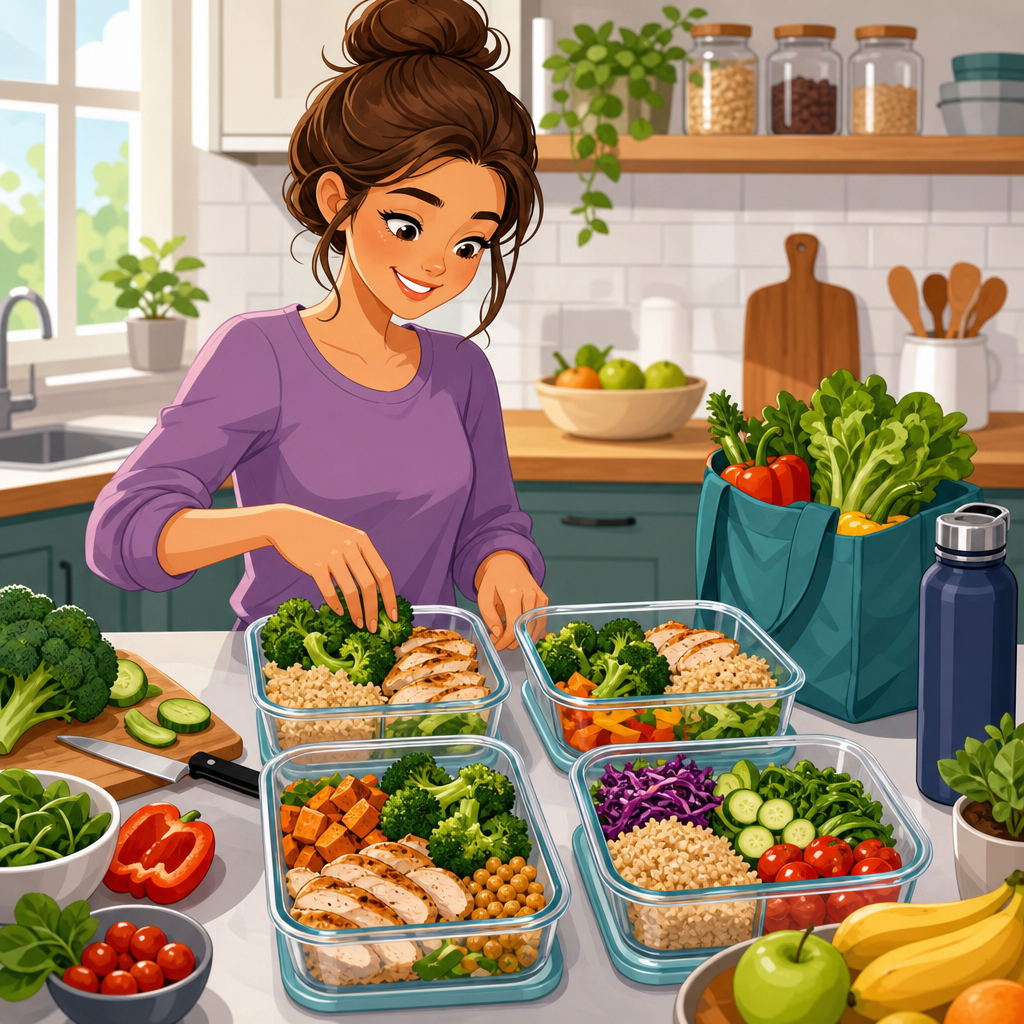
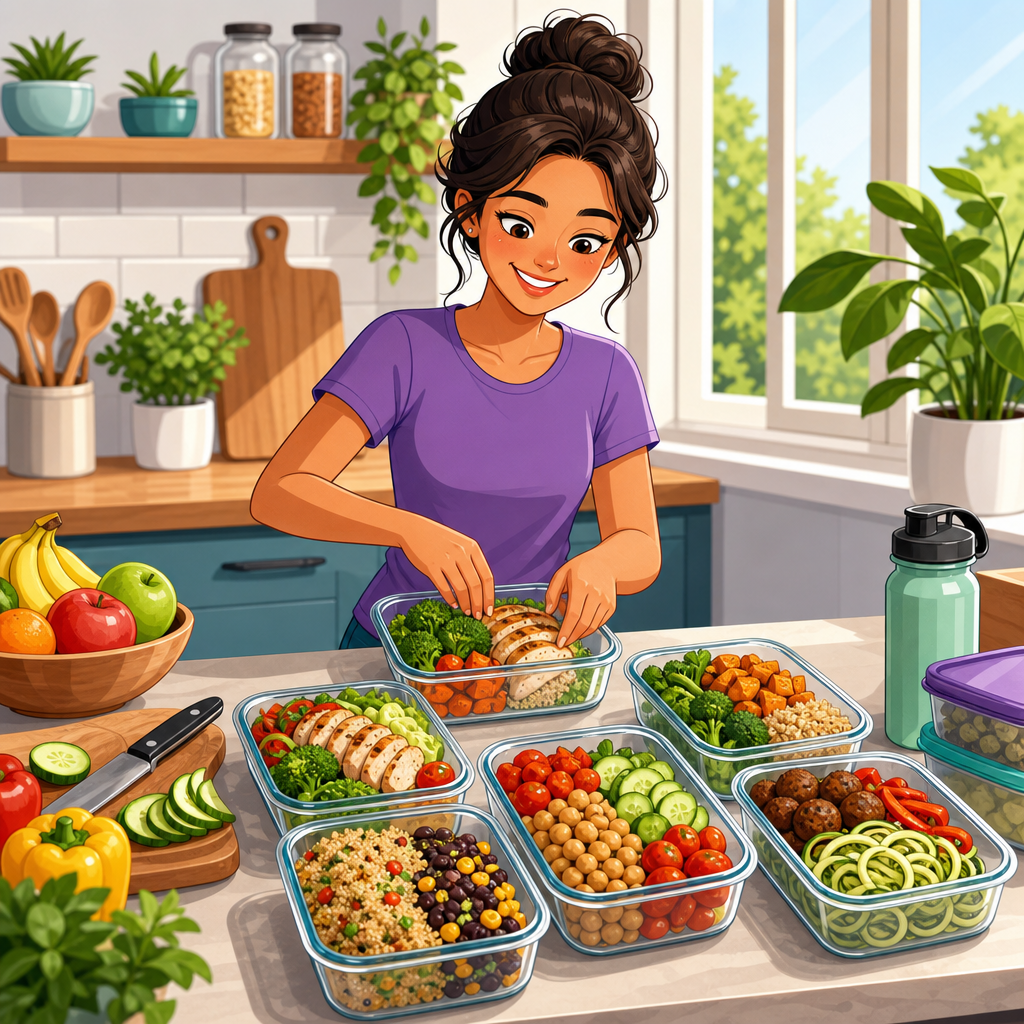
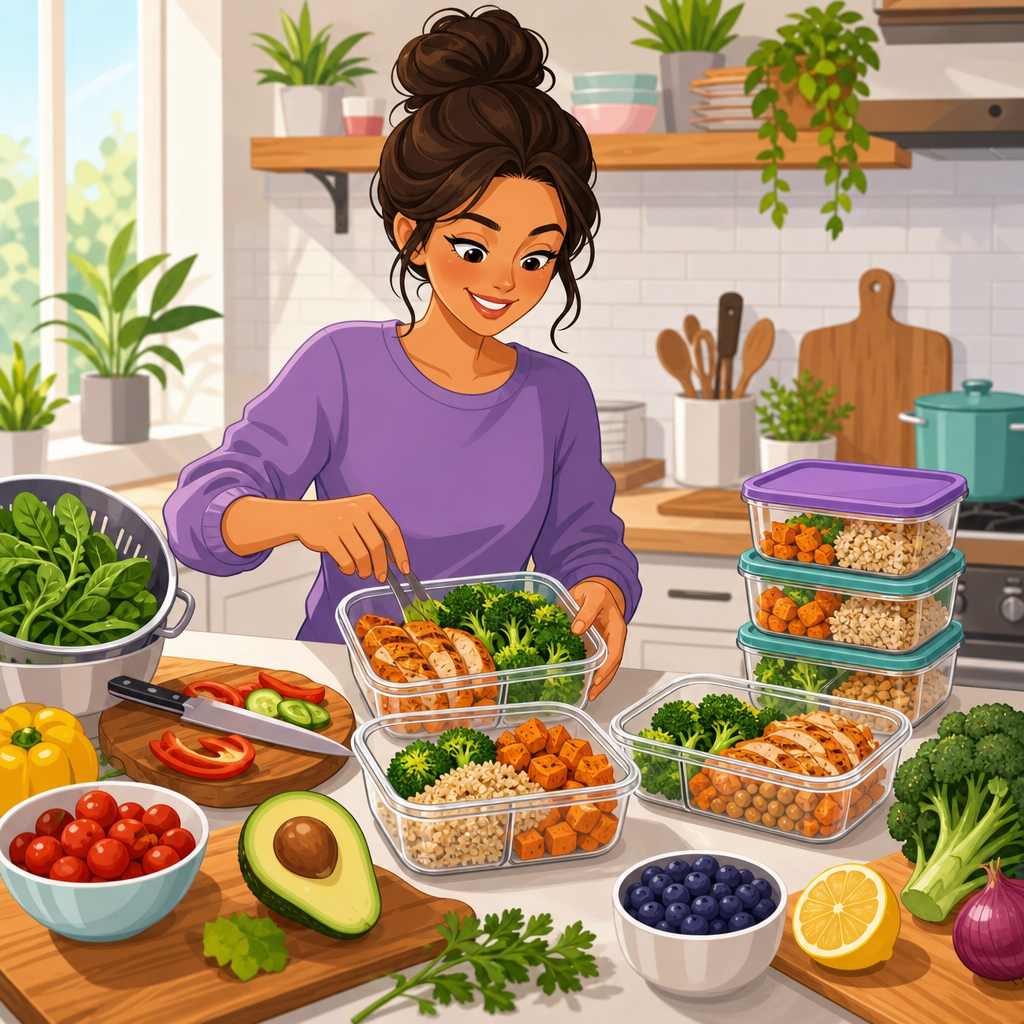
Meal prepping for a healthy week is often presented as an all-or-nothing habit, but that framing is exactly why so many people dismiss it before they begin. In practice, meal prepping simply means deciding some meals in advance, shopping with intention, and preparing ingredients or full dishes so weekday eating becomes easier, cheaper, and more consistent. After years of planning family dinners, batch-cooking lunches, and adjusting systems for busy workweeks, I have found that the healthiest meal prep routine is rarely the most elaborate one. It is the one you can repeat.
That distinction matters because common myths about meal prepping shape unrealistic expectations. Many people believe healthy meal prep requires spending an entire Sunday cooking, eating identical containers of chicken and rice, buying expensive specialty foods, or sacrificing flavor and flexibility. Those assumptions stop beginners from building a practical routine that supports better nutrition. A well-designed meal prep system can reduce decision fatigue, cut food waste, improve portion awareness, and make it easier to include vegetables, whole grains, lean proteins, legumes, fruit, and healthy fats throughout the week.
This hub article breaks down the most persistent myths about meal prepping for a healthy week and replaces them with realistic guidance. You will learn what meal prepping actually includes, which methods work for different schedules, how to keep food safe, how to avoid boredom, and how to structure a week of meals without overcomplicating it. If you want a sustainable approach to recipes and meal planning, this is the starting point.
What meal prepping really means
One of the biggest myths is that meal prepping only counts if every breakfast, lunch, and dinner is fully cooked and portioned into containers. That is false. Meal prep exists on a spectrum. At one end, you may wash produce, cook a pot of grains, and marinate protein. At the other, you may assemble five complete lunches. Both are valid. The best format depends on your household size, appetite, schedule, and tolerance for repetition.
In professional kitchens, mise en place is the operating principle: ingredients are prepped before service so cooking becomes faster and more reliable. Home meal prep applies the same idea. If onions are chopped, vegetables are roasted, and a dressing is already mixed, making dinner on Wednesday takes fifteen minutes instead of forty-five. For many people, that partial-prep model is more useful than fully finished meals because it preserves freshness and choice.
Healthy meal prep also does not require “diet food.” A balanced weekly plan can include soups, sheet-pan dinners, grain bowls, wraps, curries, pasta with vegetables, egg dishes, overnight oats, yogurt bowls, and freezer-friendly casseroles. The point is not perfection. The point is creating a food environment where the convenient option is also a nourishing one.
Myth: meal prepping takes the whole weekend
The image of spending six hours in the kitchen discourages people who already feel short on time. In reality, efficient meal prepping for a healthy week can take sixty to ninety minutes if you choose the right tasks. I often recommend a “one cooked grain, one protein, two vegetables, one sauce” framework. Cook brown rice or quinoa, prepare chicken thighs or baked tofu, roast broccoli and sweet potatoes, and whisk a tahini-lemon dressing. With that base, you can build bowls, wraps, salads, and quick dinners for several days.
Time savings come from overlap, not speed. Roast vegetables while grains simmer. Hard-boil eggs while a soup cooks. Use appliance help from a rice cooker, pressure cooker, slow cooker, or air fryer. Buy strategic shortcuts such as pre-washed greens, frozen vegetables, rotisserie chicken, canned beans, and microwavable whole grains. These are not signs of doing meal prep “wrong.” They are tools that lower friction.
Another effective method is split-session prepping. Instead of one marathon session, prepare groceries and sauces on Sunday, then cook a second batch of protein or vegetables on Wednesday. This approach improves texture, reduces boredom, and fits people who prefer fresher meals. Consistency beats intensity every time.
Myth: healthy meal prep means eating the same meal every day
Repetition fatigue is real, but it is not an unavoidable part of meal prep. The problem usually comes from preparing complete identical meals instead of versatile components. When I prep ingredients in batches, I build in variation by changing seasonings, sauces, and formats. Roasted chicken can become a grain bowl on Monday, tacos on Tuesday, soup on Wednesday, and a sandwich or salad on Thursday.
Flavor diversity matters because it supports long-term adherence. The same base ingredients can move across cuisines with small adjustments. Cooked chickpeas can be tossed with olive oil, smoked paprika, and lemon for Mediterranean bowls, or simmered with curry paste and coconut milk for a fast dinner. Rice can anchor burrito bowls one day and fried rice with eggs and frozen peas the next. A good prep plan multiplies options instead of locking you into one menu.
Texture is another overlooked factor. Store crunchy toppings separately, keep dressings in jars, and slice avocado or herbs right before serving. This makes prepped meals feel fresher and more restaurant-like. If your previous attempts felt dull, the issue was probably assembly strategy, not meal prep itself.
Myth: meal prepping is expensive
Meal prep can become expensive if every recipe uses specialty ingredients, but the method itself usually lowers food costs. Planning before shopping reduces impulse purchases and improves ingredient crossover. When ingredients serve several recipes, you use more of what you buy. That directly cuts waste, which is one of the biggest hidden costs in home cooking.
Staples make healthy meal prep affordable: oats, eggs, brown rice, potatoes, canned tuna, beans, lentils, Greek yogurt, frozen berries, carrots, cabbage, onions, and seasonal produce. Frozen vegetables are especially valuable because they are nutritious, often cheaper than fresh, and available year-round. According to USDA data, nutrient retention in frozen produce can be comparable to fresh, particularly when fresh items spend days in transit and storage.
Protein choices also shape cost. Chicken thighs, canned salmon, tofu, tempeh, dry lentils, and beans are often more budget-friendly than individually portioned convenience foods. Batch cooking a soup, chili, or bean-based stew can produce multiple meals at a lower per-serving cost than takeout. The financial benefit becomes obvious when lunch is ready in your refrigerator and dinner does not require a last-minute delivery app order.
Myth: prepped food is less healthy or less fresh
Some people assume that any food made ahead automatically loses nutritional value or becomes unappetizing. The truth is more nuanced. Certain foods are best cooked close to serving, but many prepared components hold quality very well for three to four days under proper refrigeration. Cooked grains, roasted vegetables, soups, stews, washed greens, chopped vegetables, hard-boiled eggs, and bean dishes are all standard prep items for good reason.
Freshness depends on food choice, storage, and timing. Use shallow containers for faster cooling, refrigerate perishables promptly, and keep your refrigerator at or below 40 degrees Fahrenheit, consistent with FDA guidance. Store herbs with moisture control, place paper towels in salad containers to absorb condensation, and let hot foods cool slightly before sealing. Labeling dates is simple but important, especially if you prep multiple dishes.
Nutritionally, meal prep often improves diet quality because it increases the odds that balanced meals are available when you are tired or rushed. Having fiber-rich carbohydrates, lean protein, and vegetables ready does more for health than relying on good intentions at 7 p.m. on a chaotic Wednesday. Convenience is not the enemy of nutrition; poor planning usually is.
Myth: meal prepping only works for weight loss
Meal prepping is frequently linked to dieting, but its benefits are broader. It supports blood sugar stability by making regular meals easier. It helps athletes and active adults hit protein and carbohydrate targets consistently. It helps parents manage school lunches and after-work dinners. It helps older adults reduce the effort required to cook daily. It is also useful for people with food allergies, digestive conditions, or sodium concerns because home-prepared meals offer more control over ingredients.
Weight management can be one outcome, largely because prep improves portion awareness and reduces reactive eating, but it is not the only goal. For many of my clients and coworkers, the greatest benefit was mental load reduction. They stopped asking, “What should I eat?” several times a day. That saved time, lowered stress, and made healthier choices more automatic.
A healthy week of meals should support your actual life, not a rigid ideal. Some weeks call for high-protein lunches and easy breakfasts. Others call for freezer meals, snack boxes, or double-batch dinners. Meal prep is a planning tool, not a moral test.
How to build a flexible healthy meal prep system
The most reliable system is modular. Start with a short menu, not a long recipe list. Choose two breakfasts, two lunches, and three dinners, then identify overlapping ingredients. From there, prep by category: proteins, carbohydrates, vegetables, sauces, and snacks. This creates structure without trapping you in identical meals.
| Prep component | Examples | How it helps during the week |
|---|---|---|
| Protein | Chicken thighs, tofu, lentils, eggs, Greek yogurt | Builds filling breakfasts, lunches, and dinners quickly |
| Carbohydrate | Brown rice, quinoa, potatoes, oats, whole grain pasta | Provides energy and makes meals more satisfying |
| Vegetables | Roasted broccoli, peppers, salad greens, carrots, frozen peas | Increases fiber, color, and nutrient density |
| Sauce or seasoning | Salsa, pesto, vinaigrette, hummus, curry sauce | Prevents boredom and changes flavor profiles fast |
| Snack support | Fruit, nuts, cottage cheese, cut vegetables | Reduces reliance on ultra-processed grab-and-go options |
A sample week might include overnight oats and egg muffins for breakfast, grain bowls and turkey wraps for lunch, then salmon with potatoes, lentil soup, and stir-fry for dinner. With overlapping ingredients, shopping stays manageable. If you are new, start with just lunches and one dinner base. Expanding gradually is more sustainable than trying to prep every meal at once.
Containers matter too. Use leak-resistant glass or BPA-free plastic in practical sizes, and keep small containers for dressings, nuts, or crunchy toppings. Good storage removes friction, which is one of the strongest predictors of whether the habit lasts.
Food safety, storage, and realistic limits
Good meal prep is organized, but safe meal prep is nonnegotiable. Most cooked foods keep well in the refrigerator for about three to four days. If you are prepping beyond that window, freeze portions. Soups, chili, cooked grains, meatballs, shredded chicken, and casseroles freeze especially well. Thaw in the refrigerator, not on the counter, and reheat leftovers to a safe internal temperature, generally 165 degrees Fahrenheit for mixed dishes and leftovers.
Some foods do not prep as well as others. Fried foods lose crispness, cut apples brown unless treated, delicate greens wilt under heavy dressings, and seafood quality can decline faster than chicken or beans. Knowing these limitations helps you choose the right recipes. For example, prep slaw instead of dressed lettuce, baked potatoes instead of fries, and sturdy vegetables like cauliflower, Brussels sprouts, or carrots instead of watery zucchini if you need meals to hold longer.
Finally, give yourself permission to use a hybrid strategy. Not every healthy week requires full meal prep. Sometimes the smartest system is one batch-cooked dinner, a chopped vegetable tray, washed fruit, cooked rice, and a short grocery list for quick assembly meals. That still counts, and it often works better in real households than the picture-perfect version people see online.
Common myths about meal prepping for a healthy week persist because social media rewards extremes: huge Sunday cookups, rigid containers, and unrealistic claims about effortless perfection. Real meal prep is more practical. It is a flexible planning method that helps you eat well with less stress, less waste, and fewer last-minute decisions. You do not need expensive ingredients, identical meals, or an entire weekend in the kitchen. You need a repeatable system that fits your schedule, budget, tastes, and storage space.
The key takeaways are straightforward. Meal prep can be partial or complete. Variety comes from prepping components, not duplicating meals. Budget-friendly staples and frozen produce make the process accessible. Food safety and storage determine freshness more than the calendar alone. Most importantly, meal prepping is useful for far more than weight loss. It supports consistency, saves money, and makes healthy eating easier on busy days.
If you are building a recipes and meal planning routine, start small this week: choose a few meals, prep one protein, one grain, two vegetables, and one sauce, then adjust based on what you actually eat. That simple system is how sustainable meal prepping begins.
Frequently Asked Questions
Is meal prepping really an all-or-nothing habit?
No, and this is one of the biggest myths that keeps people from trying it in the first place. Meal prepping does not have to mean spending an entire Sunday cooking every breakfast, lunch, and dinner for the week. In real life, effective meal prepping is much more flexible. It can be as simple as deciding three dinners ahead of time, washing and chopping vegetables, cooking a batch of rice, or packing two lunches so the busiest days feel easier. The goal is not perfection. The goal is reducing stress and making healthy choices more convenient when life gets busy.
Many people are more successful when they stop thinking of meal prep as a rigid lifestyle and start viewing it as a support system. Some weeks you may prepare full meals in containers. Other weeks you may only prep ingredients, sauces, proteins, or snacks. Even small actions, like portioning fruit, marinating chicken, or writing down a meal plan before grocery shopping, count as meal prep. Healthy routines are built through consistency, not intensity, and a realistic, partial approach is often what makes meal prepping sustainable over the long term.
Do you have to cook every meal in advance for meal prepping to be worth it?
Not at all. In fact, cooking every meal in advance is often unnecessary and can make the process feel more overwhelming than helpful. One of the smartest ways to prep is to focus on the parts of meals that take the most time during the week. That might mean roasting a tray of vegetables, cooking a few servings of protein, boiling eggs, blending a dressing, or preparing a pot of soup that can cover multiple lunches. With those building blocks ready to go, you can assemble quick, balanced meals without feeling locked into eating the exact same thing every day.
This approach also helps with variety and food enjoyment. Instead of staring at five identical containers, you can mix and match ingredients in different ways. Cooked chicken might become a grain bowl one day, tacos the next, and a salad topping after that. Prepped ingredients give you freedom while still saving time and reducing decision fatigue. For many households, this is the sweet spot: enough planning to support healthy eating, but enough flexibility to respond to changing schedules, cravings, and leftovers.
Does meal prepping mean you will be stuck eating boring or repetitive food all week?
It does not, and that assumption usually comes from confusing repetition with structure. Meal prepping creates a framework, but it does not require bland, identical meals. A well-planned prep routine actually makes variety easier because you already have useful ingredients on hand. When staples like cooked grains, chopped vegetables, seasoned proteins, sauces, and snack options are ready, you can combine them in different ways throughout the week. The same ingredients can support very different meals depending on seasonings, textures, and serving styles.
For example, roasted vegetables can be added to pasta, tucked into wraps, served alongside salmon, or blended into a soup. A batch of beans can become burrito bowls, chili, or a quick lunch salad. Flavor also makes a major difference. Simple additions like herbs, citrus, dressings, spice blends, yogurt sauces, salsa, or nut-based toppings can completely change a meal without requiring extra work. Meal prep becomes boring when it is too rigid, not when it is planned. If you build in variety through sauces, seasonings, and interchangeable ingredients, prepping can make meals feel more interesting, not less.
Is meal prepping only for people who have a lot of free time?
No. Meal prepping is often most useful for people who feel short on time, not those with endless free hours. The misconception is that meal prep requires a big block of weekend time, advanced cooking skills, and a perfectly organized kitchen. In reality, even 20 to 40 minutes of intentional preparation can save far more time during the week. Washing produce, cooking one protein, preparing overnight oats, or portioning snacks can prevent the daily scramble that leads to skipped meals, expensive takeout, or less balanced choices.
The key is to match the prep method to your actual schedule. Some people prefer a larger batch-cooking session once a week. Others do better with a quick reset twice a week, such as prepping on Sunday and again on Wednesday. You can also stack prep into tasks you are already doing, like chopping extra vegetables while making dinner or cooking double portions for leftovers. Meal prep does not have to be elaborate to be effective. When designed around your real routine, it becomes a practical time-management tool that reduces weekday stress instead of adding to it.
Does meal prepping automatically make your diet healthy?
Not automatically, but it can make healthy eating much easier and more consistent. Meal prepping is a strategy, not a guarantee. If the foods you prepare are balanced, satisfying, and aligned with your goals, meal prep can support better nutrition by reducing impulse decisions and making nourishing options more accessible. But if prepping turns into forcing yourself to eat meals you do not enjoy, skipping important nutrients, or relying only on ultra-restrictive ideas of “clean eating,” it can backfire quickly. The healthiest meal prep routine is one that helps you eat well in a way that feels realistic and sustainable.
A strong meal prep system usually includes a mix of protein, fiber, color, healthy fats, and convenience. That might look like prepped vegetables, cooked whole grains, beans, eggs, chicken, yogurt, fruit, nuts, soups, or easy freezer meals. It should also account for appetite, family preferences, and changing energy needs. Healthy meal prep is less about chasing perfection and more about creating a week where good choices are easier to make. When you prepare meals and ingredients that you actually want to eat, you are much more likely to stay consistent, waste less food, and feel better throughout the week.