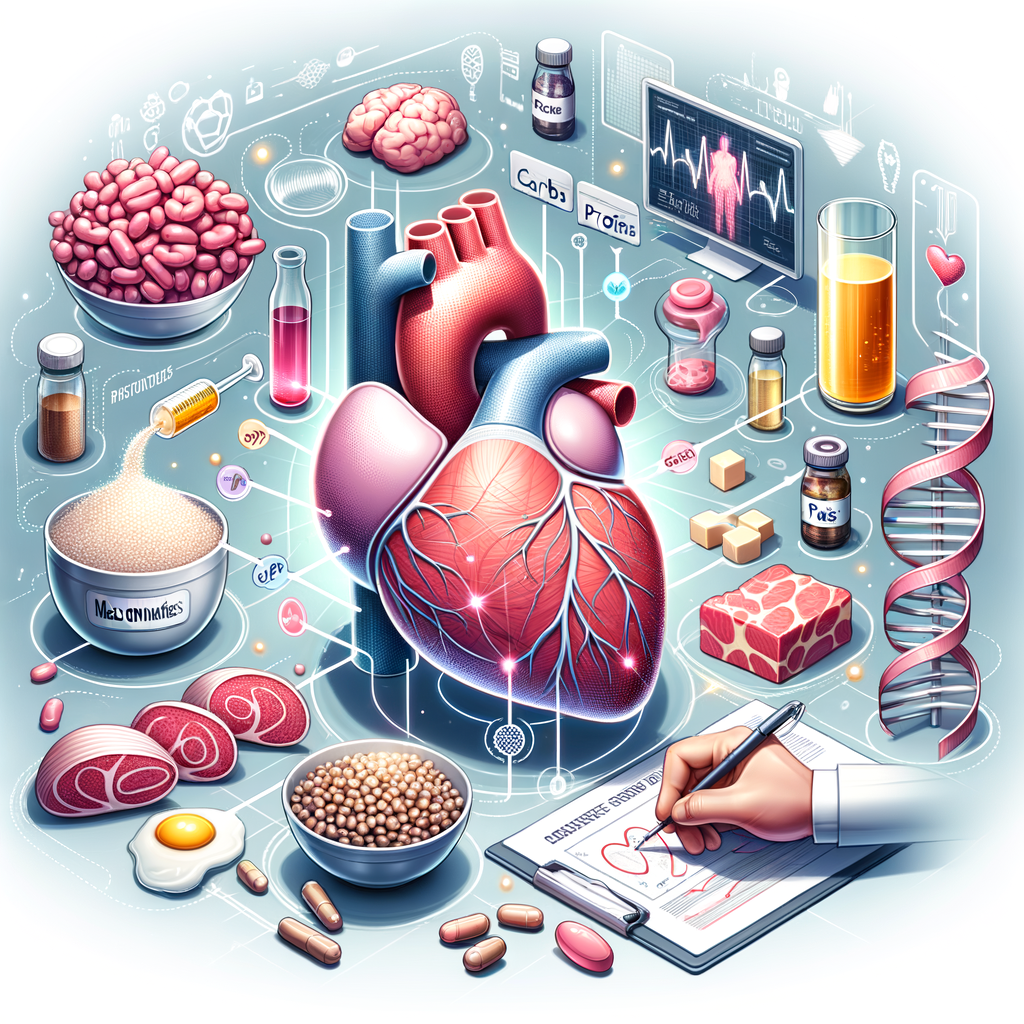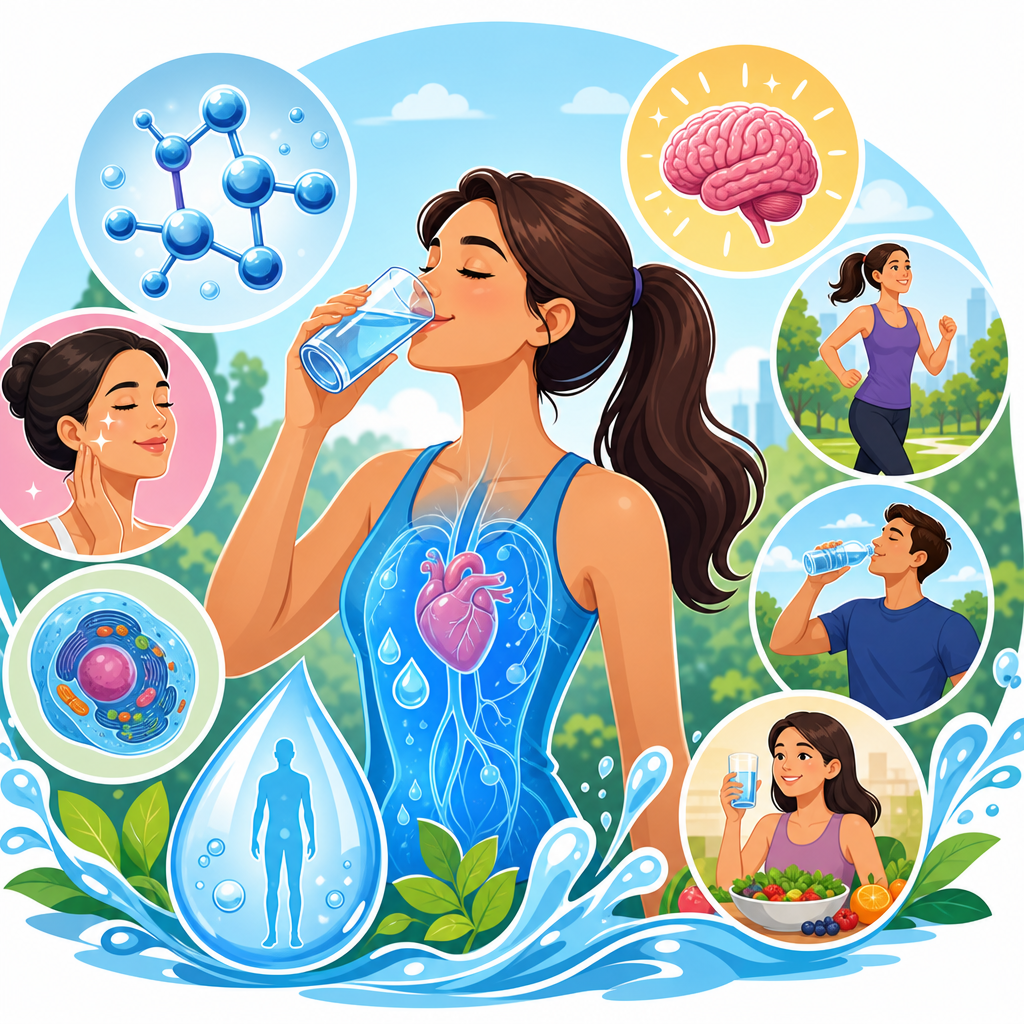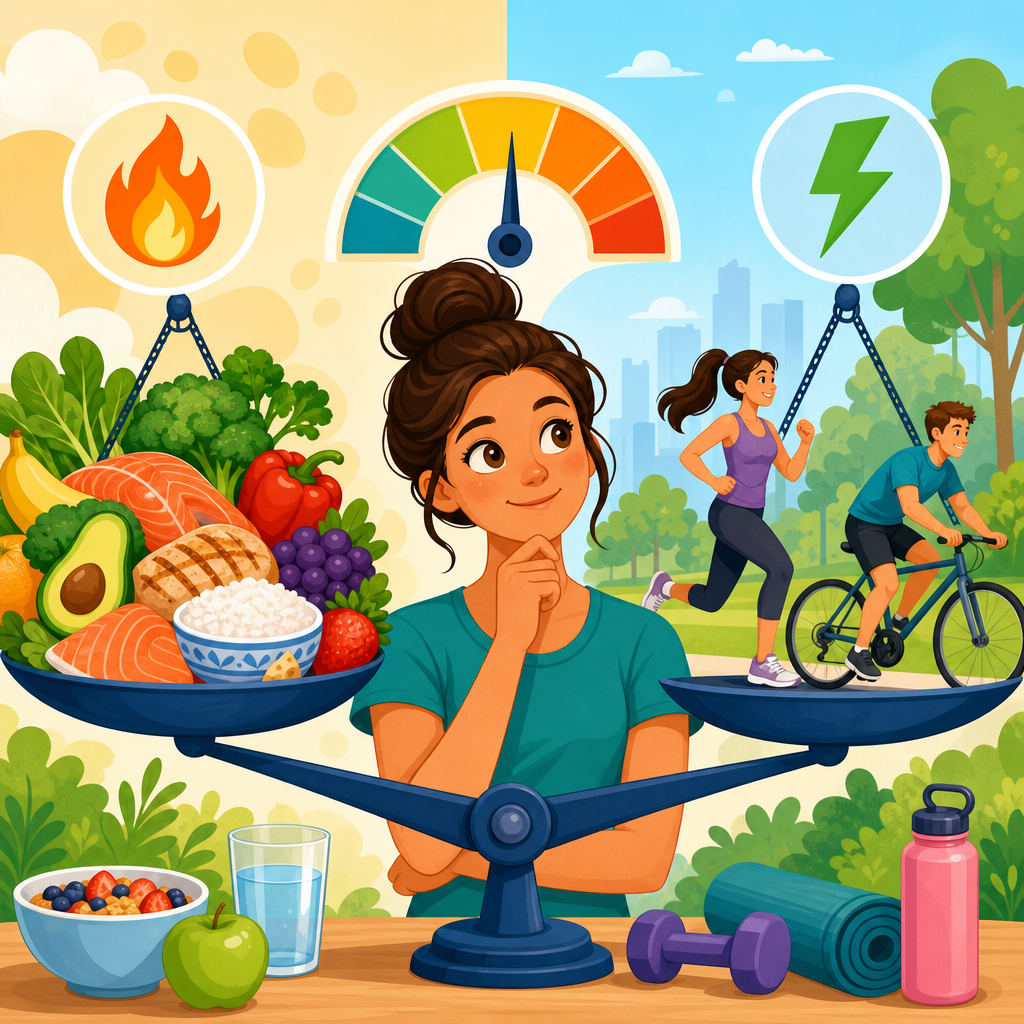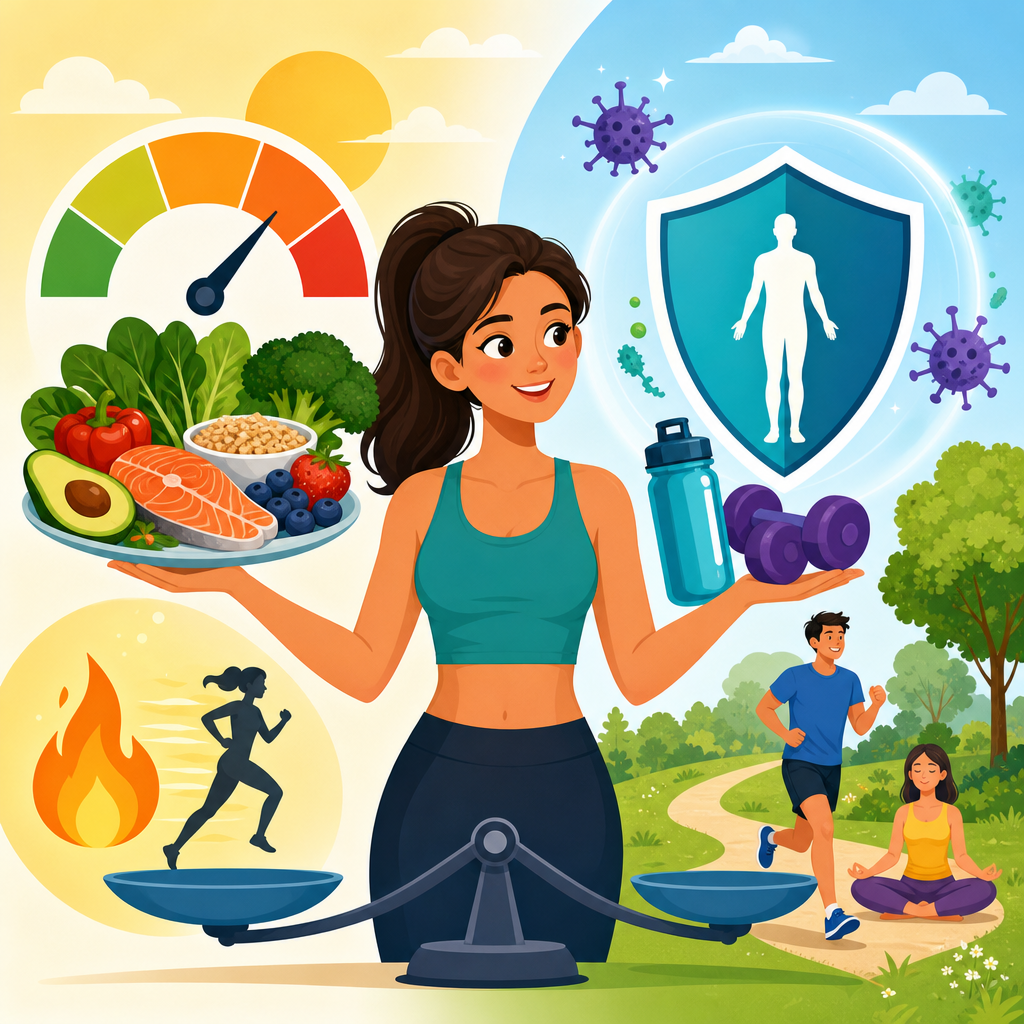
Nutrient absorption and bioavailability determine how much of the food and supplements you consume actually reach your cells and do useful work. In nutrition practice, I have seen people eat carefully planned diets yet still struggle with fatigue, low iron, weak bones, or poor recovery because intake on paper is not the same as nutrients delivered in the body. Nutrient absorption is the process by which digested vitamins, minerals, amino acids, fatty acids, and other compounds move from the gastrointestinal tract into the bloodstream or lymphatic system. Bioavailability goes a step further: it describes the proportion of a nutrient that is absorbed, transported, converted into an active form when necessary, and used by tissues.
This distinction matters because the body is selective, adaptive, and sometimes inefficient. Iron from spinach is handled differently than iron from beef. The lycopene in cooked tomatoes behaves differently than the lycopene in raw tomatoes. Calcium competes with other minerals, vitamin B12 depends on stomach acid and intrinsic factor, and fat-soluble vitamins need dietary fat and functioning bile flow. Age, medications, genetics, gut health, meal composition, food processing, and nutrient status all shape the final result. Understanding nutrient absorption and bioavailability helps explain why two people eating similar foods can experience very different health outcomes.
For a Nutrition Basics hub, this topic is foundational because it connects digestion, food quality, nutrient timing, cooking methods, deficiency risk, and long-term disease prevention. It also helps consumers evaluate labels more intelligently. A food can be rich in magnesium, zinc, folate, or protein, yet the body may absorb only part of it depending on the matrix of the food and the condition of the digestive tract. Likewise, a lower dose in a better absorbed form may outperform a larger dose in a poorly absorbed form. Once you understand the science, everyday choices such as pairing foods, rotating meals, treating digestive disorders, and selecting supplements become far more effective.
This article explains how nutrient absorption works, what determines bioavailability, why the topic influences energy, immunity, bone strength, cognition, and metabolic health, and which practical strategies improve results. It serves as the central guide for the broader nutrient absorption and bioavailability subtopic, linking the mechanics of digestion with the real health benefits people care about most.
How Nutrient Absorption Works in the Body
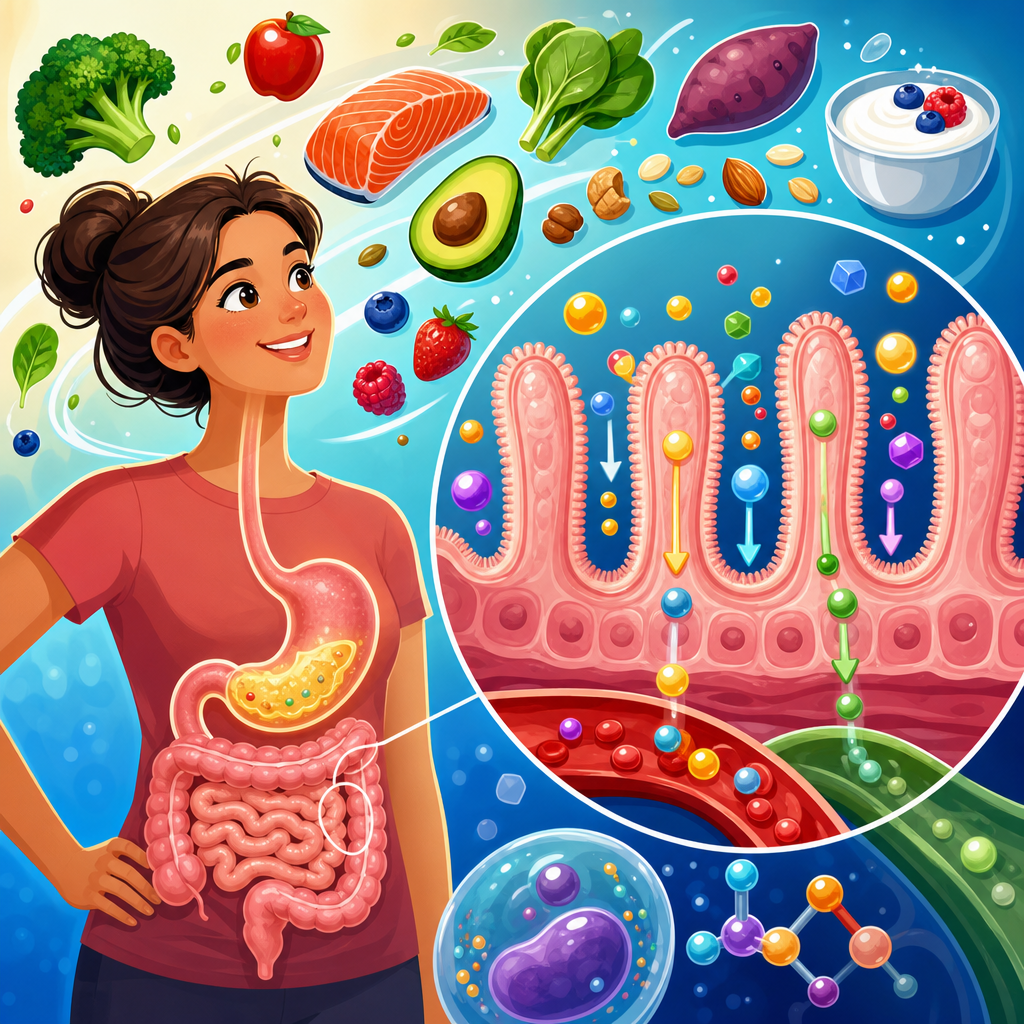
Absorption begins before food reaches the intestine. Chewing increases surface area, saliva starts carbohydrate digestion, and the stomach unfolds proteins while acid helps release minerals from food structures. In the small intestine, pancreatic enzymes break down macronutrients and bile emulsifies fats so they can form micelles. The small intestine is the primary site of absorption because its villi and microvilli create a very large surface area. Most amino acids and sugars enter the blood through transporters in the intestinal lining. Many fats enter intestinal cells, are repackaged into chylomicrons, and move through the lymphatic system before reaching circulation.
Different nutrients use different transport mechanisms. Glucose and galactose use sodium-dependent transport, fructose uses facilitated diffusion, and some minerals depend on tightly regulated channels. Iron is a classic example. Non-heme iron from plant foods must often be reduced from ferric to ferrous form before transport, while heme iron from animal foods is generally absorbed more efficiently. Vitamin B12 requires several coordinated steps: stomach acid releases it from food proteins, it binds to intrinsic factor, and receptors in the ileum absorb the complex. If any step fails, deficiency can develop even with adequate intake.
The large intestine also contributes, especially through fermentation of fibers by gut microbes. This process produces short-chain fatty acids such as butyrate, acetate, and propionate, which support colon health and influence metabolism. Some minerals may be absorbed in the colon, and the microbiome can synthesize compounds such as vitamin K2 and certain B vitamins, though the amount available to the body varies. In practice, efficient absorption depends not just on the intestine’s surface area but on enzyme production, stomach acidity, bile output, transport proteins, intestinal integrity, and healthy microbial activity.
What Determines Bioavailability
Bioavailability depends on the nutrient form, the food matrix, and the person consuming it. Chemical form is one of the strongest determinants. Magnesium citrate is typically better absorbed than magnesium oxide. Heme iron is more bioavailable than non-heme iron. Natural folates in foods differ from folic acid in fortified foods and methylfolate used in some supplements. Vitamin D3 generally raises blood levels more effectively than D2. With omega-3 fats, triglyceride and re-esterified triglyceride forms tend to be absorbed better than ethyl ester forms when taken without enough fat. These details matter because absorption is governed by chemistry, not marketing claims.
The food matrix can either support or limit uptake. Fat increases absorption of vitamins A, D, E, and K, as well as carotenoids like beta-carotene and lutein. Cooking can improve access to some nutrients by softening cell walls, as seen with lycopene in tomatoes and beta-carotene in carrots, while excessive heat can damage vitamin C and some B vitamins. Anti-nutrients also play a role. Phytates in legumes, grains, nuts, and seeds can reduce absorption of iron, zinc, calcium, and magnesium. Oxalates in spinach and rhubarb can bind calcium. This does not make these foods unhealthy; it means preparation methods such as soaking, sprouting, fermenting, and cooking influence net benefit.
Individual factors are equally important. Low stomach acid, celiac disease, inflammatory bowel disease, pancreatic insufficiency, gallbladder disorders, chronic diarrhea, alcohol misuse, and bariatric surgery can all reduce nutrient uptake. Medications are a common hidden driver. Proton pump inhibitors may impair B12, magnesium, and iron absorption by lowering acid. Metformin is associated with reduced B12 status in some users. Orlistat can decrease fat-soluble vitamin absorption. Age changes the picture further, since older adults often produce less stomach acid and intrinsic factor. For these reasons, bioavailability should always be assessed in context rather than assumed from food databases alone.
Key Nutrient Interactions and Food Pairings
One of the most useful ways to improve nutrient status is to understand nutrient interactions. Vitamin C enhances non-heme iron absorption by reducing iron to a more absorbable form and helping keep it soluble in the intestine. In practical meal planning, adding citrus, berries, kiwi, bell peppers, or tomatoes to beans, lentils, tofu, oats, or leafy greens can meaningfully improve iron uptake. On the other hand, tea and coffee contain polyphenols that can inhibit non-heme iron absorption when consumed with meals. Calcium can also reduce iron absorption in mixed meals, although the long-term significance depends on overall dietary pattern and iron status.
Fat-soluble compounds need dietary fat. A salad with carrots, tomatoes, and dark leafy greens becomes more nutritionally effective with olive oil, avocado, nuts, seeds, cheese, or eggs. I routinely advise clients who eat extremely low-fat diets that they may be undermining absorption of carotenoids and fat-soluble vitamins despite eating plenty of vegetables. Protein can assist mineral transport, while lactose may improve calcium absorption in some settings. Fermented foods can reduce phytate content and sometimes improve mineral bioaccessibility. These pairings explain why traditional diets often combined foods in ways that modern simplified meal plans sometimes overlook.
| Nutrient | Improves Absorption | Can Reduce Absorption | Practical Example |
|---|---|---|---|
| Non-heme iron | Vitamin C, meat factor | Tea, coffee, phytates, calcium at the same meal | Lentil bowl with peppers and lemon |
| Calcium | Vitamin D, lactose, adequate stomach acid | High oxalates, very high phytates | Yogurt with fortified milk and sunlight-supported vitamin D status |
| Carotenoids | Dietary fat, light cooking | Very low-fat meals | Roasted carrots with olive oil |
| Vitamin B12 | Healthy stomach acid, intrinsic factor | Pernicious anemia, acid-suppressing drugs | Monitoring B12 in long-term metformin users |
Gut Health, Digestion, and Absorptive Capacity
A healthy gut is essential for nutrient absorption and bioavailability because the intestinal lining is both a digestive interface and a selective barrier. When the lining is inflamed or damaged, absorption can fall sharply. Celiac disease is a clear example: gluten exposure in susceptible individuals damages villi in the small intestine, reducing absorption of iron, folate, calcium, and fat-soluble vitamins. Many cases first present as unexplained anemia, osteopenia, weight loss, or fatigue rather than obvious digestive symptoms. Inflammatory bowel diseases such as Crohn’s disease and ulcerative colitis can also impair digestion, absorption, and retention of nutrients through inflammation, surgery, reduced intake, and increased losses.
The microbiome affects bioavailability in more subtle ways. Beneficial microbes ferment fibers into short-chain fatty acids that nourish colon cells, help regulate intestinal pH, and may support mineral absorption. Dysbiosis, repeated antibiotic use, infections, and highly restrictive diets can disrupt this balance. Pancreatic enzyme output and bile flow also matter. Without enough lipase or bile acids, fat digestion is incomplete, which can lower absorption of vitamins A, D, E, and K. People with chronic pancreatitis, cystic fibrosis, cholestatic liver disease, or gallbladder dysfunction often need targeted nutrition support for this reason.
Intestinal permeability is often discussed loosely, but in clinical nutrition the more useful question is whether the gut barrier, immune activity, and digestive function are intact enough to support absorption. Persistent diarrhea shortens transit time. Small intestinal bacterial overgrowth may interfere with bile acid metabolism and B12 status. Parasitic infection can reduce nutrient uptake. Addressing these issues usually improves nutrient status more than simply adding supplements. In real-world practice, correcting constipation, identifying food intolerances, treating H. pylori when present, and ensuring adequate fiber and protein can markedly improve both symptoms and lab markers over time.
Cooking, Processing, and Supplement Form Matters
Food preparation changes nutrient availability in significant ways. Cooking breaks down plant cell walls and connective tissues, often improving access to minerals and carotenoids. Tomatoes are a classic case: processed tomato products such as sauce and paste provide lycopene in a form the body can absorb more efficiently than from raw tomatoes, especially when eaten with oil. Light steaming can preserve more vitamin C than prolonged boiling, while boiling vegetables may leach water-soluble vitamins into cooking water. Pressure cooking legumes reduces lectins and can improve digestibility, but overprocessing may lower texture, satiety, and some heat-sensitive compounds.
Fortification and processing can either help or hinder. Iodized salt virtually eliminated many cases of goiter in populations with low iodine intake. Fortified flour and cereals can raise intake of folic acid, iron, and B vitamins, which is especially relevant for women of childbearing age and groups at risk of deficiency. Yet ultra-processed foods may deliver added nutrients in a package high in sodium, refined starch, and added sugar, making them a poor primary strategy for long-term health. Nutrient density and bioavailability are not identical, and both must be considered when evaluating food quality.
Supplement form matters when diet alone is insufficient. Calcium citrate is generally absorbed better than calcium carbonate in people with low stomach acid. Iron bisglycinate may be better tolerated than ferrous sulfate for some users, though ferrous sulfate remains a standard, effective option. Sublingual and oral B12 can both work well, but the best choice depends on the cause of deficiency and adherence. Quality testing, dose, timing, and interactions all influence outcomes. The central rule is simple: the best supplement is the one matched to the deficiency, digestive context, and evidence-backed form.
Health Benefits of Better Nutrient Absorption
When nutrient absorption improves, the benefits appear across multiple systems. Energy production is one of the first. Iron, B12, folate, riboflavin, niacin, and magnesium all support mitochondrial energy pathways and red blood cell function. Better absorption of these nutrients can reduce fatigue, improve exercise tolerance, and support cognitive clarity when deficiency was a limiting factor. Immune resilience also depends on adequate zinc, vitamin D, protein, selenium, iron, and vitamin A. People often focus only on intake, but immune cells cannot use what the gut never delivers.
Bone and muscle health are especially dependent on bioavailability. Calcium, phosphorus, magnesium, vitamin D, and vitamin K work together in bone remodeling, while protein provides the structural matrix needed to maintain bone and muscle tissue. Older adults with reduced stomach acid, lower appetite, and limited sun exposure can have adequate calories but poor musculoskeletal nutrition. Improved absorption supports better bone mineralization, muscle contraction, and recovery. The same principle extends to brain health, where omega-3 fats, choline, B vitamins, iodine, iron, and zinc influence neurotransmitter production, myelination, and thyroid-dependent metabolism.
Better bioavailability also supports cardiometabolic health. Soluble fiber fermentation produces short-chain fatty acids linked with improved glycemic regulation and colon health. Potassium and magnesium support blood pressure regulation. Omega-3 absorption affects triglyceride management. Carotenoids and polyphenols contribute antioxidant and signaling effects, but these benefits depend on release from food and uptake by the body. In practice, the health payoff of improving nutrient absorption is not abstract. It means fewer deficiencies, more reliable energy, better recovery, stronger bones, and a nutrition plan that works in the body, not just on paper.
How to Improve Nutrient Absorption Day to Day
Most people can improve nutrient absorption and bioavailability with a few evidence-based habits. Build meals around whole foods, but include strategic pairings: vitamin C with plant iron, healthy fats with colorful produce, and fermented or properly cooked legumes and grains to reduce anti-nutrient impact. Chew well, eat enough protein, and avoid chronically undereating fat if you want optimal absorption of fat-soluble nutrients. If you rely on coffee or tea, consider separating them from iron-rich meals when iron status is low. Rotate foods to broaden nutrient exposure rather than depending on a narrow menu every day.
Pay attention to digestive warning signs. Persistent bloating, reflux, diarrhea, greasy stools, constipation, anemia, numbness, brittle nails, or unexplained fatigue can point to absorption problems rather than simple low intake. Ask a clinician about testing when symptoms or risk factors are present. Common labs include ferritin, B12, methylmalonic acid, vitamin D, magnesium, complete blood count, celiac screening, and sometimes stool or pancreatic function testing. People taking proton pump inhibitors, metformin, anticonvulsants, bile acid binders, or weight-loss medications should review nutrient risks periodically.
The central lesson is straightforward: nutrition is not just about what you eat, but what your body can access and use. If you want better results from your diet, focus on digestion, food form, meal composition, and nutrient interactions with the same seriousness you give calories and macros. Start with one practical step today: improve one meal by pairing a nutrient-rich food with what helps your body absorb it best.
Frequently Asked Questions
1. What is the difference between nutrient absorption and bioavailability?
Nutrient absorption and bioavailability are closely related, but they are not the same thing. Nutrient absorption refers to the physical process of moving nutrients from digested food or supplements through the intestinal wall and into the bloodstream or lymphatic system. Bioavailability is broader. It describes how much of a nutrient is not only absorbed, but also transported, converted into an active form when necessary, delivered to tissues, and ultimately used by the body for a specific function.
That distinction matters because a food label or supplement facts panel only tells you what is present, not what your body can actually access and use. For example, someone may consume enough iron on paper yet still develop symptoms of deficiency if that iron is poorly absorbed, blocked by other dietary compounds, or not effectively transported. The same principle applies to calcium, magnesium, vitamin B12, omega-3 fats, and many other nutrients. In real-world nutrition, this is one reason two people can eat similar diets and experience very different outcomes in energy, immunity, bone strength, or recovery.
Bioavailability is influenced by digestion, stomach acid levels, enzyme output, gut integrity, nutrient interactions, age, medications, inflammation, and even the form in which a nutrient appears. Heme iron from animal foods, for instance, is generally more bioavailable than non-heme iron from plant foods. Likewise, fat-soluble vitamins such as A, D, E, and K are better absorbed when consumed with dietary fat. So when discussing health benefits, the key question is not just “How much did you eat?” but “How much did your body absorb and put to work?”
2. Why can someone eat a healthy diet and still have nutrient deficiencies or poor energy?
This is one of the most important and misunderstood issues in nutrition. A person can eat a carefully planned diet filled with vegetables, proteins, whole grains, and healthy fats, yet still struggle with fatigue, low iron, weak bones, poor exercise recovery, brain fog, or brittle hair and nails. The reason is that nutrient intake is only the first step. For the body to benefit, nutrients must be broken down, absorbed efficiently, transported properly, and used at the cellular level.
Several barriers can interfere with this process. Low stomach acid may reduce the digestion of protein and impair the release and absorption of nutrients such as iron, calcium, and vitamin B12. Digestive disorders such as celiac disease, inflammatory bowel disease, pancreatic insufficiency, or chronic diarrhea can limit the intestine’s ability to absorb nutrients. Gut inflammation, infections, or imbalances in the microbiome may also affect how well certain vitamins and minerals are handled. Even stress can alter digestion by changing motility, reducing enzyme output, and shifting blood flow away from the digestive tract.
Dietary patterns also matter. Some nutrients compete for absorption, while others depend on helpful partners. Large amounts of calcium can interfere with iron absorption in some situations. Phytates in legumes and grains, oxalates in some vegetables, and tannins in tea can reduce absorption of specific minerals, especially when a person already has marginal status. On the other hand, vitamin C can significantly improve absorption of non-heme iron from plant foods, and dietary fat supports absorption of fat-soluble vitamins and carotenoids.
Age, medications, and genetics can add another layer. Proton pump inhibitors, metformin, some laxatives, and certain cholesterol or seizure medications can affect nutrient status over time. Older adults may absorb B12 less efficiently. Some people also have genetic differences that influence nutrient conversion, such as turning folate or beta-carotene into more usable forms. So while a healthy diet is essential, it does not automatically guarantee optimal nutrient delivery. That is why symptoms, lab trends, digestion, and lifestyle all deserve attention alongside food quality.
3. What factors most strongly affect nutrient absorption and bioavailability?
Nutrient absorption and bioavailability are shaped by a wide range of factors, and they often interact with one another. One of the biggest influences is the food matrix, meaning the physical and chemical environment in which a nutrient is found. Nutrients behave differently depending on whether they come from whole foods, fortified foods, or supplements. For example, lycopene from cooked tomatoes can be more bioavailable than lycopene from raw tomatoes, and some minerals may be easier to absorb from animal foods than from plant sources because of differences in binding compounds and digestive handling.
The form of the nutrient also matters. Magnesium citrate and magnesium glycinate are often tolerated and absorbed differently than magnesium oxide. Vitamin D3 is generally considered more effective at raising vitamin D levels than D2 in many cases. Iron appears in heme and non-heme forms, with heme iron typically absorbed more efficiently. Folate from foods and folic acid from supplements do not behave identically in the body, and vitamin B12 absorption depends heavily on stomach acid, intrinsic factor, and intestinal health.
Meal composition is another major factor. Fat-soluble vitamins require fat for optimal absorption. Protein can support transport and tissue repair, while fiber, though beneficial for health overall, may alter the absorption rate of some nutrients depending on type and amount. Certain food compounds can help or hinder uptake. Vitamin C enhances non-heme iron absorption, while phytates, oxalates, and polyphenols can reduce absorption of some minerals under certain conditions. Timing can matter too, especially for supplements like iron, zinc, and calcium that may compete when taken together.
Digestive function is foundational. Adequate chewing, stomach acid, bile flow, pancreatic enzymes, intestinal surface area, and healthy gut lining all support absorption. If any of those steps are impaired, the body may not access nutrients efficiently no matter how nutritious the meal looks. Finally, individual health status plays a huge role. Infection, chronic inflammation, liver disease, hormonal imbalance, surgery, alcohol use, sleep deprivation, intense training, and medication use can all affect how nutrients are processed. In practice, bioavailability is never just about the nutrient itself. It is about the nutrient, the meal, the digestive system, and the person consuming it.
4. How can you improve nutrient absorption naturally through food and daily habits?
Improving nutrient absorption naturally starts with building meals that are not just nutritious, but strategically supportive of digestion and uptake. One simple step is to pair nutrients with foods that enhance their bioavailability. Combining plant-based iron sources such as lentils, beans, spinach, or pumpkin seeds with vitamin C-rich foods like citrus, berries, bell peppers, or tomatoes can significantly increase iron absorption. Including healthy fats such as olive oil, avocado, nuts, seeds, or eggs with vegetables helps the body absorb fat-soluble vitamins and antioxidant compounds like carotenoids.
Food preparation methods also make a difference. Cooking, soaking, sprouting, fermenting, and blending can improve digestibility and reduce compounds that bind minerals. For example, soaking beans and grains may lower phytate content, and fermenting foods can improve nutrient accessibility while supporting gut health. Cooking certain vegetables can break down cell walls and improve access to nutrients, though some heat-sensitive vitamins are best preserved with gentler methods. This is why variety in preparation often works better than relying on only raw or only cooked foods.
Digestive habits matter more than many people realize. Eating in a relaxed state, chewing thoroughly, and avoiding rushed meals support the early phases of digestion. Chronic stress can weaken digestive efficiency by reducing stomach acid, enzyme output, and coordinated gut motility. Good hydration, regular movement, and adequate sleep also support digestive and metabolic function. If someone frequently experiences bloating, reflux, constipation, diarrhea, or undigested food in the stool, those symptoms should not be ignored, because they may indicate problems that interfere with absorption over time.
It is also wise to be thoughtful with supplements. More is not always better, and mega-dosing can create imbalances or competition among nutrients. Iron, calcium, zinc, and magnesium may need specific timing depending on the person and the formula used. Some supplements are best taken with food, while others may absorb better away from meals. If deficiencies are suspected, testing and personalized guidance can help identify whether the issue is low intake, poor absorption, increased need, or all three. The most effective strategy is usually a combination of nutrient-dense foods, supportive meal pairing, healthy digestion, and targeted correction of any underlying issues.
5. What are the health benefits of optimizing nutrient absorption and bioavailability?
When nutrient absorption and bioavailability improve, the benefits can be felt across virtually every system in the body. Better absorption means cells receive the raw materials they need to produce energy, build and repair tissues, regulate hormones, support immunity, maintain bones, and protect against oxidative stress. This is why improving bioavailability can make such a noticeable difference in real life. People often report better energy, stronger nails and hair, improved exercise recovery, sharper concentration, more stable mood, and fewer signs of deficiency once nutrient delivery improves.
Iron is a clear example. Optimizing iron absorption can help support healthy oxygen transport, which affects stamina, cognition, and resilience against fatigue. Improving calcium, magnesium, vitamin D, and vitamin K status can contribute to stronger bones, better muscle contraction, and long-term skeletal health. Better absorption of protein, amino acids, zinc, and vitamin C supports wound healing,