Dietary fiber is one of the most important nutrients for digestive health, yet it is also one of the most consistently underconsumed parts of a healthy diet. In clinical nutrition, fiber refers to carbohydrate components in plant foods that resist digestion in the small intestine and are either partially or fully fermented in the colon or pass through the gut largely intact. That simple definition matters because fiber does far more than “keep you regular.” It shapes stool quality, feeds beneficial gut microbes, influences appetite, slows glucose absorption, and helps lower low-density lipoprotein cholesterol. For a Nutrition Basics hub page, understanding dietary fiber and digestive health starts with recognizing that fiber is not one single substance. It includes soluble fiber, insoluble fiber, viscous fiber, nonviscous fiber, and fermentable compounds such as inulin, resistant starch, beta-glucan, pectin, psyllium, and wheat bran. Each behaves differently in the digestive tract, so food choice matters as much as total grams.
Why does this topic deserve close attention? Because most adults fall short of recommended intake. General guidance used in practice is about 14 grams of fiber per 1,000 calories, which translates to roughly 25 grams daily for many women and 38 grams for many men, although individual needs vary by age, energy intake, symptoms, and medical conditions. In my work reviewing food logs, low fiber intake often appears alongside constipation, unstable energy, frequent snacking, and low fruit, vegetable, legume, and whole grain intake. Digestive health is not just the absence of stomach pain. It includes comfortable bowel movements, healthy stool form, a resilient gut microbiome, and tolerance to a varied diet. Fiber supports all of those outcomes, but increasing intake too quickly can trigger bloating, cramping, or excess gas. The practical goal is not to chase a trend. It is to build a sustainable eating pattern that improves digestion and overall nutrition.
What Dietary Fiber Is and How It Works in the Digestive System
Dietary fiber reaches the large intestine because human digestive enzymes cannot fully break it down in the small intestine. Once there, fiber follows two main paths. Some types absorb water and form gels, increasing stool softness and slowing digestion. Others add bulk and speed transit by mechanically increasing stool mass. Fermentable fibers are metabolized by gut bacteria into short-chain fatty acids, especially acetate, propionate, and butyrate. These compounds support the colon lining, influence immune signaling, and help maintain a favorable intestinal environment. This is one reason discussions about dietary fiber and digestive health now include the gut microbiome rather than focusing only on bowel regularity.
A common question is whether soluble fiber is always better than insoluble fiber. The direct answer is no. Soluble fiber, found in oats, barley, beans, chia seeds, citrus, and psyllium, dissolves in water and can form a gel. It is especially useful for cholesterol reduction, stool normalization, and moderating post-meal blood sugar response. Insoluble fiber, found in wheat bran, nuts, seeds, and many vegetable skins, does not dissolve in water and is particularly effective for increasing stool bulk and reducing constipation in many people. The best digestive outcomes usually come from eating a mix of fiber types from foods, not from relying on a single source. That balance matters because a person with loose stools may benefit from more viscous, gel-forming fiber, while someone with slow transit may respond better to bran, vegetables, and higher overall plant variety.
Key Benefits of Fiber for Digestive Health and Whole-Body Nutrition
The most visible benefit of fiber is regular bowel movement frequency and improved stool consistency. Adequate fiber, especially when paired with sufficient fluids, can reduce straining and help prevent functional constipation. Clinicians often use the Bristol Stool Form Scale to discuss stool quality, and fiber helps move stool toward an easier-to-pass form rather than hard pellets or loose, urgent stools. Fiber also supports digestive comfort over the long term by promoting microbial diversity. Diets rich in legumes, vegetables, fruits, and whole grains are associated with a broader range of gut bacteria than diets low in plant foods. Greater diversity is not the only measure of gut health, but it is generally a useful signal of resilience.
Fiber’s benefits extend beyond the colon. Viscous soluble fibers such as beta-glucan from oats and barley, and psyllium husk, can lower LDL cholesterol by binding bile acids and increasing their excretion. Fermentable fibers can support satiety, which helps many people manage calorie intake without constant hunger. High-fiber eating patterns are also associated with lower risk of cardiovascular disease, type 2 diabetes, and colorectal disease. Association is not the same as proof of causation, but the consistency across large nutrition studies is strong enough that fiber remains a cornerstone of evidence-based dietary guidance. For families trying to improve nutrition, increasing fiber often leads to a cascade of better habits because foods naturally high in fiber also deliver potassium, magnesium, folate, phytonutrients, and less refined sugar.
| Fiber type | Main food sources | What it does in digestion | Best known practical use |
|---|---|---|---|
| Soluble, viscous | Oats, barley, psyllium, legumes | Forms gel, slows digestion, softens stool | Helps cholesterol, steadier blood sugar, mixed stool issues |
| Soluble, fermentable | Beans, onions, garlic, asparagus, inulin-rich foods | Feeds gut bacteria, produces short-chain fatty acids | Supports microbiome and colon health |
| Insoluble | Wheat bran, nuts, seeds, vegetable skins | Adds bulk, can speed intestinal transit | Often useful for constipation |
| Resistant starch | Cooked and cooled potatoes, green bananas, legumes | Escapes digestion, ferments in colon | Supports beneficial bacteria and satiety |
Best Food Sources of Dietary Fiber and How to Build Meals Around Them
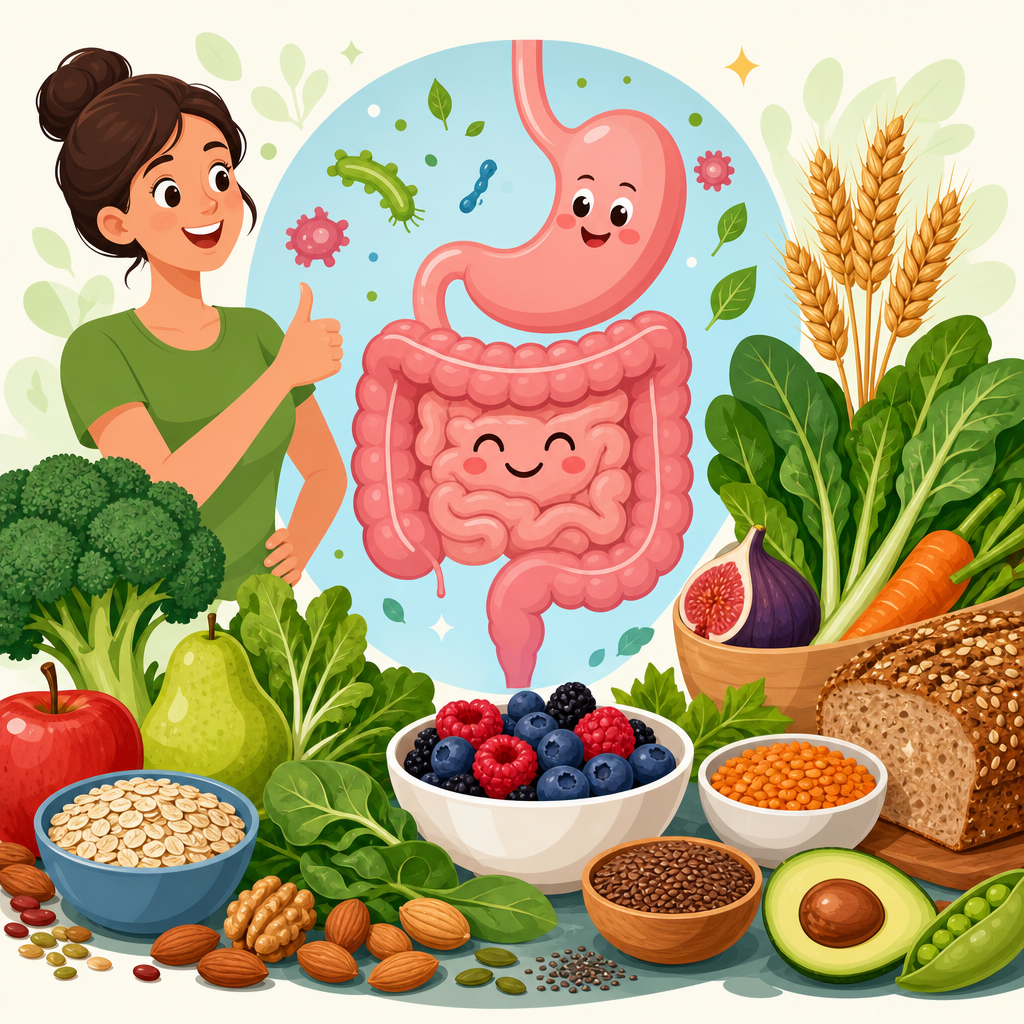
The best sources of dietary fiber are minimally processed plant foods. Legumes are among the strongest choices because they combine high fiber with protein, iron, and slow-digesting carbohydrate. Lentils, black beans, chickpeas, split peas, and edamame routinely outperform many packaged “high-fiber” snack products. Whole grains are another major category, but not all grains are equal. Oats and barley provide beta-glucan, while intact grains such as farro, bulgur, brown rice, and quinoa contribute bulk and variety. Fruits such as raspberries, pears, apples, oranges, and kiwi add fiber plus water, which can improve stool softness. Vegetables like artichokes, Brussels sprouts, broccoli, carrots, sweet potatoes, and leafy greens support volume and micronutrient intake. Nuts and seeds, especially chia, flax, almonds, and pumpkin seeds, add fiber in smaller portions and are easy to include at breakfast or in snacks.
One practical mistake I see often is assuming “multigrain,” “wheat,” or “made with whole grain” automatically means high fiber. The Nutrition Facts label is more reliable than front-of-package wording. A bread with 3 to 5 grams of fiber per slice differs substantially from a white loaf colored with molasses that offers almost none. Breakfast cereal is another category where labels matter. Bran cereals can be effective, but some are heavily sweetened and can trigger digestive discomfort when eaten in large amounts without enough fluid. A straightforward meal-building method is to include one legume, one fruit, one vegetable, and one whole grain across the day, then add nuts or seeds where convenient. For example, oatmeal with chia and berries at breakfast, a lentil soup and salad at lunch, an apple with almonds as a snack, and a barley vegetable bowl with salmon at dinner will provide a diverse fiber mix without specialty products.
Common Digestive Problems Fiber Can Help, and When It Can Make Symptoms Worse
Fiber can improve constipation, mild irregularity, diverticular health, and in some cases loose stools, but the response depends on the person and the fiber type. For constipation, gradual increases in total fiber with adequate fluid and movement are often effective, especially from vegetables, fruit, legumes, and bran-containing foods. Psyllium is one of the better-studied supplements for normalizing stool because it is viscous and moderately fermentable. For diarrhea or urgency, a gel-forming fiber such as psyllium can help by absorbing water and improving stool cohesion. That is why fiber is not only a laxation tool. It can regulate in both directions.
However, more fiber is not always better. People with irritable bowel syndrome may react poorly to rapidly fermentable carbohydrates found in certain high-fiber foods, including some beans, onions, garlic, wheat products, and inulin-fortified foods. During a low-FODMAP elimination phase, fiber quality often matters more than total grams. Someone with active inflammatory bowel disease, a bowel stricture, recent gastrointestinal surgery, or severe gastroparesis may need modified fiber intake under medical guidance. Even healthy adults can feel worse if they jump from 10 grams a day to 35 overnight. Gas and bloating often result from sudden fermentation changes rather than from fiber being harmful. The solution is usually a slower increase, better hydration, and choosing tolerated foods instead of abandoning fiber entirely.
How Much Fiber You Need, How to Increase It Safely, and Whether Supplements Help
A useful intake target is 14 grams per 1,000 calories, but daily goals should be individualized. A small adult eating 1,600 calories may need less absolute fiber than a highly active adult eating 2,800 calories. Older adults may need adjustments based on appetite, chewing ability, medication use, and bowel patterns. For most people, increasing intake by 3 to 5 grams every few days is a realistic pace. Hydration matters because fiber without fluid can worsen constipation, particularly with concentrated supplements or large amounts of bran. Physical activity also supports motility, which is why walking, meal timing, and bathroom routine should be part of any digestive health plan.
Food should be the foundation, but supplements can be useful when diet alone is not enough. Psyllium has strong evidence for stool normalization and LDL reduction. Methylcellulose is less fermentable and may cause less gas. Wheat dextrin, partially hydrolyzed guar gum, and inulin each have different effects and tolerance profiles. A supplement is not interchangeable with food because it does not provide the vitamins, minerals, and phytochemicals found in beans, fruit, vegetables, and whole grains. Still, it can be a practical bridge. If you use one, start low, read the serving size carefully, and separate it from medications when appropriate, since some fiber products can affect absorption. Persistent constipation, rectal bleeding, unexplained weight loss, anemia, or a major change in bowel habits warrants medical evaluation rather than self-treatment.
Smart Fiber Strategies for Everyday Eating
The easiest way to improve dietary fiber and digestive health is to make repeatable changes, not dramatic overhauls. Swap refined cereal for oatmeal or a bran-rich option. Replace one meat-centered meal each week with chili, lentil curry, or bean tacos. Choose fruit instead of juice. Keep frozen vegetables on hand so fiber does not depend on perfect produce planning. Use the plate method with half vegetables, a quarter protein, and a quarter whole grains or starchy vegetables, then rotate plant foods during the week. Diversity matters because different fibers feed different microbes and create more nutritional coverage.
For this Nutrition Basics hub, the core takeaway is clear: fiber is a functional part of digestion, metabolism, and long-term disease prevention. The most effective approach is to build intake from whole foods, increase gradually, match fiber type to symptoms, and use supplements only when needed. If you want better bowel regularity, steadier appetite, improved diet quality, and stronger digestive resilience, start by auditing your current intake and adding one meaningful fiber source to each meal this week. Small consistent changes produce the best results.
Frequently Asked Questions
What is dietary fiber, and why is it so important for digestive health?
Dietary fiber is the part of plant foods that your body cannot fully digest or absorb in the small intestine. Instead of being broken down like sugars, starches, fats, or proteins, fiber moves into the large intestine, where it is either fermented by beneficial gut bacteria or passes through the digestive tract largely intact. That unique behavior is exactly why fiber is so valuable. It supports digestion in several ways at once: it helps form healthy stools, promotes more regular bowel movements, supports the balance of the gut microbiome, and can help maintain the integrity of the intestinal environment.
Many people think fiber only matters for preventing constipation, but its role is much broader. Certain fibers absorb water and add bulk to stool, making elimination easier and more predictable. Others act as fuel for beneficial bacteria in the colon, which then produce short-chain fatty acids and other compounds linked to gut and metabolic health. Fiber can also slow digestion, which may help with fullness after meals and more stable blood sugar response. In practical terms, getting enough fiber on a regular basis is one of the most effective nutrition habits for supporting digestive comfort, bowel regularity, and overall long-term health.
What is the difference between soluble and insoluble fiber?
Soluble and insoluble fiber are the two broad categories most often used to explain how fiber works in the body, and both are useful for digestive health. Soluble fiber dissolves in water to form a gel-like substance. It is found in foods such as oats, beans, lentils, barley, apples, citrus fruits, and psyllium. This type of fiber can help soften stool, slow the movement of food through the stomach, and support beneficial bacteria in the colon. Because of these effects, soluble fiber is often associated not only with digestive support but also with benefits for cholesterol levels and blood sugar control.
Insoluble fiber does not dissolve in water. Instead, it adds bulk to stool and helps move material through the digestive tract more efficiently. It is commonly found in whole grains, wheat bran, nuts, seeds, and many vegetables, especially their skins and peels. This type of fiber can be especially helpful for promoting regular bowel movements and reducing the likelihood of sluggish digestion. That said, most high-fiber plant foods contain a mix of both types, which is one reason whole foods are so beneficial. Rather than focusing too narrowly on one category, it is generally best to eat a variety of fiber-rich foods so you benefit from multiple fiber functions at the same time.
How much fiber do adults need each day, and why do so many people fall short?
Most adults need more fiber than they currently eat. General recommendations often fall around 25 grams per day for many women and 38 grams per day for many men, though needs can vary with age, calorie intake, medical conditions, and individual goals. Despite these targets, many people consume far less, often because modern eating patterns are heavy in refined grains, packaged snacks, and convenience foods that have had much of their natural fiber removed. When meals are built around white bread, sugary cereals, desserts, processed meats, and low-produce intake, fiber intake drops quickly.
Another reason people fall short is that fiber is not always emphasized in a practical way. People may know vegetables are healthy, but they may not realize how much fiber comes from beans, lentils, berries, pears, oats, chia seeds, or whole grains. In addition, some people avoid higher-fiber foods because they worry about gas or bloating, especially if they have increased intake too quickly in the past. The best approach is to raise fiber gradually and consistently. A breakfast with oats and fruit, a lunch that includes beans or whole grains, and a dinner built around vegetables can make a major difference. Over time, those small shifts can help close the fiber gap and improve digestive health significantly.
Can increasing fiber too quickly cause gas, bloating, or other digestive discomfort?
Yes, it can. Although fiber is beneficial, suddenly going from a low-fiber diet to a very high-fiber diet can cause temporary digestive symptoms such as gas, bloating, cramping, or changes in bowel habits. This happens because some fibers are fermented by bacteria in the colon, and when intake rises quickly, the digestive system and microbiome may need time to adapt. It does not mean fiber is bad for you; it usually means the increase was too much, too fast, or not balanced with enough fluids.
The most effective strategy is to increase fiber gradually over days or weeks instead of all at once. For example, start by adding one serving of beans a few times per week, switching from refined grains to whole grains, or including an extra piece of fruit each day. Drinking enough water also matters because certain fibers work best when they can absorb fluid, helping keep stool soft and easier to pass. If someone has a digestive condition such as irritable bowel syndrome, inflammatory bowel disease, or a history of bowel narrowing, fiber tolerance may vary, and more individualized guidance may be needed. In general, though, a slow, steady increase paired with hydration is the best way to gain the digestive benefits of fiber while minimizing discomfort.
What are the best foods to eat for better fiber intake and a healthier gut?
The best foods for fiber intake are usually minimally processed plant foods, especially those that deliver a range of fiber types. Excellent choices include beans, lentils, chickpeas, split peas, oats, barley, brown rice, quinoa, berries, pears, apples, oranges, leafy greens, broccoli, carrots, Brussels sprouts, sweet potatoes, nuts, seeds, and avocados. Legumes are especially effective because they provide a high amount of fiber per serving along with protein, vitamins, and minerals. Whole fruits generally offer more fiber than fruit juice, and intact whole grains typically provide more benefit than refined grain products.
For long-term digestive health, variety matters as much as quantity. Different fiber-rich foods nourish different gut microbes and contribute in different ways to stool bulk, fermentation, and digestive regularity. A helpful goal is to include fiber at each meal rather than trying to make up for it all at once. For example, you might have oatmeal with berries and chia seeds at breakfast, a lentil or grain bowl with vegetables at lunch, and a dinner built around beans, roasted vegetables, and a whole grain side. If food alone is not enough, some people may benefit from a fiber supplement such as psyllium, but whole foods should remain the foundation whenever possible because they bring along a wider package of nutrients that support overall nutrition and gut health.