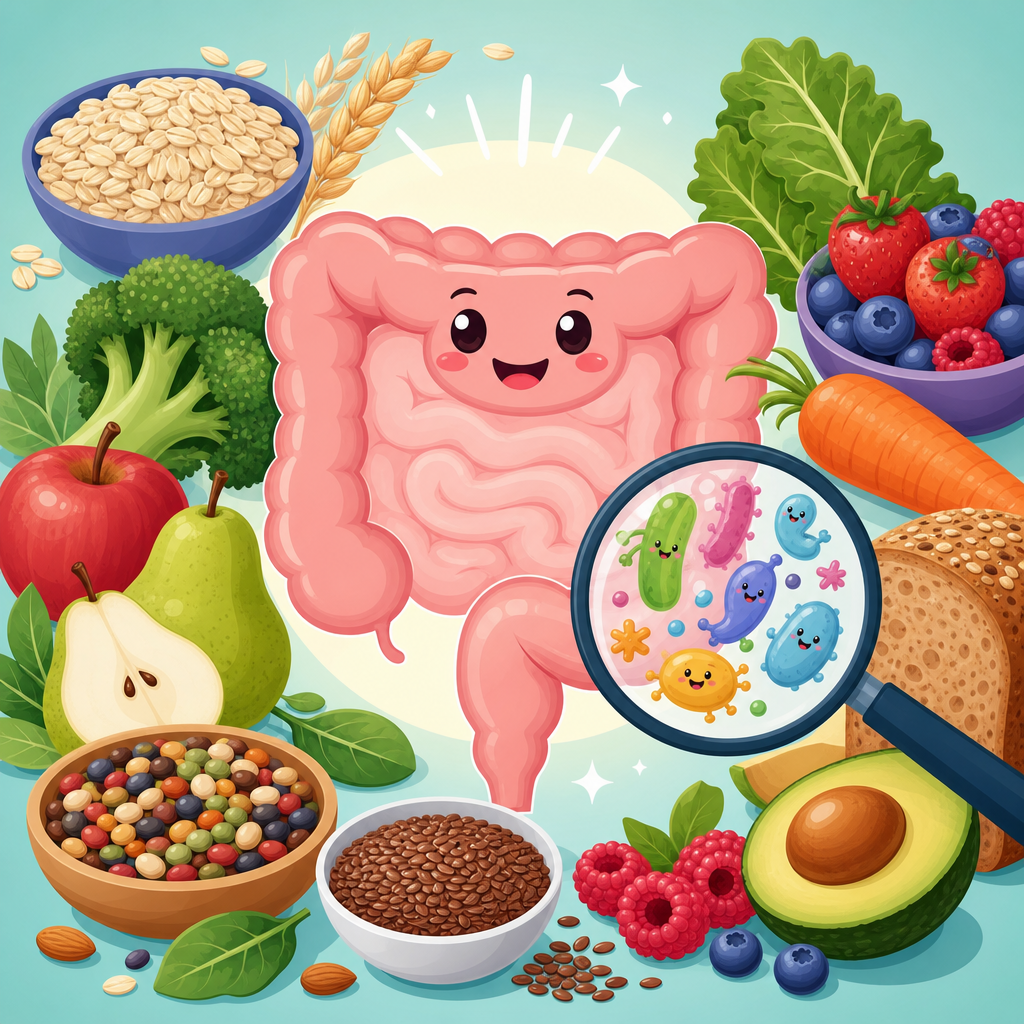
Dietary fiber and digestive health are tightly linked, yet many people still think fiber is only about preventing constipation. In practice, fiber influences bowel regularity, stool quality, gut bacteria, blood sugar response, cholesterol handling, appetite, and long-term disease risk. As a nutrition professional, I have seen the difference firsthand: when clients understand the types of fiber and how to increase intake gradually, digestive complaints often improve within weeks. For a Nutrition Basics hub, this topic matters because fiber sits at the intersection of daily food choices and measurable health outcomes.
Dietary fiber refers to carbohydrate components in plant foods that resist digestion in the small intestine. Instead of being broken down like starch or sugar, fiber moves into the large intestine, where it can add bulk, hold water, or be fermented by microbes. The two broad categories most people hear about are soluble fiber and insoluble fiber. Soluble fiber dissolves in water and forms a gel-like substance; it is found in foods such as oats, barley, beans, chia seeds, flaxseed, apples, and citrus. Insoluble fiber does not dissolve in water and is associated with wheat bran, many vegetables, nuts, seeds, and the skins of fruits. Some fibers, including resistant starch and certain oligosaccharides, are also valued because they feed beneficial gut microbes.
Digestive health refers to how well the gastrointestinal tract breaks down food, absorbs nutrients, moves waste, and supports a balanced gut environment. Good digestive health usually means regular bowel movements, minimal bloating or discomfort, and a gut microbiome that helps maintain the intestinal barrier and immune function. Fiber plays a central role in all of these processes. It can soften stool by attracting water, speed or normalize transit time depending on the type, and provide substrate for bacterial fermentation that produces short-chain fatty acids such as butyrate, acetate, and propionate. These compounds help nourish colon cells and support an anti-inflammatory environment.
Intake is still too low in many countries. In the United States, the Dietary Guidelines for Americans recommend about 14 grams of fiber per 1,000 calories, which works out to roughly 25 grams per day for many adult women and 38 grams for many adult men, yet average intake remains far below that level. That gap helps explain why this subject deserves a dedicated hub page. If you want better digestion, steadier energy, and a practical foundation for healthier eating, understanding fiber is one of the smartest places to start.
How dietary fiber supports digestive health
Fiber supports digestive health through several distinct mechanisms, and knowing those mechanisms makes food choices more logical. Insoluble fiber increases stool bulk and can help waste move through the intestines more efficiently. This is why whole grains, vegetables, and bran are often recommended for people with sluggish bowel habits. Soluble fiber, by contrast, absorbs water and forms a viscous gel. That gel can soften stool, improve stool form, and slow digestion enough to create steadier absorption of nutrients. In day-to-day practice, I often explain it this way: insoluble fiber helps with movement, while soluble fiber helps with texture and metabolic balance.
Fermentable fiber adds another layer. When gut bacteria ferment certain fibers, they produce short-chain fatty acids, especially butyrate, which is a preferred fuel for colon cells. Butyrate supports the integrity of the intestinal lining, and that matters because the lining acts as a selective barrier between the contents of the gut and the rest of the body. A healthier microbial environment is also associated with better stool consistency and may reduce symptoms in some people who have low-fiber diets. Beans, lentils, oats, onions, garlic, asparagus, bananas, and cooked-and-cooled potatoes can all contribute useful fermentable fibers or resistant starch.
Fiber also helps normalize bowel patterns rather than simply speeding everything up. That point is often missed. For constipation, fiber can increase bulk and hydration when paired with adequate fluid. For loose stools, certain soluble fibers such as psyllium can absorb excess water and improve form. This is one reason psyllium husk is used both in clinical settings and over-the-counter products. It is not magic, but it is well studied and often effective when introduced gradually.
Another important benefit is the effect on satiety and meal quality. High-fiber foods usually require more chewing, take longer to eat, and tend to come packaged with vitamins, minerals, and phytochemicals. A breakfast of oatmeal with berries and ground flaxseed affects digestion very differently from a refined pastry. The oats provide beta-glucan, the berries add cell-wall fiber and polyphenols, and the flax contributes soluble fiber plus lignans. That combination often leads to steadier fullness and more predictable digestion over the morning.
Types of fiber, food sources, and what each does
Not all fiber behaves the same way, so the best approach is variety rather than fixation on a single supplement or superfood. Soluble fiber is especially useful for people interested in cholesterol reduction, blood sugar management, and stool normalization. Beta-glucan from oats and barley is one of the best-known examples; health authorities have recognized its role in lowering LDL cholesterol when consumed consistently as part of a diet low in saturated fat. Psyllium is another soluble, viscous fiber with strong evidence for improving regularity and supporting cholesterol management.
Insoluble fiber is commonly found in wheat bran, whole wheat products, brown rice, cauliflower, green beans, potatoes with skin, and many nuts and seeds. It adds bulk and is particularly helpful when stool is small, hard, or infrequent. However, more is not always better. Some people with sensitive digestion, active inflammatory bowel symptoms, or narrowed areas of the gut may need to modify fiber texture and amount under medical guidance. In those cases, cooked vegetables, peeled fruit, or temporarily lower-fiber meals may be easier to tolerate.
Prebiotic fibers deserve attention because they selectively support beneficial microbes. Inulin and fructooligosaccharides in foods like onions, garlic, leeks, chicory root, and Jerusalem artichokes can encourage growth of helpful bacteria, but they can also trigger gas in sensitive individuals. Galactooligosaccharides in legumes can have similar effects. Resistant starch, found in legumes, green bananas, oats, and cooked-and-cooled rice or potatoes, also feeds the microbiota. These fibers are valuable, but tolerance varies widely. I routinely tell clients that a healthy gut response is not judged by how much fiber a person can force down; it is judged by whether their digestion becomes more stable over time.
| Fiber type | Main food sources | Primary digestive effect | Useful note |
|---|---|---|---|
| Soluble fiber | Oats, barley, beans, apples, citrus, chia, flax, psyllium | Forms gel, softens stool, supports regularity | Often helps both constipation and loose stools |
| Insoluble fiber | Wheat bran, whole grains, vegetables, nuts, seeds, fruit skins | Adds bulk and can speed intestinal transit | Helpful for hard stools when fluids are adequate |
| Prebiotic fiber | Onions, garlic, leeks, asparagus, legumes, chicory root | Feeds beneficial gut bacteria | Can increase gas if added too quickly |
| Resistant starch | Beans, oats, green bananas, cooked-and-cooled potatoes or rice | Ferments in the colon and produces short-chain fatty acids | Tolerance improves with gradual intake |
Fiber, the gut microbiome, and common digestive concerns
The gut microbiome is the community of bacteria, fungi, and other microbes living mostly in the large intestine, and fiber is one of its main fuel sources. Diets low in fiber tend to reduce the diversity and activity of beneficial microbes, while a wider range of plant foods usually supports a broader microbial ecosystem. In practical terms, that means eating oats, beans, lentils, berries, leafy greens, nuts, seeds, and whole grains over the course of a week gives the microbiome more substrates to work with. Diversity matters more than a single “gut health” food.
Constipation is the most obvious condition tied to low fiber intake, but the fix is not simply to dump large amounts of bran into the diet overnight. Effective treatment usually combines three things: a gradual increase in total fiber, enough fluids, and consistent meal timing or movement. For example, switching from white toast to oatmeal at breakfast, adding lentil soup at lunch, and increasing vegetables at dinner can be more sustainable than relying on one large fiber supplement. If symptoms include pain, bleeding, unexplained weight loss, or sudden change in bowel habits, medical evaluation is essential.
Bloating and gas are more nuanced. Fiber itself is not the enemy; the pace of increase and the type of fiber often explain the problem. Beans, onions, and high-inulin snack bars may cause discomfort in people with irritable bowel syndrome or a very low baseline intake. In those cases, smaller portions, slower progression, and choosing gentler sources such as oats, kiwi, chia, psyllium, or cooked carrots may work better. Some people temporarily benefit from a low-FODMAP strategy under a registered dietitian’s supervision, but that approach is not meant to be permanent because unnecessary restriction can reduce dietary variety.
Diarrhea can also respond to the right fiber. Soluble, viscous fibers absorb water and can improve stool form. Psyllium is one of the most useful examples, and it is often better supported by evidence than random probiotic supplements marketed for “gut balance.” That said, persistent diarrhea deserves assessment for infection, medication effects, celiac disease, bile acid issues, inflammatory bowel disease, or malabsorption. Fiber is a tool, not a substitute for diagnosis.
How to increase fiber without upsetting your stomach
The safest and most effective way to increase fiber is to treat it like training rather than a challenge. Most adults do better when they add five grams per day, hold that level for several days, and then increase again. This gives the gut microbiota and digestive tract time to adapt. A person eating 12 grams daily might aim for 17 grams the first week, 22 grams the next, and continue until reaching an appropriate target. Tracking intake for a few days with Cronometer, MyFitnessPal, or a dietitian-designed food log can reveal where the current diet stands.
Hydration matters because many fibers hold water. If fiber goes up sharply while fluids stay low, constipation and bloating can worsen. Water is the simplest choice, but soups, milk, and other unsweetened beverages also contribute. Physical activity helps too. Even a daily 20- to 30-minute walk can stimulate bowel motility, which is why food changes work better when paired with movement and routine.
Simple swaps are usually more successful than dramatic overhauls. Choose oatmeal instead of sugary cereal, brown rice or quinoa instead of white rice some of the time, fruit instead of juice, and beans or lentils in place of part of the meat in soups, tacos, or pasta sauce. Add one tablespoon of chia or ground flaxseed to yogurt or oats. Keep the edible skin on apples, pears, or potatoes when tolerated. These changes raise fiber while improving overall nutrient density.
Supplements can help, but they should match the goal. Psyllium is the most versatile for stool normalization and cholesterol support. Wheat dextrin and methylcellulose may be tolerated differently, and partially hydrolyzed guar gum can be useful for some sensitive stomachs. Read labels carefully, start with a low dose, and separate fiber supplements from medications when advised, since absorption can be affected. When someone asks me where to begin, I usually say food first, psyllium second, and gimmicky gummies last.
Building a high-fiber eating pattern that lasts
A sustainable high-fiber diet is not built from isolated products labeled “good source of fiber.” It is built from regular meals centered on minimally processed plant foods. At breakfast, that could mean oatmeal with berries, walnuts, and flax. Lunch might be a grain bowl with farro, chickpeas, roasted vegetables, and tahini. Dinner could be salmon with barley and Brussels sprouts, or a bean chili with avocado and a side salad. Snacks can include pears, popcorn, edamame, or whole grain crackers with hummus. Across the day, these choices can realistically deliver 25 to 35 grams of fiber without extremes.
Label reading helps separate genuinely fiber-rich foods from marketing. A whole grain cracker with three grams of fiber per serving can be useful, while a highly processed bar with added chicory root may cause more gas than benefit for some people. Look at total fiber per serving, ingredient quality, and portion size. Also remember that variety matters. A diet built only on bran cereal may hit the number on paper but still fall short in terms of microbiome diversity and overall nutrition.
For this Nutrition Basics hub, the main lesson is clear: dietary fiber and digestive health are inseparable. Different fibers do different jobs, and the best results come from mixing soluble, insoluble, and fermentable sources across the week. Start gradually, drink enough fluid, and use whole foods as the foundation. If symptoms persist or are severe, involve a clinician or registered dietitian. Review your meals, pick two higher-fiber upgrades this week, and build from there. Consistency, not perfection, is what makes fiber work.
Frequently Asked Questions
What is dietary fiber, and why does it matter so much for digestive health?
Dietary fiber is the part of plant foods that your body does not fully digest or absorb in the small intestine. Instead of being broken down like carbohydrates, protein, or fat, fiber moves through the digestive tract and supports many important processes along the way. This is why fiber is about far more than simply helping with constipation. It plays a central role in bowel regularity, stool consistency, gut bacteria balance, and the overall function of the digestive system.
There are different types of fiber, and each can affect digestion in a slightly different way. Some fibers add bulk to stool and help it move through the intestines more efficiently. Others absorb water and form a gel-like substance, which can soften stool, slow digestion, and support steadier blood sugar and cholesterol levels. Certain fibers also act as food for beneficial gut bacteria in the colon, helping produce compounds that support the gut lining and may reduce inflammation.
From a practical standpoint, people often notice better digestive comfort when they consistently eat enough fiber from foods such as vegetables, fruits, legumes, whole grains, nuts, and seeds. Over time, adequate fiber intake is also associated with broader health benefits, including improved metabolic health, better appetite regulation, and lower long-term risk of several chronic diseases. In other words, fiber is one of the most important nutritional tools for both digestive wellness and overall health.
What are the main types of fiber, and how do they affect the body differently?
The two most commonly discussed categories are soluble fiber and insoluble fiber, though in reality many plant foods contain a mix of both. Soluble fiber dissolves in water and forms a gel-like material in the digestive tract. This type of fiber can help slow stomach emptying, support more stable blood sugar after meals, and assist with lowering LDL cholesterol by binding to certain compounds in the gut. Foods rich in soluble fiber include oats, beans, lentils, apples, citrus fruits, barley, and psyllium.
Insoluble fiber does not dissolve in water and is often described as adding bulk to stool. It helps move material through the intestines and can be especially helpful for supporting regular bowel movements. Common sources include whole grains, wheat bran, nuts, seeds, and the skins of many fruits and vegetables. For people with sluggish digestion, this type of fiber may improve stool frequency and make elimination more efficient.
Another useful concept is fermentable fiber, which refers to fibers that gut bacteria can break down in the colon. When these fibers are fermented, they produce short-chain fatty acids that help nourish the cells lining the colon and support a healthier gut environment. This is one reason fiber has such a strong relationship with the microbiome. A varied fiber intake from different plant foods tends to be most beneficial, because different fibers feed different bacterial species and support different digestive functions. Rather than focusing too narrowly on one type, most people do best when they aim for diversity and consistency.
How does fiber affect constipation, bloating, and overall bowel regularity?
Fiber can have a major impact on bowel habits, but the effect depends on the type of fiber, the amount consumed, and how quickly intake increases. For constipation, fiber often helps by improving stool bulk, attracting water into the stool, and supporting more regular movement through the intestines. When stool is too hard, dry, or infrequent, increasing the right kinds of fiber along with adequate fluid intake can make bowel movements easier and more comfortable.
That said, more fiber is not always instantly better. One of the biggest mistakes people make is dramatically increasing high-fiber foods overnight. This can lead to bloating, gas, abdominal pressure, or cramping, especially if the gut is not used to handling larger amounts of fermentable carbohydrates. A gradual increase allows the digestive system and gut bacteria time to adjust. This approach is often the difference between someone feeling worse for a few days and someone seeing meaningful improvement within a few weeks.
It is also important to remember that not every digestive symptom means a person simply needs more fiber. Some people with IBS, pelvic floor dysfunction, chronic dehydration, or certain gastrointestinal conditions may need a more individualized strategy. In practice, bowel regularity usually improves best when fiber is increased slowly, hydration is adequate, meals include a variety of plant foods, and movement or exercise is part of the routine. Fiber is a powerful tool, but it works best as part of a broader digestive health plan.
Can fiber improve gut bacteria, blood sugar, cholesterol, and appetite too?
Yes, and this is one of the most important reasons fiber deserves more attention. Fiber supports digestive health directly, but it also influences many systems connected to long-term wellness. Certain fibers act as prebiotics, meaning they feed beneficial gut bacteria. As these bacteria ferment fiber, they produce compounds such as short-chain fatty acids that help support the intestinal lining, immune function, and the balance of the gut ecosystem. A healthier microbiome can contribute to better digestion, more predictable bowel patterns, and in some cases reduced gastrointestinal discomfort.
Fiber also affects blood sugar response. Soluble and viscous fibers can slow the digestion and absorption of carbohydrates, which may help reduce sharp rises and crashes in blood glucose after meals. This can be especially helpful for people working on energy levels, insulin sensitivity, or diabetes prevention. In a similar way, some fibers support cholesterol management by helping reduce the reabsorption of bile acids, which can lead the body to use circulating cholesterol more efficiently.
Another benefit many people notice is improved satiety. High-fiber meals often take longer to eat, create more volume in the stomach, and promote a greater sense of fullness. This can help with appetite regulation and reduce the urge to snack constantly on low-nutrient foods. Over time, these effects may support weight management and reduce disease risk. So while fiber is often introduced as a digestive topic, its impact reaches far beyond the gut.
What is the best way to increase fiber intake without causing digestive discomfort?
The best approach is to increase fiber gradually and strategically rather than making an abrupt change. If someone goes from eating very few plant foods to suddenly loading up on beans, bran cereal, large salads, and fiber supplements all at once, gas and bloating are very common. A more effective plan is to add one or two fiber-rich foods at a time and give the body several days to adjust. For example, you might start by adding fruit at breakfast, a serving of vegetables at lunch, and a few extra beans or whole grains at dinner.
Hydration matters as well. Fiber works best when it can absorb water and move smoothly through the digestive tract. Without enough fluid, increasing fiber may leave stool harder or make bloating worse. It is also helpful to spread fiber intake across the day rather than eating most of it in one meal. Balanced meals that combine fiber with protein and healthy fat often feel more comfortable and satisfying.
Food-first strategies are usually ideal because whole foods provide a mix of fiber types along with vitamins, minerals, and beneficial plant compounds. Good options include oats, berries, pears, lentils, chickpeas, black beans, chia seeds, flaxseed, brown rice, quinoa, broccoli, carrots, and leafy greens. Fiber supplements can be useful in some situations, but they should complement, not replace, a generally fiber-rich eating pattern. If digestive symptoms are severe, persistent, or worsen with fiber, it is wise to work with a qualified healthcare professional or registered dietitian to identify the right amount and type for your specific needs.