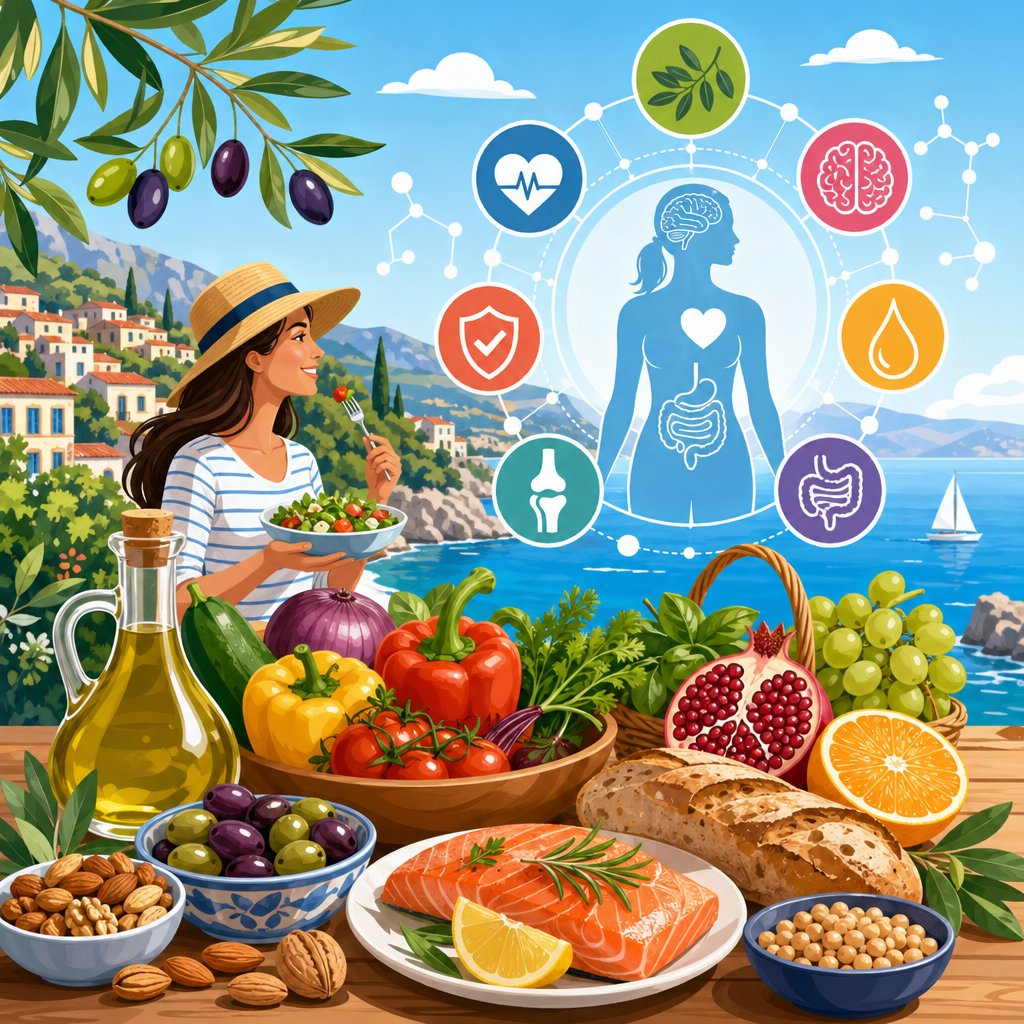
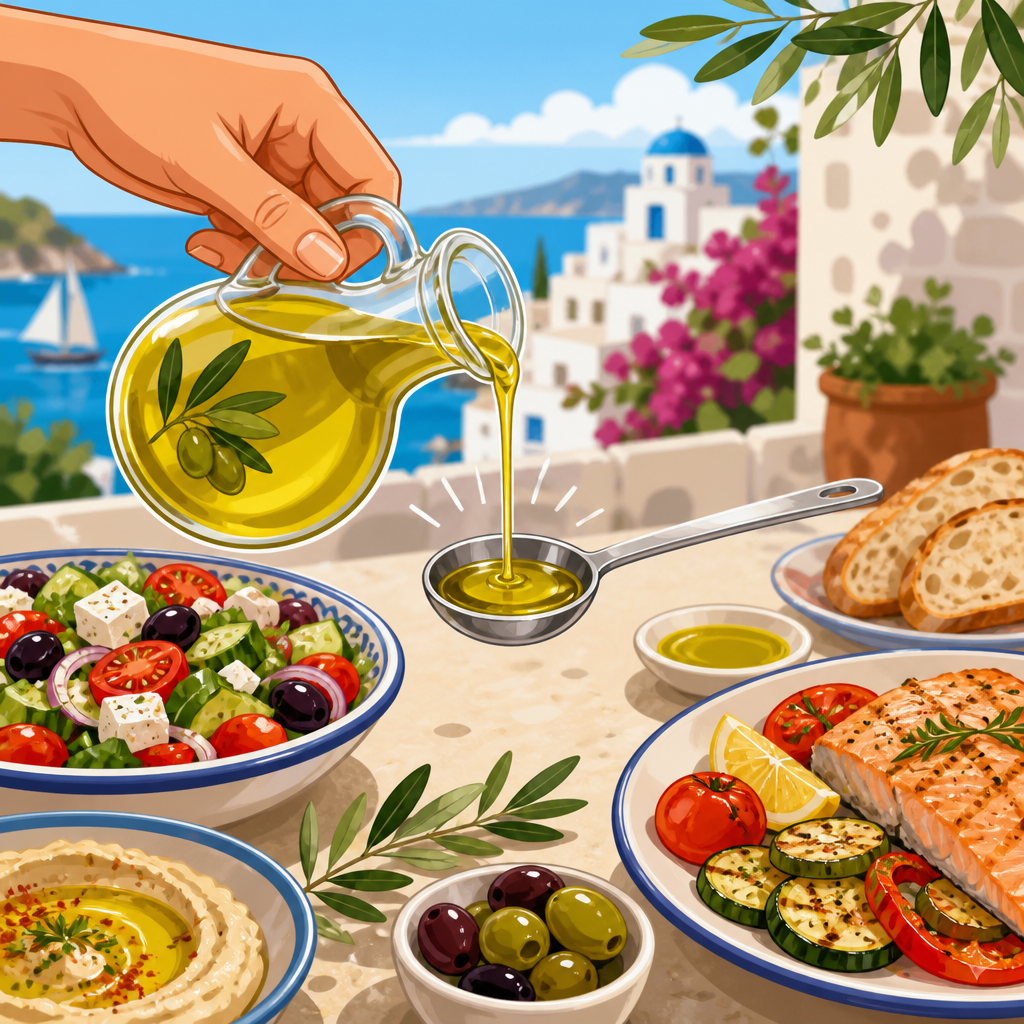
Olive oil is the signature fat of Mediterranean meals, but many people still ask a practical question: what counts as a serving of olive oil in Mediterranean meals? In nutrition terms, a serving usually means 1 tablespoon, or about 15 milliliters, which provides roughly 120 calories and 14 grams of fat. In real Mediterranean eating patterns, however, that tablespoon is better understood as a functional unit used across cooking, dressing, dipping, and finishing rather than an isolated spoonful. That distinction matters because the Mediterranean diet is not simply “eat more olive oil.” It is a structured dietary pattern built around vegetables, legumes, whole grains, fruit, nuts, seafood, moderate dairy, and limited ultra-processed foods, with olive oil acting as the primary added fat.
When I help readers translate Mediterranean diet guidance into daily meals, serving size is where confusion usually starts. Some assume any amount of olive oil is healthy, so more must be better. Others avoid it because they focus only on calories. Both approaches miss the evidence. The Mediterranean diet benefits linked to heart health, metabolic health, and longevity come from the overall pattern and from replacing less favorable fats, not from pouring oil indiscriminately over every dish. A serving has to fit the meal, the person’s energy needs, and the role olive oil plays alongside fiber-rich foods.
Defining a serving also matters because olive oil appears in research in different ways. Clinical trials may measure intake in tablespoons per day, food frequency questionnaires may classify users by grams, and meal planning guides may count olive oil in fat exchanges. Extra virgin olive oil, the least processed form, is especially valued because it retains polyphenols such as hydroxytyrosol and oleocanthal, plus vitamin E and monounsaturated fat, mainly oleic acid. These compounds help explain why Mediterranean diet benefits are repeatedly associated with better cardiovascular markers and lower inflammation risk in high-quality studies.
For a hub article on Mediterranean diet benefits, olive oil serving size is the ideal starting point because it connects the pattern’s most recognizable ingredient to real eating behavior. Once you know what one serving looks like, you can build breakfasts, lunches, dinners, and snacks that are authentic, balanced, and evidence-based. The sections below explain serving standards, how much people typically use in Mediterranean-style meals, how olive oil supports health, and how to apply it without losing sight of calories, quality, or context.
What a Serving of Olive Oil Actually Means
A standard serving of olive oil is 1 tablespoon. That equals 3 teaspoons, 15 milliliters, or about 13.5 to 14 grams of fat. Nutrition labels in the United States commonly use 1 tablespoon as the reference amount, while some Mediterranean countries may discuss intake in liters per household or grams per person. If you are measuring at home, 1 teaspoon contains about 40 calories, so 3 teaspoons equal the familiar 120 calories per tablespoon. For people tracking portions closely, that teaspoon breakdown is useful because many meals use less than a full tablespoon.
In practice, Mediterranean meals often include olive oil in one of four ways: cooking vegetables or proteins, dressing salads and legumes, finishing soups or grain dishes, and dipping bread. Each use can represent part of a serving or more than one serving. For example, a vegetable sauté for two might use 1 tablespoon total, which means each plate contains roughly half a serving before any finishing drizzle is added. A large restaurant salad can easily carry 2 tablespoons of oil in the dressing alone. That is why understanding a serving matters more than relying on visual guesses.
Extra virgin olive oil is usually the preferred choice because it is mechanically extracted and preserves phenolic compounds better than refined olive oil. Refined olive oil can still fit a healthy eating pattern, especially for higher-heat cooking, but extra virgin olive oil delivers the strongest flavor and the bioactive compounds most often discussed in Mediterranean diet research. If the goal is to capture traditional Mediterranean diet benefits, quality matters alongside quantity.
How Much Olive Oil Is Typical in Mediterranean Meals
There is no single mandatory intake, but evidence-based Mediterranean patterns often land in the range of 1 to 4 tablespoons per day depending on total calorie needs, body size, activity, and what foods olive oil is replacing. In the landmark PREDIMED trial, one intervention group followed a Mediterranean diet supplemented with extra virgin olive oil, often reaching about 4 tablespoons daily. That study found significant cardiovascular benefit in a high-risk population when the oil was part of the full dietary pattern rather than a stand-alone addition.
At the meal level, a common amount is 1 to 2 teaspoons for cooking a personal portion of eggs or vegetables, 1 tablespoon in a salad dressing serving, or 1 teaspoon drizzled over soup, beans, or fish before serving. A Mediterranean lunch might include tomato salad dressed with 2 teaspoons of olive oil, lentil soup finished with 1 teaspoon, and a slice of whole-grain bread dipped lightly in another teaspoon. Together, that meal would contain about 4 teaspoons, or just over 1 tablespoon.
The practical takeaway is simple: a serving is 1 tablespoon, but a realistic Mediterranean day often spreads that intake across several foods. This is one reason people feel satisfied on the pattern. Olive oil enhances flavor, improves texture, and helps vegetables, pulses, and whole grains feel substantial rather than austere.
| Meal use | Typical amount | Approximate serving count | Plain-language example |
|---|---|---|---|
| Cooking eggs or vegetables | 1 to 2 teaspoons | 1/3 to 2/3 serving | Scrambling eggs with spinach in a small skillet |
| Salad dressing | 1 tablespoon | 1 serving | Dressing cucumber, tomato, and chickpea salad |
| Finishing soup or beans | 1 teaspoon | 1/3 serving | Drizzling over lentil soup just before eating |
| Bread dipping | 1 to 2 teaspoons | 1/3 to 2/3 serving | Dipping a piece of rustic whole-grain bread |
| Roasting tray of vegetables | 1 to 2 tablespoons for 4 servings | 1/4 to 1/2 serving per plate | Roasting cauliflower, peppers, and onions |
Why Olive Oil Matters for Mediterranean Diet Benefits
Olive oil supports Mediterranean diet benefits because it changes the fat profile of the entire diet. Replacing butter, shortening, or highly processed fats with olive oil increases monounsaturated fat intake, especially oleic acid, while reducing saturated fat from some common cooking choices. That shift is one reason Mediterranean-style eating is associated with improved LDL cholesterol patterns and lower cardiovascular risk.
Extra virgin olive oil also contains phenolic compounds with antioxidant and anti-inflammatory activity. Oleocanthal is known for sensory properties that create a peppery throat sting, and hydroxytyrosol has been studied for oxidative stress reduction. European Food Safety Authority guidance has recognized that olive oil polyphenols contribute to the protection of blood lipids from oxidative stress when sufficient amounts are consumed. Not every bottle contains the same level, but fresher, well-produced extra virgin olive oil generally retains more of these compounds.
From day-to-day experience, one of olive oil’s biggest benefits is adherence. People are more likely to keep eating vegetables, legumes, and whole grains when those foods taste good. A bowl of white beans with greens, lemon, garlic, and olive oil is more satisfying than dry beans with no finishing fat. In other words, olive oil is not a side note in Mediterranean meals. It is a practical tool that makes the pattern sustainable.
Common Questions About Serving Size, Calories, and Weight Goals
Does a serving change if you are trying to lose weight? The serving itself does not change; 1 tablespoon is still 1 tablespoon. What changes is how many servings fit your energy needs. Because olive oil is calorie-dense, portions deserve attention, especially if you are adding it to meals that already contain cheese, nuts, olives, fatty fish, or avocado. A Mediterranean diet for weight management still includes olive oil, but usually in measured amounts and alongside high-volume foods such as vegetables, broth-based soups, beans, and intact grains.
Is it healthier to drink olive oil straight? No clear evidence shows that taking olive oil as a shot is better than using it in meals. In Mediterranean eating, olive oil is typically consumed with food. That context matters because it displaces other fats, improves palatability, and may aid absorption of fat-soluble compounds from vegetables, including carotenoids in tomatoes and leafy greens. Using olive oil on salad, beans, fish, or cooked vegetables is more consistent with the pattern than treating it as a supplement.
What if you never measure? Many people do not, but measurement helps at first. I usually recommend spending one week using measuring spoons so you can calibrate your eye. Most people underestimate how much oil goes into a pan or over a salad. Once you know what 1 teaspoon and 1 tablespoon look like in your own dishes, portioning becomes much easier.
How to Use Olive Oil Well in Everyday Mediterranean Eating
The best way to use olive oil in Mediterranean meals is deliberately, not casually. Start by assigning it jobs. Use a teaspoon to sauté aromatics such as onion and garlic. Use a tablespoon to dress a large salad shared by two people. Finish minestrone, grilled fish, or hummus with a small drizzle right before serving. This method keeps flavor high while preventing accidental overuse.
Pairing also matters. Olive oil works best in a matrix of fiber, protein, and minimally processed carbohydrates. Think of classic combinations: chickpeas with olive oil and lemon, sardines over tomato salad, farro with roasted vegetables, Greek-style bean soup, or whole-grain toast with crushed tomato and extra virgin olive oil. These combinations help explain Mediterranean diet benefits better than olive oil alone because they stabilize appetite, deliver micronutrients, and create dietary consistency over years.
Storage affects quality. Keep olive oil in a dark bottle or tin, away from heat and light, and use it within a reasonable period after opening. Rancid oil loses flavor and some beneficial compounds. If an oil smells stale, waxy, or like old nuts, replace it. Good extra virgin olive oil should smell fresh, grassy, fruity, or peppery depending on the cultivar and region.
Choosing the Right Olive Oil and Avoiding Misconceptions
For most Mediterranean meals, extra virgin olive oil is the first choice. Look for harvest date, producer transparency, and packaging that protects from light. Certifications can help, but they are not the only marker of quality. Sensory freshness matters. Price alone does not guarantee excellence, though extremely cheap oils are less likely to offer strong flavor or high polyphenol content.
A common misconception is that olive oil is unsuitable for cooking. In reality, extra virgin olive oil is widely used for sautéing, roasting, and moderate-heat cooking across Mediterranean regions. Smoke point is only one consideration; oxidative stability also matters, and the fatty acid composition of olive oil is relatively stable compared with many seed oils rich in polyunsaturated fats. For deep frying, context and technique matter more, but routine home cooking with olive oil is entirely compatible with a Mediterranean pattern.
Another misconception is that Mediterranean diet benefits come from olive oil regardless of the rest of the plate. They do not. A meal of refined white bread, processed meat, and sugary dessert does not become “Mediterranean” because olive oil was added. The core pattern remains plant-forward, minimally processed, and balanced. Olive oil enhances that framework; it does not replace it.
Putting Olive Oil Serving Size Into a Full Mediterranean Pattern
If you want a simple benchmark, count 1 tablespoon as one serving of olive oil and aim to distribute it intentionally across meals. Many adults do well with 2 to 3 tablespoons per day in a Mediterranean pattern, while some need less and some use more, especially in research-based or higher-calorie plans. The important point is replacement and context: use olive oil instead of less favorable fats, and use it to support vegetables, legumes, whole grains, and seafood.
As the central hub for Mediterranean diet benefits, this topic leads to every practical question that follows: what to eat for breakfast, how to stock a Mediterranean pantry, how much fish is ideal, whether dairy fits, how to plan snacks, and how to adapt the pattern for diabetes, weight management, or vegetarian eating. Olive oil serving size sits at the center because it influences calories, taste, meal structure, and authenticity all at once.
The most useful next step is straightforward. Measure your olive oil for a week, note how many servings you actually use, and build meals where that oil supports beans, vegetables, grains, and fish rather than processed foods. That one habit turns an abstract idea into a consistent Mediterranean practice, and consistency is where the real benefits appear.
Frequently Asked Questions
What is considered one serving of olive oil in Mediterranean meals?
In nutrition terms, one serving of olive oil is typically defined as 1 tablespoon, which equals about 15 milliliters. That amount provides roughly 120 calories and about 14 grams of fat. This standard serving size is useful because it gives people a clear way to measure intake, compare nutrition labels, and understand how olive oil fits into a balanced eating pattern.
In Mediterranean meals, though, that tablespoon is not always consumed as a separate, obvious portion. Instead, it often acts as a practical unit spread across the meal. For example, part of a tablespoon may be used to sauté vegetables, part may be whisked into a salad dressing, and part may be drizzled over beans, fish, or bread just before serving. So while 1 tablespoon is the standard serving on paper, in real Mediterranean eating it is often better understood as a functional amount used in preparation, flavor, and finishing rather than as a single spoonful taken all at once.
Does a serving of olive oil have to be eaten by itself to count?
No. A serving of olive oil absolutely does not need to be eaten by itself to count. In fact, Mediterranean meals rarely treat olive oil as a standalone food. It is usually incorporated into other foods and recipes, which is one reason it plays such a central role in the pattern as a whole. Olive oil may be brushed onto vegetables before roasting, added to lentils or grains, stirred into tomato dishes, used in a vinaigrette, or drizzled over cooked dishes at the table.
What matters is the amount used, not whether it was swallowed from a spoon. If you use 1 tablespoon total across your salad and roasted vegetables, that still counts as a serving. This is one of the most practical ways to think about olive oil in Mediterranean meals: it is less about isolated portions and more about how olive oil supports the meal’s texture, flavor, satisfaction, and overall nutritional profile. That food-first context is important because olive oil is usually consumed alongside vegetables, legumes, whole grains, and proteins, not in isolation.
How can I estimate a serving of olive oil when cooking Mediterranean-style meals?
The easiest way to estimate a serving is to remember that 1 tablespoon equals 3 teaspoons. If you are cooking at home, measuring spoons are the most accurate option, especially when you are first learning what typical amounts look like. For example, 1 teaspoon might be enough to dress a single serving of sliced tomatoes, while 2 or 3 teaspoons may be used across a plate of vegetables and grains. Once you get used to it, you can more confidently judge portions by sight.
It also helps to think in terms of use rather than volume alone. A small drizzle in a skillet, a light coat on chopped vegetables before roasting, or a finishing pour over soup can add up quickly. If you are preparing a meal for several people, divide the total oil used by the number of servings. For instance, if a recipe uses 2 tablespoons of olive oil and serves four, each portion contains about 1 1/2 teaspoons. This method gives you a much more realistic picture of intake and reflects how olive oil is commonly used in Mediterranean cooking: distributed throughout dishes in purposeful, moderate amounts.
Is one tablespoon of olive oil per meal typical in a Mediterranean eating pattern?
It can be, but it depends on the meal and the overall pattern of eating throughout the day. In a Mediterranean style of eating, olive oil is often used regularly and consistently rather than in extreme amounts at one time. Some meals may include close to a tablespoon per person, especially if olive oil is used both in cooking and as a finishing ingredient. Other meals may use less, particularly if the dish already contains naturally rich ingredients like olives, nuts, fatty fish, or avocado.
The bigger picture is more important than trying to force every meal into an exact tablespoon target. Mediterranean eating is built around whole foods and sensible portions, with olive oil serving as the main added fat. So while 1 tablespoon is a useful benchmark for a serving, actual use can vary based on the dish, the ingredients, and the person’s energy needs. A bean salad dressed lightly with olive oil may use less than a tablespoon, while a plate with roasted vegetables, whole-grain bread, and a finishing drizzle may reach or exceed that amount. The pattern is flexible, but the serving reference helps keep portions understandable and consistent.
Why is olive oil called a “functional unit” in Mediterranean meals?
Olive oil is often called a functional unit because its role goes beyond being a measured fat on a nutrition label. In Mediterranean meals, it serves multiple practical purposes at once. It helps cook onions and garlic at the start of a dish, carries the flavors of herbs and spices, improves mouthfeel, helps vegetables caramelize, and adds a final layer of richness when drizzled over finished food. A single tablespoon can influence several parts of a meal, which is why it makes sense to think of it as a working component rather than just an isolated serving.
This way of understanding olive oil is especially helpful for people trying to apply Mediterranean eating in everyday life. Instead of asking whether they need to “take” a serving of olive oil, they can think about how much is being used to prepare and complete the meal. That reflects authentic Mediterranean practice more closely. Olive oil is not just a fat source; it is part of how meals are built, flavored, and enjoyed. Calling it a functional unit captures that real-world role while still keeping the standard serving size of 1 tablespoon in view for nutrition awareness.