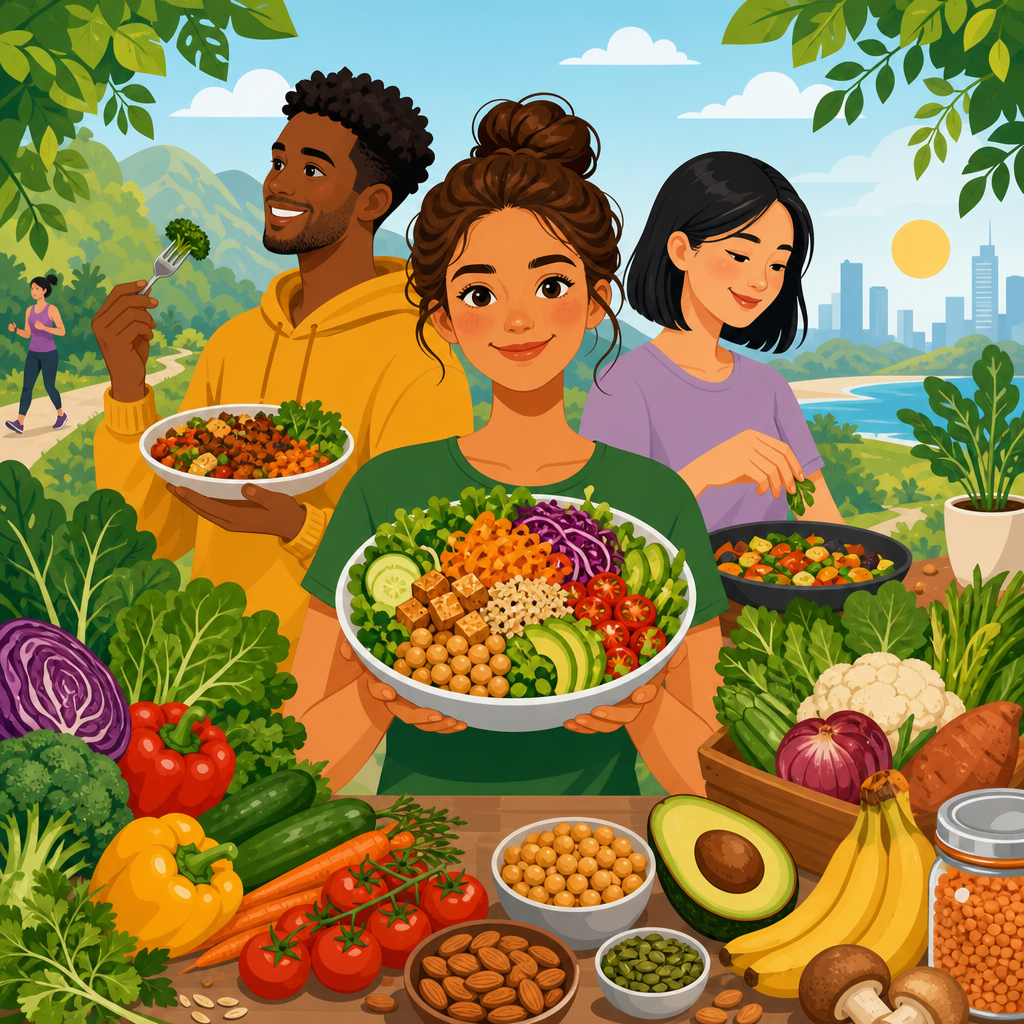
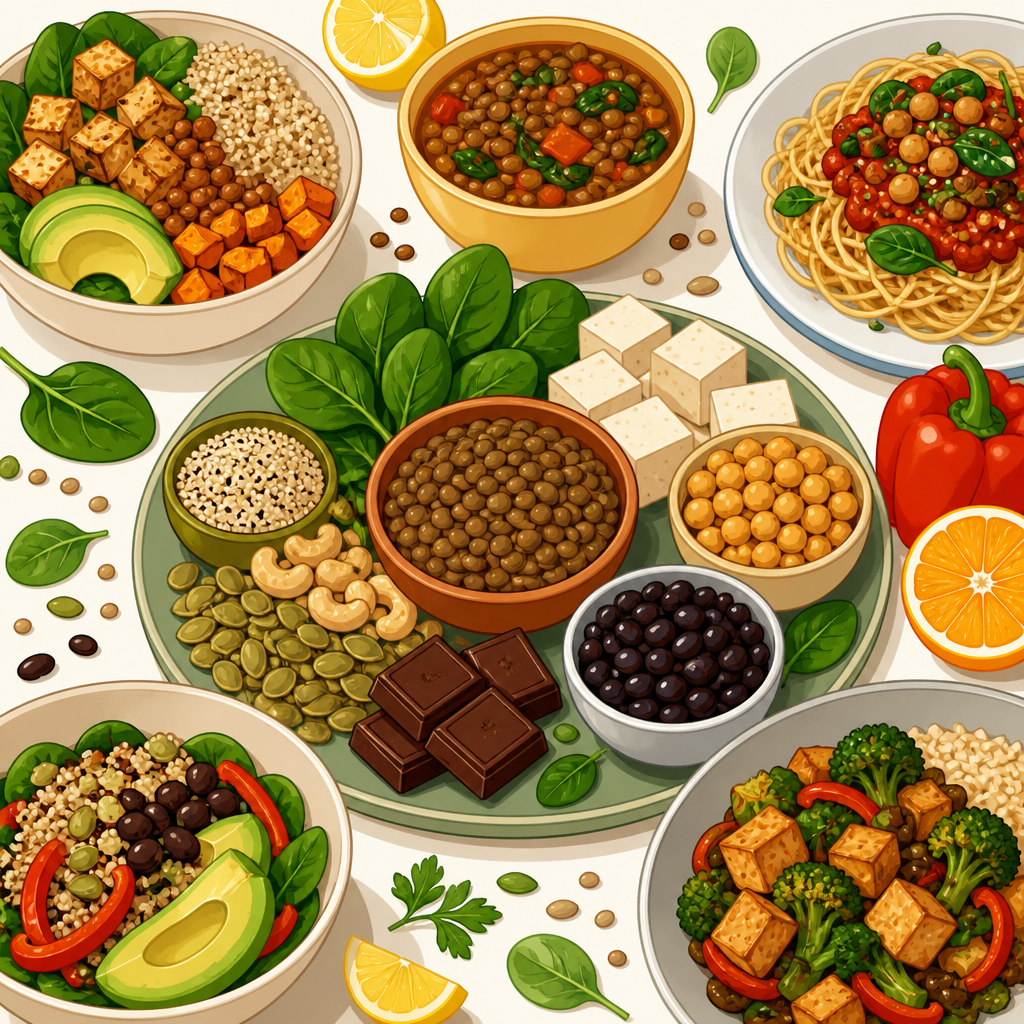
Plant-based diets have moved from a niche lifestyle to a mainstream way of eating, and one question comes up in nearly every client consultation I have handled: where does iron come from when meat is off the plate? Plant-based iron sources can absolutely meet daily needs, but doing it well requires understanding which foods supply iron, how absorption works, and which meals improve or reduce uptake. This matters for vegans, vegetarians, and flexitarians alike because iron supports oxygen transport, energy production, immune function, cognitive performance, and healthy growth. When intake or absorption falls short, fatigue, reduced exercise capacity, headaches, brittle nails, and iron deficiency anemia can follow. The good news is that a well-planned plant-based pattern can deliver enough iron while also providing fiber, antioxidants, and cardiometabolic benefits.
Iron in food exists in two forms: heme iron, found in animal tissue, and nonheme iron, found in beans, lentils, tofu, grains, nuts, seeds, vegetables, herbs, and fortified foods. Nonheme iron is more sensitive to what else is eaten in the same meal, so pairing strategy matters. Vitamin C can sharply improve absorption, while compounds such as phytates in grains and legumes, polyphenols in tea and coffee, and large doses of calcium can interfere. That is why the best plant-based iron meals do more than include spinach or lentils. They combine iron-rich ingredients with absorption enhancers, use preparation methods like soaking, sprouting, fermenting, and leavening, and place beverages strategically. This article serves as a hub for plant-based diets broadly, covering practical iron guidance for vegan, vegetarian, and flexitarian eaters while connecting the topic to meal planning, food quality, and long-term nutrition adequacy.
Plant-Based Diets: What Vegan, Vegetarian, and Flexitarian Really Mean
A vegan diet excludes all animal-derived foods, including meat, poultry, fish, dairy, eggs, and ingredients such as gelatin. A vegetarian diet usually excludes meat and fish but may include dairy, eggs, or both, depending on the subtype. A flexitarian pattern is mostly plant-forward but still includes some animal foods, often occasionally or in small amounts. In practice, these patterns differ in how easy it is to obtain specific nutrients, but all three can be built around the same foundation: legumes, soy foods, whole grains, nuts, seeds, vegetables, fruits, and fortified staples.
From an iron perspective, vegans rely entirely on plant-based iron sources and often need more deliberate meal construction. Vegetarians may get some additional support from eggs, though eggs are not a rich iron source and can contain phosphoproteins that limit absorption. Flexitarians can draw on both plant and occasional animal iron, but many still underconsume legumes and fortified foods, so the assumption that intake is automatically adequate is not always correct. In menu audits I have reviewed, the biggest gap is not usually total food volume; it is meal composition. People might eat oatmeal, salad, pasta, and snacks that sound healthy yet still fall short on iron density unless they include beans, lentils, soy products, pumpkin seeds, or fortified cereals consistently.
Best Plant-Based Iron Sources to Build Meals Around
The strongest plant-based iron sources are legumes, soy foods, seeds, certain whole grains, dried fruit, and fortified products. Lentils provide roughly 6.6 milligrams of iron per cooked cup, while chickpeas offer about 4.7 milligrams and black beans about 3.6 milligrams per cooked cup. Soybeans and edamame are useful, and tofu can range widely depending on type and coagulant; calcium-set tofu often provides meaningful iron along with protein. Tempeh adds iron plus the benefits of fermentation, which may modestly improve mineral bioavailability. Pumpkin seeds are one of the most reliable concentrated options, and hemp seeds, sesame seeds, tahini, cashews, and quinoa also contribute.
Leafy greens like spinach contain iron, but they are often misunderstood. Spinach is not a poor food, yet its high oxalate content reduces how much iron the body can absorb, so it should not be treated as a primary strategy by itself. Lower-oxalate greens such as kale, bok choy, and collards can fit better into an iron-supportive meal when paired with legumes or fortified grains. Blackstrap molasses, iron-fortified breakfast cereals, and some enriched breads can also help, particularly for people with higher needs such as menstruating women, endurance athletes, and adolescents. Cast-iron cookware can increase the iron content of acidic, moist foods like tomato sauces, though the effect is supplemental rather than transformative.
| Food | Approximate iron | Meal pairing that improves absorption |
|---|---|---|
| Lentils, 1 cooked cup | 6.6 mg | Lentil soup with tomatoes and lemon |
| Chickpeas, 1 cooked cup | 4.7 mg | Hummus with red bell pepper and parsley |
| Tofu, 1/2 cup | Varies, often 3 to 6 mg | Tofu stir-fry with broccoli and orange segments |
| Pumpkin seeds, 1 ounce | About 2.5 mg | Pumpkin seeds over citrus kale salad |
| Fortified cereal, 1 serving | Often 4 to 18 mg | Cereal with strawberries or kiwi |
| Quinoa, 1 cooked cup | About 2.8 mg | Quinoa bowl with black beans and salsa |
How Iron Absorption Works on a Plant-Based Diet
Knowing the food list is only half the job. Absorption determines how much iron actually reaches circulation. Nonheme iron uptake improves in an acidic environment and in the presence of vitamin C, which reduces ferric iron to the more absorbable ferrous form and forms a soluble complex in the gut. In practical terms, adding citrus, strawberries, kiwi, tomatoes, potatoes, broccoli, or bell peppers to an iron-rich meal can make a measurable difference. A bowl of lentil chili with tomatoes and a squeeze of lime is better than lentils alone. Oatmeal topped with pumpkin seeds and strawberries works harder nutritionally than plain oats with nuts.
Several inhibitors deserve equal attention. Tea and coffee contain polyphenols that can reduce nonheme iron absorption when consumed with meals, so I usually recommend having them one to two hours away from iron-focused eating. Phytates in legumes and whole grains can bind minerals, but this does not mean those foods are a problem; it means preparation matters. Soaking beans, sprouting grains, choosing sourdough or yeast-leavened bread, and using fermented soy foods can help reduce phytate impact. Calcium can compete in the short term, so a high-calcium supplement taken with an iron-rich meal is not ideal. This is especially relevant for vegans using fortified plant milks or calcium tablets. The goal is not perfection at every meal. It is stacking the odds in your favor repeatedly across the week.
Meals That Pair Well With Plant-Based Iron Sources
The best meals start with a substantial iron anchor and add a clear enhancer. One reliable breakfast is fortified whole-grain cereal with soy milk and sliced strawberries or kiwi. If the soy milk is calcium-fortified, absorption may be slightly less favorable than water-based preparation, so another option is overnight oats with chia, pumpkin seeds, raisins, and berries, plus an orange on the side. For savory mornings, a tofu scramble with black beans, salsa, and roasted potatoes provides iron, protein, and vitamin C from peppers and tomatoes.
Lunch can do heavy lifting. Lentil soup finished with lemon and served with sourdough bread is simple and effective. A quinoa and chickpea salad with parsley, cucumber, cherry tomatoes, and citrus vinaigrette works well for meal prep and travels easily. Hummus plates become stronger iron meals when they include red bell pepper strips, olives, tabbouleh, and a lemon-forward dressing. For dinner, think in templates: bean plus grain plus colorful produce plus acid. Examples include black bean tacos with cabbage slaw and lime, tofu broccoli stir-fry with cashews and mandarin segments, or tempeh curry with tomatoes served over brown rice. Even snacks can contribute. Trail mix with pumpkin seeds and dried apricots, edamame with sea salt, or whole-grain toast with tahini and sliced strawberries all support intake. For families, pasta with lentil bolognese cooked in cast iron is one of the easiest high-acceptance meals I recommend because it is familiar, budget-friendly, and nutrient-dense.
Nutrition Beyond Iron: Building a Complete Plant-Based Diet Hub
Iron is central, but a true hub for plant-based diets must address the larger nutrition picture. Protein adequacy is usually straightforward when meals consistently include beans, lentils, soy foods, dairy or eggs for vegetarians, whole grains, nuts, and seeds. The old concern about combining proteins at every meal is outdated; variety across the day is generally enough. Vitamin B12 is the nonnegotiable nutrient for vegans because reliable natural plant sources do not exist. Fortified foods or supplements are necessary. Vegetarians may still need supplementation depending on intake and labs.
Omega-3 fats, iodine, vitamin D, calcium, zinc, and selenium also deserve attention. Ground flaxseed, chia seeds, walnuts, and algae-based DHA supplements can support omega-3 status. Iodized salt and seaweed in measured amounts can help with iodine, though kelp can overshoot dramatically. Calcium may come from fortified plant milks, calcium-set tofu, tahini, almonds, and low-oxalate greens. Zinc overlaps with many iron foods, especially legumes, seeds, and whole grains, but absorption can also be affected by phytates. In counseling, I emphasize dietary patterns, not isolated superfoods. The most sustainable plant-based diets are repetitive in structure but varied in ingredients: breakfast anchors, legume-based lunches, produce-rich dinners, and snacks that actually contribute nutrients instead of empty calories. That framework supports beginners and experienced eaters equally well.
Common Mistakes, Special Needs, and When to Check Iron Status
The most common mistake is relying on salads and smoothies while underestimating the need for dense staples like beans, tofu, whole grains, and fortified foods. Another is assuming spinach covers iron needs. It helps, but it is not enough on its own. I also frequently see people drink coffee with breakfast cereal or tea with lentil lunch, unintentionally blunting absorption. Athletes, adolescents, frequent blood donors, and people with heavy menstrual losses need closer attention because requirements or losses are higher. Pregnancy raises iron demands substantially, and supplements are often necessary under medical guidance.
Symptoms of low iron can include persistent fatigue, shortness of breath on exertion, poor concentration, restless legs, paleness, and reduced workout tolerance, but symptoms are not a diagnosis. Ferritin, hemoglobin, hematocrit, transferrin saturation, and C-reactive protein can help interpret status, especially because inflammation can elevate ferritin independently. Supplementation should be personalized. More is not always better, and gastrointestinal side effects are common with standard iron salts. Alternate-day dosing can improve tolerance for some people, but that decision belongs with a clinician. The key point is that plant-based diets are compatible with healthy iron status when they are planned, monitored when needed, and adjusted based on life stage and lab data rather than guesswork.
Plant-based iron sources are practical, affordable, and effective when meals are designed with absorption in mind. Lentils, chickpeas, tofu, tempeh, pumpkin seeds, quinoa, fortified cereals, and legumes of all kinds form the backbone. Vitamin C-rich produce, acidic dressings, fermentation, soaking, and smart beverage timing turn those foods into a stronger strategy. Vegan, vegetarian, and flexitarian diets all benefit from the same core principle: make nutrient density intentional instead of accidental.
If you want better energy, steadier nutrition, and a plant-based diet that works in real life, start with one upgrade today. Add an iron-rich food to your next meal, pair it with vitamin C, and build from there. Small, consistent changes are what make plant-based eating sustainable and nutritionally complete.
Frequently Asked Questions
What are the best plant-based sources of iron?
The best plant-based iron sources are foods that deliver a meaningful amount of non-heme iron while also fitting easily into regular meals. Lentils, chickpeas, black beans, kidney beans, tofu, tempeh, edamame, pumpkin seeds, hemp seeds, sesame seeds, quinoa, fortified breakfast cereals, oats, spinach, swiss chard, and dried fruits such as apricots and raisins are all commonly used options. Among these, legumes and soy foods tend to be especially practical because they provide iron along with protein, fiber, and other important minerals. Seeds can also make a major difference, particularly when sprinkled onto salads, soups, grain bowls, or oatmeal.
It is also useful to think beyond single ingredients and focus on patterns. A bowl of lentil soup, tofu stir-fry with broccoli, chickpea curry over brown rice, or oatmeal topped with pumpkin seeds can all contribute to daily iron intake in a realistic way. Fortified foods deserve attention as well, since some cereals and plant milks can significantly boost iron intake without requiring large portions. For many people, the most effective strategy is variety: rotating beans, lentils, soy foods, whole grains, leafy greens, nuts, seeds, and fortified staples throughout the week creates a more dependable iron intake than relying on just one “superfood.”
Why is iron absorption different with plant-based foods, and how can meals improve it?
Plant foods contain non-heme iron, which is absorbed less efficiently than the heme iron found in animal foods. That does not mean plant-based eating is automatically low in iron, but it does mean meal composition matters. The body can absorb more non-heme iron when it is eaten alongside vitamin C-rich foods such as bell peppers, citrus fruits, strawberries, kiwi, tomatoes, broccoli, and Brussels sprouts. Vitamin C helps convert iron into a form that is easier for the body to use, which is why simple pairings can make a meaningful difference.
In practical terms, that means the meals that pair best with plant-based iron sources are often the ones that include both an iron-rich base and a vitamin C-rich addition. For example, black beans with salsa, lentil soup with tomatoes, tofu stir-fry with broccoli and red peppers, hummus with lemon juice, or spinach salad with strawberries all support better uptake. On the other hand, some compounds can reduce iron absorption when eaten at the same time, including tannins in tea and coffee, calcium in large amounts, and phytates found naturally in some grains and legumes. This does not mean these foods must be avoided, only that timing can help. Drinking coffee or tea between meals rather than with an iron-rich meal, and spreading out calcium supplements or high-calcium foods when possible, may support better iron absorption over time.
What meals pair especially well with plant-based iron sources?
The strongest meal pairings combine iron-rich plant foods with ingredients that enhance absorption and create balanced nutrition. One reliable example is a lentil and tomato stew served with a side of roasted broccoli or a squeeze of lemon. Lentils provide iron, while tomatoes and lemon add vitamin C. Another excellent option is a tofu and bell pepper stir-fry served over quinoa or brown rice. Tofu contributes iron and protein, bell peppers boost absorption, and the grain completes the meal. Chickpea curry with tomatoes over rice, topped with fresh cilantro and a side of cabbage slaw, is another smart combination that works well for both taste and nutrition.
Breakfast and snacks can also be built strategically. Oatmeal made with iron-fortified oats or cereal and topped with pumpkin seeds, strawberries, and a spoonful of almond butter is a strong start to the day. A spinach salad with white beans, orange segments, sunflower seeds, and a citrus vinaigrette is a highly effective lunch. For a lighter option, hummus with red pepper strips or a bean-based wrap filled with tomatoes, greens, and salsa can help increase iron intake without feeling overly complicated. The best meals are usually the ones that are repeatable, enjoyable, and built around combinations that naturally support absorption rather than requiring complicated tracking.
Are there foods or drinks that reduce iron absorption from plant-based meals?
Yes, several common foods and drinks can reduce non-heme iron absorption when consumed at the same time as an iron-rich meal. Tea and coffee are two of the biggest examples because they contain polyphenols and tannins that can interfere with uptake. Calcium can also compete with iron absorption, particularly when high-calcium foods or supplements are taken alongside iron-rich meals. In addition, phytates found in whole grains, legumes, nuts, and seeds may reduce absorption to some degree, although these foods are still highly nutritious and should not be dismissed. In many cases, preparation methods such as soaking, sprouting, fermenting, and cooking can help reduce phytate content and improve overall mineral availability.
The key is not to become overly restrictive, but to be intentional about timing and meal structure. If someone is concerned about low iron status, it may help to drink coffee or tea an hour or two before or after meals instead of during them. Calcium supplements are often better taken separately from iron-focused meals unless a clinician advises otherwise. Foods like beans, lentils, whole grains, and seeds remain valuable parts of a healthy diet even though they contain phytates, because they contribute iron and many other nutrients. What matters most is the overall pattern: iron-rich foods eaten regularly, paired with vitamin C, and not consistently blocked by stronger inhibitors at every meal.
Can vegans and vegetarians get enough iron without supplements?
Yes, many vegans and vegetarians can meet their iron needs through food alone, but success depends on consistency, variety, and attention to absorption. Because plant-based eaters rely on non-heme iron, they often need to be a bit more deliberate than someone who gets iron from meat. That usually means including iron-rich foods multiple times per day instead of assuming one healthy meal will cover everything. A day that includes fortified cereal or oatmeal with seeds at breakfast, a bean or lentil-based lunch, and tofu, tempeh, or legumes at dinner can add up effectively. Pairing these meals with vitamin C-rich produce makes the strategy even stronger.
That said, some people have higher iron needs or greater risk of deficiency, including menstruating women, endurance athletes, adolescents, pregnant individuals, and people with certain digestive or absorption issues. For those groups, food-first planning is still important, but regular monitoring may also be wise. Symptoms such as unusual fatigue, shortness of breath, dizziness, pale skin, headaches, or poor exercise tolerance can sometimes point to low iron status, although lab testing is needed for confirmation. Supplements should not be started casually just because someone follows a plant-based diet, since too much iron can also be harmful. The most effective approach is to build iron-supportive meals consistently, watch for symptoms when relevant, and use blood work and clinical guidance to decide whether supplementation is actually necessary.